

.svg)
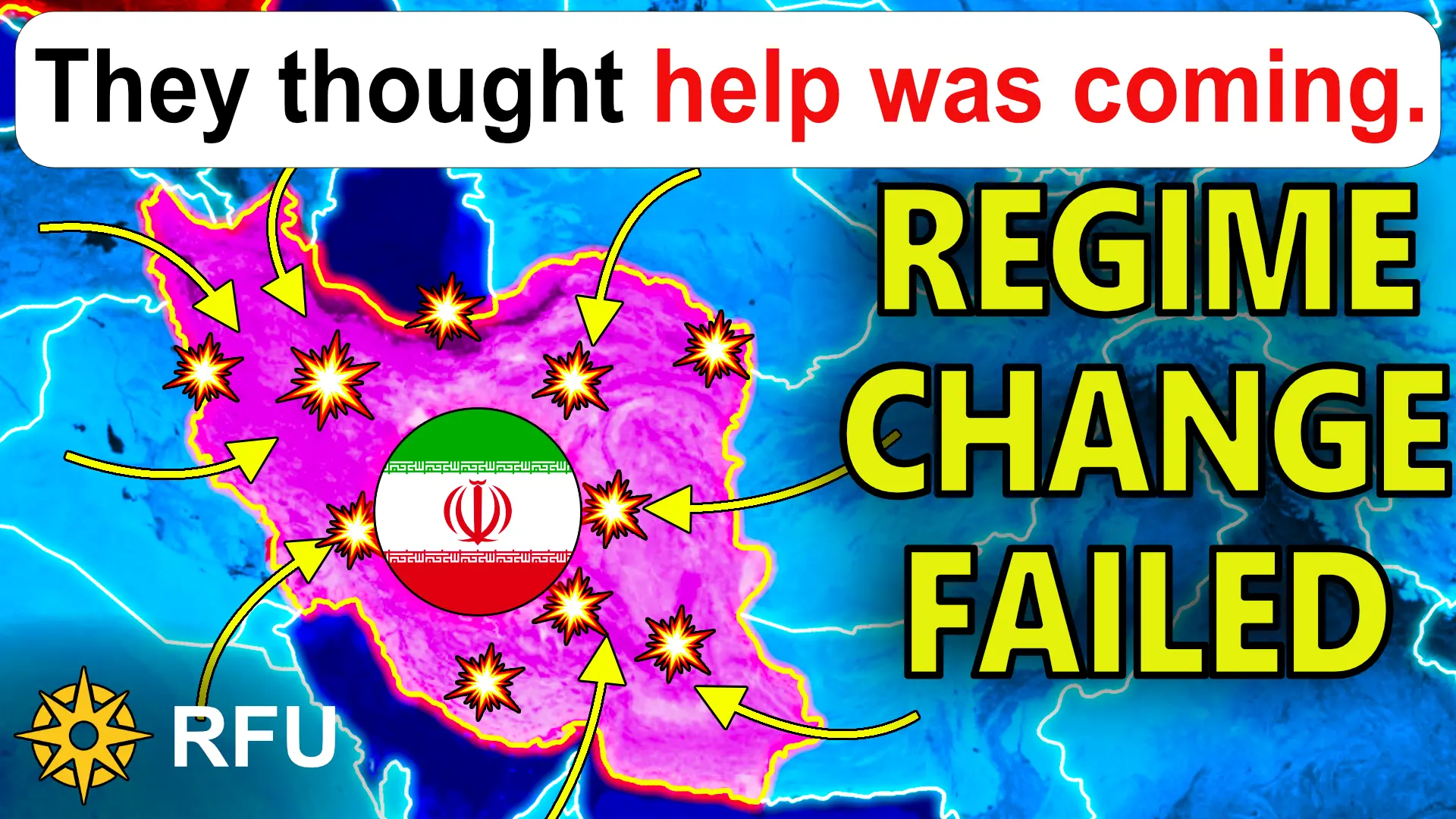
How a butterfly effect caused the US’ failure to capitalize on protests in Iran, and ensure regime change
The failure to capitalize on a systemic domestic crisis within the Islamic Republic of Iran represents a profound geopolitical inflection point, illustrating the hazards of strategic desynchronization between intelligence assessments and operational posture. By allowing regional escalatory threats and unrelated theater reallocations to dictate its response timeline, the United States missed a rare structural window to enforce long-sought governance transformation in Tehran. This operational hesitation effectively subsidized the survival of an antagonistic regime, enabling it to re-consolidate domestic authority via intensive, asymmetric internal security measures and the utilization of transnational proxy assets. Furthermore, the subsequent destruction of the domestic opposition's organizational infrastructure ensures that any near-term revival of popular resistance is structurally unviable. The incident also highlights a severe misallocation of maritime power projection capabilities, where immediate commitments in peripheral theaters compromised readiness at a critical global chokepoint. Ultimately, this strategic paralysis leaves Iran's regional revisionist architecture and unconventional capabilities intact, shifting the geopolitical balance of power and entrenching the regime against future internal volatility.



0 Comments