


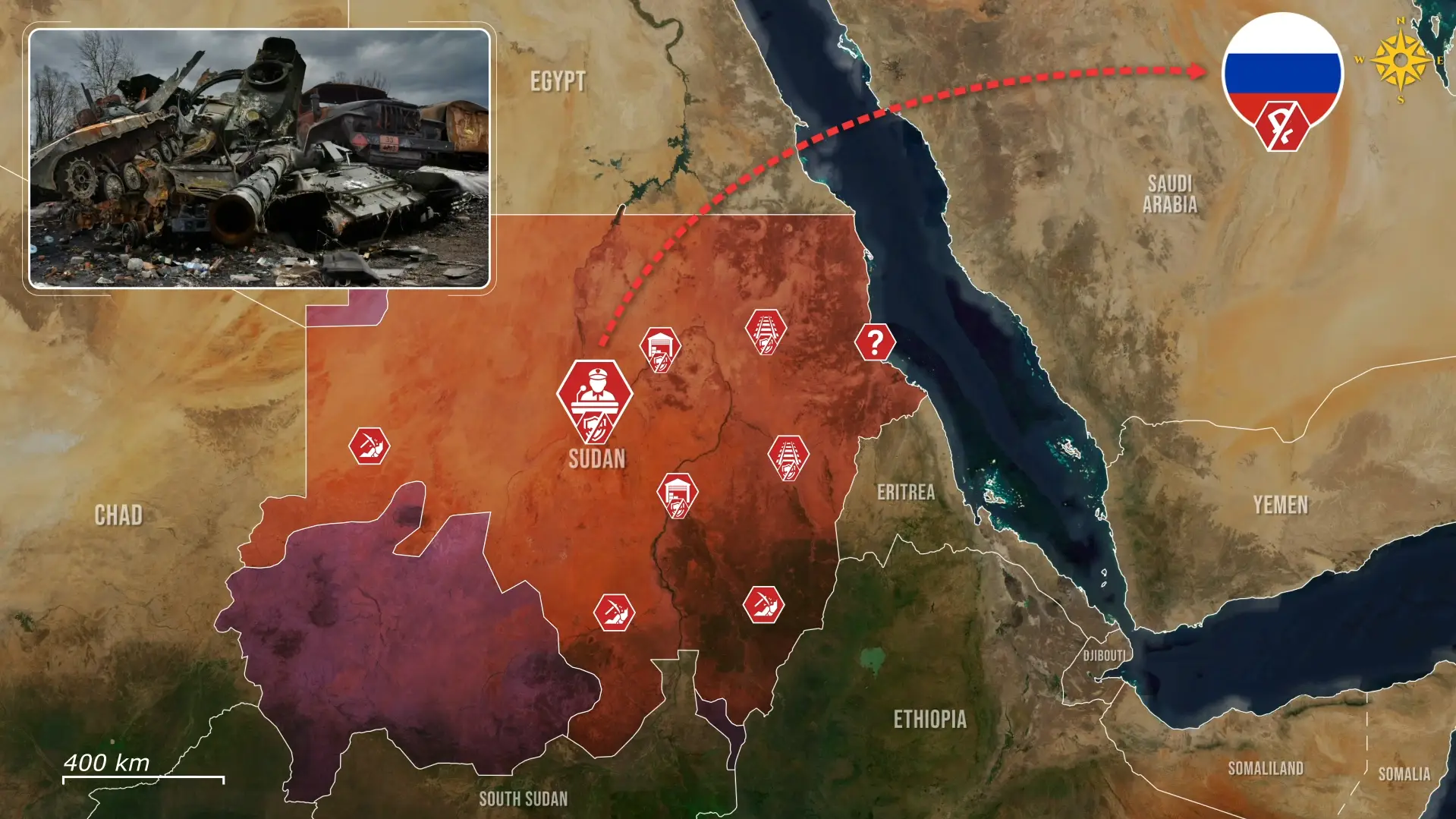
Sudan has offered Russia a broad package of economic incentives that could significantly deepen ties between the two countries. During a meeting with Putin, Sudanese leader Abdel Fattah al Burhan proposed access to gold, copper, and other mining projects, alongside the creation of a Russian free economic zone on the Red Sea. The proposal also includes fuel and grain storage facilities, new logistics hubs and a role for Russian companies in expanding Sudan’s railway network. In return, Sudan hopes to secure weapons, investment and political backing as the war against the Sudanese Rapid Support Forces continues.
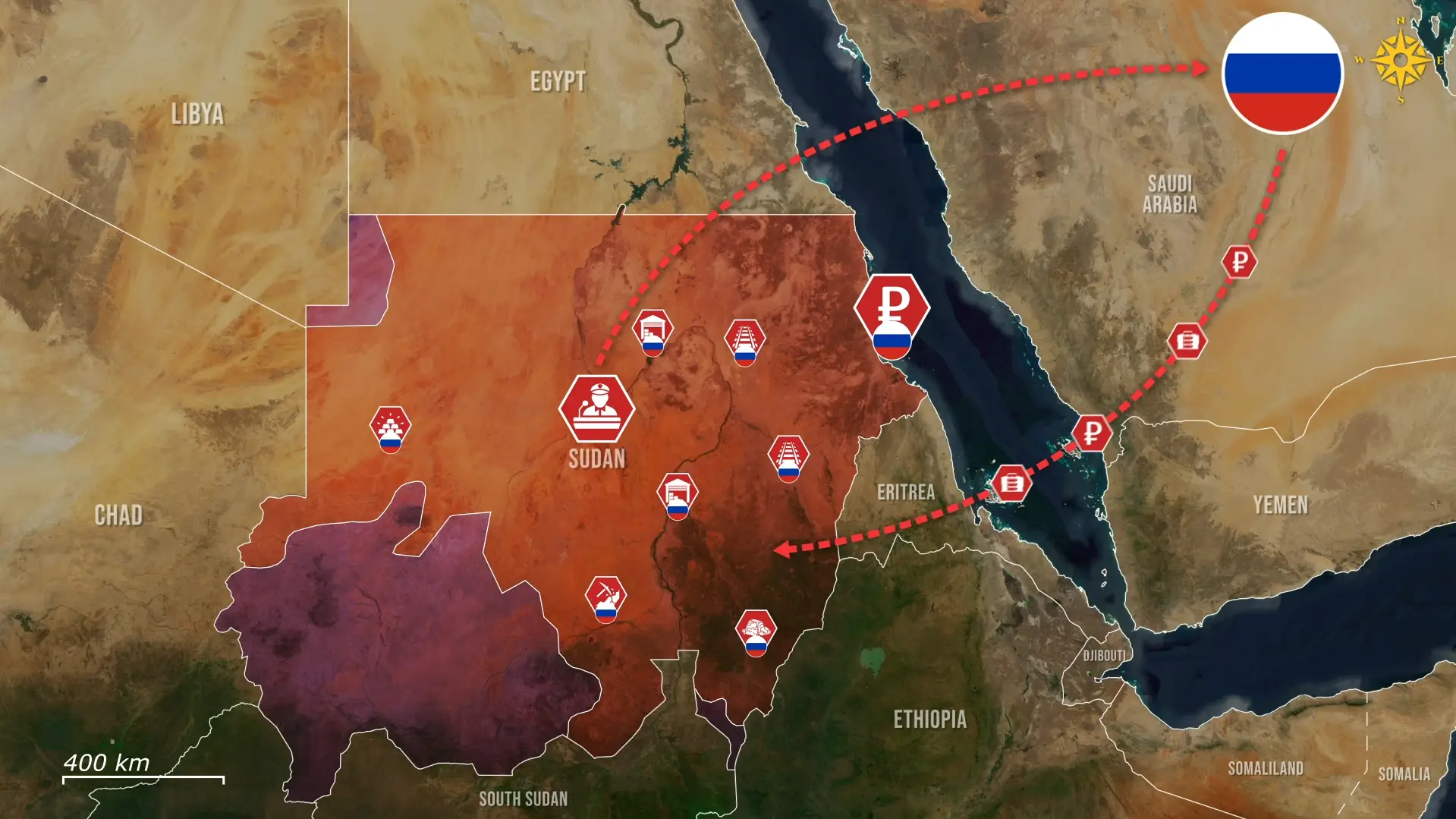
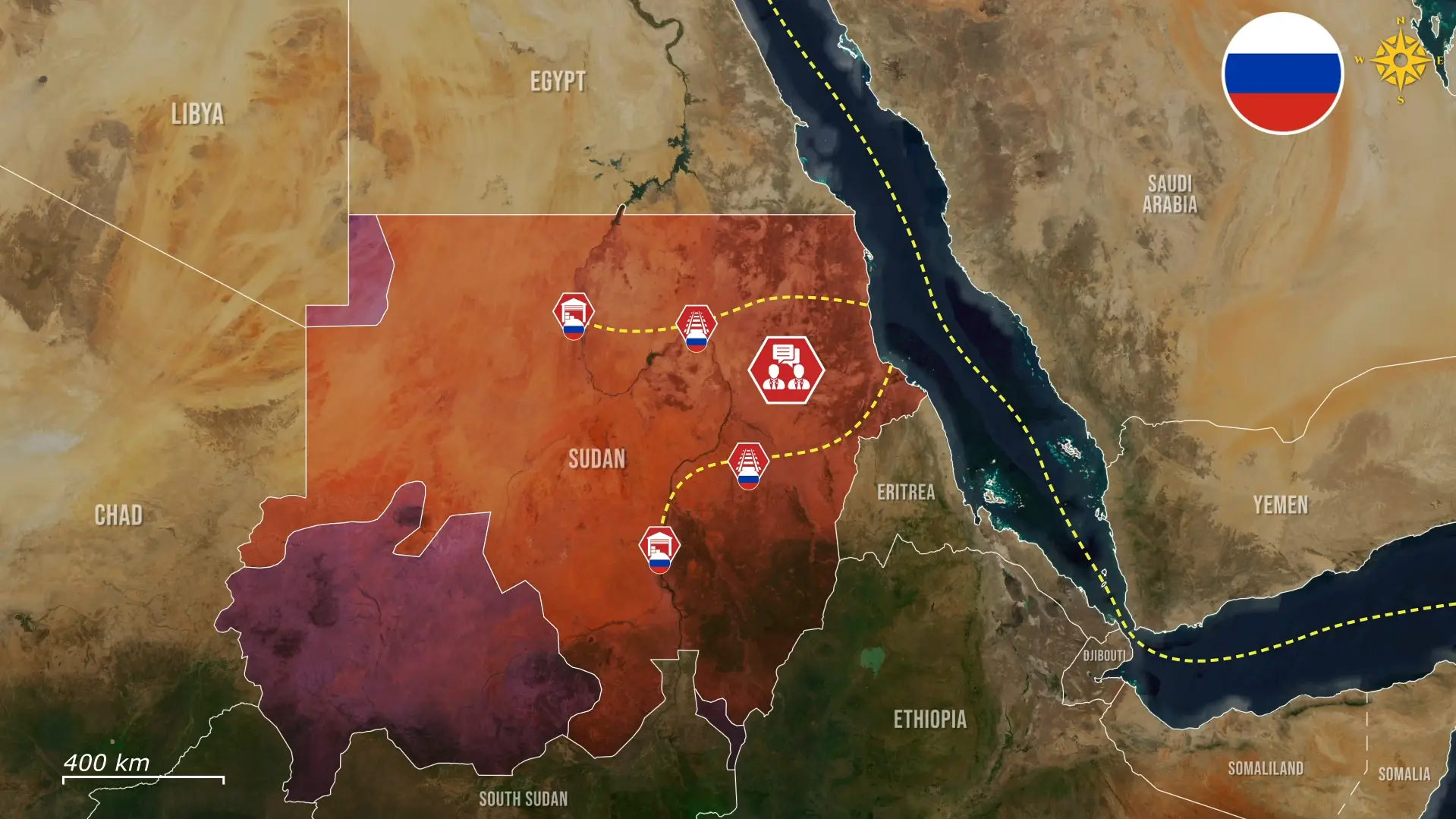
The offer revives a long-standing Russian objective, as Moscow has tried to establish a naval base in Sudan since two thousand seventeen. Such a base would give Russia access to one of the world’s most important shipping routes. While the recent proposal focused on an economic zone rather than a military facility, such an arrangement could still provide Russia with warehouses, transport links, and privileged access to the Sudanese coast. That would allow Russia to build a stronger presence in the region without immediately opening a naval base, reducing political resistance while laying the foundations for deeper involvement. However, no final agreement has been signed, and the proposal remains a roadmap rather than a binding commitment.
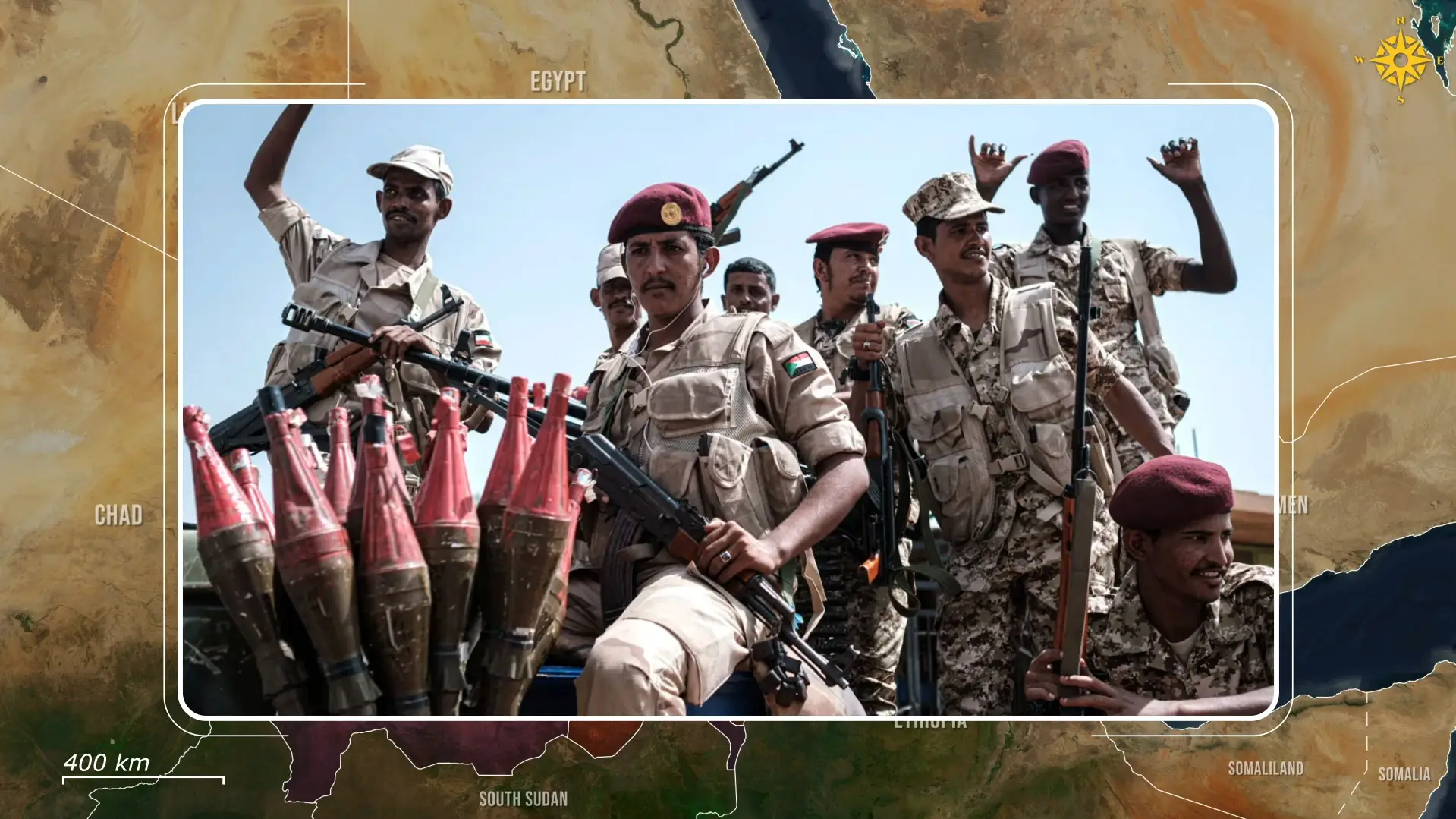
Sudan’s interest in strengthening the partnership is driven by the prolonged war against the Rapid Support Forces, which increases the need for weapon deliveries. Although Sudan already uses Russian-made small arms and Kornet anti-tank weapons, its military needs much more support to continue the war. Specifically, the Sudanese Armed Forces require drones, air defense systems, ammunition, and spare parts to sustain operations and reverse battlefield losses. Additionally, Sudan also values Russia’s diplomatic influence, as it can provide political support at the United Nations and help protect its military leadership from international pressure linked to the conduct of the war and the worsening humanitarian crisis.
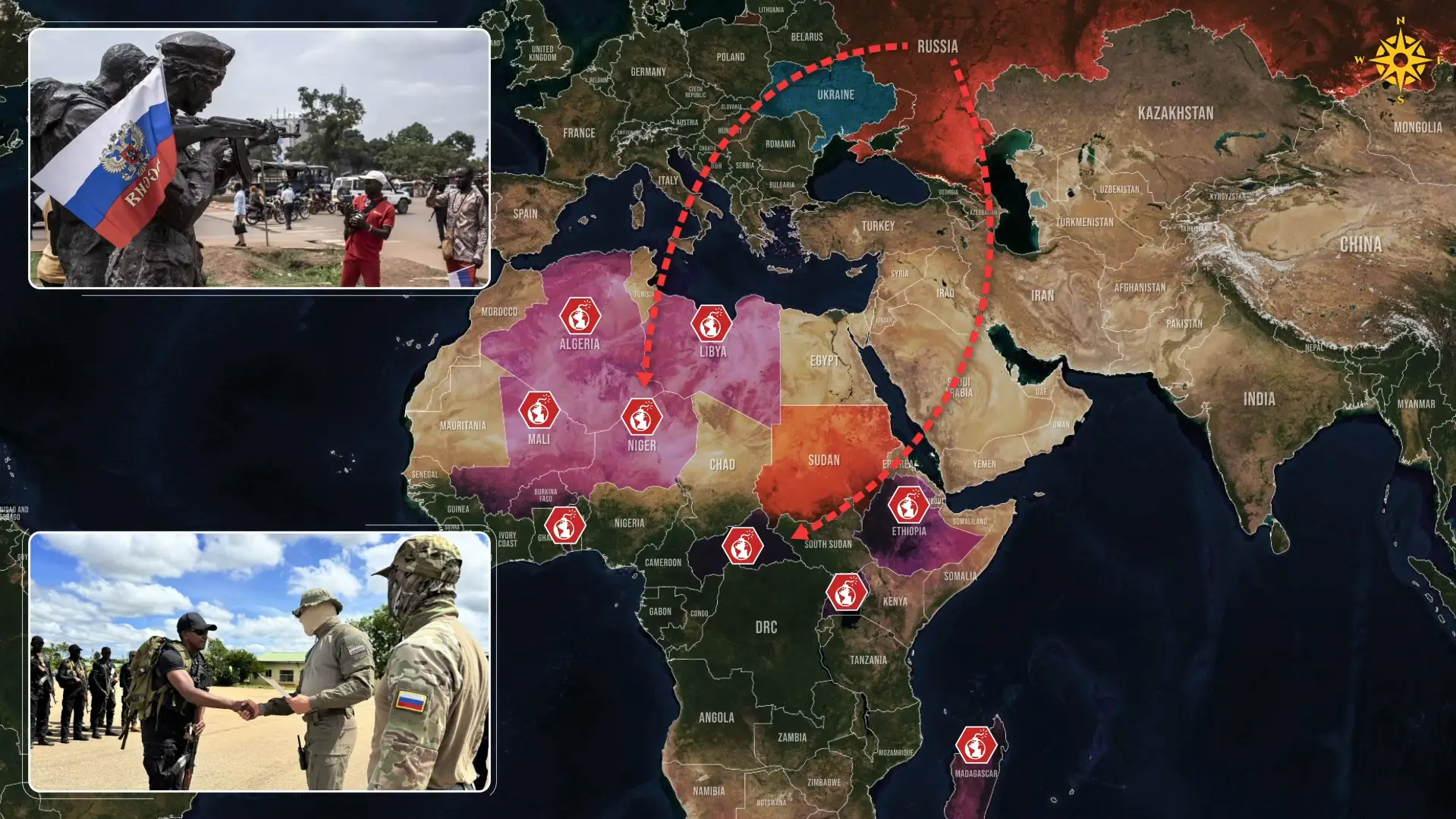
Sudan's needs align closely with Russia's broader strategy across Africa. In fact, Russia often builds relationships with governments facing conflict, instability, or international isolation by offering military assistance and presenting itself as an alternative to Western influence. This approach allows Russia to partner with states whose leaders need military support to stay in power. As a result, Russia can offer training, weapons deliveries, and direct military backing, creating dependency that requires ongoing support and generates long term influence. In return, Russia gains access to mineral resources, infrastructure projects, and strategically important facilities for its Africa corps.
But securing a foothold on the Red Sea would give Russia important advantages beyond the long-term influence in Sudan, as the waterway connects Europe and Asia through the Suez Canal and is one of the busiest routes of maritime global trade. Hence, access to Sudan’s coastline would give Russia leverage over a maritime node already marked by intense geopolitical competition. Such a development would inevitably increase pressure on the United States, European powers, Egypt and Saudi Arabia, all of which have significant interests in maintaining influence over Red Sea security and trade flows.
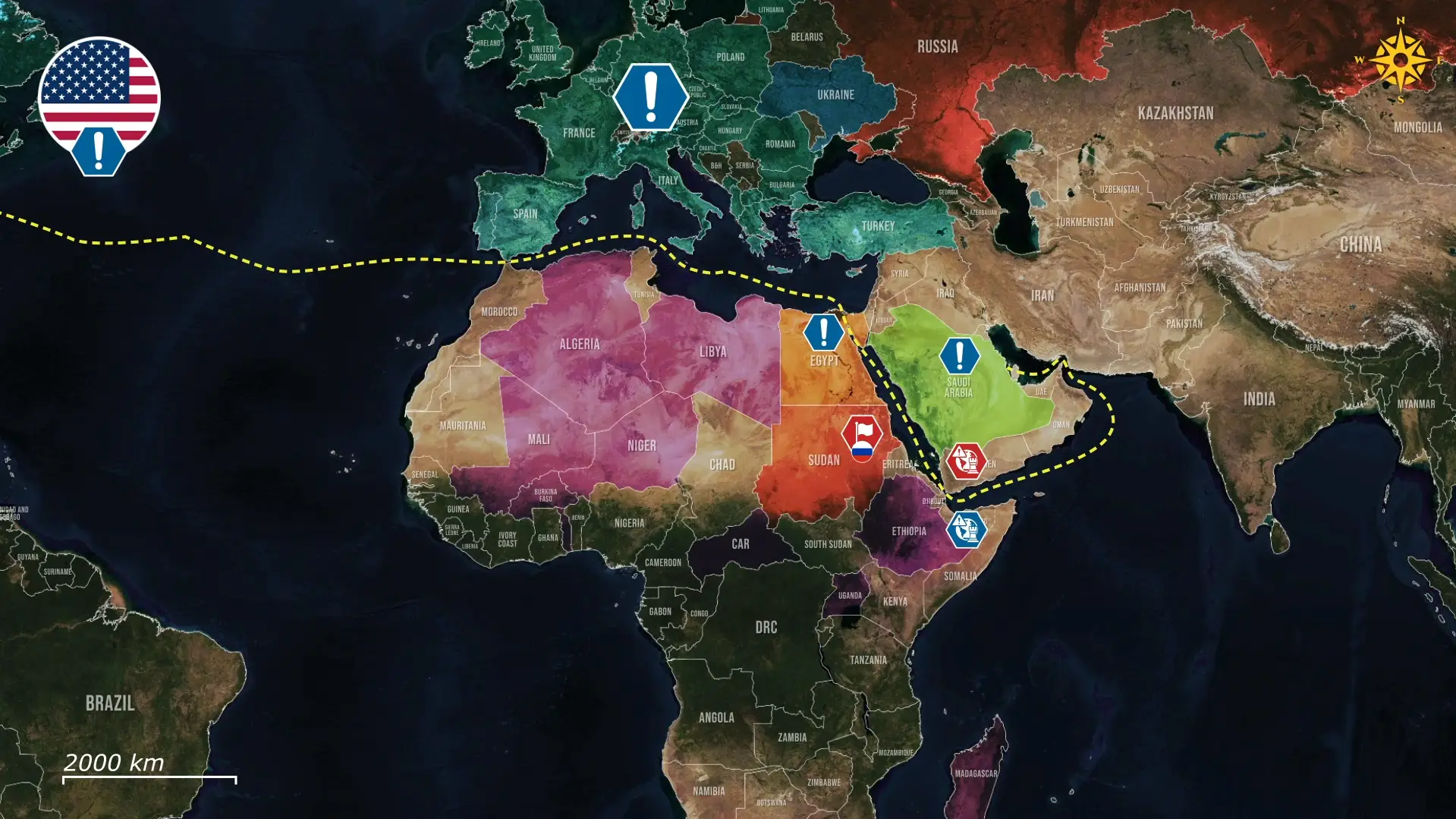
Overall, Sudan’s proposal shows how the country’s weak position after years of war fits Russia’s wider strategy for expanding its influence across Africa. If the proposal becomes reality, Moscow could gain far more than mining contracts, including new infrastructure projects and a strategic position on the Red Sea after years of failed attempts. However, Sudan’s civil war also makes railway lines, storage facilities and other major investments more dangerous, expensive and difficult to complete. Russia must therefore decide whether Sudan’s long-term strategic value justifies a major commitment at a time when much of its money, equipment and political attention remains focused on the war in Ukraine.



0 Kommentare