

.svg)
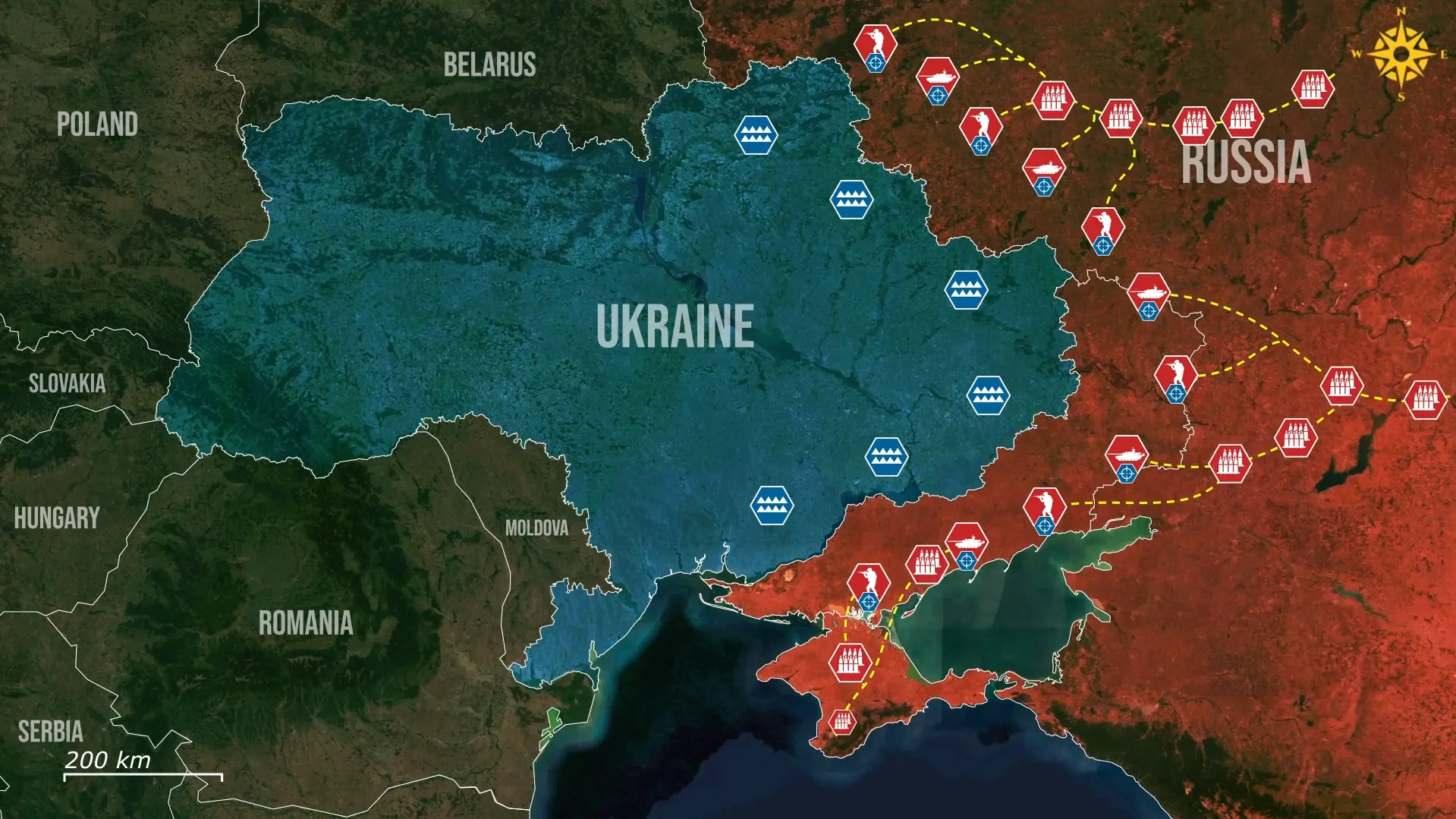
Today, the biggest updates come from Ukraine.
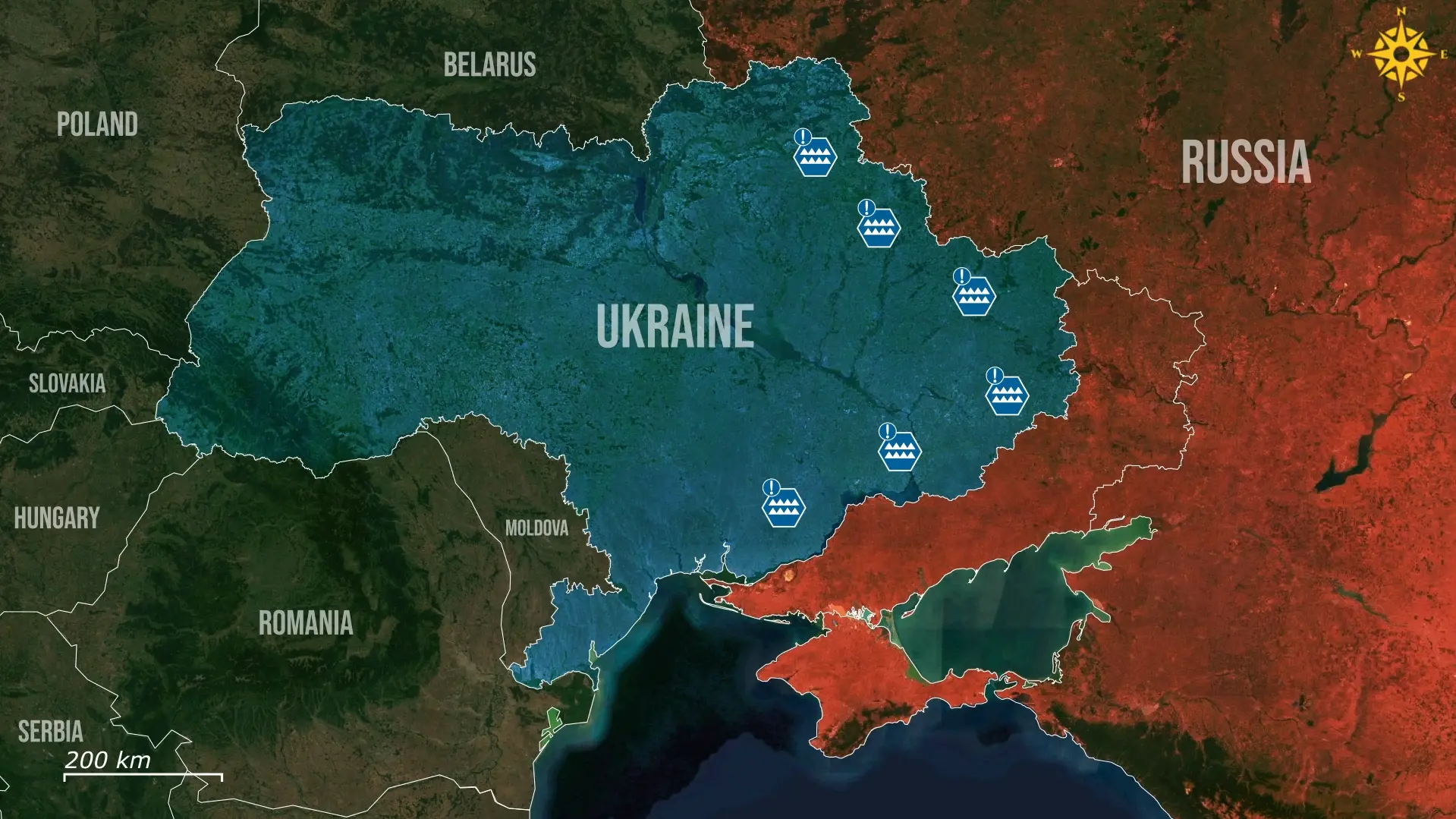
Across the front, Ukraine is reshaping the battlefield with layered defensive lines built to stop both armored thrusts and infantry assaults from any direction. These new, dual-use fortifications promise resilience and staying power, yet their design leaves little space for maneuver, turning the fight into a test of endurance rather than movement.
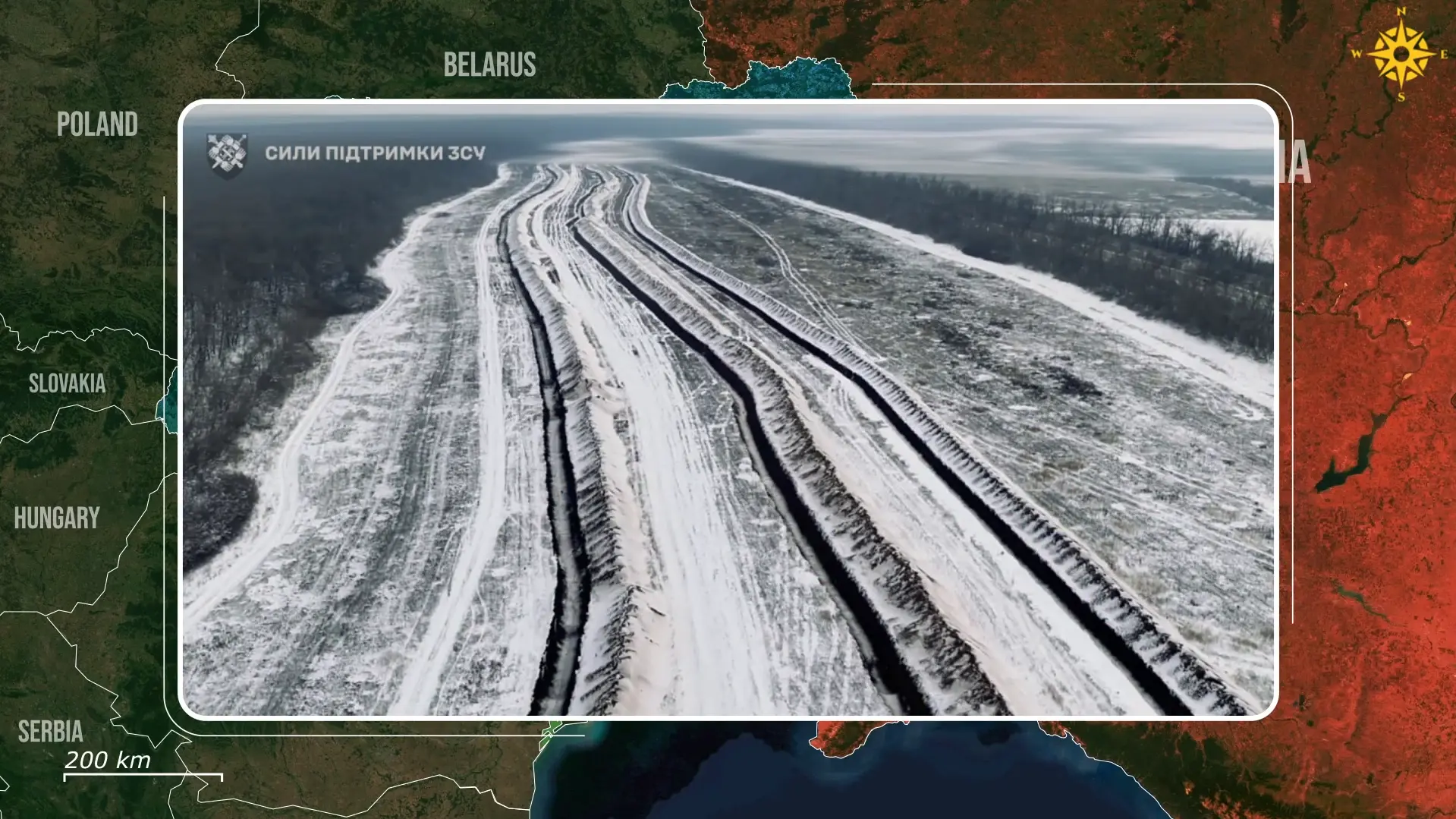
Ukraine’s new defensive lines begin with extensive anti-tank ditches designed to physically block and immobilize armored vehicles before they can reach key positions. These deep, wide earthworks break attacking momentum by forcing armored vehicles to halt or maneuver awkwardly at the obstacle’s edge, leaving them slowed or stationary and therefore more exposed to direct and indirect fire.
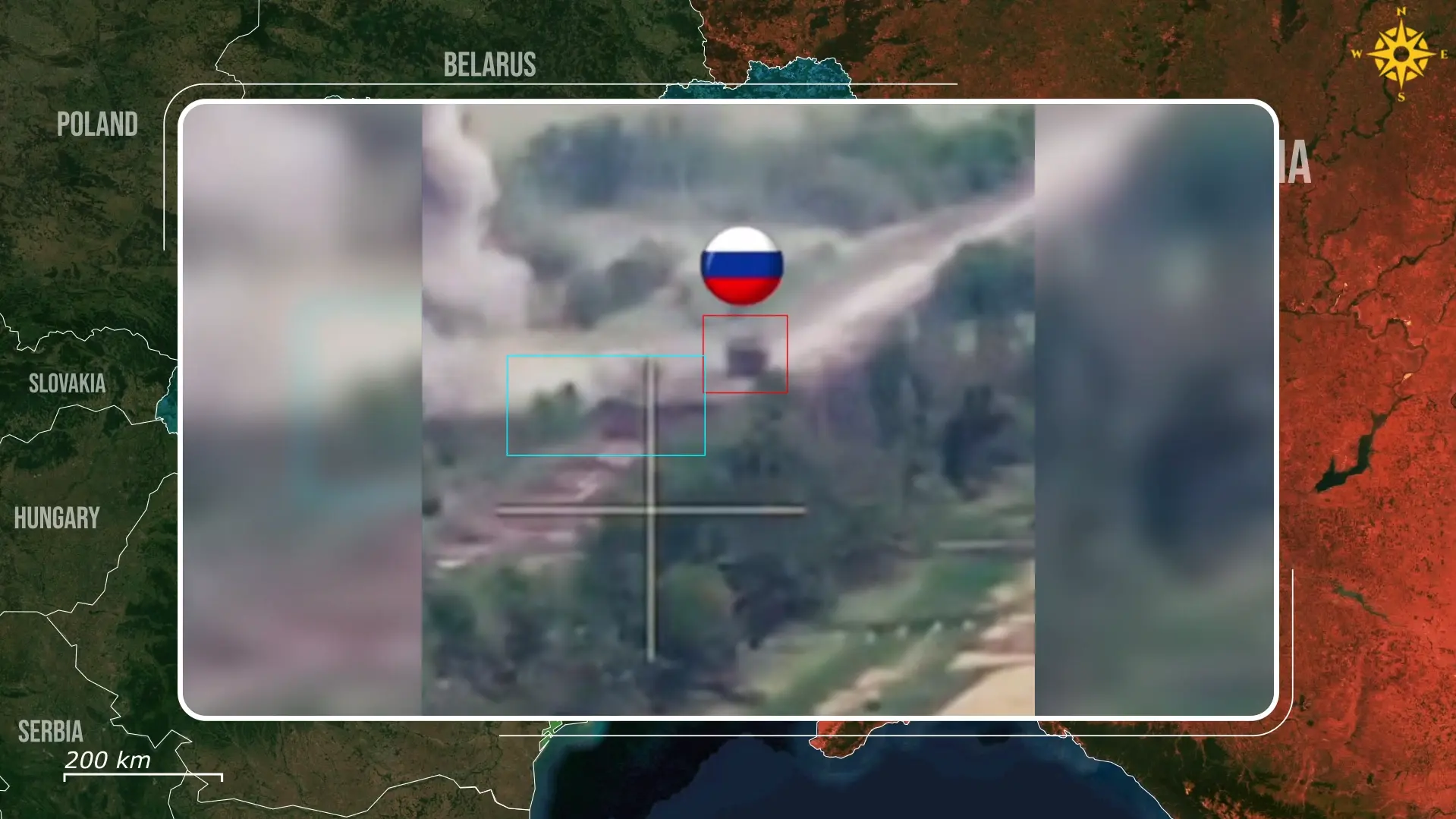
At the same time, because they cannot be crossed freely without vehicles falling in and getting stuck, armored units are forced to halt and wait for specialized bridging or engineering equipment to arrive before they can continue the advance. This delay disrupts operational tempo and prevents rapid exploitation of breakthroughs.
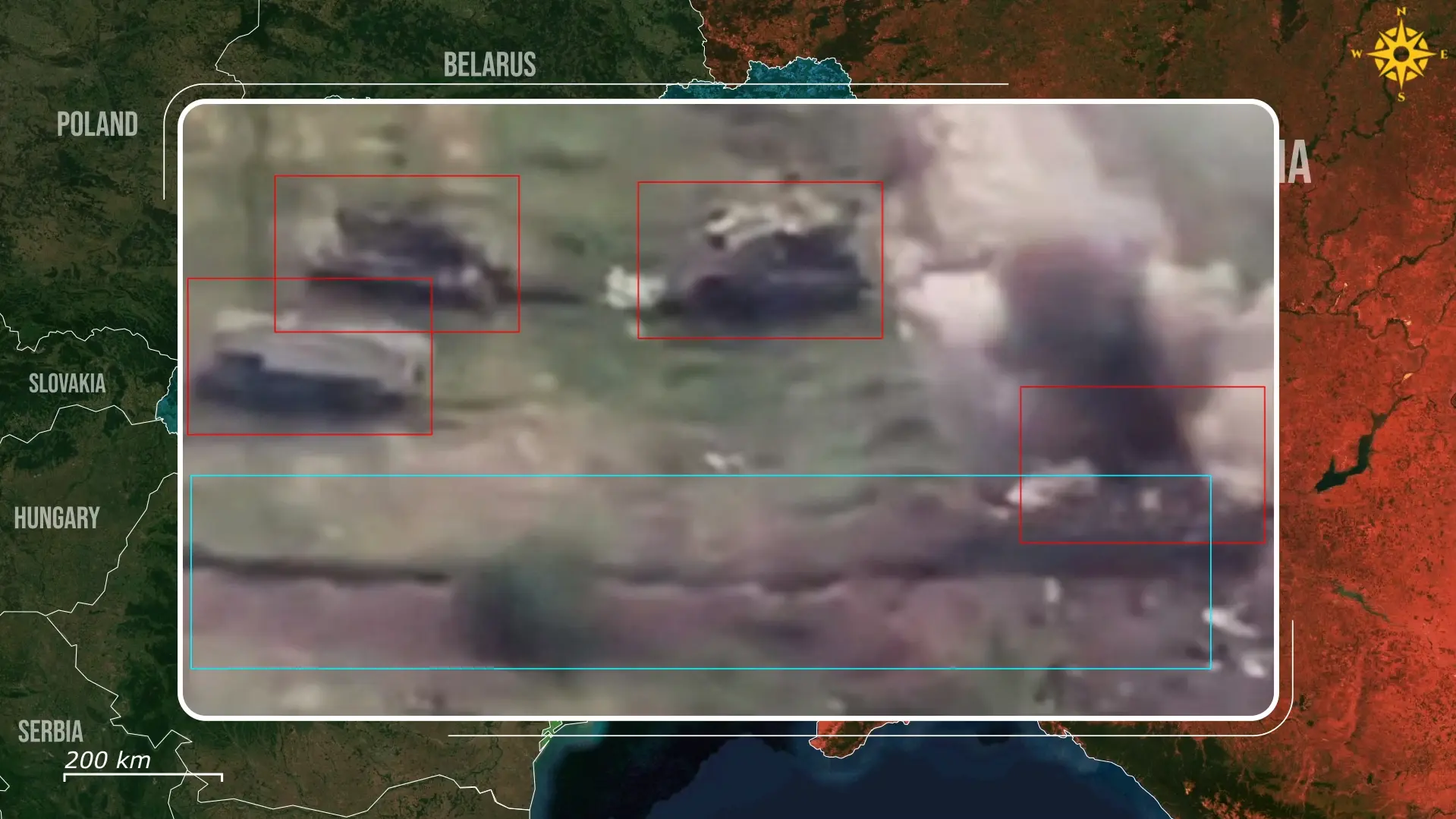
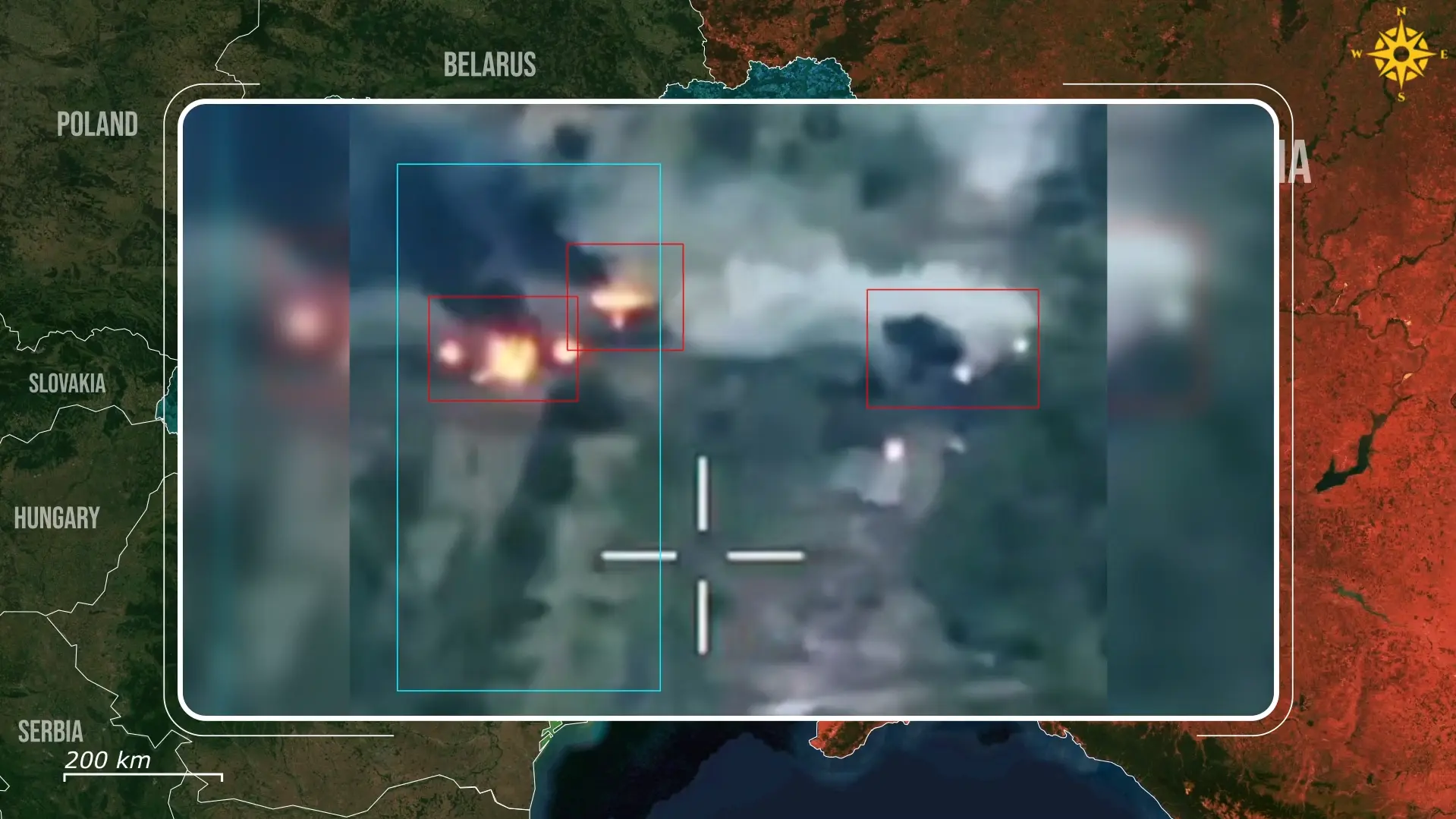
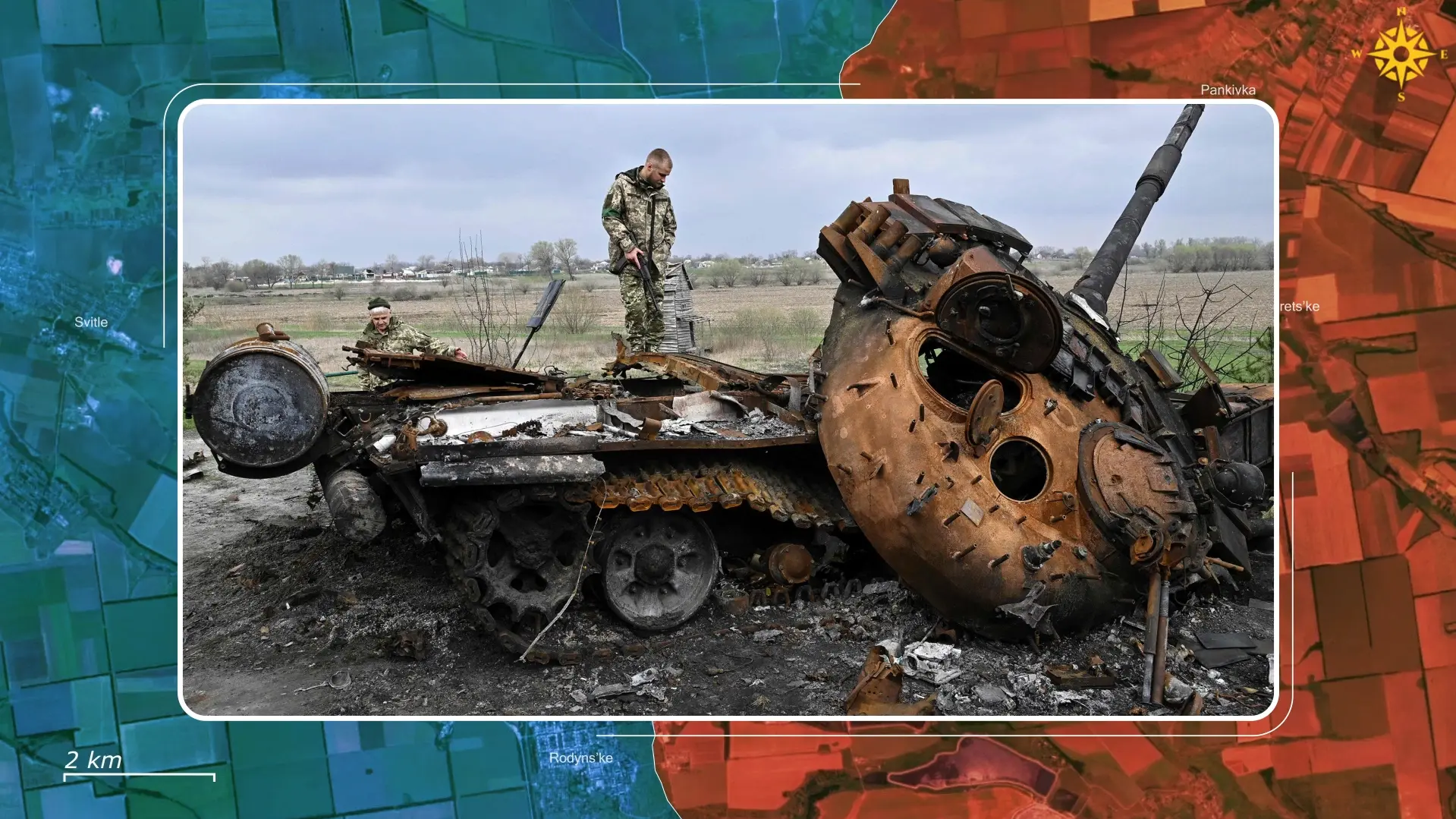
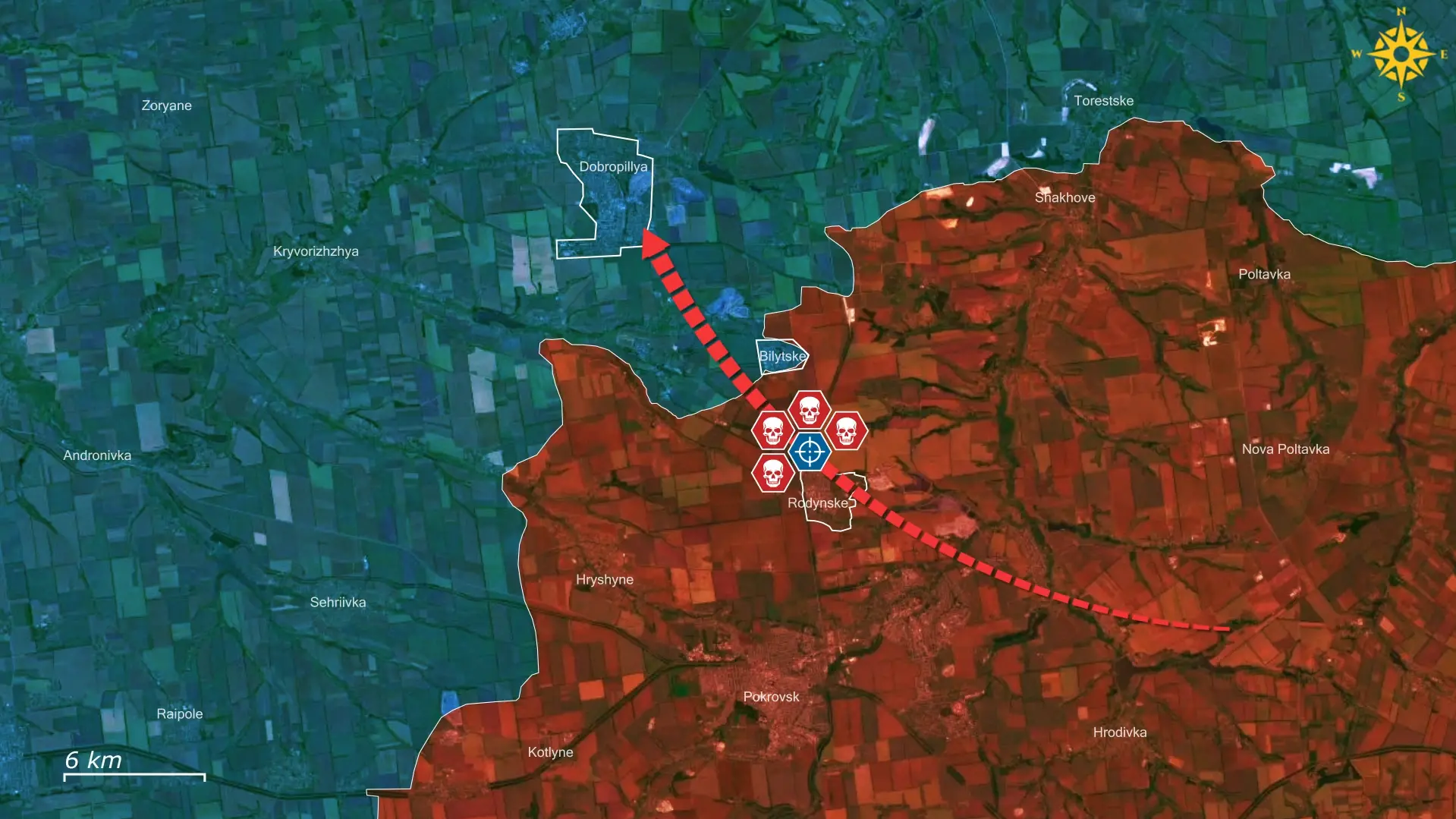
However, Russian forces are now relying far less on massed armored thrusts and increasingly on small, infiltration-style infantry assaults. Surprisingly though, the anti-tank trenches have proven remarkably effective against infiltrators as well, as can be seen by the anti-tank ditches north of Pokrovsk being filled to the brim with Russian bodies. This shows that the same fortifications that blunt armored attacks also disrupt Russian infantry advances.
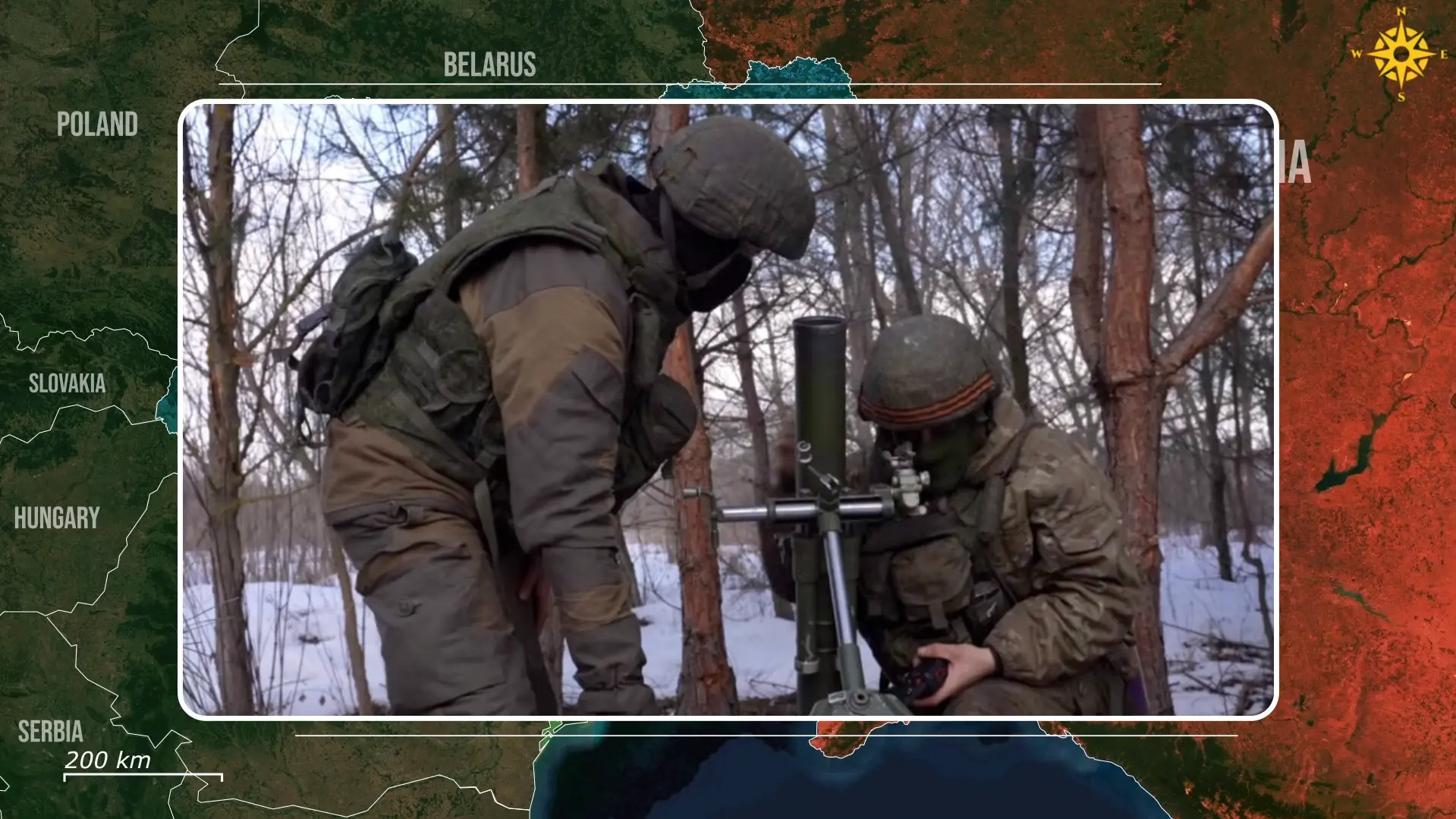
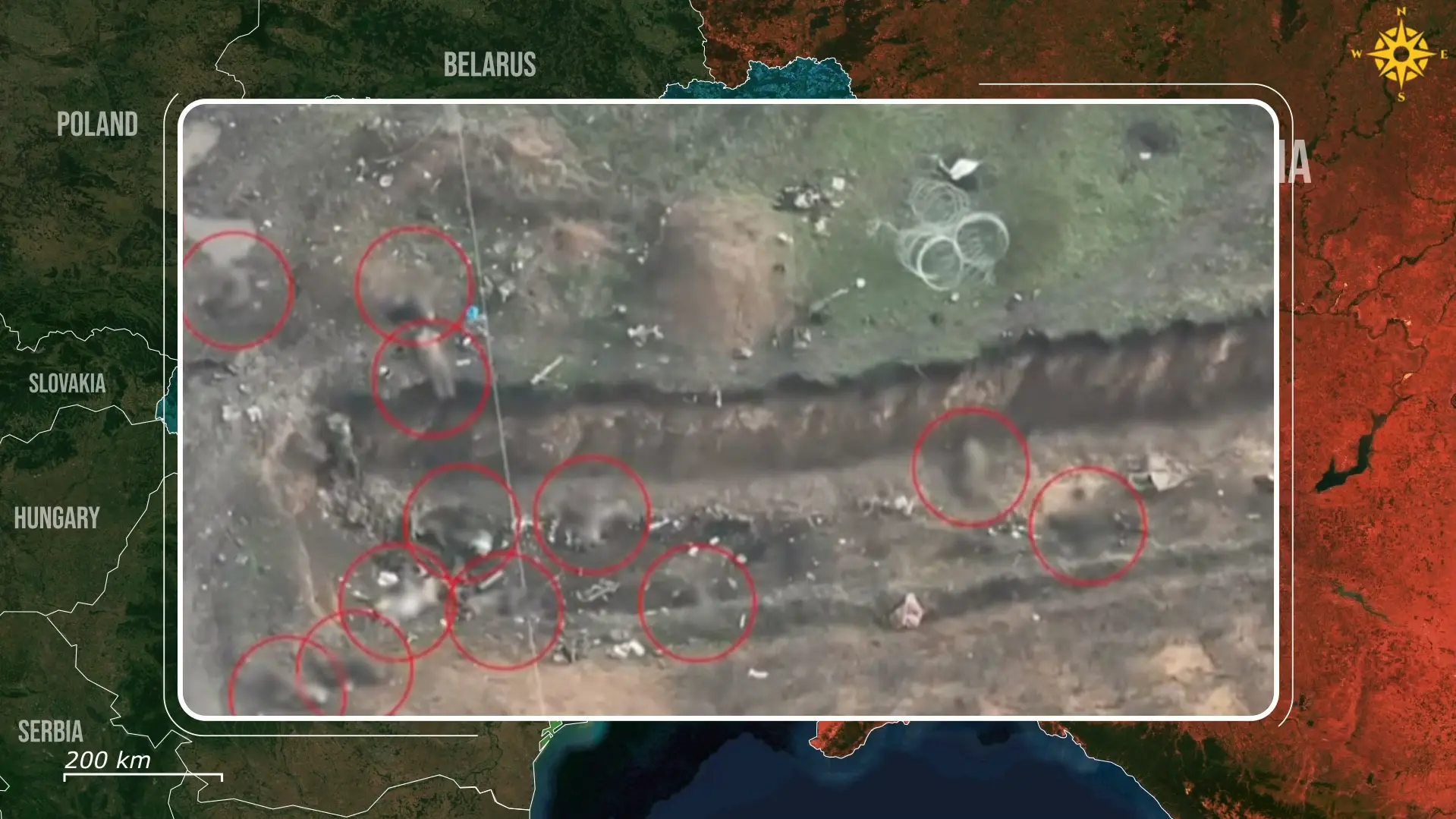
In design, anti-tank ditches are typically excavated 4 to 6 meters wide and 2 to 3 deep with steep 45 to 60 degree sides. While designed to stop armored vehicles, they are particularly effective against Russian small-group infiltration tactics.
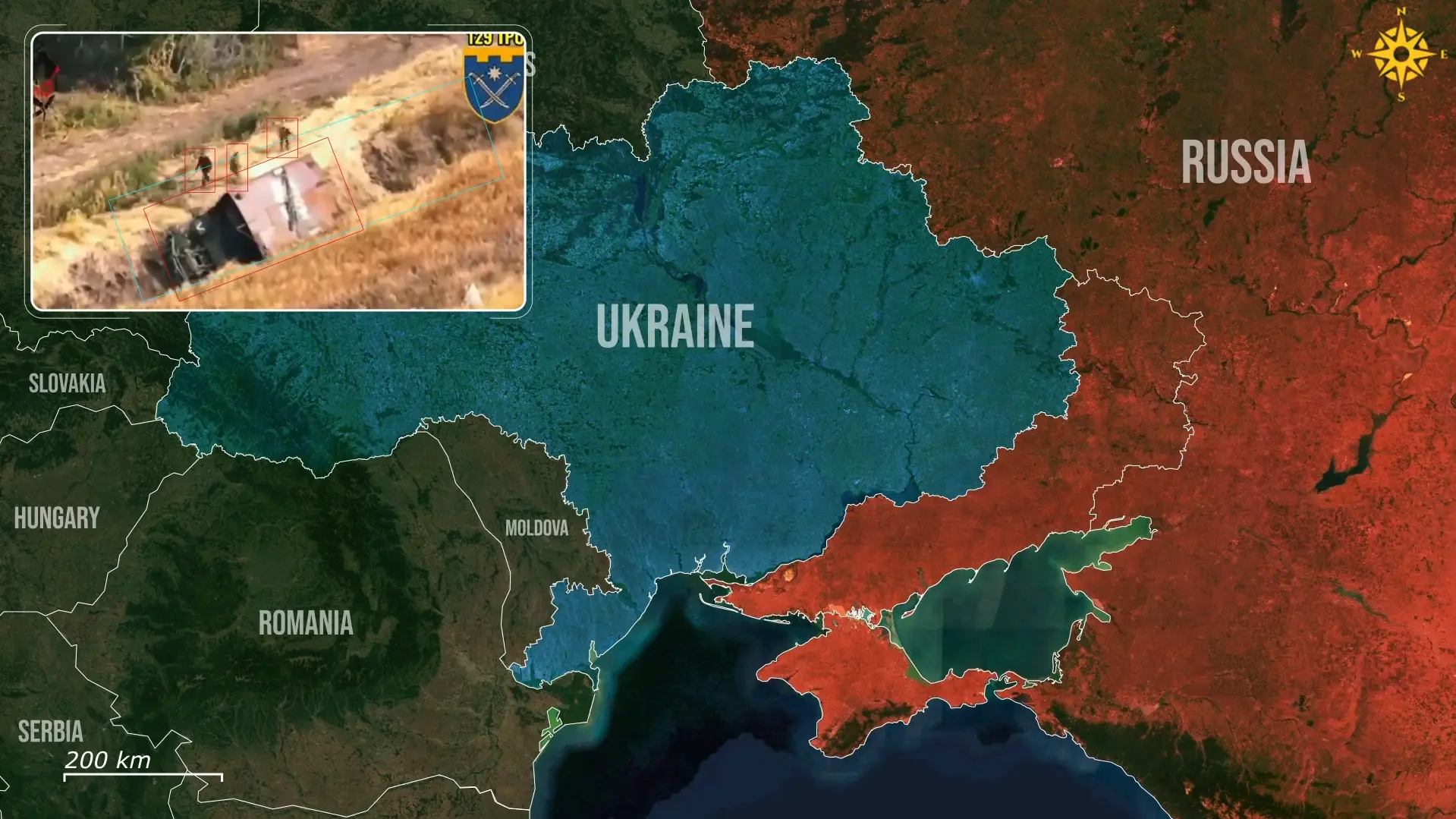
The Russian tactic relies on speed, dispersion, and stealth, with small teams or individual soldiers slipping through gaps in detection before drones or artillery can react. The anti-tank ditch neutralizes that advantage by forcing infiltrators into a confined, linear obstacle they must physically cross. Instead of bypassing defenses through drainage, forests, or even just open fields, they must drop several meters down, move along the exposed floor, and climb out, with the climb twice as high as the drop.
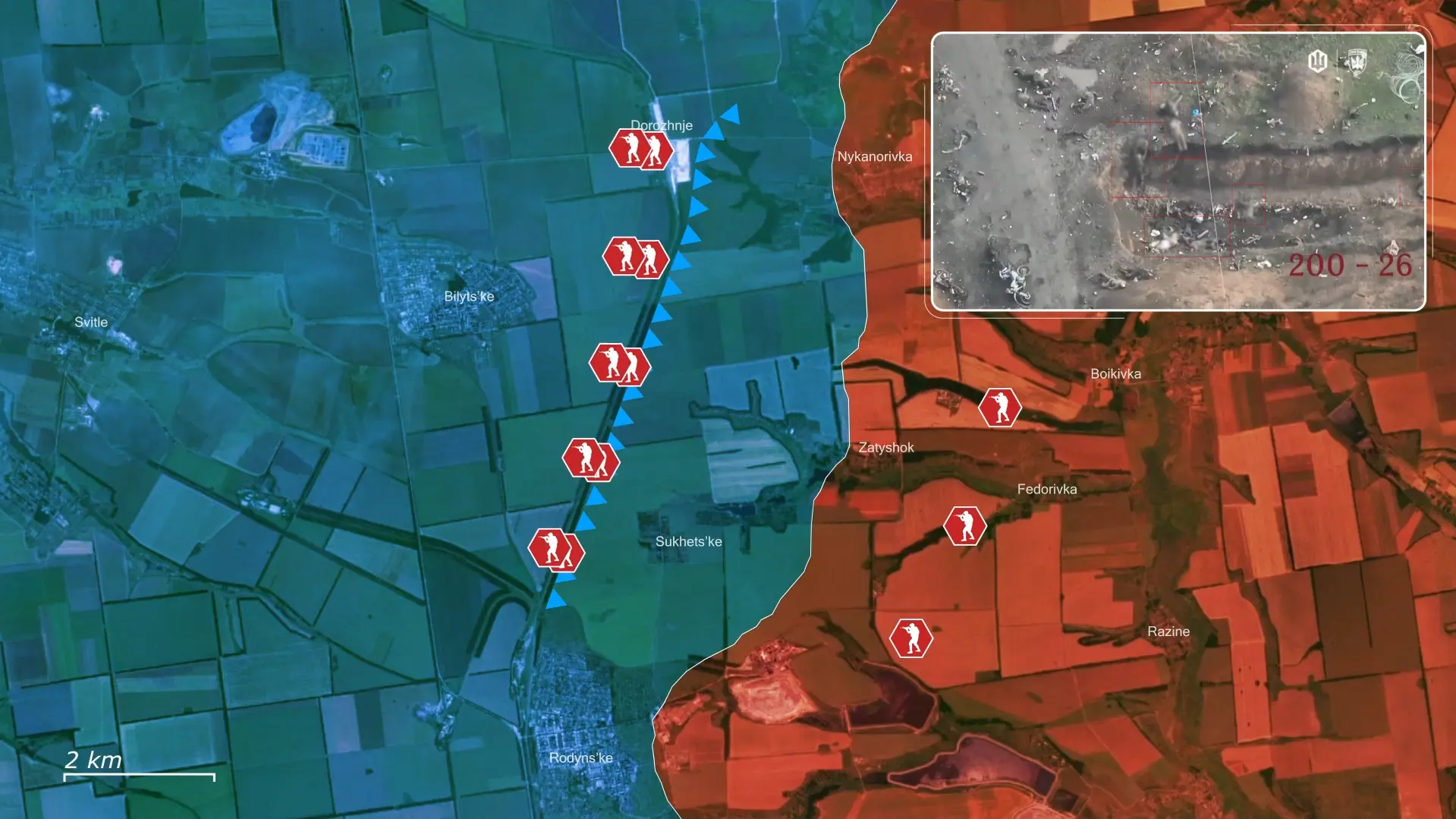
This causes such a delay that the normally dispersed Russian infiltrators become concentrated along one specific point for a long time. This means that if Ukrainians properly concentrate their observation efforts along this line, they are more likely to detect and subsequently eliminate the Russian infiltrators, as opposed to simply patrolling over fields.
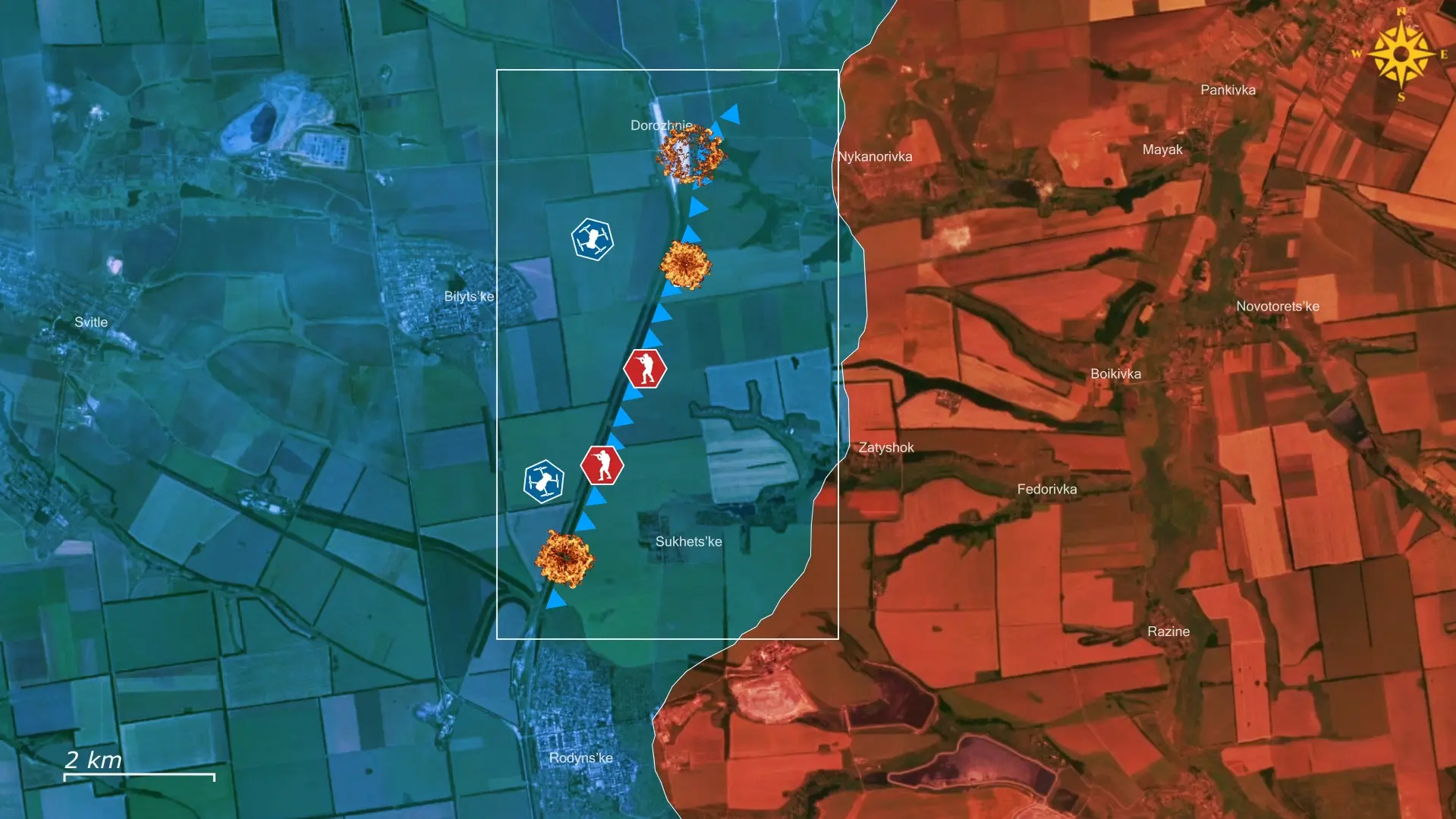
Additionally, the psychological impact of having to crawl through ditches filled with casualties intensifies their stress and fear, eroding cohesion and confidence within assaulting Russian troops.
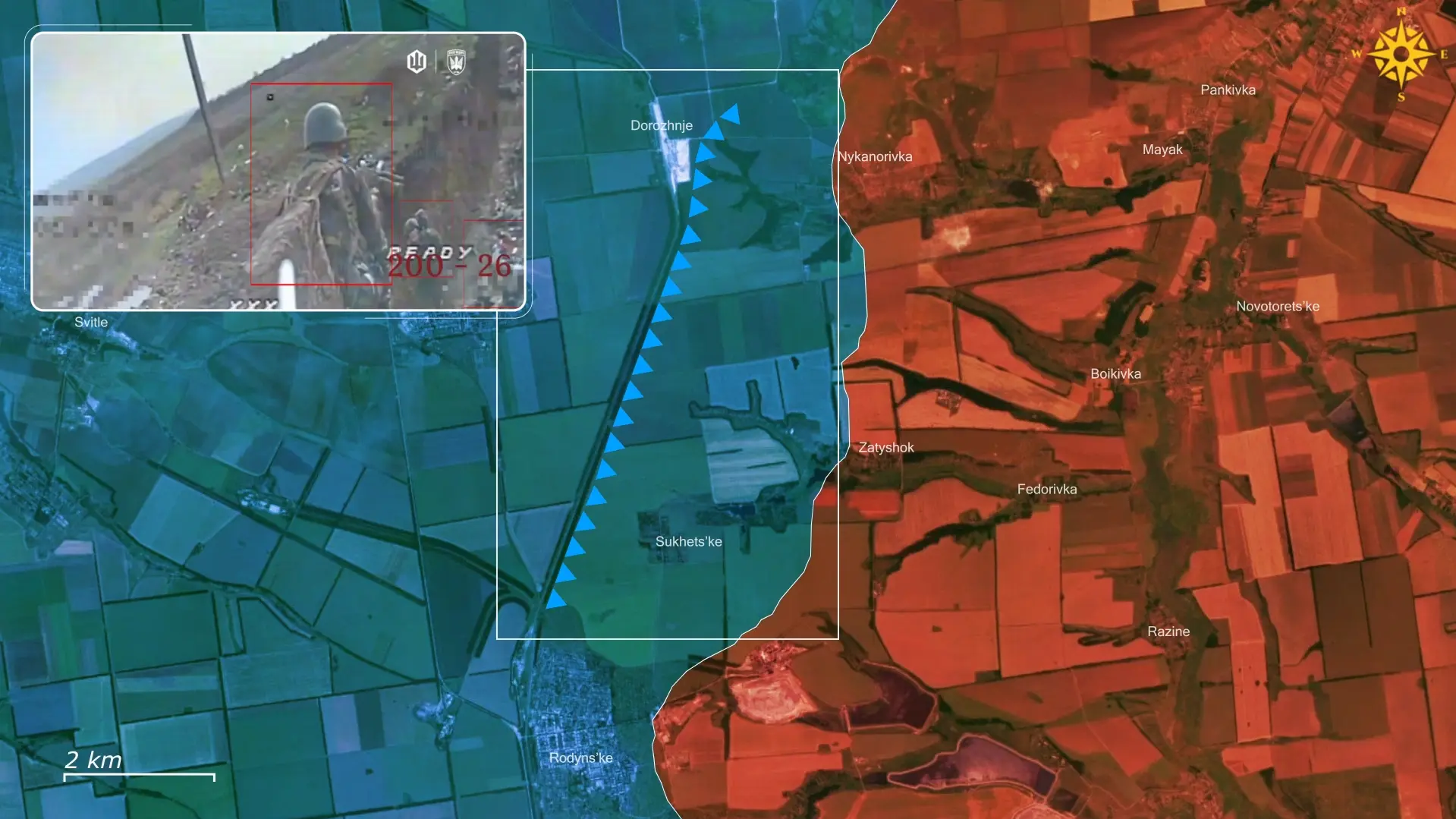
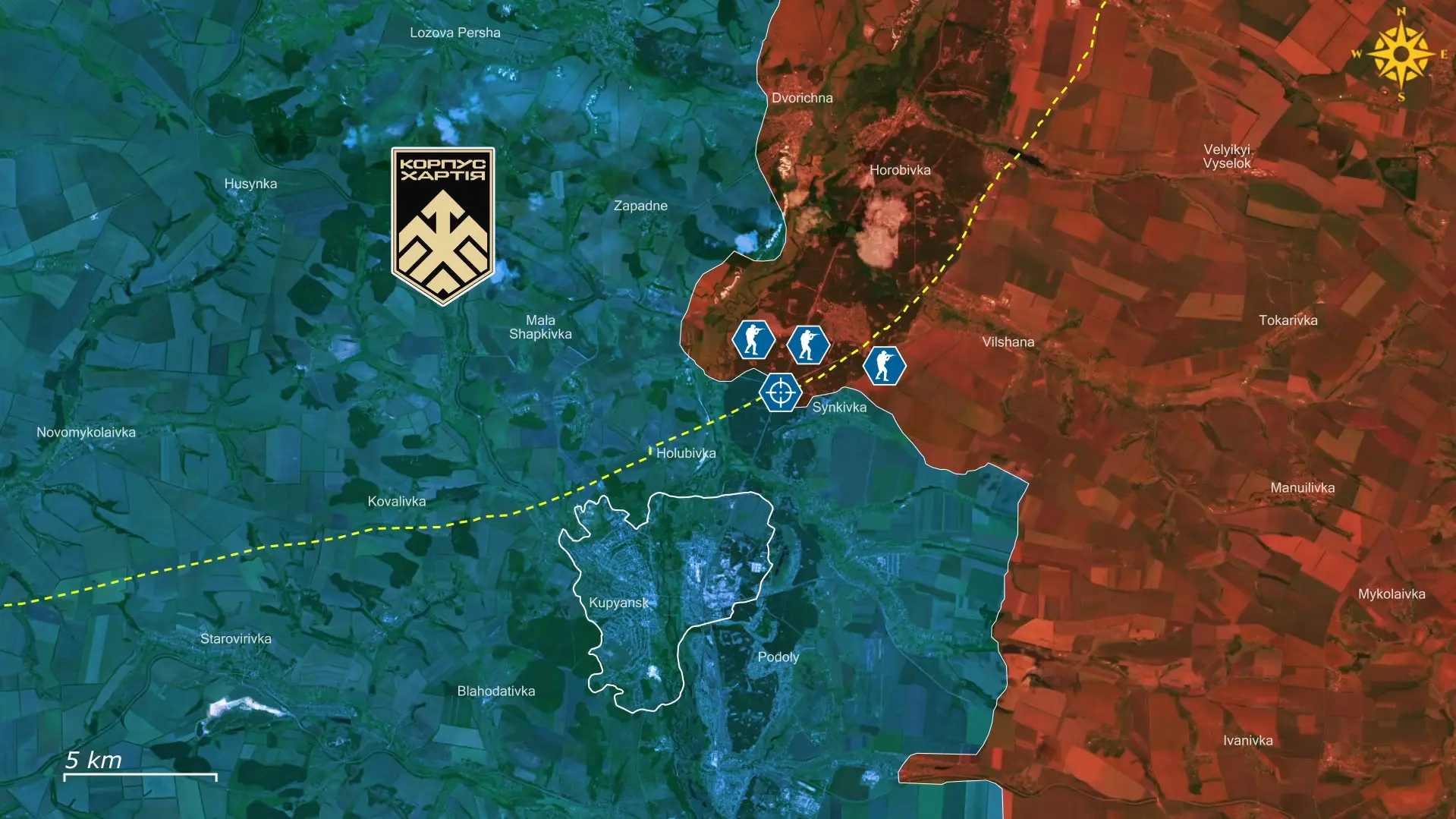
With that in mind, even if Russian forces do manage to advance despite the difficulties, the presence of anti-tank trenches creates a second problem of consolidation. Captured terrain remains tactically unusable as logistics or armored vehicles still cannot cross the gap. To restore mobility, Russian engineers would need to move forward bridging or earthmoving equipment to fill in the massive trench. However, engineers can only fill the ditch once the frontline is pushed beyond Ukrainian fire control. Yet, achieving that depth requires the very logistics and armored support that cannot advance due to the trench not being filled. This vicious circle creates a highly costly operational deadlock, again most prevalently seen northeast of Pokrovsk, where momentum stalled and almost 0 gains made after the initial breakthrough over 6 months ago.
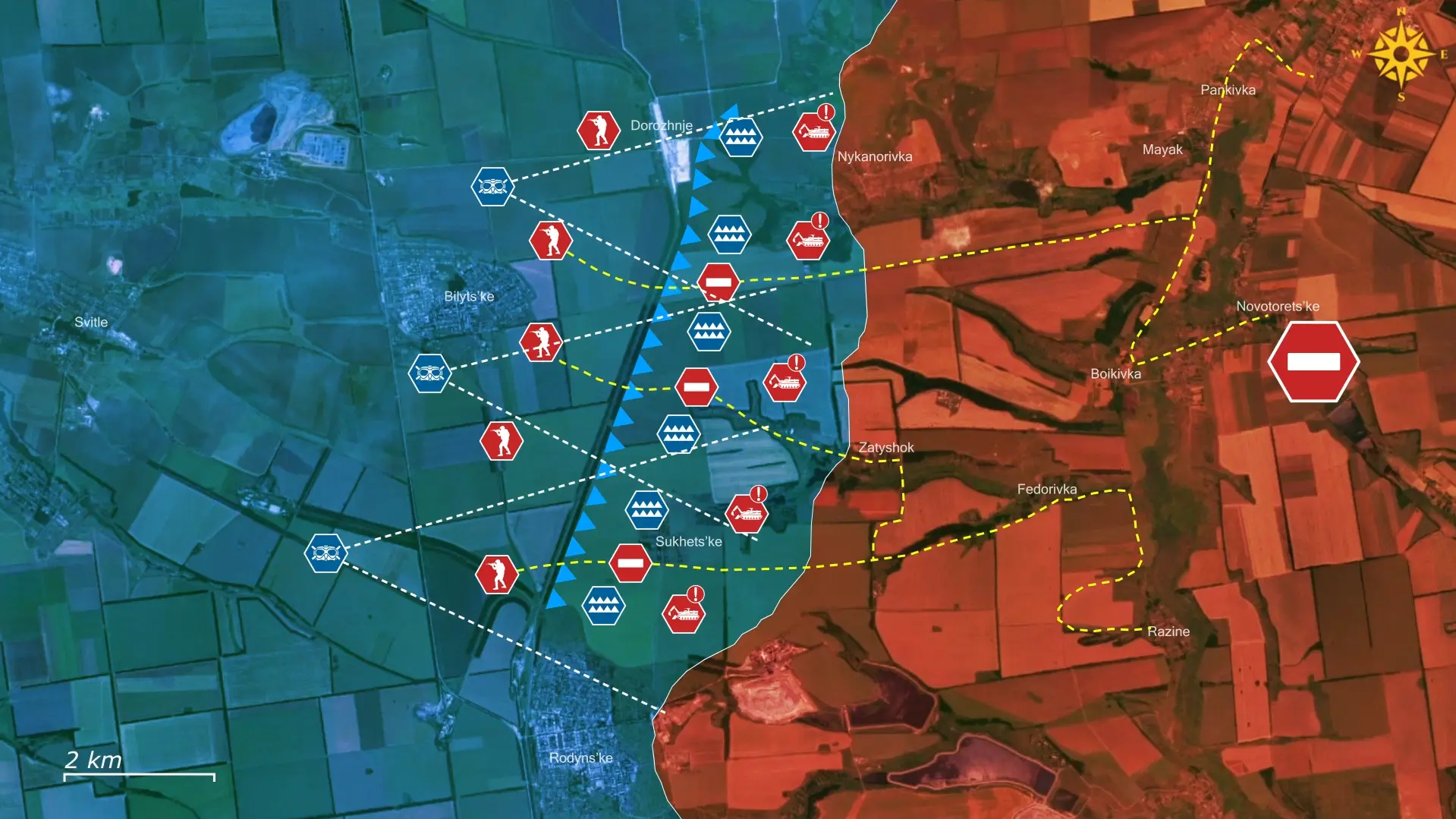
Drone integration further amplifies the effectiveness of these trenches once the frontline approaches. Traditional obstacles can be rapidly reinforced with anti-personnel mines placed along the trench floor, which drones can easily deploy or scatter when the enemy comes closer.
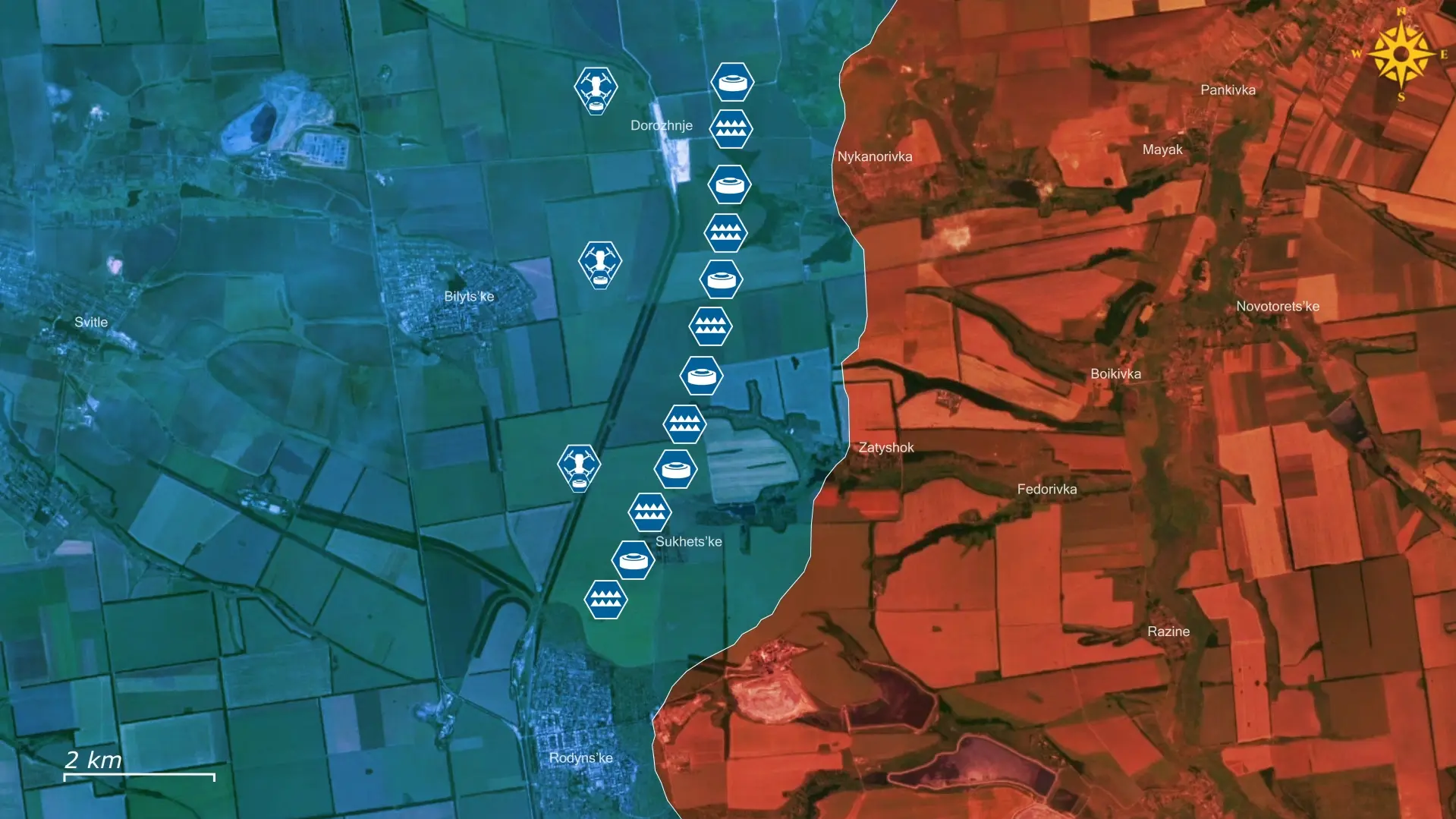
Drones can also mine the internal crossing points that Ukrainians initially leave intact for their own movement while the front is still far away, turning those paths into lethal chokepoints. Approaches to the trench can be mined with anti-armor landmines as well, threatening any engineering vehicle attempting to close in, particularly if armored assaults resume.
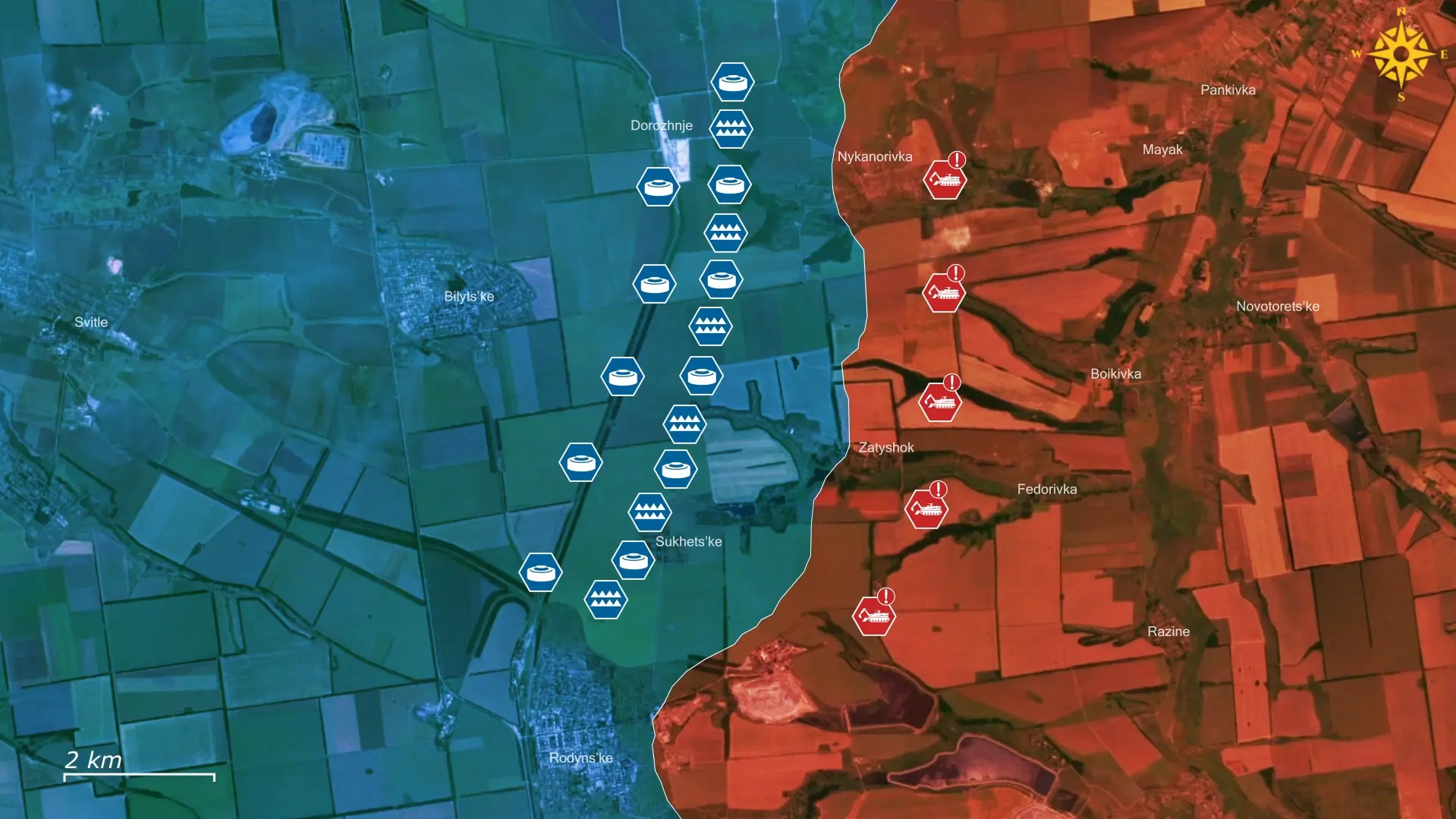
Though defensive systems can always be expanded more, current Ukrainian construction in the rear shows a consistent pattern with repeated lines of anti-tank obstacles reinforced with razor wire.
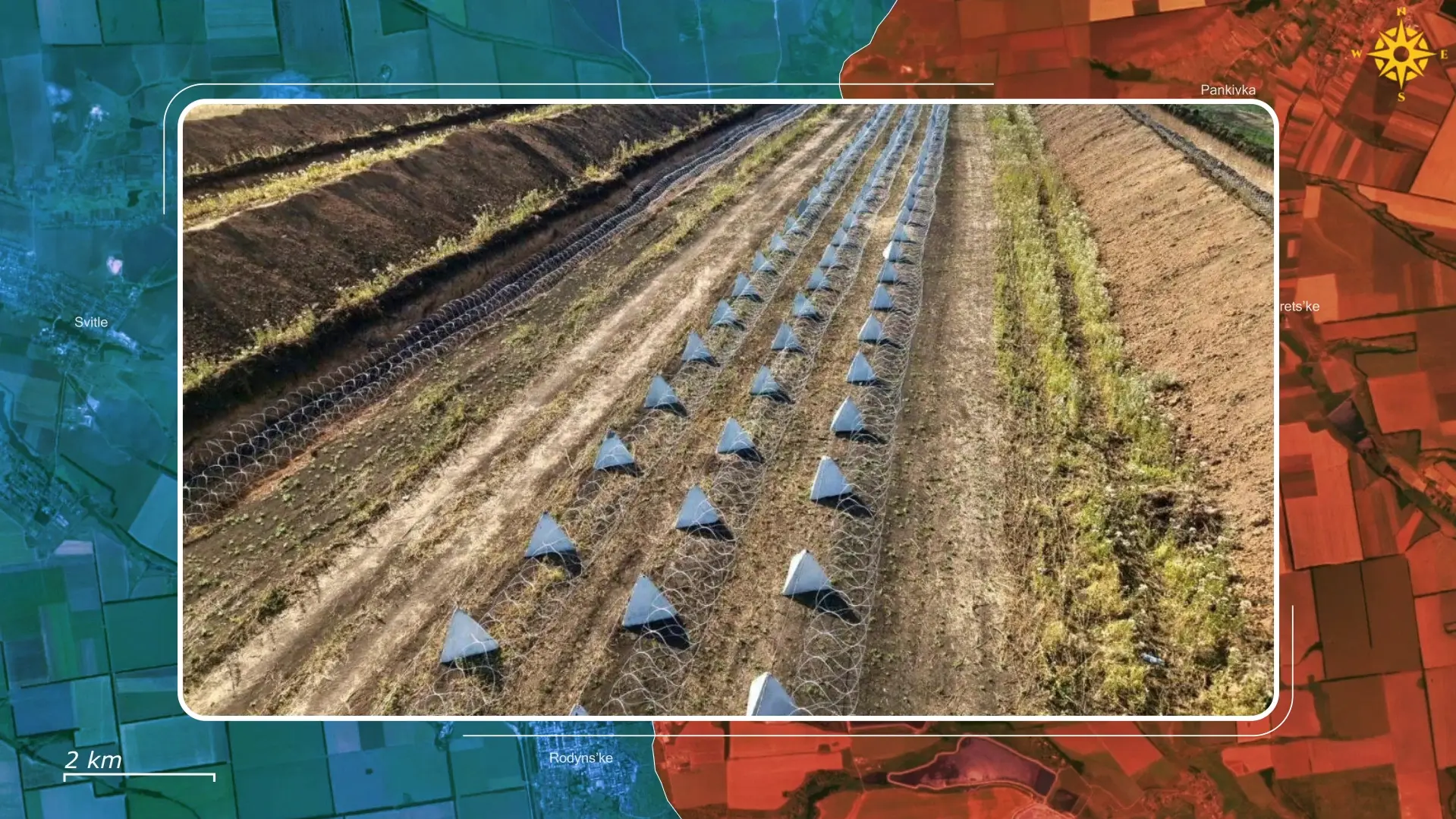
This layering means that any deeper Russian advance would encounter increasingly dense and specialized barriers tailored to counter their exact tactics. Because Russian methods are unlikely to shift quickly due to their limited armor availability, sustained pressure against these defenses could eventually even force a major Russian rethink in tactical approach.

Overall, Ukraine’s expanding trench-and-wire networks signal a new and deliberate shift toward a defense optimized for the current Russian tactics they face. By building dual-use fortifications that are simultaneously effective against armor and infantry, Ukrainian engineers reduce the need to build 2 separate engineering fortifications to counter both armored and infiltration threats. The result is a defensive architecture that is designed for slowing the advances, delaying consolidation, and buying time for surveillance and strike assets to work. Strategically, these layered defenses are designed to steadily sap offensive momentum, forcing attackers to spend ever more time, resources and effort to overcome each kilometer of fortified terrain.

.jpg)


Commenti