

.svg)
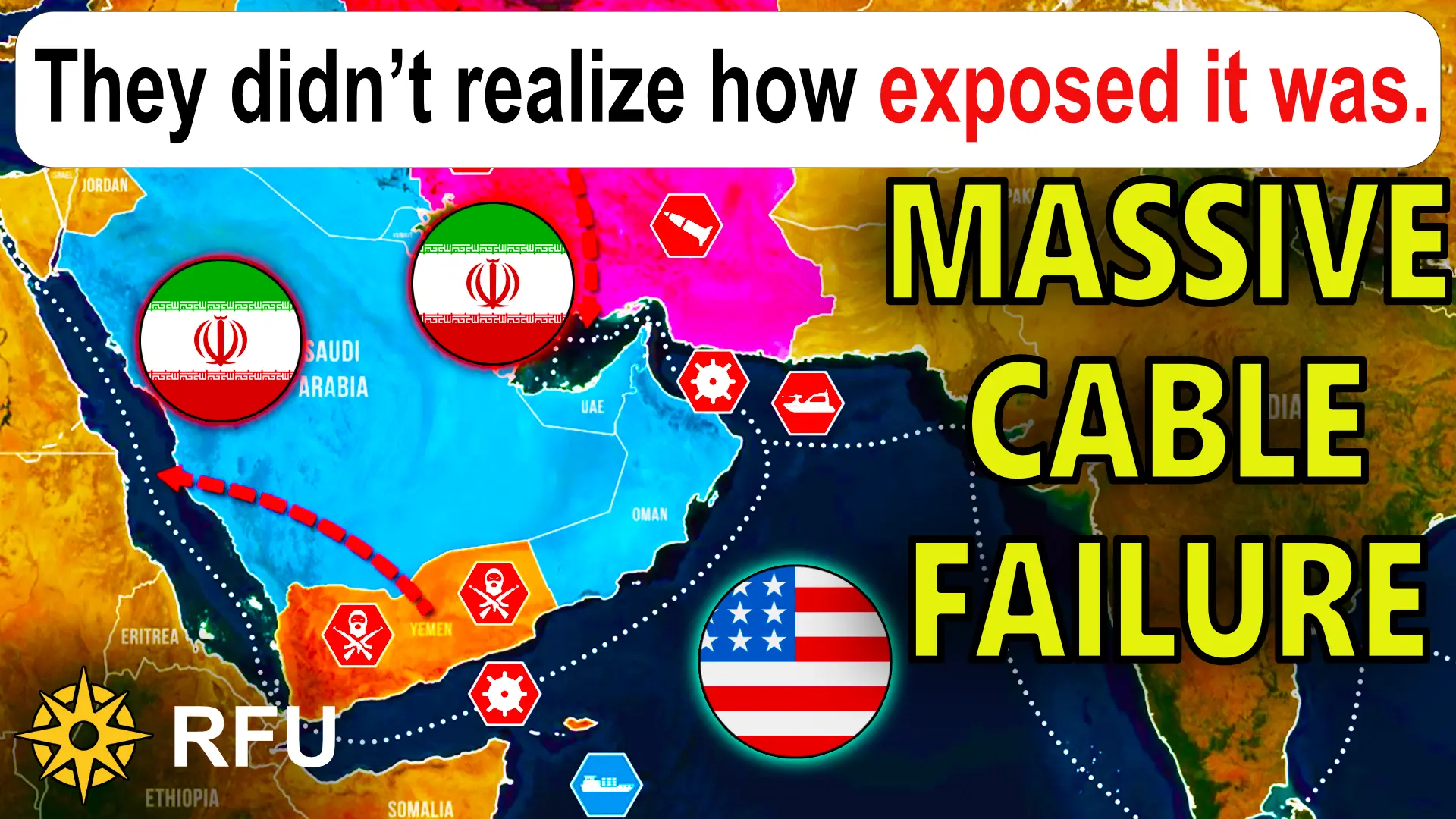
Undersea strikes threaten cables that carry global data traffic
The strategic elevation of undersea data infrastructure as a primary target in the Persian Gulf represents a significant shift toward infrastructure-centric warfare. By leveraging its control over the Strait of Hormuz, Iran positions itself to disrupt global financial systems and digital services far more effectively than through traditional oil blockades. This doctrine mirrors established patterns of targeting systemic vulnerabilities to inflict multi-sectoral damage across international networks. The coordination with Houthi forces near Bab el-Mandeb creates a dual-bottleneck threat, jeopardizing the stability of the Asia-Europe digital corridor. Technical recovery in these zones is severely constrained by military escalation, as evidenced by the suspension of major cable projects due to operational risks. While the threshold for actual kinetic severance remains high due to potential global retaliation, the credible threat alone forces a costly systemic recalibration.




0 Comments