

.svg)
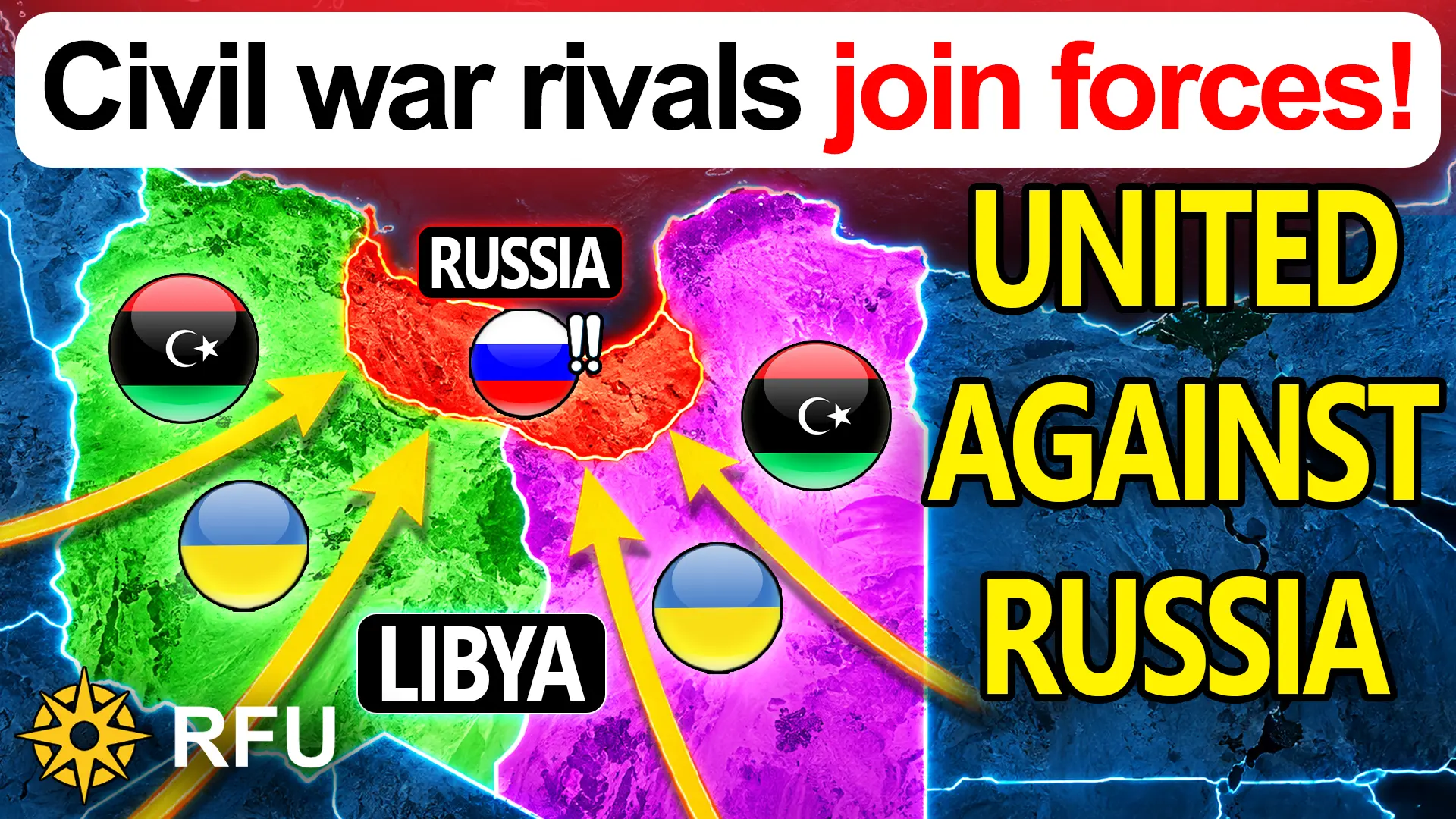
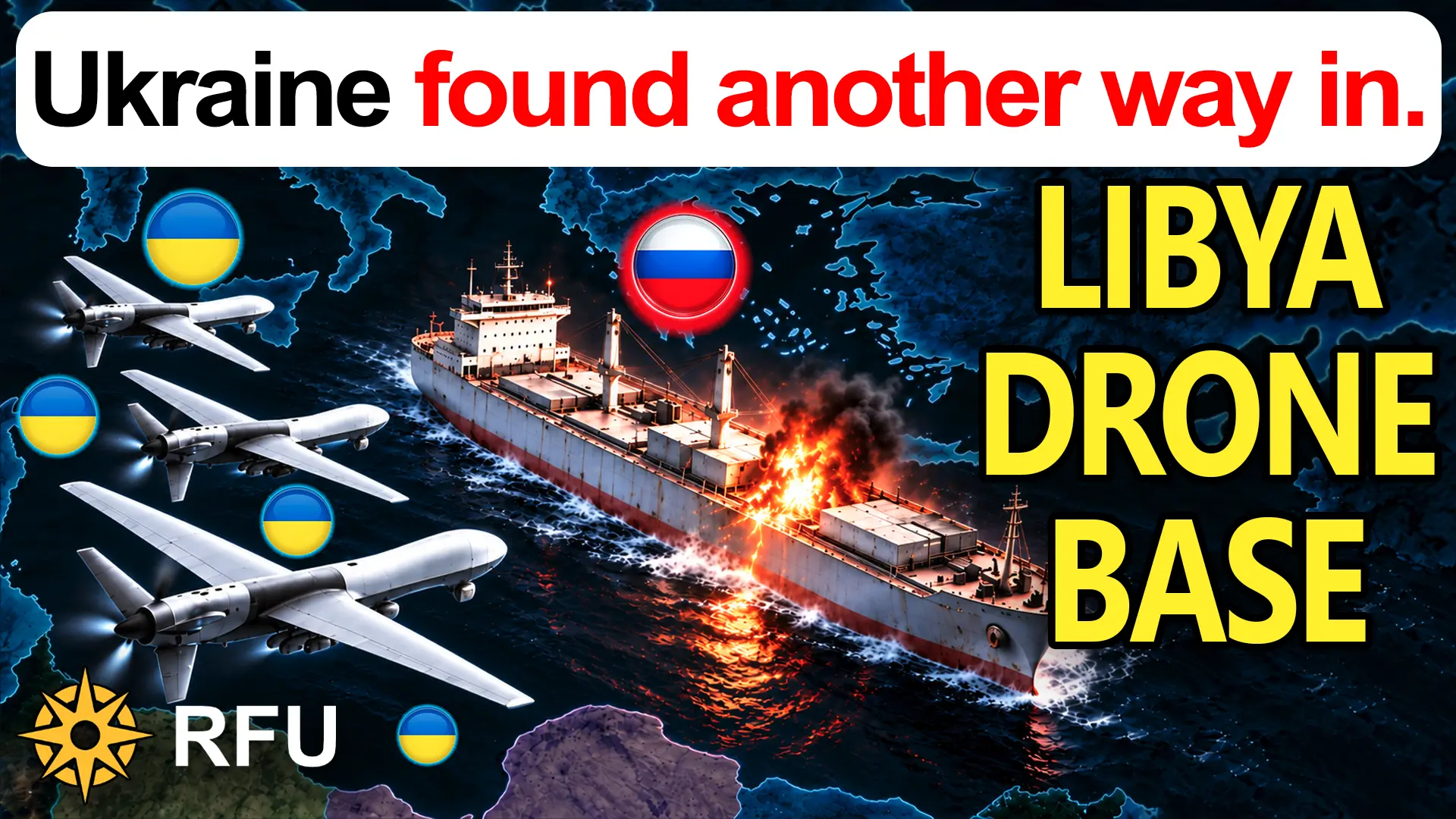
Libya’s civil war former enemies unite to push Russia out of Libya
The prospective institutional integration of Libya’s rival military factions threatens Moscow’s Mediterranean-to-Sahel logistical corridor, directly constraining the external power-projection mechanisms that indirectly sustain the Russian Federation's strategic posture in the war in Ukraine. By establishing a unified command structure and expanding interoperability with Western and regional partners, a reconciled Libyan security apparatus systematically undermines the operational viability of Russia’s Africa Corps bridgehead. This structural disruption of unhindered transit constricts Moscow’s primary conduit for sanctions-evasion resource extraction and mercenary rotations across Sub-Saharan Africa, degrading the peripheral economic and irregular assets that offset the attrition of the Ukrainian campaign. Operationally, the Kremlin is forced to either divert finite strategic airlift and logistical bandwidth to maintain precarious peripheral outposts or accept the contraction of its southern strategic depth to insulate primary supply lines in the Ukrainian theater. Consequently, the neutralization of this logistical corridor compounds Russia’s structural overextension, shifting the broader strategic balance by restricting Moscow's capacity to subsidize high-intensity warfighting in Ukraine through secondary geopolitical leverage.

0 Comments