

.svg)
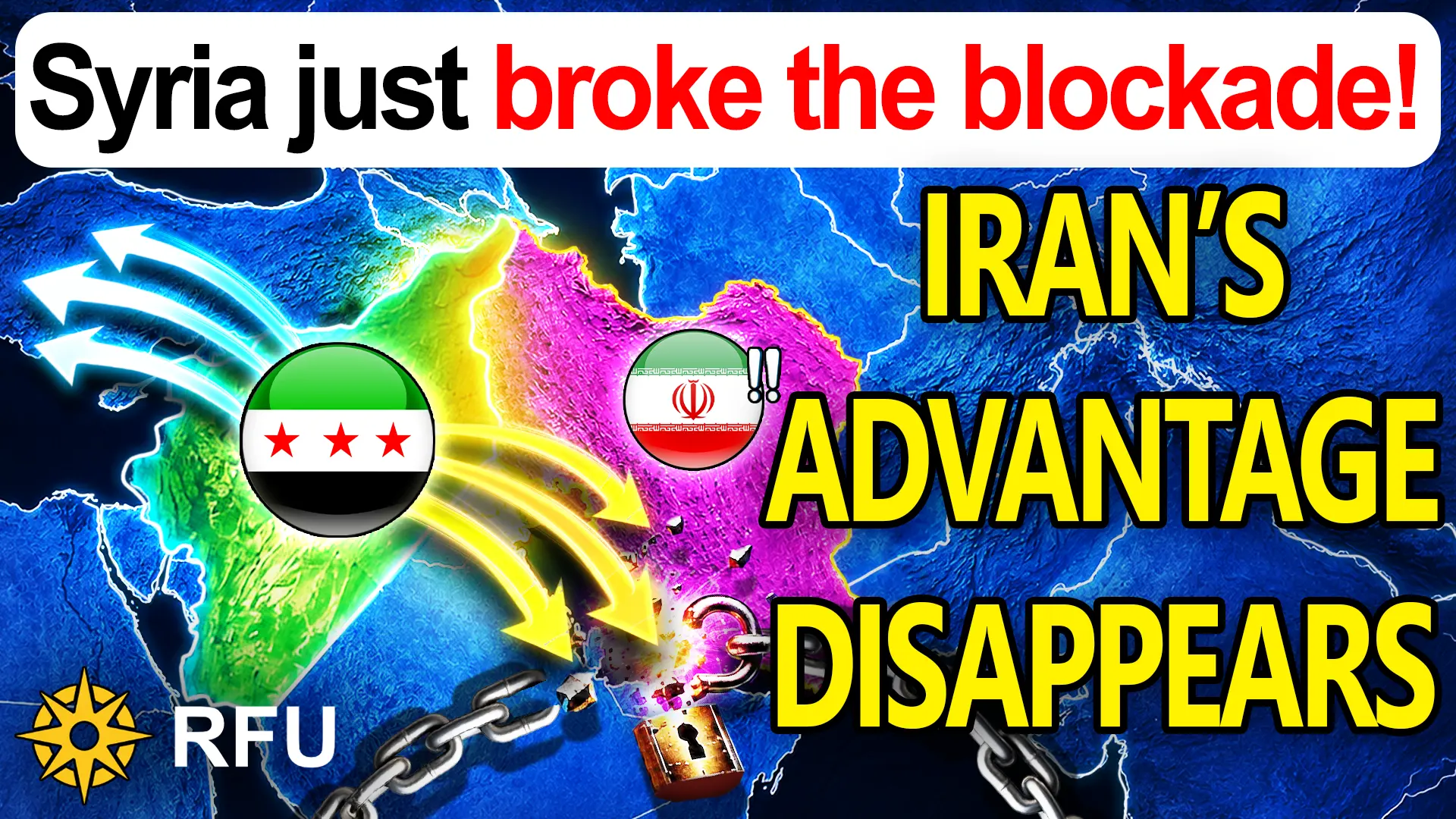
Syria expands the oil corridor that breaks dependence on the Strait of Hormuz
The development of the Iraq-Syria overland oil transit corridor represents a fundamental structural shift in Middle Eastern energy logistics, strategically mitigating Baghdad’s vulnerability to maritime disruptions in the Strait of Hormuz. By pivoting export flows toward the Mediterranean via Baniyas, Iraq structurally reduces Iran’s asymmetric leverage, diminishing Tehran's ability to hold Iraqi petroleum revenues hostage during broader regional conflicts. Concurrently, this logistical realignment transforms Syria from a marginalized transit space into a pivotal energy nexus, granting Damascus substantial geopolitical capital and a vested interest in cross-border security architecture. Although current tanker truck capacities provide only a limited contingency against maritime chokepoints, the planned reconstruction of high-capacity pipelines will permanently alter the region's operational logic by securing a high-volume western export axis. Ultimately, this systemic infrastructure integration forces a long-term realignment of regional security paradigms, necessitating permanent military and diplomatic frameworks to protect the Mediterranean export architecture against sub-state and external threats.







0 Comments