

.svg)
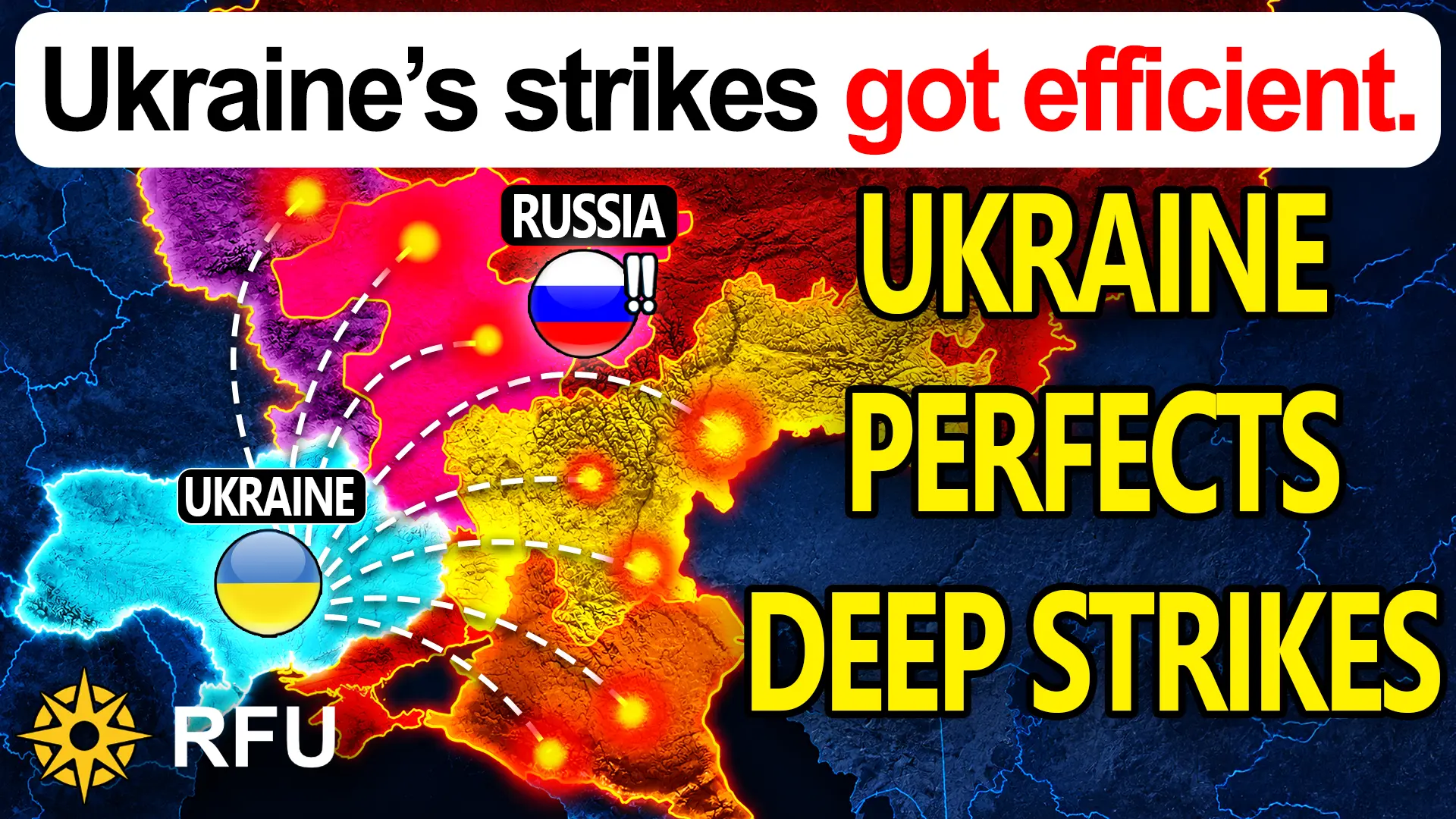
Ukraine have built a more efficient command system for long-range strikes against Russia
Ukraine’s structural reorganization of its deep-strike architecture into decentralized regional command zones resolves systemic coordination inefficiencies across its intelligence and military branches. By establishing dedicated operational sectors while preserving modular asset allocation, this command model mitigates administrative bottlenecks and prevents target redundancy across Russia’s strategic depth. The integration of long-range unmanned aerial systems and cruise missile capabilities into unified strike packages enables complex, multi-vector saturation of Russian integrated air defense networks. This synchronized strike profile exploits gaps in sensor coverage and severely degrades interceptor efficiency, accelerating the attrition and force dispersion of high-value air defense assets away from frontline operations. In the long term, this institutional evolution transitions Ukraine's deep-strike campaign from asymmetric disruption to a scalable strategic interdiction posture capable of systematically compromising Russia's rear-echelon logistics and defense-industrial base.


0 Comments