

.svg)
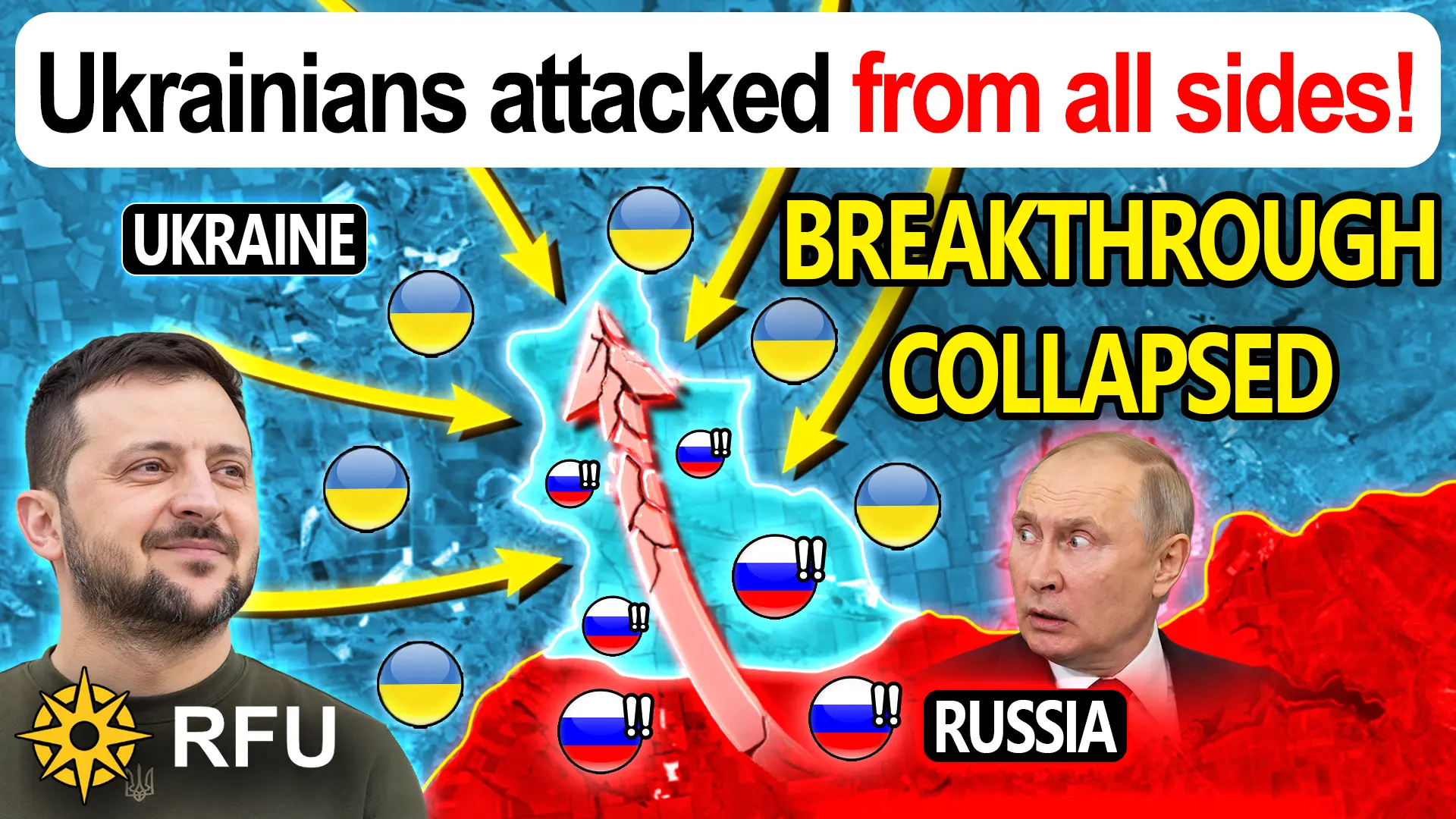
Massive Russian penetration goes terribly wrong as Ukrainians dismantle it completely.
The systematic neutralization of Russian concentrations along the Druzhkivka–Dobropillia axis demonstrates a decisive evolution in modern defensive operational art: the substitution of mass with integrated reconnaissance-strike complexes (RSC). By shifting from attrition-heavy frontal resistance to multi-domain isolation, Ukrainian unified command structures systematically interdict logistical depth, degrade indirect fire support at the barrel level, and sever operational momentum before forward echelons can consolidate. This model exploits a critical Russian vulnerability—the inability of tactical infiltrations to rapidly transition into secure, mechanised logistical corridors under persistent multi-sensor surveillance. Sensor-to-shooter latencies have collapsed to the point where tactical staging areas are identified and precision-targeted long before operational breakout velocity can be generated. Consequently, large-scale theater encirclements aimed at critical nodes like the Sloviansk–Kramatorsk agglomeration are increasingly rendered operationally unviable. In the long term, this dynamic forces the operational tempo into severe stagnation, requiring disproportionate resource expenditures for negligible territorial gains while extending Ukraine’s strategic defensive depth.




0 Comments