

.svg)
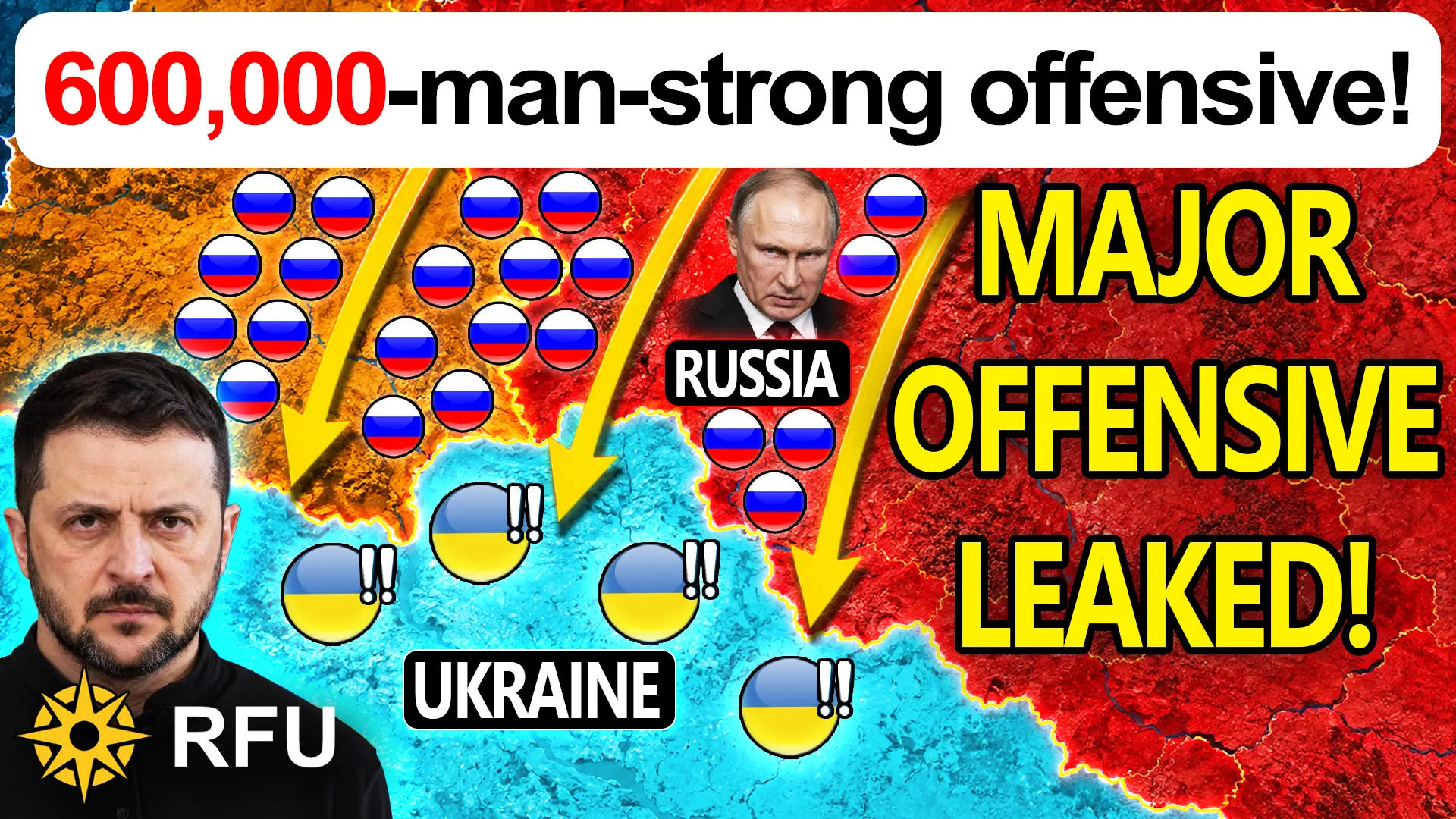
Putin goes all in: mobilizes troops for new invasion of northern Ukraine
Russia’s projected post-mobilization force generation aims to establish a multi-vector operational dilemma by threatening Ukraine’s northern border, primarily utilizing secondary axes to fix Ukrainian defensive formations away from the Donbas. The integration of Belarusian infrastructure into Russian operational planning expands the geometry of the battlespace, attempting to impose asymmetrical logistical and force-allocation burdens on Kyiv without necessarily requiring deep territorial conquest. However, severe structural attrition along the eastern line of contact creates an immediate resource tension, forcing Moscow to continuously cannibalize nascent reserves to sustain baseline offensive tempo in the Donbas rather than massing an uncommitted operational echelon. Consequently, any prospective northern offensive will likely function within compressed operational parameters—yielding shallow tactical buffer zones rather than decisive operational penetration—due to competing force-generation requirements across divergent theaters. The enduring strategic balance therefore hinges on whether Ukraine can maintain localized defensive economy of force in secondary sectors, effectively denying Russia the strategic freedom to convert sheer manpower mass into coordinated, cross-theater operational leverage.


0 Comments