

.svg)

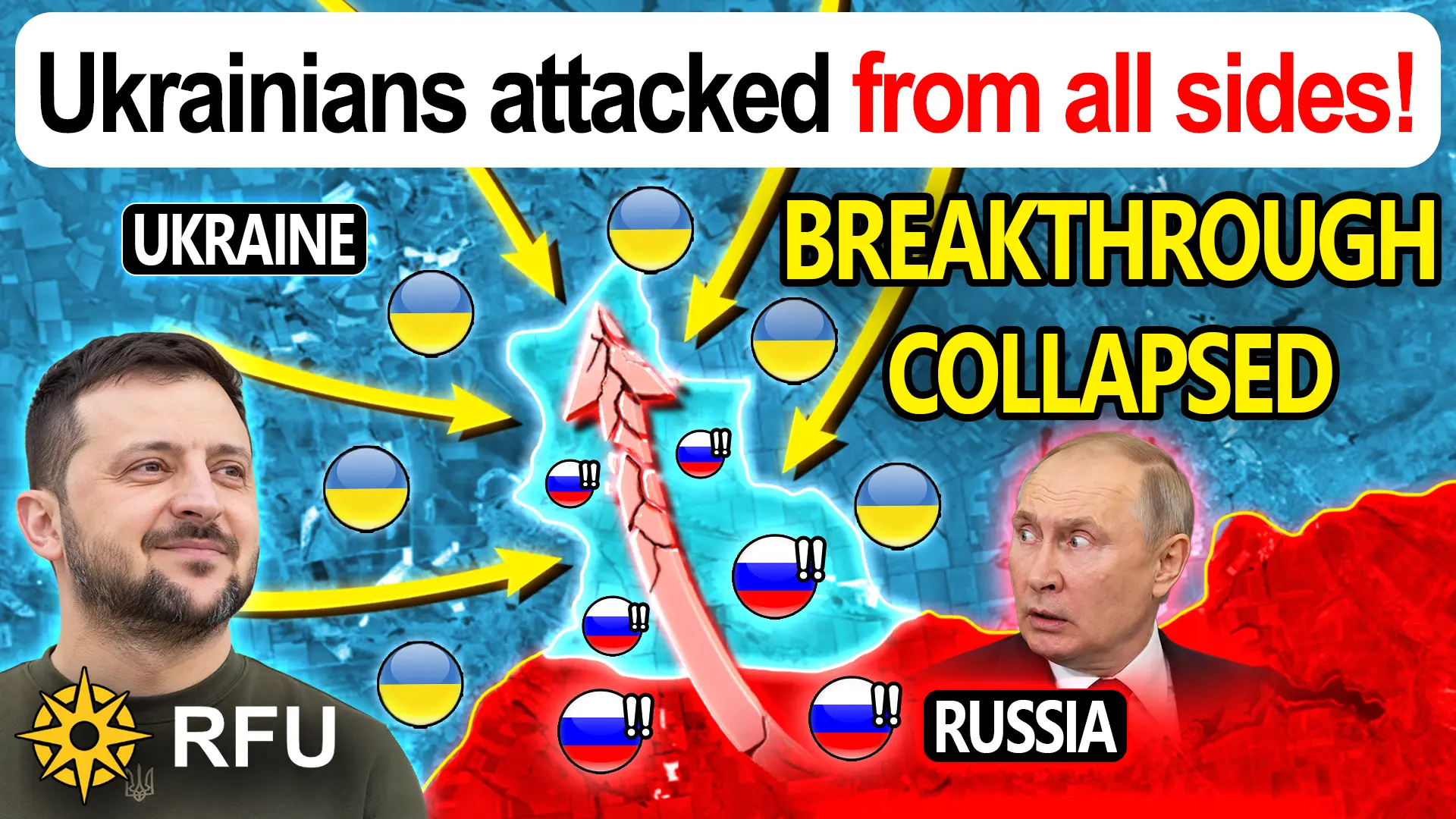
Russian forces mount a major counteroffensive to regain lost ground.
In the Lyman operational sector, the integration of radar-cued interceptor drones directly into advancing mechanized brigades—demonstrated by the mass neutralization of Russian fixed-wing Molniya strike waves—represents a transformative tactical air-defense development. This responsive counter-UAS umbrella insulates the maneuver force during high-risk operational transitions, preventing the interdiction of forward-displacing command nodes, artillery assets, and logistical chains. By destroying hostile strike munitions and airborne communication relays in mid-air, Ukrainian forces decisively dismantled the preparatory fire required for a Russian counteroffensive aimed at reclaiming the contested Zherebets River bridgehead. Concurrently, the expanding Ukrainian buffer zone pushes Russian lines more than twenty kilometers from key staging bases, placing vital logistical hubs beyond the operational reach of hostile tube artillery, rocket systems, and relay-dependent FPV drones. Systemically, this operational shift proves that forward-deployed, cost-effective interceptor screens can neutralize saturation-based drone interdiction, structurally restoring maneuver mobility to offensive forces in a transparent battlespace.




0 Comments