

.svg)

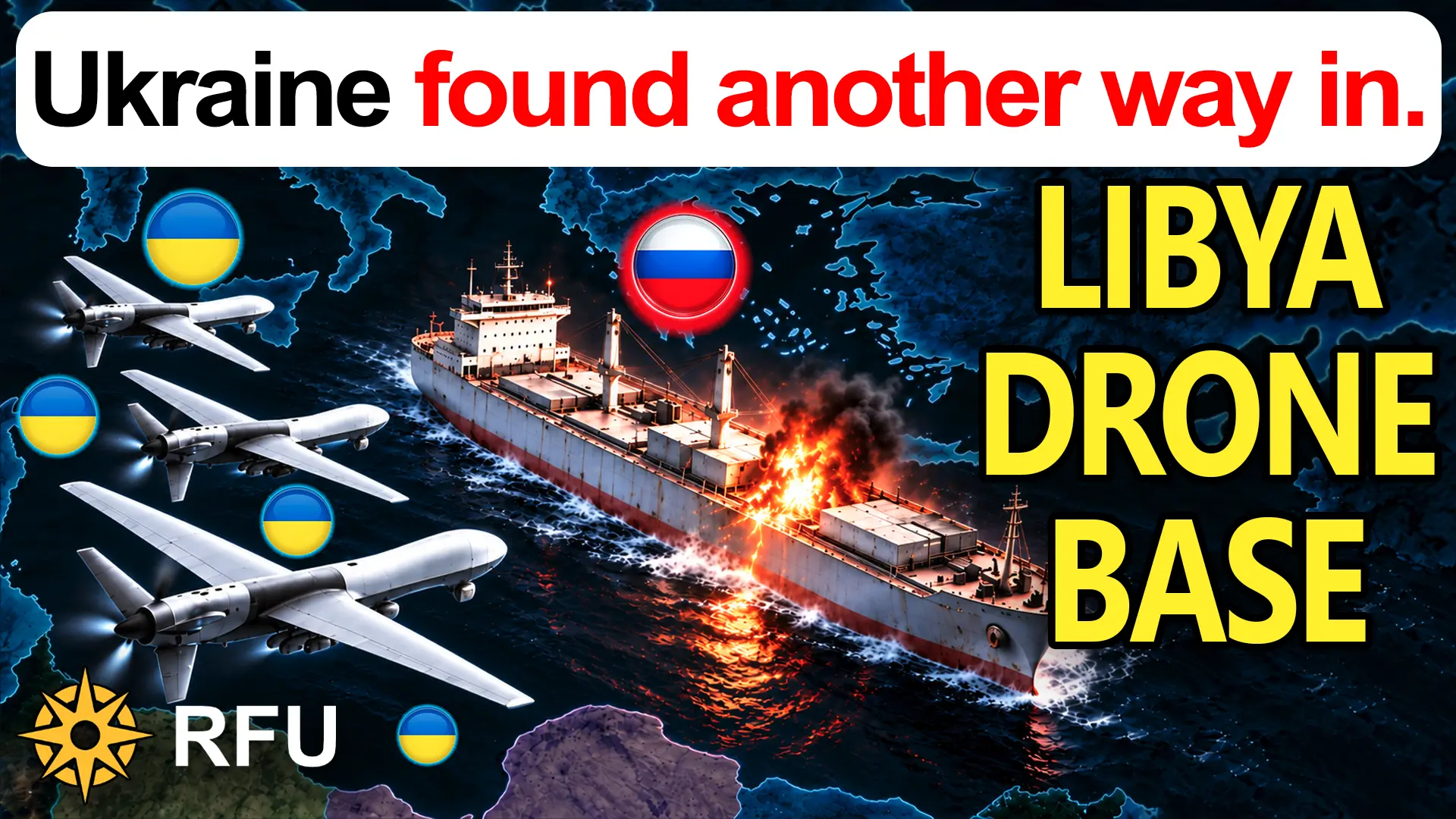
Russians want to arm oil tankers with missiles and drones to prevent seizures
Russia’s ability to sustain its war effort depends heavily on exporting oil despite an expanding sanctions regime, and for months this has been made possible by a shadow fleet operating in legal gray zones across European waters. That system relied not on military protection, but on hesitation, legal ambiguity, and the expectation that European enforcement would remain fragmented, cautious, and politically restrained. This assumption has now begun to collapse as multiple European states move from symbolic pressure to direct, coordinated interdiction at sea. Boarding, detentions, and forced rerouting are no longer isolated incidents but part of an emerging enforcement pattern. As this tolerance disappears, sanctions evasion ceases to be a manageable workaround and becomes a systemic vulnerability. The resulting pressure is now pushing Moscow toward increasingly desperate and militarized countermeasures that reflect strain rather than confidence.


0 Comments