

.svg)
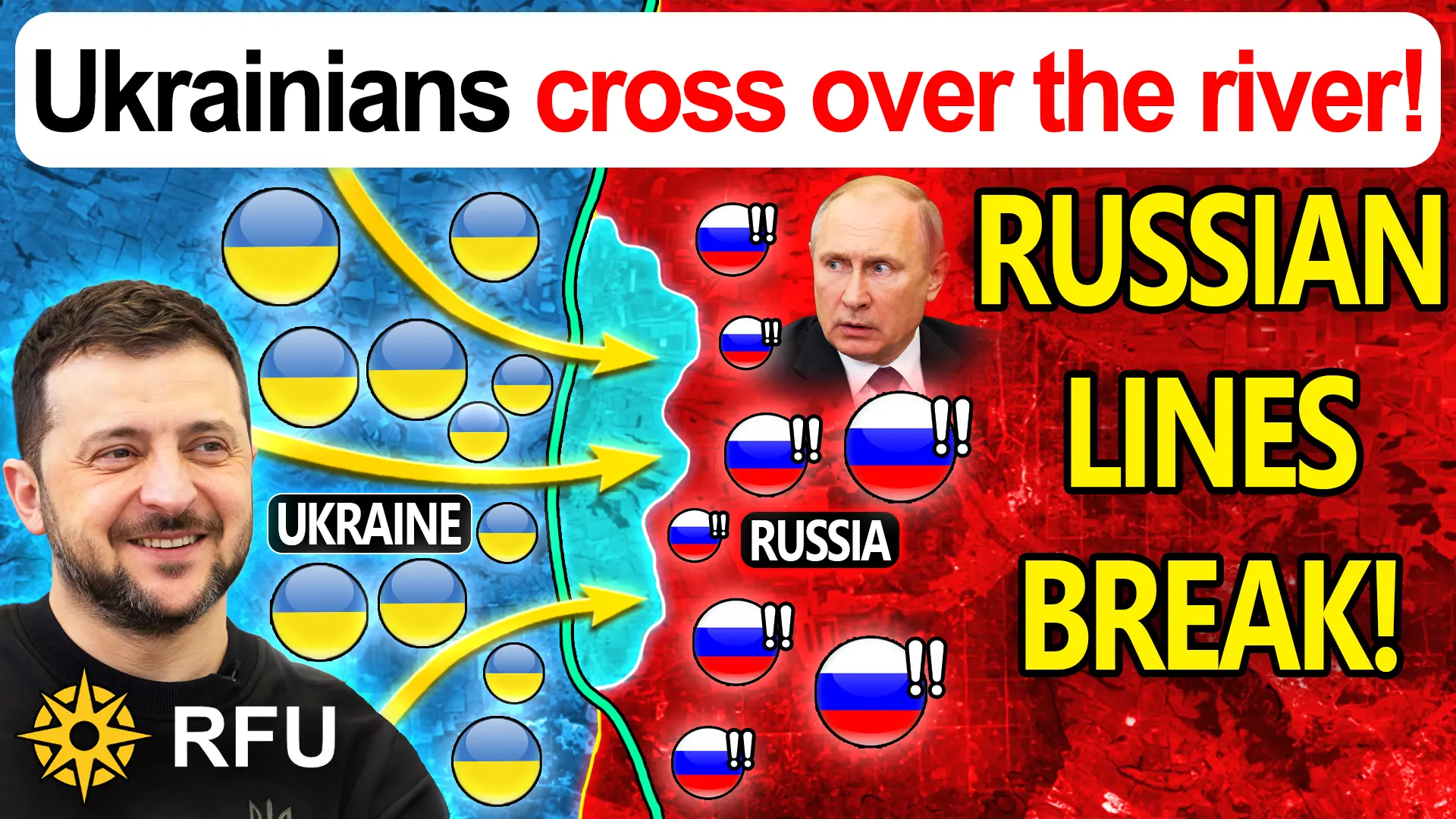
Ukrainians cross Zherebets, Russians fail to establish new defense line
The Ukrainian riverine penetration across the Zherebets barrier demonstrates how rapid tactical tempo can preemptively collapse an adversary’s defensive consolidation before a coherent secondary line can be established. By overrunning rear areas presumed secure, high-mobility assault elements directly displace specialized unmanned aerial systems (UAS) operators, severing the local reconnaissance-strike complex at its most vulnerable technological node. This spatial disruption is critically compounded by command-and-control reporting lag, wherein institutional reluctance to acknowledge territorial loss produces directives based on obsolete operational geography, resulting in misallocated reserves and paralyzed organic fire support. Consequently, isolated forward echelons west of the water obstacle are stripped of both tactical withdrawal corridors and aerial resupply lifelines, accelerating their operational collapse without requiring costly attritional engagements. At the strategic level, this dynamic illustrates that physical terrain barriers no longer guarantee defensive stability when asymmetric sensor-to-shooter loops are severed, fundamentally shifting the operational balance toward rapid kill-chain interdiction over static positional defense.








0 Comments