

.svg)
Today, we examine developments in the eastern Democratic Republic of the Congo.
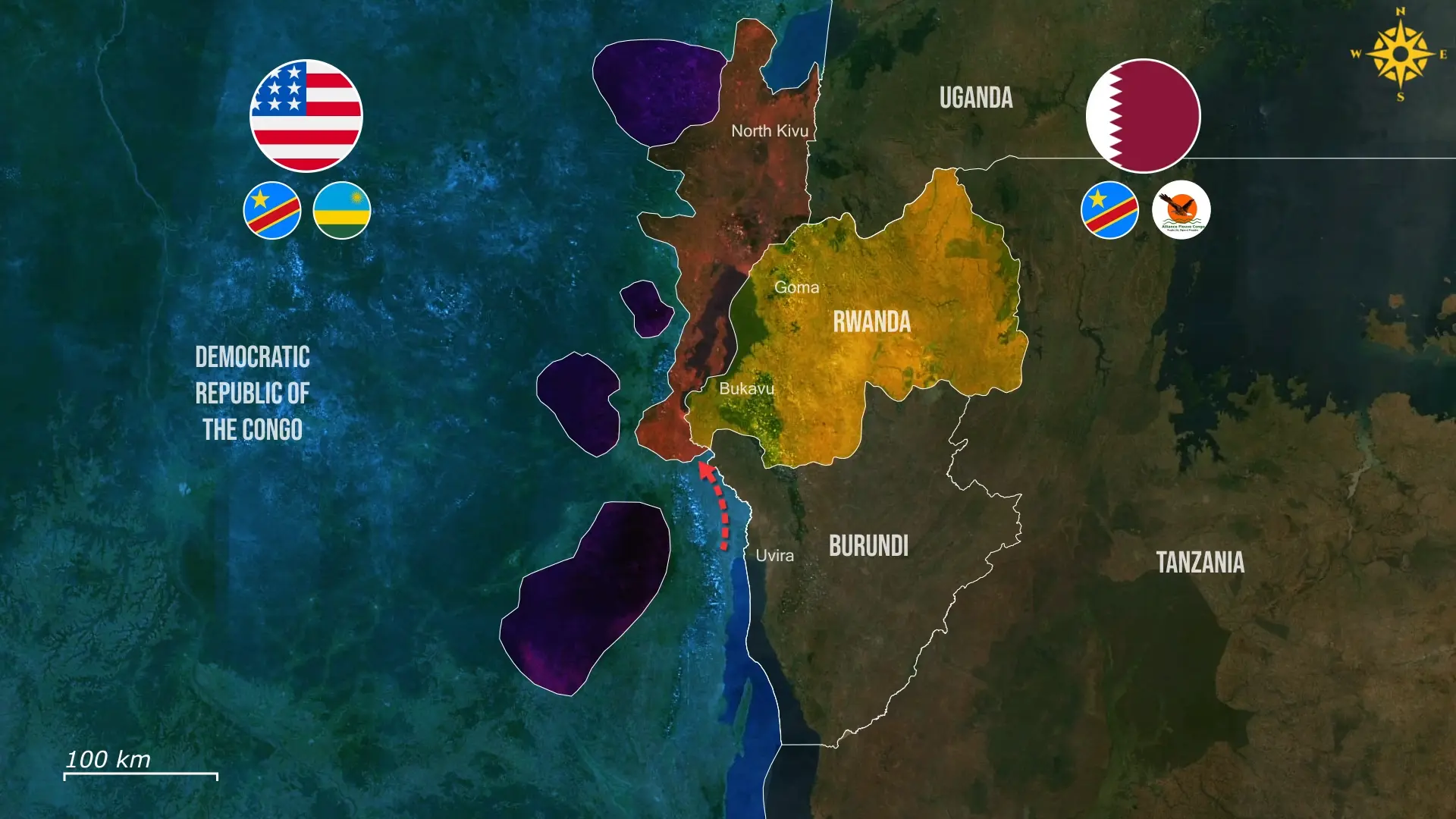
The war-torn but mineral-rich region has been divided between government forces and different armed groups for three decades. The year 2025, however, saw lightning offensives by a group called the March 23rd Movement or M-23, which took control of key cities and now poses a threat to the Congolese government and the country's integrity, and now controls the world's largest coltan mine.
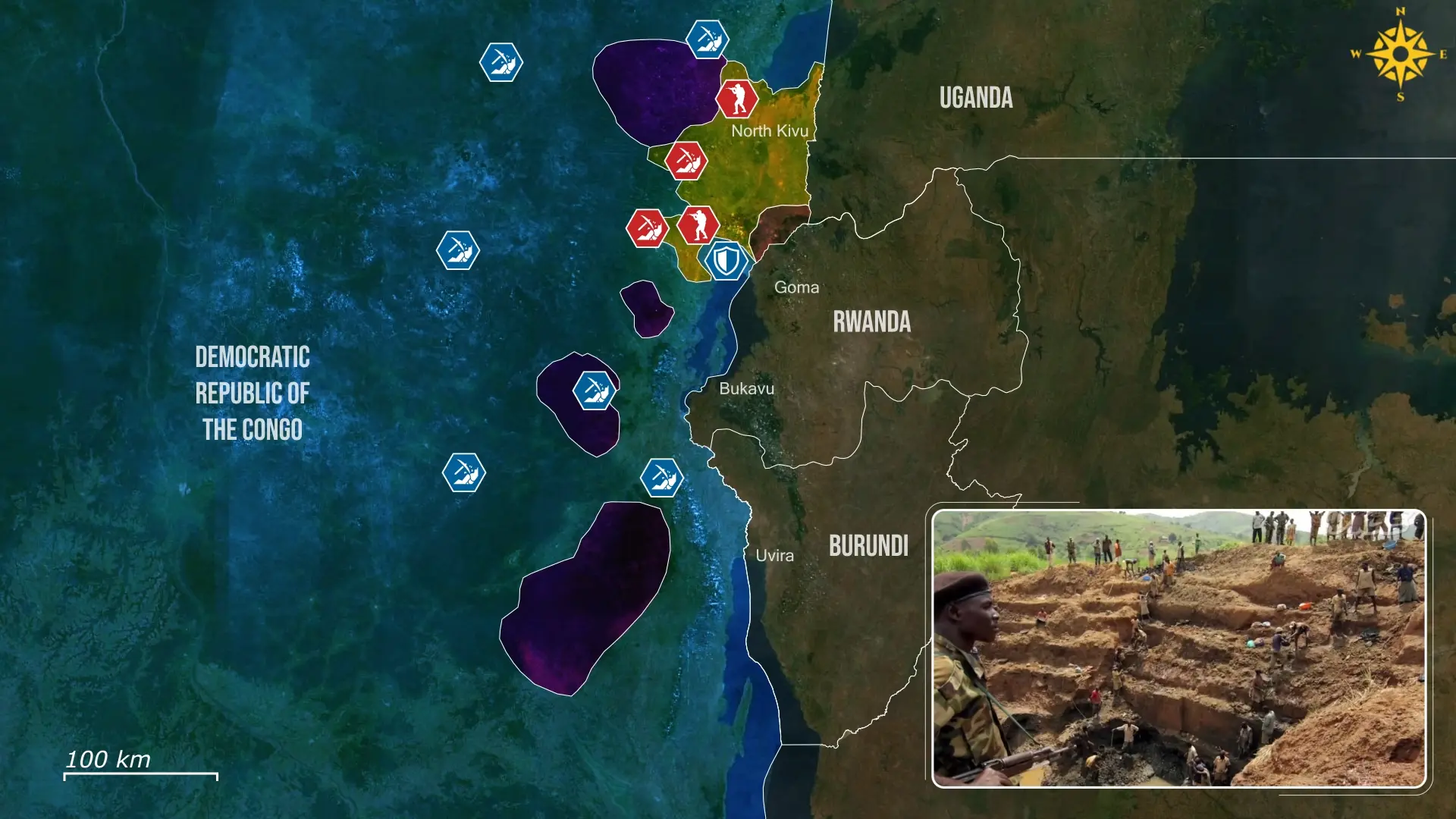
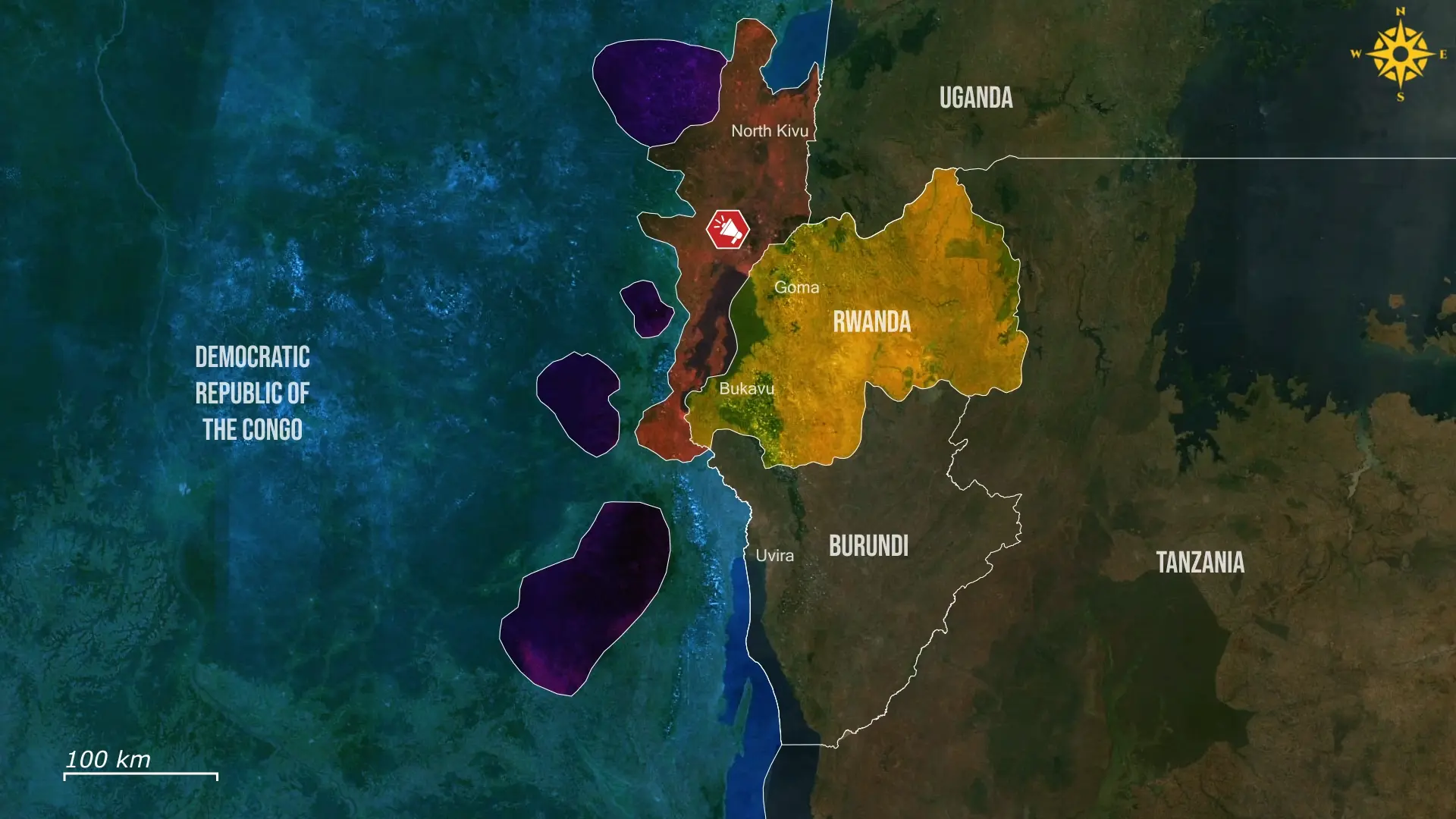
After years of relative inactivity, M-23 began expanding its territory in North Kivu province against government forces, UN peacekeepers, and local militias in late 2024. In early 2025, they captured Goma, a city of two million and the capital of North Kivu.
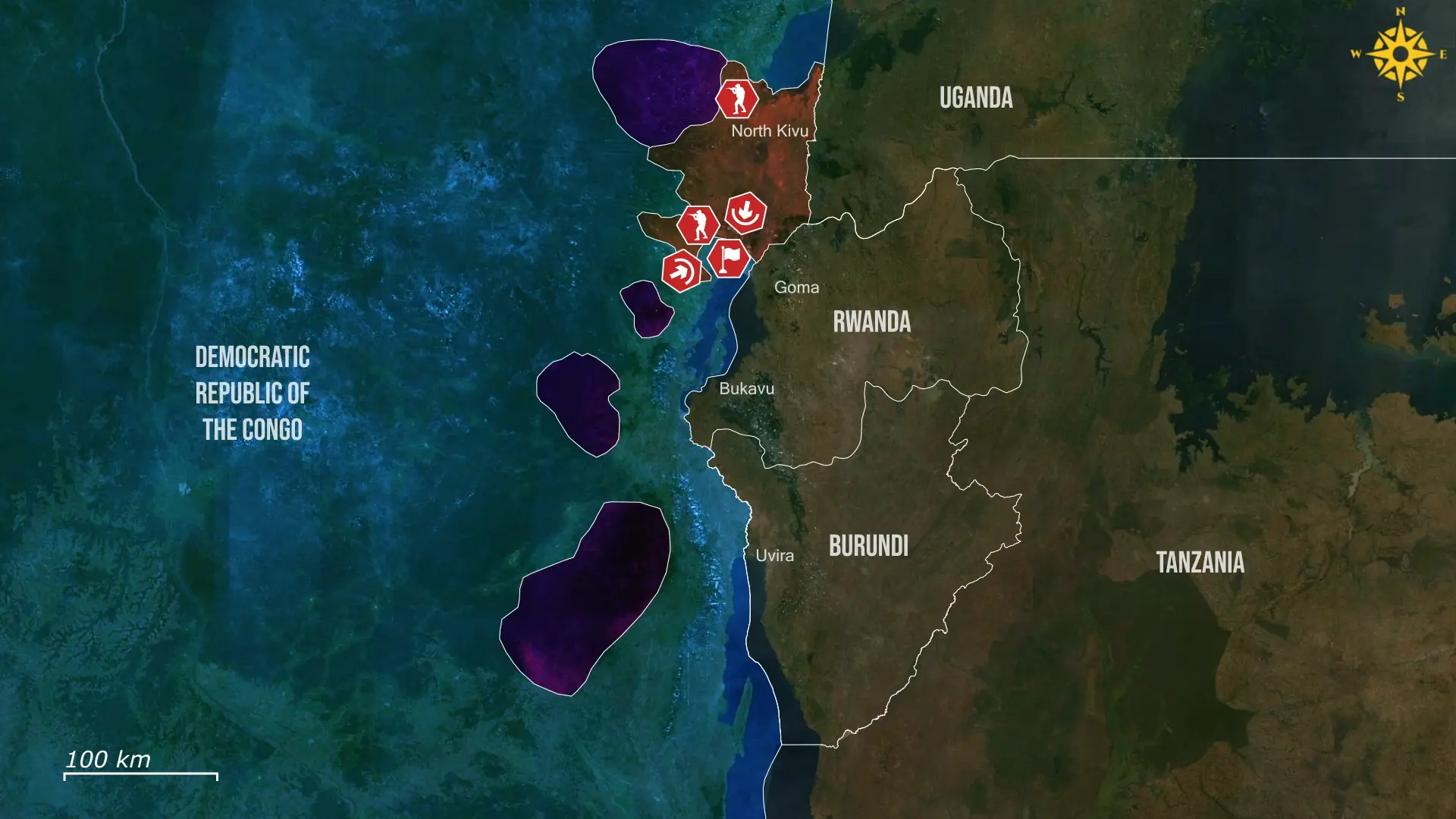
Unlike in 2012, when they briefly captured the city, this time M-23 did not withdraw but instead pushed southward. Two weeks later, they took Bukavu, the capital of South Kivu, as government forces seemingly disintegrated on contact with the enemy forces.
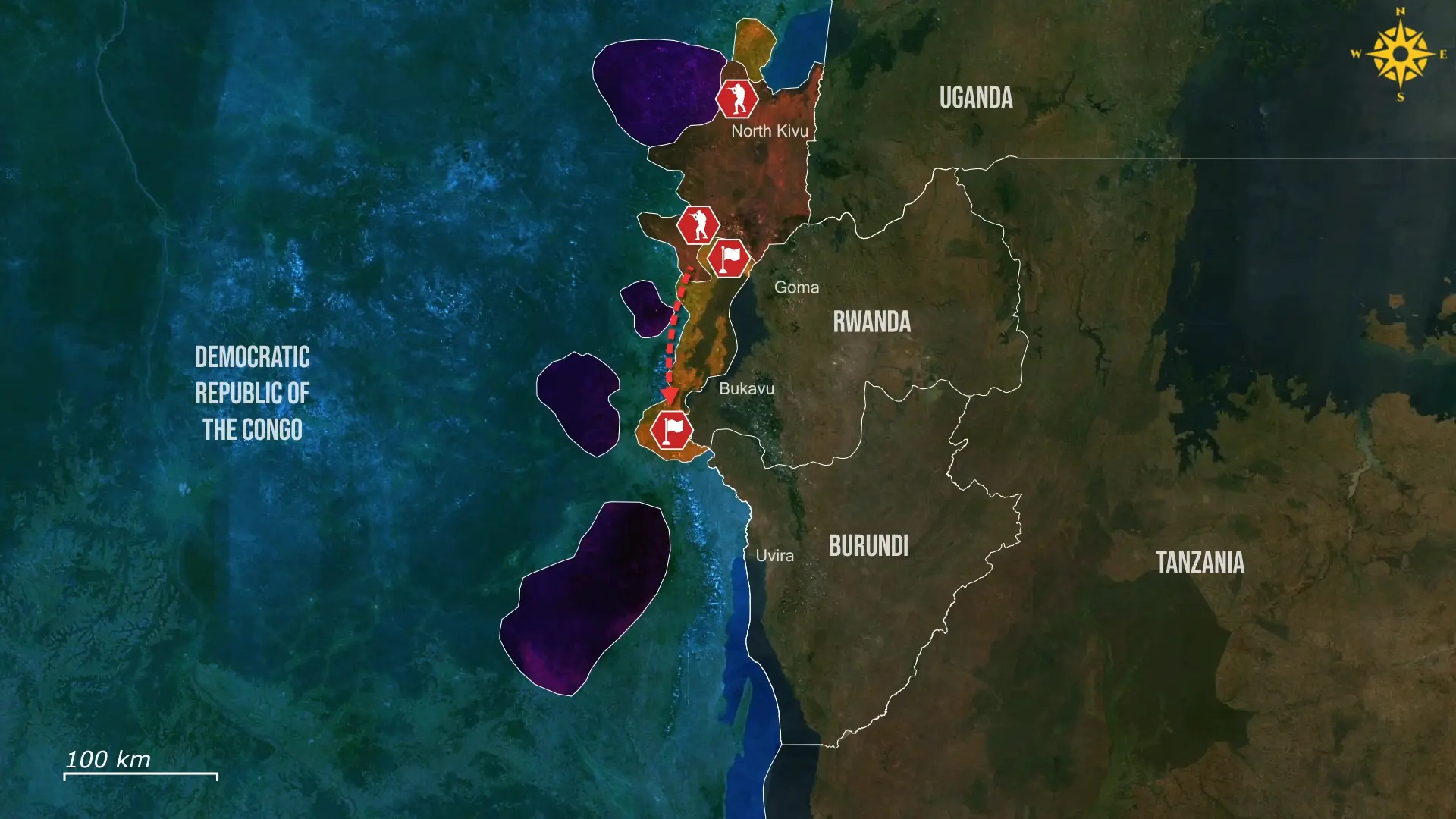
In the meantime, the international community called for peace negotiations, and parallel rounds were held in Doha and Washington. While in Doha, direct talks took place between M-23 and the Congolese government; in Washington, the group was represented by its central backer, Rwanda. A peace agreement was signed in June under pressure from the US administration, but fell apart in December 2025 when M-23 troops advanced south from Bukavu, routed Congolese and allied Burundian forces, and captured the important port city of Uvira.
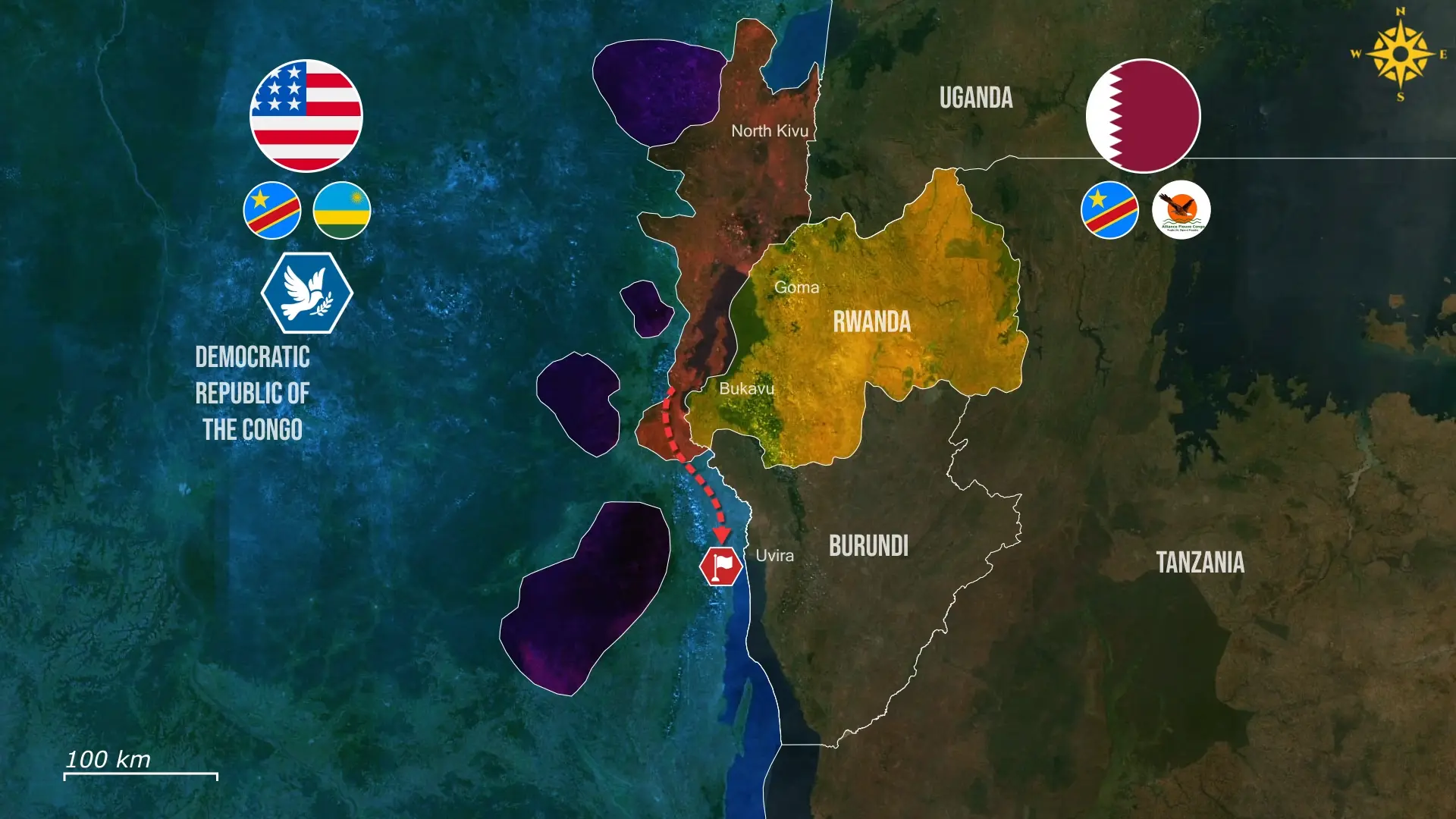
Only a week later, however, M-23 soldiers withdrew from Uvira under pressure from the US.
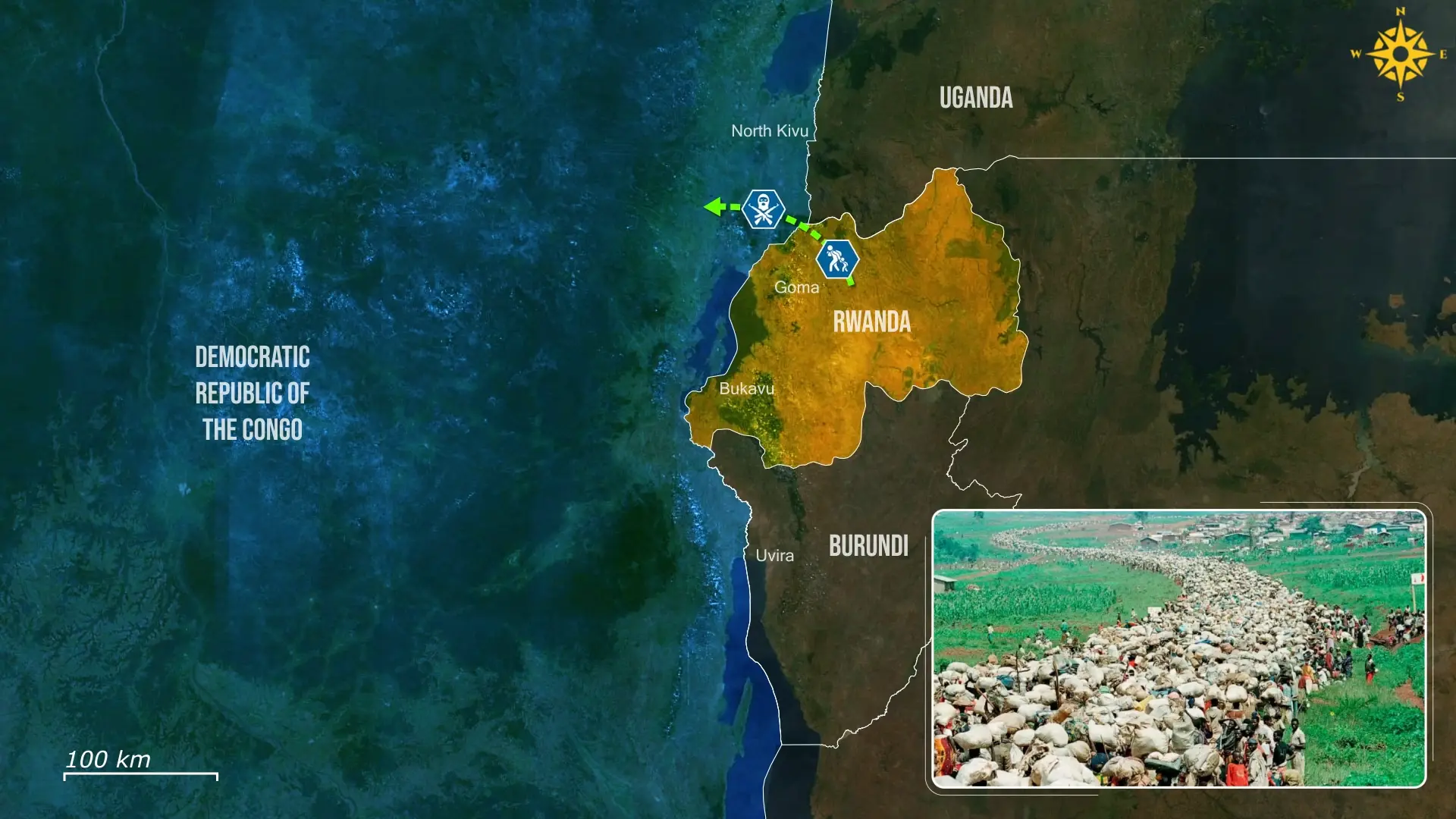
To understand the M-23 rebellion and what it means for the region, it is important to assess the political complexity of eastern Congo. In 1994, the densely populated and ethnically diverse border region saw the influx of refugees and perpetrators of the Rwandan genocide that provided the background for repeated attempts by the new Rwandan government to extinguish the threat posed by these radical Hutu militias.
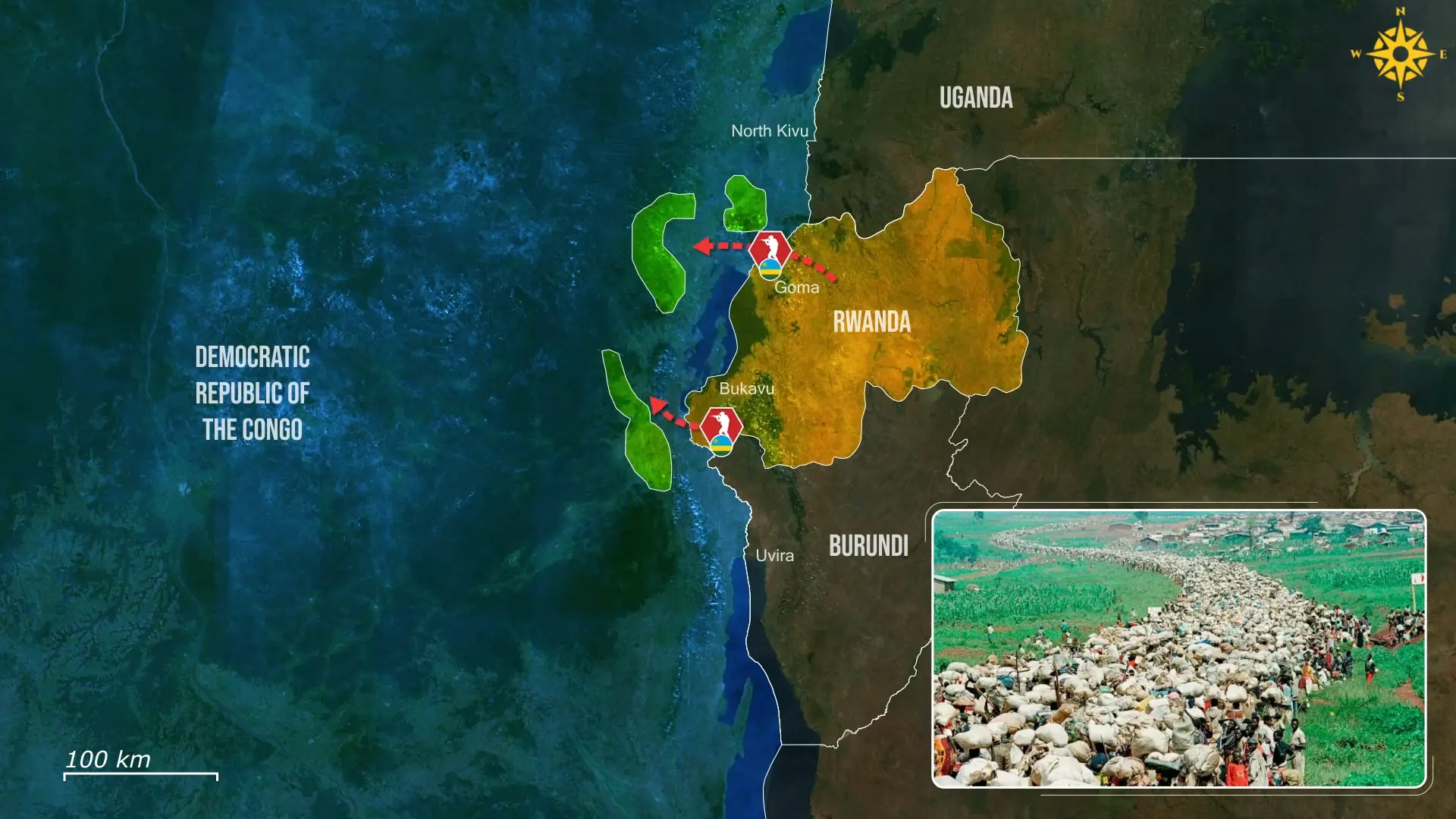
In the process, Rwanda not only supported Tutsi groups but also sought to gain control of the region's rich deposits of coltan, gold, and tin. Following the withdrawal of Rwandan troops in 2003, a lack of state control and ethnic tension between Rwandese-speaking Tutsi and other ethnic groups led to a series of new insurgencies, partially supported by Rwanda, with M-23 as their latest incarnation
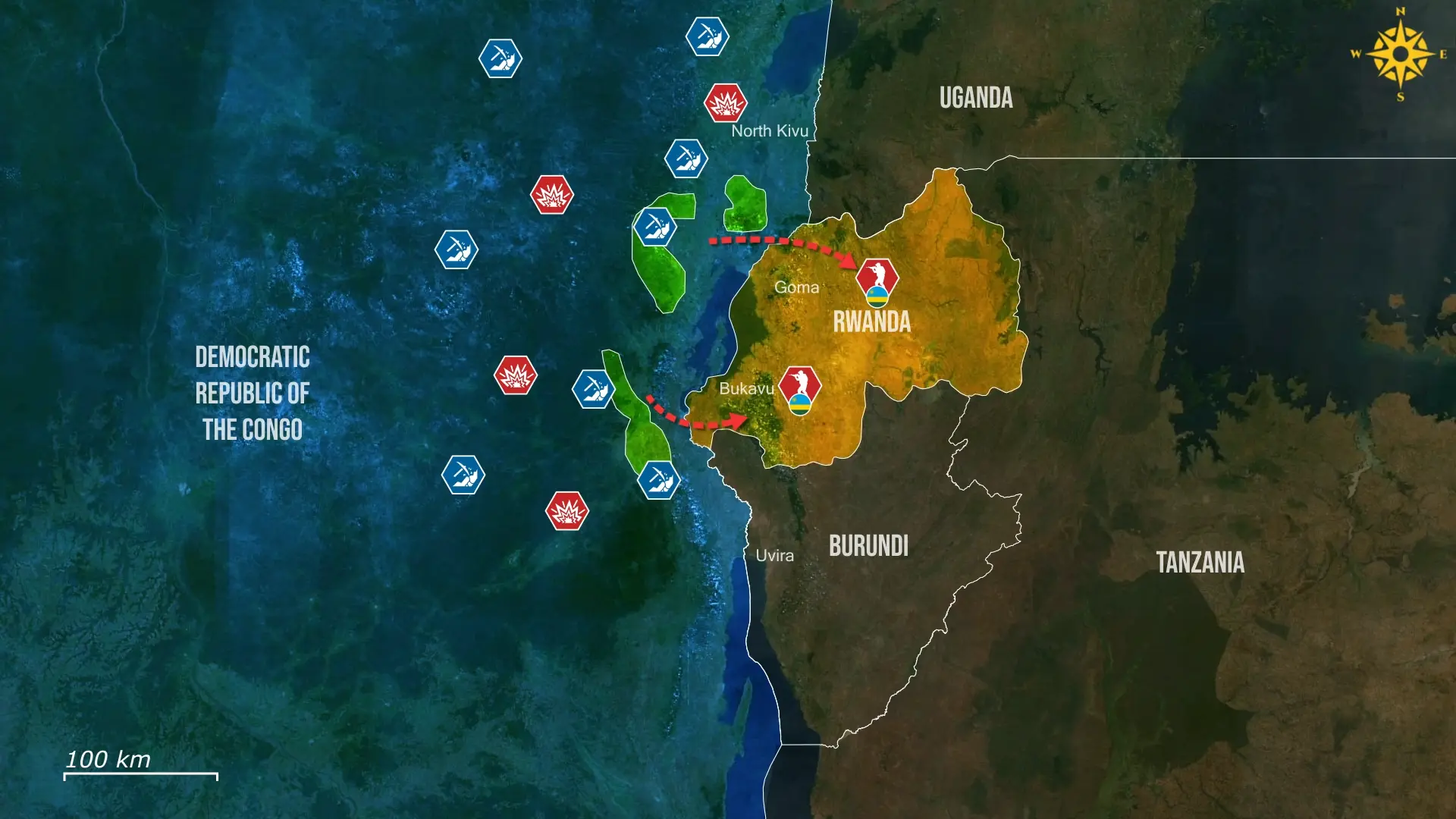
The group's profile is therefore complex and combines elements of ethnic self-defence, regional separatism, and nationwide claims, but is seen as a foreign occupation force by many Congolese.
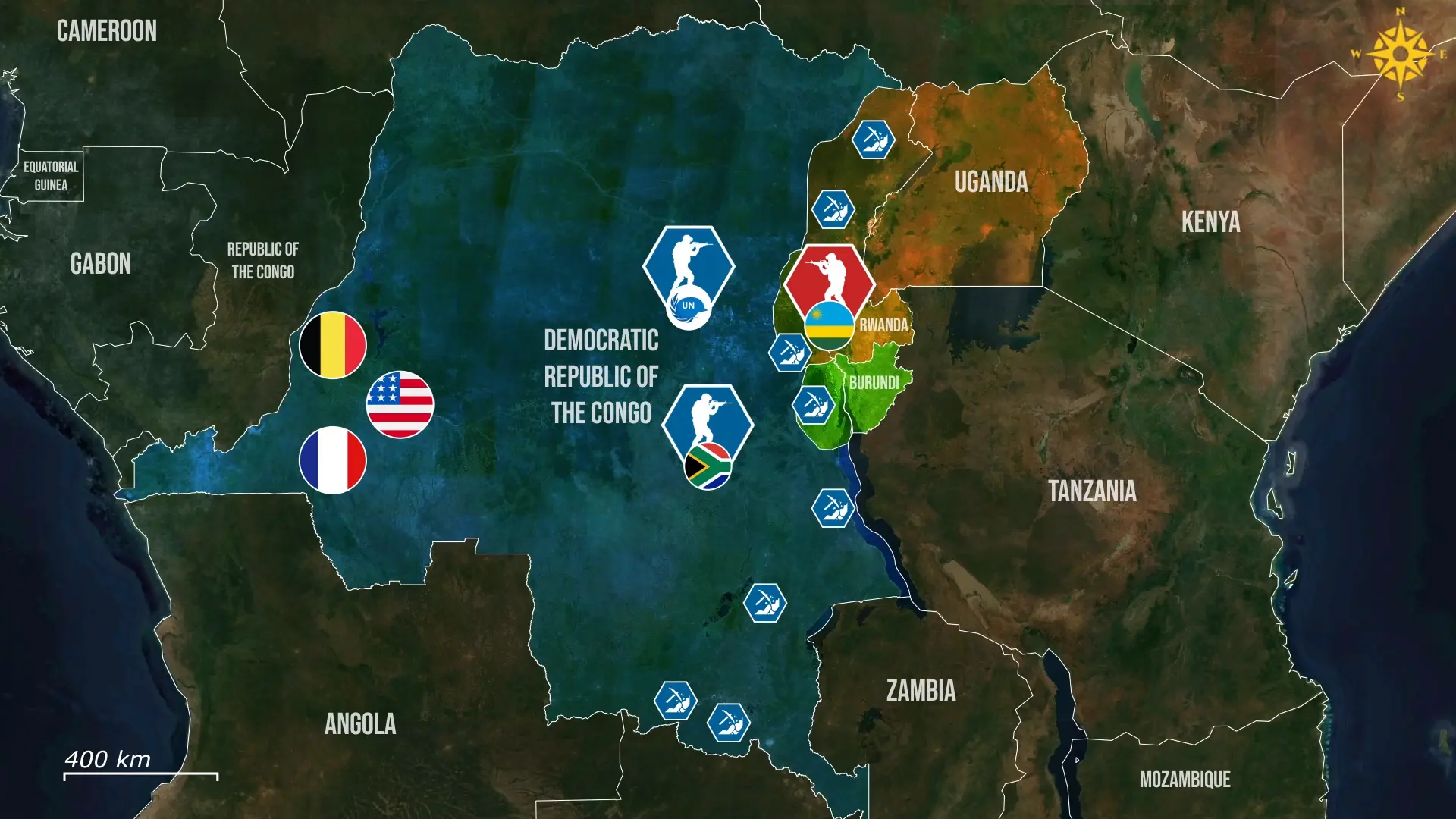
The conflict is complicated by the involvement of multiple regional and global foreign actors. The location of the Kivu provinces at the border of Uganda, Rwanda, and Burundi means that all three countries perceive the eastern Congo as their own backyard and maintain troops inside the country, albeit on different political sides. Furthermore, both the Southern African Development Community and the UN, through their MONUSCO peacekeeping force, have unsuccessfully intervened on behalf of the Congolese government. The mineral wealth of the area, however, means that further actors like the US, France, and Belgium, the Congo’s former colonial power, have invested in the conflict and promise support to Congolese government forces in exchange for access to rare and important resources.
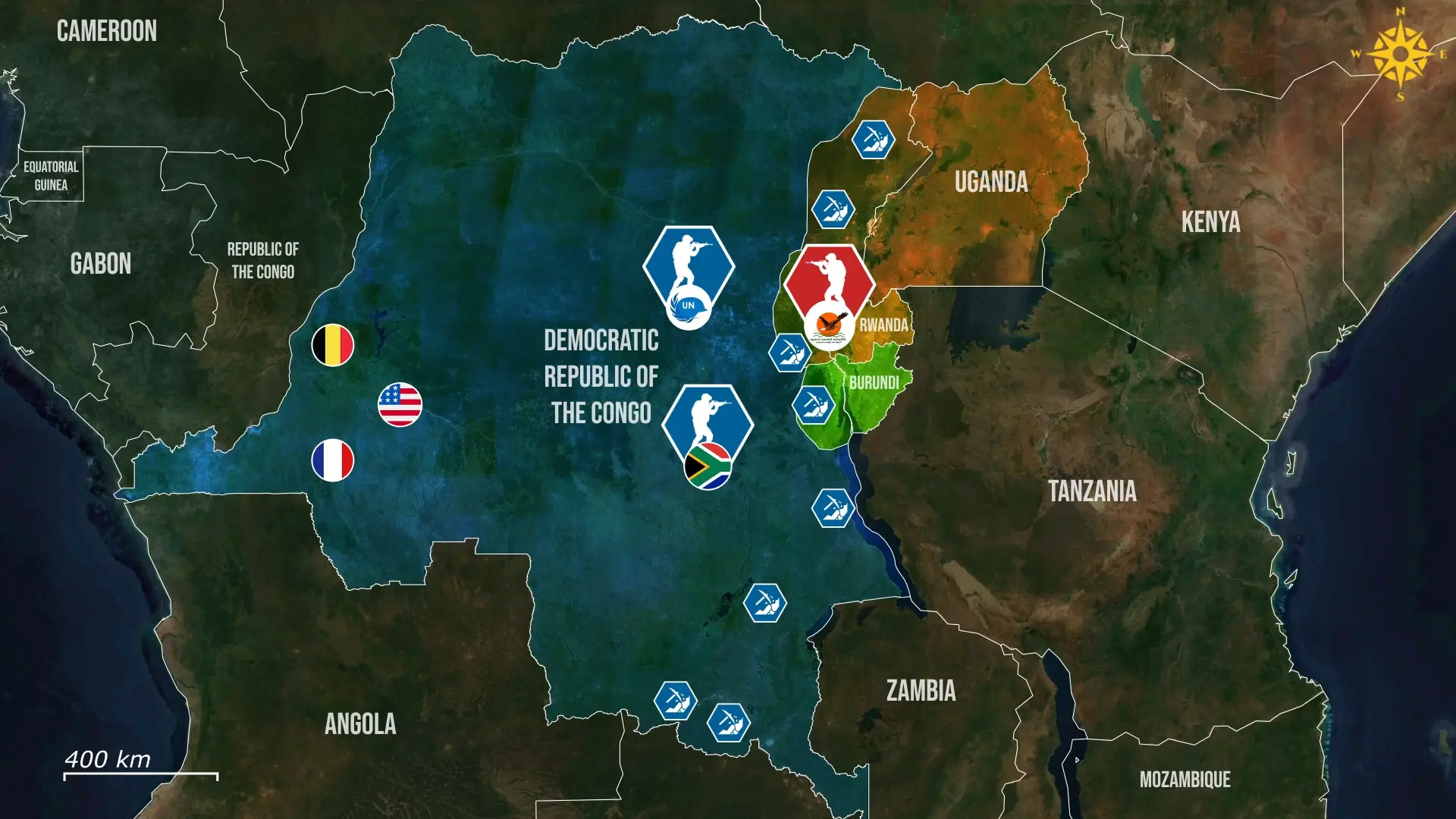
While Rwandan support for Congolese rebels has been consistent over the years, the change in geopolitical climate has allowed the M-23 to expand over vast parts of the Kivu region. While international sanctions on Rwanda had led to the withdrawal of the M-23 in 2012, multiple global crises, especially in Ukraine, bind the resources of the European states, while the US partially shifted its attention away from Africa, opening the door to several foreign powers in Asia and the middle east to fill the sudden power vacuum. The recent advances helped the M-23 and Rwanda to consolidate their power over eastern DRC and might set the stage for the formation of a de facto state, with Rwandan resource exploitation in the eastern Congo in exchange for continued military support for the M-23 forces.
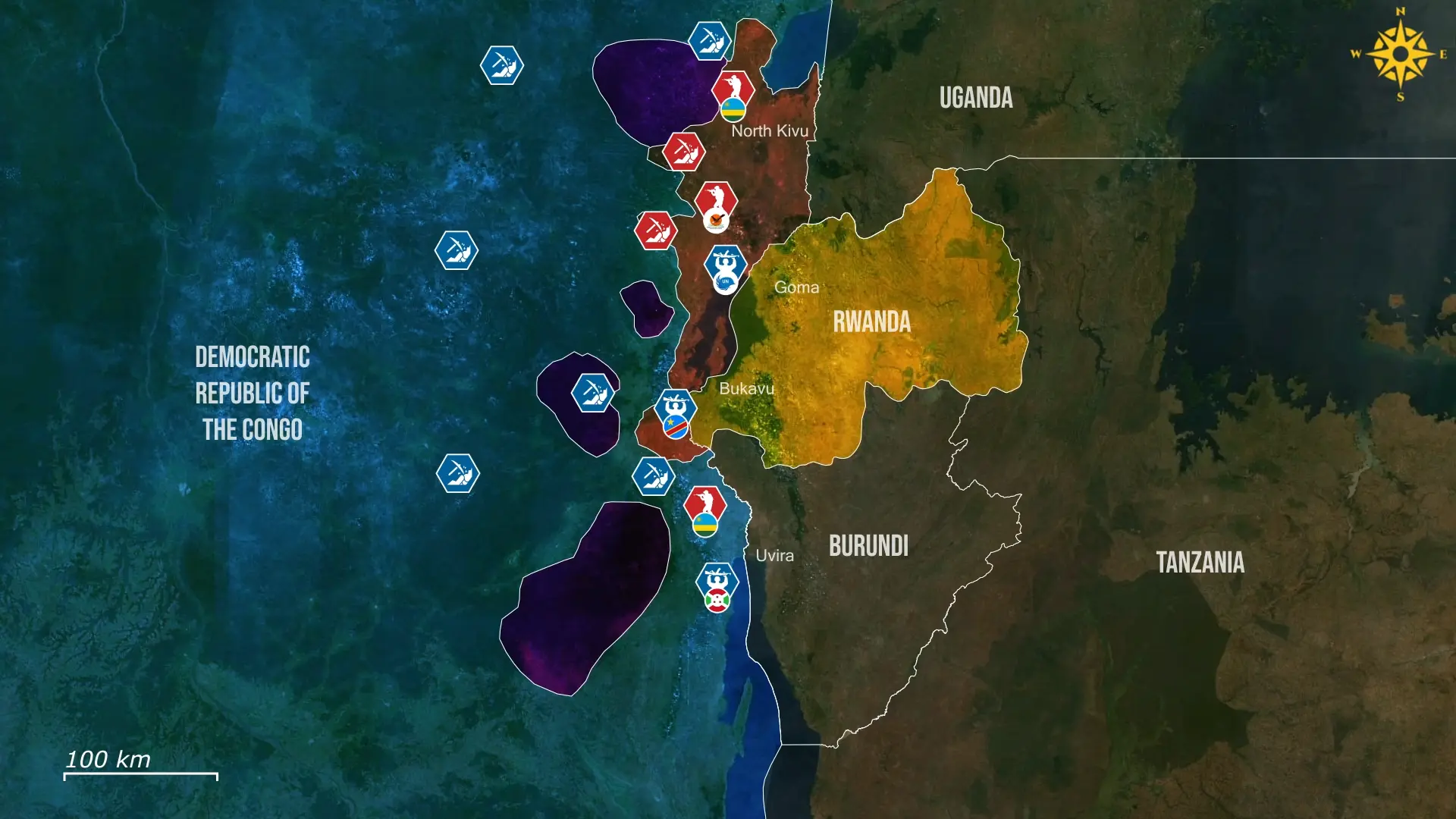
Overall, the rise of the Rwandan-backed M-23 rebels has plunged the Democratic Republic of Congo into renewed crisis. As the government lost control over two important provinces, international intervention forces were defeated as well. This leaves the region's vast mineral wealth in the hands of a well-organized enemy, who already sets up state-like structures and threatens to march all the way to Kinshasa.

.jpg)

Comments