


Today, there are important updates from the Russian-controlled Donbas.
Here, new footage shows a devastating Ukrainian ambush against a Russian convoy containing more than twenty vehicles, including supply trucks, fuel tankers, and armed escorts, with the Russians traveling in a large concentration, suggesting they felt safe from Ukrainian mid-range drone strikes due to Starlink speed limitations.
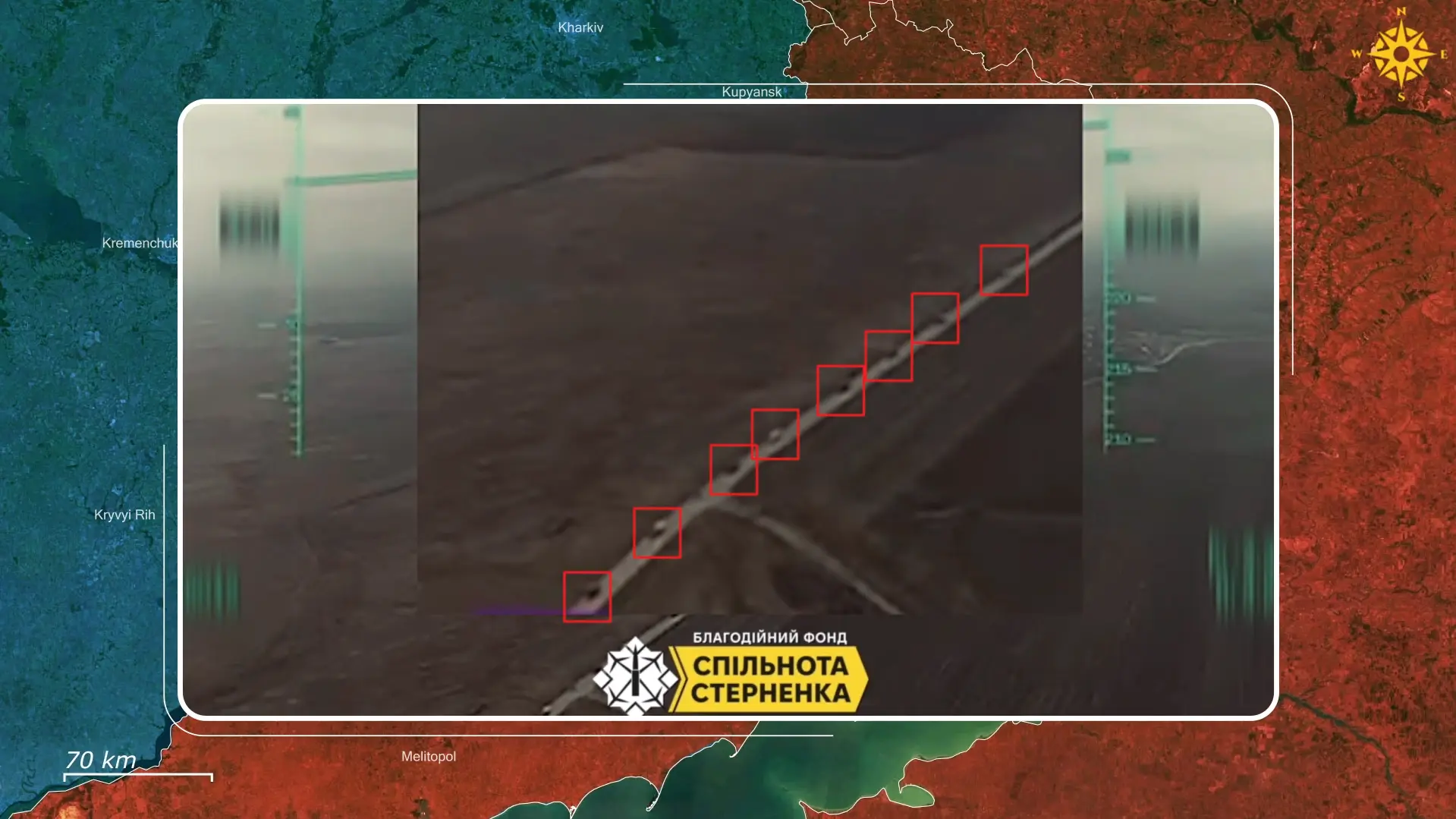
Several escort vehicles carried mounted machine guns, apparently intended to protect the convoy against incoming drones, but these improvised mobile air defenses proved ineffective. Ukrainian drones struck the convoy, targeting the leading vehicle, and then continuing one by one, leaving numerous of them burning along the road.
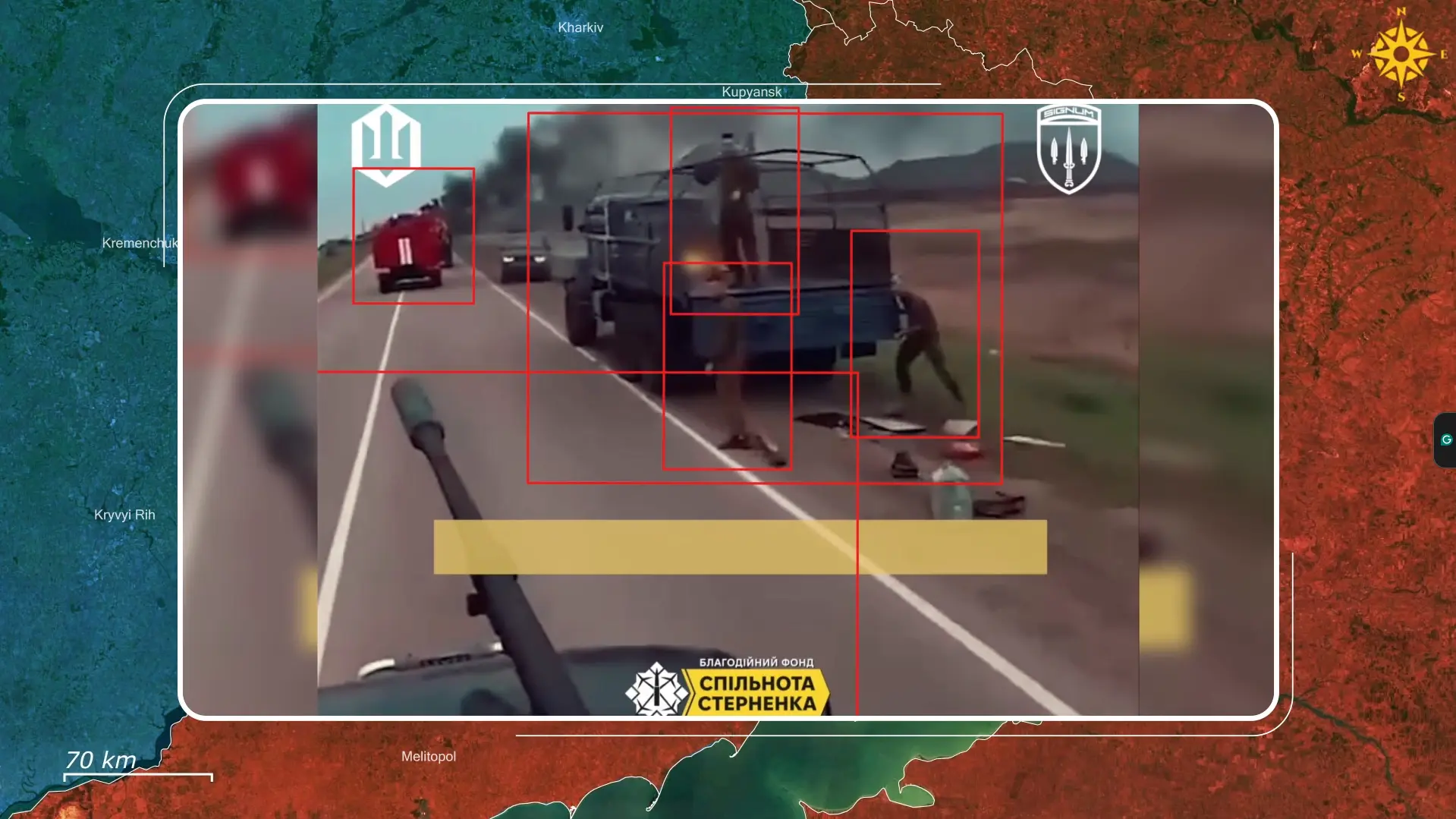
Remarkably, Russian footage filmed from one of the escort vehicles subsequently revealed the destruction, showing burning trucks and Russian soldiers standing helplessly beside the wreckage, demonstrating how completely the convoy’s protection had failed, with the concentration magnifying the losses. Instead of losing individual vehicles during separate journeys, Russian forces suffered substantial destruction in a single engagement.
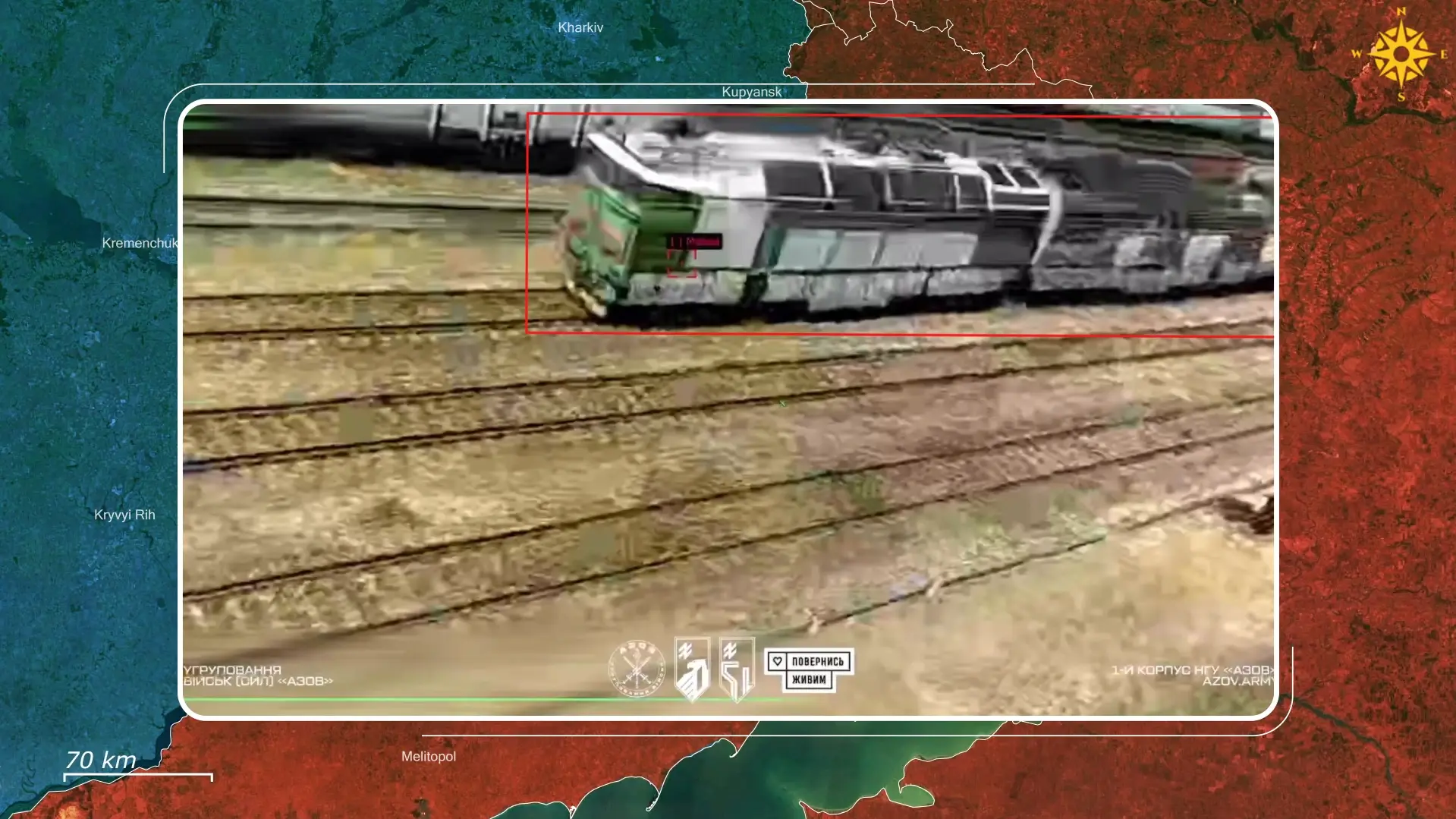
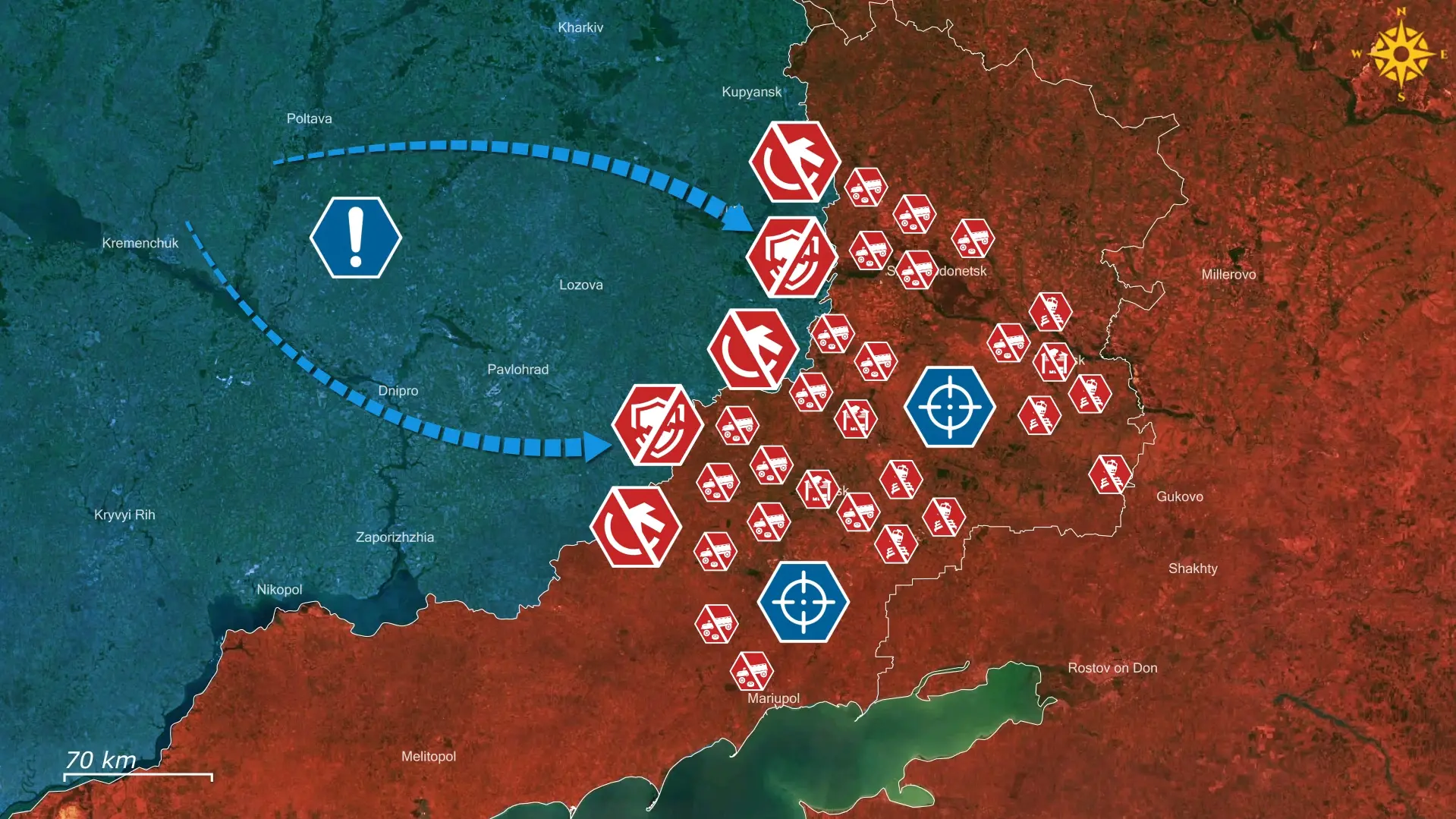
However, Ukrainian attacks are not limited to roads, as the Azov Corps announced that its drone operators had struck more than one hundred railway vehicles supporting Russian logistics across the Donetsk Region. The attacks targeted locomotives, fuel tankers, and other railway equipment, including assets moving supplies between Russia and Russian-controlled Ukrainian territories, with the consequences being enormous.
A single railway wagon can transport approximately sixty tons of cargo, potentially equivalent to thousands of artillery shells, depending on their caliber and packaging. Similarly, a railway fuel tanker can carry roughly sixty tons of fuel, enough to support substantial military vehicle movements. Destroying locomotives and disabling railway infrastructure also interrupts entire supply movements, multiplying the effects beyond the equipment directly hit, making railway transport particularly damaging for Russian forces, which depend heavily on it to sustain their offensive operations.
The timing of these attacks is equally important, as Starshield access for Ukrainian forces has been restored and the previously imposed Starlink speed restrictions lifted. Those restrictions had complicated certain Ukrainian drone operations, temporarily reducing the effectiveness of some mid-range strikes, and Russian commanders attempted to exploit that opportunity by moving larger vehicle concentrations toward the frontline. The newly released footage illustrates why restoring Ukraine’s interception and strike capabilities matters, because when Ukrainian drones cannot effectively threaten moving supply columns, Russian forces gain greater freedom, but once those capabilities return, large concentrations become especially vulnerable.
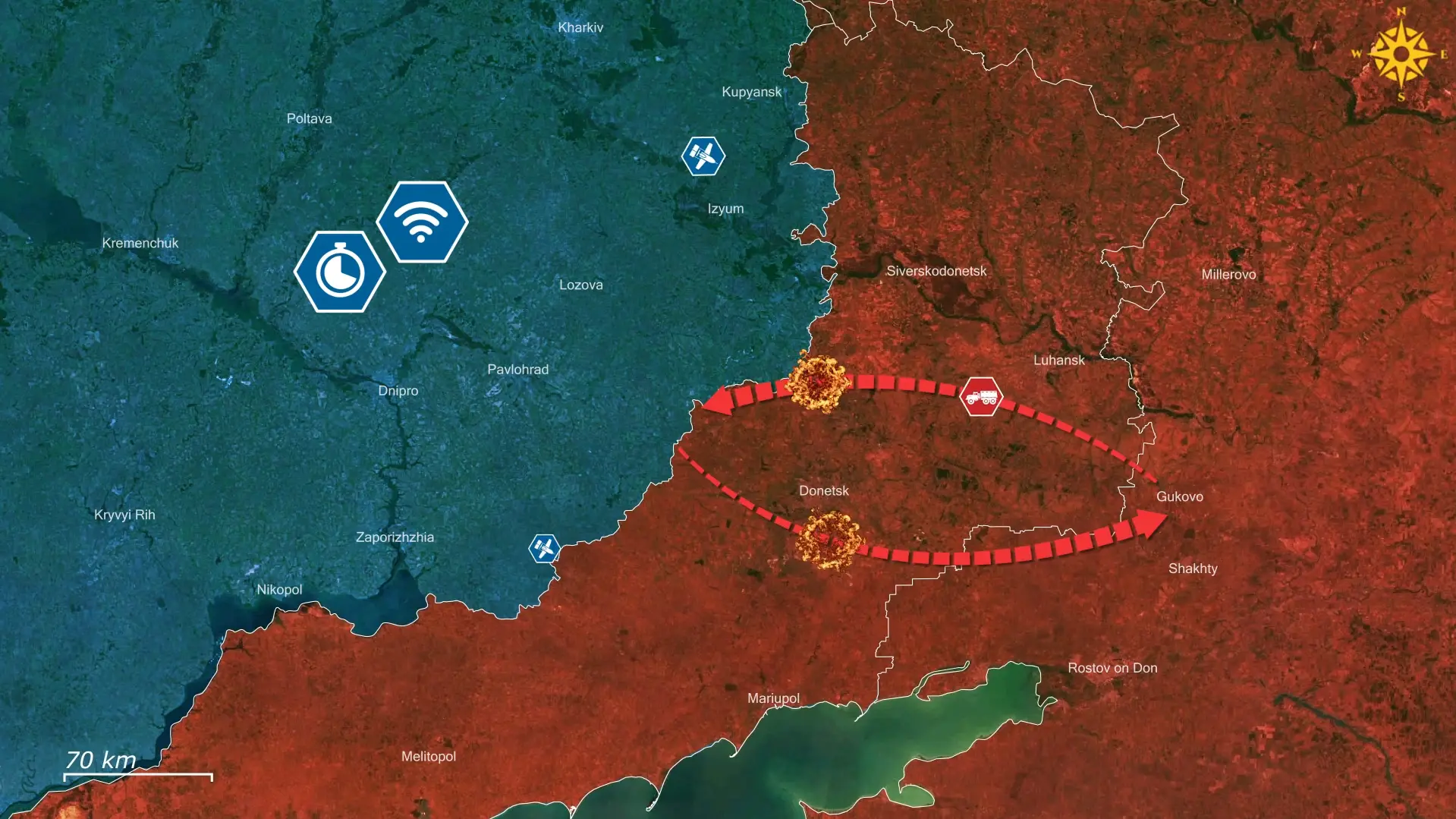
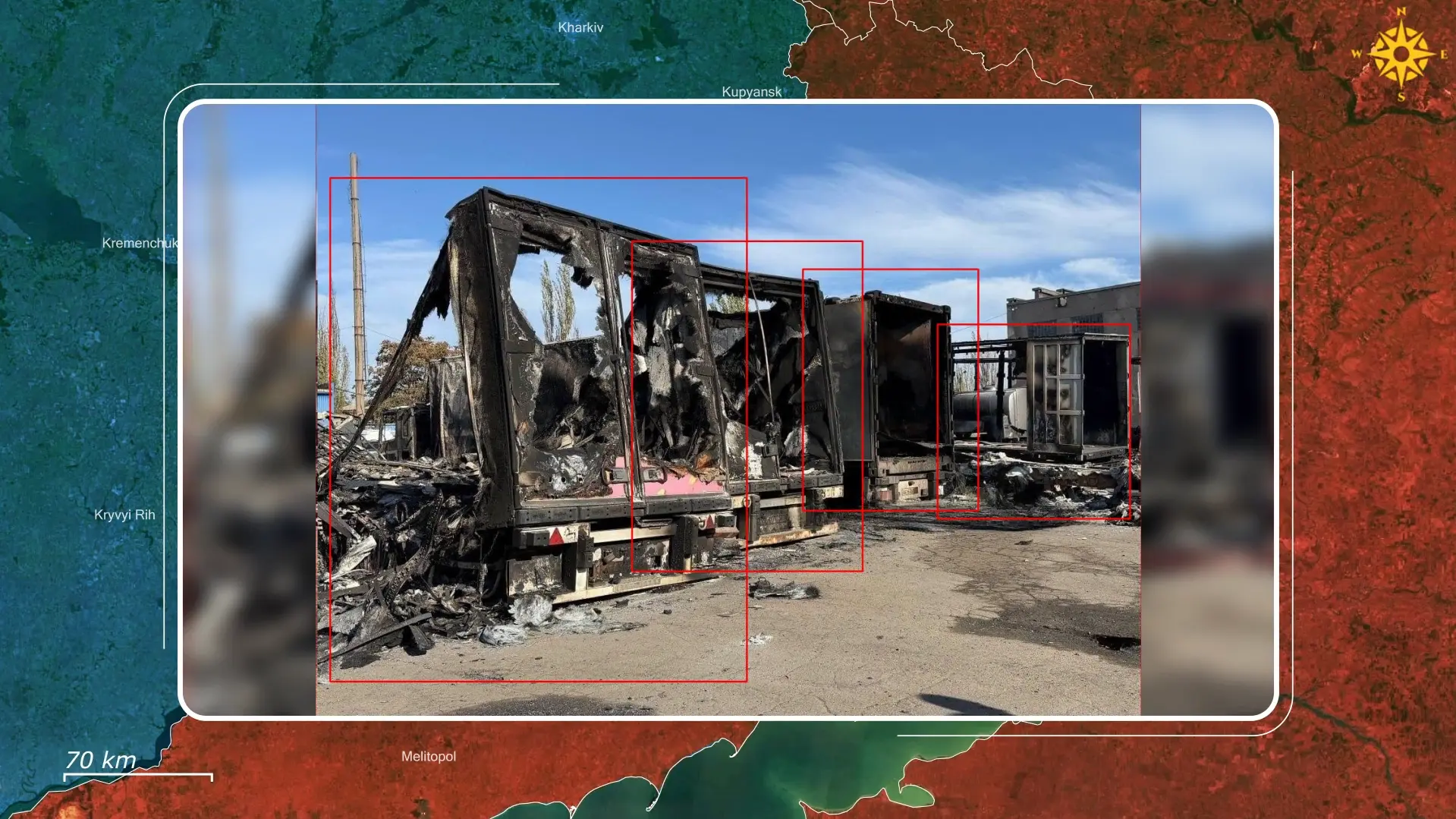
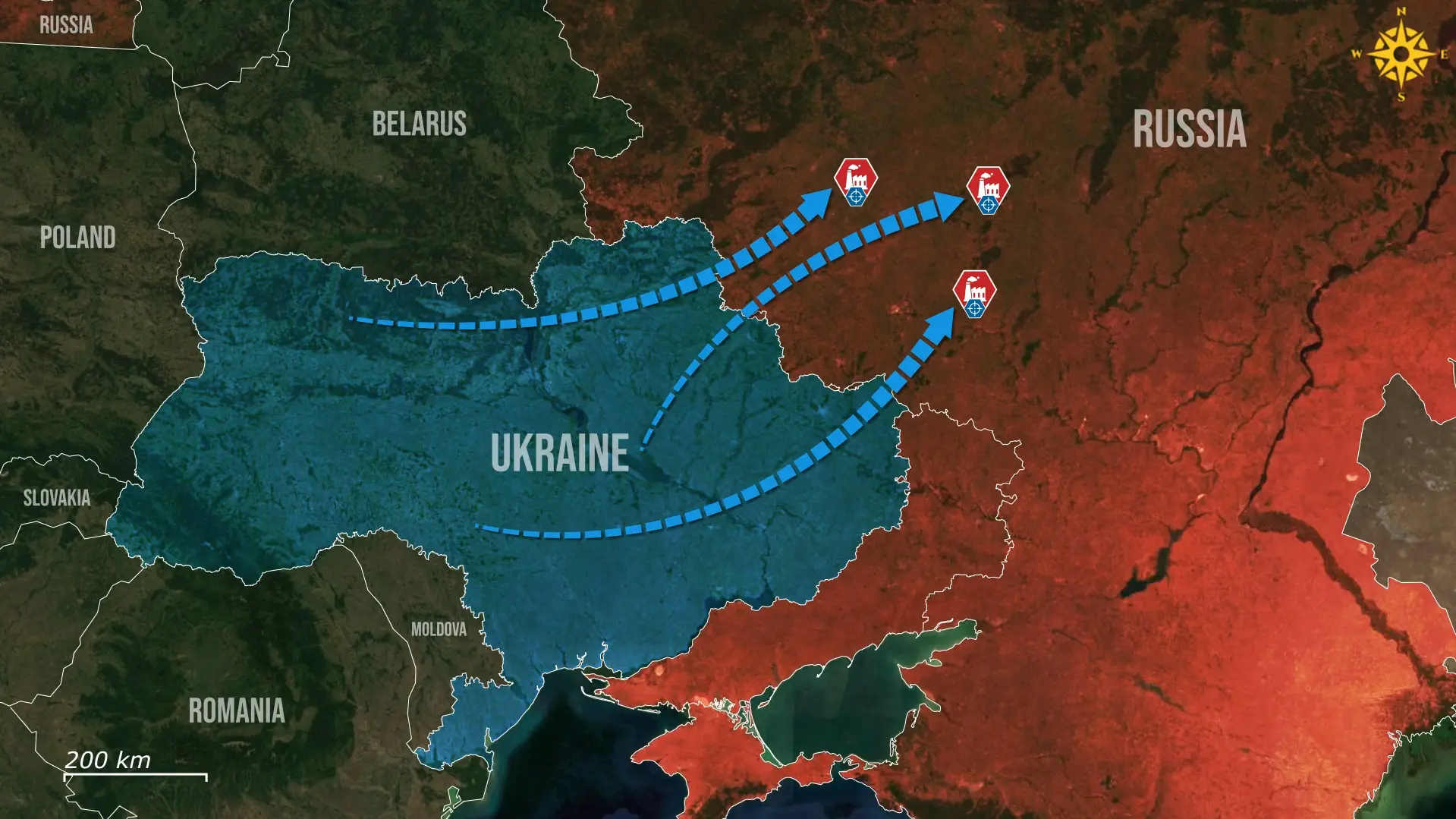
At the same time, Ukraine has also attacked Russian logistics depots, and in Russian-controlled Donetsk, Ukrainian drones struck a major vehicle parking area, with aftermath footage showing extensive destruction across it, with more than thirty vehicles destroyed and nearly thirty others damaged. Losing approximately sixty trucks in one location represents a significant logistical setback, as these vehicles are needed to transport ammunition, fuel, food, engineering equipment and replacement troops between Russian rear-area depots and frontline positions. A similar attack was reported in Russian-controlled Luhansk, where eyewitness footage showed multiple explosions during a drone raid against another truck depot.
Overall, these attacks demonstrate a coordinated effort to disrupt Russian logistics at several levels, with railway strikes threatening long-distance supply movements, depot attacks destroying vehicles before deployment, and drone ambushes intercepting convoys attempting to reach the frontline. The cumulative pressure complicates Russia’s ability to sustain offensive operations across Donbas, but most importantly, Russia’s apparent attempt to exploit the temporary Starlink restrictions has backfired. Before the disruption, Russian logistics frequently relied on smaller, dispersed movements to reduce exposure to Ukrainian drones. Believing the danger had diminished, Russian troops apparently resumed moving larger concentrations, but with Ukrainian capabilities restored, Russia faces renewed pressure on its supply network, while Ukrainian defenders gain another opportunity to weaken Russian offensive potential before reinforcements even reach the battlefield.



Opmerkingen