

.svg)
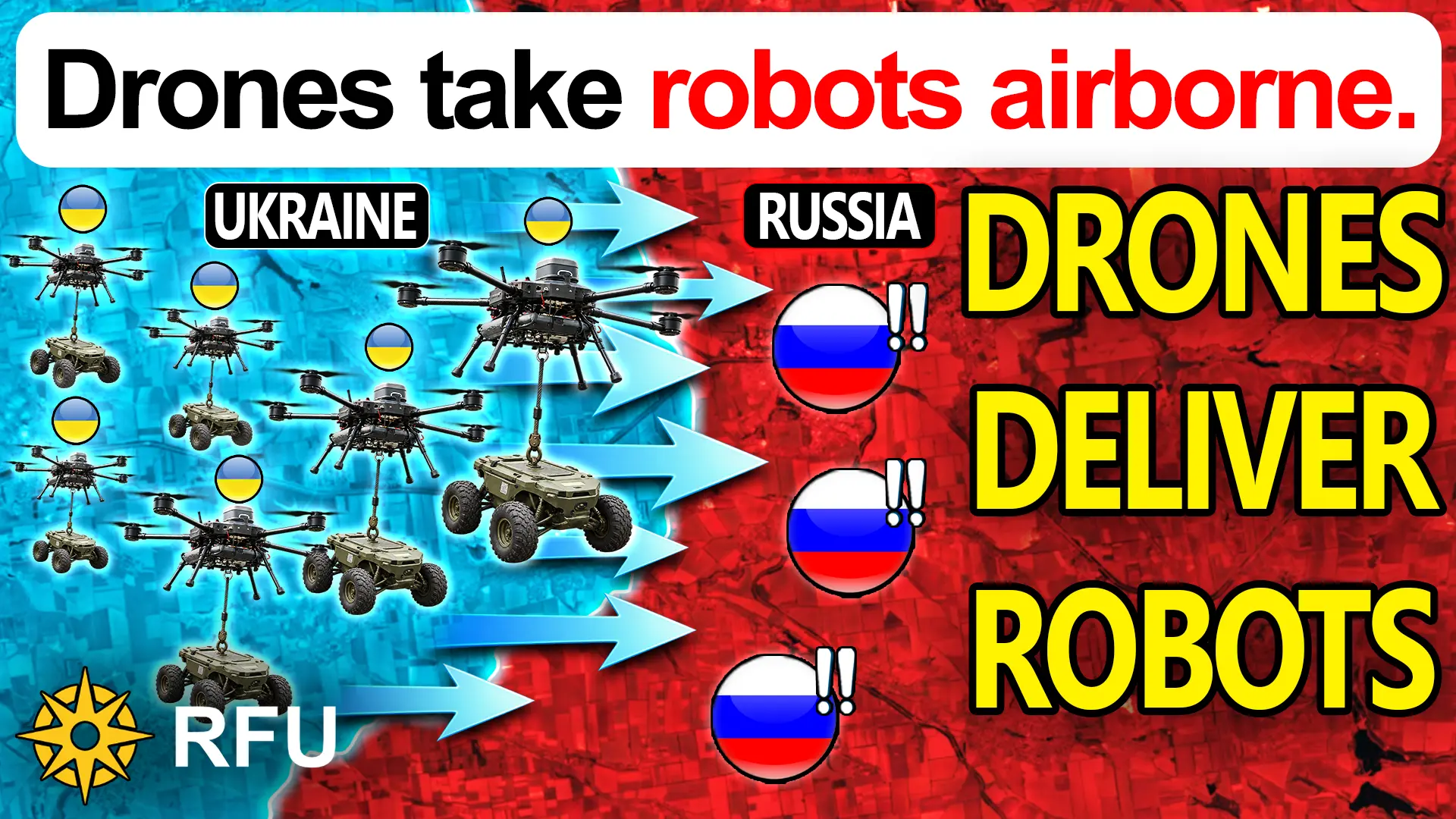
Ukraine is airlifting kamikaze ground robots into battle using bomber drones
The operational integration of heavy unmanned aerial vehicles (UAVs) as airborne delivery platforms for unmanned ground vehicles (UGVs) establishes a modular, cross-domain strike architecture that fundamentally mitigates the mobility and endurance constraints of terrestrial robotics. By airlifting expendable, mine-laden UGVs across exposed terrain and releasing them proximal to the objective, this deployment model minimizes terrestrial transit exposure while keeping high-value aerial platforms outside lethal short-range air defense and electronic warfare envelopes. This multi-tiered vector leverages asset cost asymmetry, utilizing low-cost kinetic ground payloads for terminal breach actions against fortified positions while preserving scarce heavy multirotors for repeated sorties. Systemically, disaggregating the operational phases—separating rapid standoff transit from terminal surface penetration—extends the effective strike radius of ground robotics and complicates defensive sensor coverage along fortified lines of contact. In the long term, the widespread institutionalization of layered, multi-domain unmanned complexes accelerates the obsolescence of static fortifications and drives tactical evolution toward distributed, collaborative robotic warfare.


0 Comments