

.svg)
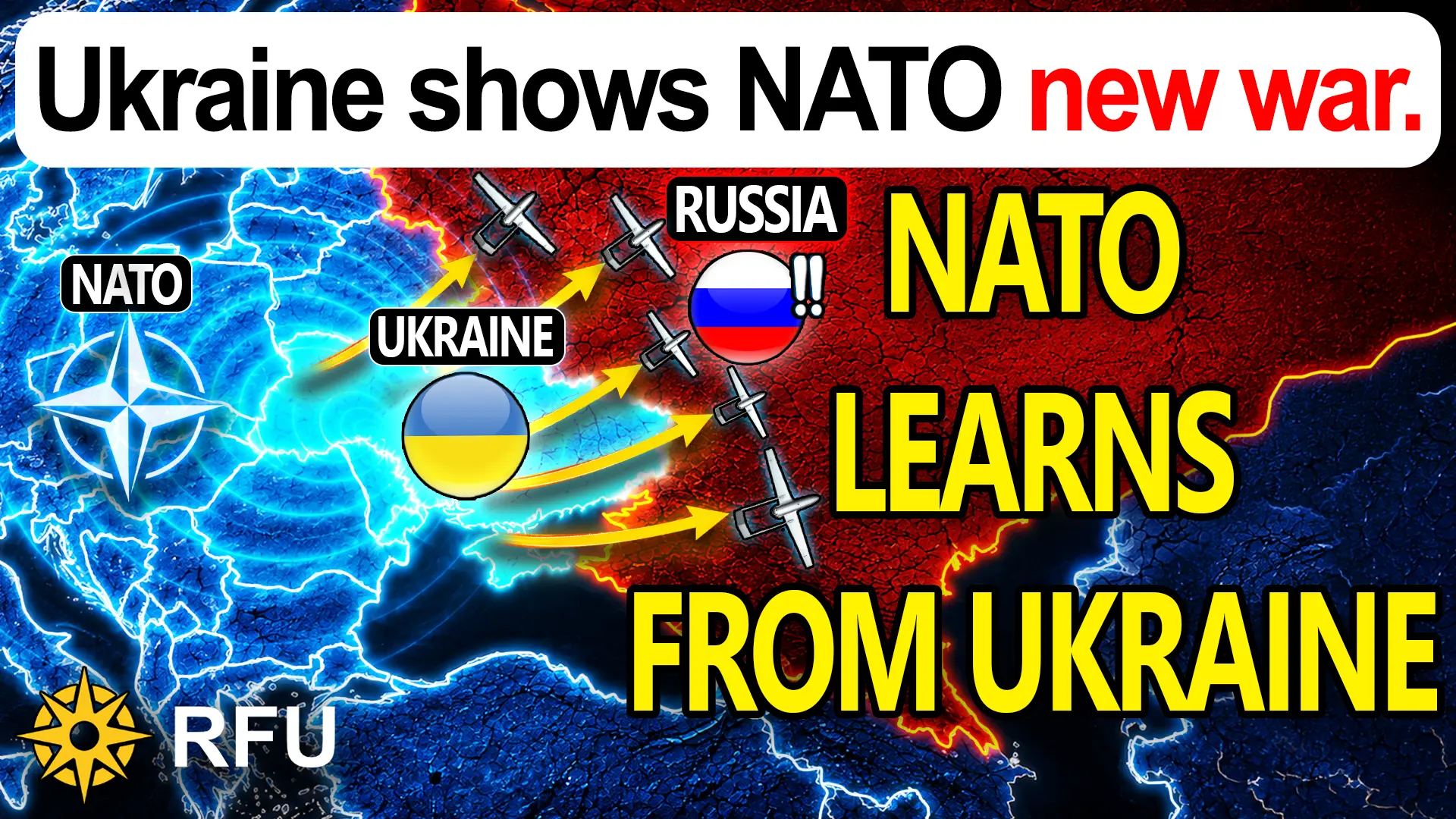
Ukraine showed NATO what years of drone warfare experience looks like
Recent NATO wargames pitting US armored formations against Ukrainian drone units demonstrate that persistent unmanned reconnaissance-strike complexes have invalidated traditional maneuver warfare doctrines reliant on concentrated heavy armor. By exploiting unavoidable dust, visual, and thermal signatures generated by heavy platforms, distributed FPV and bomber drone networks compress the target-acquisition cycle beyond the defensive response capabilities of onboard counter-unmanned and electronic warfare suites. This operational dynamic imposes severe structural vulnerabilities on conventional armored brigades, proving that superior kinetic firepower and physical protection can be systematically neutralized by low-cost, decentralized precision attritional systems. Consequently, tactical survivability and operational tempo now dictate a doctrinal transition away from platform-centric armored assaults toward radical signature management, wide echelon dispersion, and fully integrated electronic countermeasures. On a strategic level, these simulation outcomes mandate an immediate overhaul of NATO force design, compelling Western militaries to recalibrate their industrial procurement and combined-arms integration to match the sensor-saturated realities of the Ukrainian theater.


0 Comments