

.svg)
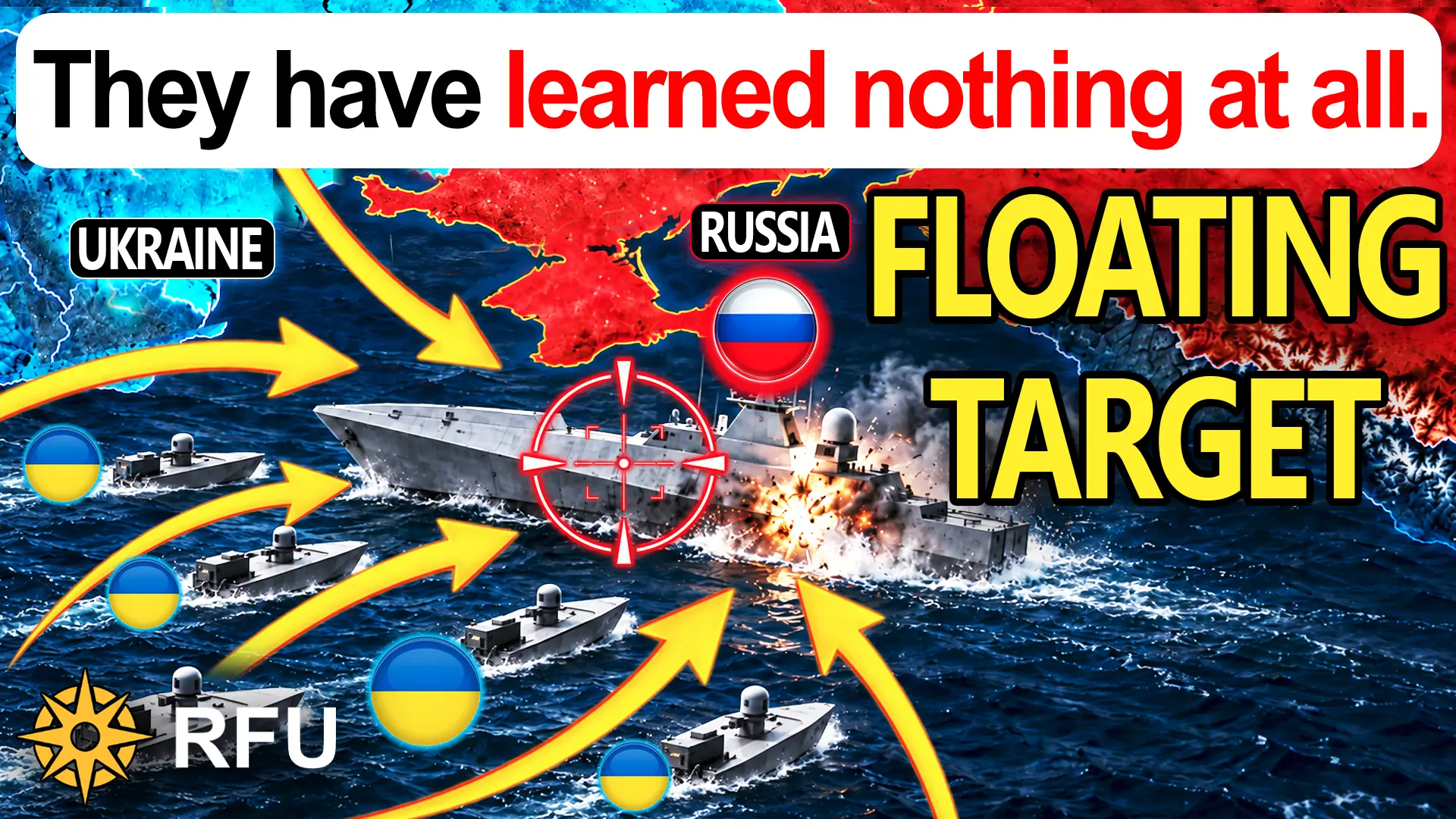
Russia builds a 500 ton drone warship despite Ukraine’s Black Sea lesson
The operational paradigm in the Black Sea theater has shifted from conventional sea control to distributed maritime denial, driven by the asymmetrical cost-exchange ratios of low-cost, expendable uncrewed surface vessels. In contrast to this doctrine of high-volume attrition tolerance, the Russian development of a 500-ton uncrewed combatant reflects an institutional persistence in projecting traditional surface-warfare architecture into robotic systems. While removing shipboard personnel mitigates immediate human casualty risk, a high-displacement autonomous platform retains the prominent physical signatures, maintenance dependencies, and high unit replacement costs of conventional warships. Consequently, concentrating mission-critical anti-submarine sensors and kinetic payloads into an expensive, singular asset fails to resolve the operational asymmetry, leaving the platform acutely vulnerable to saturation attacks by low-cost uncrewed swarms. This technological divergence underscores a structural failure to adapt to modern naval attrition dynamics, perpetuating the systemic vulnerability of centralized maritime assets against decentralized, mass-producible strike systems.


0 Comments