

.svg)
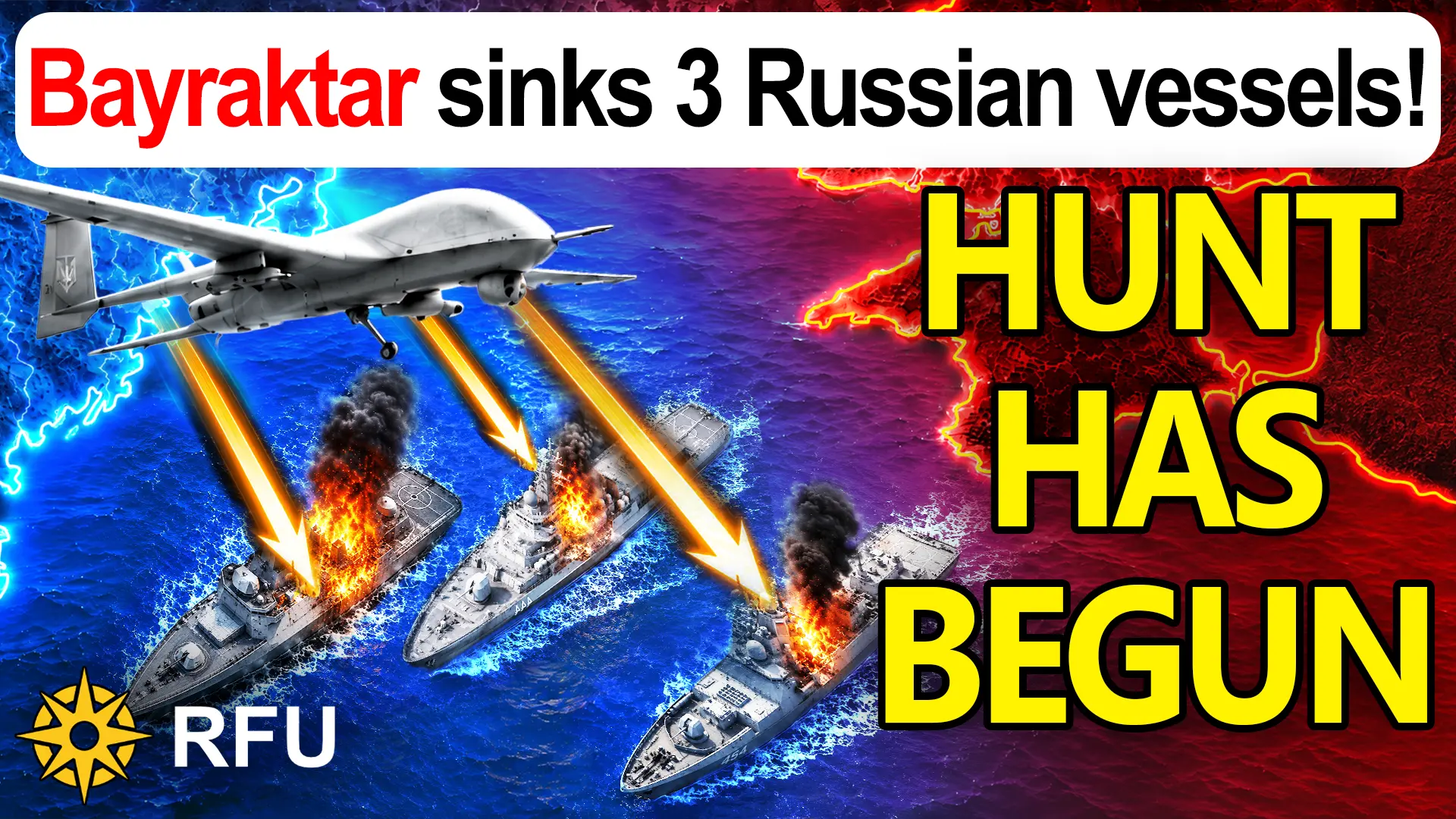
Bayraktars begin hunting Russian naval drones after three are destroyed at sea
Russia’s deployment of uncrewed surface vessels (USVs) represents a structural adaptation to counter Ukraine’s asymmetric maritime dominance, attempting to re-establish sea-denial capabilities without exposing high-value surface combatants. By fielding low-cost, mass-producible naval drones, Moscow seeks to impose a reciprocal surveillance and defense burden along Ukraine's littoral corridors, thereby threatening critical maritime trade and coastal logistical nodes. In response, Ukraine’s integration of medium-altitude long-endurance aerial drones, such as the Bayraktar TB2, into pre-emptive counter-USV operations highlights the rapid convergence of multi-domain reconnaissance and strike architectures. This air-to-sea interception layer exploits the inherent structural vulnerabilities of surface drones—namely their reliance on line-of-sight communications, limited self-defense mechanisms, and operational transit windows—before they reach launch thresholds. Consequently, control of the Black Sea is evolving from a contest of capital warships into a dynamic, networked battle of counter-unmanned systems where tactical dominance hinges on early detection, sensor fusion, and integrated air-naval reaction speed.


0 Comments