

.svg)
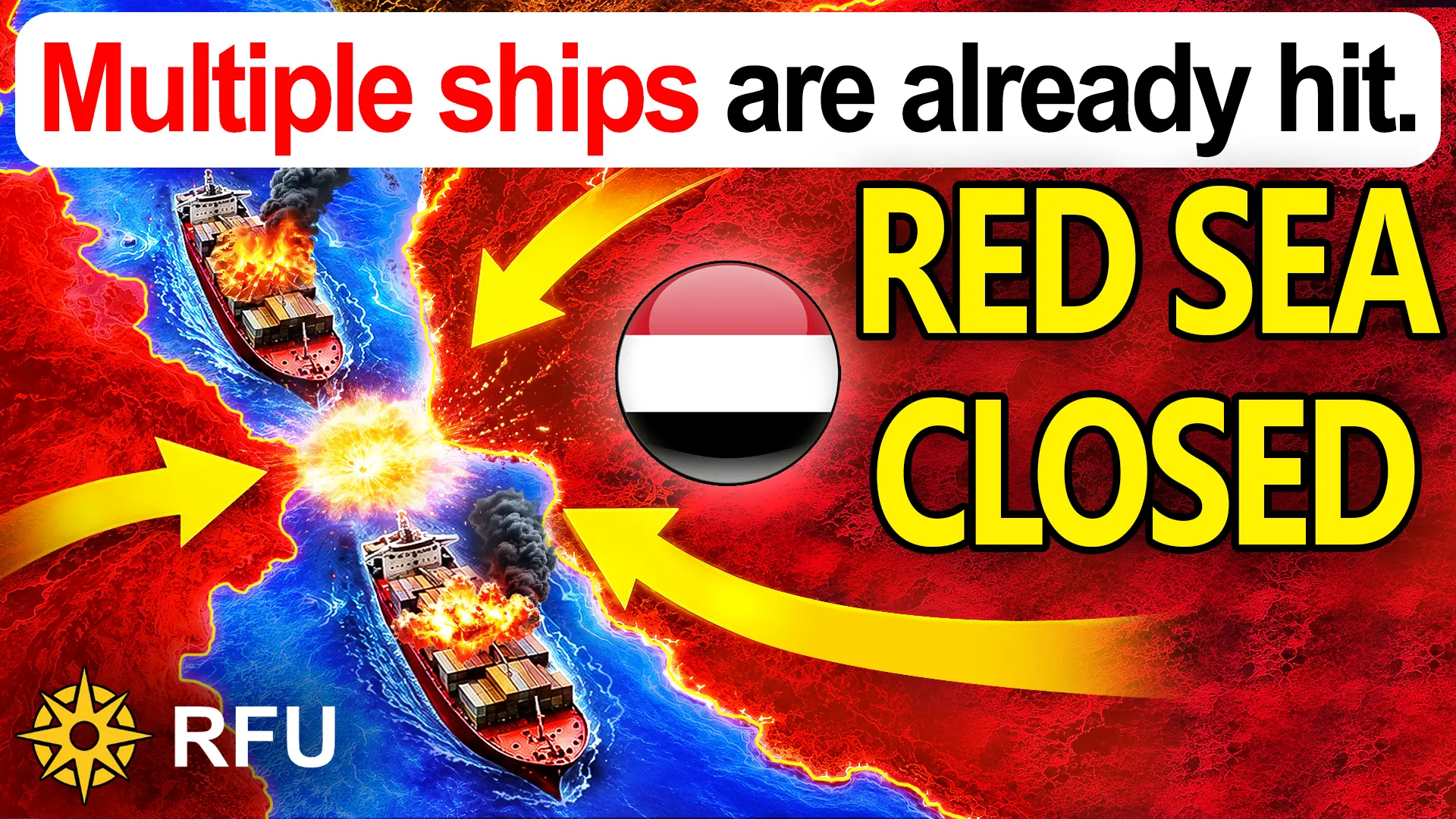
Houthi attacks create a second Hormuz, permission before crossing Bab el-Mandeb
The escalation of Houthi maritime interdictions in the Bab el-Mandeb Strait exposes systemic vulnerabilities in Saudi Arabia's energy export infrastructure, effectively neutralizing the strategic utility of the East-West pipeline. By establishing dual chokepoint control alongside Iran's posture in the Strait of Hormuz, Tehran and its regional proxies have engineered an asymmetric leverage structure over global maritime transit. Selective passage allowances demonstrate a calculated attempt to fracture international maritime coalitions while maintaining tailored economic pressure on targeted sovereign entities. Disruptions across these vital maritime corridors exacerbate global supply chain vulnerabilities and trigger sustained inflationary pressure within energy markets. Western security architectures face severe operational degradation, as defensive counter-drone and missile interceptor stockpiles are progressively depleted during extended asymmetric engagements. Consequently, regional actors are forced to choose between strategic capitulation to proxy coercive leverage or incurring unsustainable naval supply depletion through prolonged convoy escort operations.




0 Comments