

.svg)
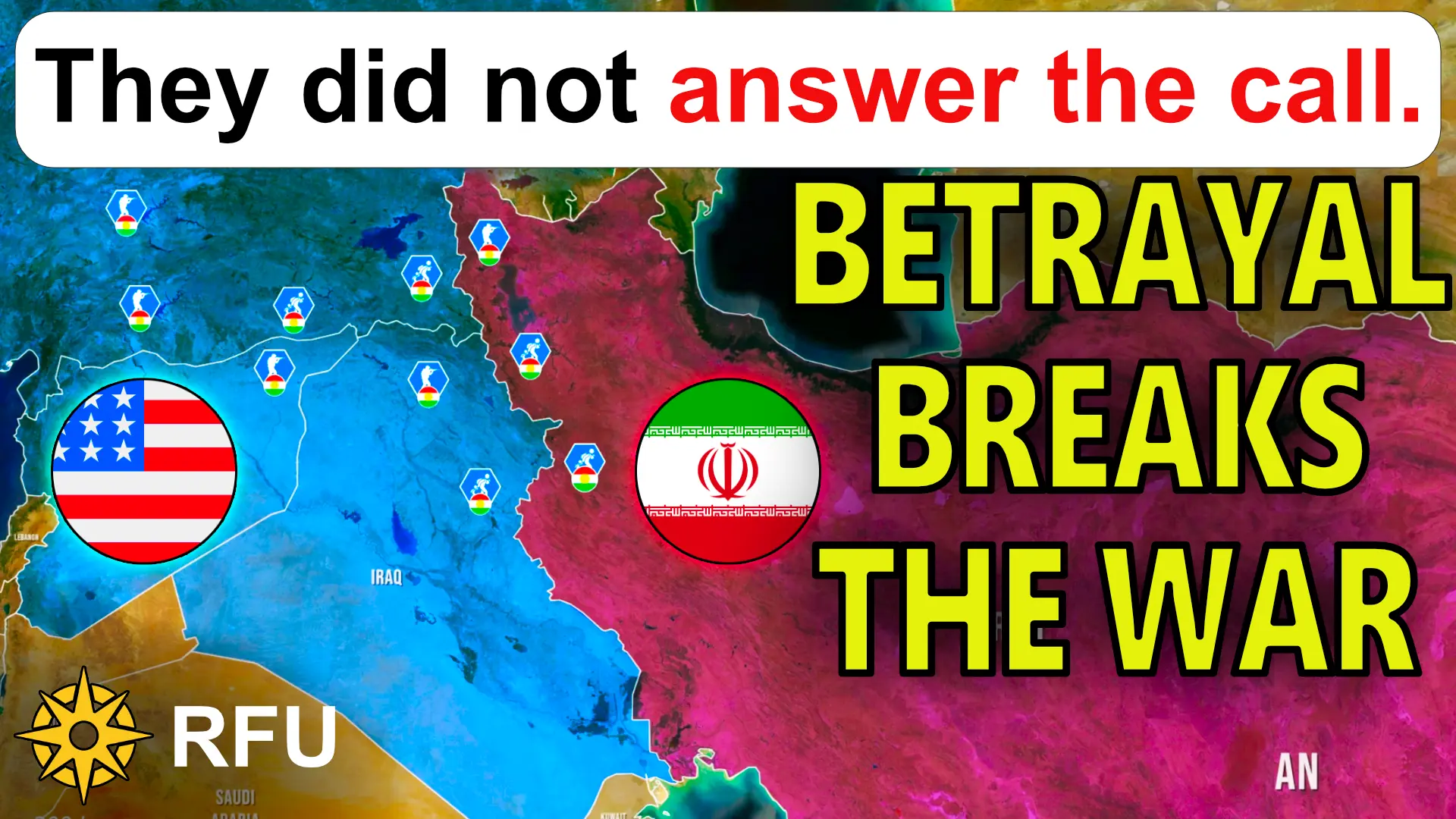
Why Kurds refused to take their land from Iran during the war
The collapse of Washington’s projected Kurdish ground offensive highlights a critical systemic vulnerability in coalition-led proxy warfare strategies within the Middle Eastern theater. Faced with the limits of standalone deep-strike air campaigns to induce regime destabilization in Tehran, Western operational planning relied heavily on mobilizing transnational Kurdish networks to force a costly domestic troop diversion away from Iran's core security centers. However, this strategy collapsed due to a severe credibility deficit stemming from the prior abandonment of Syrian Kurdish forces, which structurally disincentivized regional proxies from absorbing initial kinetic retaliation without explicit, long-term security guarantees. By withholding active participation and explicitly denying cross-border operations, Kurdish leadership effectively paralyzed the opening of a western flank, leaving Western planners without a viable non-American ground force to exploit internal political friction points. Consequently, Tehran has successfully exploited this hesitation by executing pre-emptive precision strikes against opposition infrastructure in Iraq, neutralizing the threat before it could achieve operational cohesion. This outcome signals a long-term shift in regional power dynamics, establishing that early kinetic pressure can effectively deter indigenous proxy mobilization when the external sponsor's strategic commitment is perceived as unreliable.


0 Comments