

.svg)
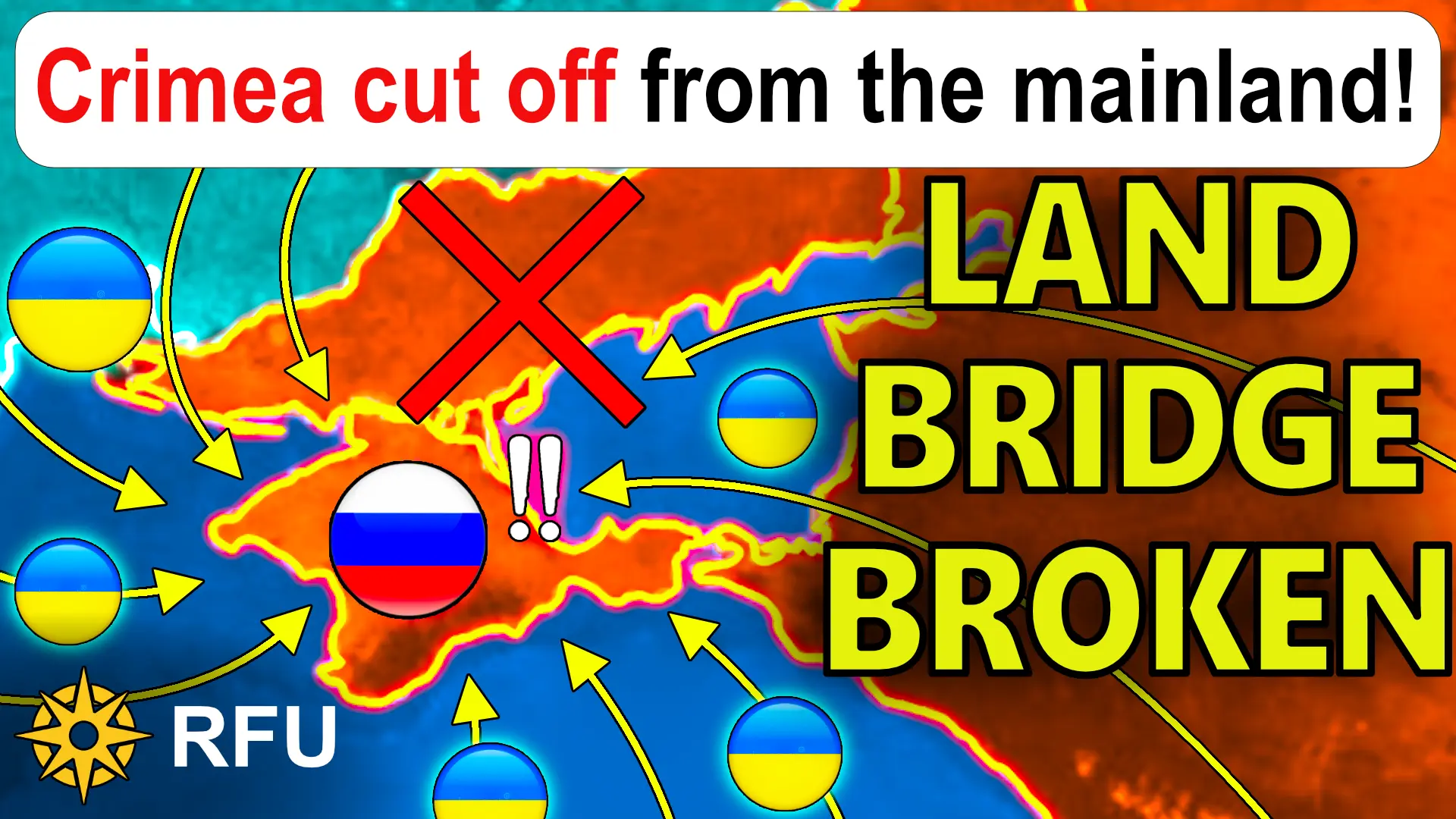
Mid-range strikes are creating death roads from Crimea to Mariupol to Donetsk
Ukraine’s maturation of a multi-layered, intermediate-range strike drone architecture has fundamentally reconfigured the theater-level logistics balance by imposing a structural "logistics lockdown" on Russian forces. By fielding a specialized third echelon of loitering munitions—such as the RAM X and Hornet platforms—capable of hunting moving targets between 30 and 150 kilometers behind the front lines, Ukraine has successfully eliminated Russia’s sanctuary in the near rear. This systemic degradation of critical ground lines of communication, specifically along the M-14, M-18, and M-30 highways, has systematically severed the operational continuity of the Azov Ring and the land corridor connecting Rostov-on-Don to Crimea. Operationally, this interdiction mechanics exploits a severe structural vulnerability: forcing the Russian military to displace its distribution nodes further backward exponentially increases cycle times, rapidly degrading its frontline combat mass and compounding artillery and fuel deficits in high-intensity axes like Pokrovsk and Donbas. Consequently, by exhausting localized Russian mobile air defenses and paralyzing the vehicular transport of fuel, ammunition, and reinforcements, this intermediate strike doctrine acts as a decisive force-multiplier that erodes Russia's attritional sustainability.


0 Comments