

.svg)
Today, there are interesting updates from Ukraine.
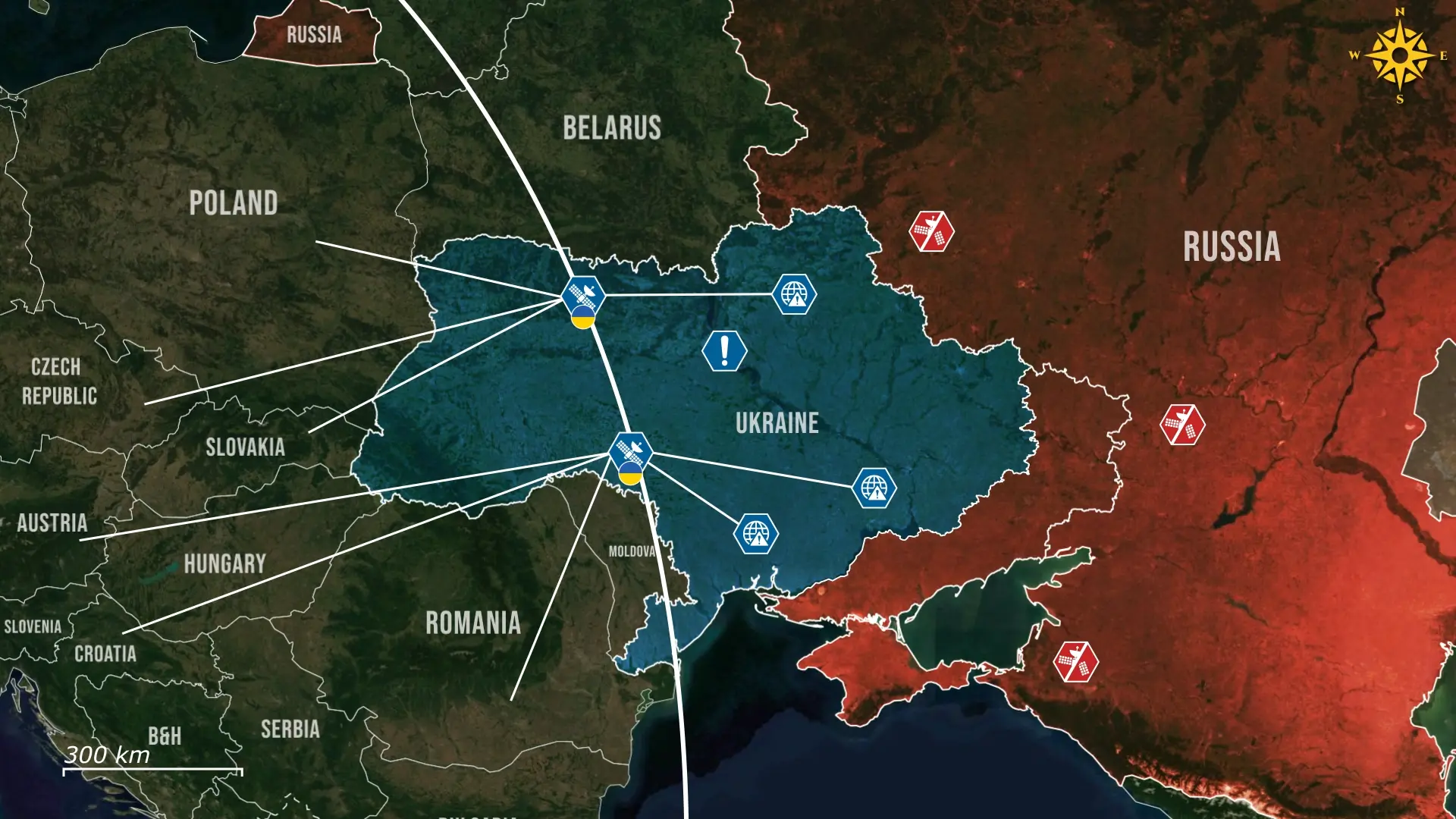
Here, Ukraine began developing its own military satellite communication network, marking a decisive step into space and laying the foundation for a sovereign orbital infrastructure. This development marks a key transformation, designed to support Ukraine’s armed forces and how they fight the war.
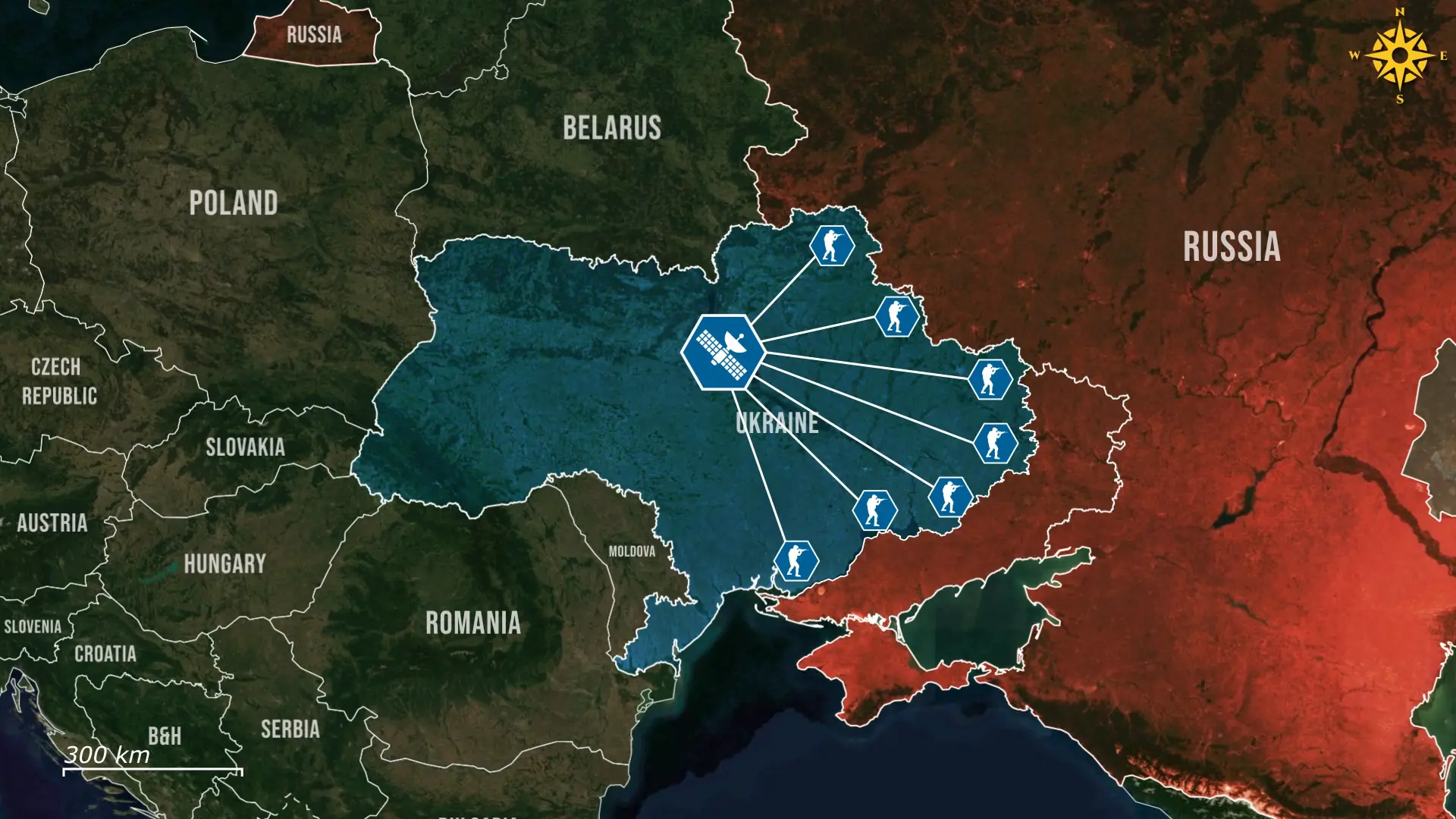
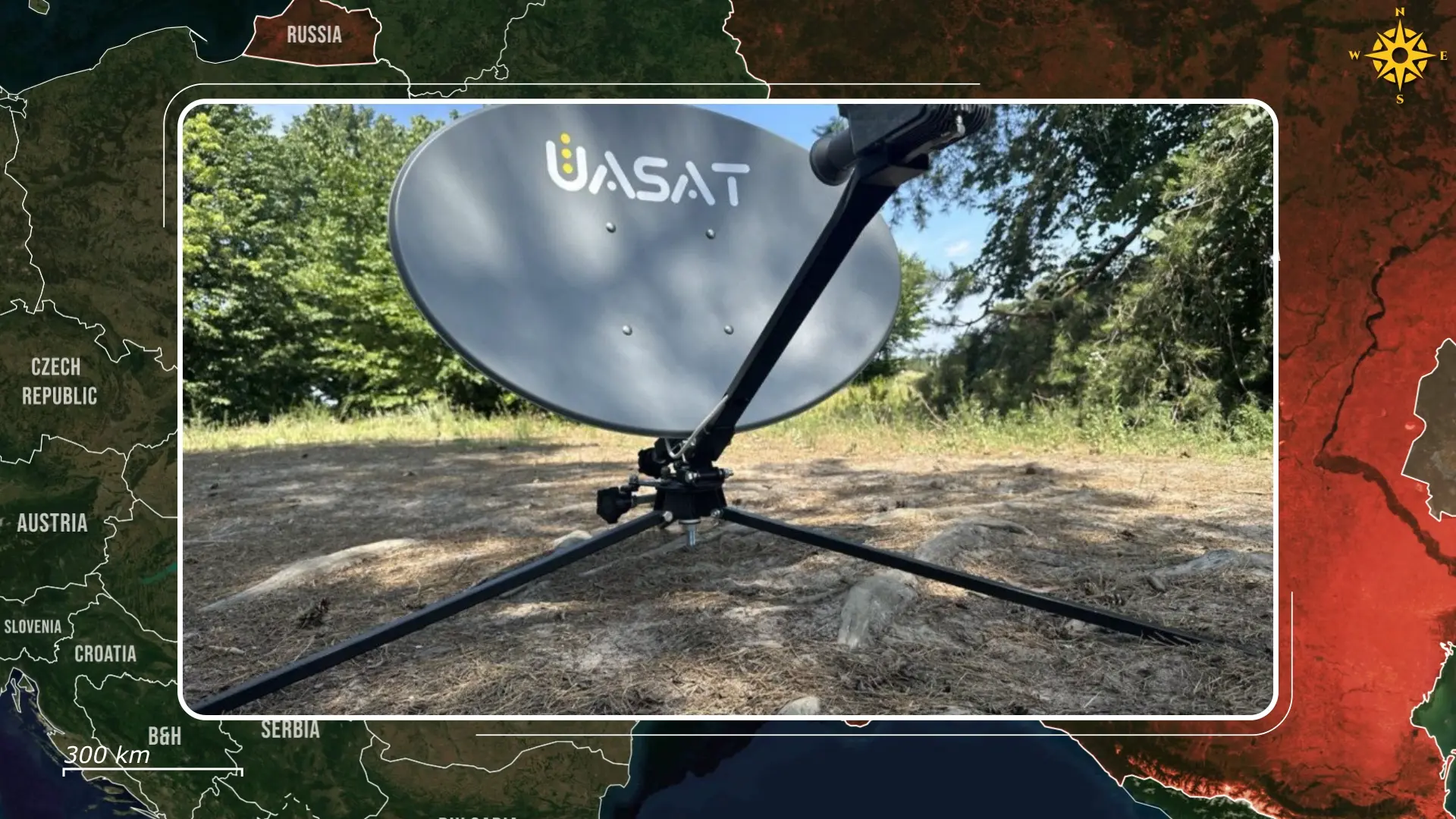
Ukraine builds this shift around the Stetman project, designed to create a national satellite communication network for military needs. The system is being developed through the Uasat-Nano initiative, which aims to deploy a constellation of small satellites transmitting secure data between ground units and command structures across the battlefield.

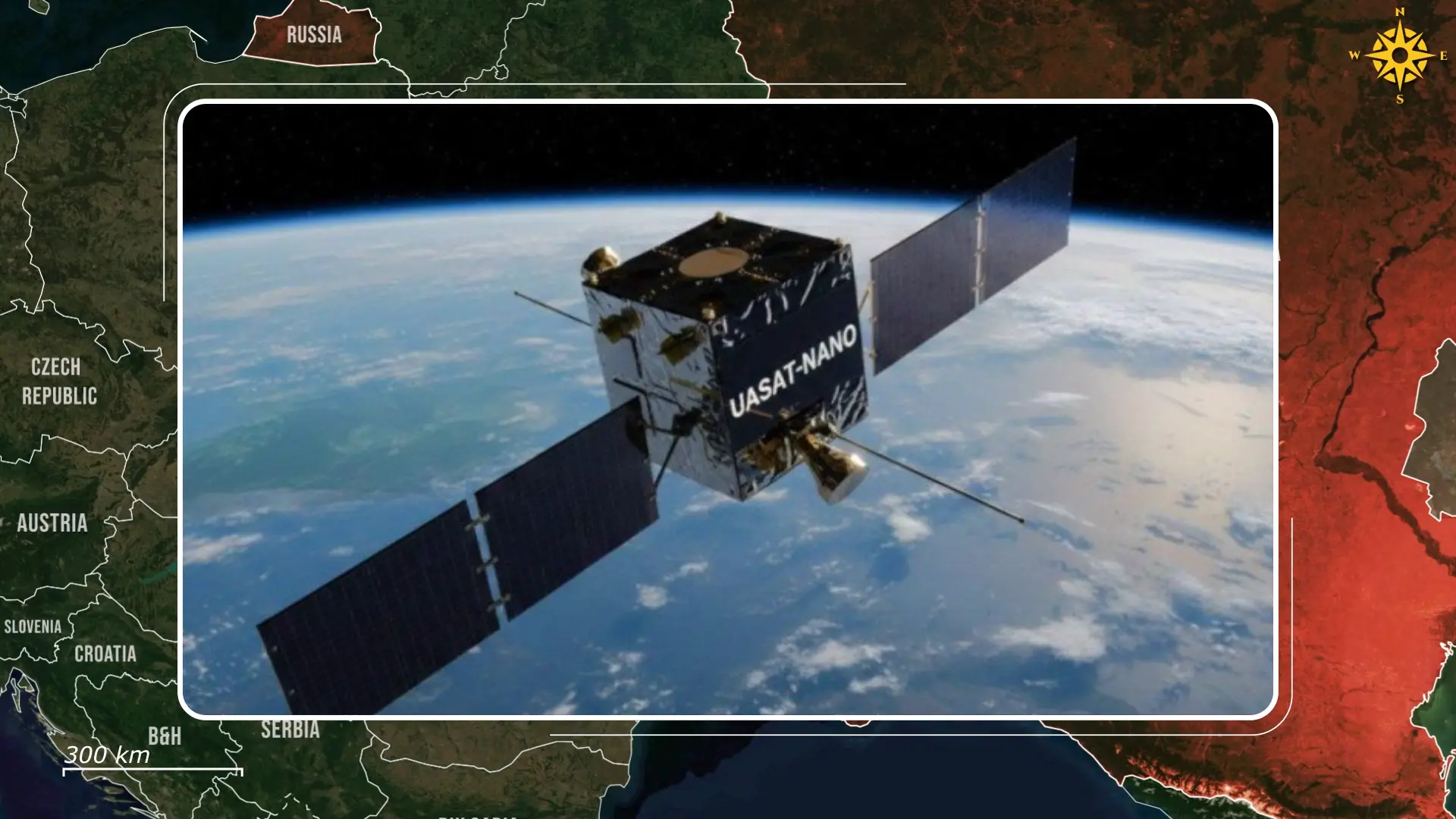
These satellites are planned for low Earth orbit, keeping them close enough to reduce signal delay and provide wide coverage, allowing Ukrainian units to exchange data quickly as the frontline shifts.
The network is built on a 5G-based architecture, enabling it to handle large numbers of connected terminals simultaneously while maintaining stable, high-capacity data links even under intense operational demand. The first satellites are expected to begin launching in late 2026, with additional deployments continuing through 2027. During its initial year of service, the system is projected to support between thirty thousand and fifty thousand military communication terminals. As the constellation expands to approximately one hundred and twenty satellites by 2027, coverage will broaden significantly, allowing many more terminals to operate concurrently while strengthening the resilience and reliability of battlefield communications.
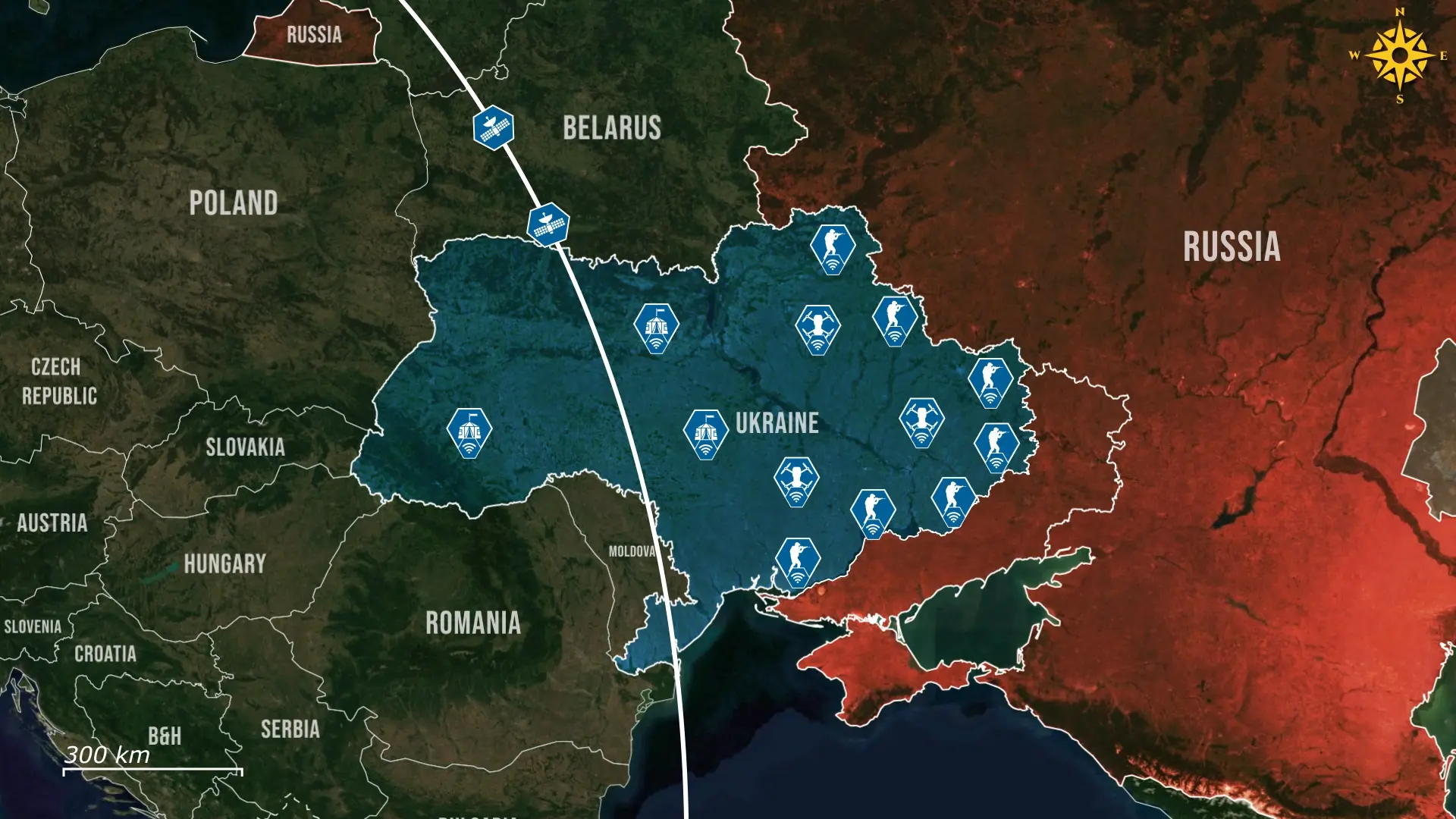
This matters because it gives Ukraine a dedicated communication channel that can keep drone video, targeting coordinates, and command orders moving even when ground networks are jammed or damaged. This shortens the time between detection and strike, and also allows dispersed units to coordinate in real time under contested conditions. This will guarantee secure communications and stable battlefield connectivity even during extensive enemy jamming and electronic warfare, as the modern battlefield depends heavily on constant information flow, and when communications fail, coordination and cohesion collapse. A dedicated satellite network addresses this problem by transmitting information securely through space rather than relying on vulnerable ground infrastructure, allowing commanders to maintain contact and control with dispersed units even if the battlefield environment is heavily contested.
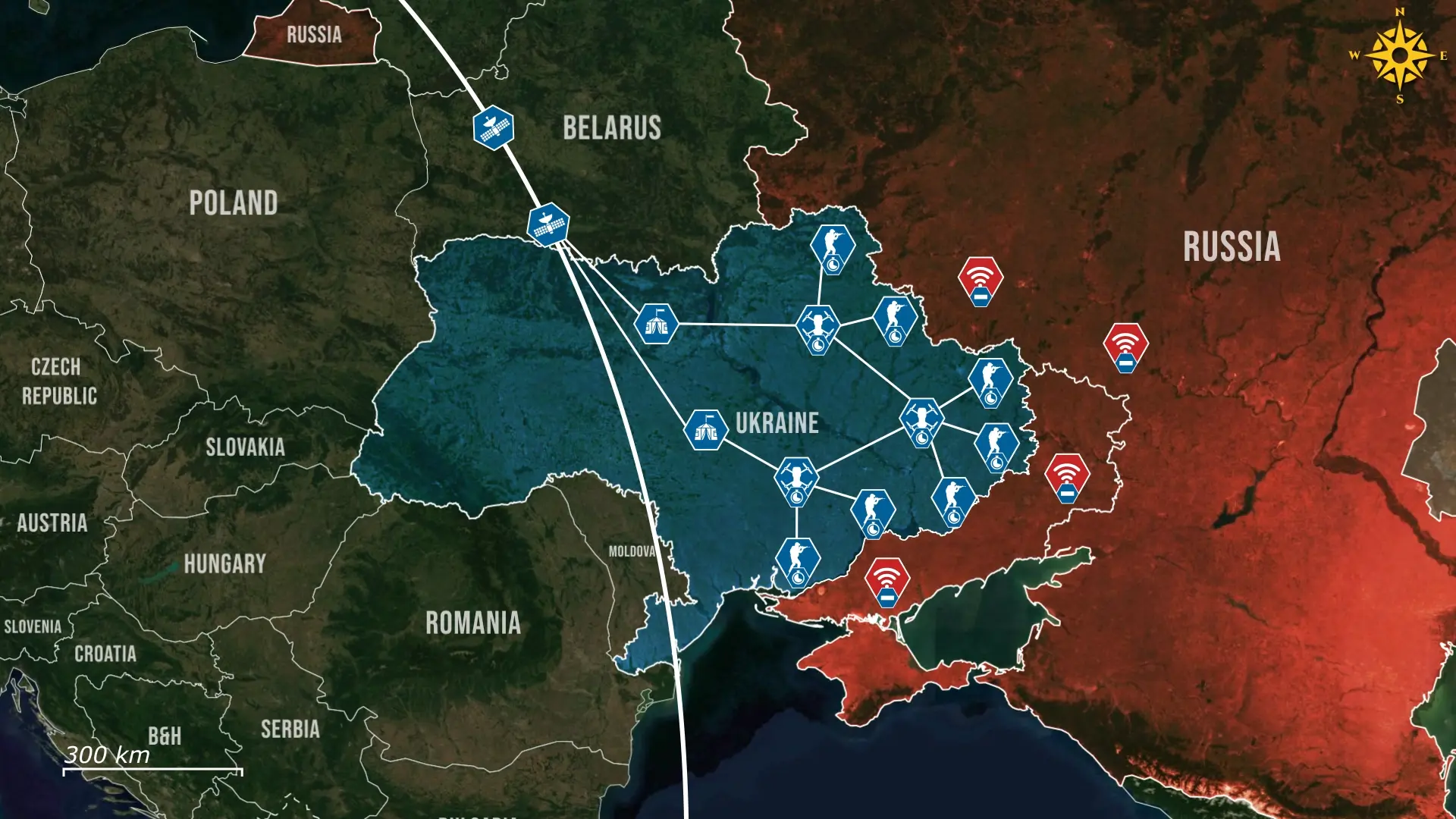
The benefit becomes most visible in how Ukraine can use reconnaissance and targeting tied into a single workflow. Drone operators require stable links to control unmanned systems and transmit reconnaissance video to command posts, while artillery units rely on reliable data links to receive targeting coordinates generated by reconnaissance drones or forward observers.
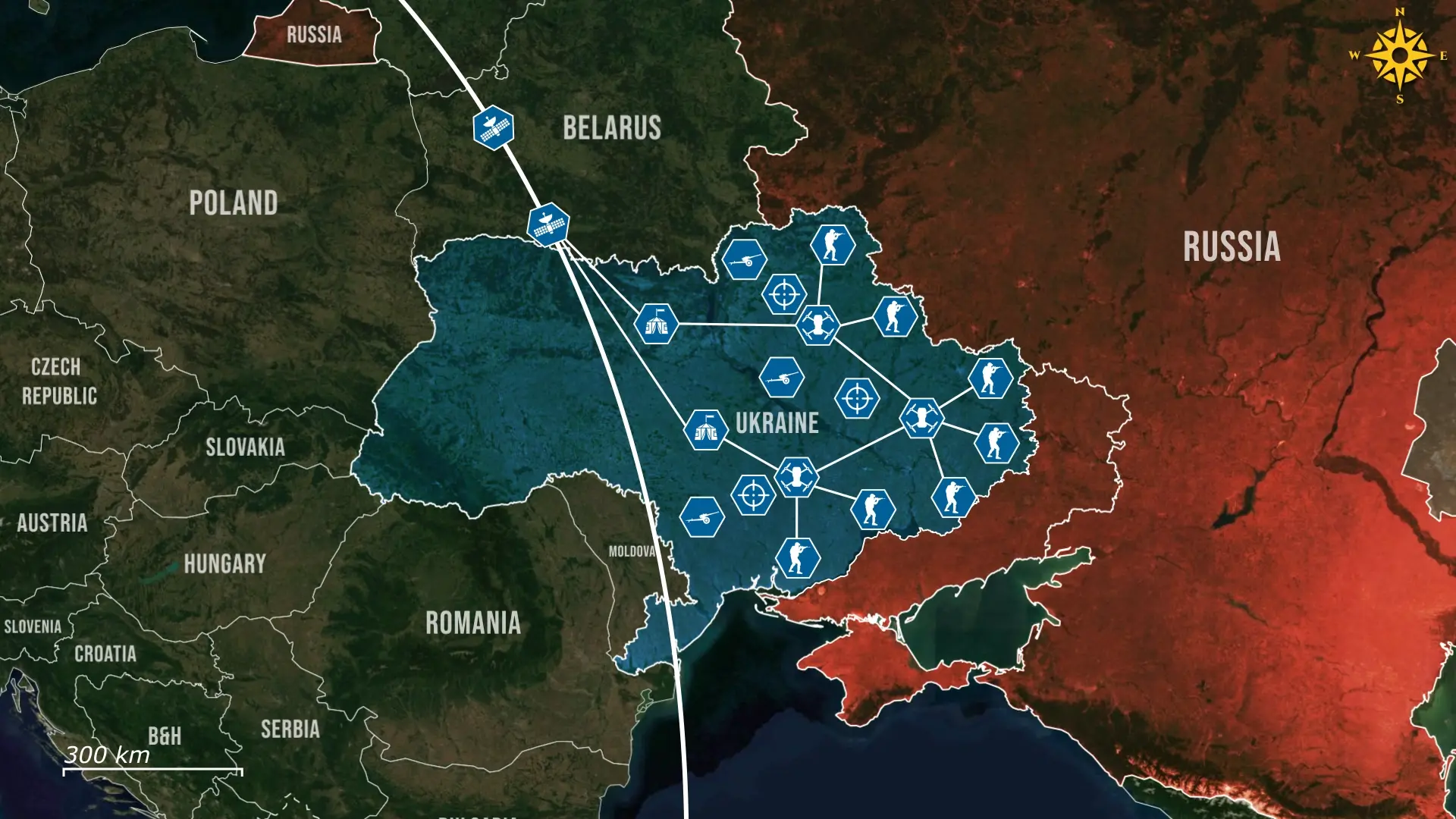
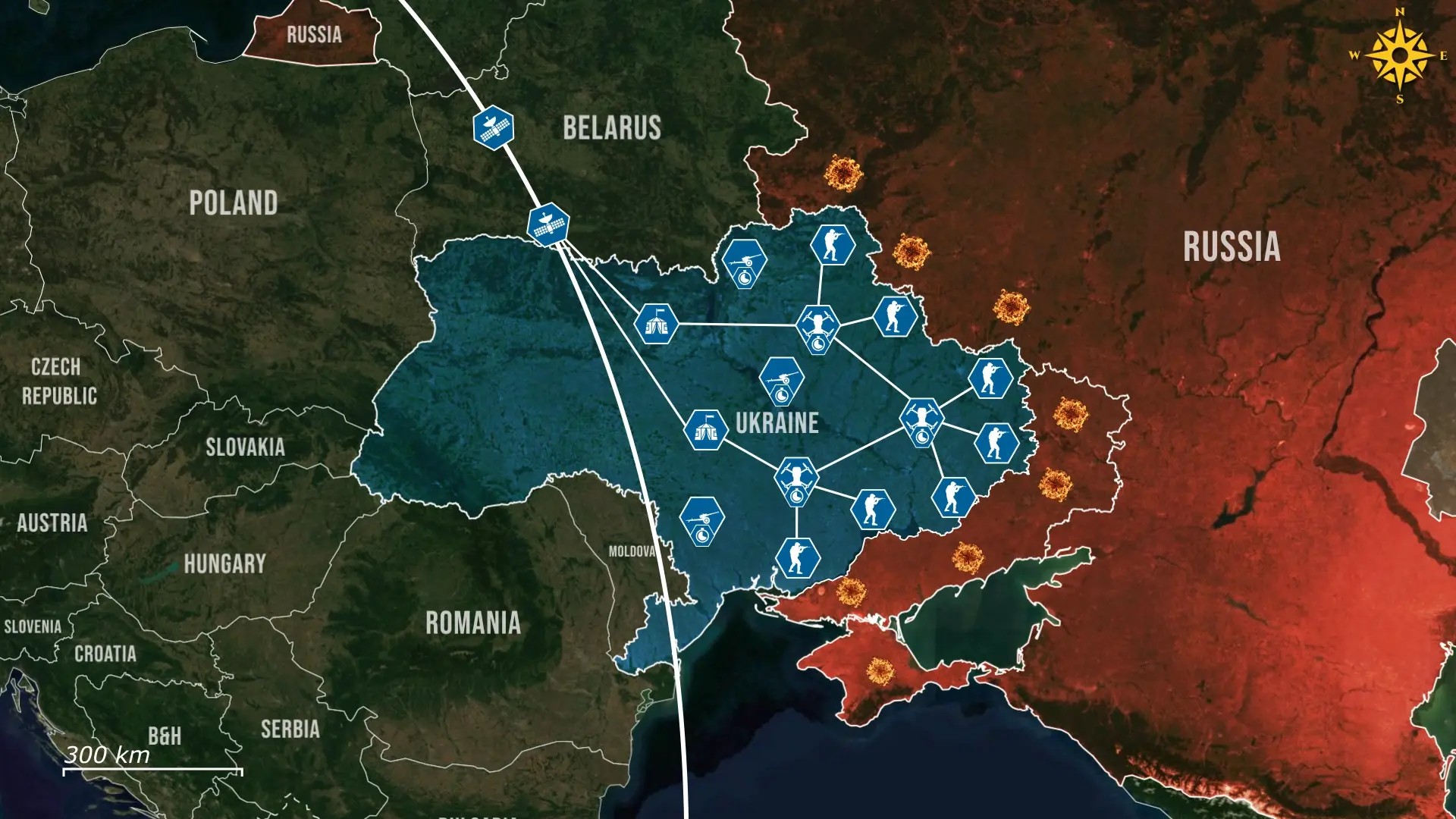
When these links stay operational under electronic jamming, commanders can make faster, more accurate decisions as battlefield data flows uninterrupted through space-based channels. Real-time data sharing shortens the time between detection and engagement, which improves the effectiveness of precision strikes and coordinated maneuvers.
Beyond these operational advantages, the development of a national satellite constellation represents a structural shift in Ukraine’s military infrastructure. Previously, Ukraine has relied heavily on external communication networks provided by allied partners or commercial companies, which played a crucial role during the war but remain outside Ukraine’s direct control, creating vulnerabilities. Building an independent satellite network limits these risks by giving Ukraine sovereign control over a critical part of its military communication system, ensuring the network can continue operating regardless of political decisions made by external actors or disruptions affecting foreign infrastructure. The system is not intended to replace existing networks such as Starlink, which has proven highly effective during the war, but rather to function as a sovereign backup that guarantees independent communication capability in any scenario.
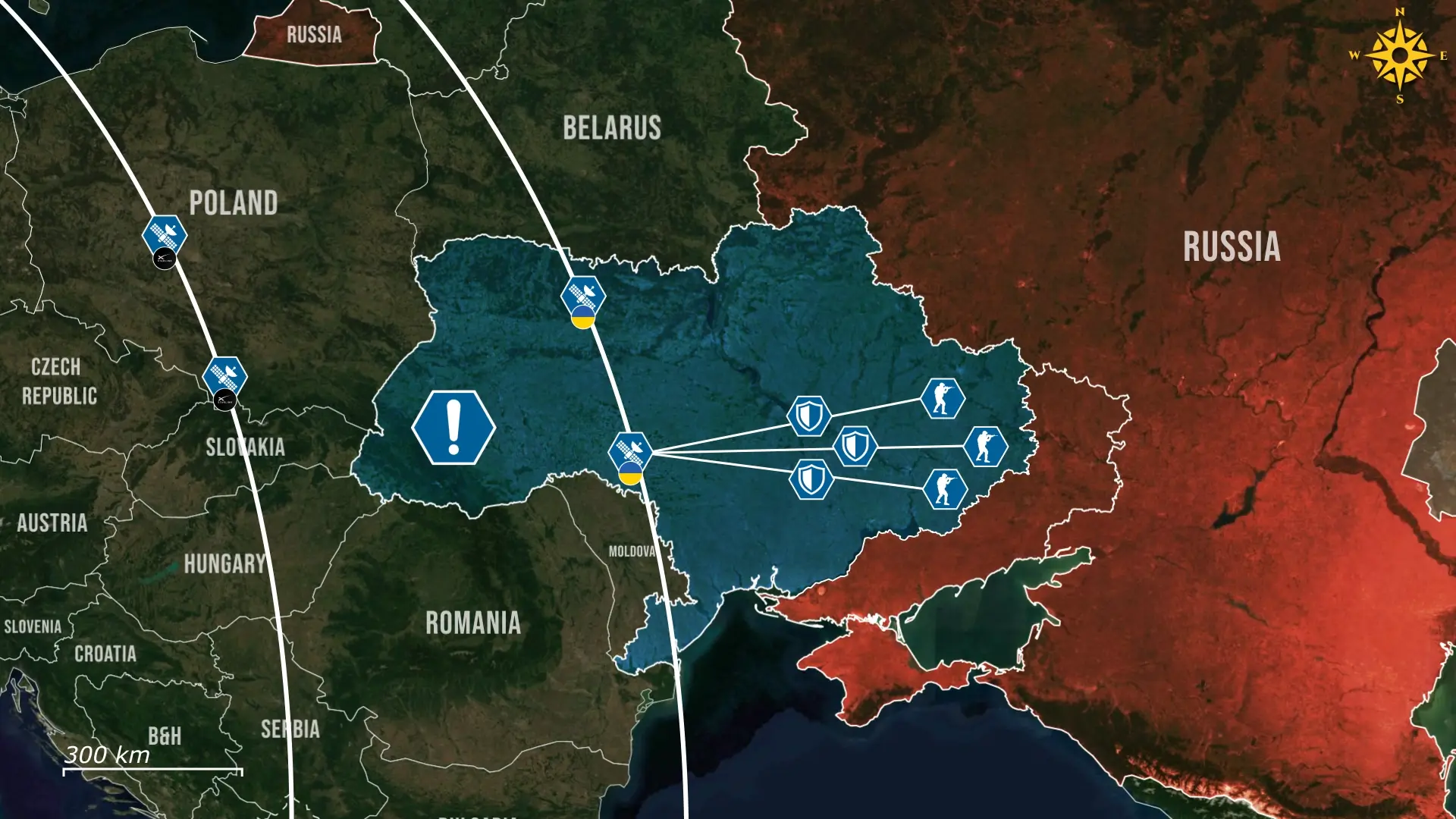
Overall, the creation of a Ukrainian satellite constellation represents a strategic upgrade that moves the country into sovereign space-enabled warfare. If the Stetman system is deployed at scale, Ukraine could operate one of the most resilient military communication networks in Europe, strengthening its communication and coordination even under serious electronic warfare, achieving a significant advantage over the enemy. By contrast, Russia still lacks a comparable low-orbit military communication constellation, as its planned Rassvet satellite network has faced repeated delays. In the longer term, Ukraine could also use this capability to provide secure satellite communication services to regional partners.

.jpg)


Comments