

.svg)
Today, the biggest news comes from Ukraine.
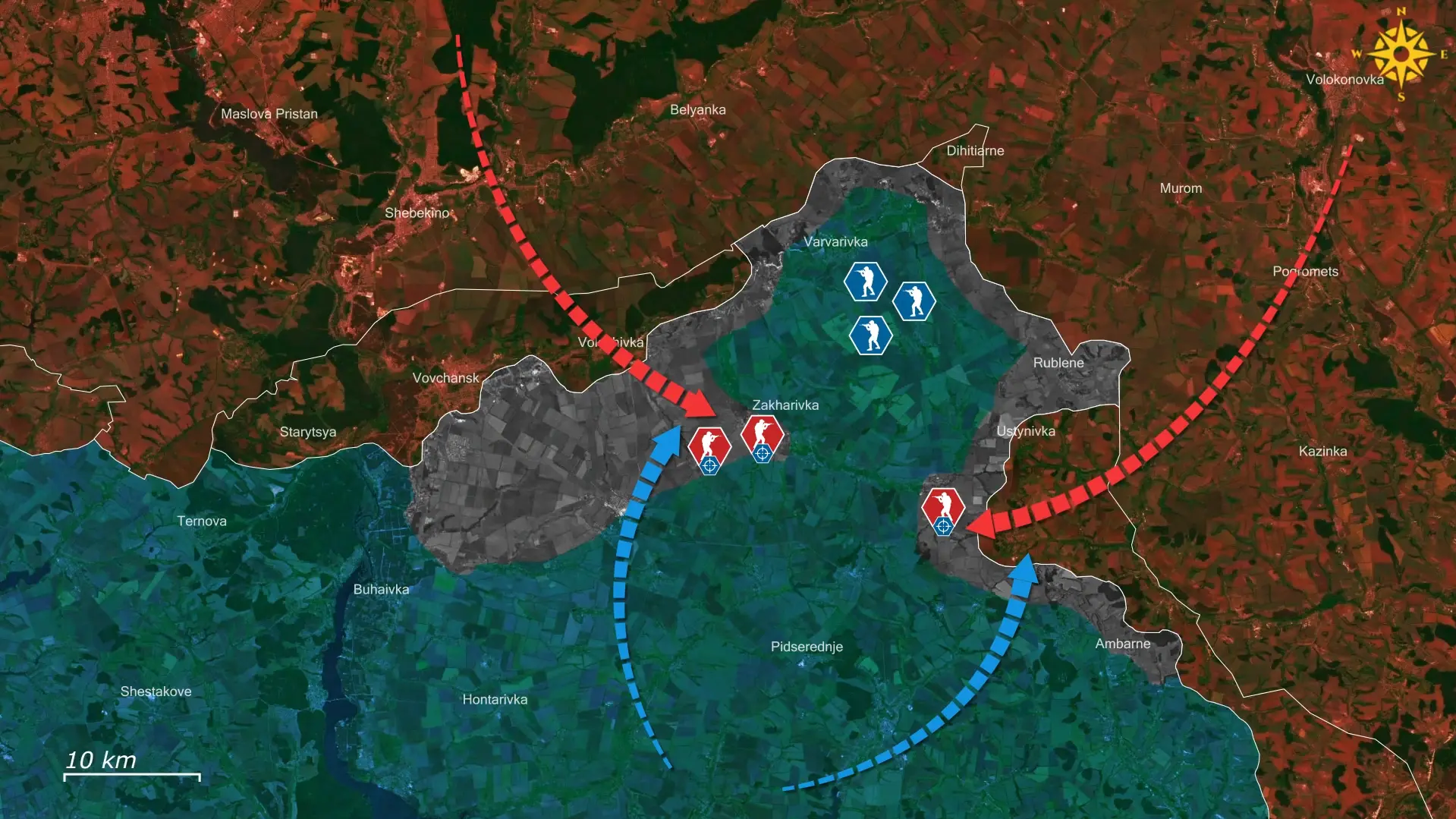
Here, intense battles in Ukraine have led to changes in warfare tactics, putting the focus on the use of small infantry groups as infiltration teams. Trying to move undetected through positions and establish presence behind the frontline, they create the risk that entire defensive sectors could collapse before defenders realize what is happening.
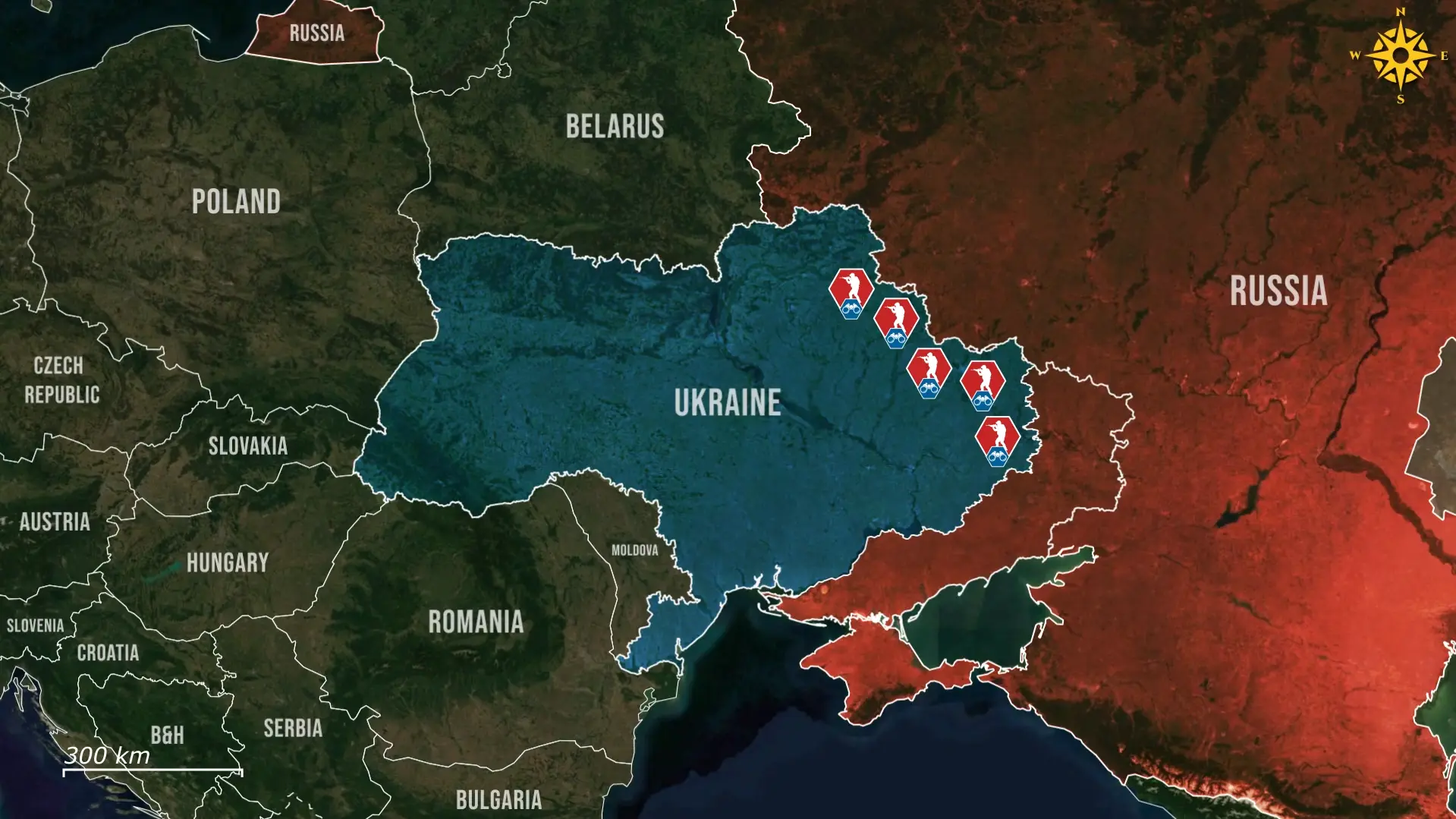
The main factor for this shift is drones, which now monitor most of the battlefield and make large groups easy to detect and destroy. Constantly watching over streets and open ground for enemy movement, operators can easily transmit coordinates for quick fire support by artillery or drones.
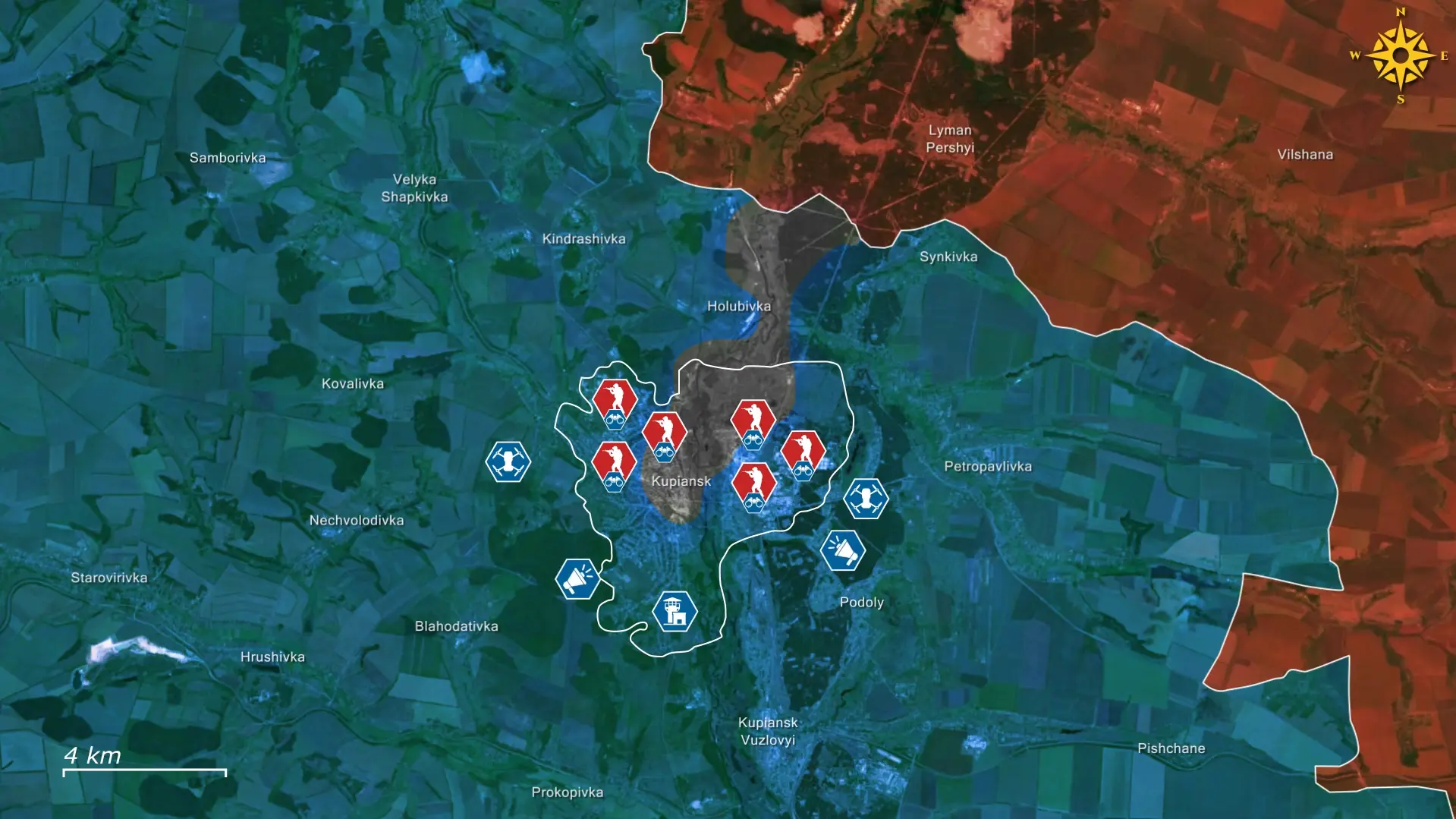
These strikes can engage enemy soldiers before they are able to relocate or reach effective cover, and even then, FPV drones can be flown into buildings, limiting the chance of survival. This forces infantry to remain inside and rely on concealment, because exposed movement equals death.
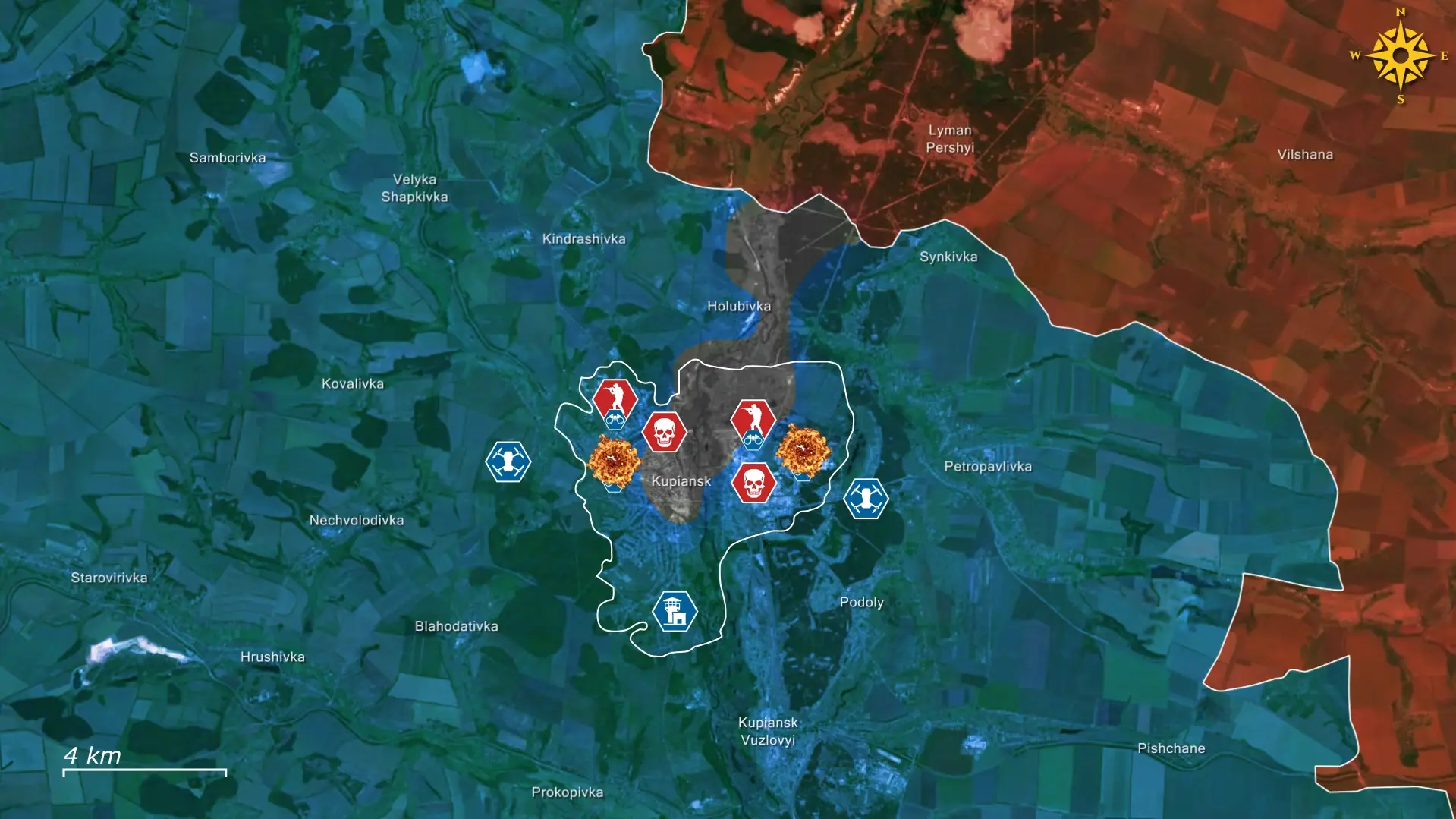
To reduce this exposure to constant drone surveillance, Russian assault units respond by splitting into small groups of 2 or 3 soldiers, moving slowly and advancing with maximum attention to avoid drones. Smaller groups create fewer visible and thermal signatures, which makes them harder to detect. These groups leave at different times and use different routes, which prevents the entire assault force from being stopped by a single strike or ambush. If one group is engaged, others can still reach the settlement and establish positions.
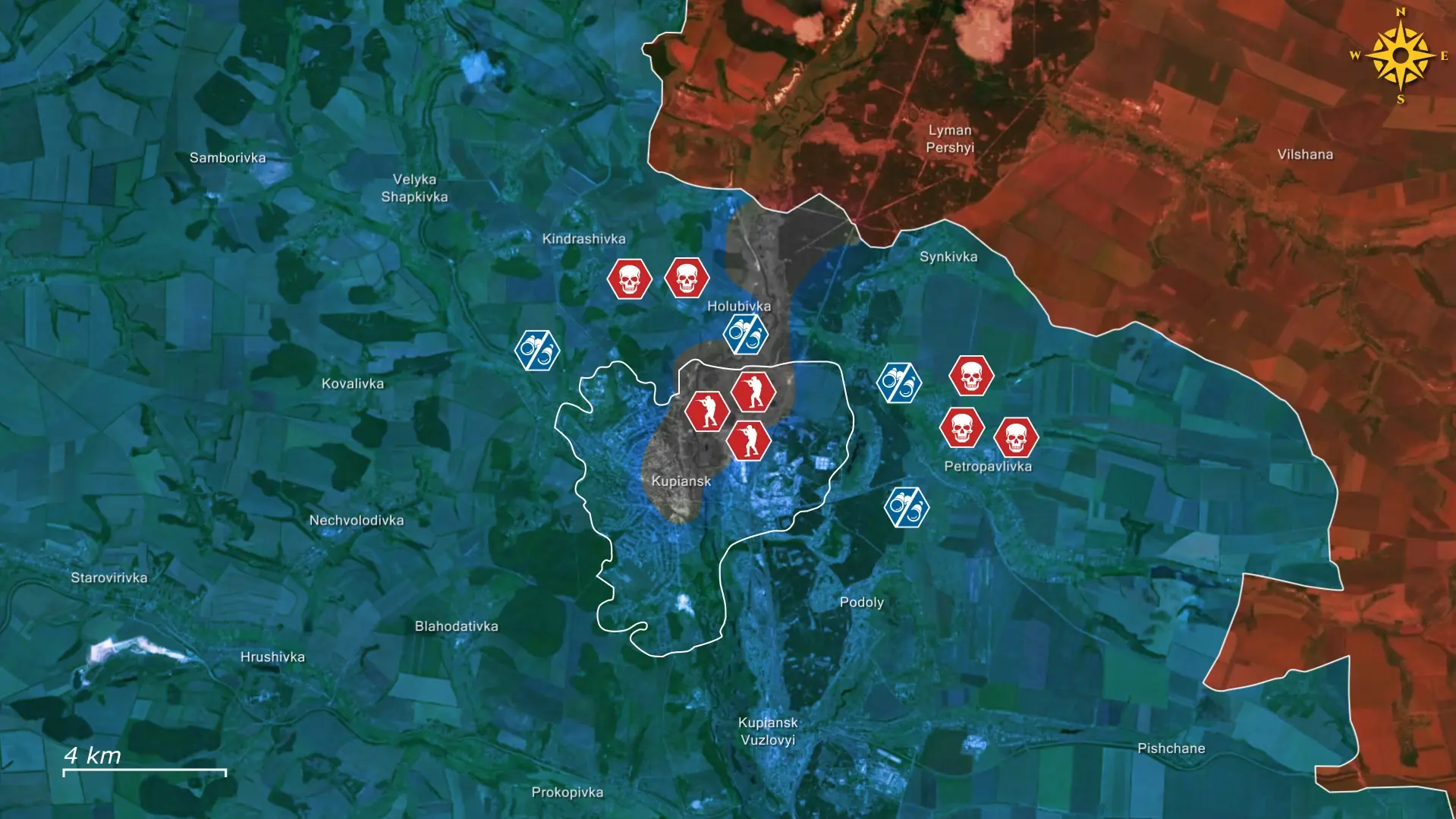
Once near positions, these groups disperse into the outskirts rather than pushing forward. Structures provide protection from explosions and reduce visibility from above, while interior spaces reduce thermal detection. From such positions, soldiers observe movement and engage targets from concealed firing points.
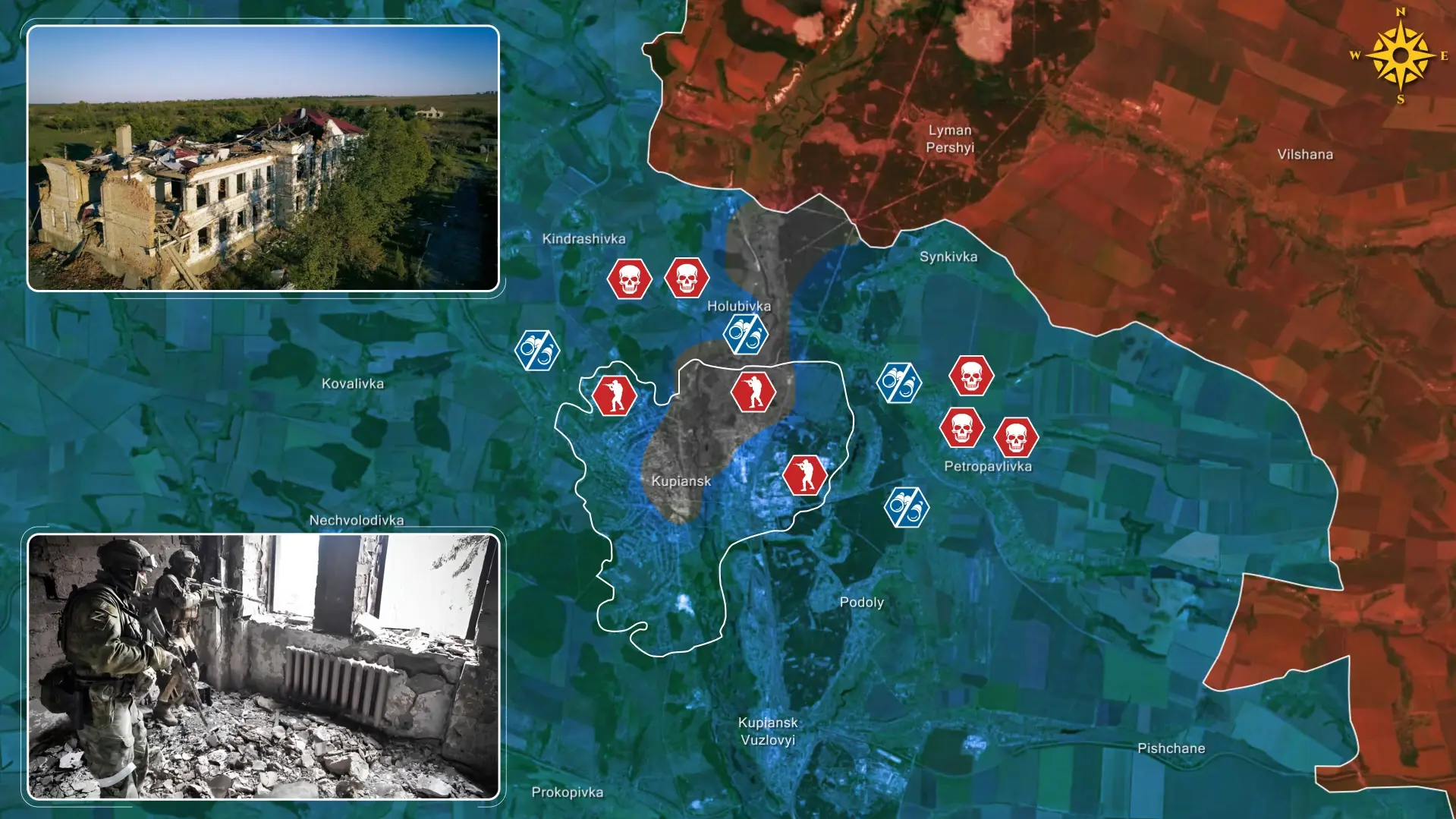
This allows them to monitor key approach routes and support the arrival of additional groups. Once enough soldiers establish themselves across multiple positions, they create concealed footholds near or inside the settlement.
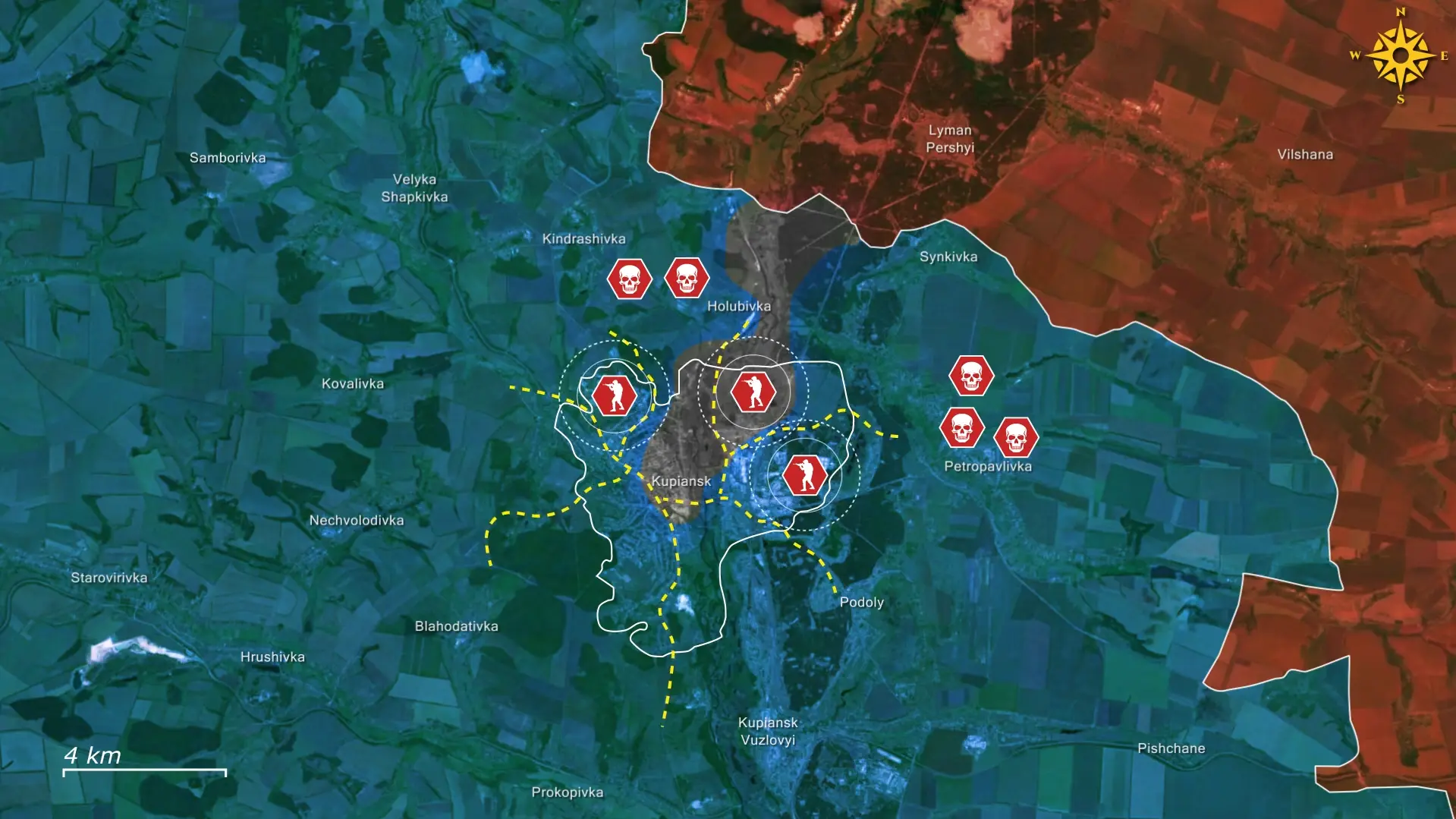
Additional groups can move in more freely then and expand control, using secured areas as footholds. This creates pressure on defenders, because clearing hidden assault groups requires Ukrainian forces to expose themselves to observation and Russian strikes. As more positions are occupied, defenders lose the ability to move safely, reinforce positions, or coordinate effectively. Operational success occurs when defenders withdraw to avoid isolation, allowing Russian forces to take control of a larger area without a costly frontal assault.
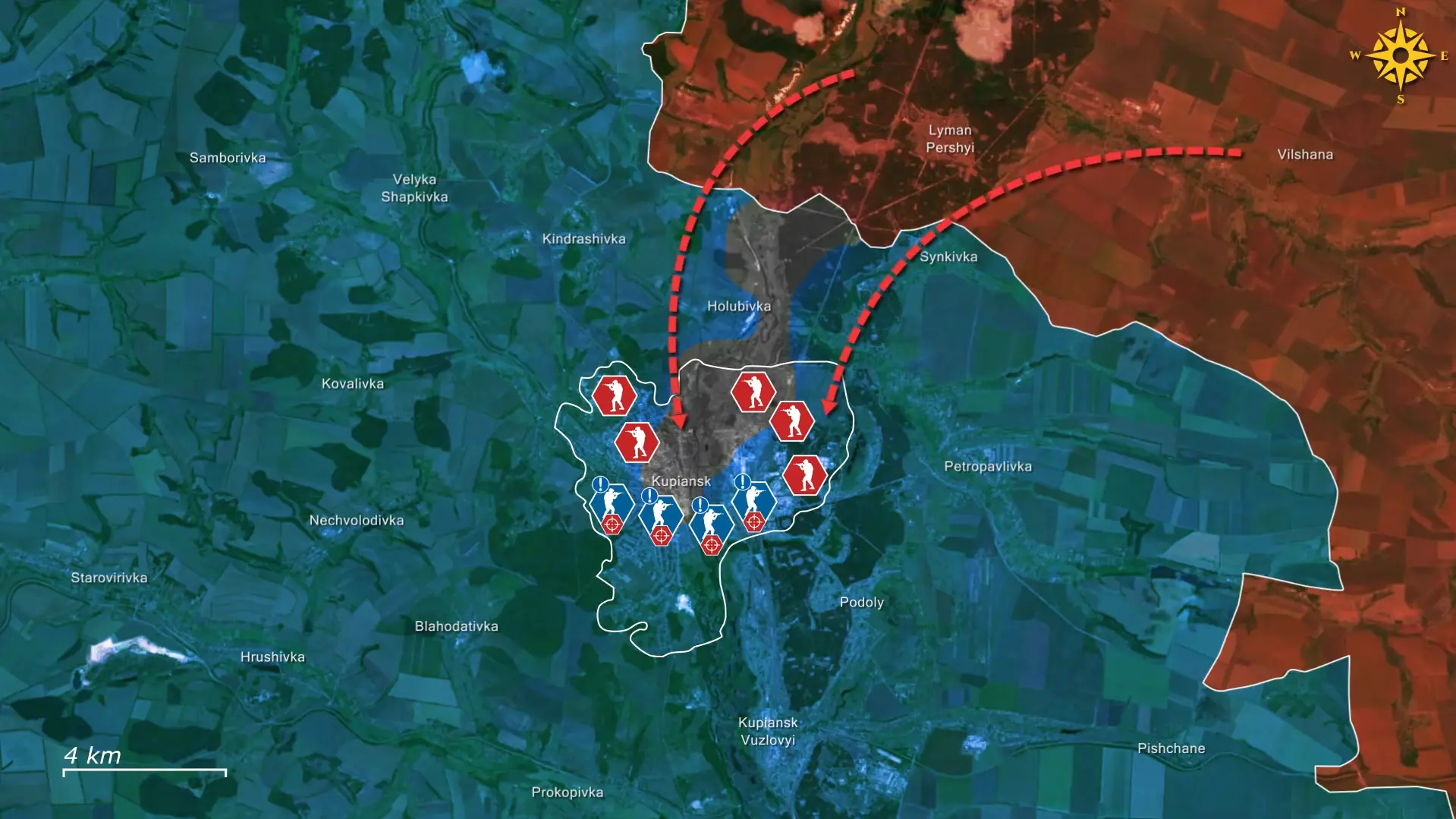
However, the same conditions that allow infiltration also create vulnerabilities. These assault groups operate with minimal manpower and cannot sustain losses. A single casualty can reduce combat strength by half, because most teams consist of 2 or 3 soldiers , and one casualty can mean all the difference between success and defeat. If one member of the group is down, advance usually stops and the remaining soldiers focus on survival. Evacuating a wounded soldier during infiltration is often impossible, because every additional movement creates more vulnerabilities.
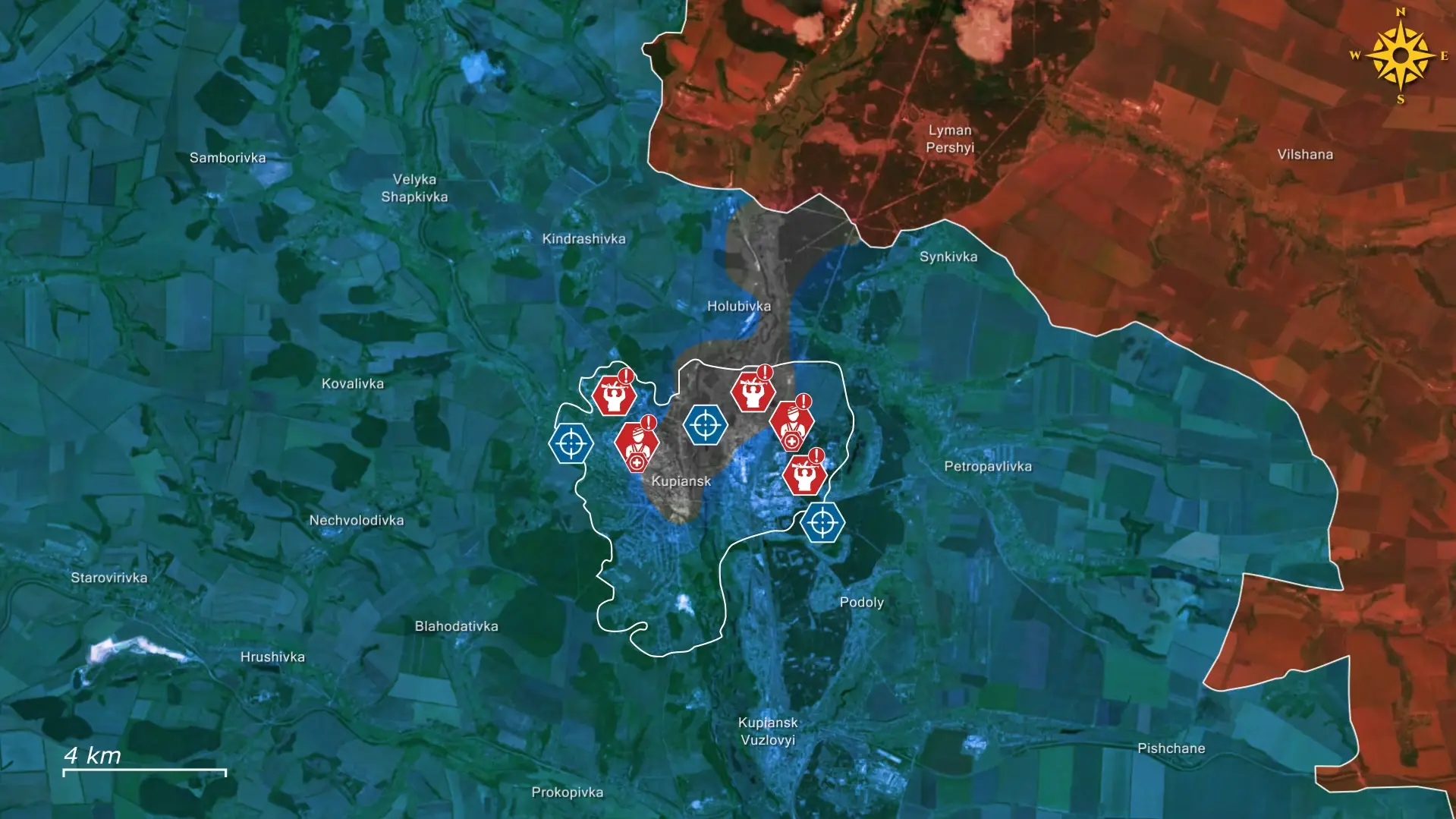
If assault groups manage to establish initial positions, supply becomes the next challenge, as it is limited to deliveries on foot or by drone.
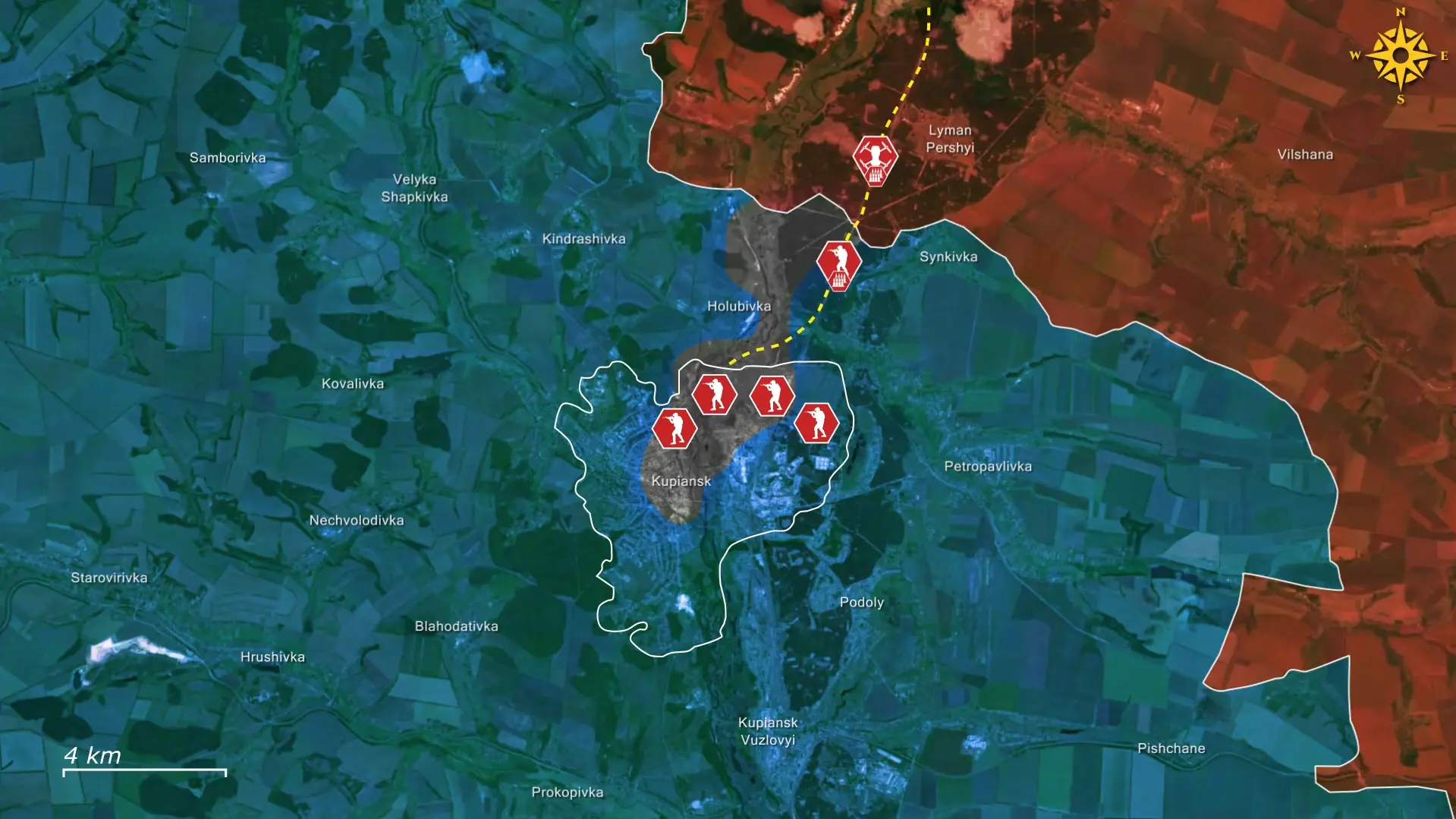
Without steady resupply to sustain communication and combat capability while operating in isolation, infiltrators quickly lose their ability to coordinate, detect threats, and defend themselves. Even when assault groups establish positions and have supplies, their ability to move or withdraw remains restricted by drone surveillance and Ukrainian patrols. This leaves them isolated inside contested spaces, where survival depends again on avoiding detection. Over time, Ukrainian reconnaissance drones usually identify their locations before other units isolate and eliminate them using drones, artillery, or infantry clearing operations, turning the whole infiltration process into a liability.
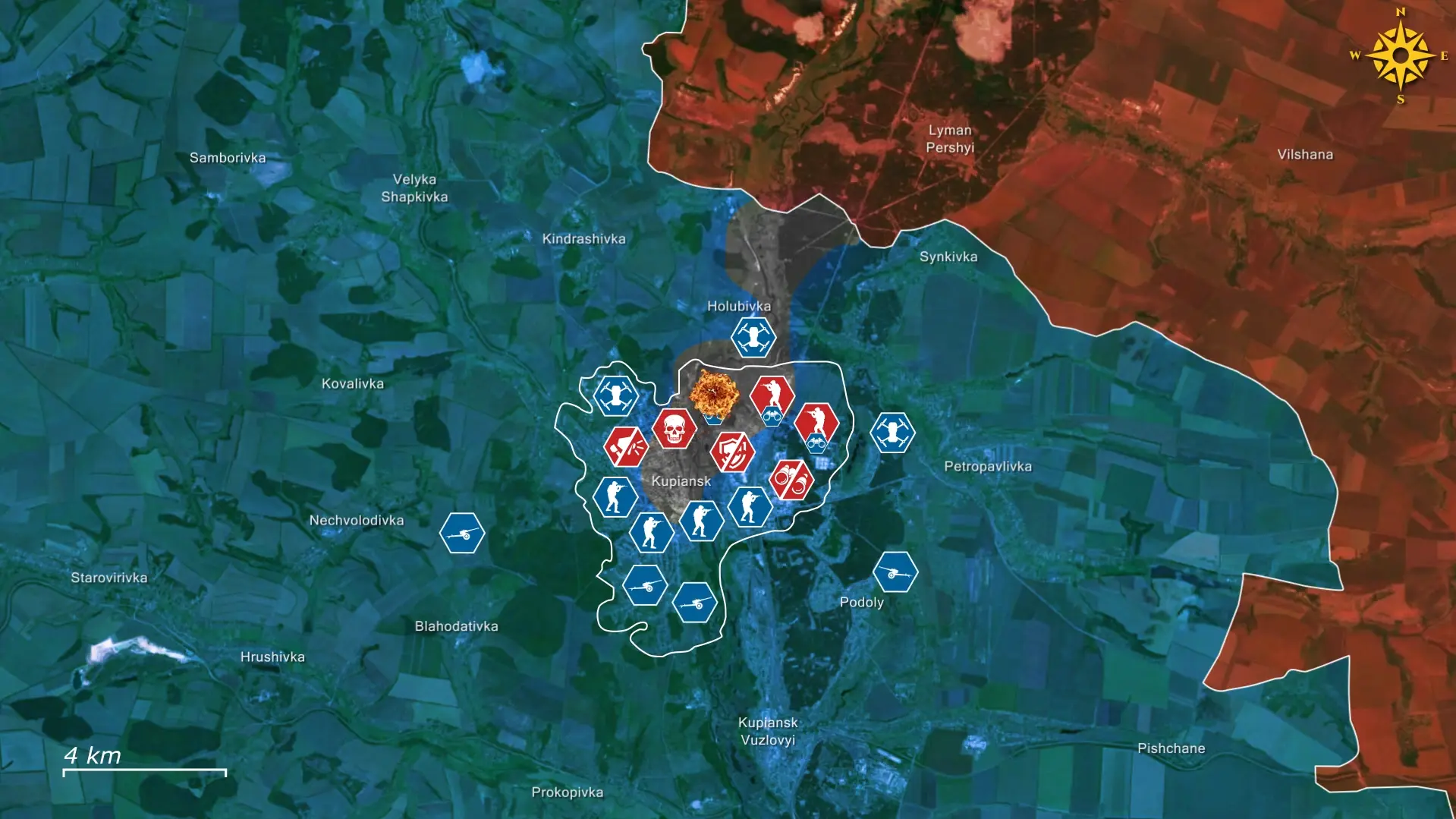
Overall, the modern Russian urban assault tactic uses infiltration to allow advance under constant drone surveillance. Its success depends on staying hidden and moving slowly, while maintaining supply and expanding control step by step.
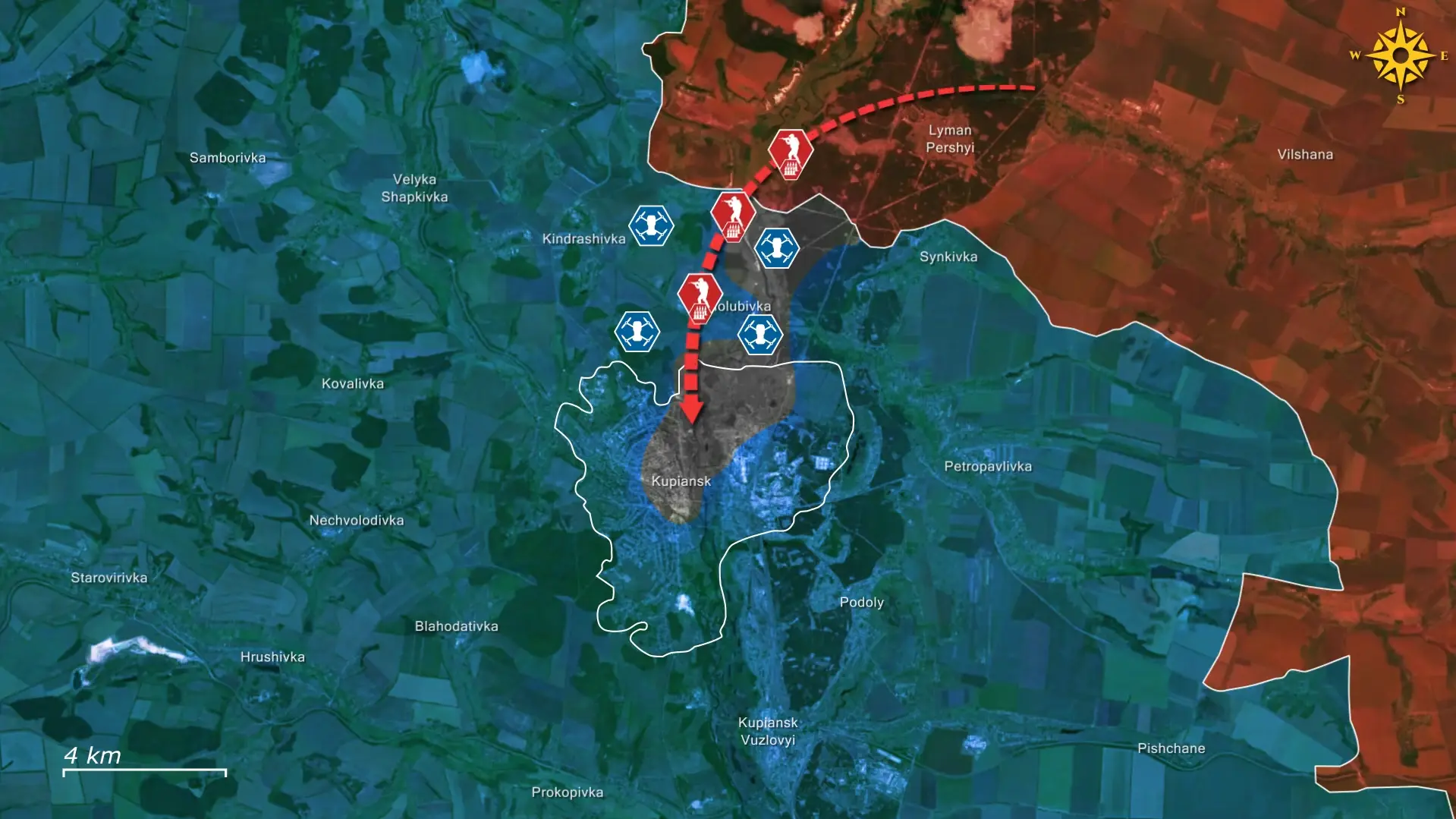
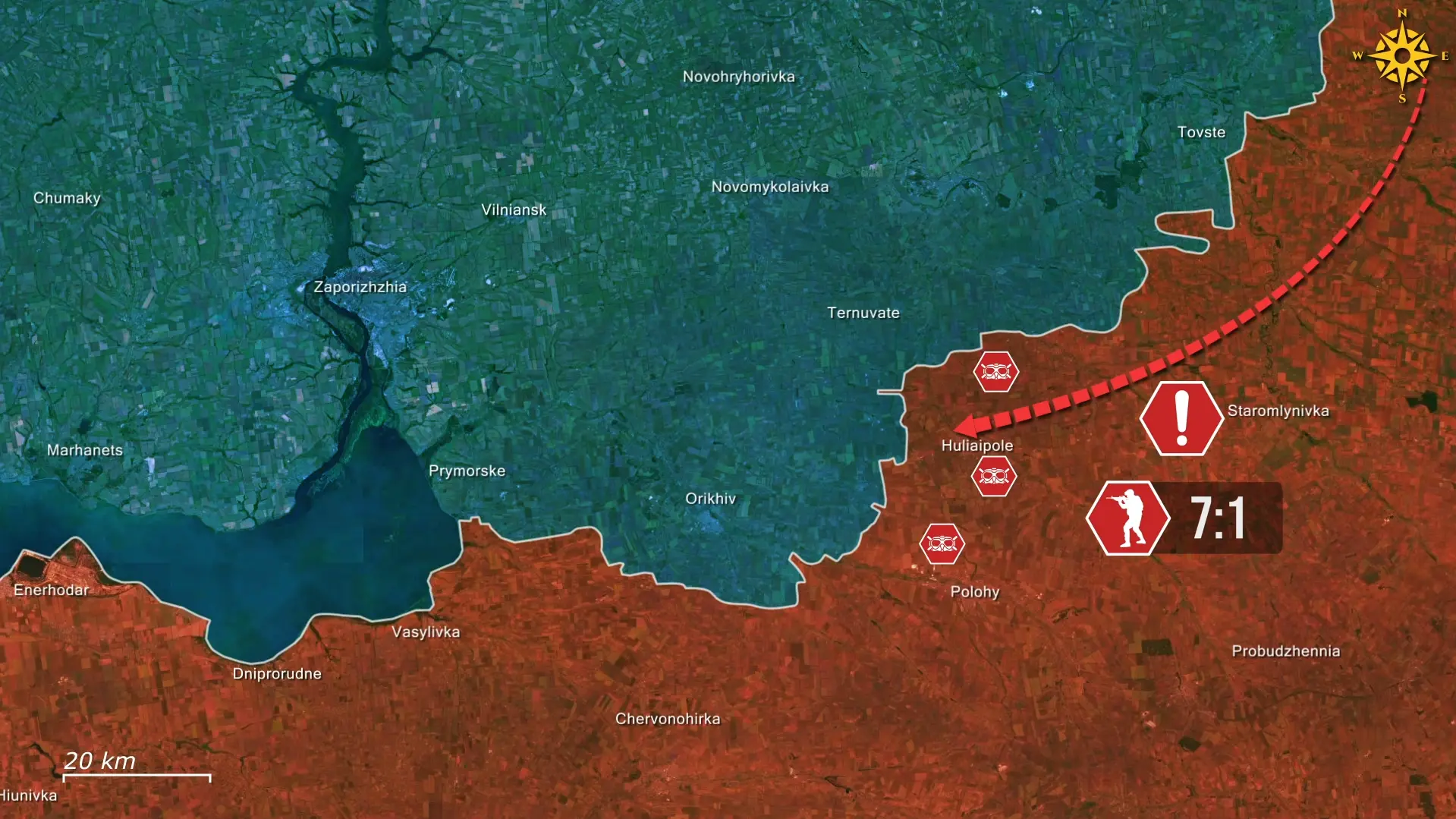
Its failure can occur easily, as the units remain vulnerable during each stage of the assault. Yet, due to the ever-rising drone activity from both armies, the modern small group infiltration will continue to decide battles, as the time of large attacks with more troops and armored vehicles is over.


.jpg)

Comments