

.svg)
Today, we will analyze the results of the Russian spring offensive.
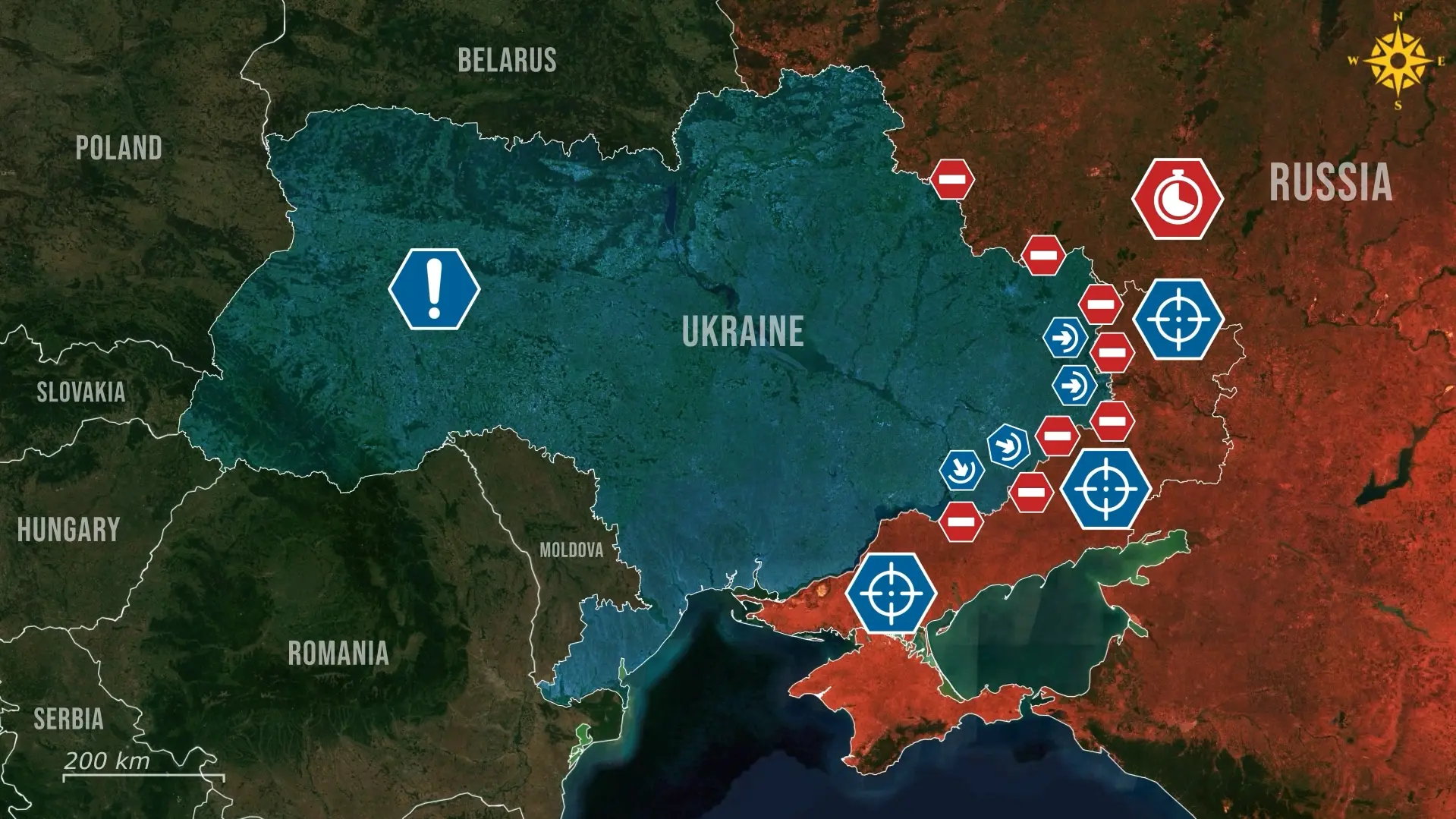
Here, the Russian army’s much-anticipated spring offensive has produced its weakest results in over two years and has been effectively halted by the Ukrainians. Not only that, but Ukrainian forces are increasingly taking back the initiative from the Russians and are now gaining territory across a much wider front.
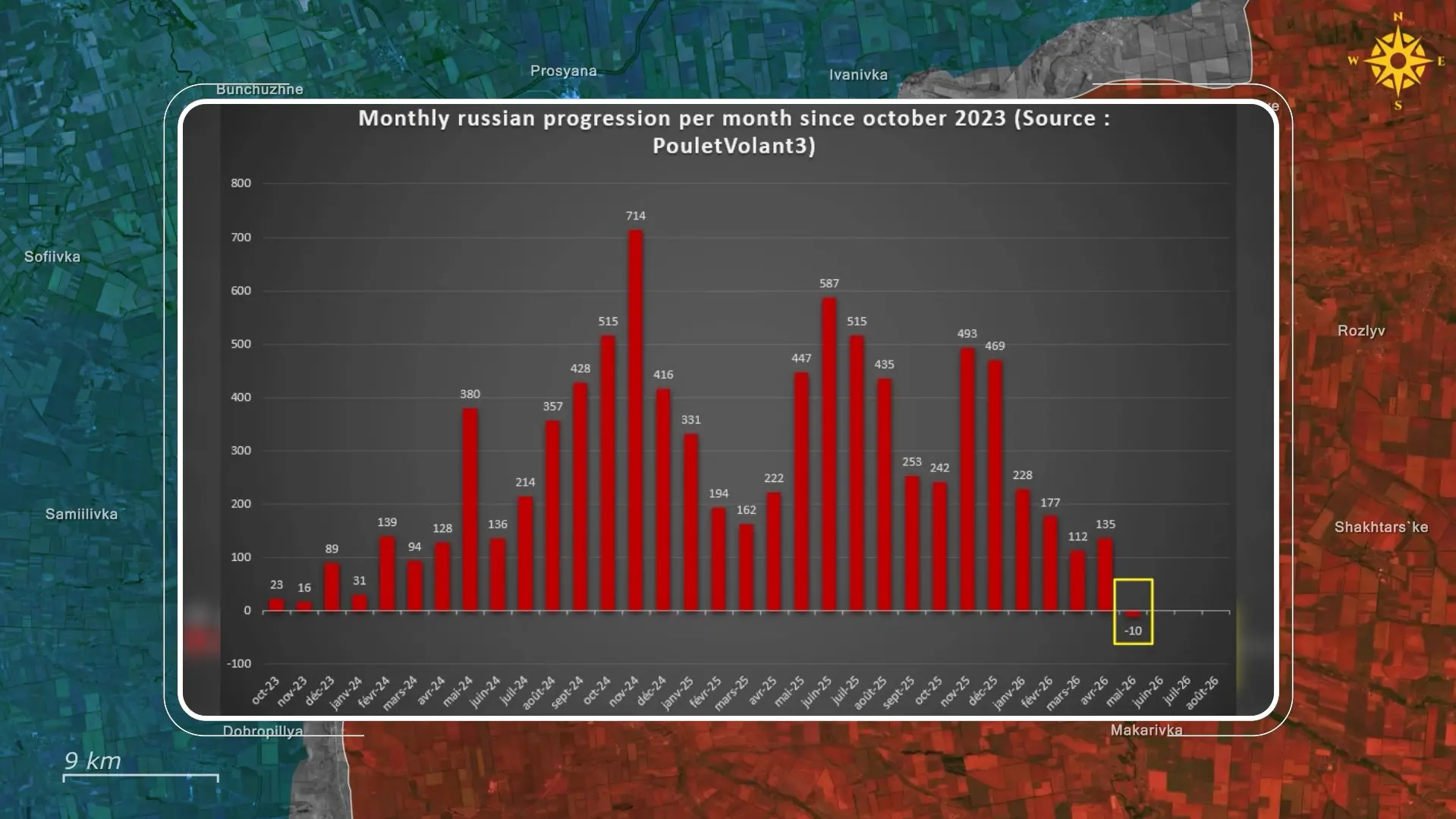
The scale of the Russian disappointment is difficult to overstate, because after launching what was effectively their largest strategic offensive to date, Russian forces managed to occupy only fourteen square kilometers of Ukrainian territory during May, their lowest rate of progress in the downward trend that is recently seen. This happened despite Russia dramatically increasing the intensity of its attacks by thirty seven percent, exceeding seven thousand attacks during the month.
Yet the results remained minimal, with videos across the front increasingly showing Russian troops conducting assaults in extremely small groups, often only two soldiers and sometimes even individual soldiers attacking alone. Before reaching their objectives, these troops are frequently detected and targeted by drones, artillery, mortars, and Ukrainian infantry, causing assaults to fail before they can develop into meaningful advances.
Even more significantly, the month of May has become the first month since the Ukrainian counteroffensive in two thousand twenty three in which Russia’s overall controlled territory declined, meaning that Ukrainians have gained net territory for the first time in three years.
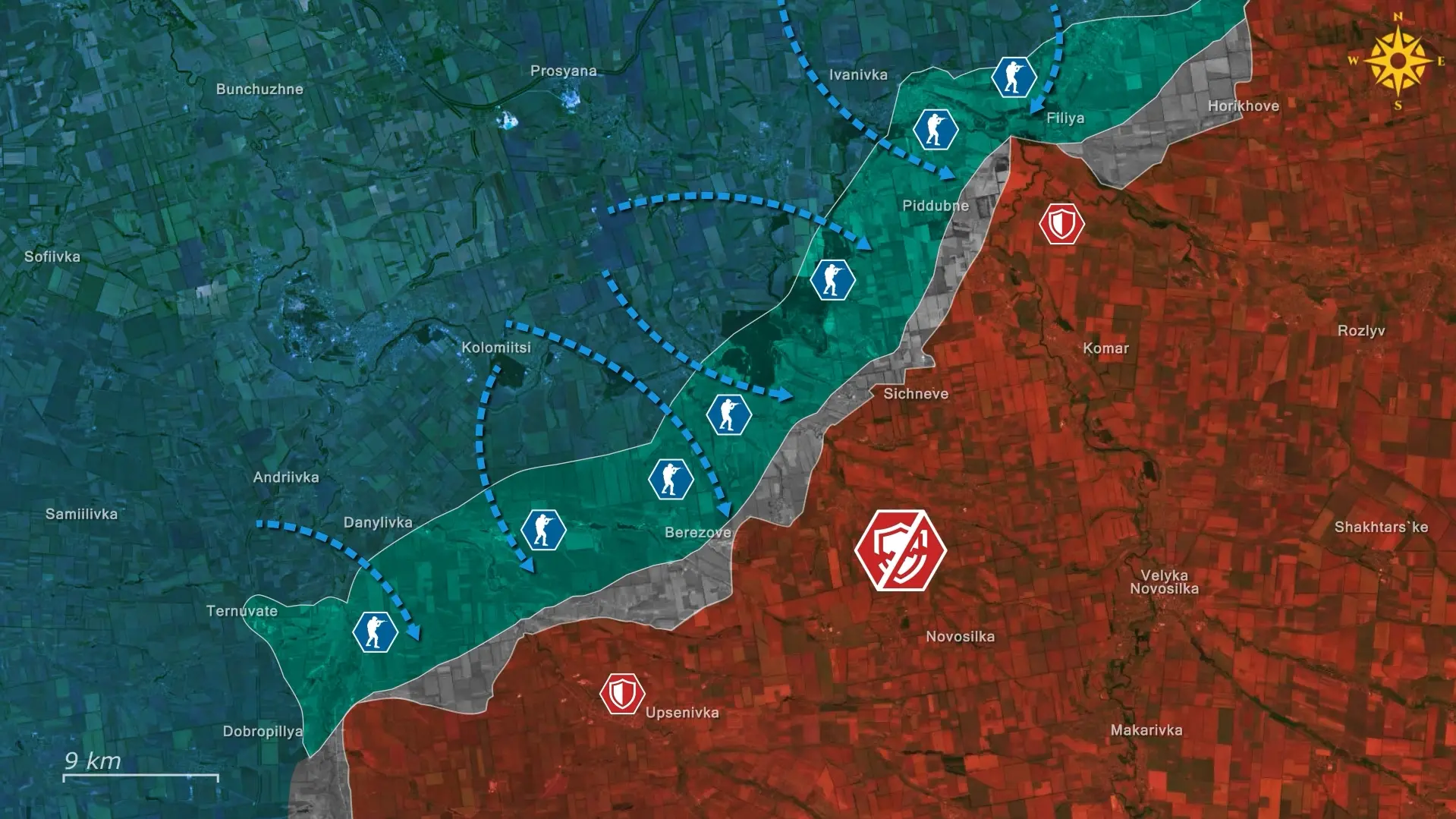
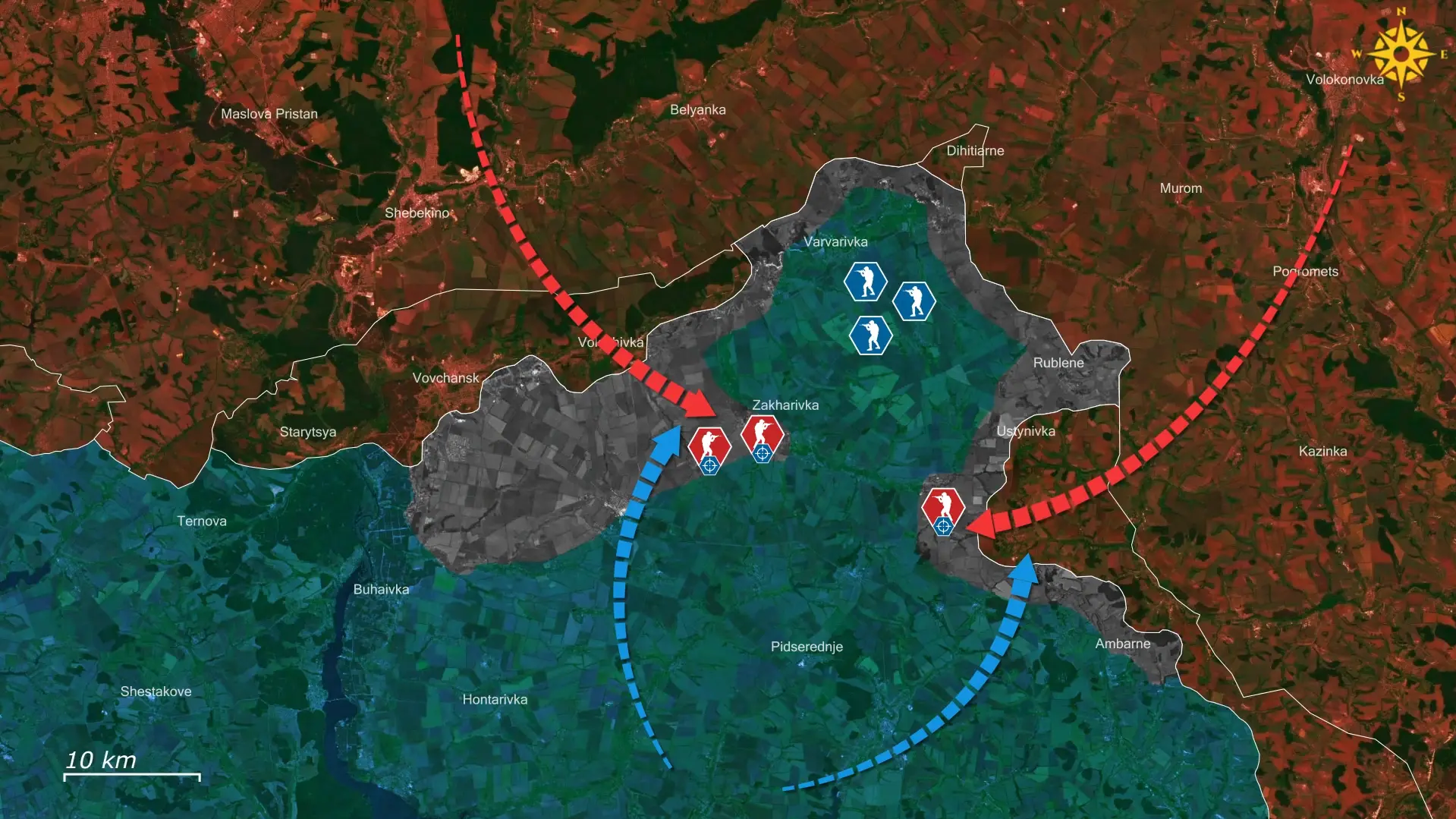
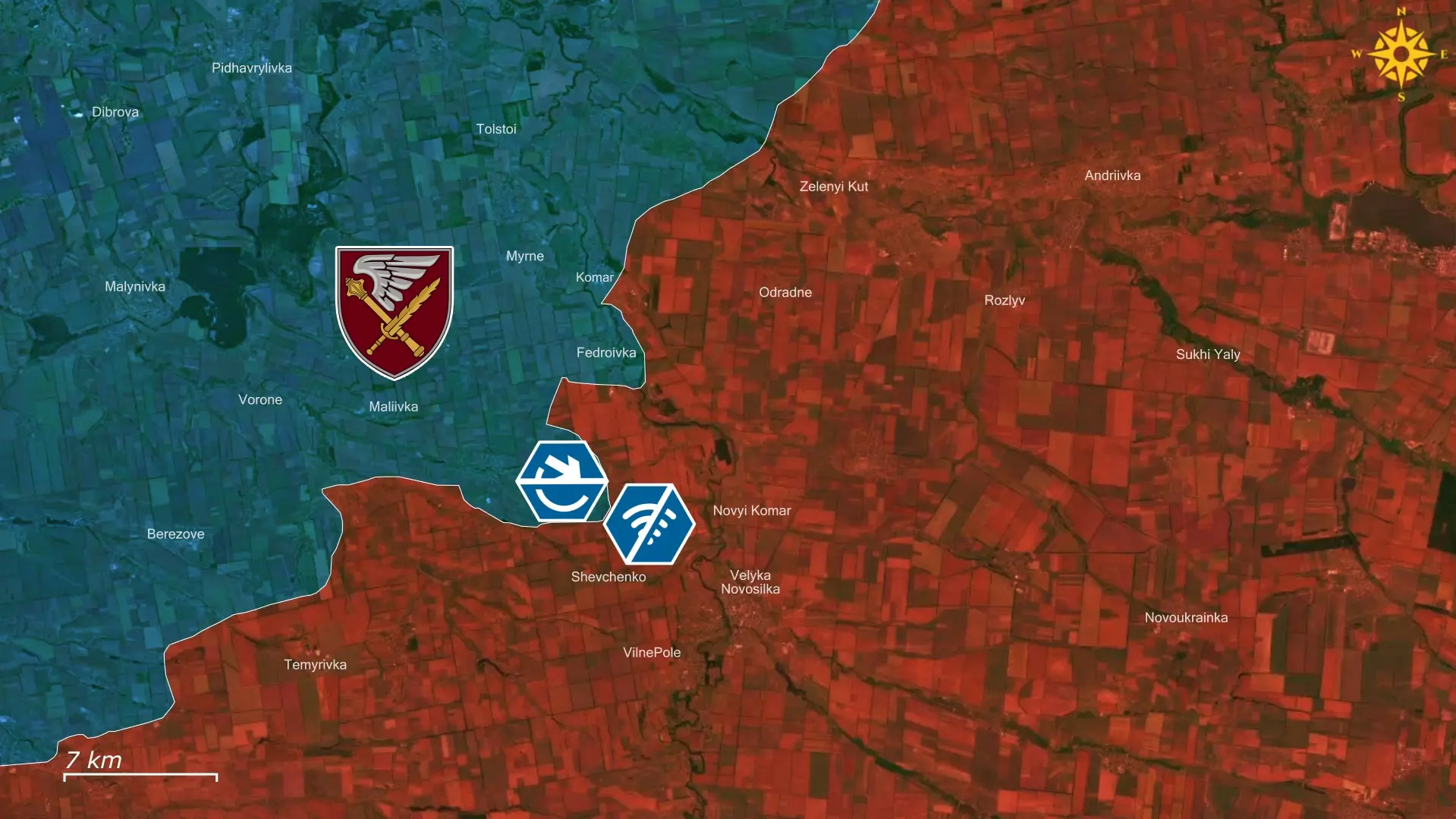
The clearest example of this shift can be seen in the Dnipropetrovsk sector, where Ukrainian forces have not merely stopped Russian momentum but actively reversed it. Along a front stretching nearly fifty kilometers, Ukrainian units have conducted coordinated offensive and counteroffensive operations that forced Russian commanders onto the defensive.
First, Ukrainian forces systematically degrade Russian command and control by striking command posts and communications nodes to disrupt Russia’s ability to respond, while targeting enemy artillery batteries and drone operators to deprive them of fire support. Once Russian fire support and command is weakened, Ukrainian units conduct carefully planned tactical assaults against key concentration points such as villages and fortified positions, creating localized breakthroughs and breaking the cohesion in Russian-controlled frontline territory.
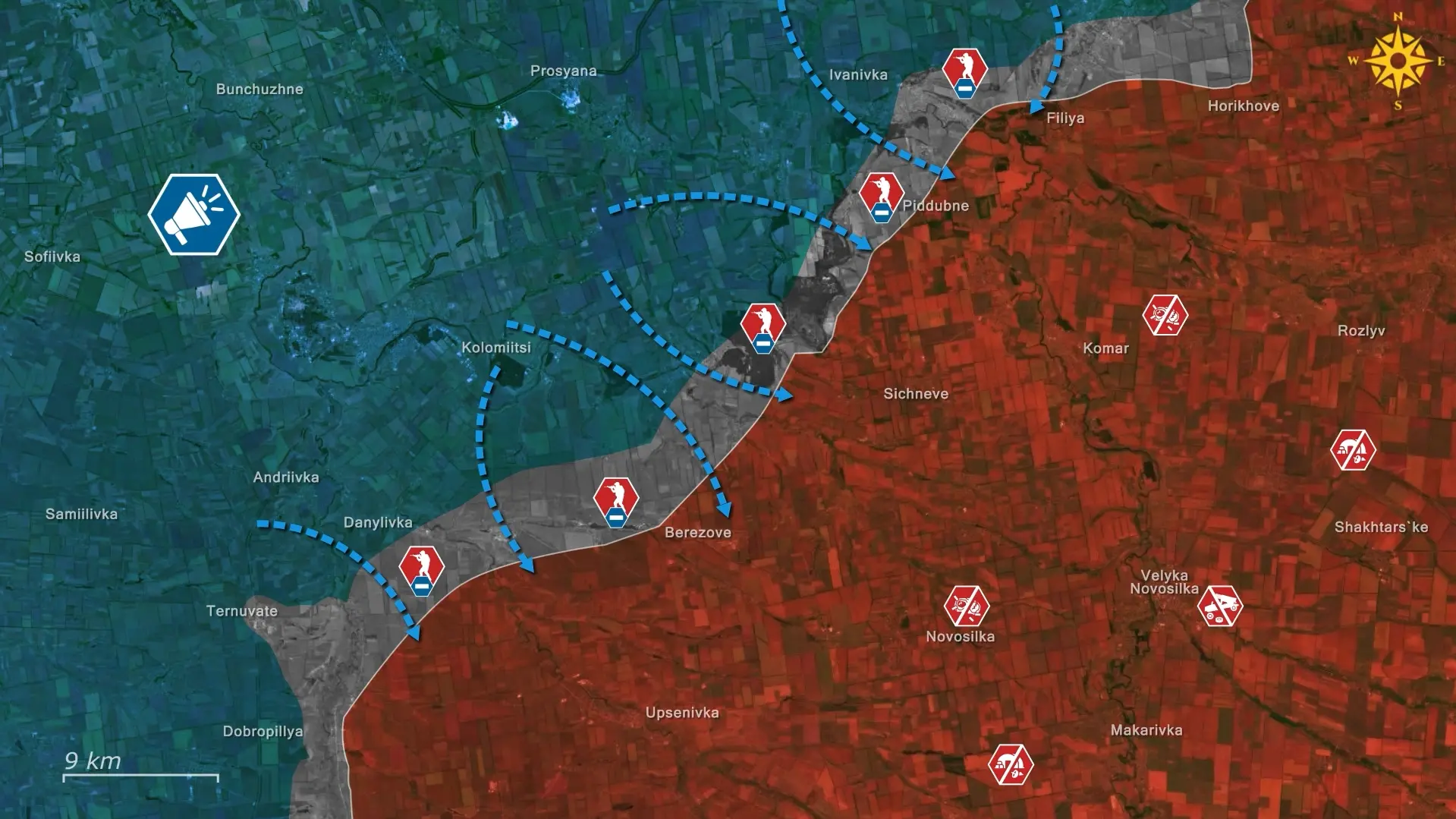
After these breakthroughs, many Russian infiltrators and small groups remain scattered in the in-between areas throughout the grey zone. Specialized, small-scale Ukrainian infantry teams then move forward to clear these areas under constant drone supervision. Reconnaissance drones identify ambushes and hidden positions, with FPV drones on standby to strike detected targets. Through these methodical clearing operations, Ukraine gradually steadily pushes the grey zone farther back and expands their own area of control.
It is worth noting that Ukraine has achieved this without launching a massive counteroffensive requiring huge concentrations of troops and equipment. Instead, it conserves manpower and resources while forcing Russia to defend a wide front at once, preventing Russians from concentrating their defenses in turn. Additionally, by avoiding large formations Ukrainians are less vulnerable to Russian reconnaissance and strikes of their own; gradually pushing Russian forces backward through a series of small tactical victories that collectively produce significant operational gains.
At the same time, Russian efforts to respond are sabotaged internally due to false reporting and Ukrainian strikes on command structures, causing higher-up Russian commanders to act on outdated information.
For example, even when Russians are able to send reinforcements, they are sent into the grey zone almost blindly, running into Ukrainian assault groups actively hunting the area for them specifically. Russian efforts to cut off Ukrainian access into the grey zone by using ambush drones has also failed, with Ukrainians setting up an effective system of FPV bomber drones to patrol the ground lines of communication to destroy the ambush drones before they can attack.
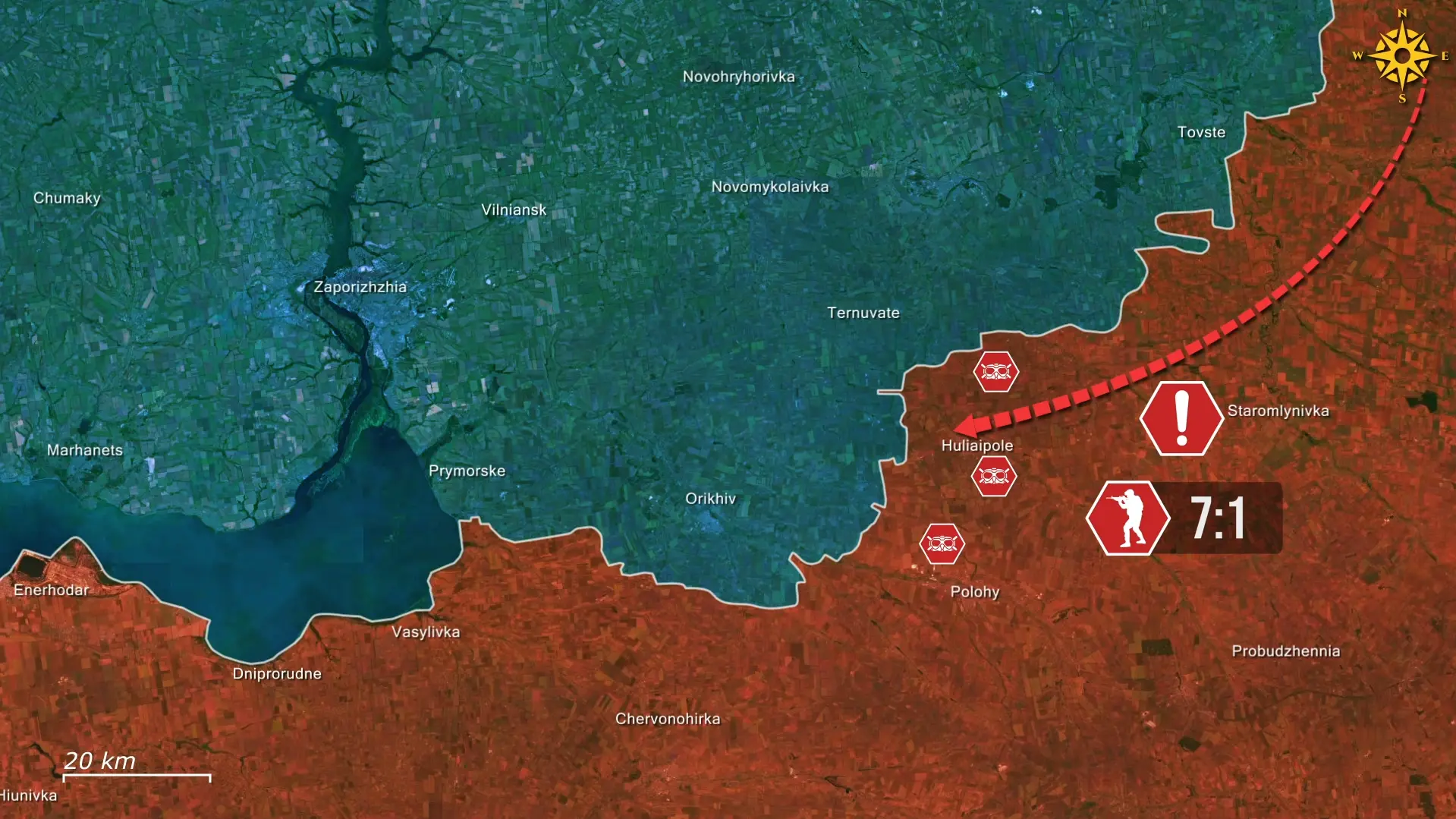
The results have been significant, as Ukrainian forces have advanced between ten and twelve kilometers in several areas, and after liberating over four hundred square kilometers in the southern Dnipropetrovsk sector, they started pushing Russian control back in the north as well over the last month.
Ukrainian Commander-in-Chief Oleksandr Syrskyi stated that Ukrainian forces have seized the strategic initiative and are actively preventing Russia from restoring a large-scale offensive, by forcing Russia to spend its resources responding to Ukrainian small-scale actions instead of preparing its own assaults. The impact is visible across a broad front, as Ukrainian forces have regained positions around Ternuvate, Danylivka, Berezove, Andriivka, Filiya, Piddubne and Ivanivka in this sector already.
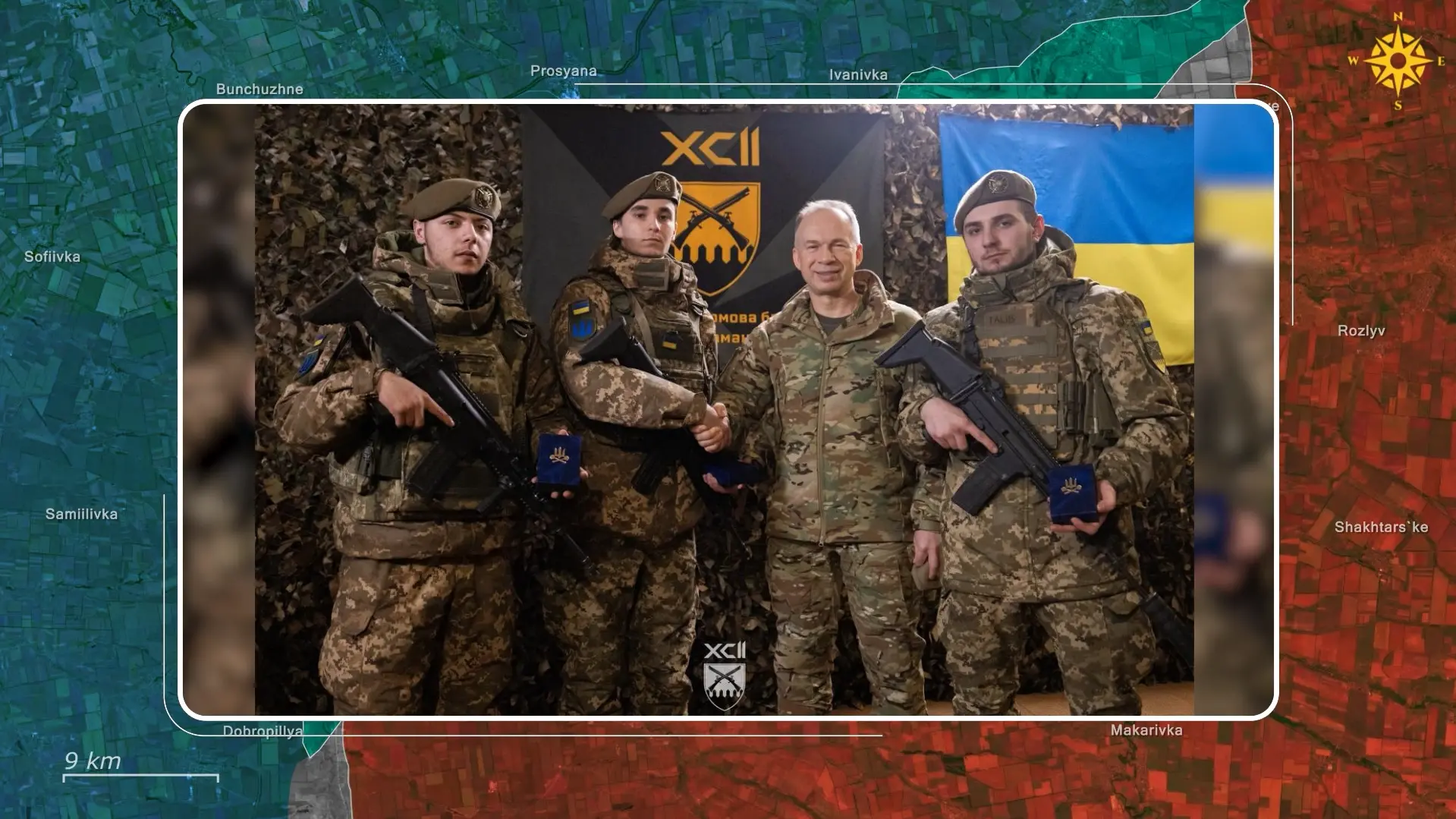
Overall, Ukraine has not only broken Russia’s major spring offensive effort but in several sectors has completely reversed the limited gains Moscow achieved. For the first time in two and a half years, Ukrainian forces are regaining territory across a broad front while steadily building momentum of their own. The battlefield initiative, which Russia spent months trying to secure, is increasingly shifting back into Ukrainian hands, and the Russian side is unable to secure its logistics from Ukrainian drones to try to prevent this.

.jpg)

Comments