

.svg)
Russian analysts and TV hosts now started a wave of panicking on live television that Russia is losing the war, claiming there is a deeper issue than simply a lack of funds. They angrily compared that while Russian oil refineries are burning, there is almost one billion three hundred sixty-four million euros spent on other activities, like financing local football clubs. According to them, only one-sixth of this amount would have been enough to address the critical lack of protection of oil refineries struck by Ukraine. Another influential Russian military analyst raised serious concerns about the lack of attempts to improve the air defense and stressed that the world is preparing for war with Russia, while the country is drinking beer and watching football. His claims that Russia is not ready and that its enemies will finish the country off indicate that anger is building even in the most patriotic and loyal circles in the media.
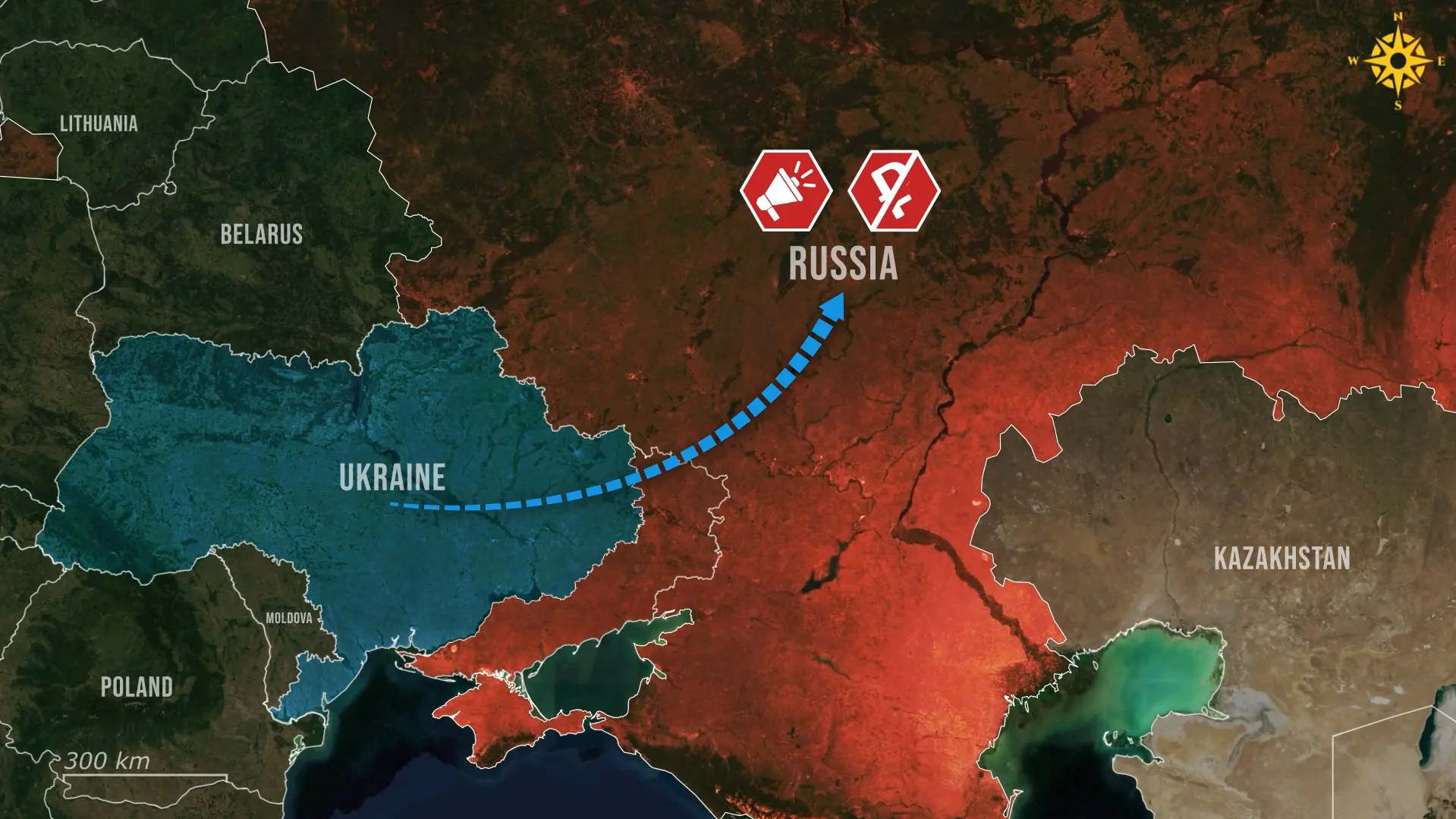
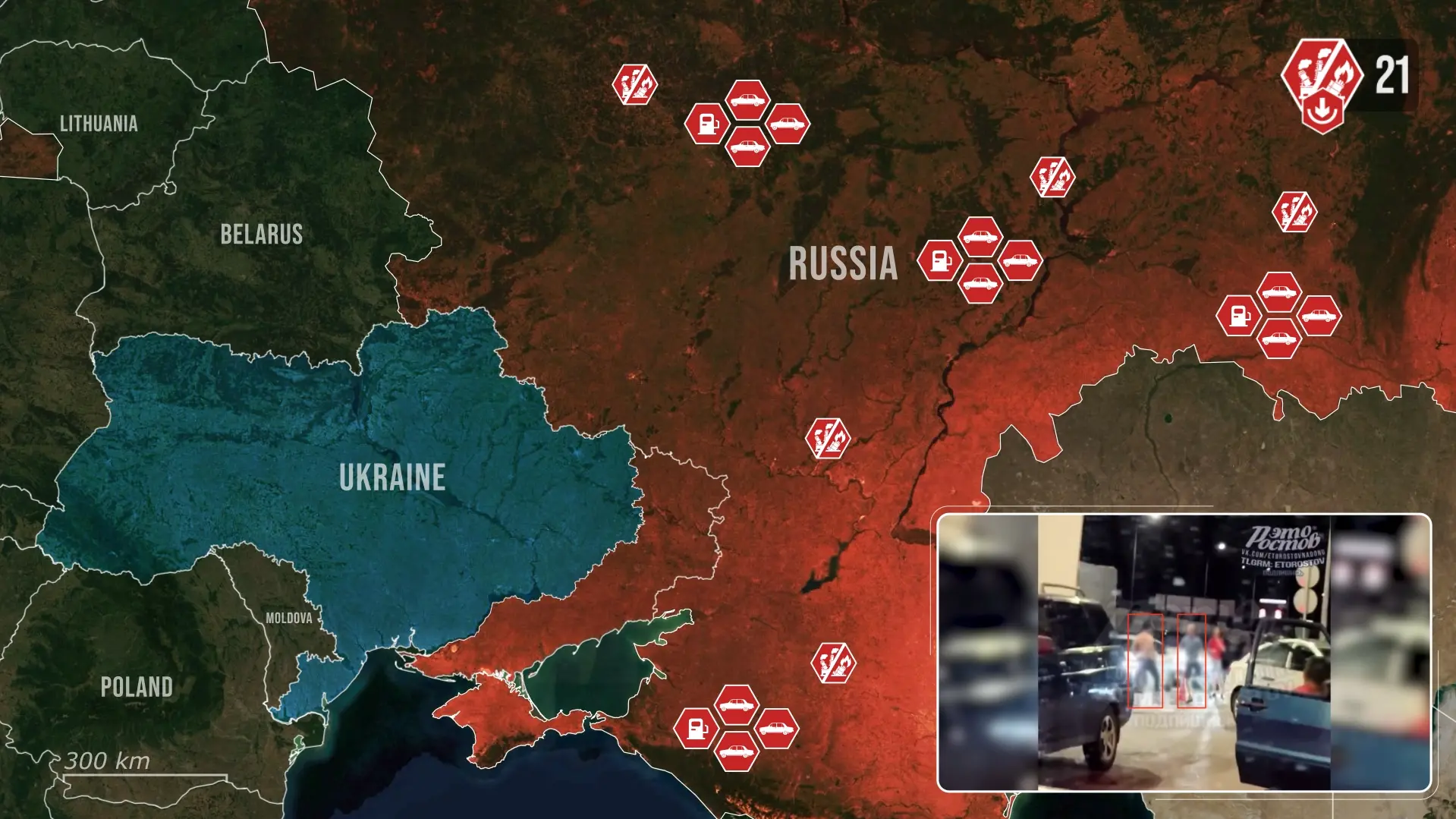
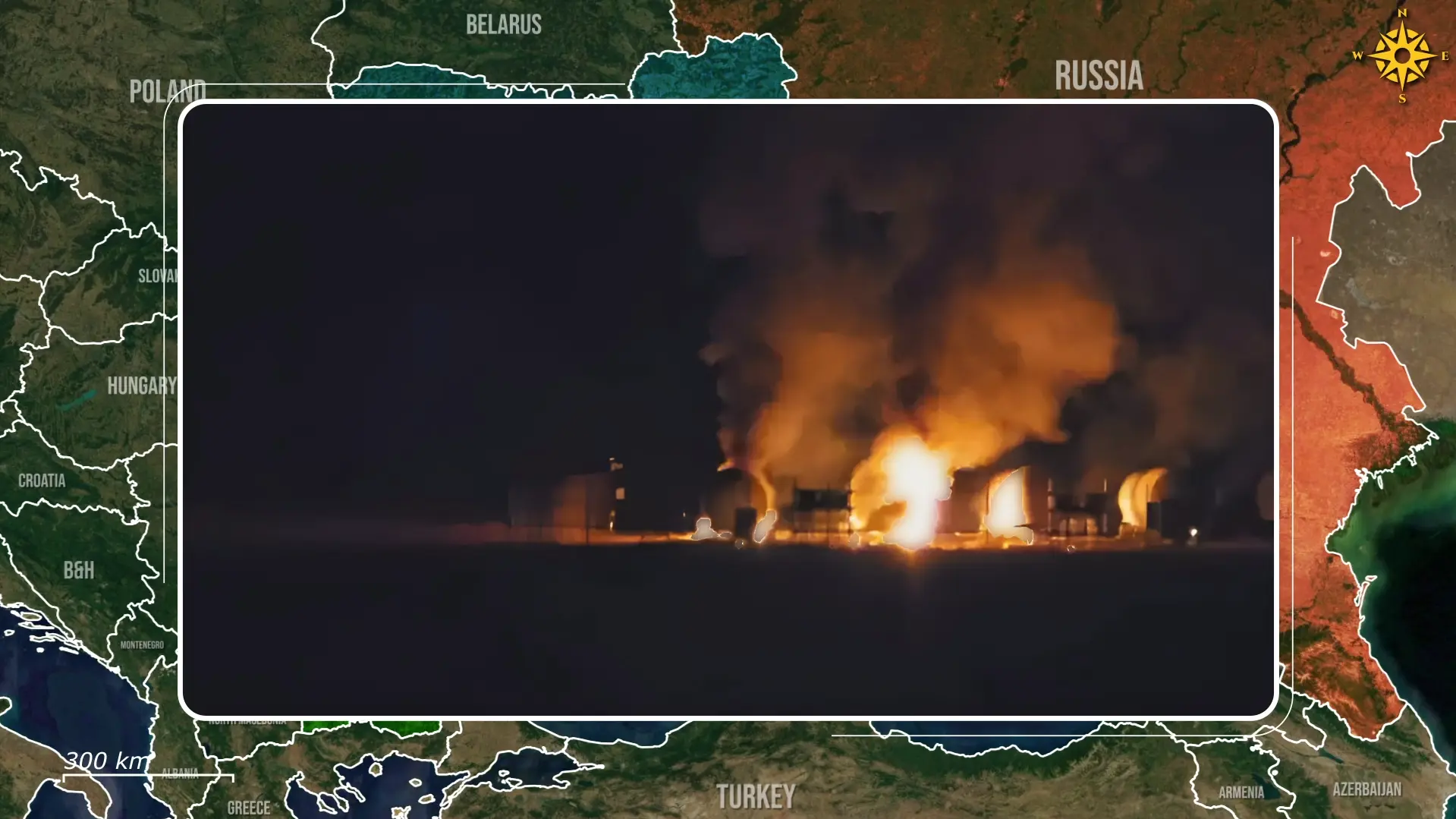
This reaction is being driven by consequences the state can no longer conceal, as repeated refinery shutdowns due to Ukrainian strikes have accumulated into a national fuel supply problem. Russia’s oil refining output dropped to the lowest in twenty-one years, embarrassingly forcing the major crude oil exporter to import oil products from abroad. The fuel shortages caused serious unrest in Russian society, as long waits, rationing, and attempts to obtain extra fuel created confrontations between citizens, showing that the state is losing control over basic distribution and becoming an object of criticism.
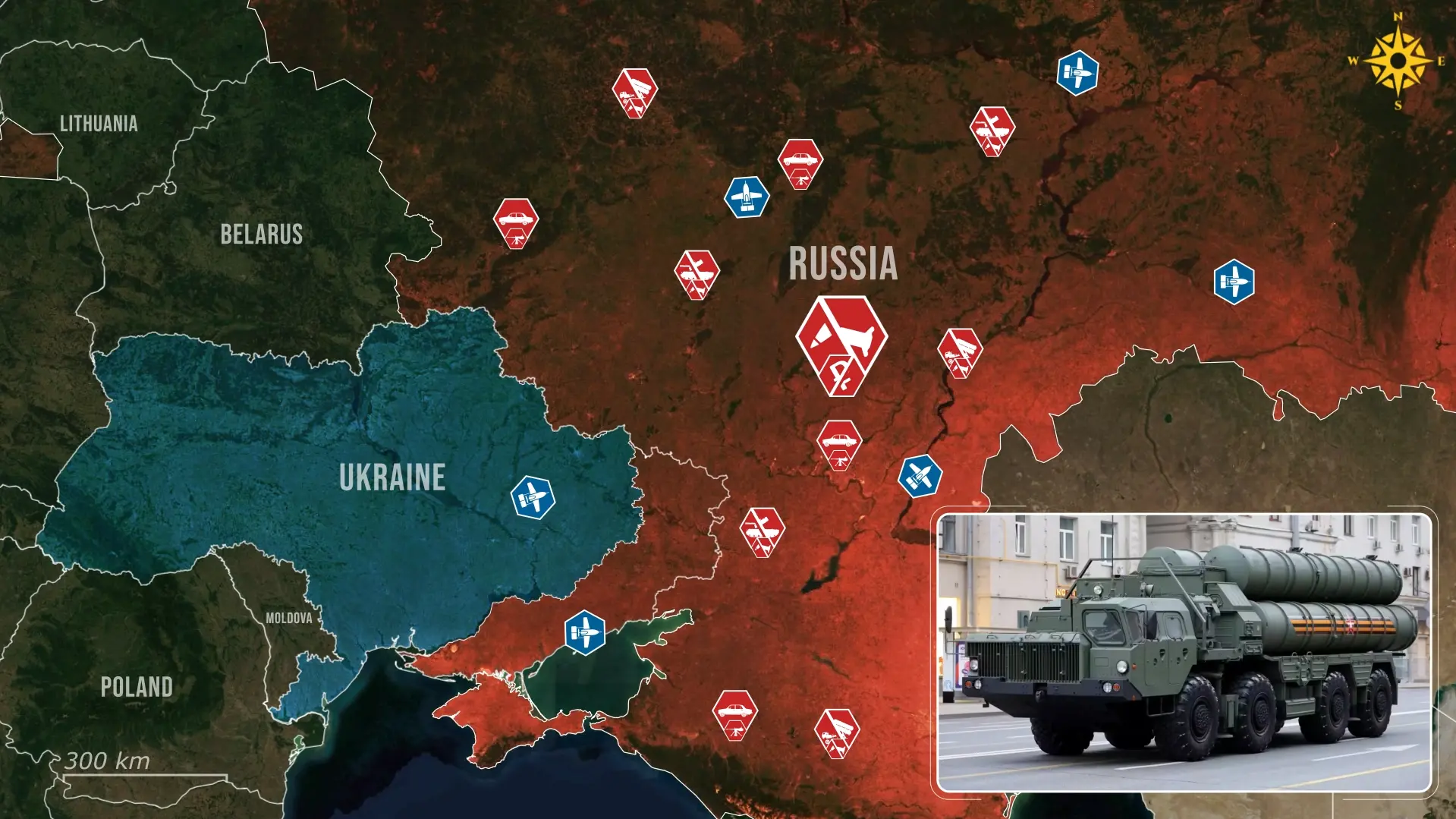
All this was triggered by Russia’s air-defense crisis, which is structural, as there are too few systems left to protect too much territory, with the Ukrainians targeting them on a constant basis. Additionally, there is a growing shortage of air defense missiles, which are depleted because existing stockpiles are consumed by daily Ukrainian drone attacks. Russia is often forced to use expensive missiles against relatively cheap drones, so even successful interceptions can weaken the defense economically and reduce the total number of available missiles. At the same time, Russia continues to produce surface-to-surface missiles for S-four hundred launchers instead of additional surface-to-air interceptors, which means priority is on the offensive actions while the air defense worsens.
As a result, Ukrainian drones have been able to operate and reach deeper regions, exposing the limits of Russia's mobile firing groups, which depend on visual acquisition and suitable firing positions and are not sufficient to cover the gaps. Russian military analysts discuss interceptor drones as a possible solution, but they also depend on integration in a well-coordinated network, as low-flying Ukrainian drones exploit terrain and gaps between radar sectors, making detection harder. Even when a drone is detected, information must move quickly enough from radar operators to regional command centers and then to the unit capable of engaging it, which often proves too late.
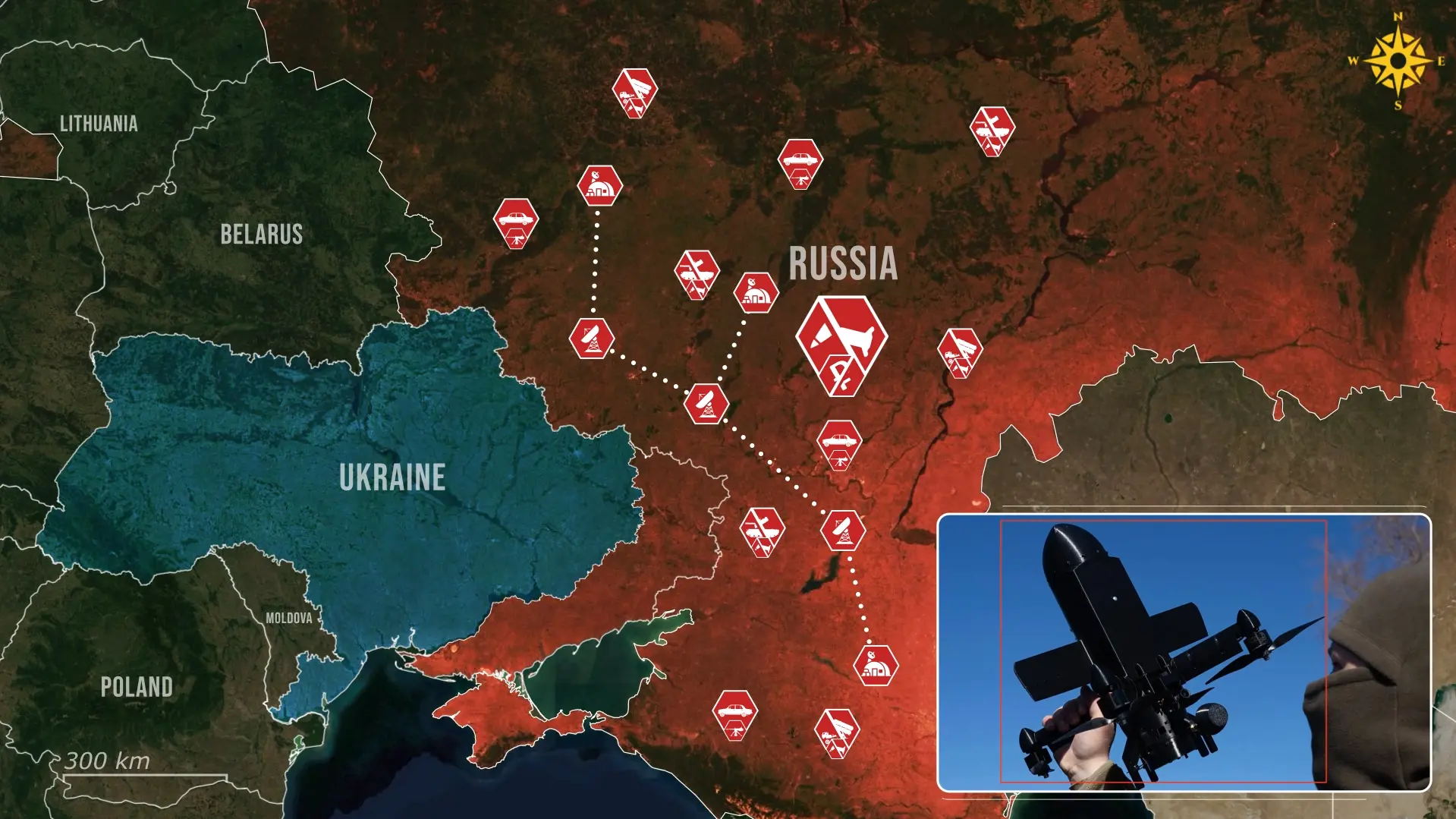
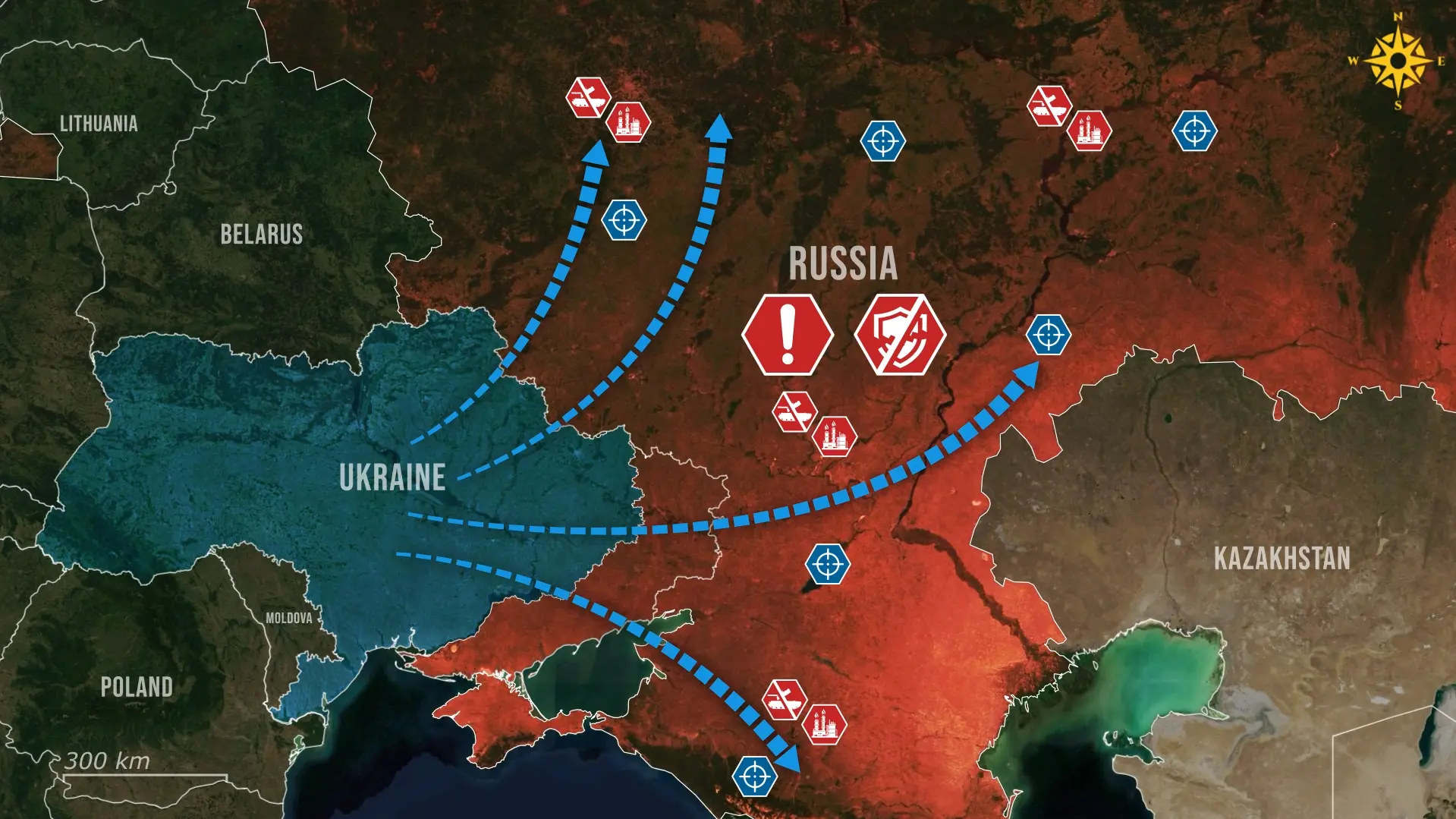
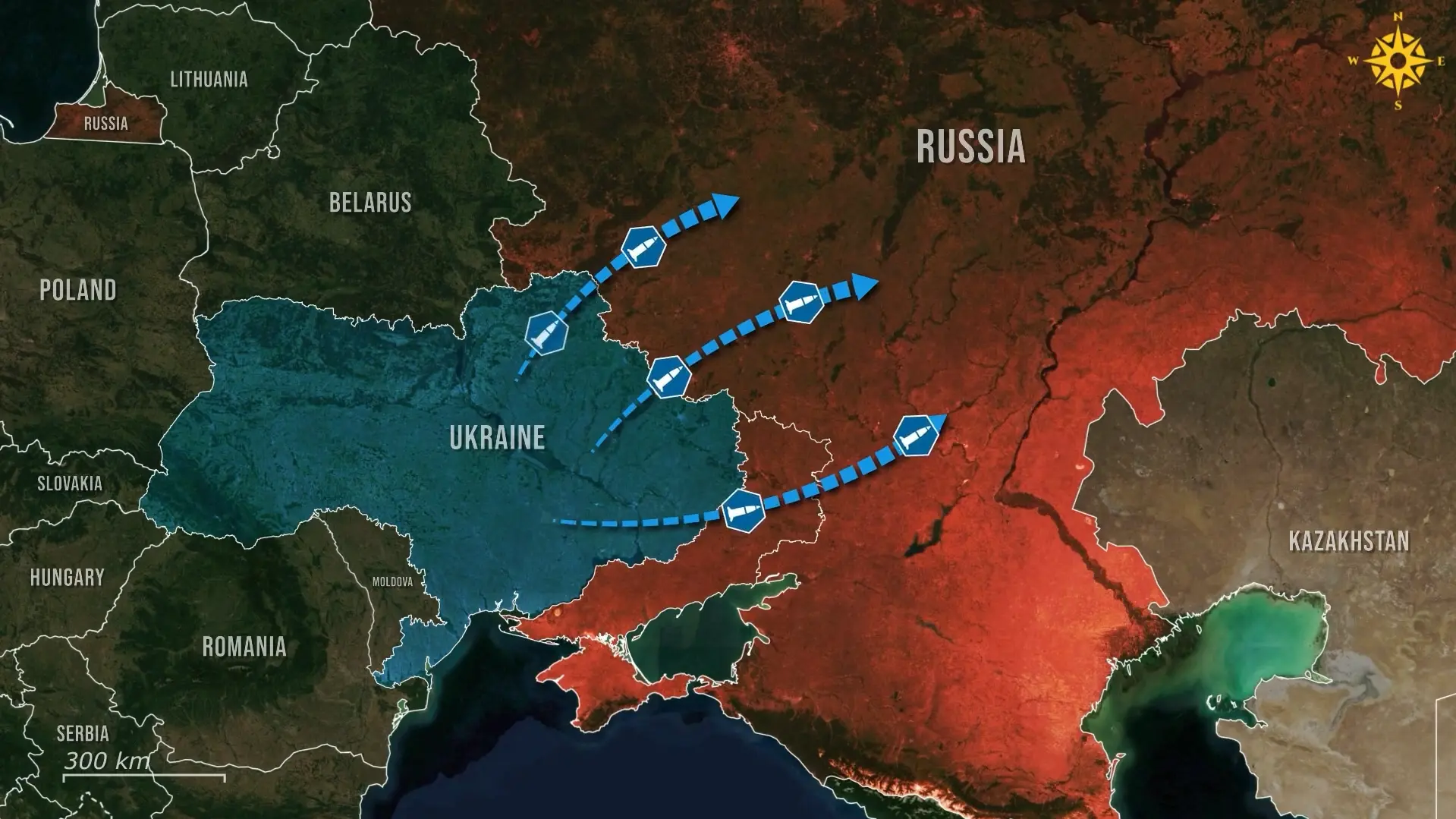
These shortcomings are exploited by Ukraine, which is launching swarms of drones daily from different directions to observe where radar emissions appear, which batteries open fire, and to establish patterns that are used for follow-up attacks. Additionally, Ukrainian decoy drones are forcing Russian air defenses to deplete scarce interceptor missiles and expose their positions. Once Russian air defenses are sufficiently strained, Ukraine launches even larger attacks, involving up to seven hundred drones, which approach their targets using the already established routes, making it far more difficult for mobile fire teams and air defense systems to respond effectively. To further complicate Russia's defenses, Ukraine mixes high-speed jet-powered drones with conventional propeller-driven drones and, in some cases, cruise missiles. This combination of different speeds, flight profiles, and attack directions requires Russian operators to identify which targets are decoys, which pose the greatest threat, and which targets must be prioritized.
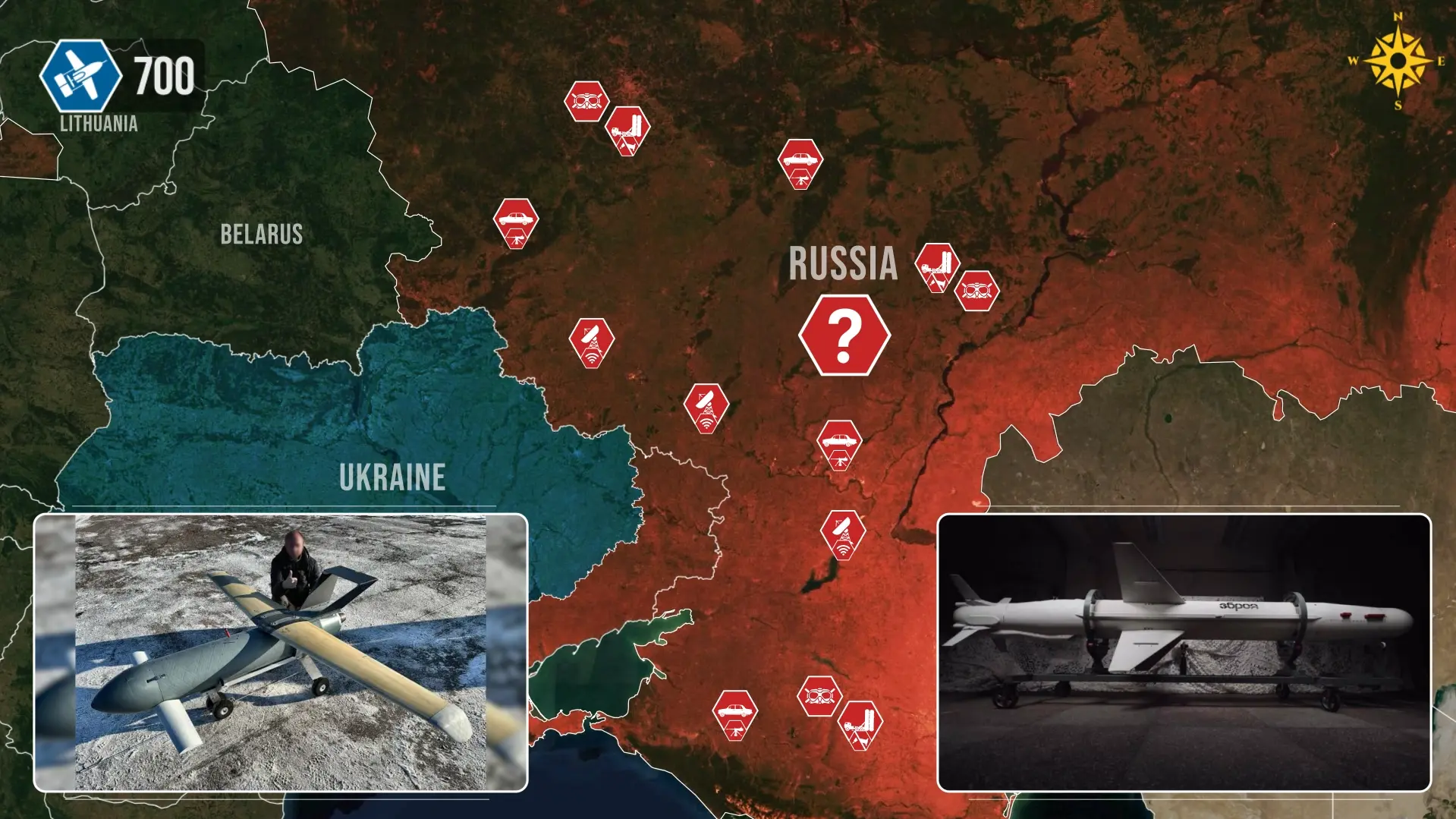
The Russian commentators diagnosed correctly that Russia is losing the war and turned their anger towards those financing football clubs and free time activities, blaming them for leaving Russia strategically exposed. However, they overlook a fundamental problem, which is that even if refineries are secured by transferring some funds from civilian expenses, Ukraine will simply attack other important military targets. At the same time, Russia's size also creates a major weakness, as the distance between defended zones and the number of approach routes make it difficult to protect, as there are not enough air defense systems, and the tempo of production can't keep up with the tempo at which Ukraine is destroying them.
To make the problem even worse, the Russian leadership has concentrated its air-defense batteries around symbolic and political infrastructure, including Moscow and Putin's Valdai residence, which has left many important targets undefended. This shows how the Kremlin prioritizes leadership survival, prestige, and visible signs of control, which Ukraine exploits as every launcher assigned to regime protection is unavailable for oil infrastructure or military-industrial facilities elsewhere.
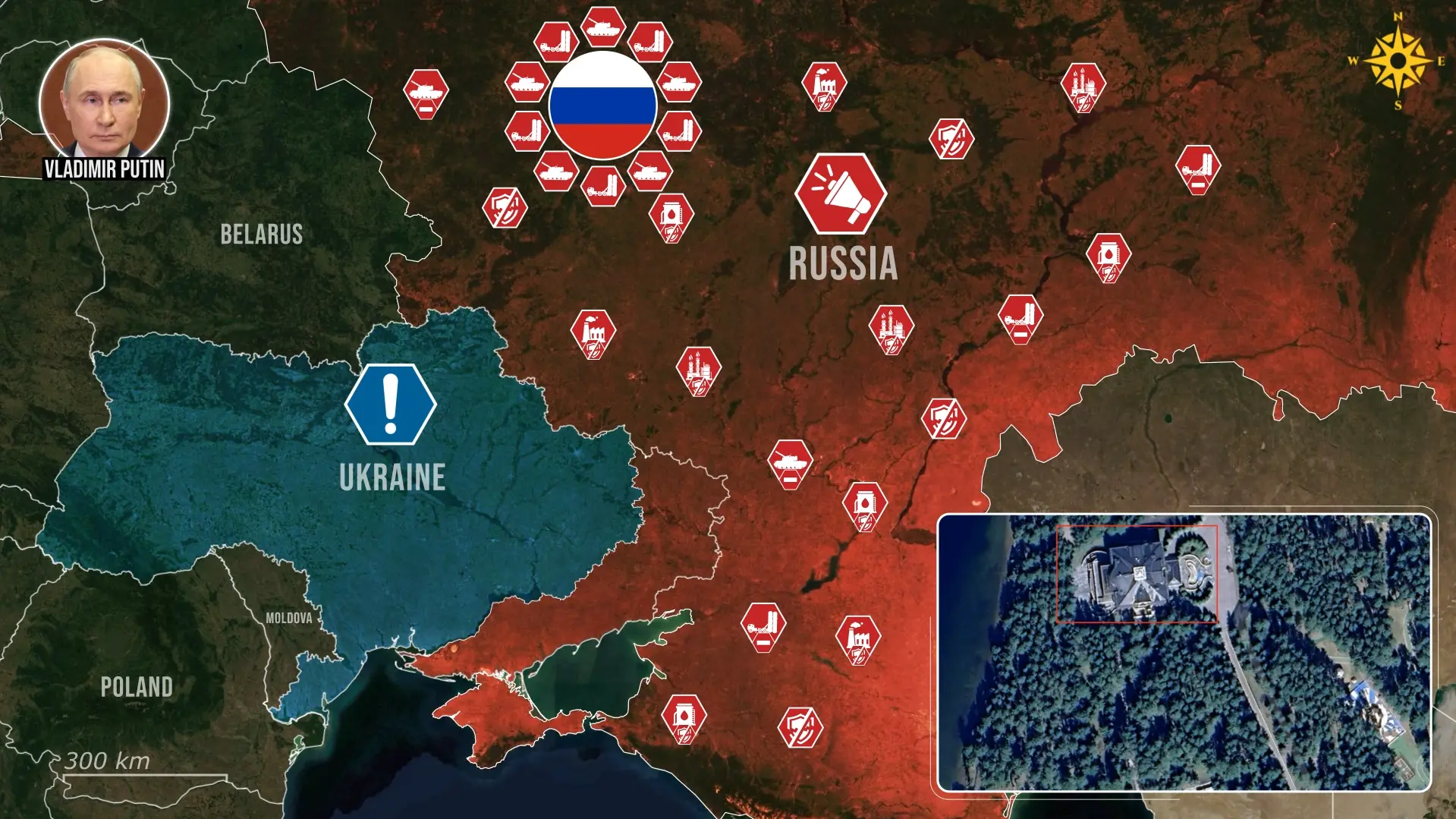
Overall, Russian analysts are now publicly recognizing that Russia’s defensive model is failing, which means that even the state media system can no longer deny that Russia is losing the war. The panic is justified, but the proposed solutions are inadequate because Russia’s vulnerability cannot be solved by protecting one type of target. Russia’s vast territory has become a liability, and symbolic defense priorities are accelerating its functional decline, while every successful Ukrainian strike forces Moscow to choose which essential system will remain exposed.
.jpg)

Comments