

.svg)
Today, the biggest news is coming from the Black Sea.
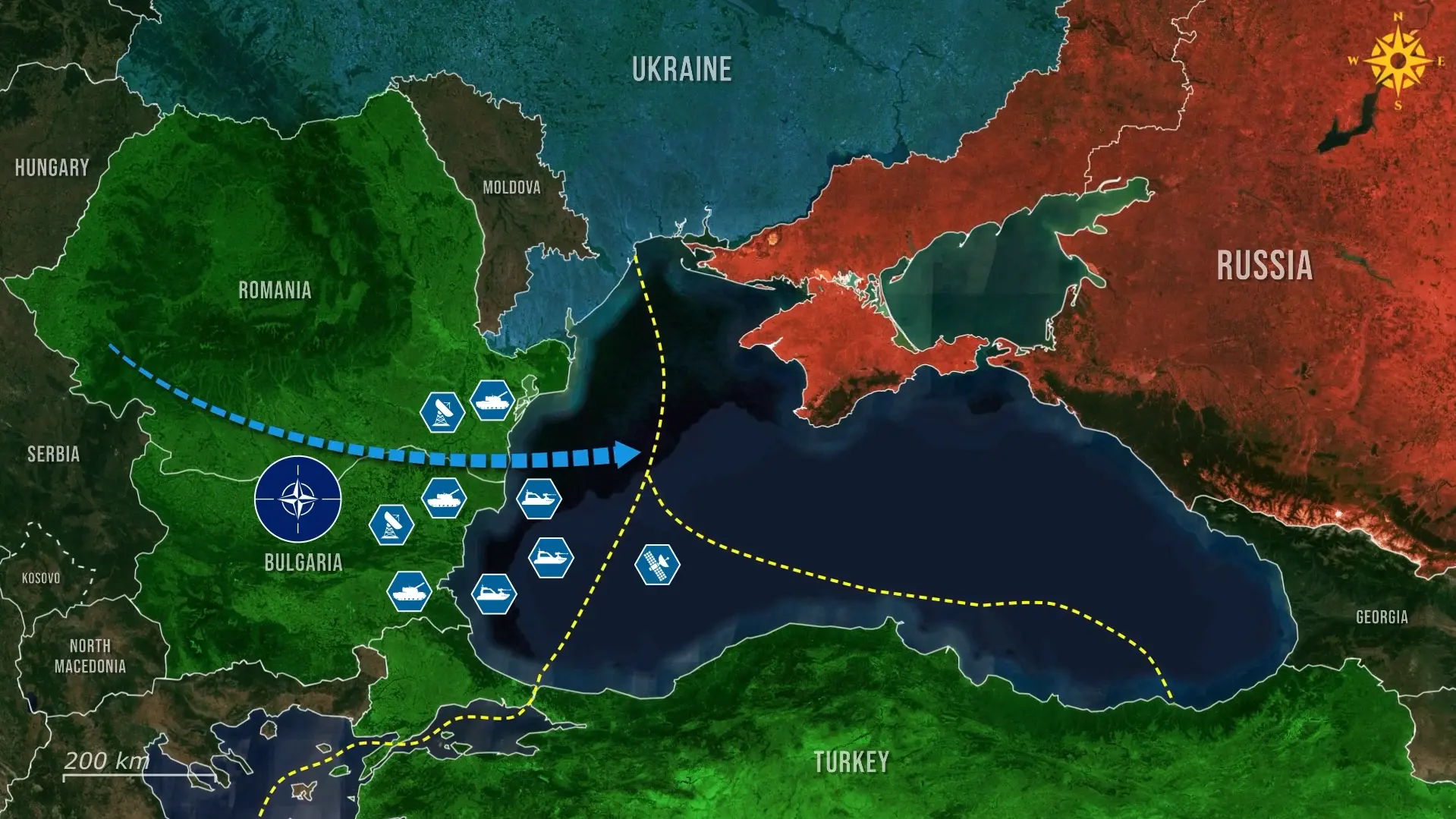
Here, four commercial vessels have now been struck across two separate waves of drone attacks near Bulgarian waters, marking a major escalation in Russia’s expanding campaign against shipping in the Black Sea. In the latest attacks, the Malta flagged Chelsea Three was struck by three aerial drones roughly thirty three kilometers from the Bulgarian coast, forcing all fifteen crew members to evacuate, with five needing medical treatment.
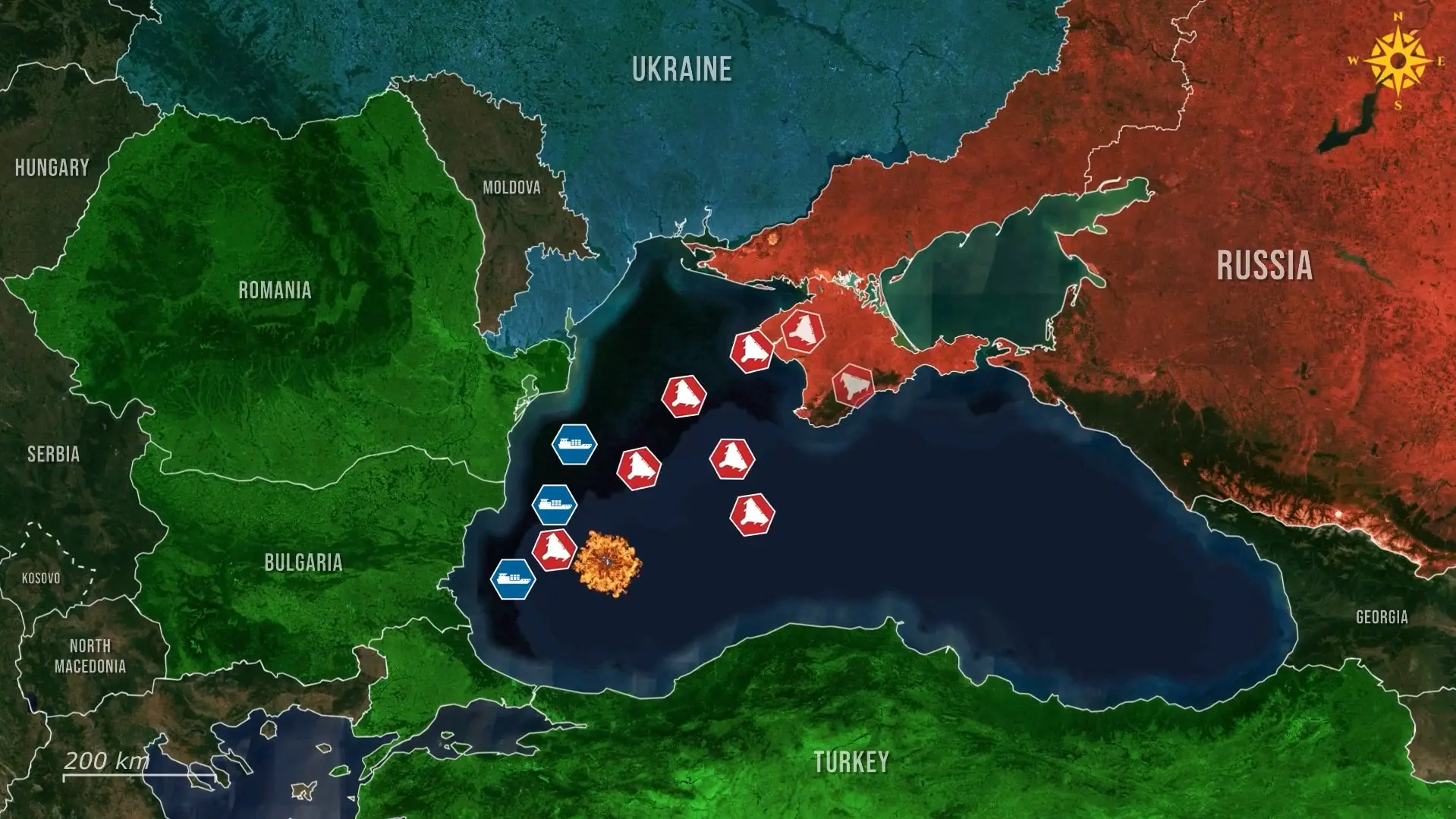
A second vessel was attacked roughly thirty one kilometers from shore and sank, with Bulgarian rescue forces dispatched to the area. These strikes came only one week after another two merchant vessels were attacked in Bulgaria’s maritime economic zone, when one ship sank and another caught fire, leaving sailors injured and forcing another large rescue operation. The latest strikes occurred inside Bulgaria’s exclusive economic zone, where wartime military operations can be legal, but only around ten kilometers beyond Bulgaria’s territorial waters, placing active Russian attacks extremely close to the sovereign territory of a Nato member.
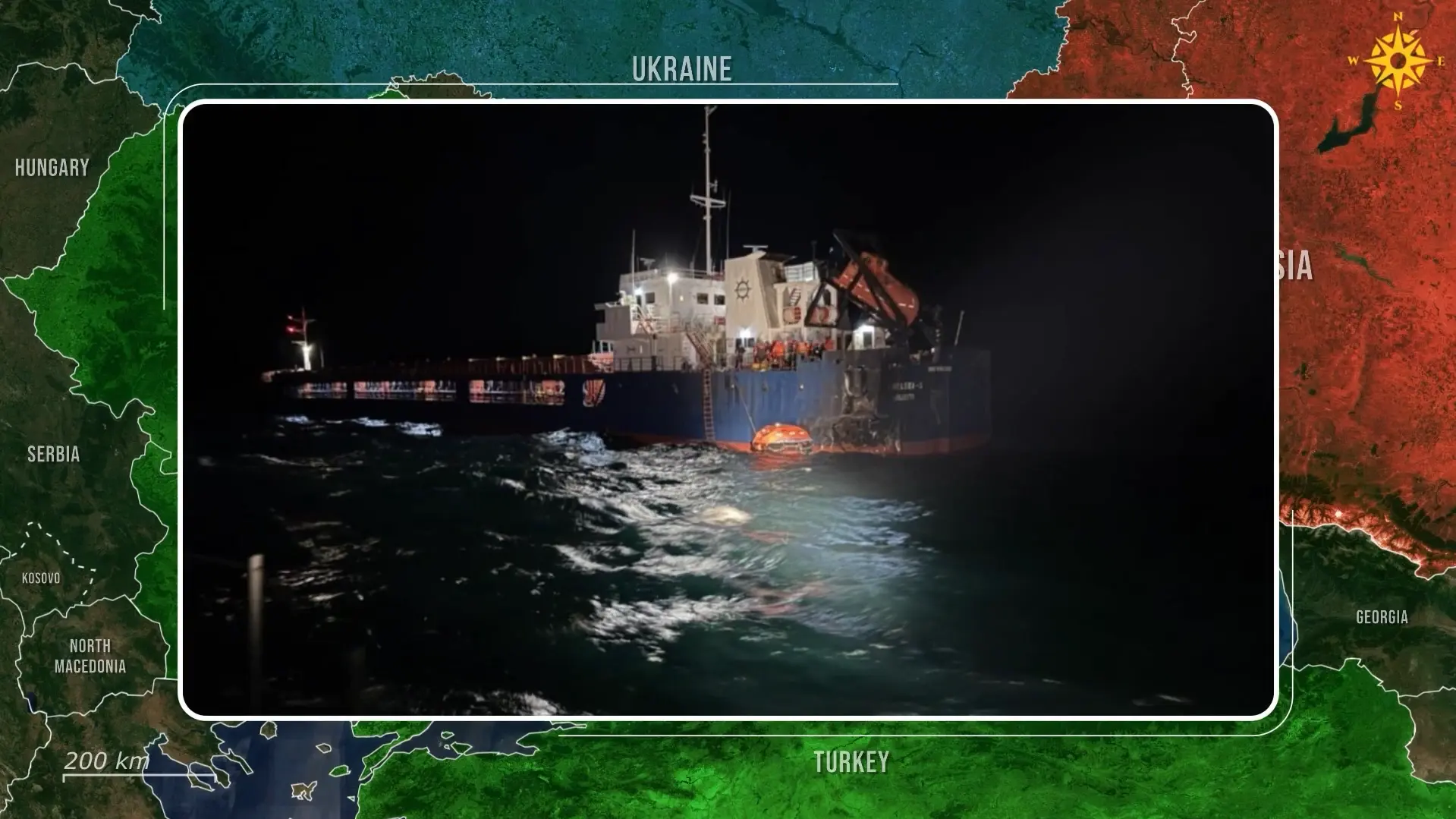
Russia’s campaign against maritime traffic connected to Ukraine has now produced four strikes around the maritime zone of a Nato member in little more than a week, bringing active wartime attacks directly toward Bulgaria’s coastline and forcing Sofia to respond. With these strikes occurring only thirty kilometers from the Bulgarian coastline, the real danger to the Nato country was immense, with Russia showing little due regard to neutral vessels’ operations.
These attacks come after Russia spent months intensifying a campaign designed to isolate Ukraine from maritime trade by making every voyage to its Black Sea ports increasingly dangerous. Russian forces have repeatedly targeted ships, port infrastructure, the Danube ports, and transport links connecting the Odesa region with the rest of the country, while Russian sources themselves describe almost daily strikes against the Greater Odesa port cluster throughout September.
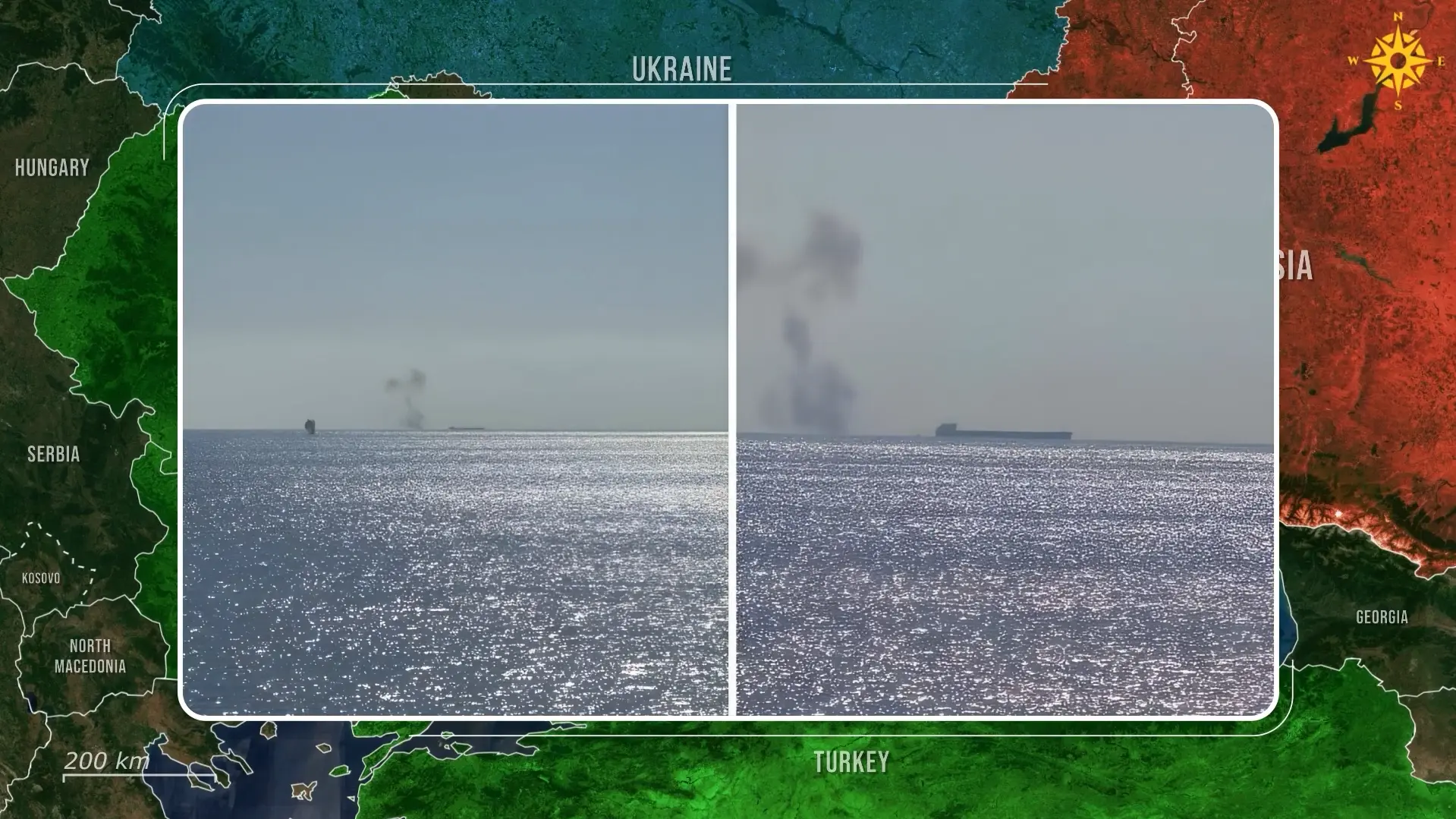
The pressure has already driven up shipping and insurance costs and forced vessels to search for safer routes farther west, with some gathering near Romania to increase their distance from Ukrainian ports and areas under regular Russian attack. Yet the latest vessels struck near Bulgaria had not even departed from Ukrainian seaports, with Chelsea Three sailing from Turkey toward the Danube when it was attacked. Russia’s effort to choke Ukrainian maritime traffic is therefore reaching commercial vessels beyond the Ukrainian port system itself, while those ships are operating around the maritime zone of a Nato country.
Bulgaria has now moved from monitoring the attacks to confronting Russia directly, summoning Russian ambassador Eleonora Mitrofanova after an emergency meeting of the country’s Security Council. Prime Minister Rumen Radev described the strikes as unacceptable and announced that Sofia is seeking assistance from both the European Union and Nato to determine the drones’ origin and strengthen surveillance of Bulgarian airspace and the Black Sea coast. Radev also opened talks with Nato Secretary General Mark Rutte, making the attacks a direct subject of coordination between Bulgaria and Nato.

The previous wave of strikes had already pushed Sofia to approve the emergency purchase of five additional air defense systems under the European Sky Shield Initiative, showing that these incidents are already changing Bulgaria’s military posture along the coast. Investigators have not yet established conclusive evidence identifying the drones, yet the diplomatic response has already centered on Moscow and the Bulgarian government is preparing stronger defenses against further attacks. After four commercial vessels were struck in little more than a week, every new incident now increases the pressure on Nato to expand surveillance and air defense coverage over the western Black Sea.
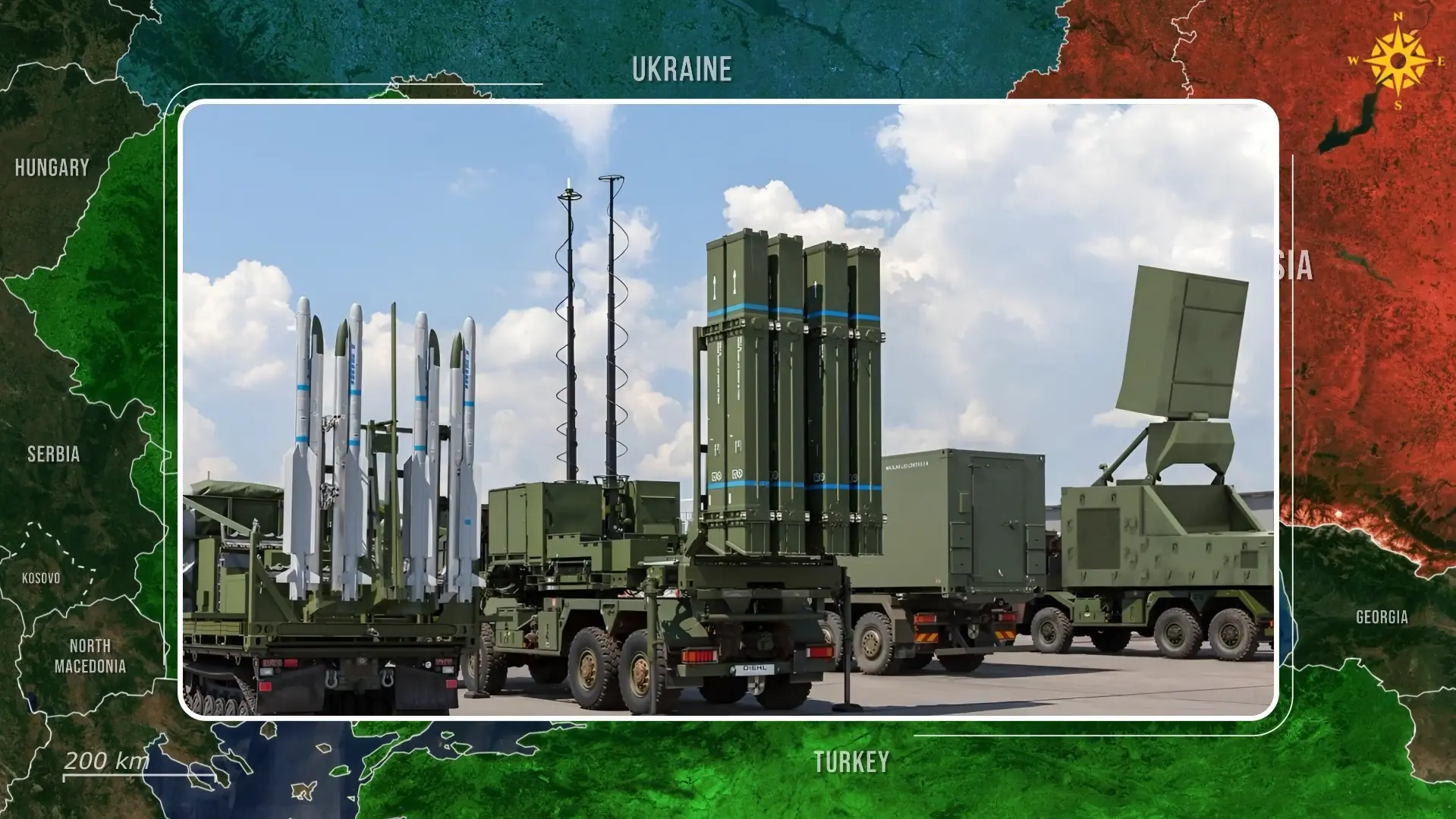
Overall, repeated attacks around Bulgaria are pushing Nato toward tighter protection of commercial shipping across the western Black Sea, with more surveillance, coastal air defenses, and faster tracking of incoming drones. As Sofia strengthens its defenses and coordinates more closely with Nato, Russian drones operating near Bulgarian waters will face a denser network of sensors and interceptors covering the routes used by civilian vessels. Further attacks will give Bulgaria and other Black Sea members stronger reasons to expand patrols and air defense coverage, bringing Nato military assets closer to the areas where Russia is conducting its maritime campaign. Russia’s effort to isolate Ukraine at sea is therefore creating the conditions for a larger Nato presence along the same shipping routes Moscow is trying to disrupt.

.jpg)

Comments