

.svg)
Today, the biggest news comes from the Russian Federation.
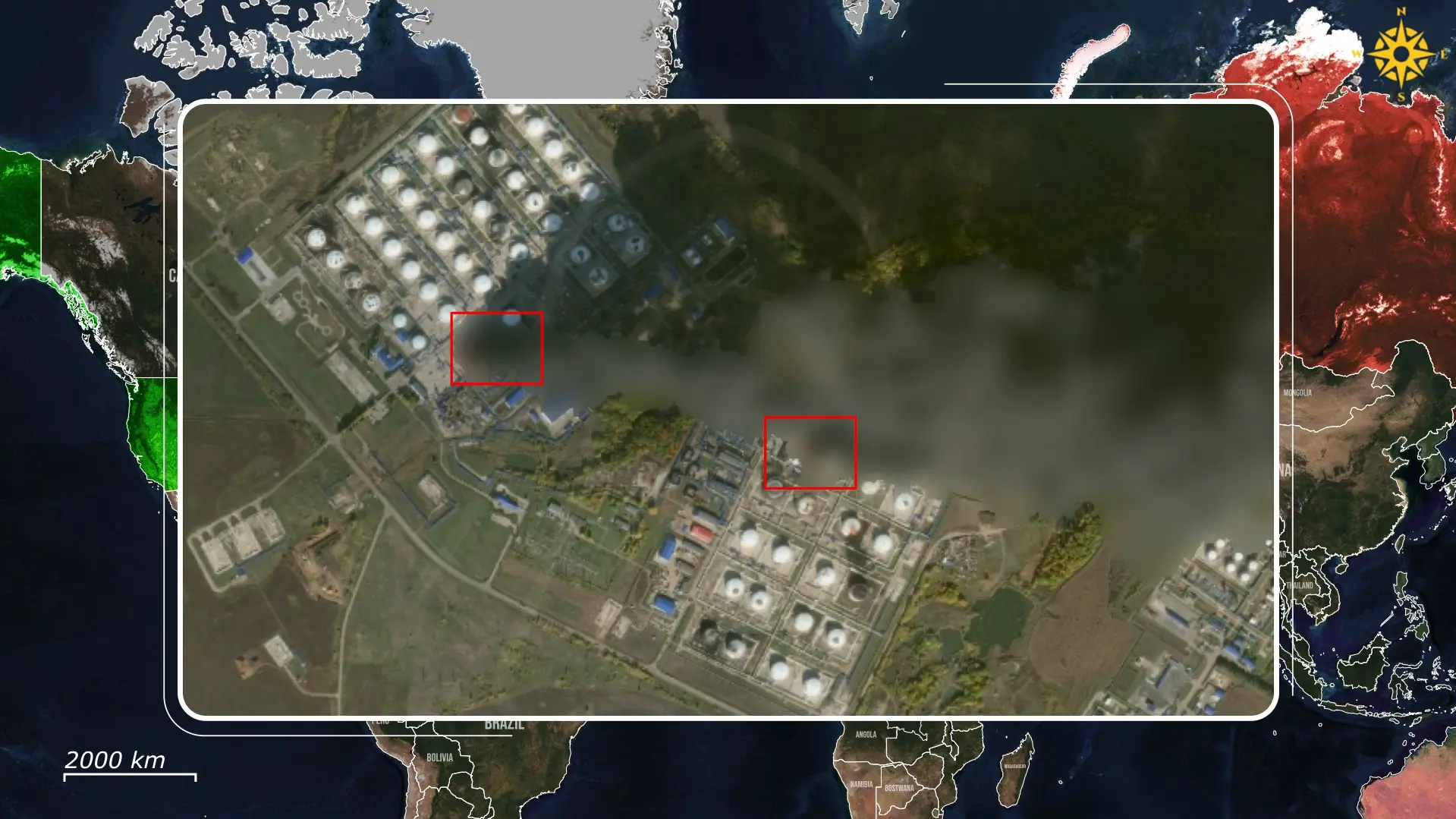
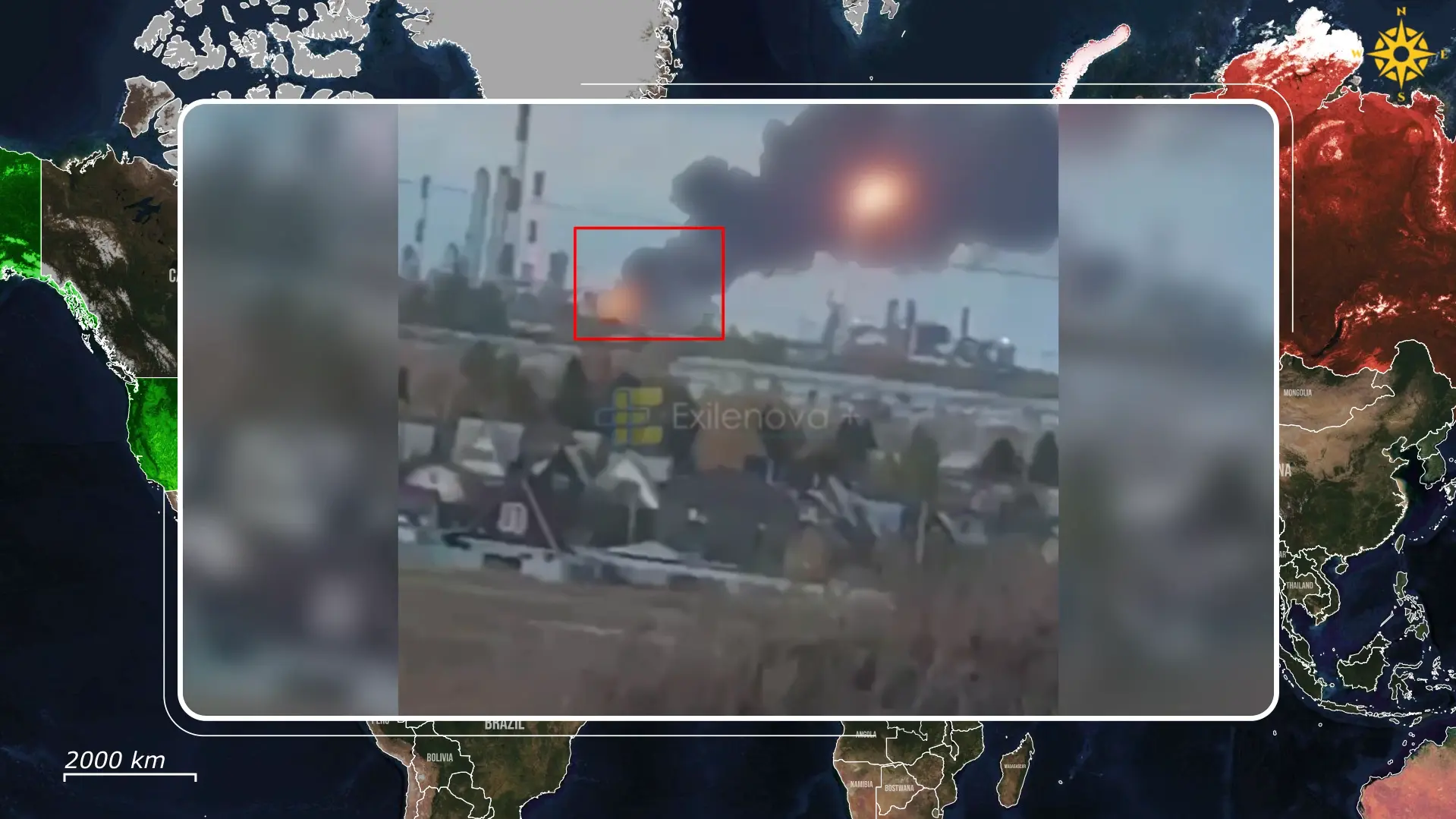
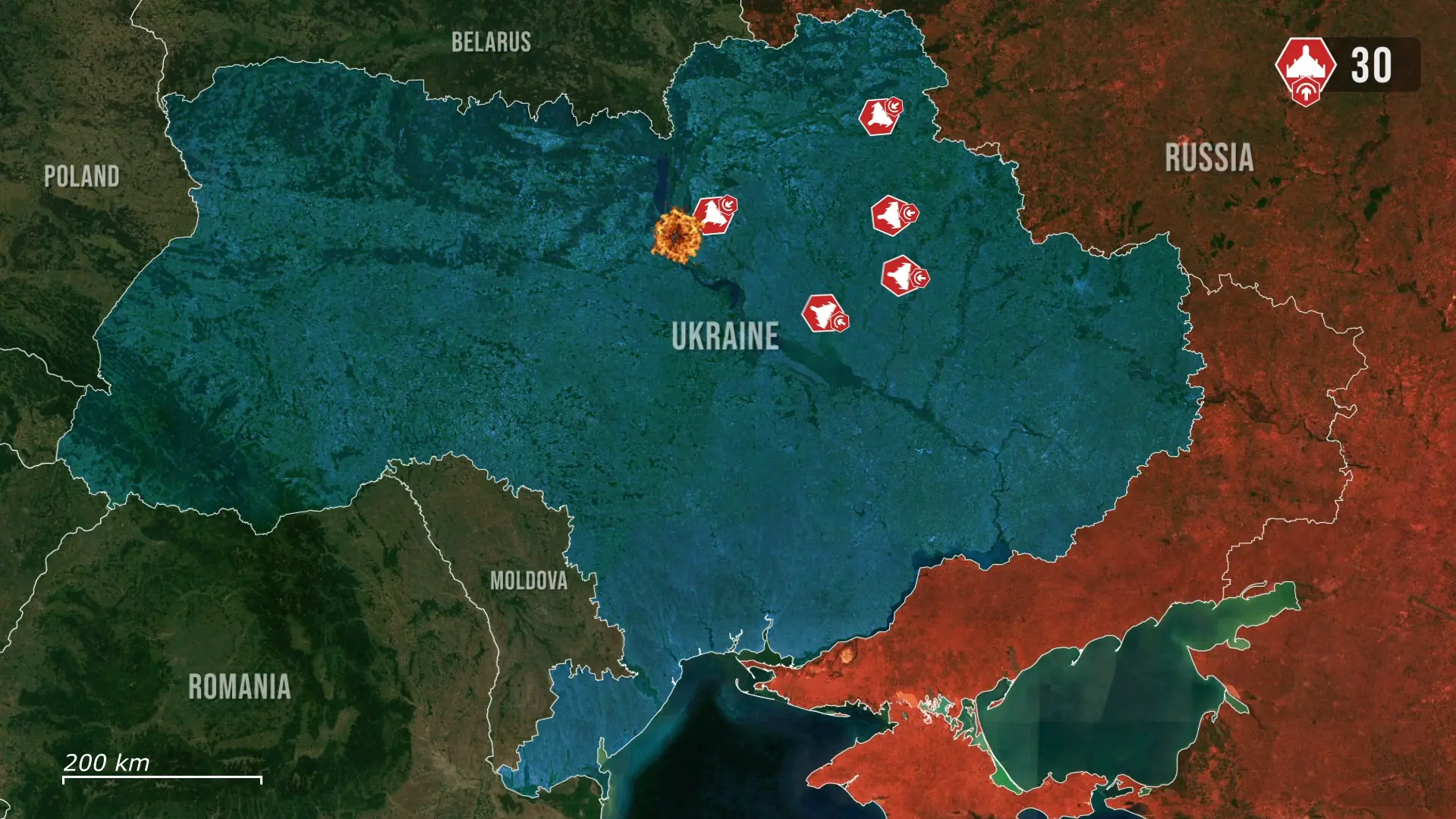
Russia openly rejected Trump’s energy ceasefire, as Russian Foreign Minister Sergey Lavrov said he does not think Zelensky deserves a ceasefire. In response, Ukraine went all in and destroyed Russia’s most important oil pumping stations and loading facilities. Ukrainian drones struck storage tanks at the oil loading terminal of Russia’s Novoshakhtinsk petroleum products plant in Rostov.
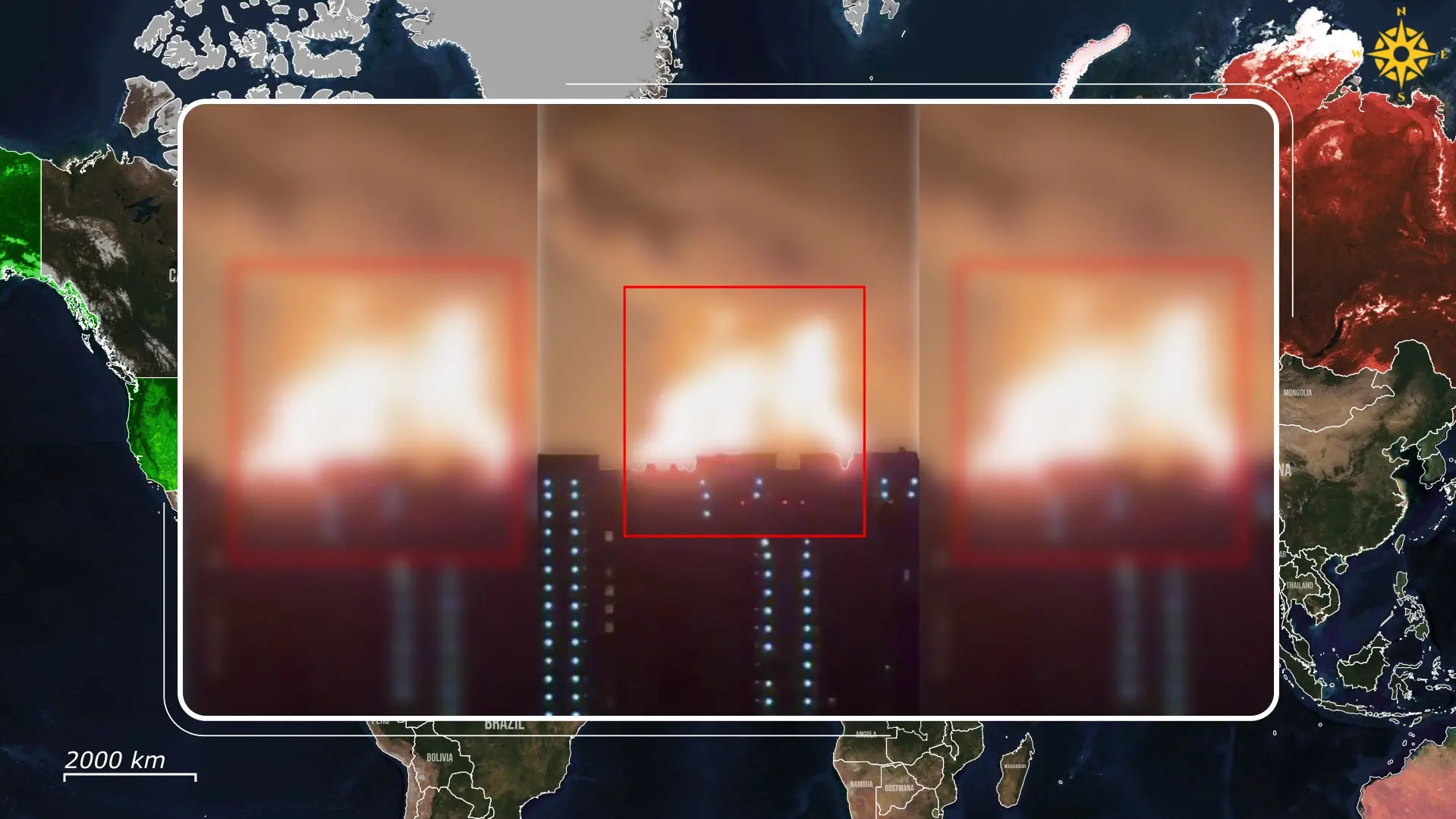
The facility serves as a transshipment hub used for fuel storage and maritime export, while functioning as a critical logistical node supplying fuel to Russian forces in southern Ukraine. Ukrainian forces then struck the Samara oil pumping station, which is a major hub for receiving, storing, and blending crude delivered by pipelines from Tatarstan and Western Siberia. The facility is also supplying the Russian military, which is why Ukraine targeted it three times in several days. After this strike, Ukrainian drones set an oil depot in Belgorod Oblast ablaze, destroying it.
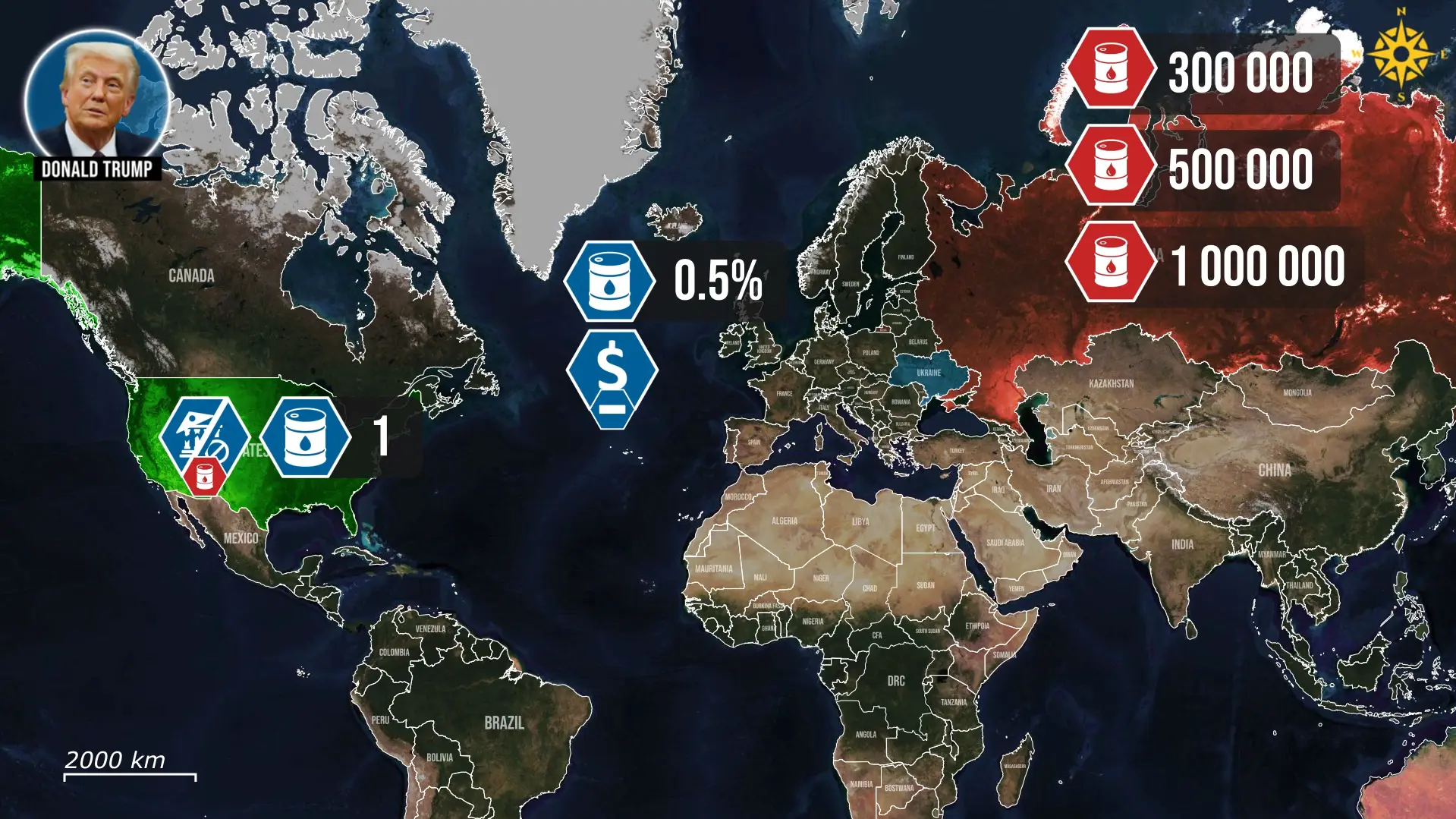
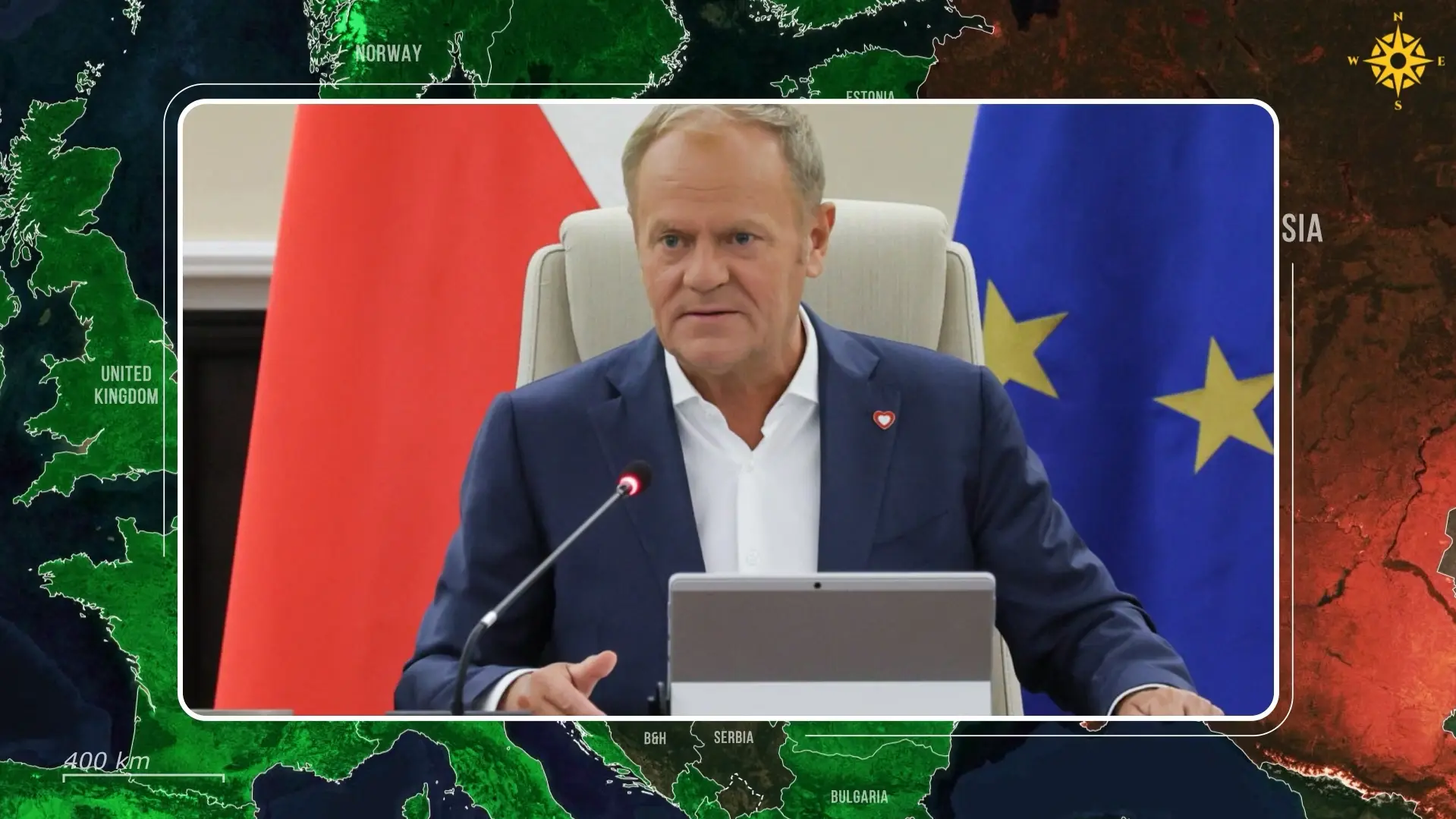
These strikes come after Donald Trump announced a deal with Russia, allowing it to supply diesel to the American and global markets, with the US temporarily lifting related sanctions. Russia promised more than three hundred thousand metric tons immediately, another five hundred thousand tons in November, and one million tons shortly thereafter. These volumes are modest relative to demand because the initial three hundred thousand tons equals less than one day of US consumption. Taken together, this much diesel, which will be released on three separate occasions, is only around zero point five percent of diesel consumption globally in a day, which means this amount wouldn’t influence the global price of diesel at all. More importantly, Russia could only deliver the promised amounts if its damaged refineries restart and Ukraine pauses attacks on them. Notably, Ukrainian strikes have reduced refining capacity by up to fifty percent, which forced Russia to import diesel rather than export it. What makes this deal even more critical is that Russia can earn up to seven billion dollars by selling diesel to further fuel its war against Ukraine, while global prices won’t decrease because the increase in supply is so small.
Although Ukraine opposed the deal, it initially held back from striking Russian refineries after the agreement was announced. Kyiv had been prepared to continue these attacks, but the deal between Trump and Putin offered concessions to Moscow without providing Ukraine with anything in return. Ukrainian President Volodymyr Zelensky made it clear that Kyiv was willing to agree to a mutual halt on attacks against energy infrastructure, provided that both sides respected the arrangement. However, Russia has now broken the arrangement, prompting Ukraine to resume its campaign against Russia's oil industry. The first target was Lukoil's Ukhta oil refinery, which can process approximately four point two million tonnes of crude oil annually, producing gasoline and diesel. It also supplies fuel and lubricants to Russian forces, making it an important part of the country's military supply network.
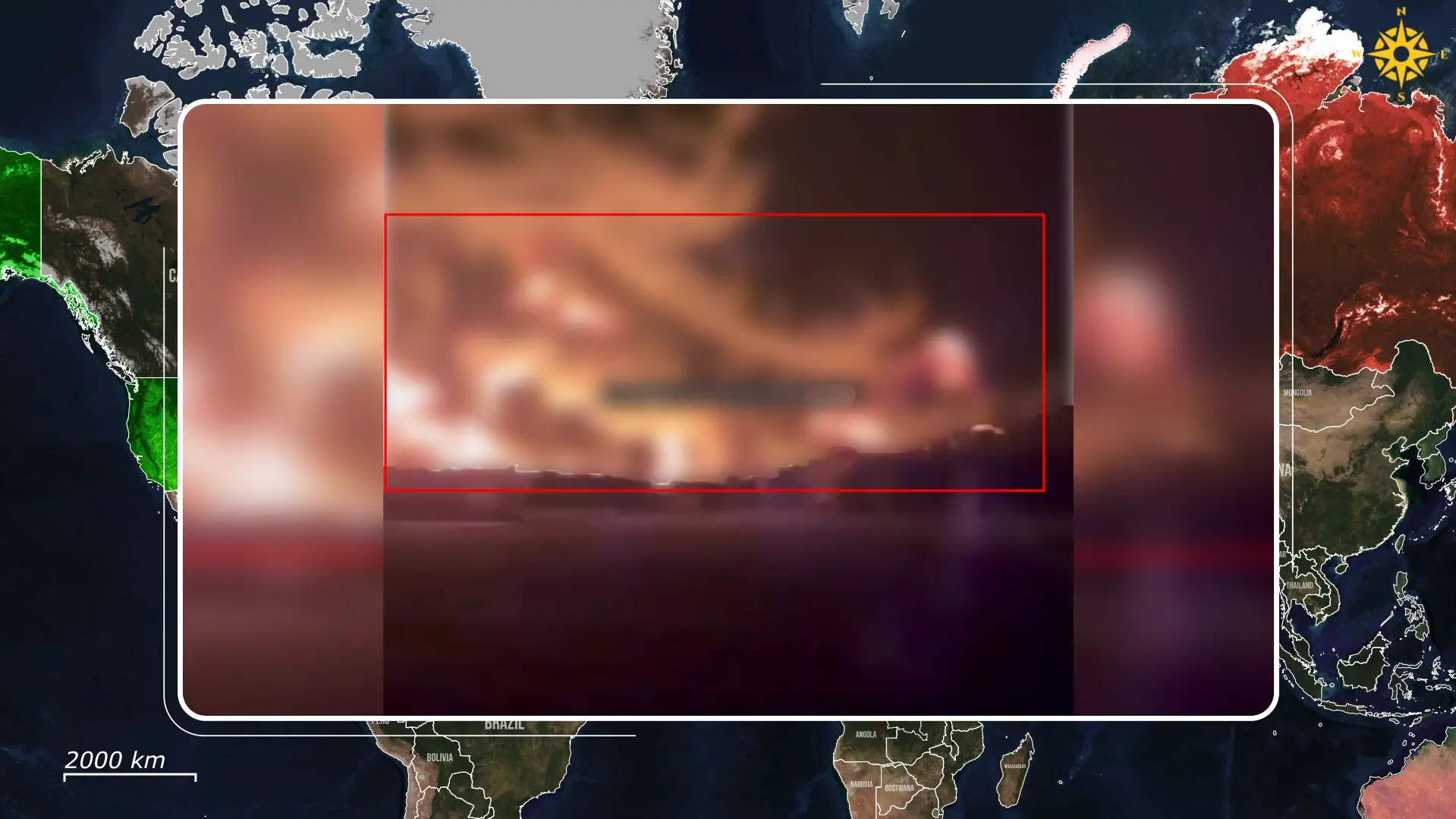
Ukraine then struck the Omsk Oil Refinery, Russia's largest refining facility, which processes more than twenty-two million tonnes of crude oil per year, accounting for roughly ten percent of the country's total refining capacity. At the same time, Ukrainian drones targeted the Gazprom Neftekhim Salavat refining and petrochemical complex. The complex can process up to ten million tonnes of hydrocarbons annually, making it a significant producer of refined petroleum products and petrochemicals.
Overall, Russia is trying to turn a temporary energy agreement into a financial lifeline, but its ability to profit depends on keeping the very infrastructure Ukraine is systematically targeting operational. By striking pumping stations, storage facilities, and refineries, Ukraine is attacking not just Russia’s oil revenue, but also its ability to move fuel to the front lines and deliver on promises to international buyers. This creates a dilemma for Moscow because if it cannot fulfill its agreement with the US, Russia will miss out on earning billions of dollars, which it desperately needs.

.jpg)

Comments