

.svg)
Today, the biggest news comes from Ukraine.
Here, for the first time in twelve years, Ukraine has established a consistent drone presence over Crimea, creating a situation that would have been almost unthinkable only one year ago. According to Ukraine’s Unmanned Systems Forces, the four hundred and fourteenth Brigade Birds of Magyar carried out more than seven thousand missions over the summer as part of the Crimean Operation, with its drones repeatedly flying dozens of kilometers across the peninsula toward Russian targets.
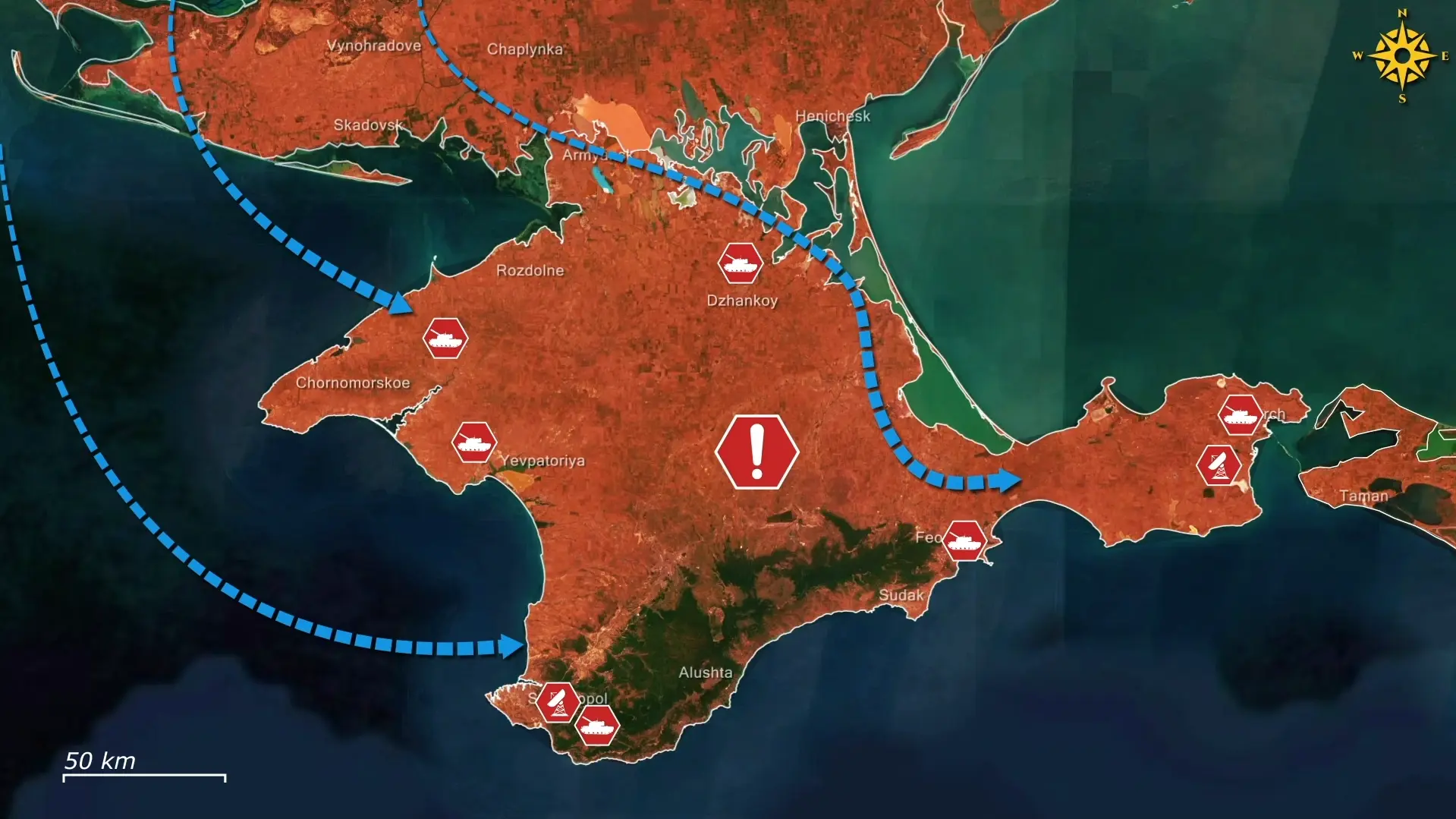
The scale of these operations is what makes the development so important, because Ukrainian drones are returning often enough to maintain constant pressure across Crimea. Russian forces now have to prepare for repeated attacks, turning Ukrainian drone activity over the peninsula into a regular occurrence of the battlefield.
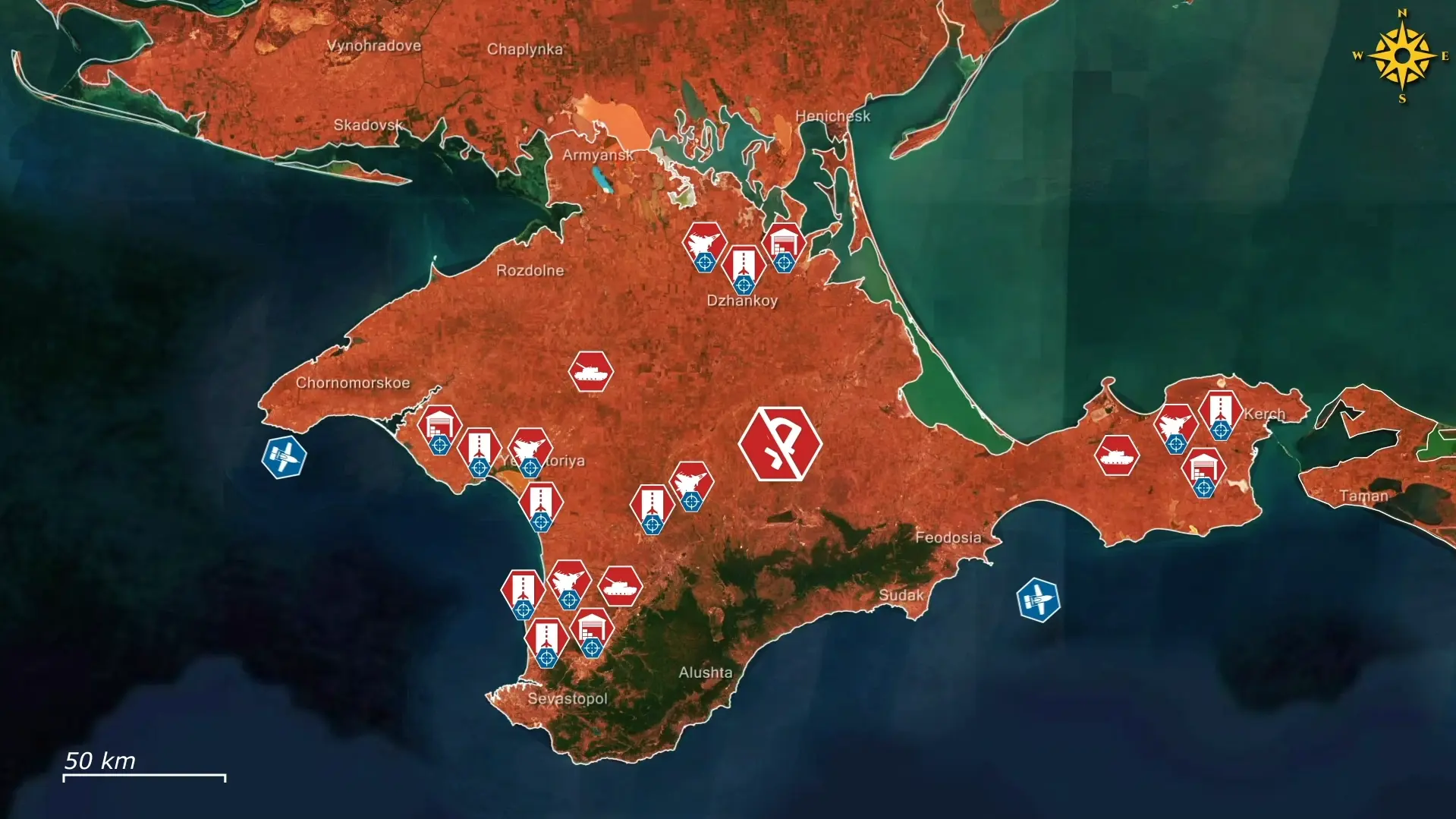
Ukraine achieved this by first attacking the systems Russia uses to detect and shoot down incoming drones. In late August, Ukrainian forces struck a Nebo-SV radar, elements of a P-eighteen radar, and communications equipment near Olenivka, while a relay station near Frunze and a Russian military training center in Sevastopol were also hit.
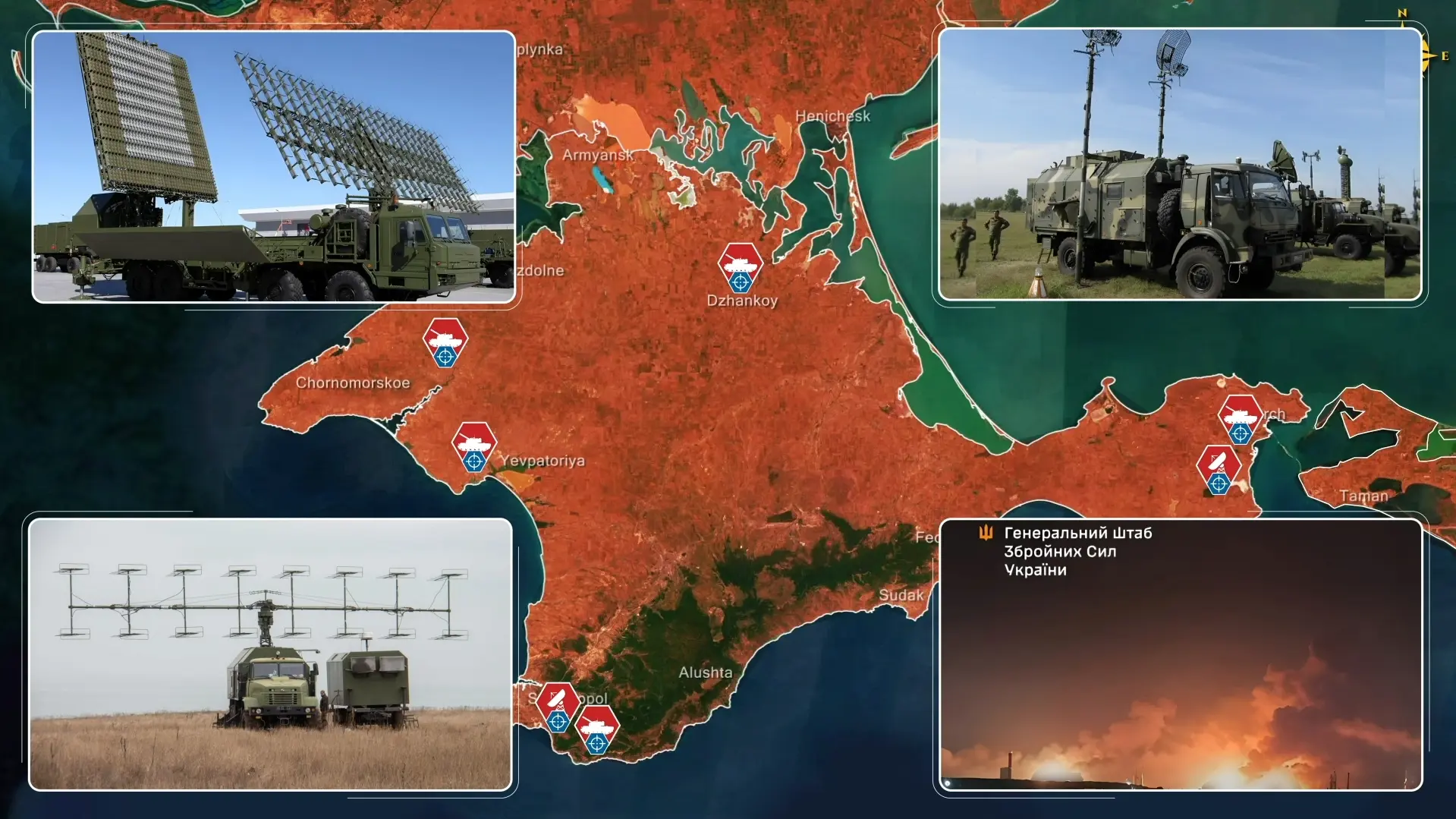
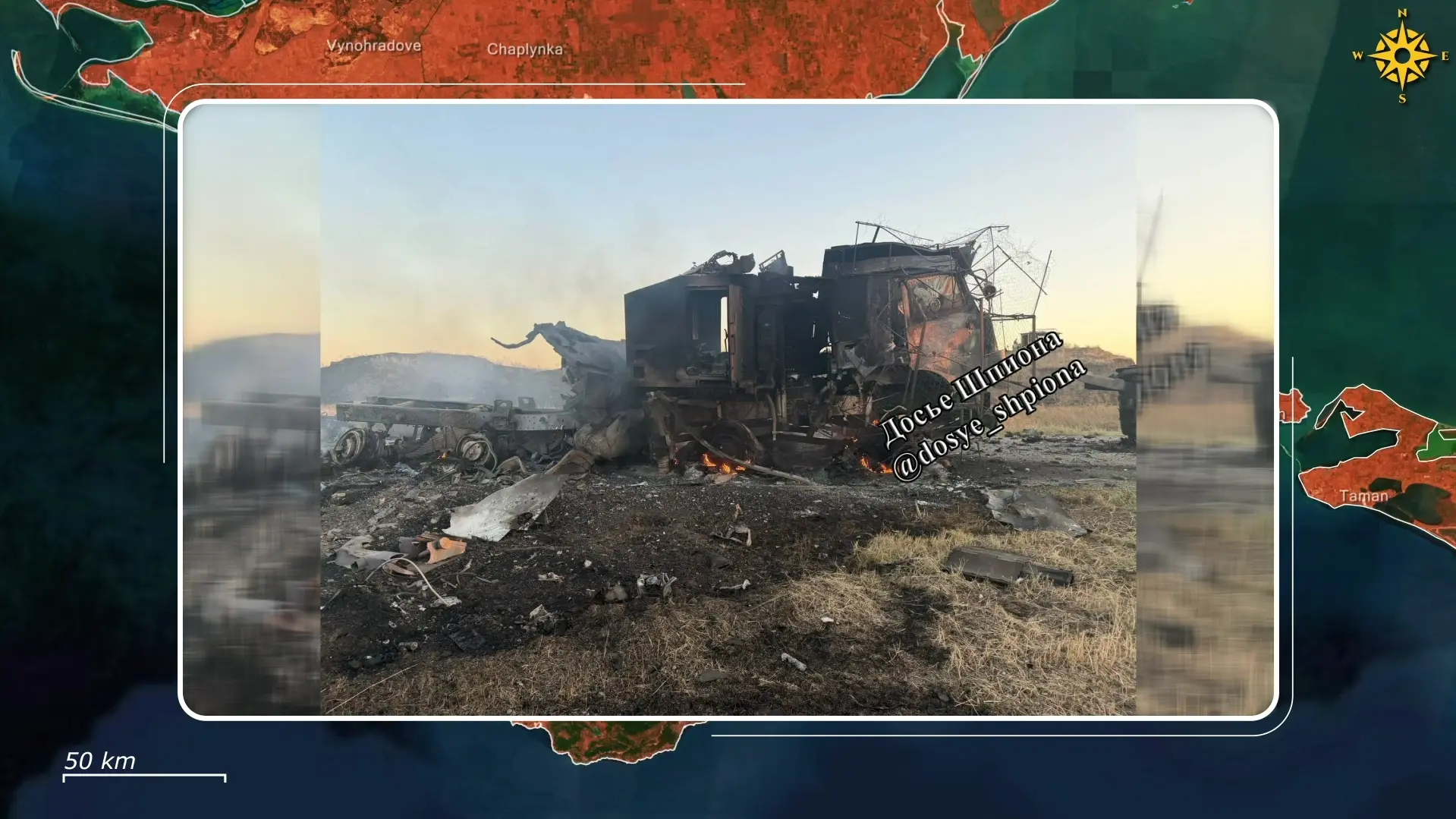
These systems help Russia detect incoming drones, track their route, and guide nearby air-defense units toward them before they can reach their targets. Just days later, Ukrainian strikes destroyed a Russian Pantsir-S-one air-defense system near Kerch, removing one of the weapons meant to intercept drones and missiles at shorter ranges. Losing these systems creates a much bigger problem than the loss of the equipment itself, because strikes on radars, communications equipment, and air-defense launchers open gaps throughout Russia’s defensive network. Each new gap gives later waves of Ukrainian drones a better chance of reaching more valuable targets deeper inside Crimea.
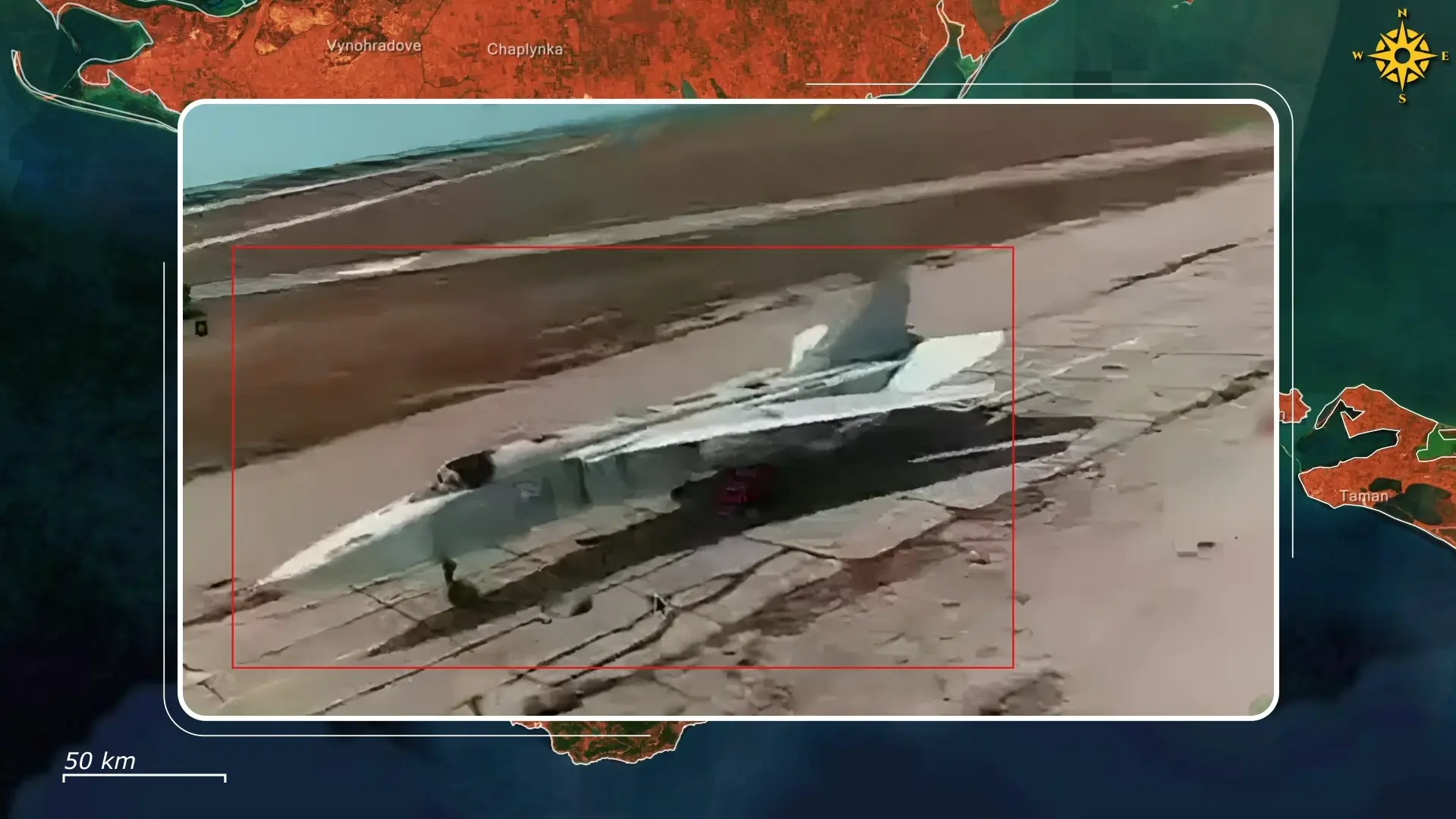
Once Ukrainian drones get through those defenses, the next targets are the airfields and aircrafts Russia keeps behind them. On August twentieth, Ukraine struck Saky airfield near Novofedorivka, destroying a Russian Su-twenty-four-M and four pieces of airfield support equipment. The strike showed that Ukrainian drones could reach Saky itself and destroy an aircraft on the ground together with equipment needed to keep the airfield operating. More importantly, overnight into September seventh, Ukrainian intelligence reported another successful strike on a Russian Su-twenty-four frontline bomber at Saky airfield, showing that even weeks after the previous attack, Russia had still not managed to keep Ukrainian drones away from its aviation. Russian airbases remained exposed to repeated Ukrainian attacks, even after commanders had already seen what Ukrainian drones were capable of reaching.
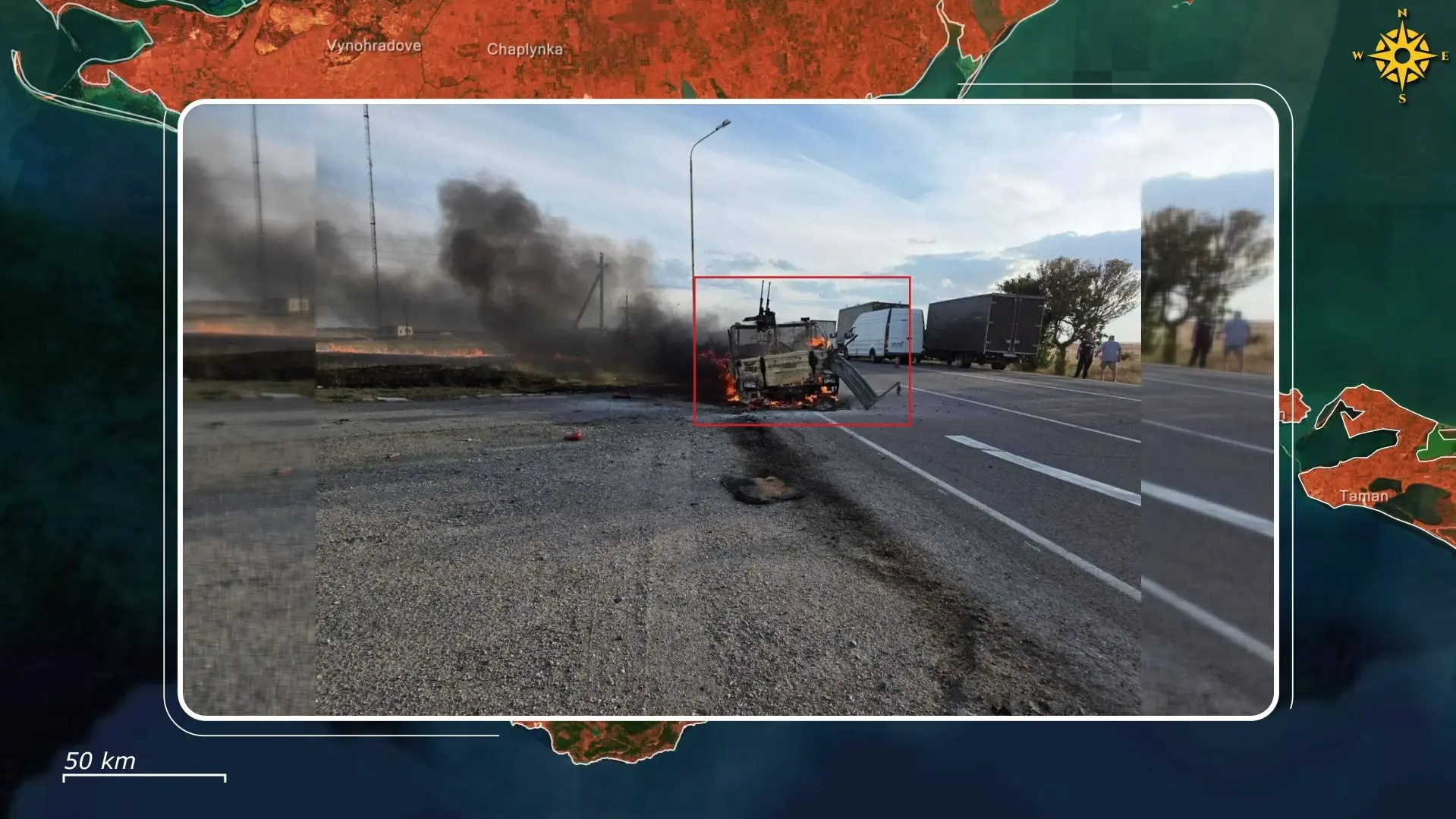
The real problem for Russia is that Ukraine keeps coming back before the damage from earlier strikes can be fully repaired. Replacing lost systems, relocating surviving aircraft, and reinforcing exposed bases all take time, giving Ukraine another window to strike before Russia can restore the same level of protection. Another Ukrainian attack can then force commanders to move resources again and restart parts of the recovery process. The October seventh strike near Dzhankoi showed that even these attempts to strengthen local defenses can be targeted, as Ukrainian forces hit a Russian mobile fire group, killing one serviceman and wounding another. Russia deploys these groups to hunt low-flying drones that slip past larger air-defense systems, while Ukraine can now target those smaller defensive units as well, making it harder for Russia to close the gaps left by earlier strikes. One weakness is repaired, another area needs more protection, and the pressure keeps moving across the peninsula.
Overall, the biggest change is that Crimea can no longer be treated as a secure rear area where Russia can base aircraft and other high-value assets with the same confidence as before. Protecting the most important airfields and bases means moving more systems toward them and potentially leaving other targets with less protection, while spreading those defenses across the peninsula makes it harder to protect any one location properly. Ukraine does not need to destroy every Russian air-defense system to benefit from this situation, because keeping enough drones in the air already forces Moscow to move defenses in response. If that pressure continues, Crimea will become increasingly expensive for Russia to use as a military rear area, even on days when Ukrainian drones do not destroy anything.

.jpg)

Comments