

.svg)
Today, there are dangerous updates from the Russian Federation.
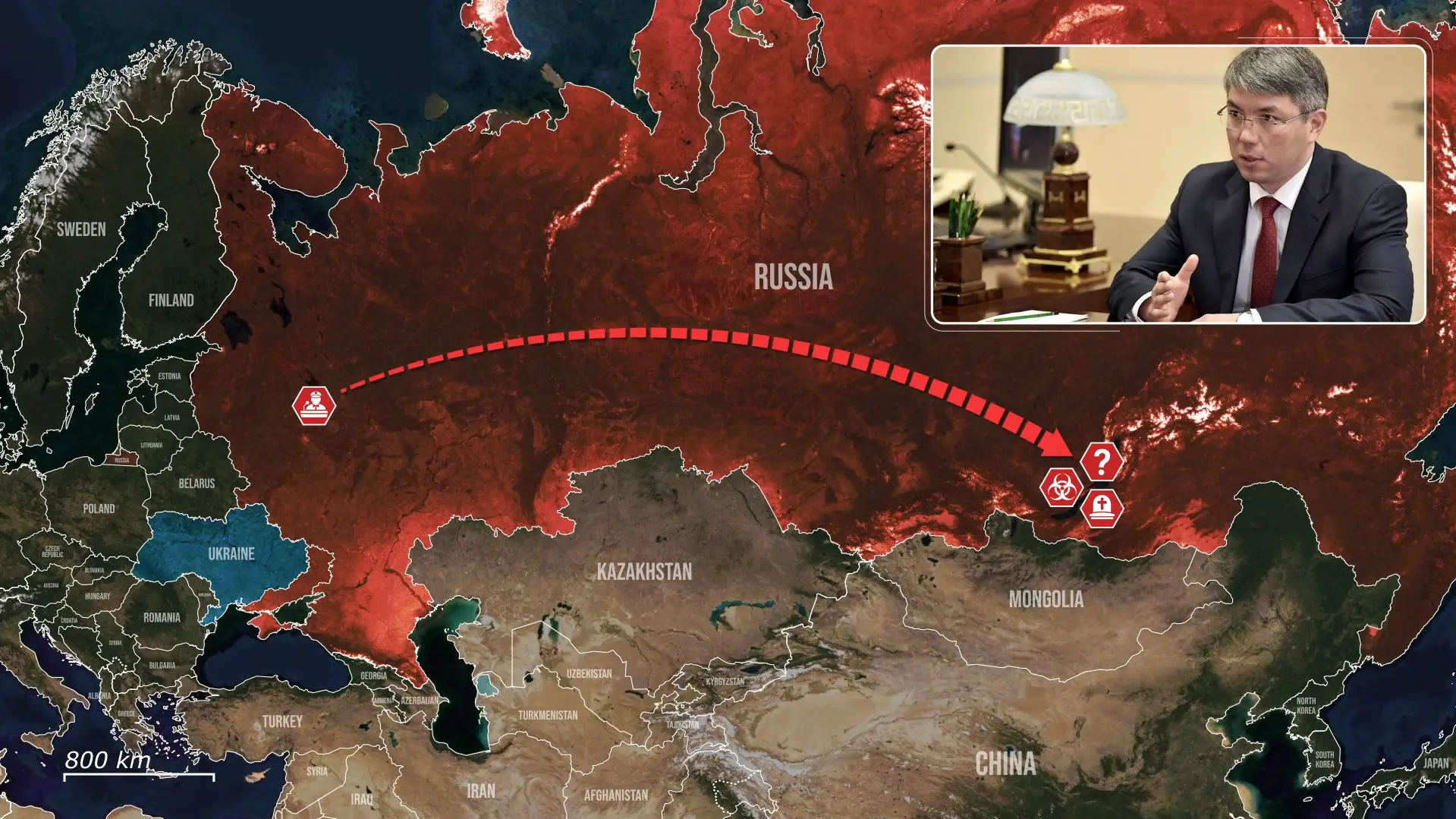
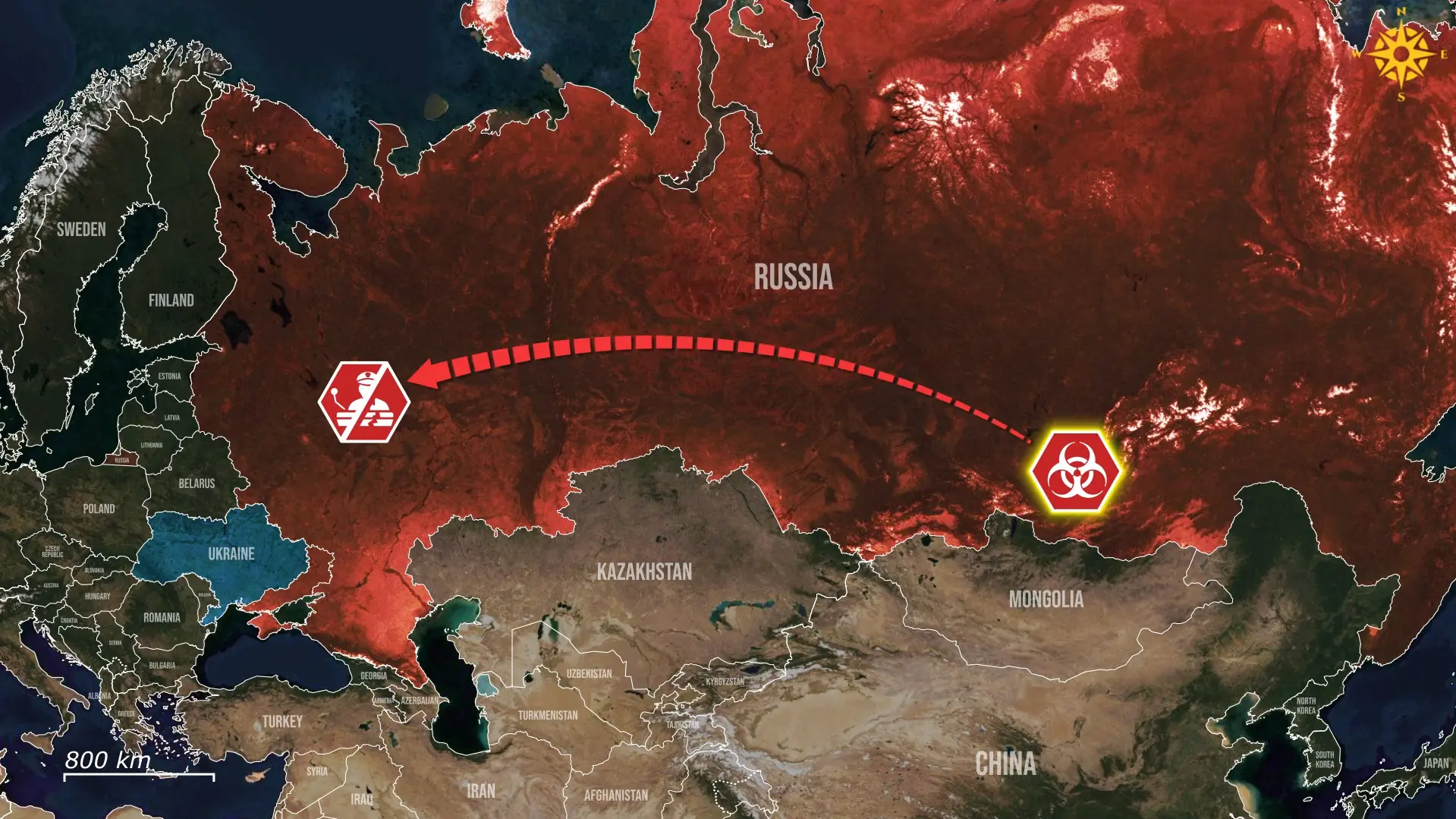
Here, Russia is facing an extraordinary plague outbreak in Siberia after a young laboratory worker died from a mysterious, severe pneumonia, and nearly two hundred potential contacts were placed under medical observation. Daria Shipilova, twenty-eight years old, worked at the Irkutsk Anti-Plague Research Institute and deteriorated rapidly after falling ill. The whole hospital was quarantined, public events were canceled, and Russia’s top public-health official Anna Popova traveled thousands of kilometers from Moscow to coordinate the response. Yet Russian authorities insist the regional situation remains stable, and that is where Russia’s story becomes increasingly strange.
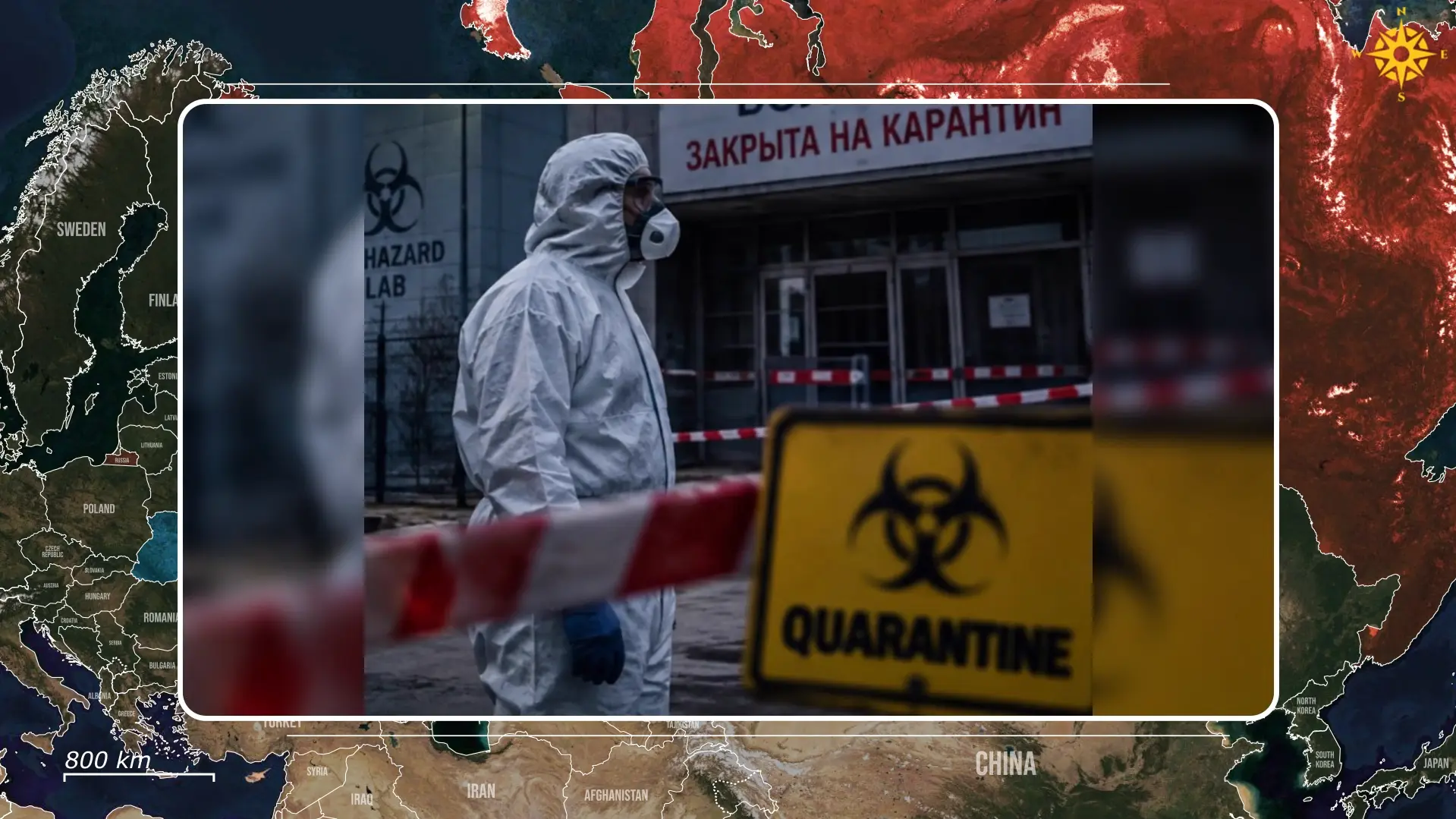
According to the officially reported version, the lab official accidentally broke a test tube containing live plague bacteria while working. But Russian epidemiologist Mikhail Favorov publicly questioned that explanation, arguing that specialists handling dangerous pathogens work in protective equipment and describing infection through such an accident as unlikely. He also argued that the immediate arrival of the highest-ranking health officials in Russia indicates authorities were treating the situation extremely seriously, despite trying to project calmness to the public.
Russian authorities subsequently contradicted themselves and their own official laboratory-accident story, as they changed their version and stated that the woman died from pneumonia of unknown etiology, that testing found no microorganisms connected to her work, and that an investigation discovered no laboratory emergency involving dangerous pathogens.
Yet the precautions have been extensive, as nearly two hundred contacts were identified, several medical facilities introduced quarantine measures, preventive restrictions appeared elsewhere, and authorities launched an investigation. Meanwhile, officials initially avoided publicly identifying the suspected disease. One of the local leaders, Alexei Tsydenov, initially wrote that the woman had died from plague before subsequently modifying the statement to say she possibly had.
That combination has inevitably produced accusations of a cover-up, with the discrepancy obvious, as Moscow publicly minimizes the danger while simultaneously implementing measures appropriate for a potentially serious infectious incident.
The Kremlin has powerful reasons to prevent panic, as a genuine outbreak spreading beyond isolated contacts could force quarantines of whole towns, disrupt transportation and industrial production, consume medical resources, and create serious public anxiety at a time when Russian society is already on high alert as it feels the economic consequences of Putin’s campaign in Ukraine.
These consequences can become even more dangerous, as the Russian war machine depends upon enormous logistical networks moving soldiers, equipment, and ammunition across the country. A major infectious outbreak affecting transportation hubs, military facilities, or mobilization centers could interfere with troop rotations and training. Quarantines could remove personnel from duty, while outbreaks among tightly concentrated soldiers could temporarily disable entire formations, ending Putin’s war earlier than expected, as large-scale health restrictions would create another demand on government finances and manpower precisely when Moscow needs both elsewhere.
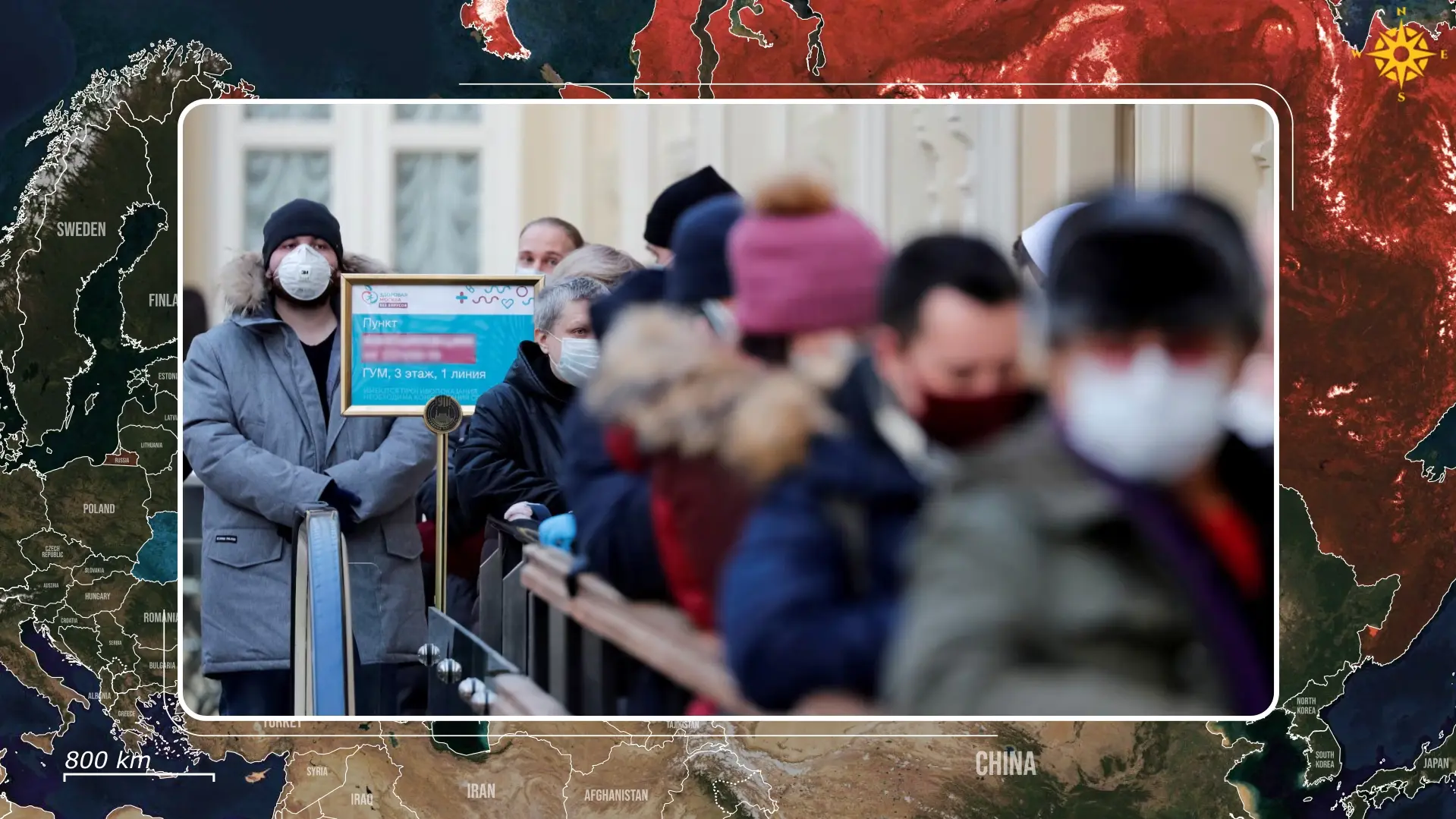
Overall, for the Russian government, controlling information may therefore become almost as important as controlling the medical situation. Russia has a long history of secrecy surrounding major disasters, from the nuclear power plant disaster in Chornobyl during the Soviet Union to the Kursk submarine sinking catastrophe, which Putin tried to hide at the beginning of his reign twenty-six years ago. Whether the event in Irkutsk ultimately proves to be a plague outbreak, another more common infection, or an isolated laboratory incident without major consequences, the conflicting explanations have already created precisely what the Kremlin would want to avoid: suspicion that the official story is concealing something considerably more serious. Something that could be the final nail in the coffin not only for Putin’s war against Ukraine but also for his regime.

.jpg)


Comments