


Today, the biggest news comes from Belarus.
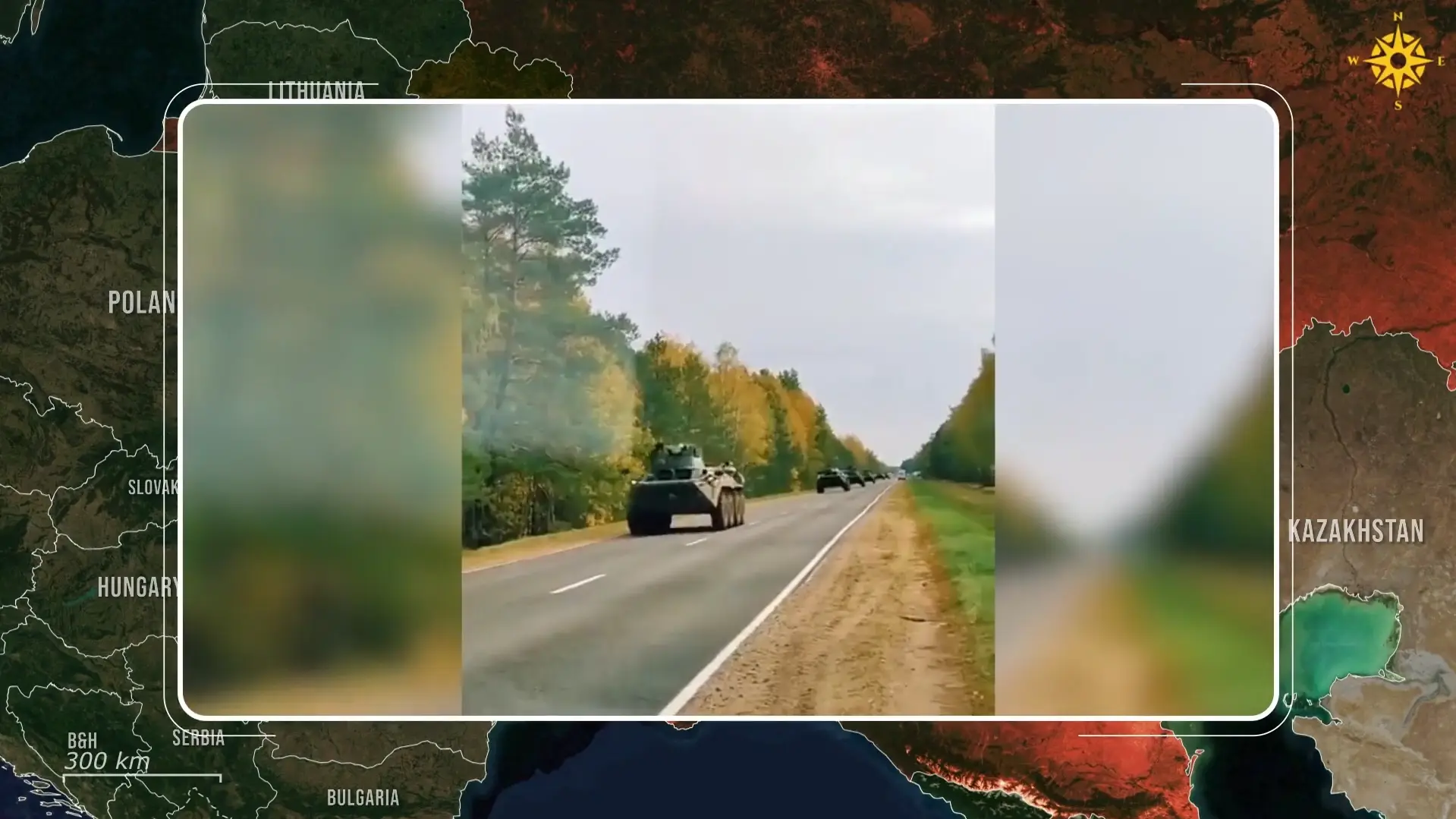
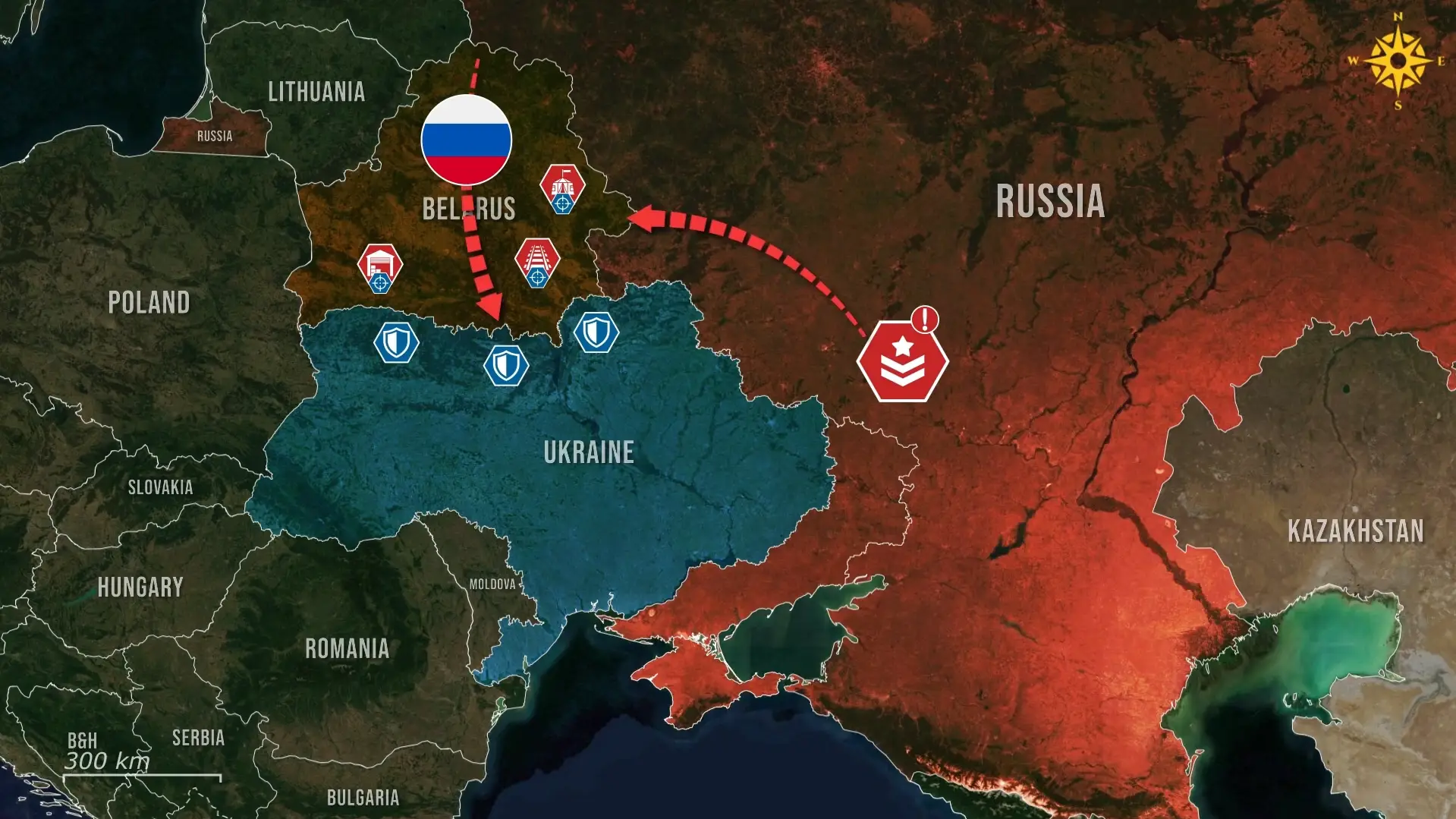
Belarus has started moving armored units toward Ukraine just after Lukashenko ordered the border service’s mobile combat units onto full readiness. Footage published from Belarus shows around ten BTR armored personnel carriers, several carrying autocannons, traveling under police escort toward Pinsk near northwestern Ukraine.
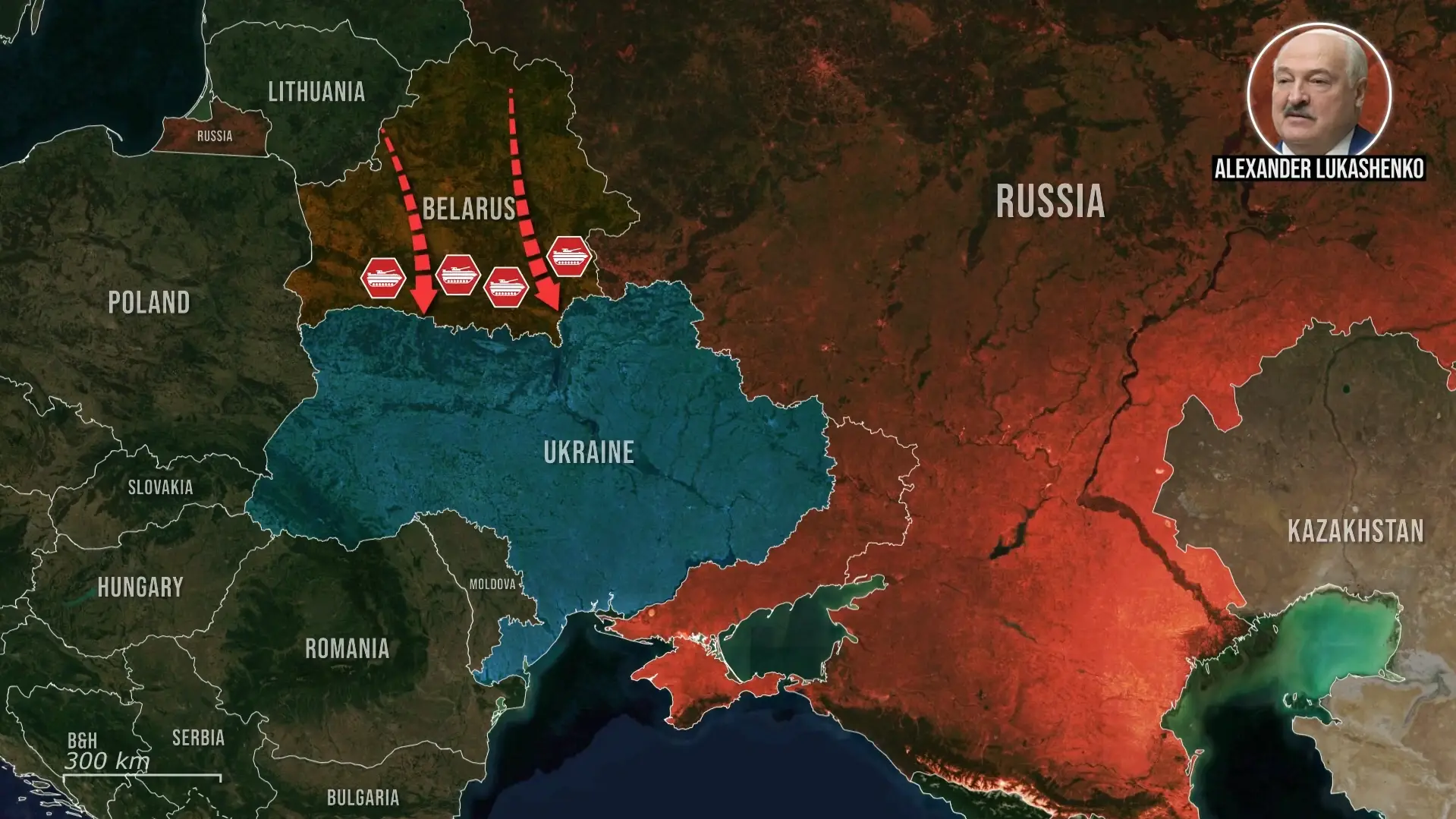
The movement comes as Belarus conducts a surprise readiness inspection of its border service, with mobile combat units across the country ordered to arm themselves, carry out military marches, and deploy to assigned sectors. Units operating in the Brest and Gomel directions along Ukraine’s border are taking part in the inspection. Only days earlier, Ukrainian border guards said they were seeing no concentration of additional Belarusian forces or equipment near the frontier and the buildup comes just as Russia is facing a much larger crisis on the opposite end of the war.
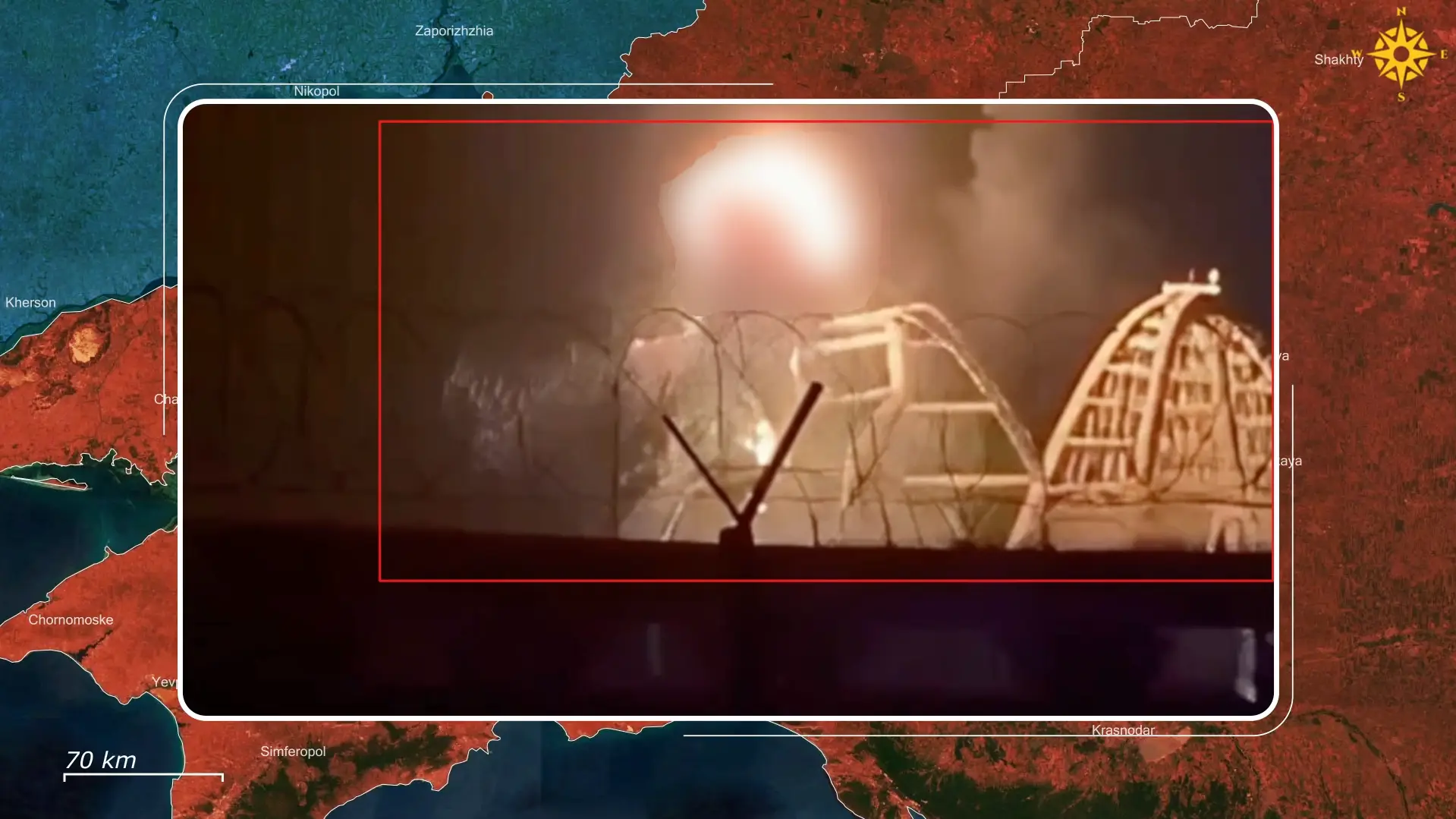
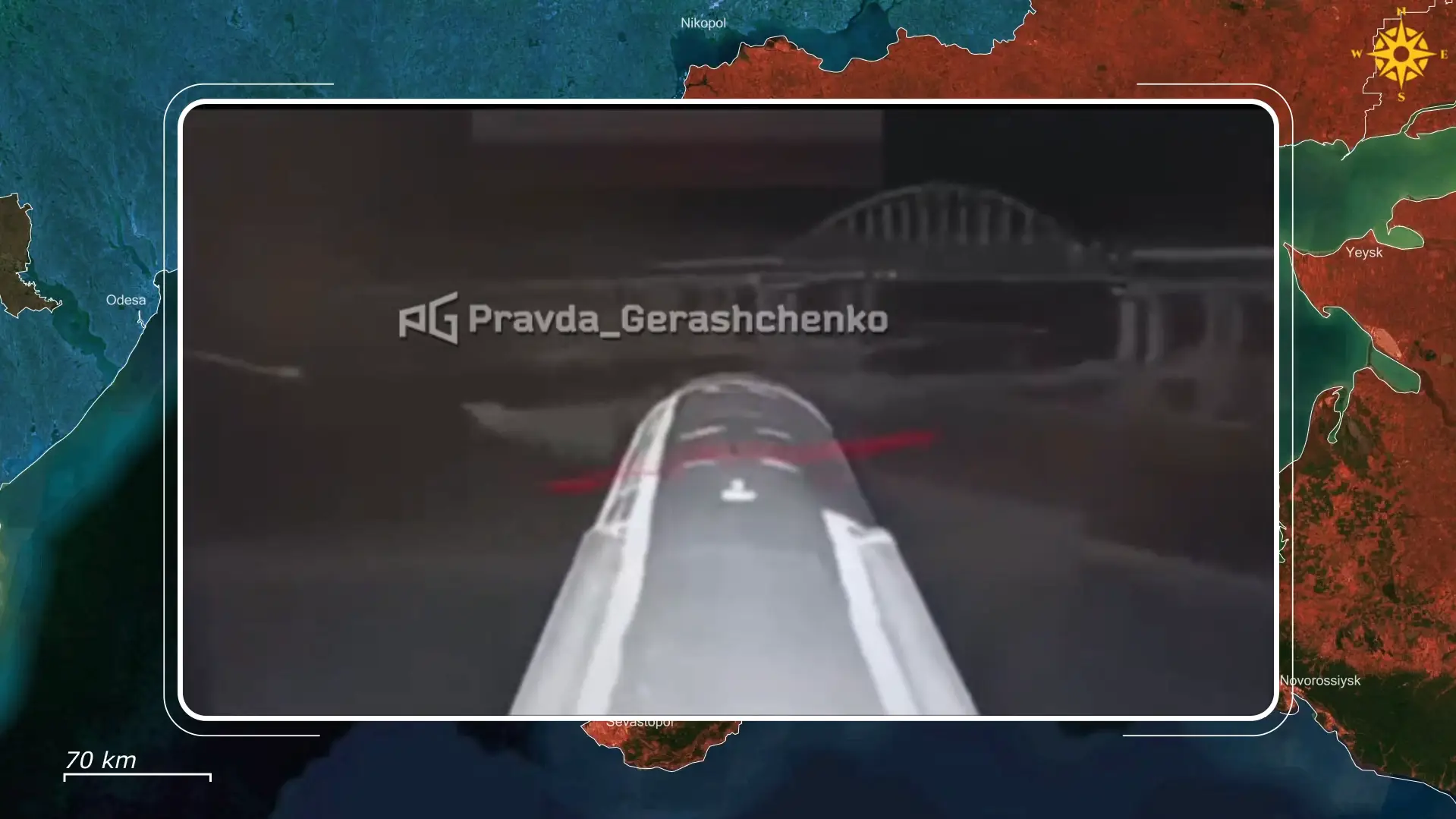
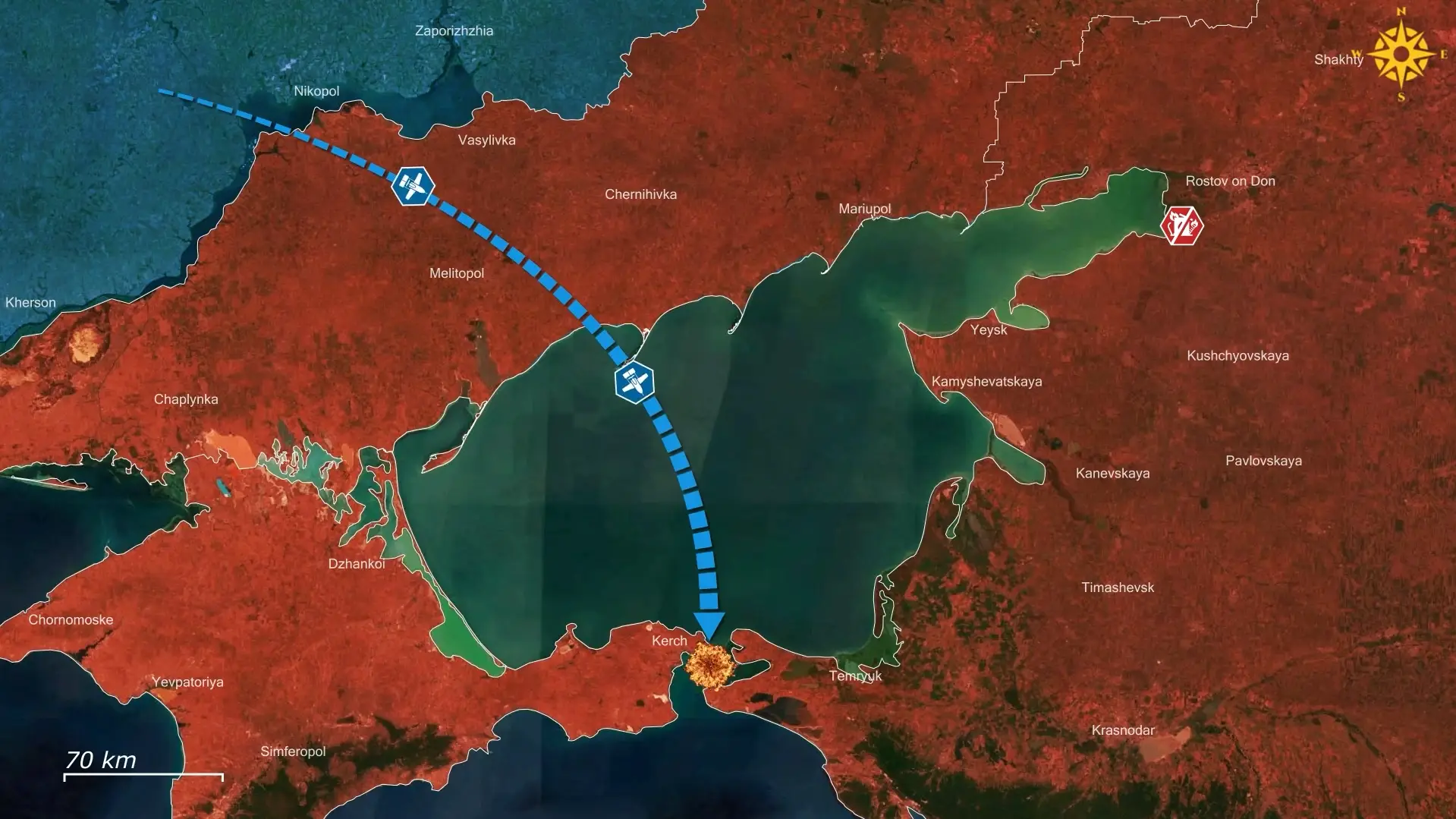
Ukraine has just destroyed the road section of the Kerch Strait Bridge and damaged its railway section, cutting into one of the two main supply routes feeding Russian forces in Crimea and southern Ukraine. Although trains have resumed using the railway section, the road connection remains severed, forcing Russia to push more of its southern traffic onto the land corridor running from Rostov through Donetsk, Zaporizhzhia, and Kherson. That concentrates more fuel, ammunition, equipment, and reinforcements onto a smaller number of exposed connections that Ukraine can keep attacking. Crimea depends on these routes to sustain Russian bases and forces across the peninsula, while the same network supports troops farther west in Kherson and Zaporizhzhia. By attacking the supply system itself, Ukraine can steadily weaken these formations without having to destroy every Russian unit in direct battle.
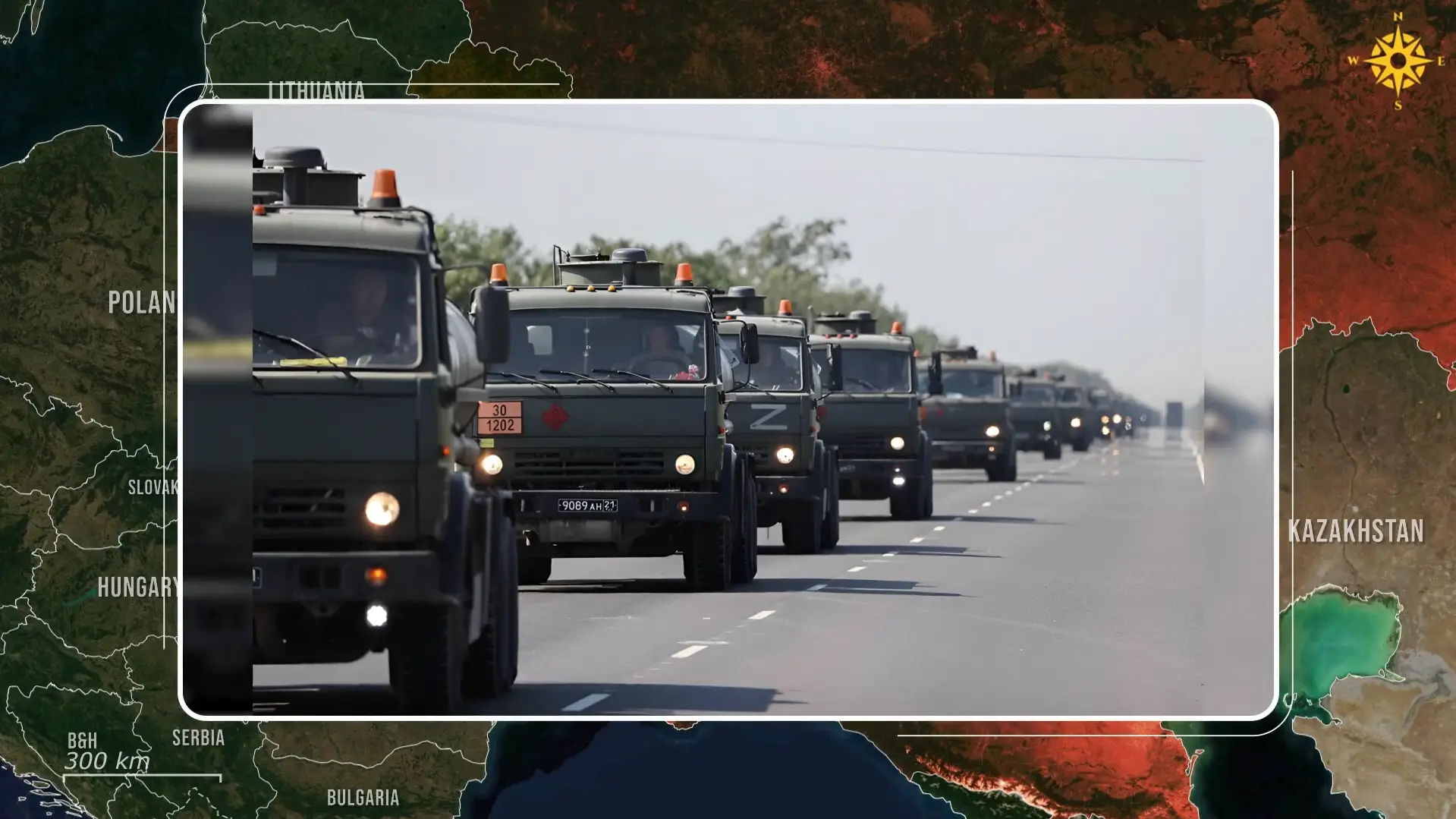
Putin now has to keep the entire southern front supplied through a shrinking number of vulnerable routes. Every Russian formation in Crimea, Kherson, and Zaporizhzhia still needs a constant flow of fuel, ammunition, spare parts, and replacements, while more of that traffic is being forced onto the same roads and rail connections Ukraine is already targeting. Each strike can delay convoys, destroy cargo before it reaches the front, and leave units waiting longer for the supplies that may never arrive every day. With the Kerch road connection severed and the remaining routes exposed, Moscow needs another way to force Ukraine to divide the resources it is using against Russia in the south.
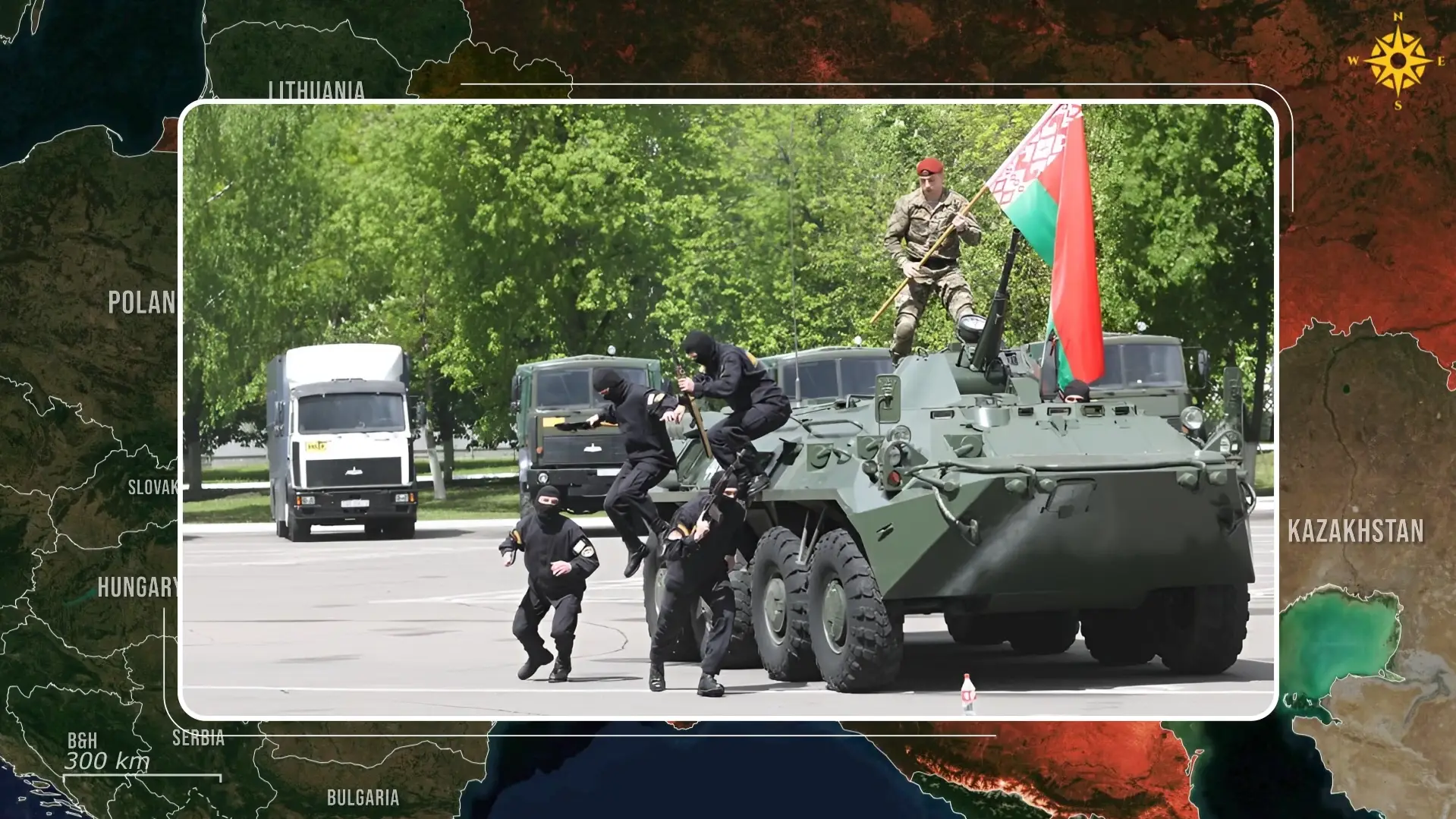
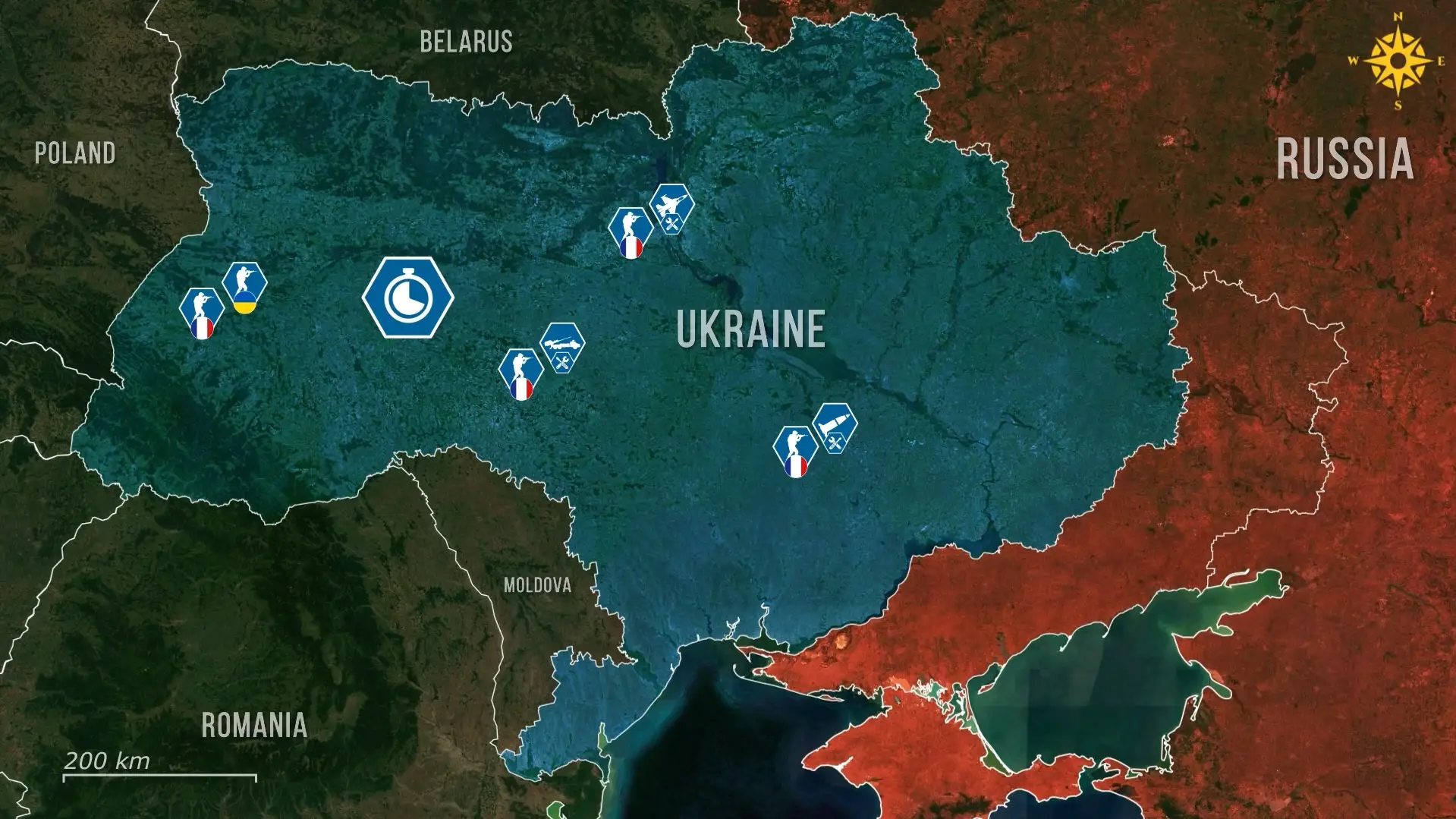
For Moscow, Belarus provides the only direction from which Russia can place direct military pressure on Kyiv from the north. The Kremlin has already tasked Russian military commanders with preparing several scenarios for another offensive toward Kyiv and Chernihiv, reviving the northern threat Russia used at the beginning of the invasion. A buildup along the Belarusian border forces Ukraine to watch these approaches, strengthen defensive positions, and keep troops and air defense assets available for the north instead of concentrating everything on the main fronts in the south. The armored units now moving toward Pinsk make that northern threat harder for Ukraine to ignore exactly when Putin needs Ukrainian resources pulled away from Russia’s exposed southern supply network.
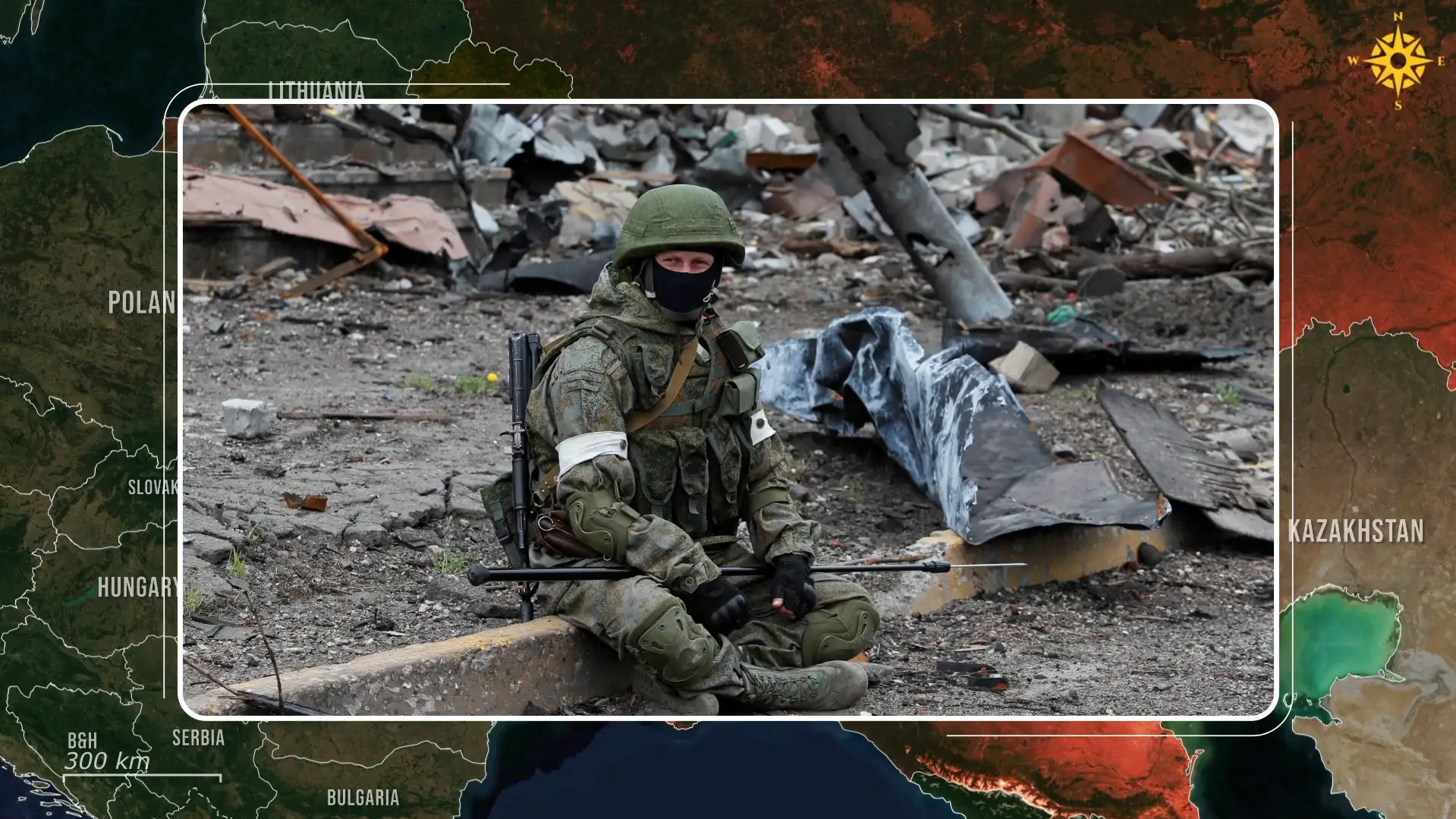
Overall, Russia’s growing dependence on Belarus shows that Moscow is running out of ways to create pressure without opening another costly front. Pushing Lukashenko deeper into the war also exposes Belarus itself, because military bases, transport hubs, and staging areas supporting an offensive become part of Ukraine’s target set. Even without crossing the border, the buildup forces Ukraine to keep assets covering the northern approaches, giving Russia a partial success simply by keeping those resources tied down. Putin’s last resort is now to make Belarus create the crisis Russia can no longer create on its own.



Comments