


On November three, the Republican Party suffered a major defeat to the Democratic Party in the United States midterm elections. The Republicans’ defeat was fueled by voter dissatisfaction over the Iran war and the resulting rise in fuel prices. According to a Fox News voter poll, more than one third of voters considered the US and Iran war an important factor in deciding how to vote in elections to the House of Representatives, while nearly six in ten viewed the United States’ decision to attack Iran as wrong. The result showed Tehran that disrupting oil supplies and raising fuel prices can also create political pressure inside the United States.
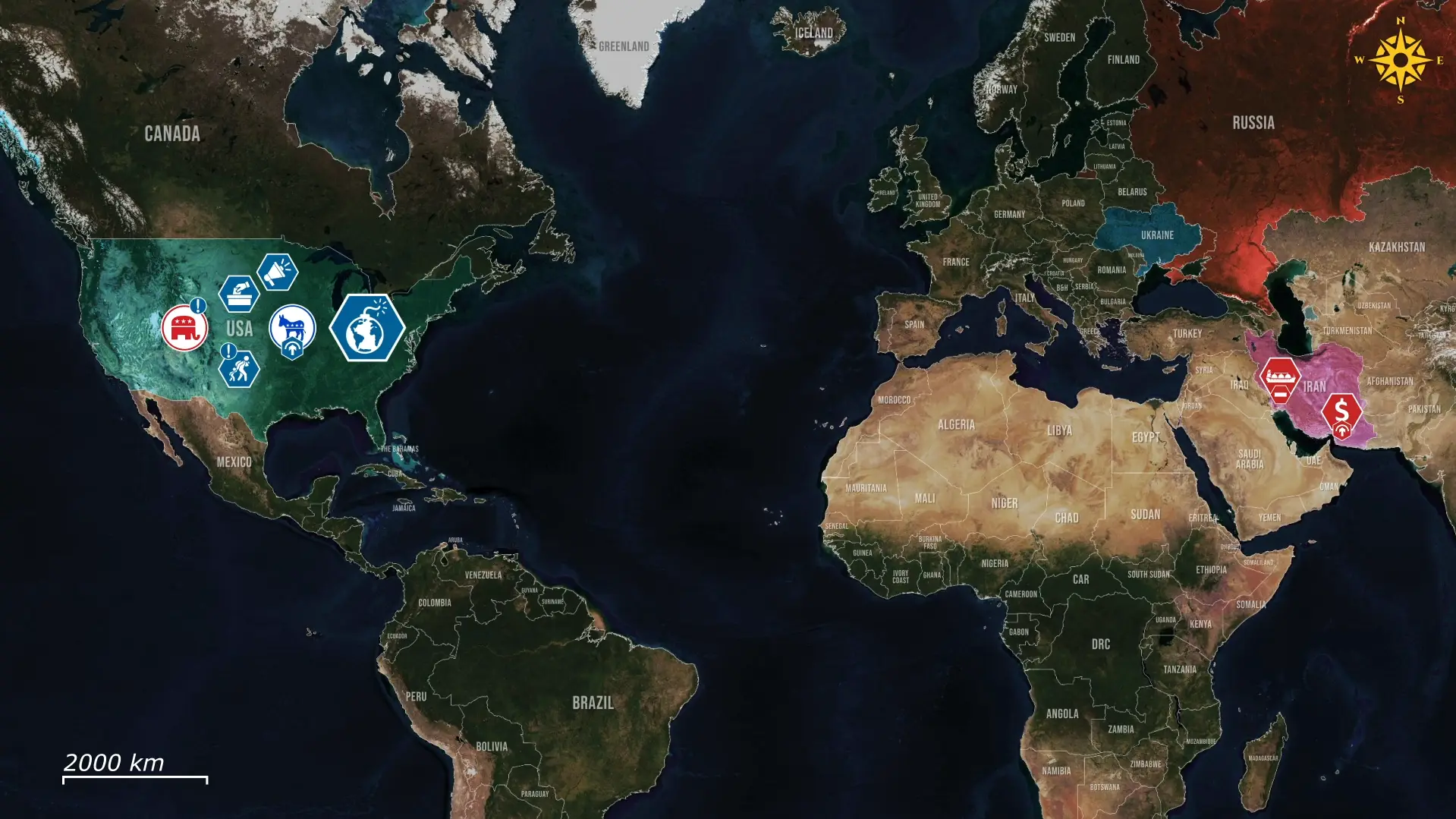
Iran has adopted a strategy that allows it to exert significant pressure on the United States and its allies without directly defeating the US military. Tehran can disrupt important parts of the global economy, reducing the supply of oil, gas and other goods while making transport and production more expensive. Businesses pass these additional costs on to consumers through higher prices for goods and services, ultimately making everyday life more difficult for ordinary people.
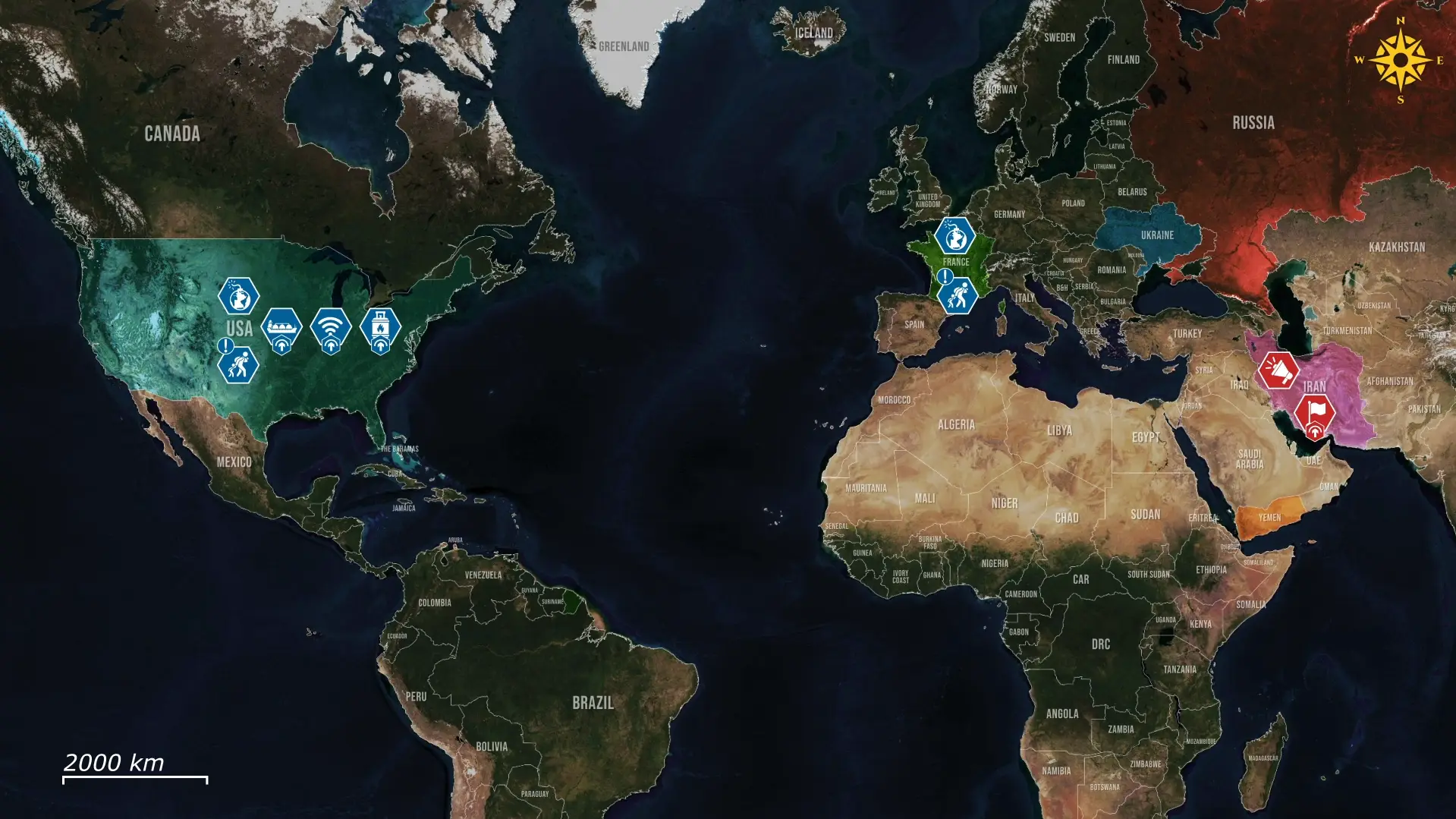
Iran is now viewing undersea internet cables in the Gulf region as a potential new target. According to maritime intelligence firm Windward, at least four vessels linked to Iran have recently been observed making suspicious movements over subsea communication cables in the Gulf of Oman.
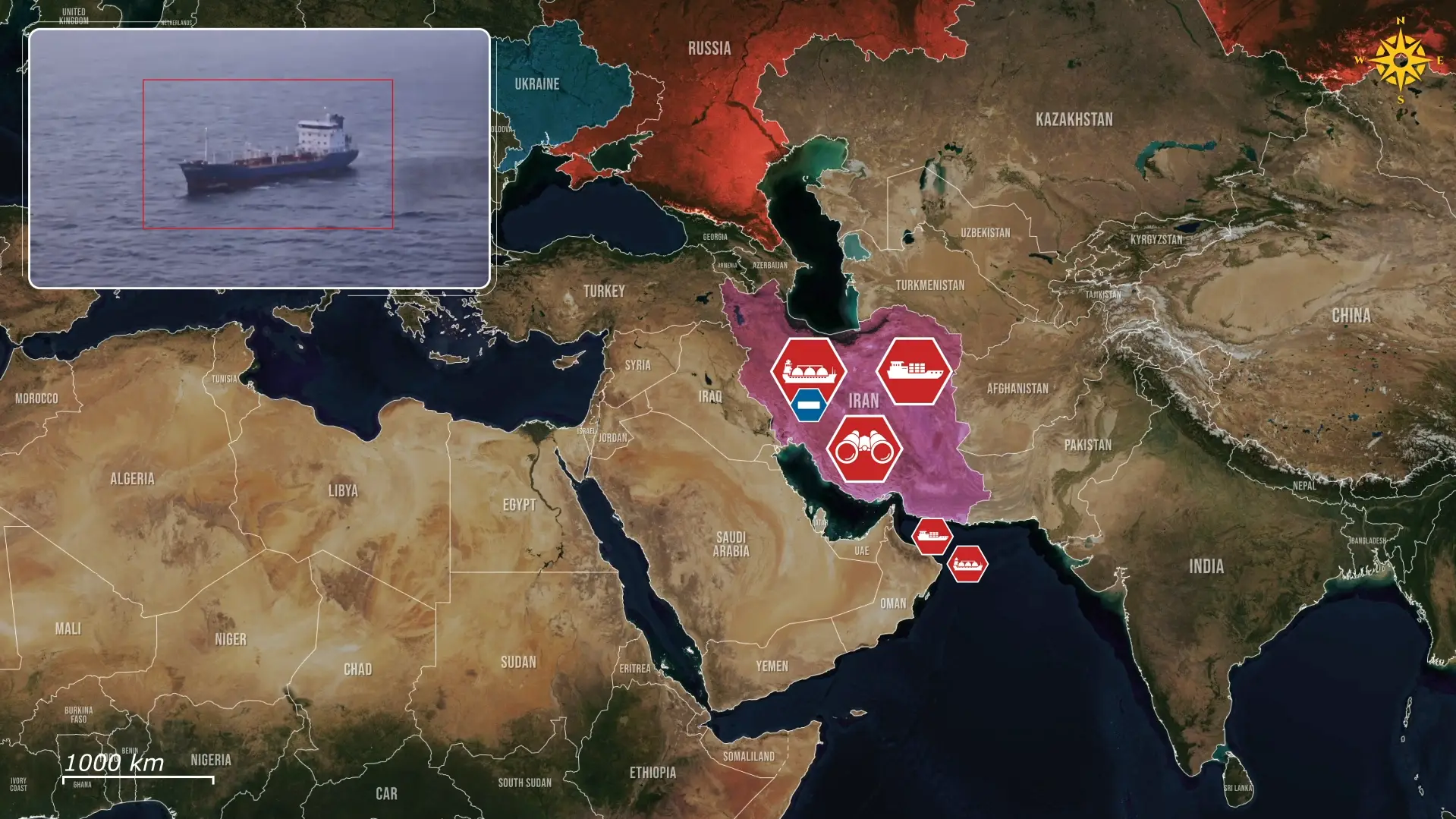
These vessels include three tankers under US sanctions and a fishing boat. The fishing boat was spotted near the Europe India Gateway and Transworld cable systems, while a tanker named Celestial Sea remained directly above the main two Africa cable for nearly four hours and then disappeared from tracking systems for eighty six hours. Windward believes the Iran linked vessels may be mapping the cables or preparing locations where mines could be placed on the seabed. Military analysts also believe that Iran is using these vessels to signal that it has the capability to strike this critical infrastructure if the conflict escalates further. Damage to these cables could disrupt internet connectivity, banking services, and cross border trade across the Gulf, placing significant pressure on economic activity throughout the region.
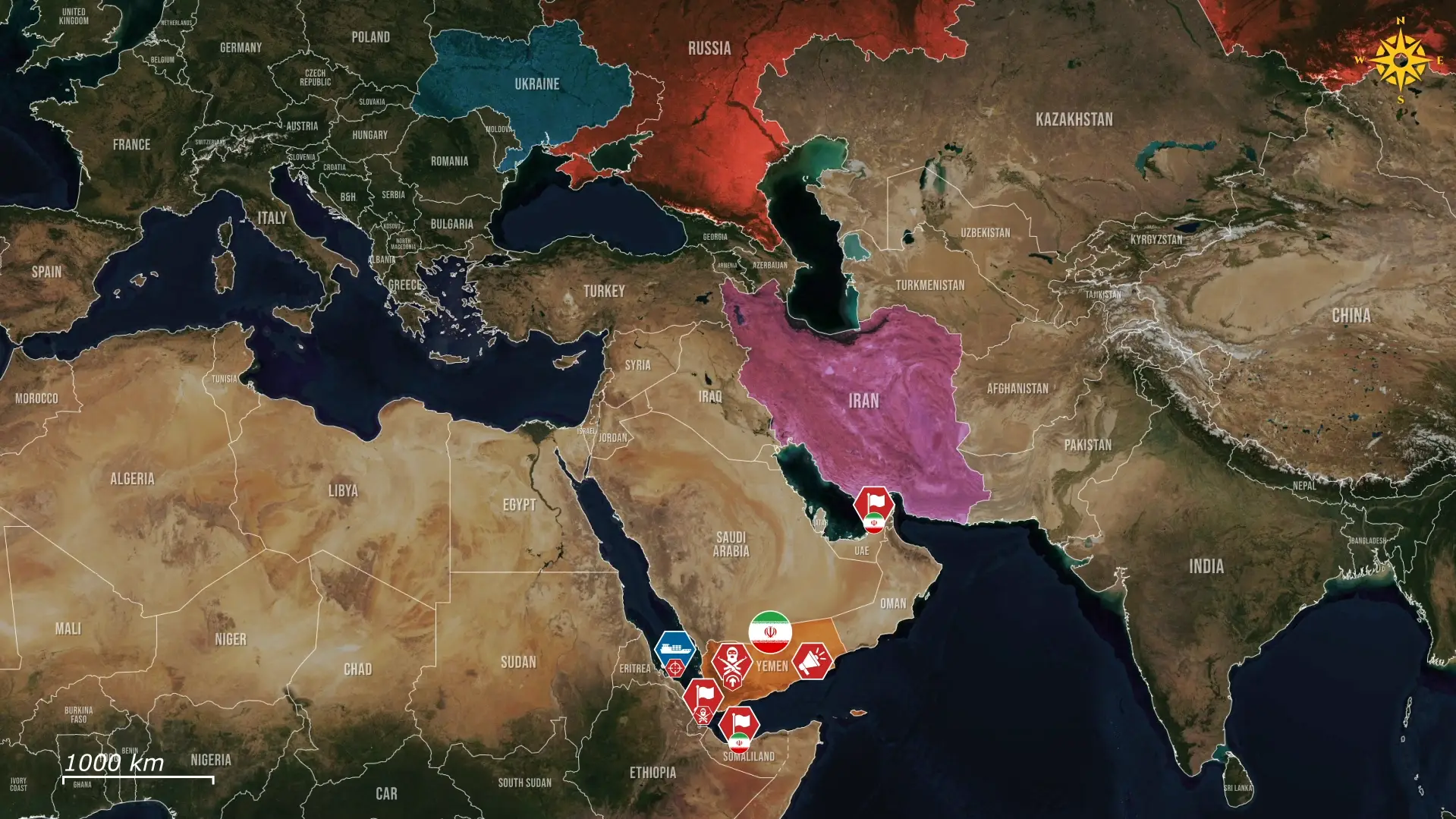
Moreover, Iran can exert pressure on another major global trade route through its ties with the Houthis in Yemen. The Houthis have expanded their influence around the Bab el Mandeb Strait, a critical maritime passage connecting the Red Sea to the Gulf of Aden. According to the Wall Street Journal, some commercial vessels now email the Houthi run Humanitarian Operations Coordination Center before transiting the Bab el Mandeb Strait to seek assurances of safe passage. By threatening vessels and imposing new permit requirements, the Houthis could gain greater control over which ships are allowed to pass through the strait. This gives Iran an opportunity to extend its strategic influence over both the Strait of Hormuz and the Bab el Mandeb Strait.
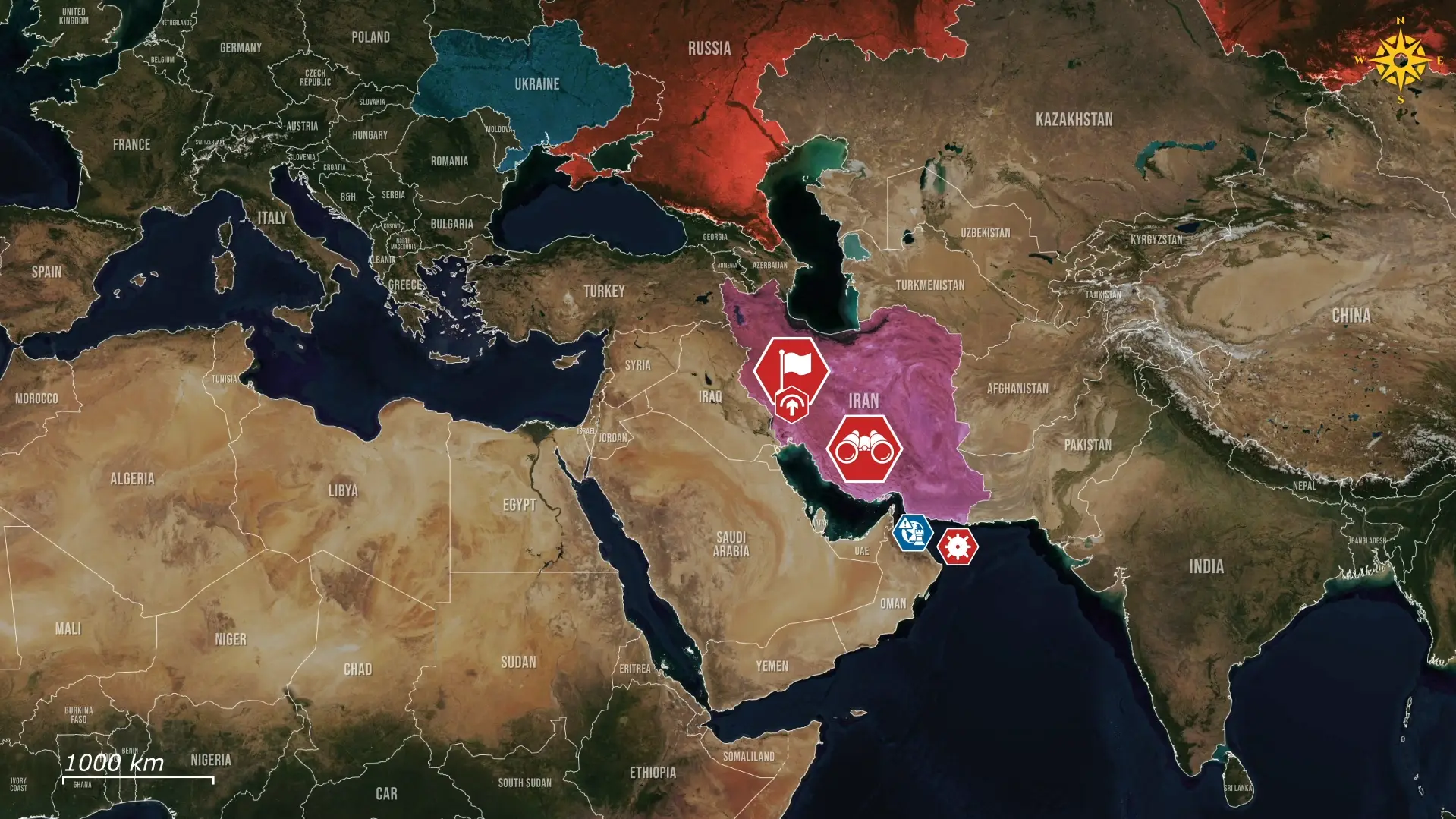
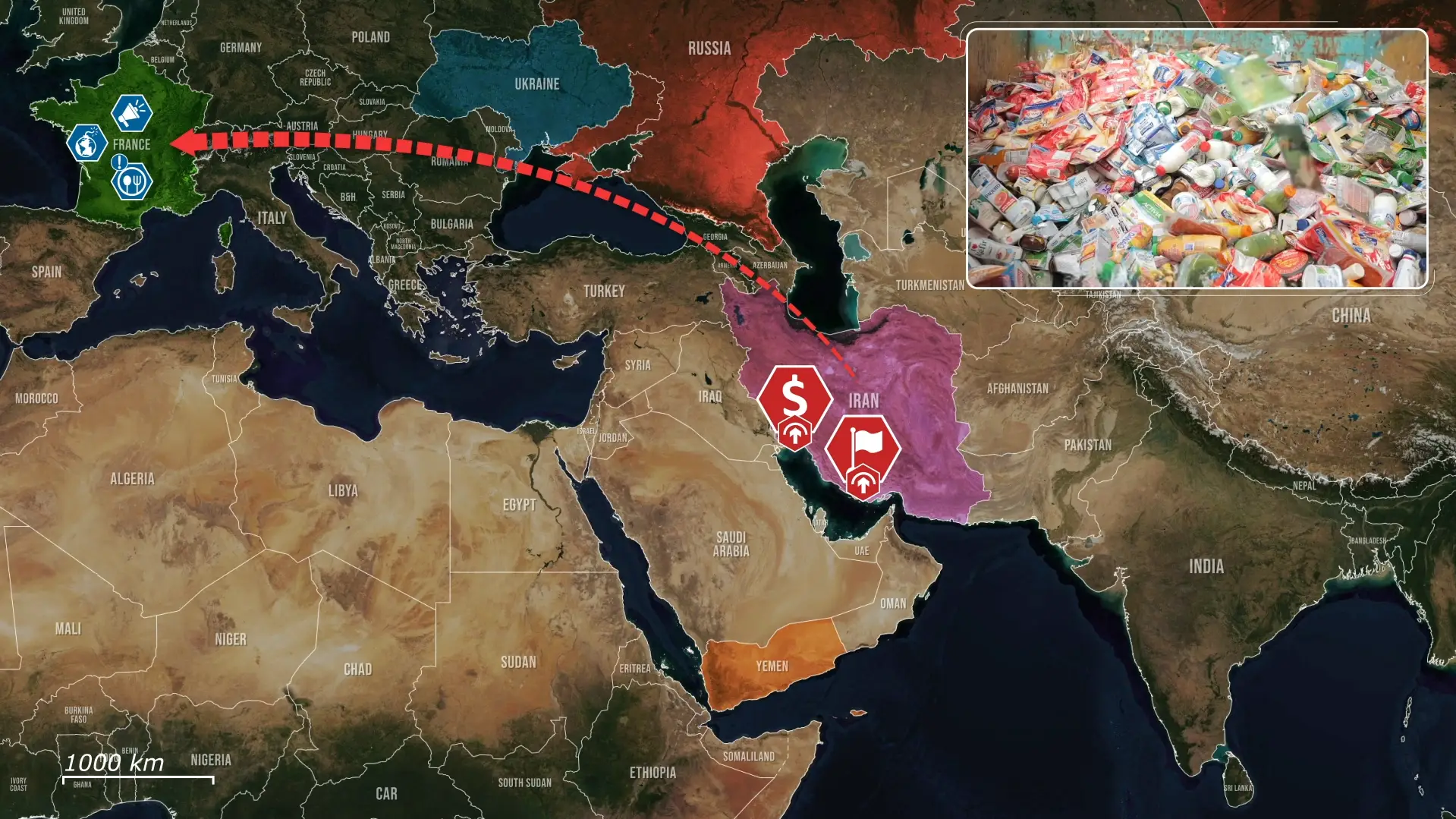
Iran’s campaign of coercion is not limited to maritime routes and infrastructure in the Middle East but has already extended to civilian facilities in Europe. France recently accused Shahid Kaveh, a cyber unit linked to Iran’s Islamic Revolutionary Guard Corps, of hacking refrigeration controllers at nearly seven hundred supermarkets and other stores. The attackers altered the defrost settings on these devices, causing large quantities of food to spoil and triggering at least fifteen fires. Although this attack differed in method from Iran’s other operations, its underlying objective was the same: to target civilian infrastructure at a low cost and make the conflict increasingly costly for Western countries.
Overall, Iran’s strategy highlights an important reality of modern warfare. Pressuring a militarily superior adversary does not always require defeating its forces directly; disrupting the critical systems that sustain its economy and everyday life can also weaken its ability to continue fighting. Iran is exploiting this vulnerability to extend the impact of war beyond the battlefield, transferring the resulting economic and political costs to ordinary people and governments. The broader implication is that Western countries can no longer rely on military superiority alone because protecting energy supplies, communications networks, and maritime infrastructure has also become essential to their overall defense and preparedness for war.



Comments