


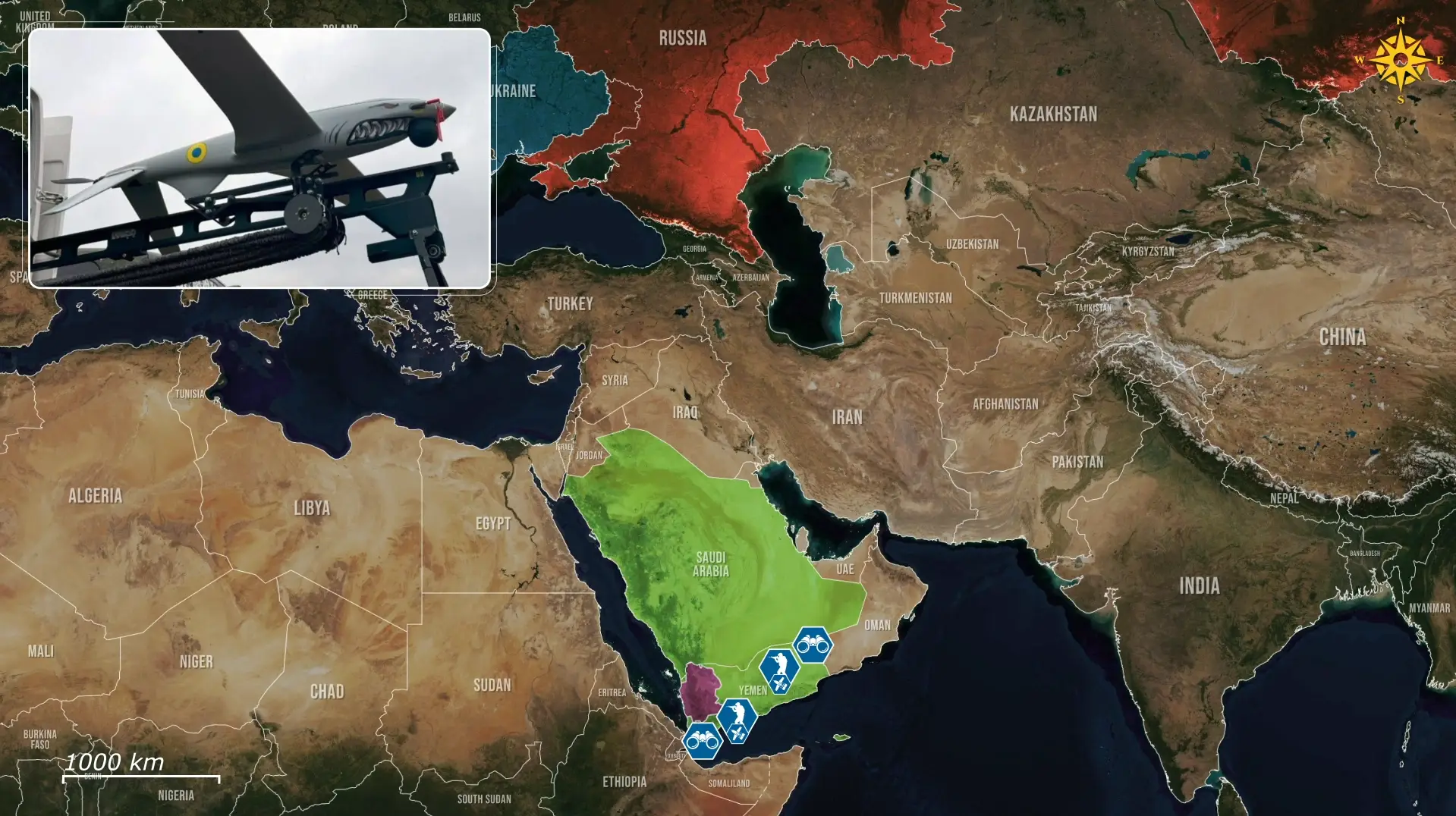
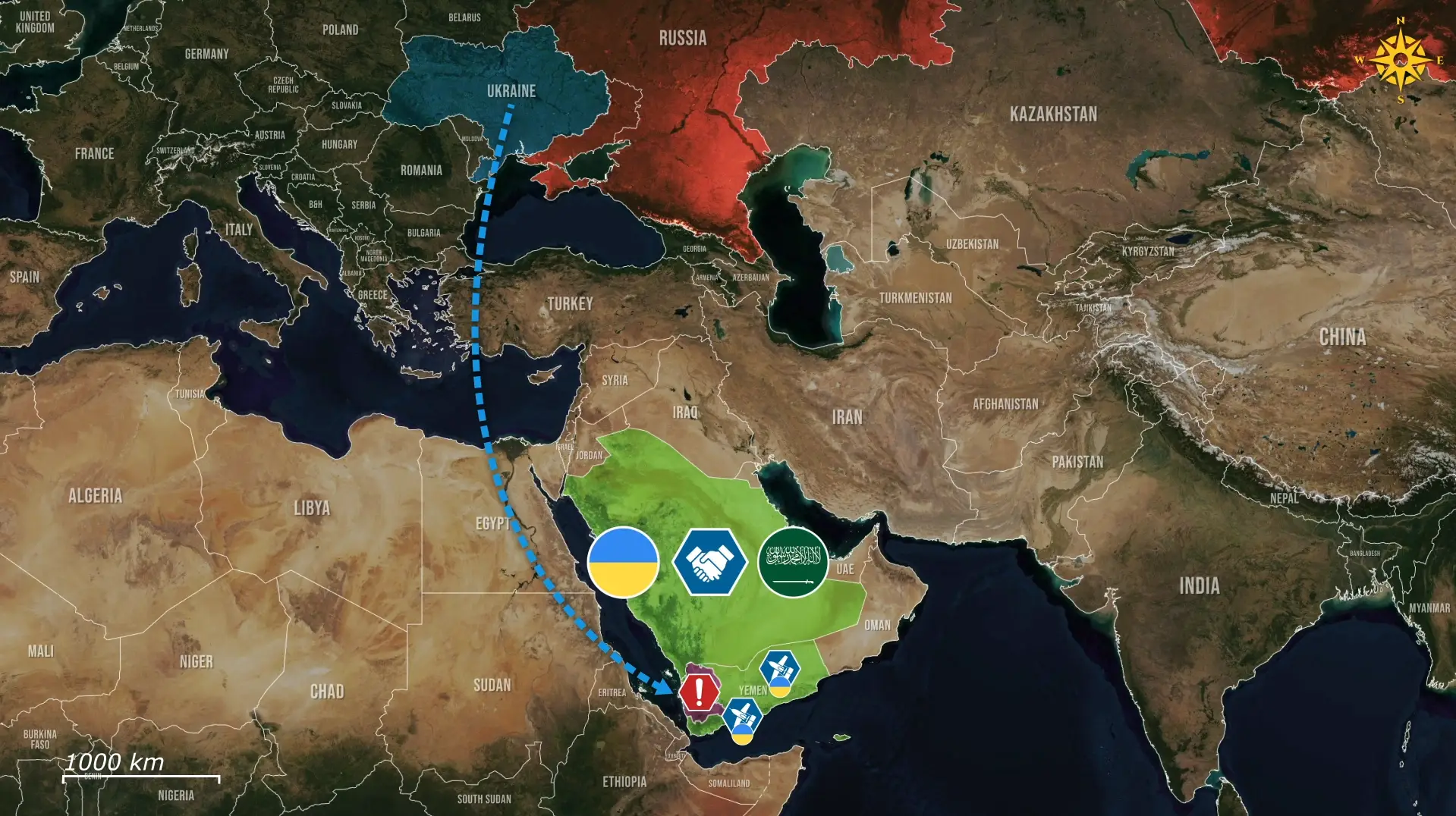
Ukrainian drones have appeared on the Yemeni battlefield, bringing a new dimension to the conflict with the Houthis. On November eight, reports emerged that Houthi forces had shot down a Ukrainian made reconnaissance drone near As-Sabihah in Lahj province. The aircraft reportedly crashed in an area where forces aligned with Yemen’s internationally recognized government are deployed. Its presence raises questions about the growing Ukrainian involvement in the conflict and the possibility of further military deliveries. The incident is particularly significant because it coincides with unusual military transport activity between Ukraine and Saudi Arabia.
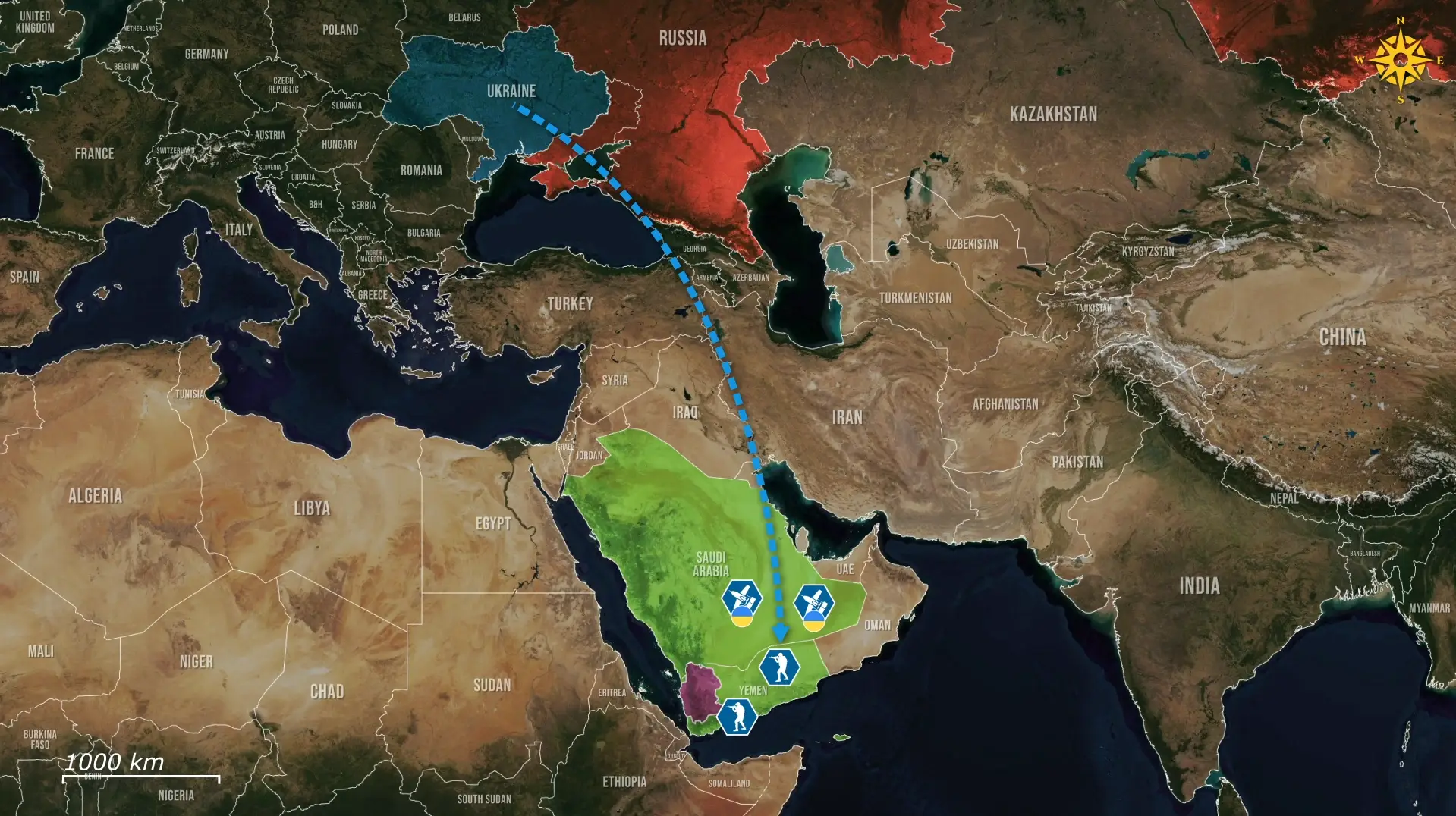
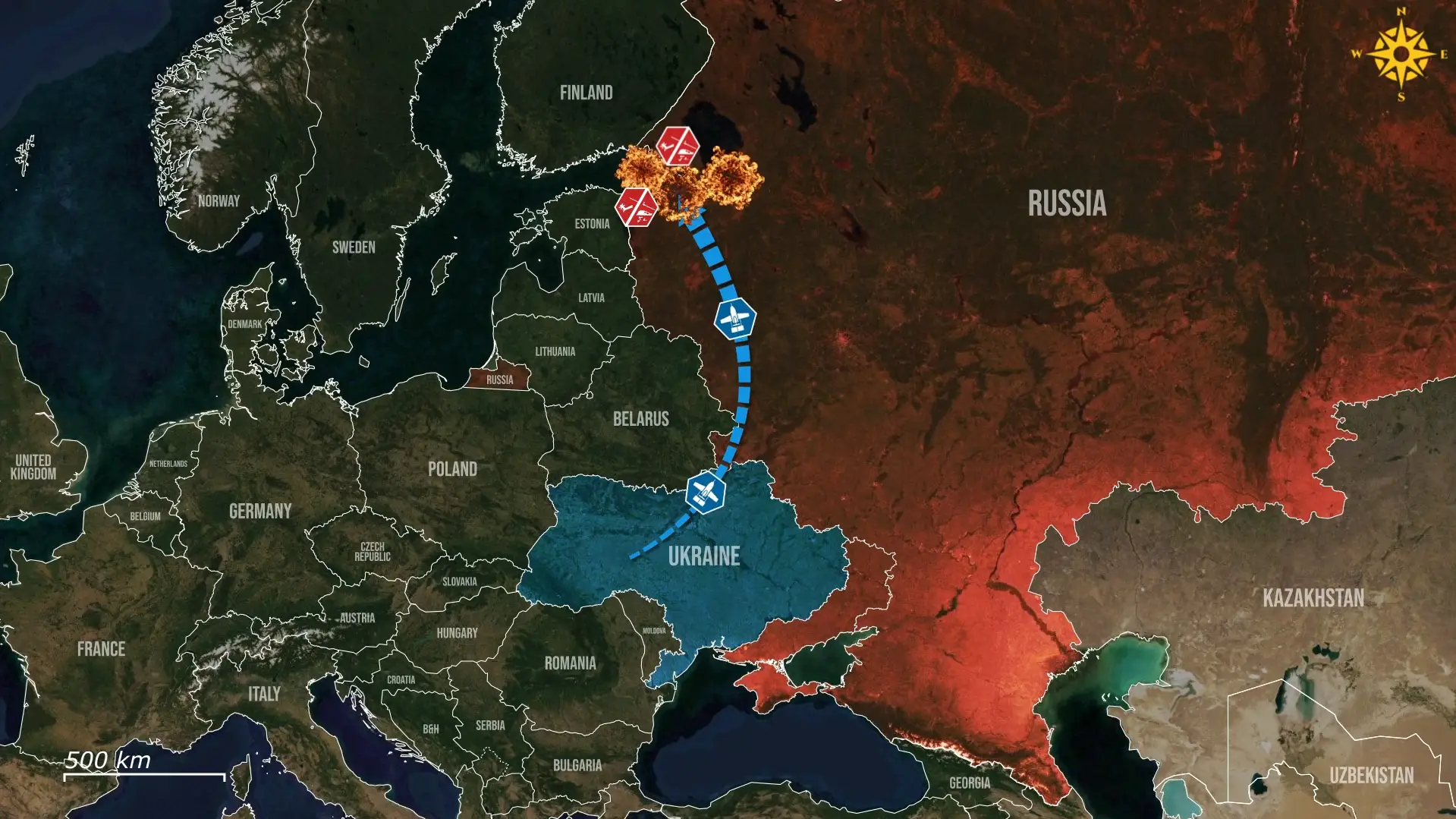
According to reports, a Ukrainian transport aircraft flew from Lviv to Sharurah airport in southern Saudi Arabia on October thirteen. The cargo was not publicly disclosed, but several military transport flights involving the two countries reportedly took place during the same week. The flights may have been used to deliver military equipment to anti Houthi forces in Yemen, although the nature of their cargo has not been confirmed. The drone is a reconnaissance Shark – M designed to gather intelligence and monitor enemy positions, not to carry out attacks. Its presence therefore points to a potential Ukrainian contribution to surveillance capabilities on the Yemeni battlefield.
Ukraine’s reported presence in Yemen comes at a critical moment in the war, as the Houthis have recently made significant territorial gains, putting government forces under growing pressure across several fronts. Their September offensive brought them control of the strategic port of Mocha and positions along the Bab al-Mandeb Strait. In November, they advanced to within eighty kilometers of Aden, the internationally recognized government’s main stronghold. They also captured Al-Maqatirah district in Lahj, threatening the main road connecting Aden with Taiz. These advances have strengthened the Houthis’ position and exposed the weaknesses of their opponents.

This is where Ukrainian technology could become particularly important, as the Yemeni government aligned forces have begun using drones more extensively, but the Houthis retain years of experience and a broader unmanned arsenal. Ukrainian reconnaissance systems could help close part of this gap by improving surveillance, identifying Houthi positions and exposing troop movements. Combined with attack drones and better coordination, improved surveillance could make Houthi advances more difficult and increase the cost of holding captured territory. If Ukrainian assistance becomes regular, it could strengthen anti Houthi forces across several fronts.
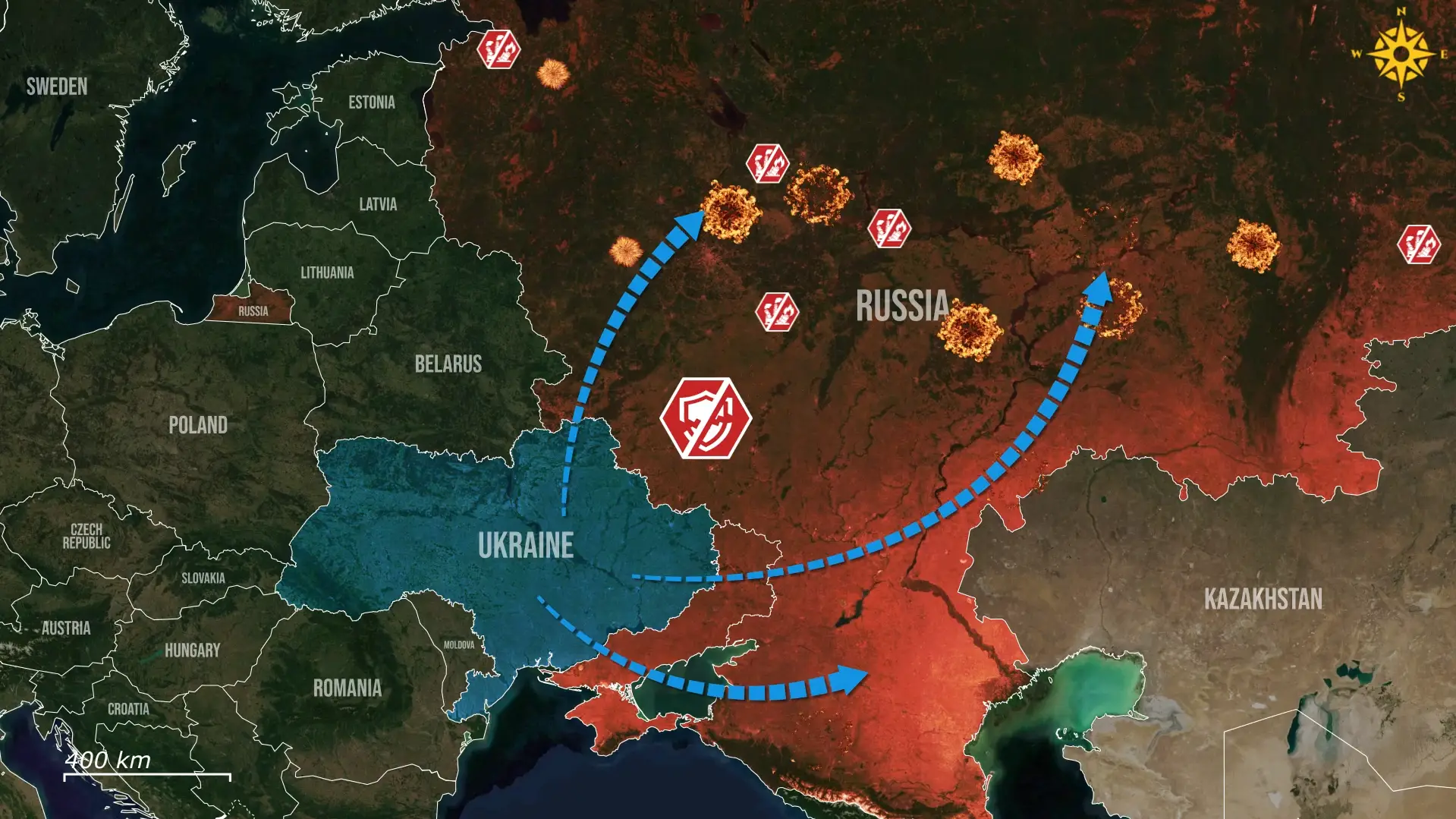
Ukraine’s involvement in the anti Houthi effort could bring Kyiv benefits that extend far beyond Yemen. Its main objective is to turn military expertise into economic and diplomatic support from Gulf countries, particularly Saudi Arabia. This relationship is especially valuable because several regional states face the similar Iranian designed drones that Russia has used extensively against Ukraine. By helping them counter these threats, Kyiv can strengthen its position as a security partner rather than remain solely a recipient of Western military assistance.
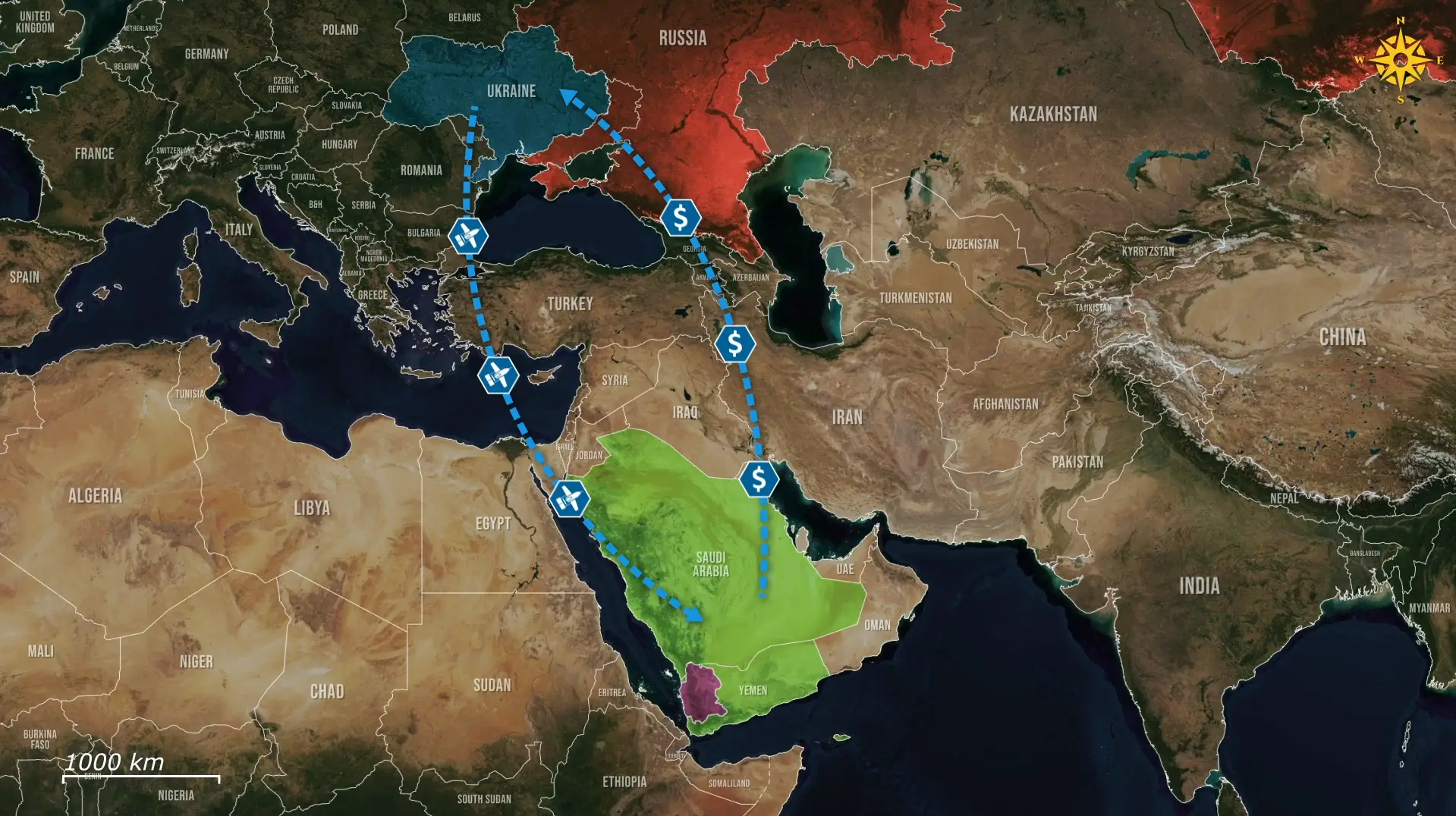
The potential returns are substantial, because Saudi Arabia has become an important partner in Ukraine’s efforts to secure fuel supplies and expand defense cooperation. Kyiv is also seeking access to scarce air-defense ammunition, particularly Patriot interceptors, which are essential for protecting Ukrainian cities and infrastructure against Russian ballistic missiles. These benefits could help Ukraine address some of its most pressing wartime shortages. There is also a longer-term strategic gain, as defense agreements with Gulf states could open export markets for Ukrainian weapons and deepen ties with influential regional governments. However, no public evidence yet links a specific payment, weapons transfer or fuel supply directly to a Ukrainian deployment in Yemen.
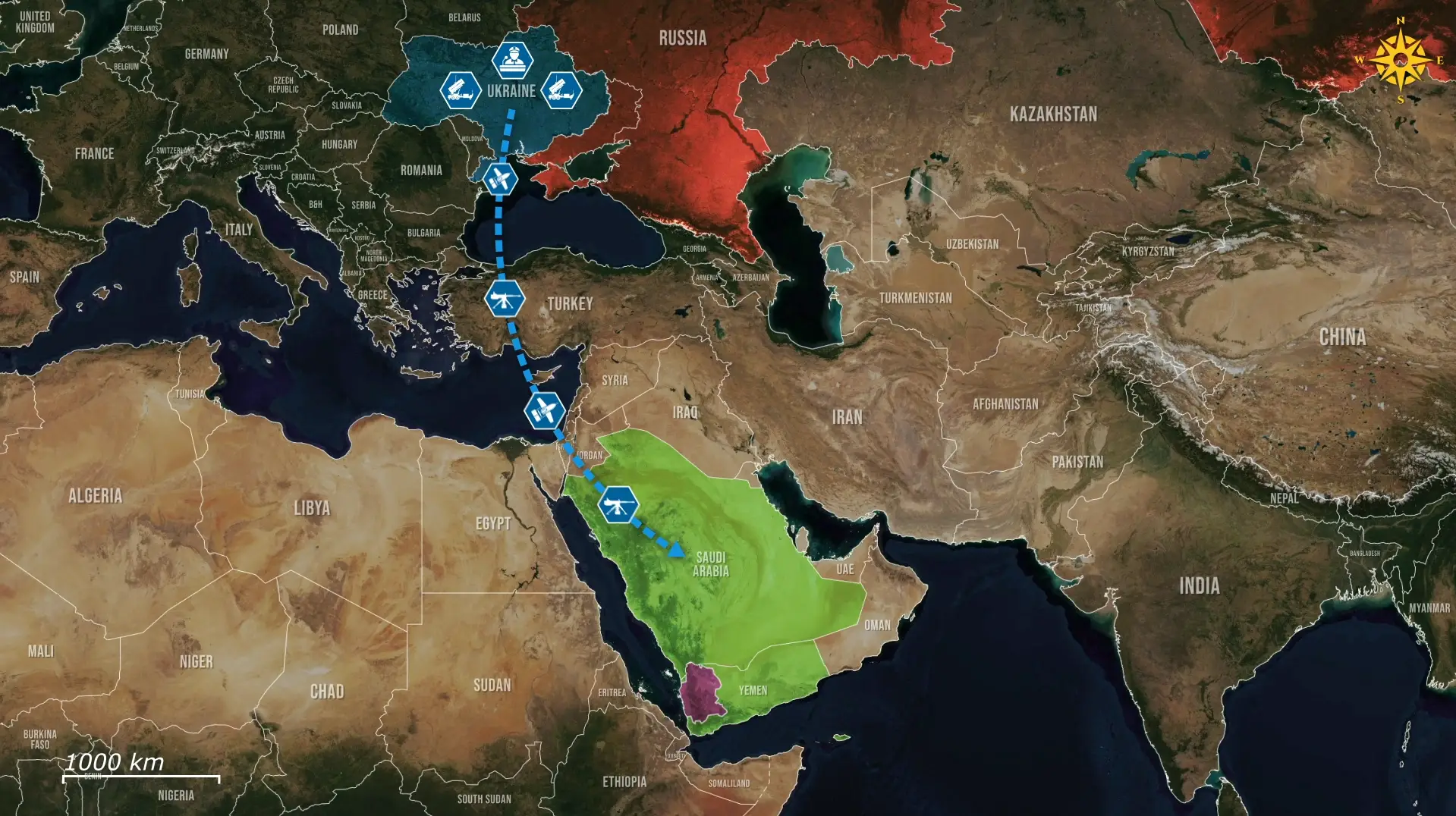
Overall, Ukraine’s reported involvement in Yemen signals the emergence of a new dimension in the conflict, where Kyiv’s military expertise could help strengthen the anti Houthi camp at a moment when government forces are losing ground. For the Houthis, this creates an additional challenge, because they may now have to contend with Ukrainian surveillance capabilities and drone warfare techniques alongside their existing regional adversaries. For Ukraine, the potential benefits extend beyond weakening a movement aligned with Iran, offering an opportunity to secure Gulf partnerships, military supplies and economic support in return for its expertise. Ultimately, Yemen could become another arena where Ukraine turns its experience fighting Iranian backed drone warfare into strategic leverage, while potentially altering the balance of power on a second front.



Comments