


Today, the biggest news comes from the USA.
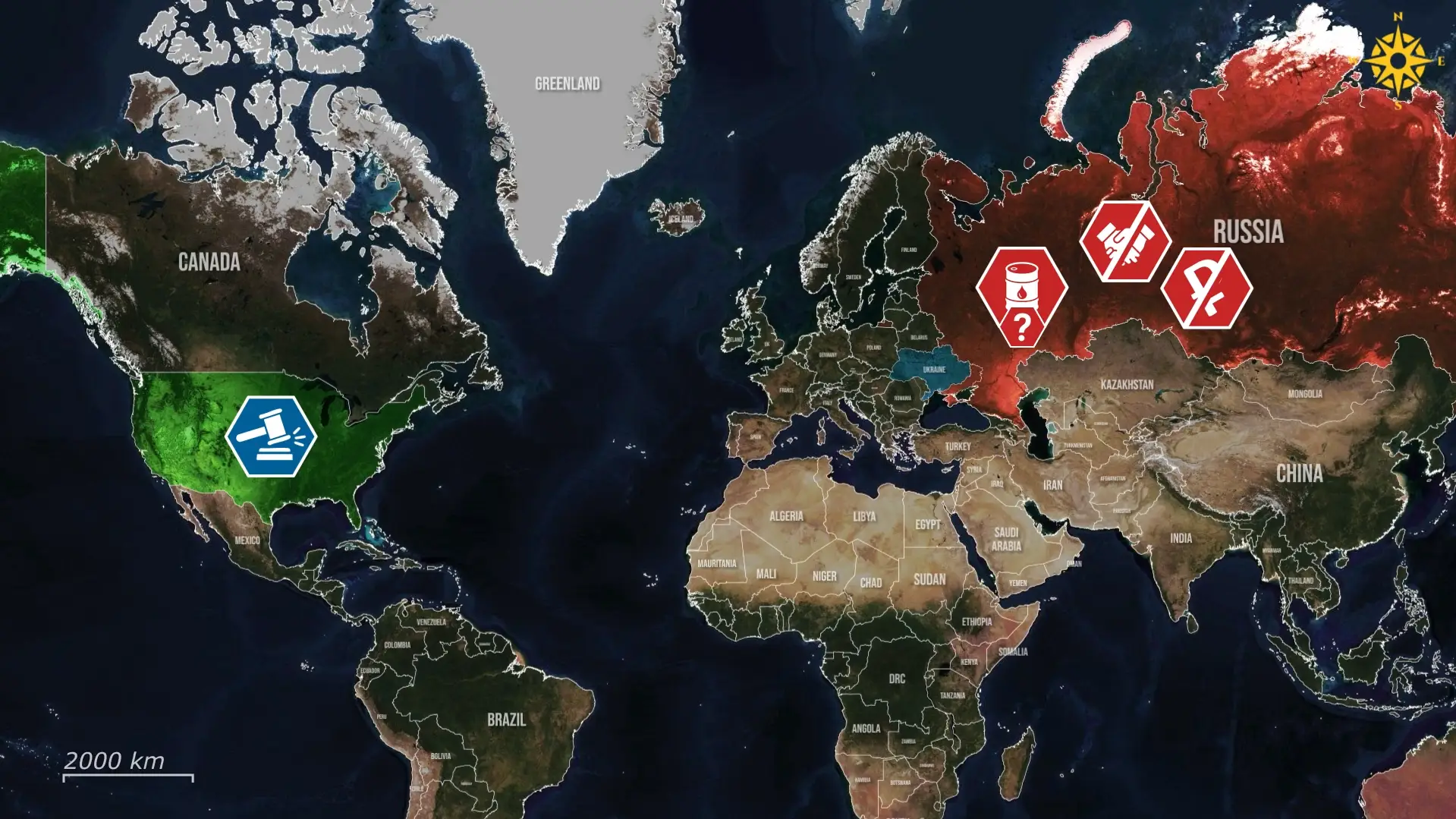
Recently, a Russian tanker carrying nearly three hundred thousand barrels of Russian diesel heading toward New York suddenly turned back only seven hundred kilometers from the port. This is not the first tanker to do so, with a total of three fuel tankers part of Trump’s diesel deal with Russia having already turned back and started moving away from the USA. Moscow said last month that it had loaded four tankers with diesel bound for the US, while Russian Deputy Prime Minister Alexander Novak later lowered this number to three being en route, and now all of them have changed course.
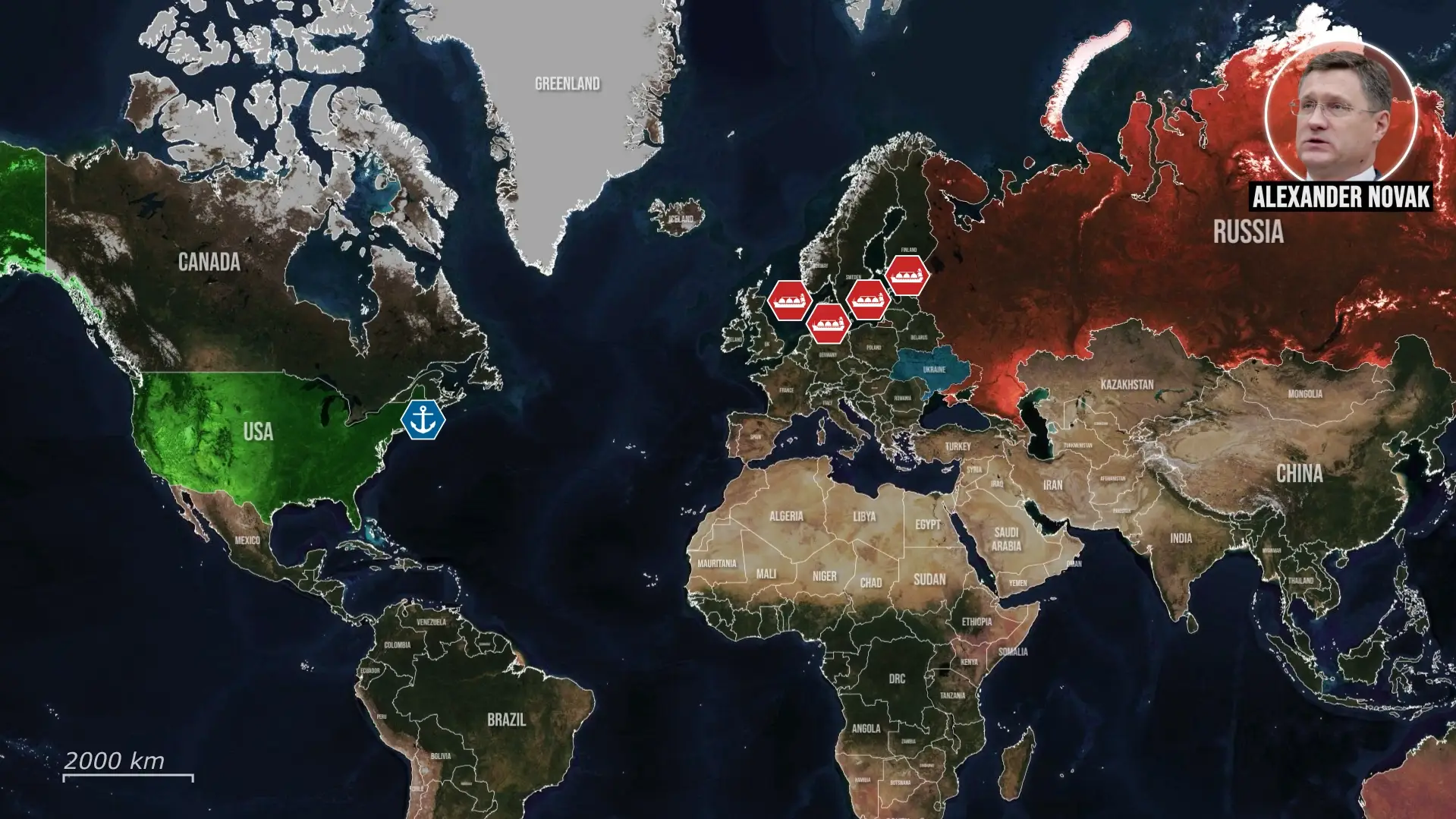
The reason for this is that several US companies and state governors refused to accept Russian ships in their ports. New Jersey Governor Mikie Sherrill publicly called Trump’s diesel deal with Russia corrupt and illegal, warned port and terminal operators against unloading Russian diesel, and said she was evaluating options, including potential state legal measures to block it at New Jersey facilities, which handle major East Coast petroleum imports. The USA cannot legally import Russian oil products anymore, as a law passed after Russia’s invasion prohibits such imports without congressional review.
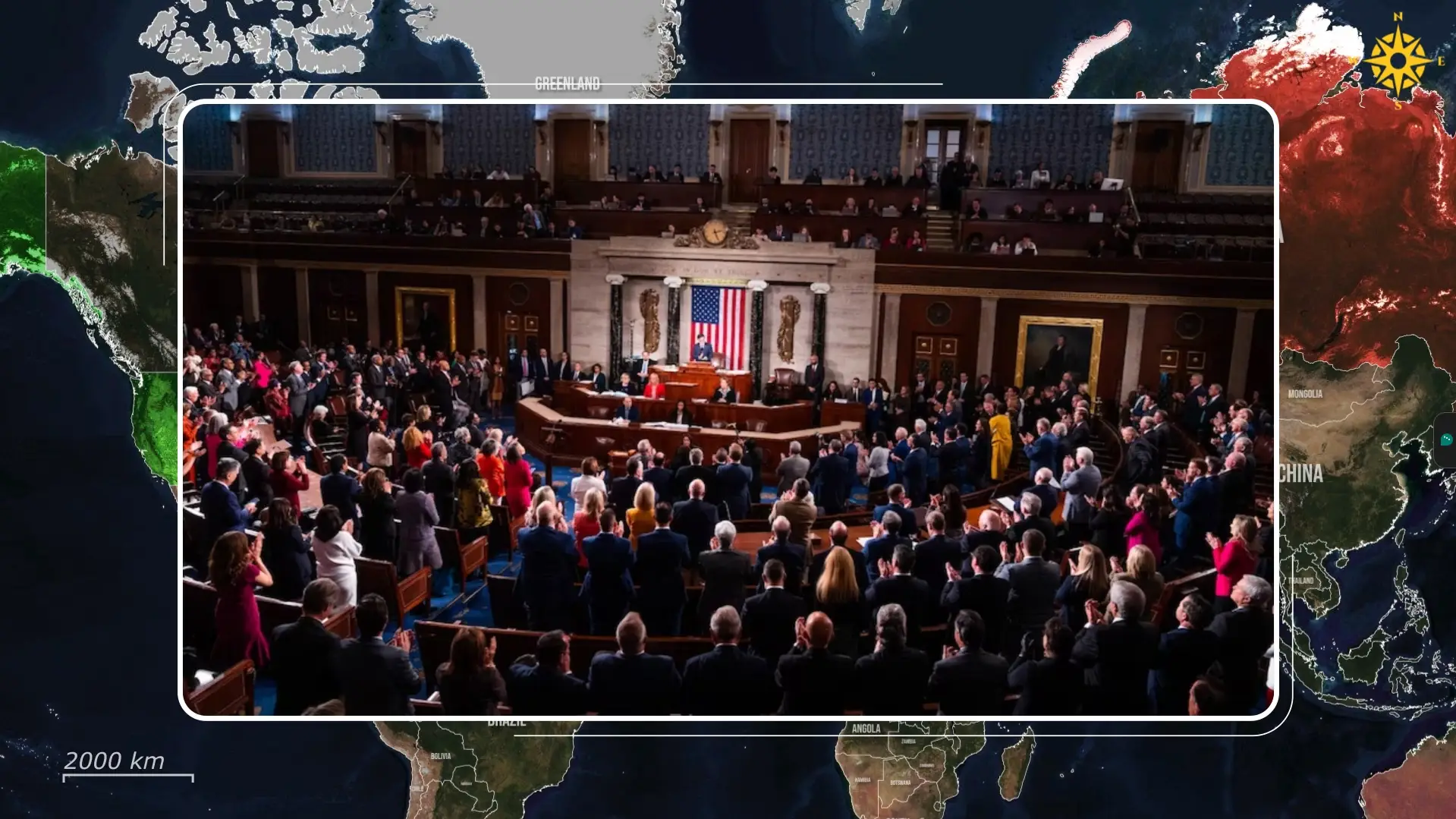
Potential consequences cited include civil and criminal penalties, possibly equal to the value of the goods, amounting to millions plus future liability. Additionally, some Russian shadow fleet tankers are sanctioned, banning them from entering US ports. Because of this, US companies fear aiding illegal transactions, reputational harm, and exposure even if the current administration claimed the license made the activity lawful. Political opposition also framed the imports as providing revenue that helps finance Russia’s war against Ukraine, while doing little to meaningfully lower US prices or address root supply issues, which puts political pressure on US companies.
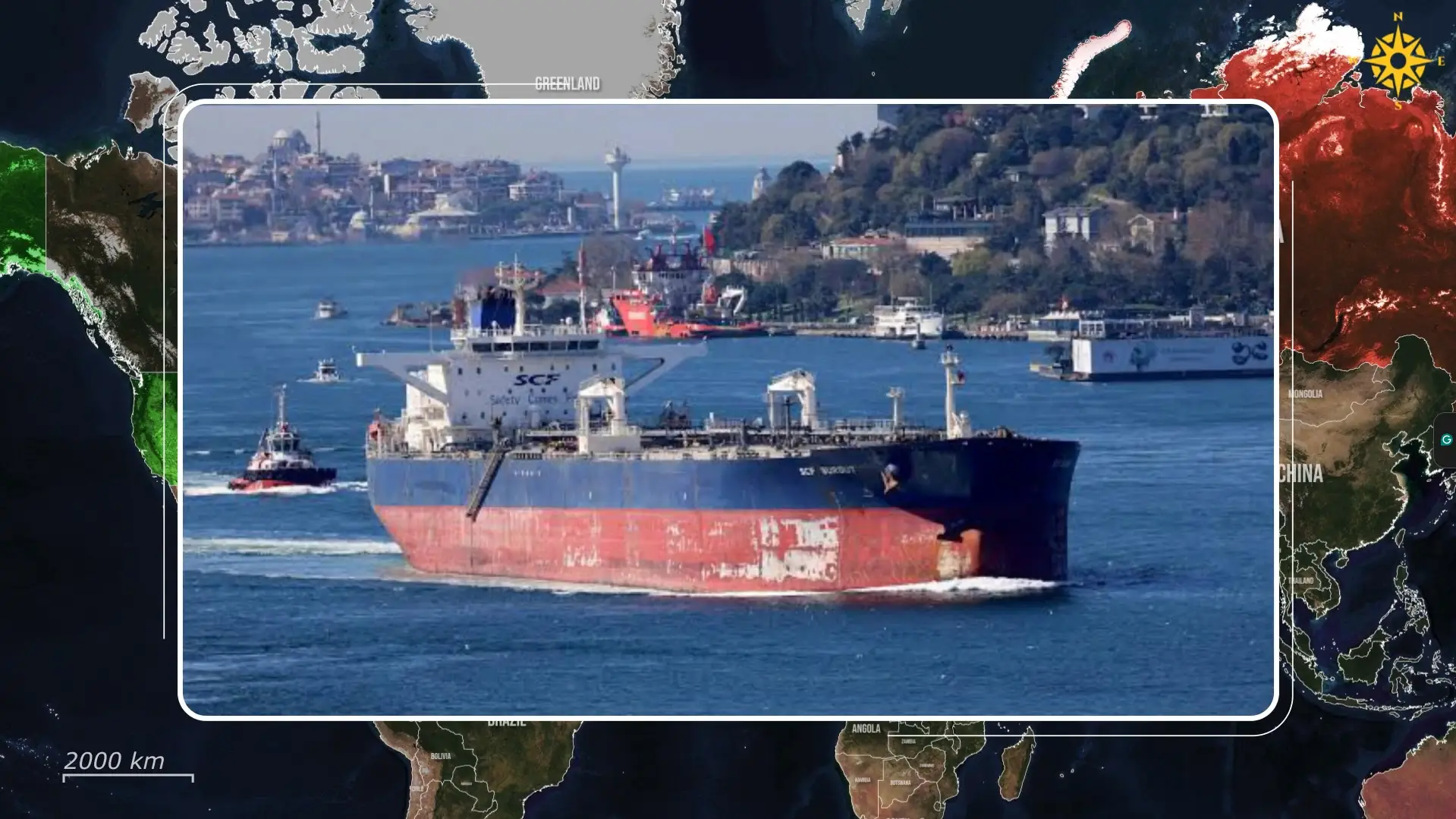
As a result, the entry of the Russian tankers was essentially refused by local authorities and entities themselves, as not a single US company or port facility decided to let them unload the cargo. As tensions rose following the democratic party’s victory in the midterm elections, and state entities became more comfortable with the idea of standing up against Russian imports, the Russian tankers decided not to continue their journey, changed course, and sailed towards Brazil instead. Because of this increased opposition from US lawmakers and companies, Trump’s diesel deal with Putin is quickly falling apart. The last Russian tanker is expected to follow suit and change course as well, rather than risk waiting on the US east coast waiting for an approval that will likely never come.
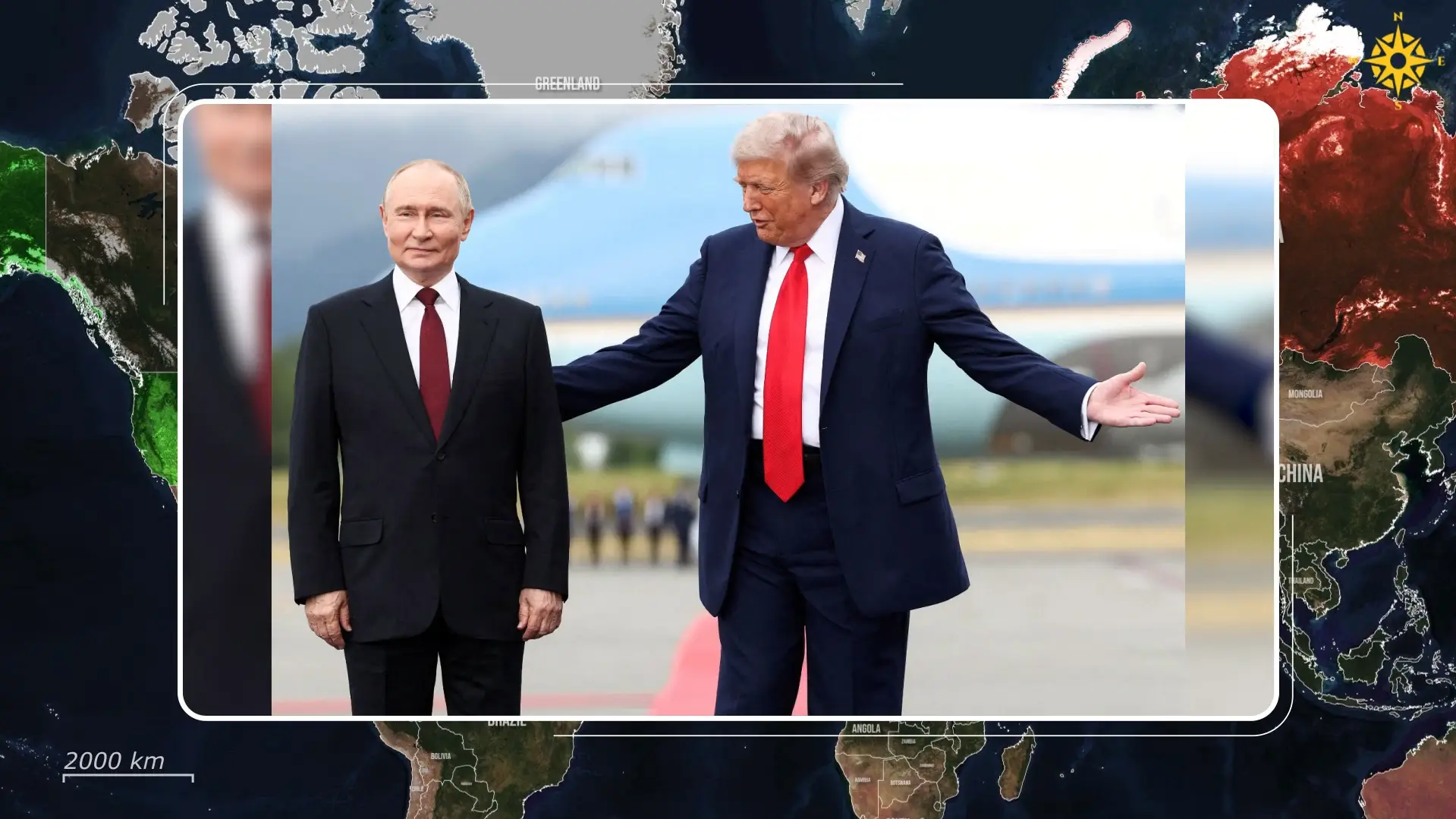
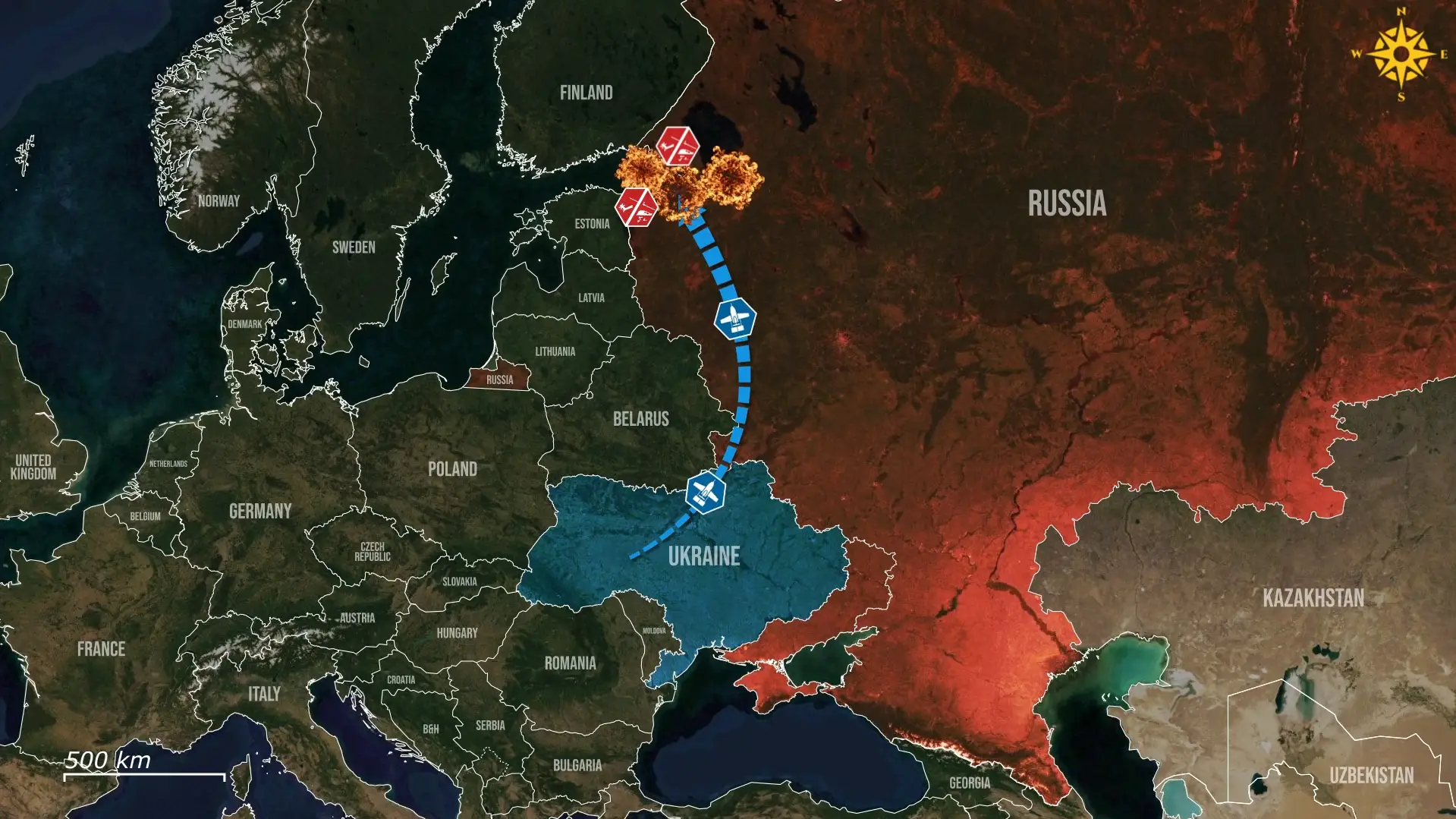
This is terrible news for Russia, as they desperately needed to sell diesel again, which would have brought up to eight billion dollars in revenue under the deal. As Russia’s oil revenues have been shrinking despite rising oil prices, Russia needed this economic lifeline to invest in the war. Notably, Russia significantly banked on the prospect, restarting production and using the temporary halt in Ukrainian strikes to repair its destroyed refineries. Russia thought that it would be able to export again with fewer restrictions, but if ports and companies refuse to buy Russian diesel, Russia will lose out on this opportunity to make billions of dollars, while Ukraine has newly repaired targets to destroy once more.
Overall, this situation exposes a major weakness in Russia’s economic strategy because having oil and diesel to sell means very little if international buyers are unwilling to buy them. Moscow believed that improved relations with Washington would reopen a lucrative market, but political resistance and legal risks proved stronger than Trump’s promises. More importantly, this demonstrates that Russia cannot rely on political agreements alone to escape its economic isolation. Every rejected shipment means additional pressure on its export revenues, storage capacity, and ability to finance the war. Russia may restore its refineries, but finding customers willing to buy its output is becoming a different challenge.





Comments