


Today, there are important updates from the Russian Federation.
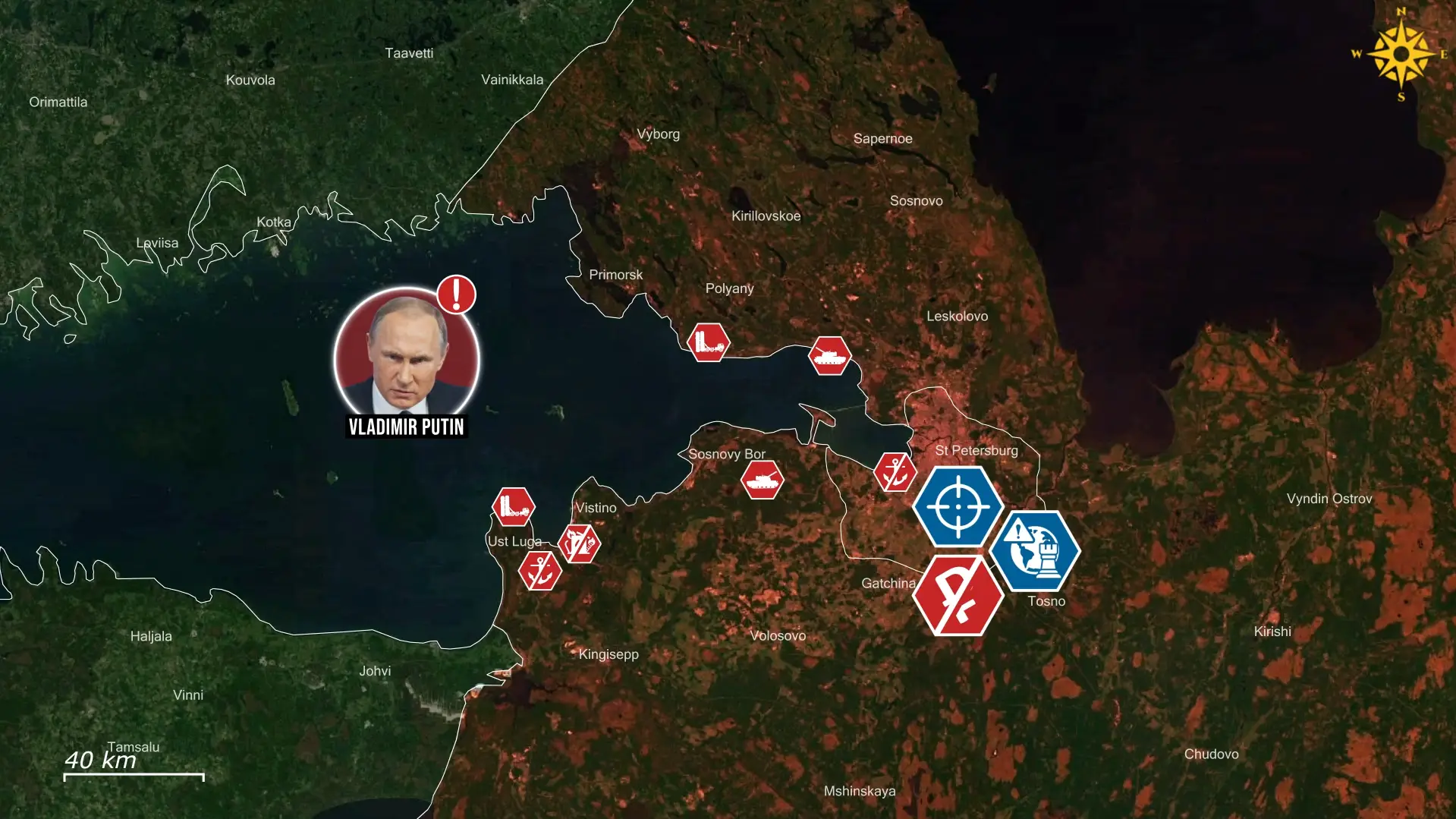
Here, Ukraine has launched another massive drone attack against Russia’s Leningrad region, targeting infrastructure around and inside St. Petersburg, Vladimir Putin’s hometown and Russia’s former imperial capital, alongside the strategically important Baltic port of Ust-Luga. Overnight, waves of Ukrainian drones reportedly penetrated Russian defenses, triggering fires, power disruptions, and extraordinary confusion among Russian military units.
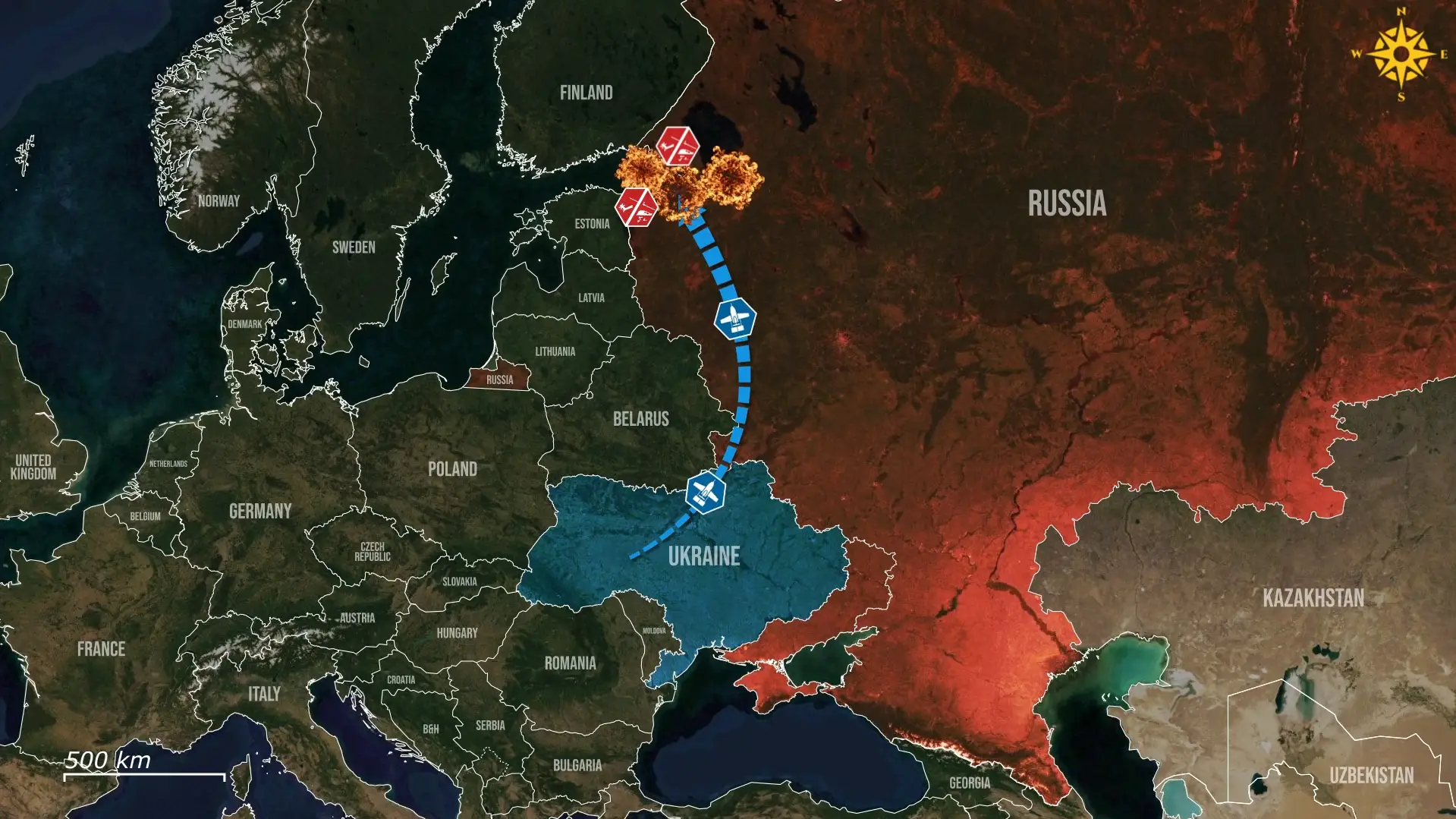
But the most astonishing development was not simply the damage inflicted by Ukrainian drones, as Russian military analysts reported the loss of two Ka-Fifty-Two attack helicopters during the defensive operation, alarming that Russian air defenses had accidentally shot them down. With both helicopters and their crews lost, Russia has suffered the destruction of two valuable combat aircraft and the deaths of four trained aviators in a single night due to friendly fire.
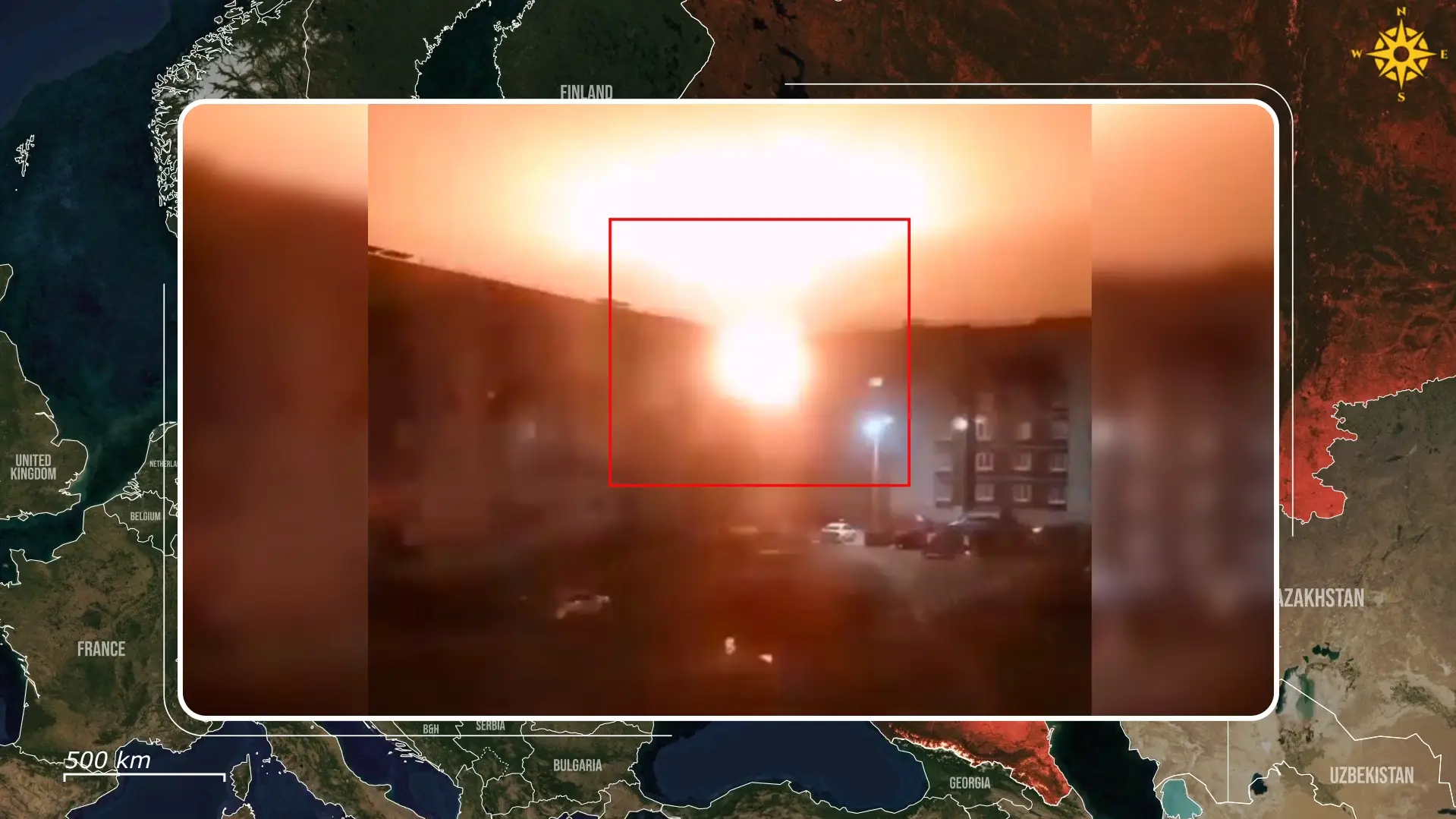
At the same time, Russian air-defense crews were captured on video engaging incoming drones with S-Four-hundred missiles while helicopters operated in the same contested airspace, and explosions erupted on the ground at the targets the systems were supposed to protect. Under such conditions, poor identification procedures, communication failures, and inadequate coordination between aircraft and ground-based defenses produced catastrophic mistakes.
The use of S-Four-hundred missiles against relatively inexpensive Ukrainian drones also illustrates the economic imbalance facing Moscow. These sophisticated interceptors can cost vastly more than their targets, making sustained engagements against large drone formations financially and logistically expensive. Additionally, missiles that miss or malfunction because of poorly trained crews and the lack of coordination create additional hazards, and misidentified friendly aircraft face potentially fatal consequences.
The broader attack demonstrates why Russian defenses were under such pressure, as Ukrainian drones approached through the area, south of St. Petersburg, before continuing toward Baltic port infrastructure.
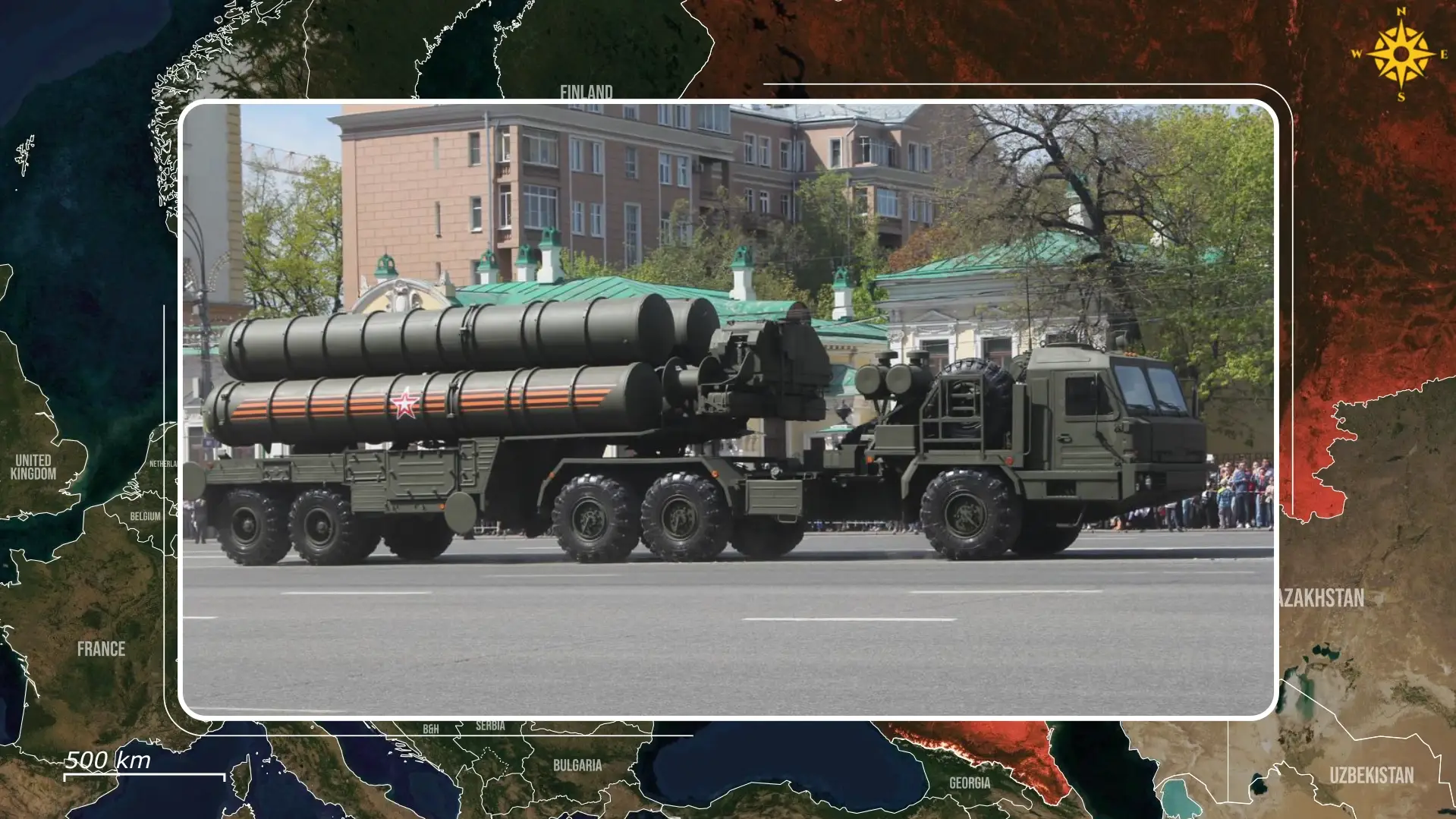
Russian authorities claimed that one-hundred-and-fifty drones were intercepted across the region. However, the attack produced a significant fire at Ust-Luga, with the flames visible from neighboring Estonia. Regional Governor Aleksandr Drozdenko confirmed the blaze and acknowledged that a local power station had also been damaged. Satellite fire-monitoring data identified several hotspots, as the precise facilities damaged and the extent of destruction have yet to be established.
Ust-Luga is an exceptionally important target, with the port located on the Gulf of Finland handling crude oil, refined petroleum products, gas, coal, fertilizers, and other goods with volume up to one-hundred-twenty-five million tons per year. These exports generate substantial revenue for the Russian economy, supporting government expenditure and financing Moscow’s war effort against Ukraine.
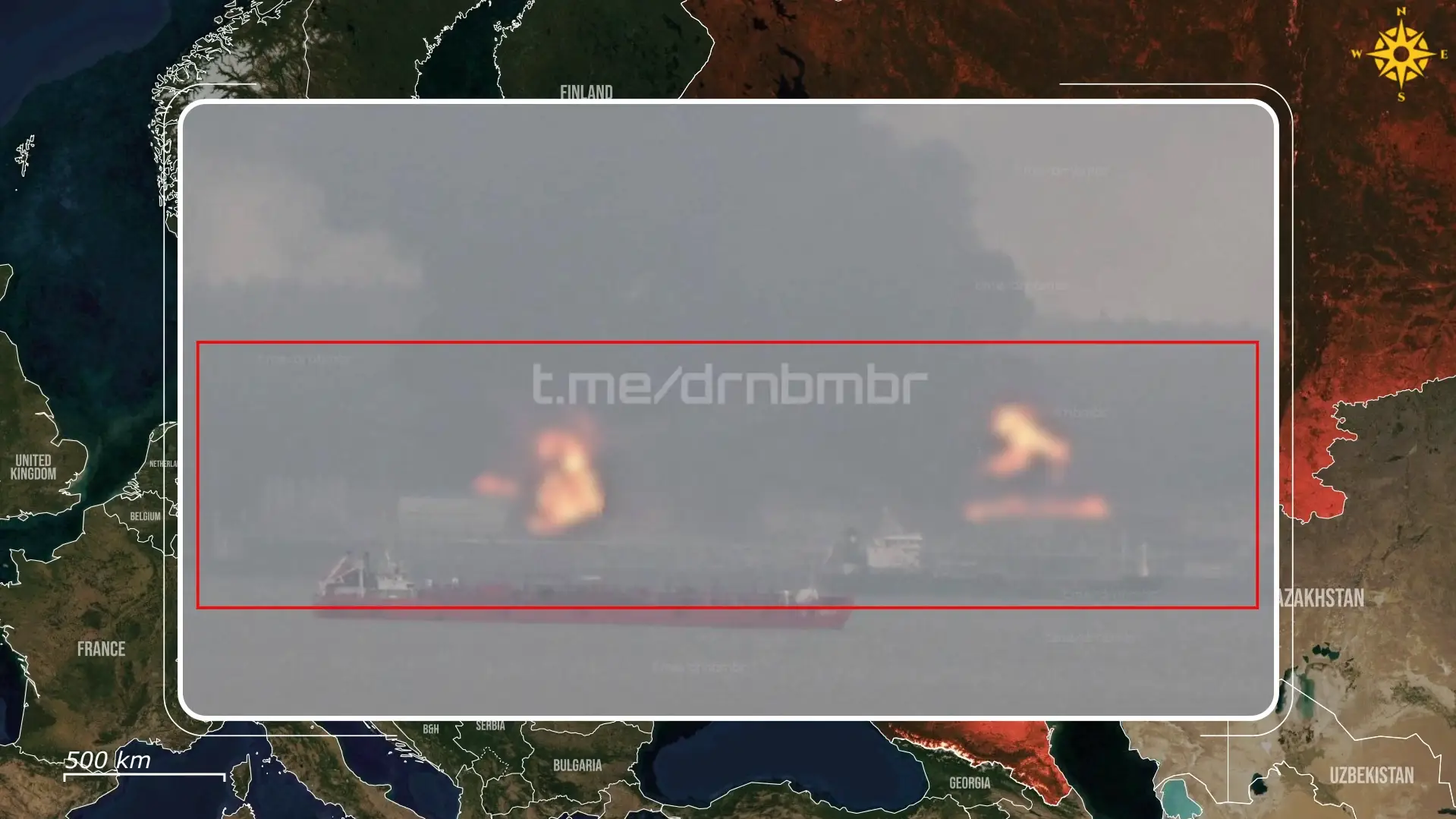
Damage to loading infrastructure, storage facilities, or electrical systems disrupts cargo handling and delays shipments, particularly as repairs require specialized equipment, while even temporary interruptions complicate export schedules and increase logistical costs.
Importantly, Ust-Luga has faced Ukrainian attacks before, but its renewed vulnerability demonstrates the difficulty Russia faces in protecting enormous industrial complexes against coordinated long-range drone operations. Every additional defensive deployment around ports and refineries also consumes resources that could otherwise protect military installations or frontline positions, while the helicopter losses reveal another potential weakness. Russian defensive activity itself can become dangerous when multiple units engage aerial threats without effective coordination.
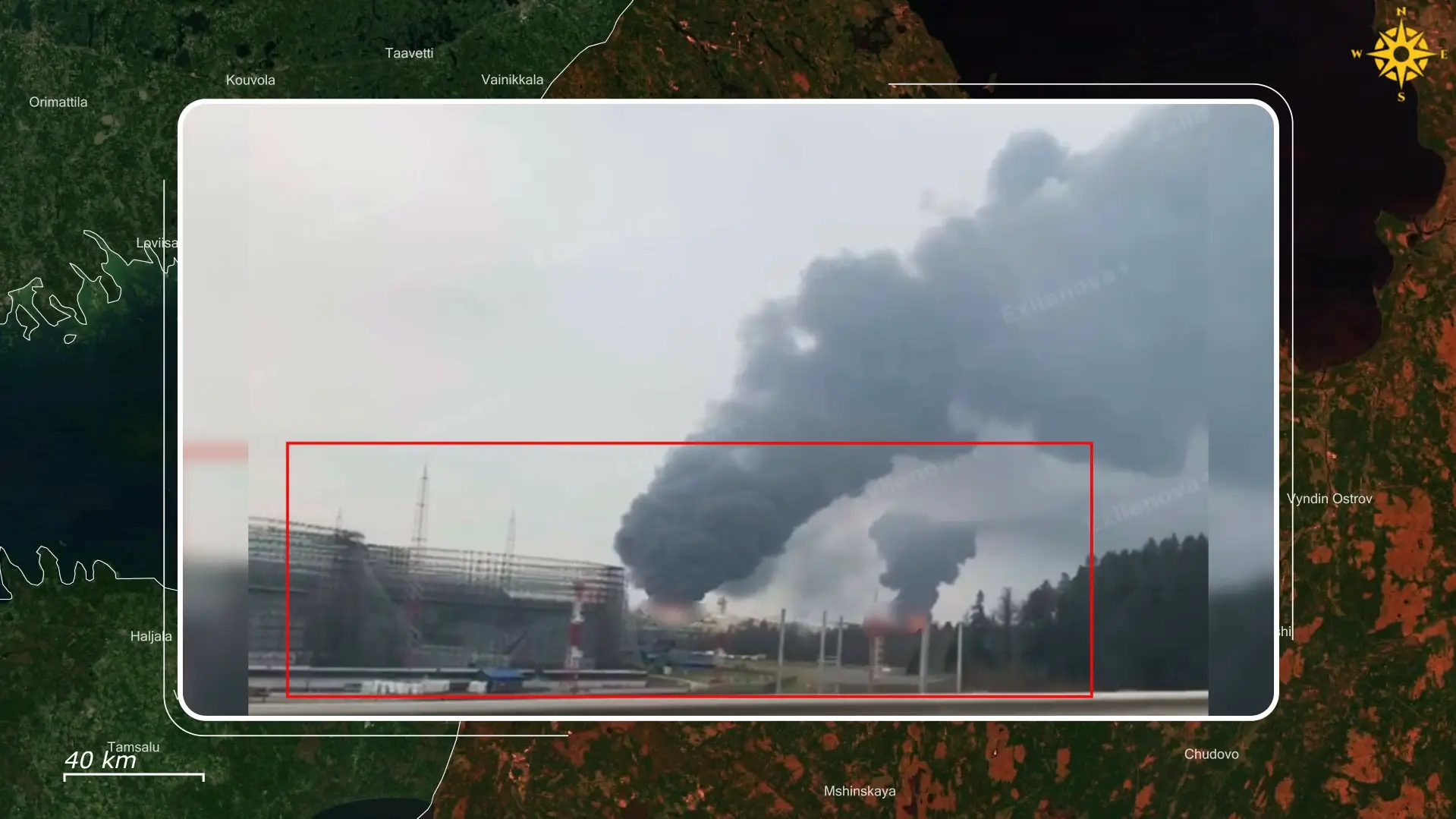
Overall, for Russia, the larger problem is unmistakable, as even the heavily defended region surrounding Putin’s hometown remains vulnerable to Ukrainian long-range attacks. And the friendly-fire incidents opened the skies for Ukrainian drones, as Russia’s own response compounded the damage. At the same time, Ukraine is demonstrating that its expanding drone campaign can impose costs not only through successful strikes, but also by forcing Russia into increasingly expensive, complicated, and potentially dangerous defensive operations.



Comments