


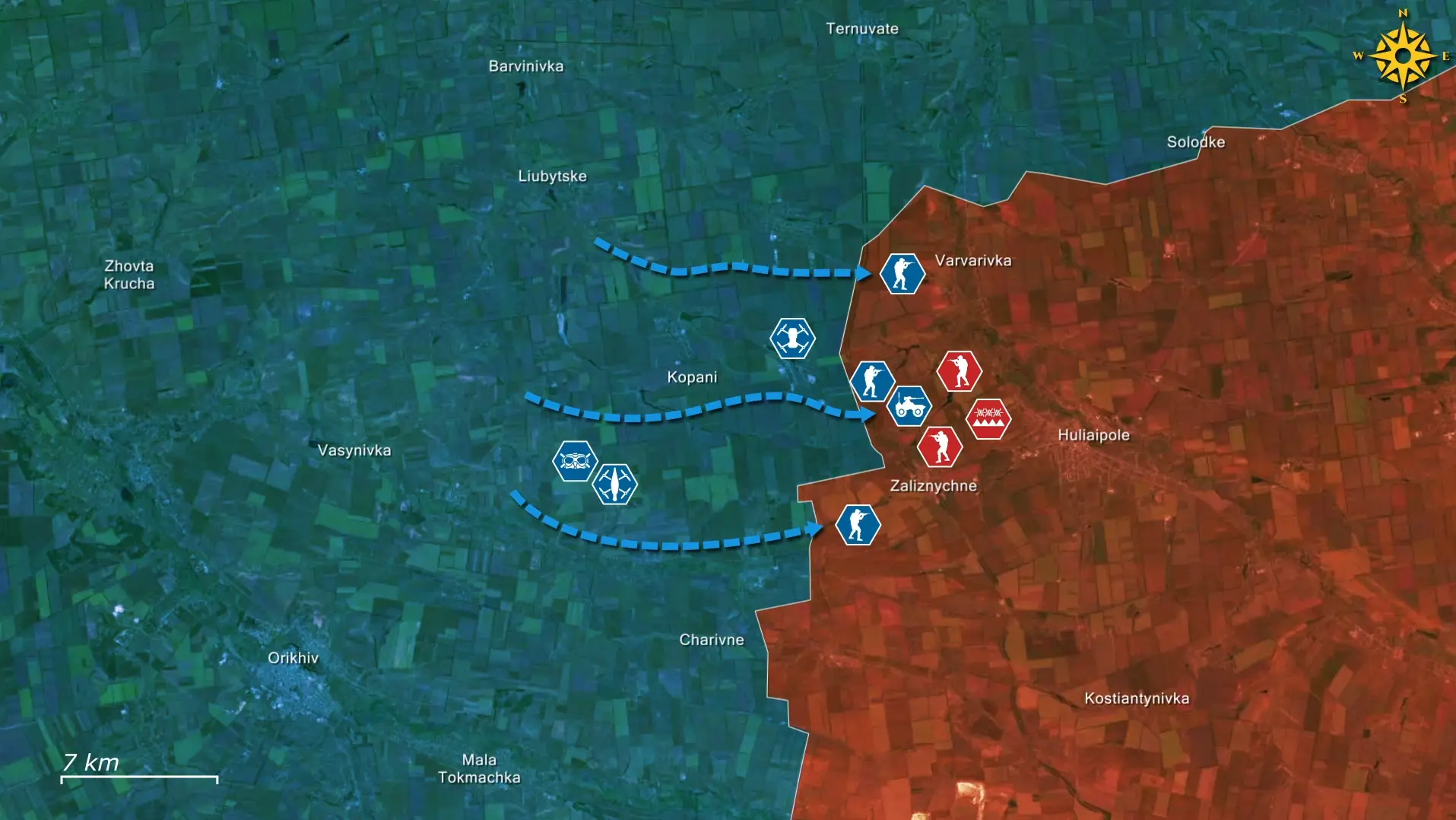
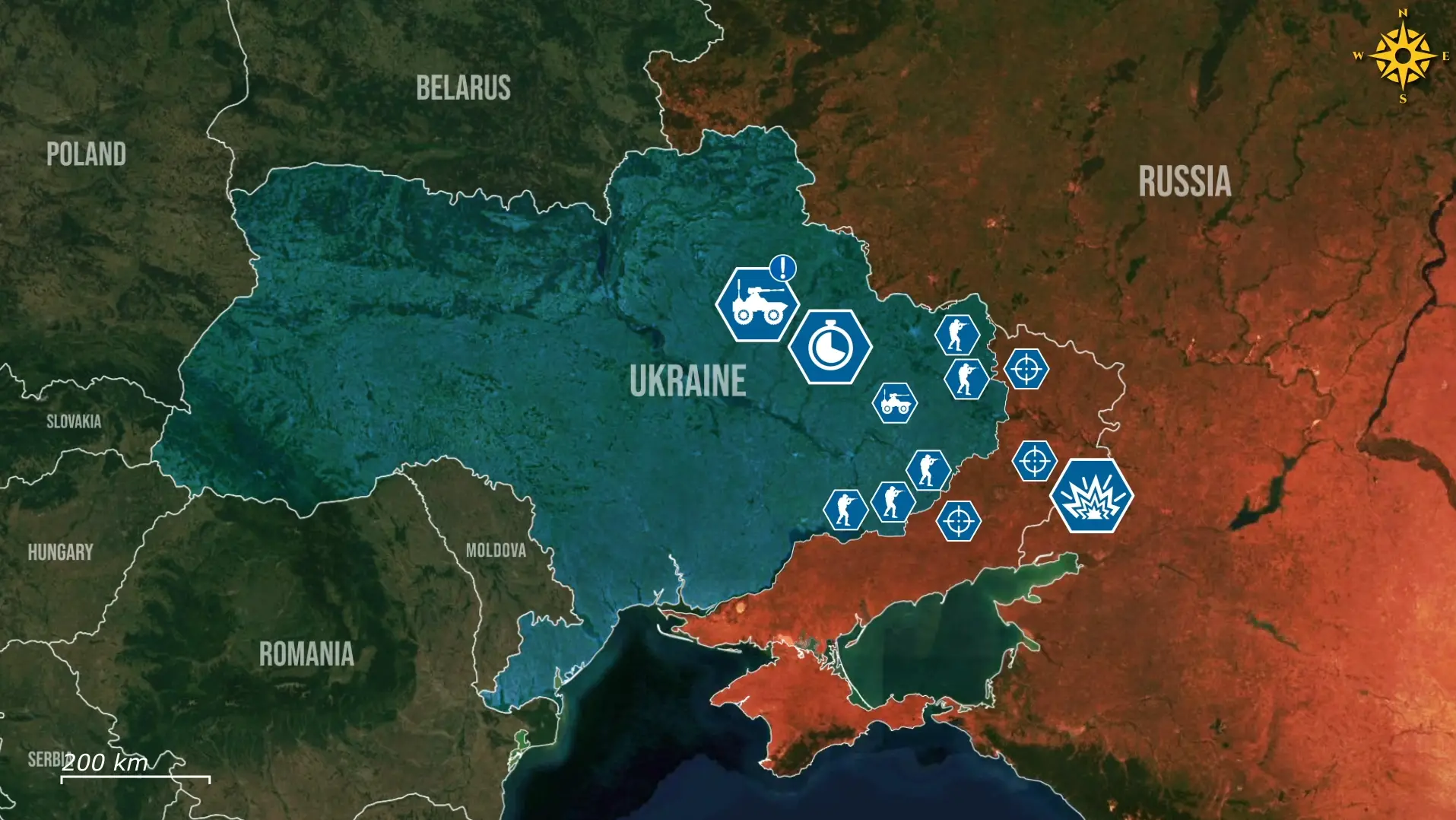
Today, the biggest news comes from the Huliaipole direction.
Here, Ukrainian forces tested a new form of combined arms warfare during an assault on Russian positions, sending infantry forward with aerial drones and a ground robotic vehicle armed with a fifty caliber Browning M2 heavy machine gun.
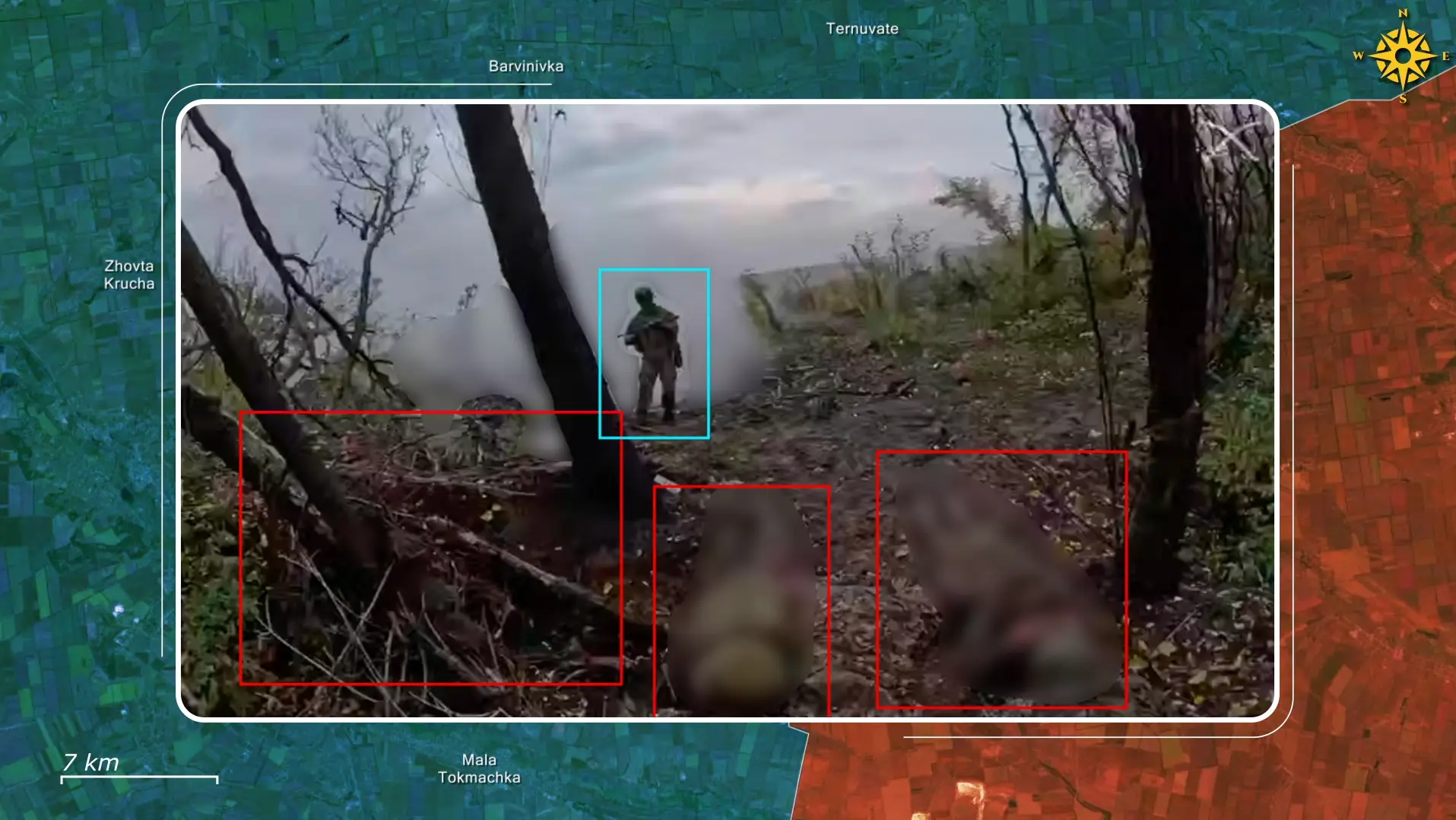
The footage begins as Ukrainian soldiers and drones open fire on two Russian troops ahead of the assault group, forcing both men to leave their positions and run. Ukrainian drones immediately follow them and begin striking along their escape route, preventing the two Russians from escaping the assault until both men stop and surrender. The Ukrainian troops then keep advancing, with the Browning armed ground drone moving forward alongside them instead of remaining in a fixed support position. Farther into the position, the assault group discovers a dugout with another two Russian soldiers inside. The Ukrainians move up to the entrance and begin throwing grenades into the dugout, forcing both men to come out and surrender.
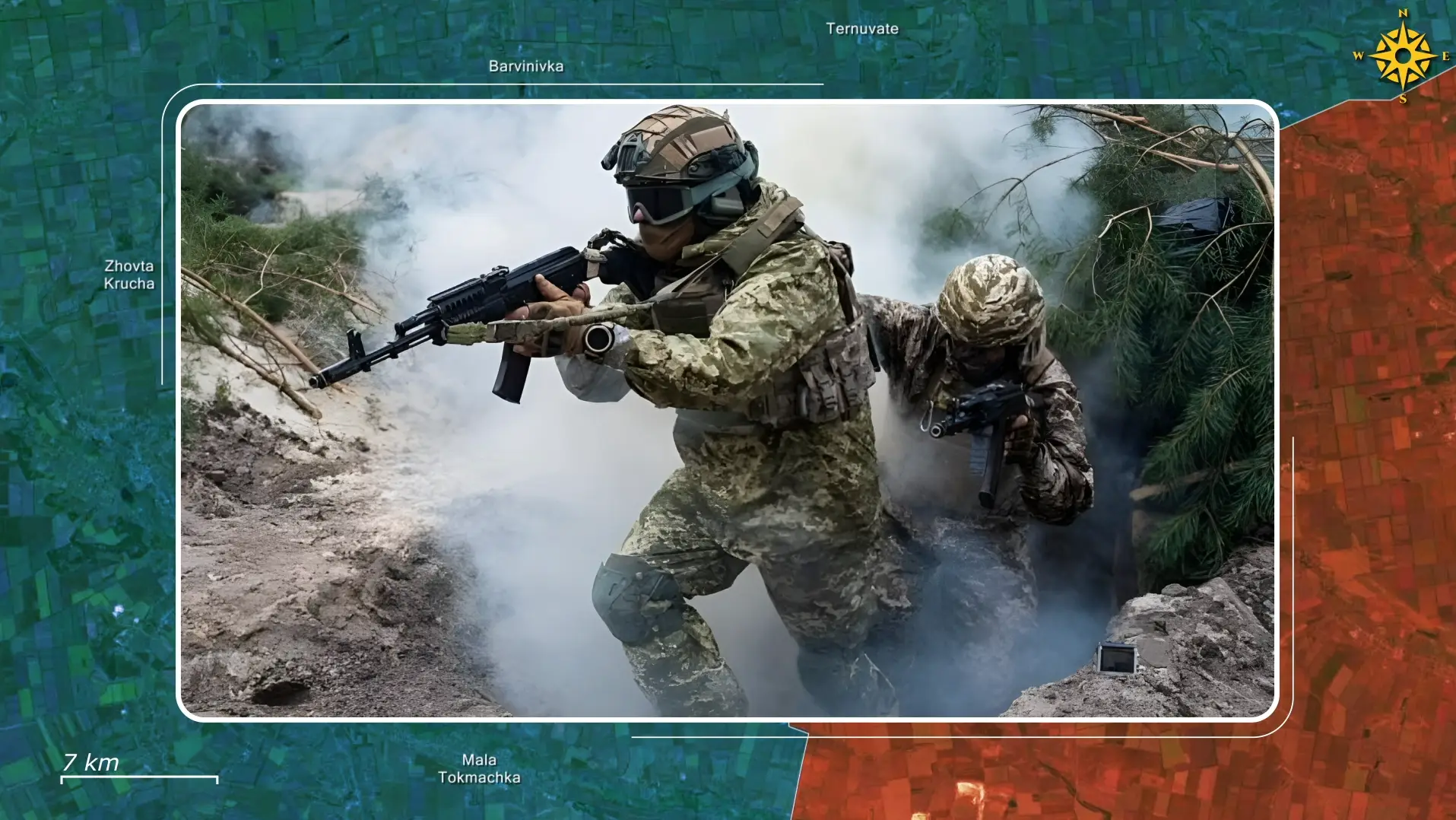
In total, four Russian soldiers are captured during the assault, with the Browning armed ground drone staying with the infantry throughout the clearing operation. That detail separates this assault from a normal drone-supported attack, because the heavy machine gun never falls behind the soldiers carrying out the advance.
Keeping that kind of firepower at the front has become difficult in modern drone warfare, where assault infantry have been forced to become lighter and faster. A heavy machine gun works against that, because the weapon, ammunition, and crew add weight, slow movement, and concentrate several soldiers around one firing position that enemy drones can quickly detect.
As Ukrainian assault groups became smaller and more mobile, they also lost some of the sustained fire traditionally used to pin defenders while infantry crossed the final stretch toward a trench or dugout. The Browning armed ground drone puts that firepower back at the front by carrying the fifty caliber machine gun and its ammunition beside the assault group, letting the soldiers keep moving with lighter equipment while the heavier weapon stays close enough to fire directly on the same positions they are approaching. It also removes the machine gun crew from one of the most exposed roles in the attack, because enemy fire aimed at the weapon is now directed at an unmanned vehicle.
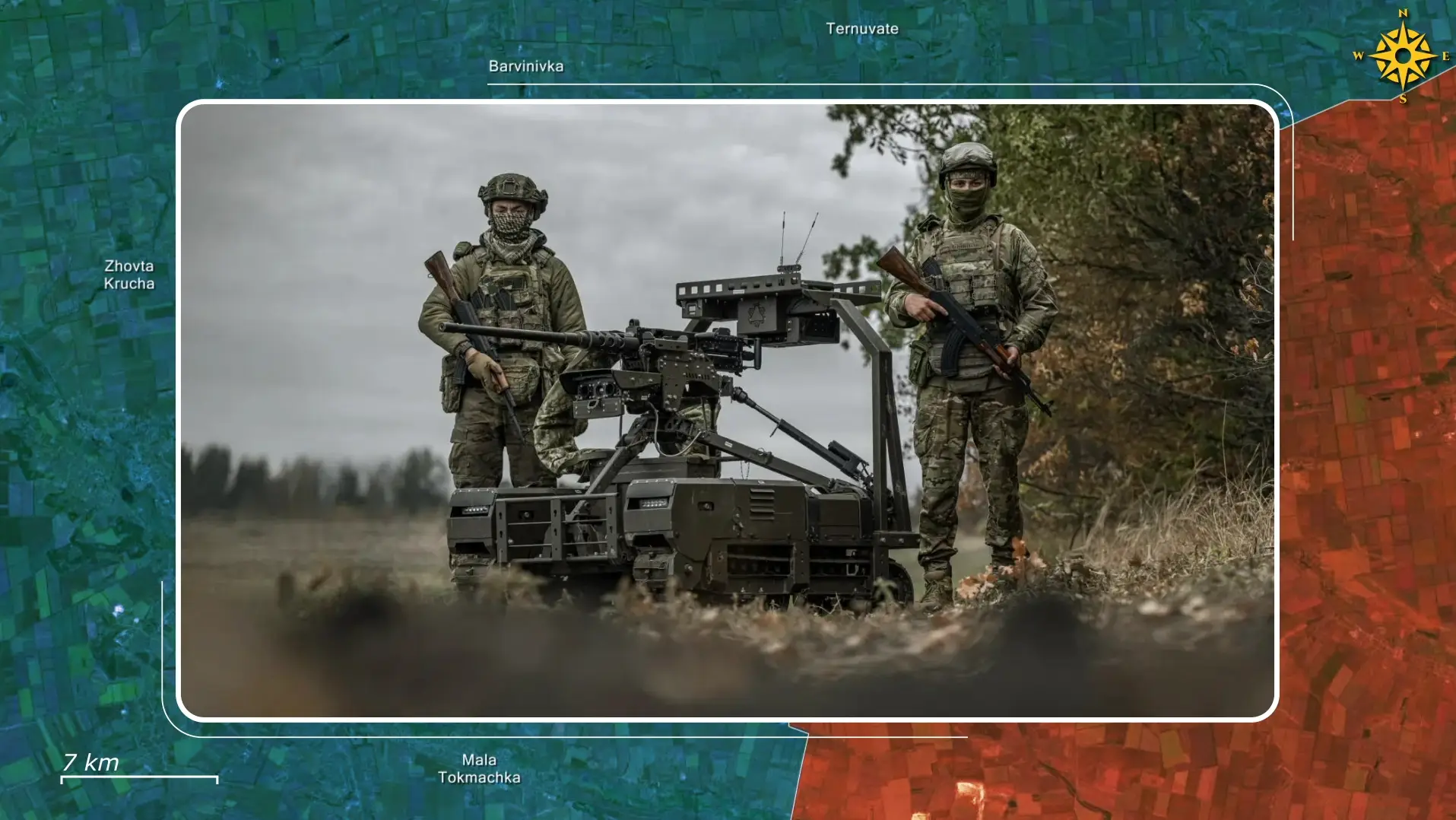
The result is a light infantry group that keeps its speed without giving up the heavy firepower normally lost when machine gun teams are left behind. The Huliaipole assault shows Ukraine becoming one of the first militaries to integrate an armed ground robot directly into an infantry assault formation, with the robot advancing beside the soldiers instead of supporting them from a fixed position farther back.
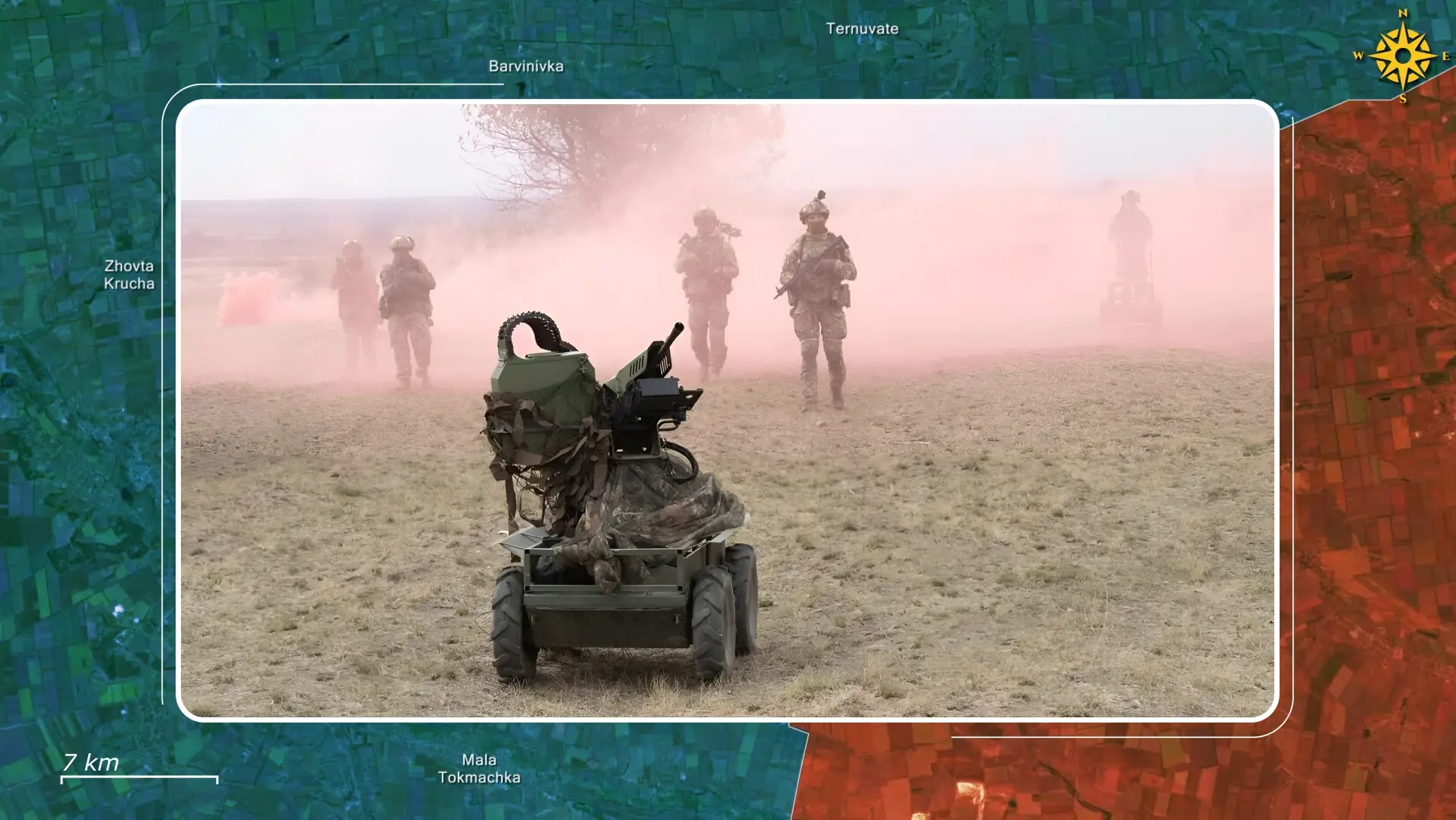
Overall, armed ground drones are beginning to change how assault groups are built, shifting heavy weapons away from soldiers and onto unmanned platforms that can stay with the advance. That reduces the number of troops tied to crew served weapons and frees more soldiers for movement, clearing, and securing captured positions. As these systems spread, Russian defenders will face assault groups that retain infantry speed while carrying heavier direct firepower deeper into contested ground. Ukraine is therefore pushing ground robots from specialized equipment into a permanent part of the assault formation, creating a battlefield role that other armies will now have to copy or counter.



Comments