


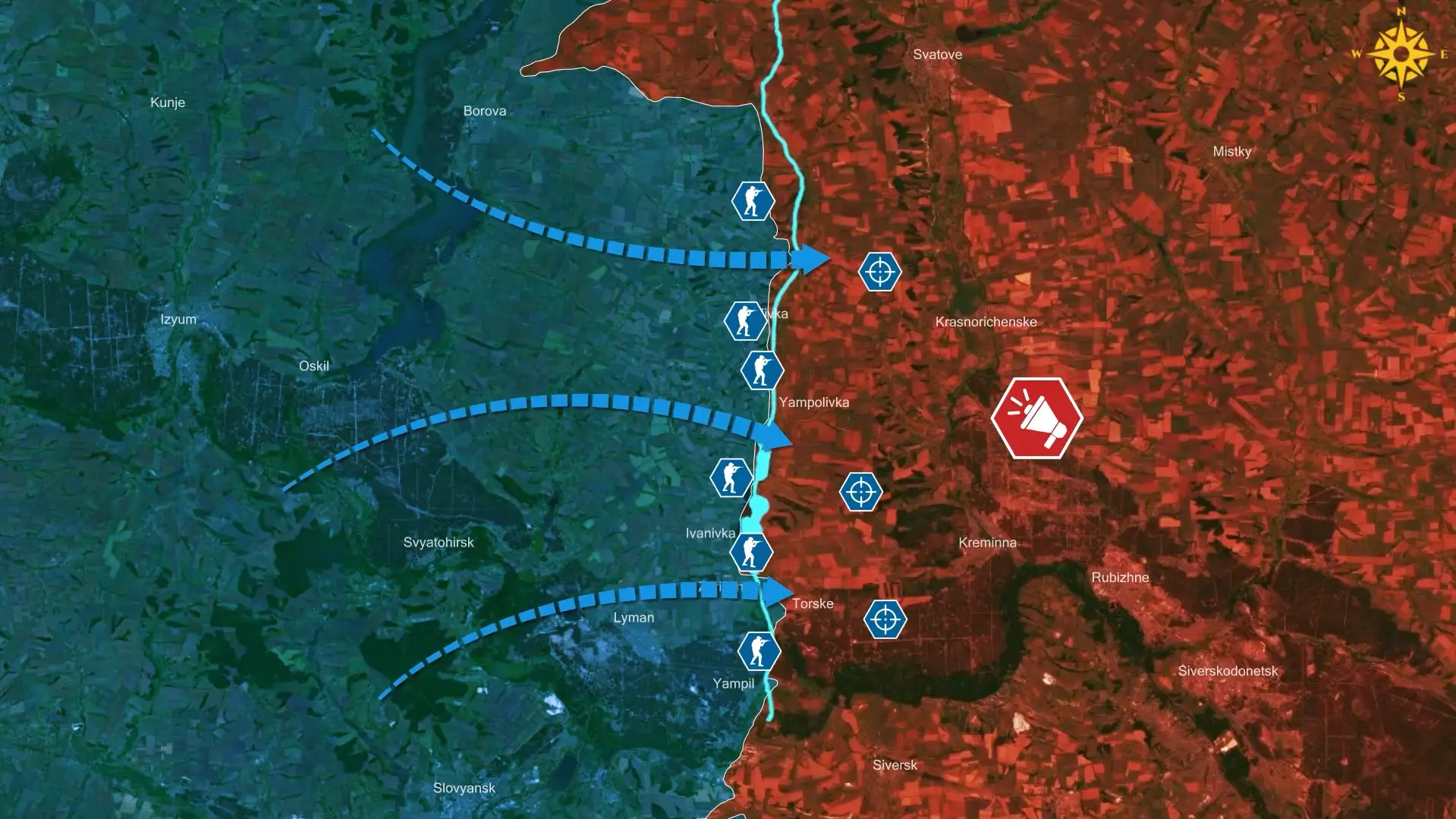
The CIA continues to provide Ukraine with important military intelligence despite the strained relationship between US President Donald Trump and Ukrainian President Volodymyr Zelensky. Despite Trump's criticism of Ukraine's attacks on Russian oil infrastructure, the CIA reportedly continues to share intelligence with Kyiv on the locations of Russian air defense systems, helping Ukrainian forces identify vulnerabilities and plan strikes against military targets. The continued cooperation reflects a wider view among Western intelligence agencies that helping Ukraine resist Russia also helps protect their own countries. For Ukraine, knowing where Russian air defenses are located helps commanders choose routes that give their drones and missiles a better chance of reaching their targets.
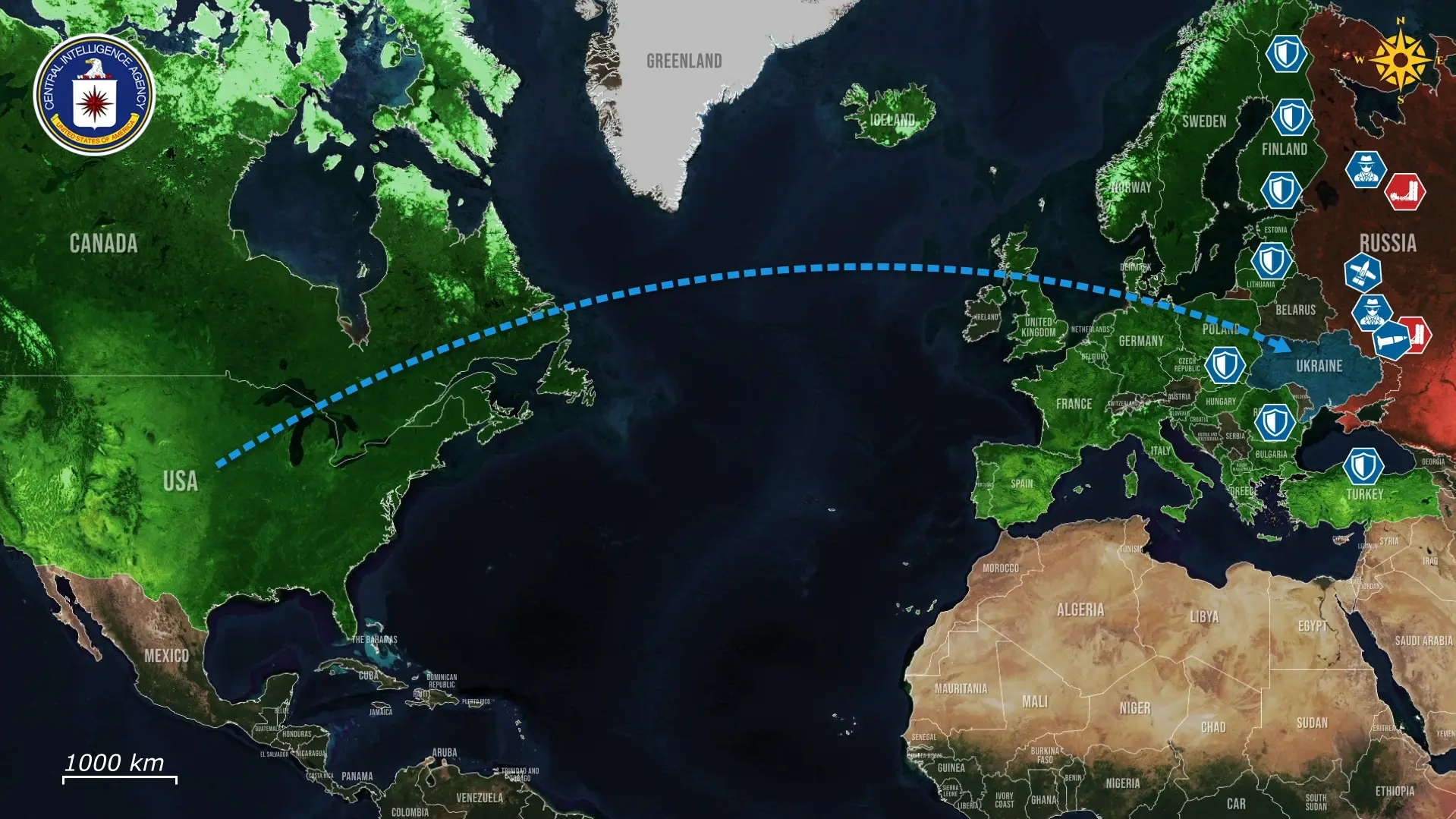
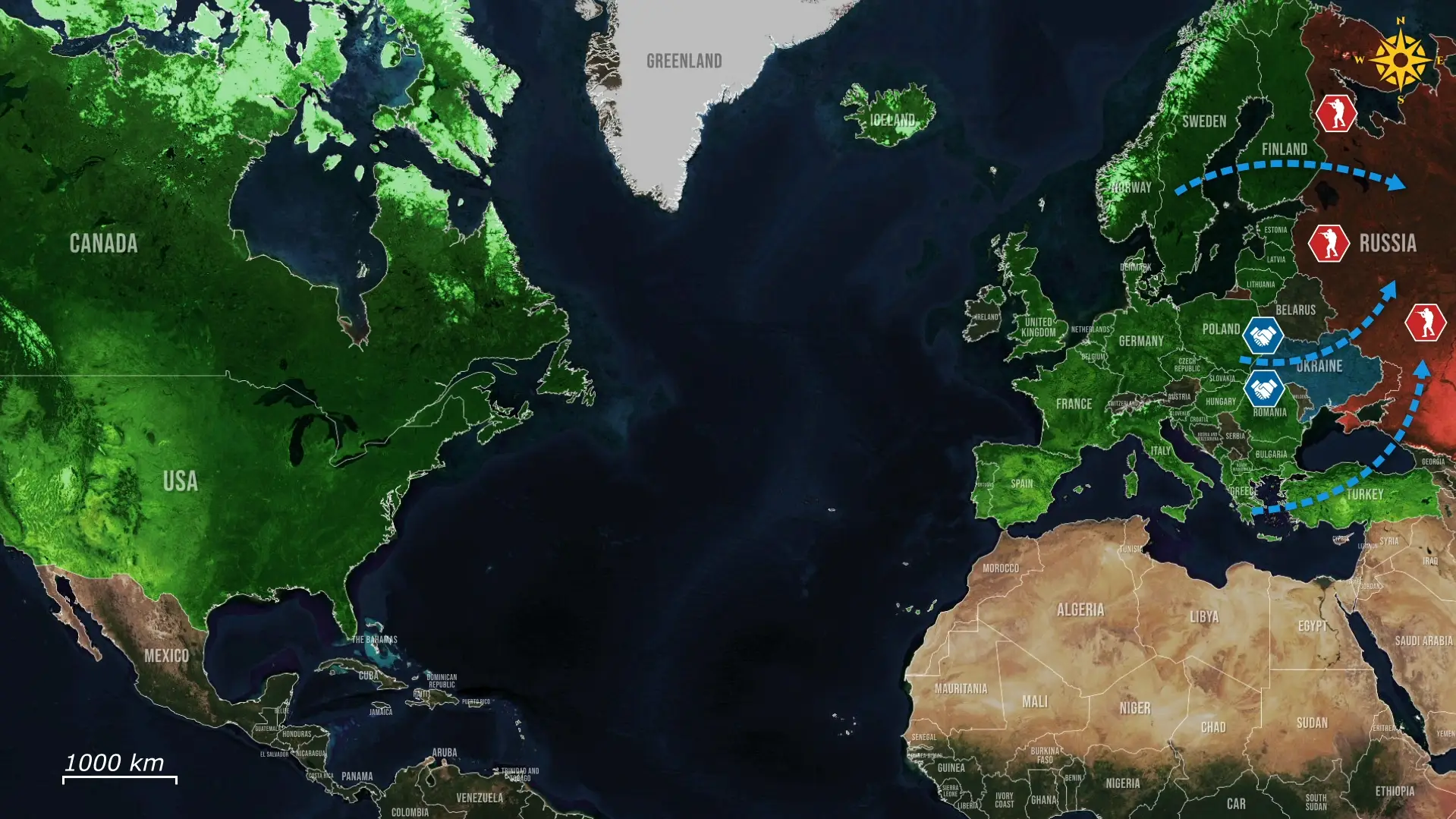
Western intelligence agencies view Russia's actions as a direct security threat to their own countries. Their work involves monitoring Russian military activity, tracking intelligence operations and identifying potential cyberattacks and sabotage across Europe. These activities are not limited to the war in Ukraine. Nato has identified Russian cyber operations, attacks on critical infrastructure and other hostile activities as threats to Allied security. US intelligence assessments also describe Russia as a persistent cyber and military threat to American interests, so this creates a shared security interest between Ukraine and its Western partners. By helping Ukraine monitor and resist Russian military operations, Western agencies can also better understand Russian capabilities and reduce the risks facing their own countries.
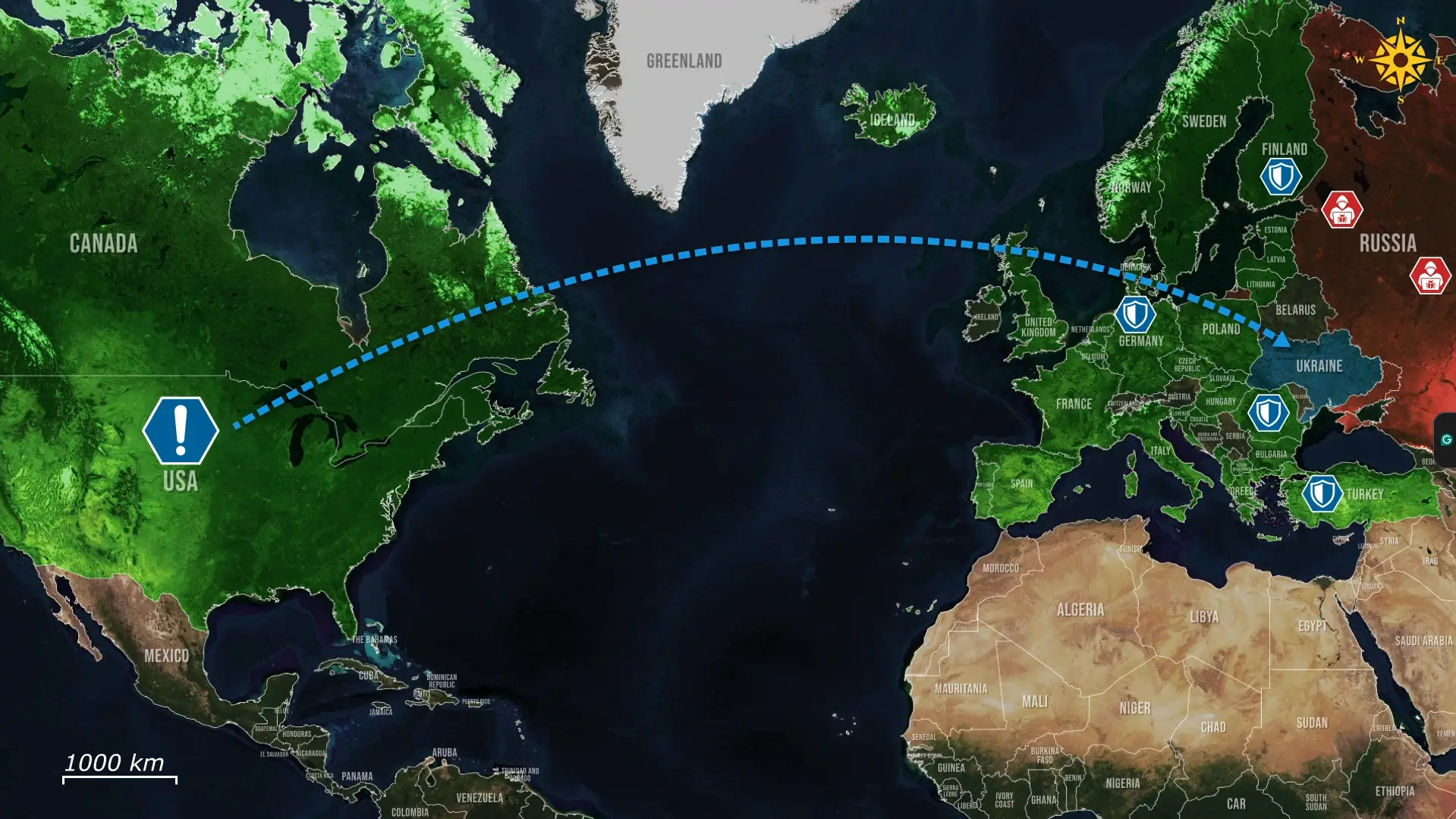
Intelligence cooperation between Ukraine and its Western partners involves a continuous exchange of information collected through different sources. Western countries provide satellite images showing Russian troop movements and military positions while also sharing intercepted Russian communications and warnings about incoming missile and drone attacks. This information helps Ukrainian commanders understand developments on the battlefield, anticipate Russian operations and organize their response. In return, Ukraine contributes intelligence gathered by its own military and security services. Its forces provide information about Russian weapons and weaknesses identified during combat. This gives Western intelligence agencies direct insight into Russian military capabilities and how they perform in actual fighting. The exchange therefore benefits both sides, giving each access to information that would be difficult to collect independently.
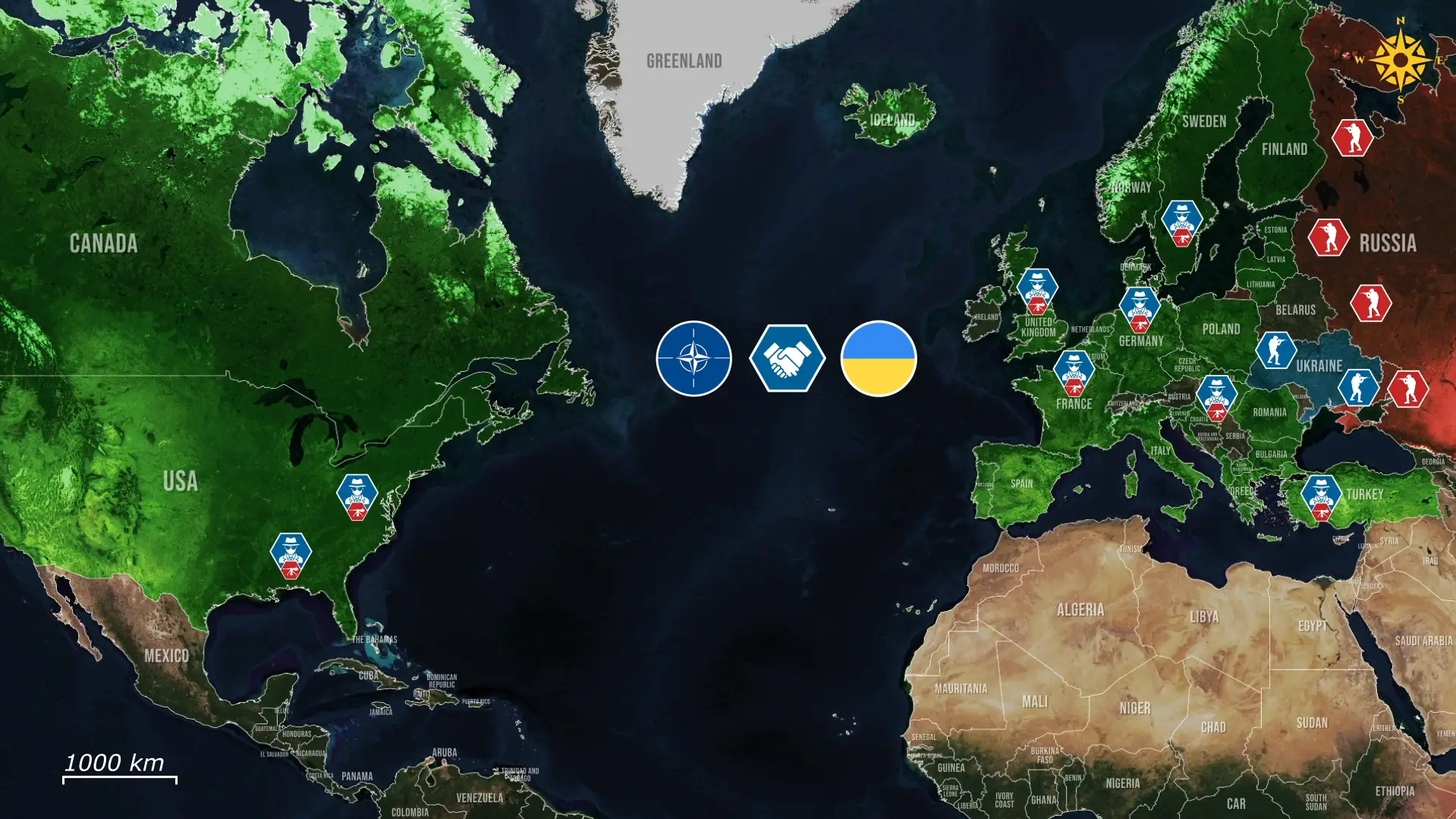
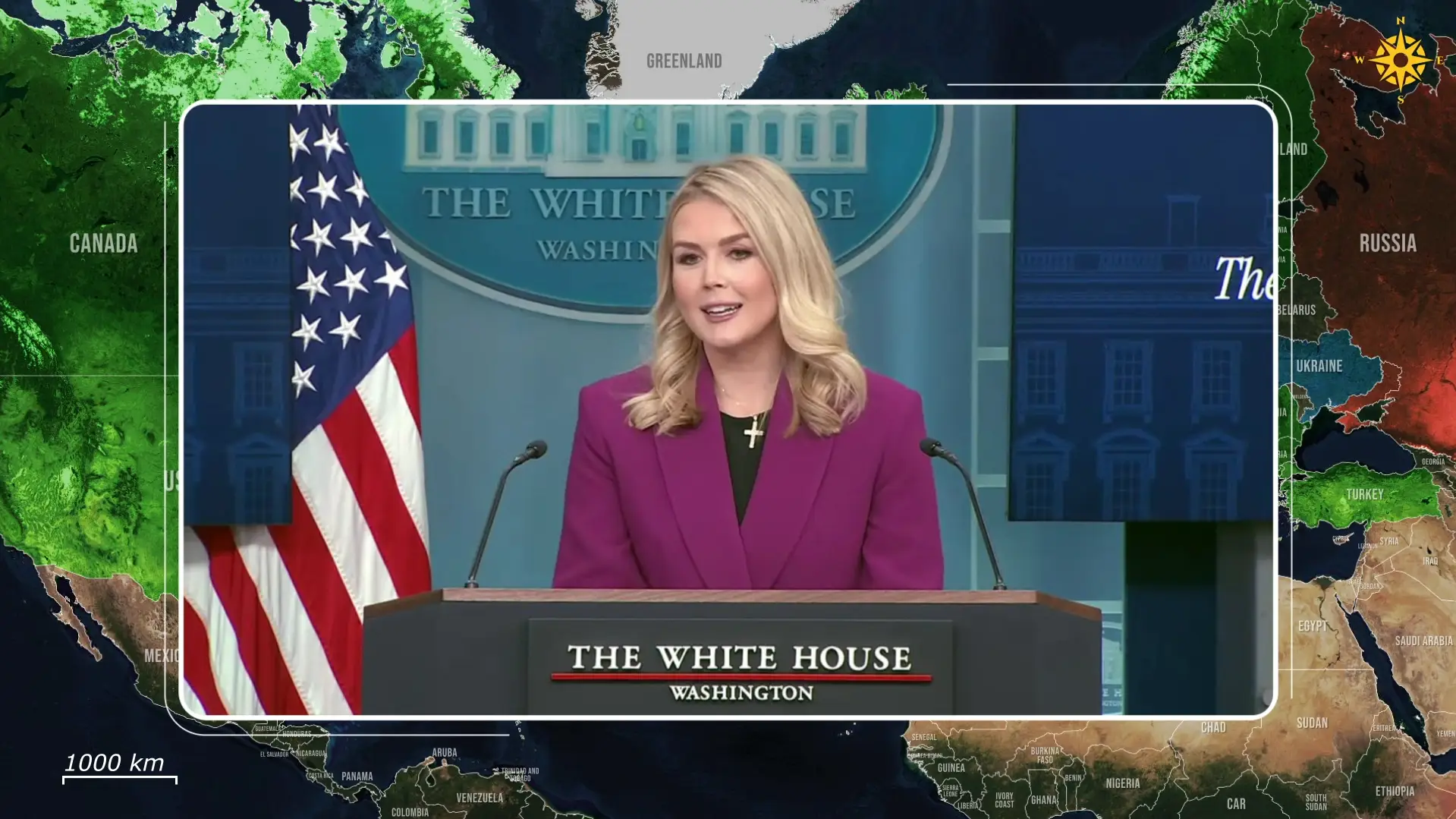
In Washington, intelligence cooperation with Ukraine remains influenced by political decisions made by the White House. In March two-thousand-twenty-five, the Trump administration temporarily suspended intelligence sharing and military assistance to pressure Kyiv into negotiations. Although cooperation was later restored, the episode showed how political disagreements can affect Ukraine's access to American support. US intelligence agencies, the military and members of Congress continue to support cooperation with Ukraine because of the threat posed by Russia, although the White House retains the authority to restrict intelligence sharing and limit the assistance Kyiv receives. This suggests that disagreements between Trump and Zelensky have not eliminated the underlying reasons for intelligence cooperation.
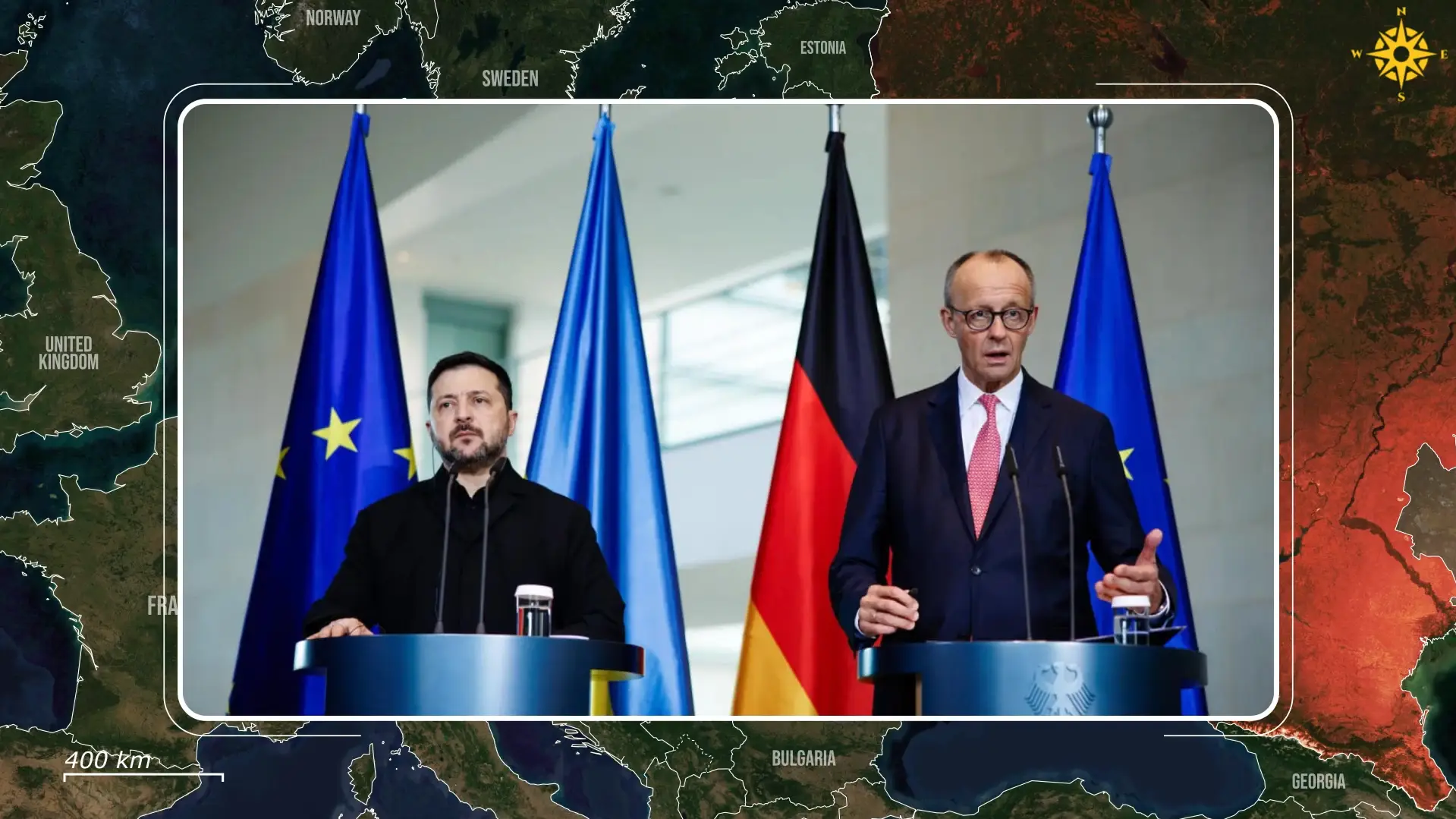
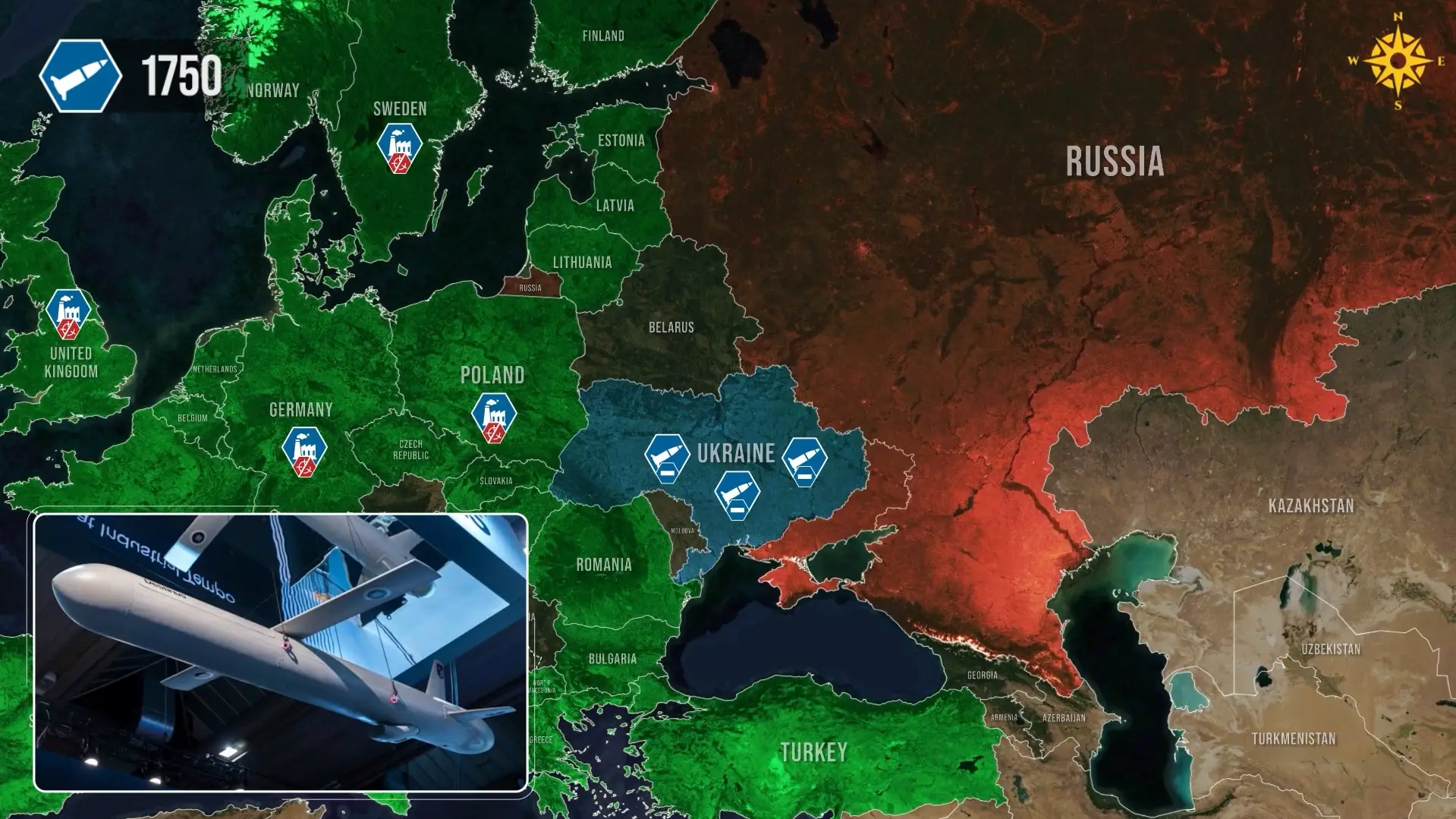
Ukraine does not depend entirely on Washington for intelligence support. European countries, particularly the United Kingdom, France and Germany, also provide information about Russian military activity, helping Kyiv monitor developments and prepare for potential attacks. Their contribution became especially important after Washington temporarily suspended intelligence sharing in March two-thousand-twenty-five. France has since expanded its role, with President Emmanuel Macron stating in January two-thousand twenty six that his country provides two thirds of the intelligence supplied to Ukraine. However, Europe cannot replace every American capability, especially the satellite systems that detect ballistic missile launches and give Ukraine precious time to respond.
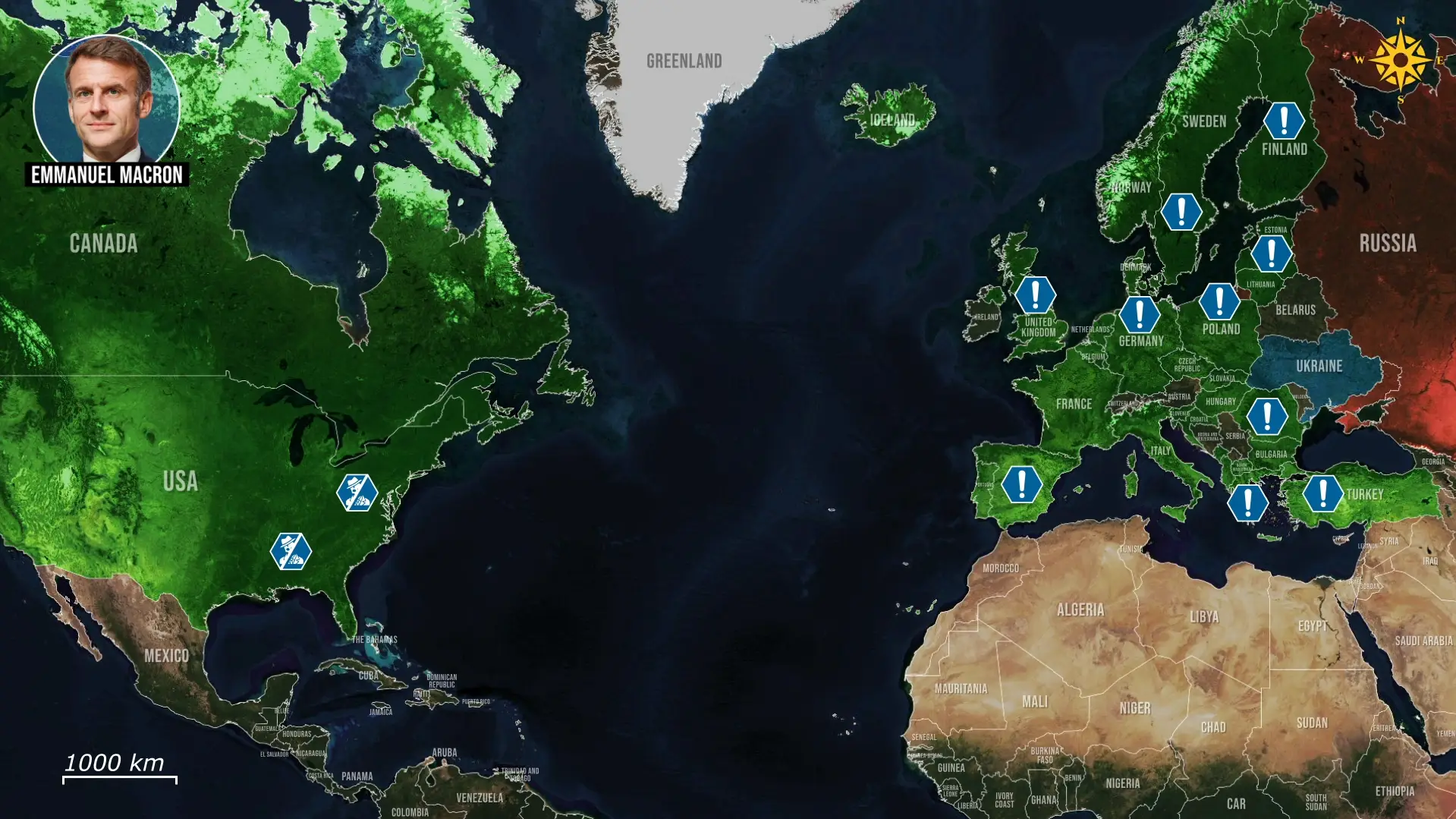
Overall, the continuation of intelligence sharing shows that cooperation between the CIA, Ukraine and other Western agencies is based on security interests that extend beyond political relations between individual leaders. Russia remains a common threat, giving these institutions strong reasons to maintain cooperation regardless of tensions in Washington. Although the White House can restrict American assistance, Europe's growing contribution provides Ukraine with additional support, even if it cannot fully replace US capabilities. As Ukraine gains more experience fighting Russia, it becomes partner Western agencies have more reason to keep working with, giving the relationship a stronger basis to survive future political disagreements.



Comments