


Today, the biggest news comes from Europe.
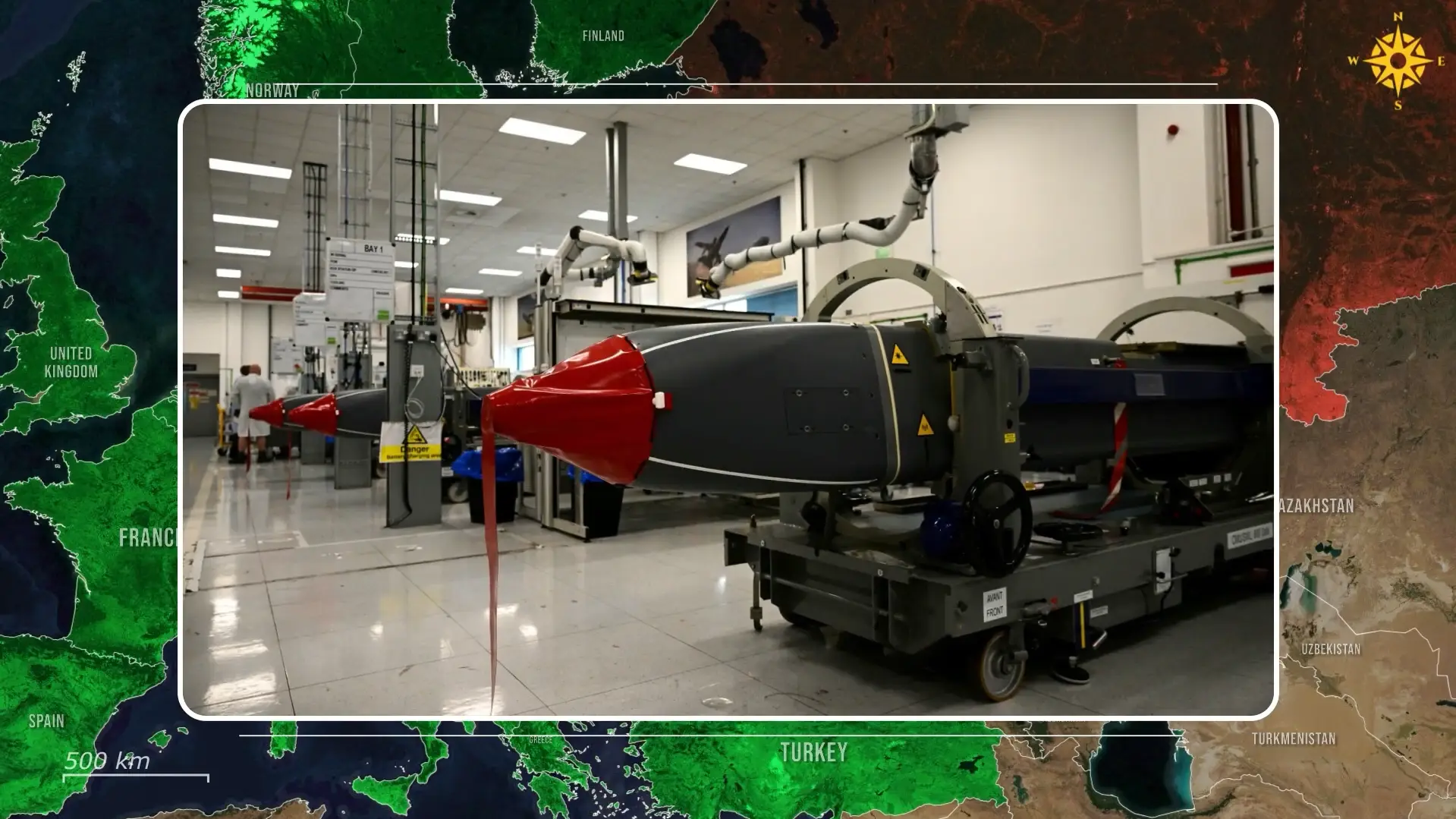
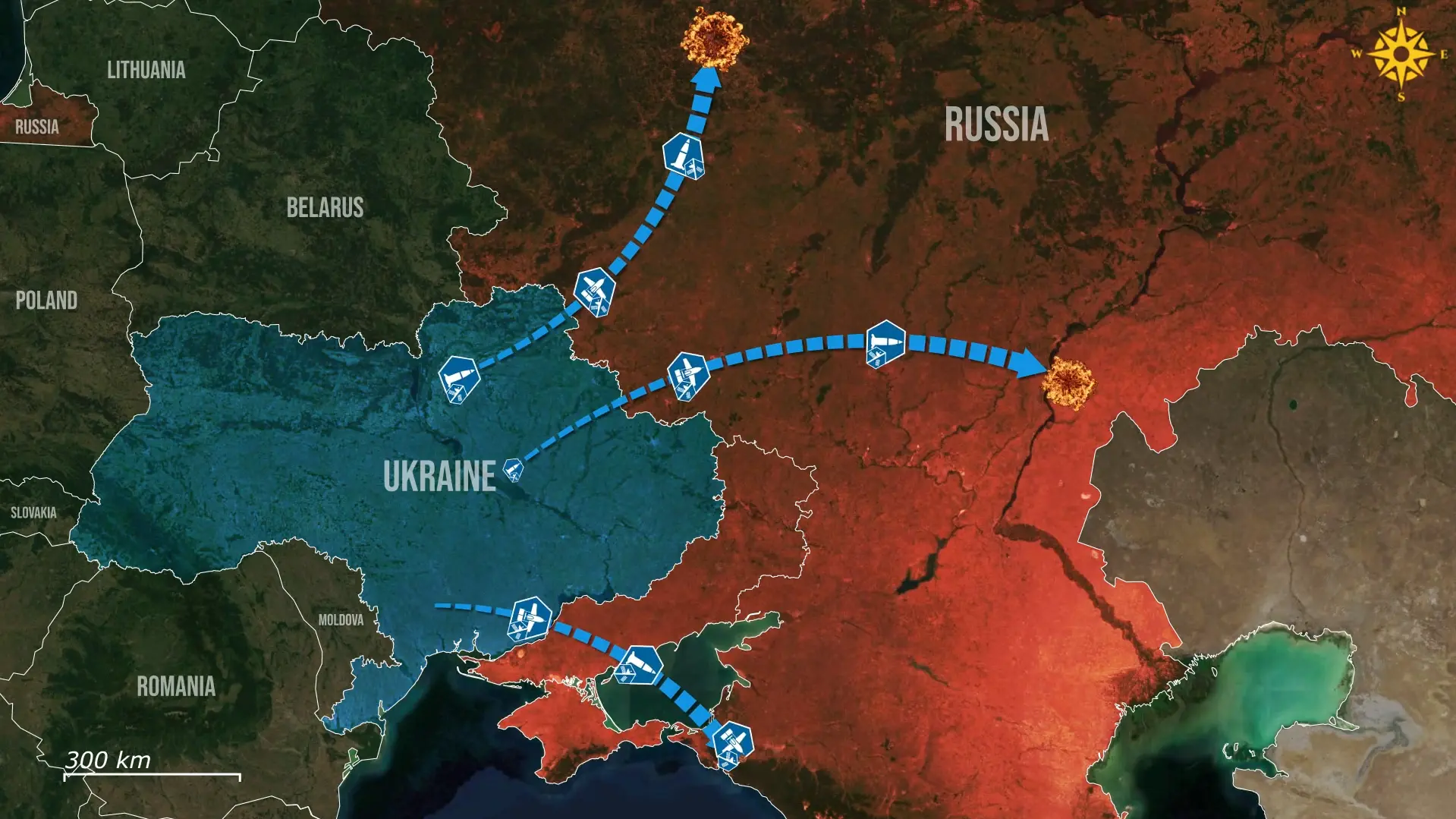
A European defense manufacturer, Destinus, has now produced more than one thousand seven hundred and fifty Ruta cruise missiles and is scaling production to nearly three hundred per month. For Ukraine, this could address one of the biggest limitations in its long-range strike campaign, which is the lack of sufficient missile supplies. Destinus is now building production capacity inside the European Union, safely beyond the reach of Russian attacks, while also preparing to supply the turbojet engines needed for Ukraine and European missile production from two thousand and twenty-seven. Europe is not just supplying weapons anymore, it is building the industrial capacity Ukraine needs to sustain its long-range strike campaign.
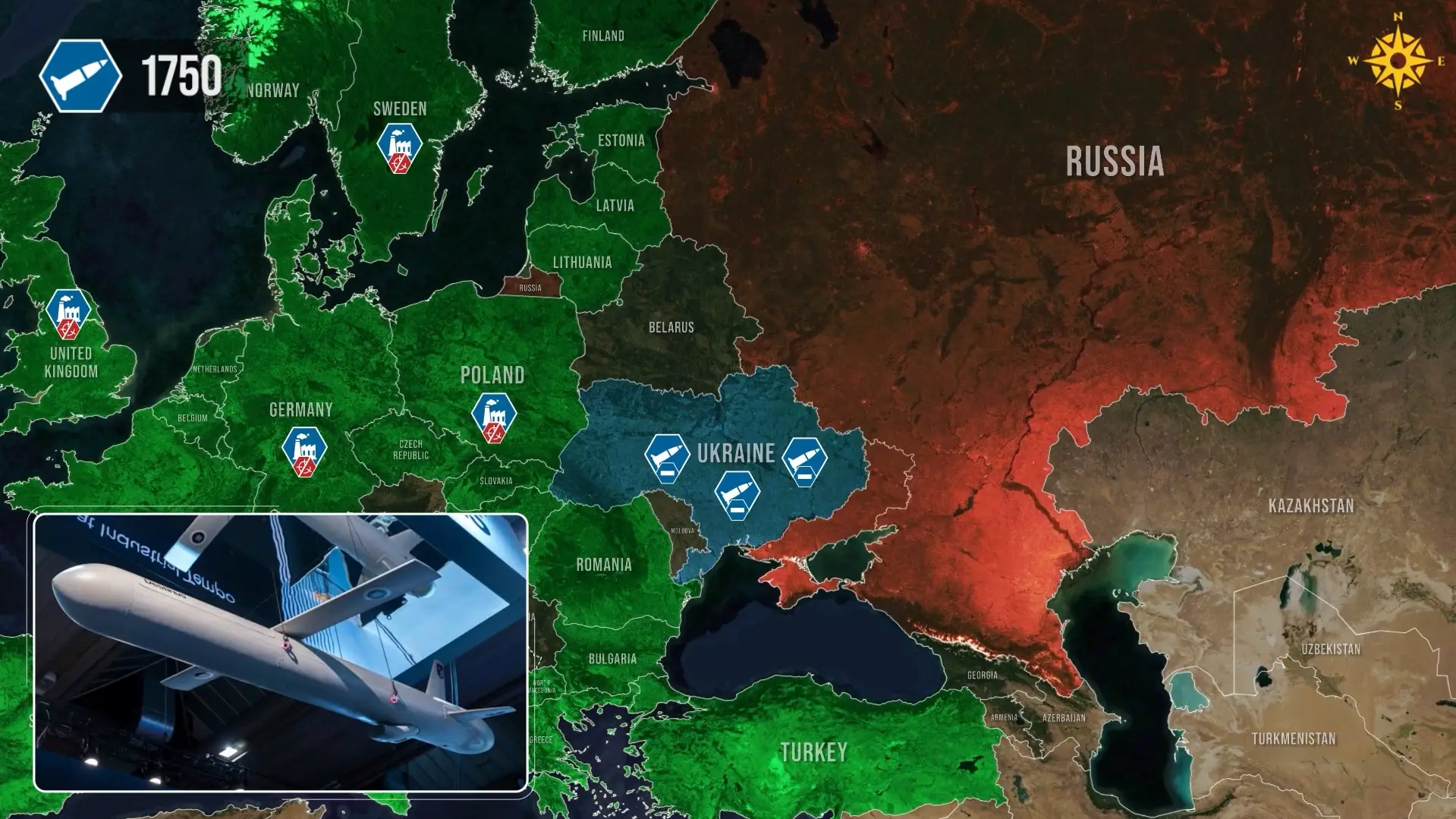
The importance of this missile is that it can be produced at scale. The three hundred monthly figure is significant because most of it is planned to be sent to Ukraine. Simultaneously, some of the missiles will be kept in reserve for European countries in order to build up their deterrence against Russia. This number is significant, as the United Kingdom and France possessed one thousand and four hundred Storm Shadow missiles altogether before production restarted last year. This shows that Destinus is producing more cruise missiles per month than the entirety of Europe did in a full year before the war in Ukraine began.
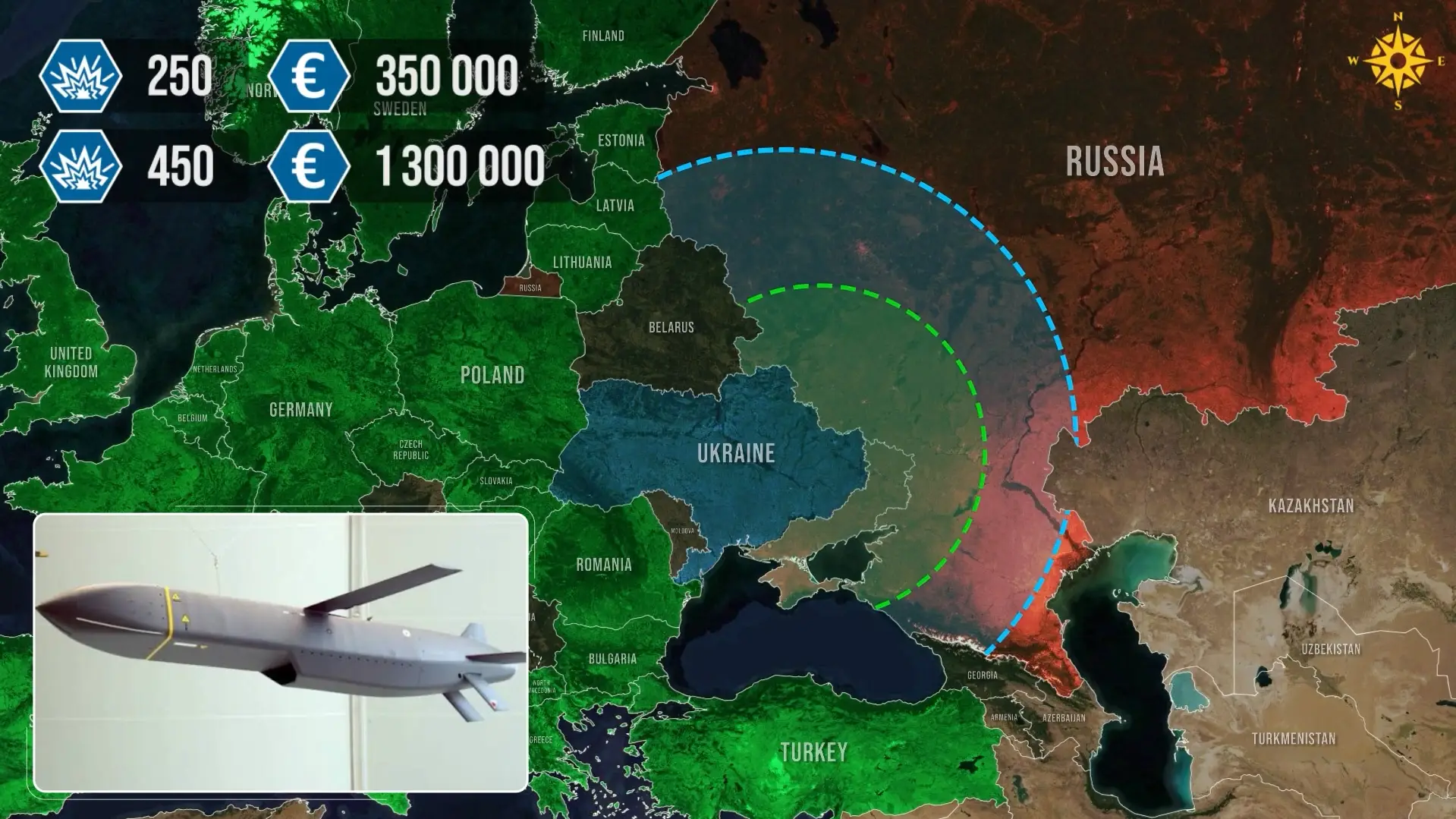
The larger Ruta Block Two missile has also entered production, offering a two hundred and fifty-kilogram payload and a range exceeding seven hundred kilometers. Compared to other Western-supplied missiles, the Storm Shadow carries nearly twice the payload, at four hundred and fifty kilograms, but its range is only around three hundred kilometers, meaning the Ruta can reach more than twice as far. But one of the biggest advantages of the Ruta is its price. The Netherlands recently subsidized the purchase of seven hundred Ruta missiles for two hundred and fifty million euros, bringing the estimated unit cost to around three hundred and fifty thousand euros. By comparison, a single Storm Shadow costs nearly one point three million euros. This means Ukraine could acquire more than three and a half Ruta missiles for the price of just one Storm Shadow, making it possible to strike more targets without relying on a much smaller supply of expensive Western missiles.
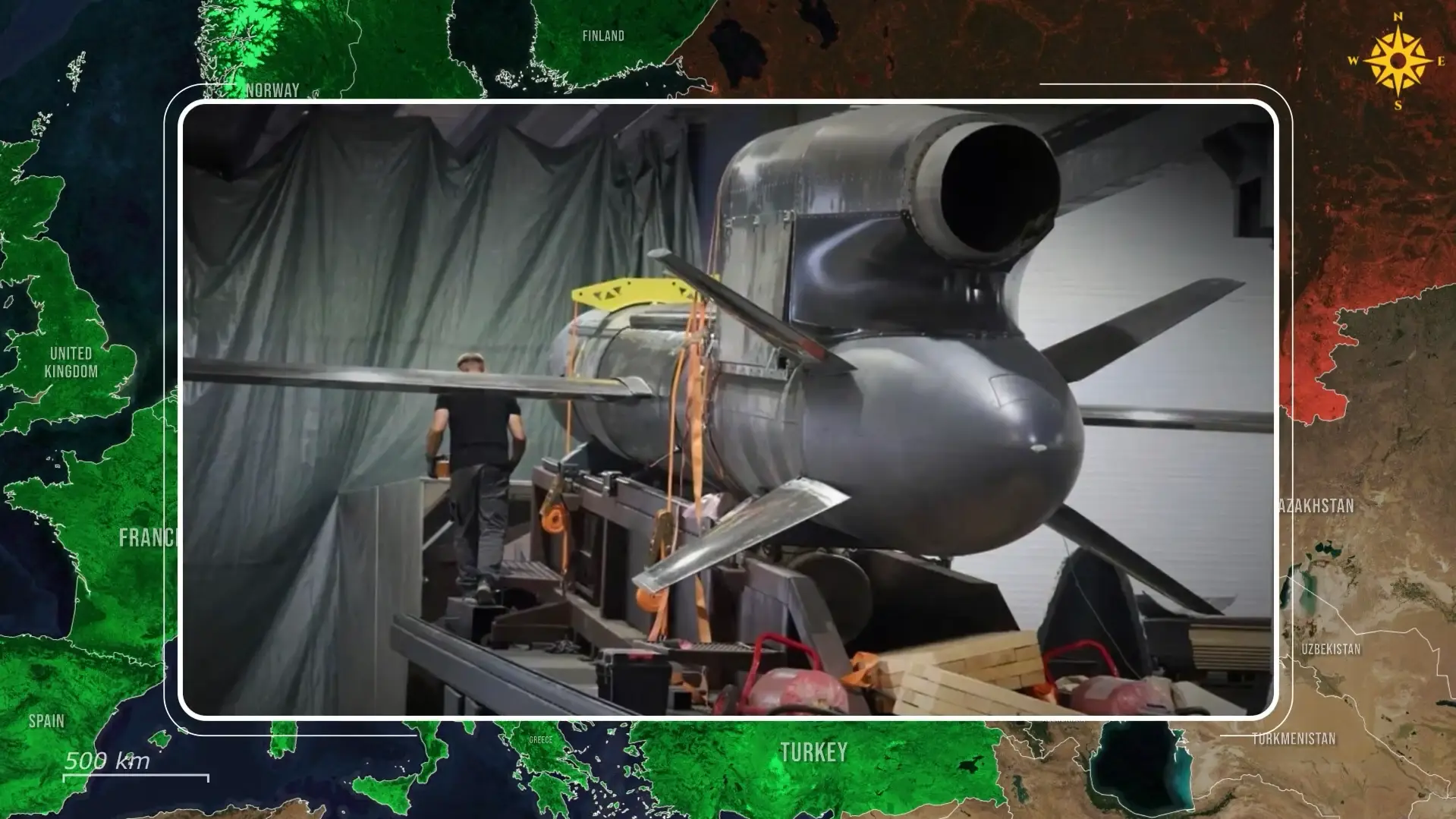
Although the domestically produced cruise missiles are more destructive and have a larger range, they are produced in small quantities, while the Ruta cruise missile will be available in large numbers. Ukraine’s biggest problem when it comes to missiles has always been that Western countries haven’t been able to scale their production significantly. Because of the limited production numbers, Ukraine has to rely on long-range drones, which have a substantially smaller payload. However, now that hundreds of missiles can be supplied monthly, Ukraine will be able to increase the destructiveness of its strikes against Russian military and oil-related targets. These missiles can be used against command posts, storage sites, oil infrastructure, or hardened targets.
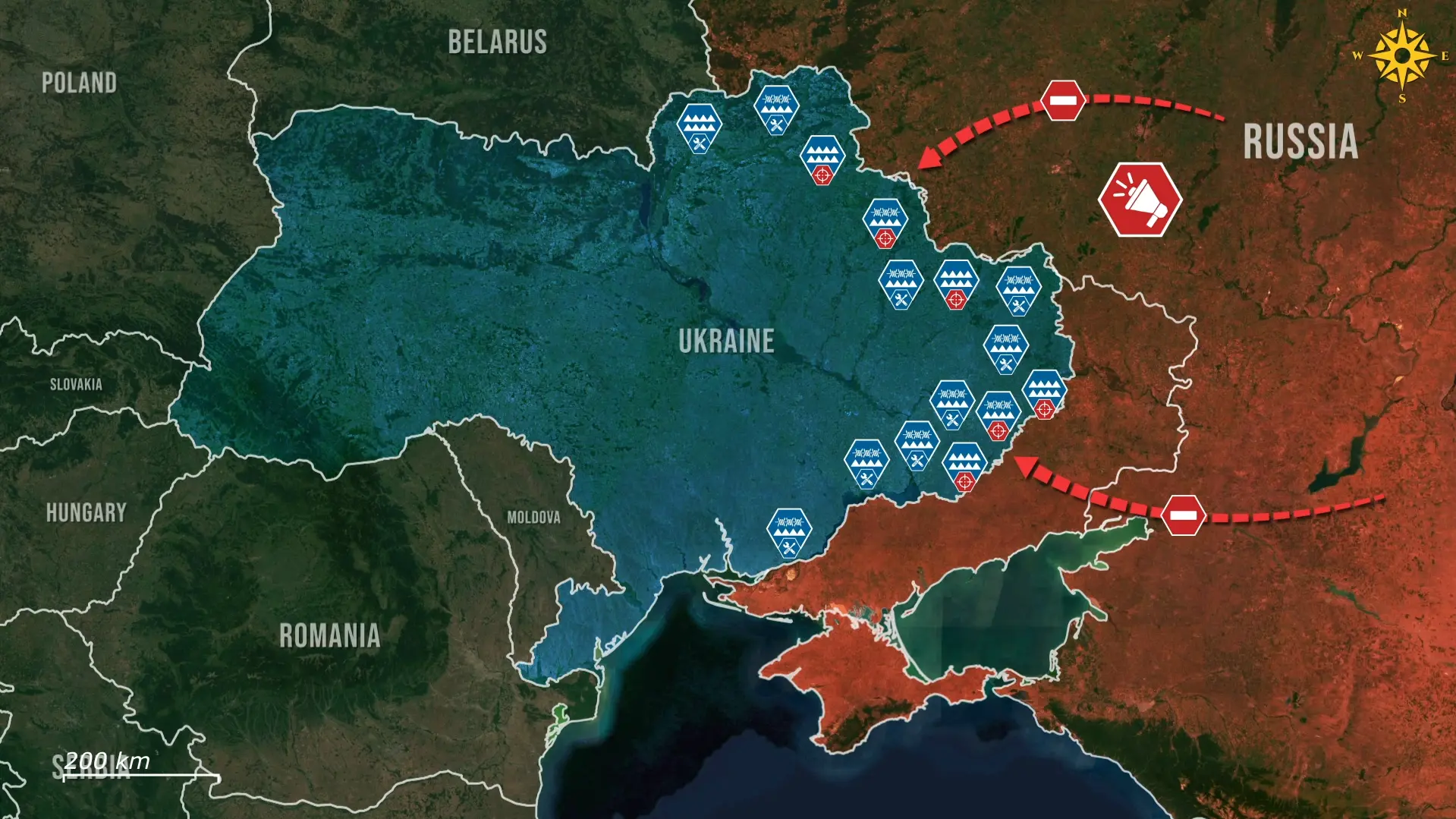
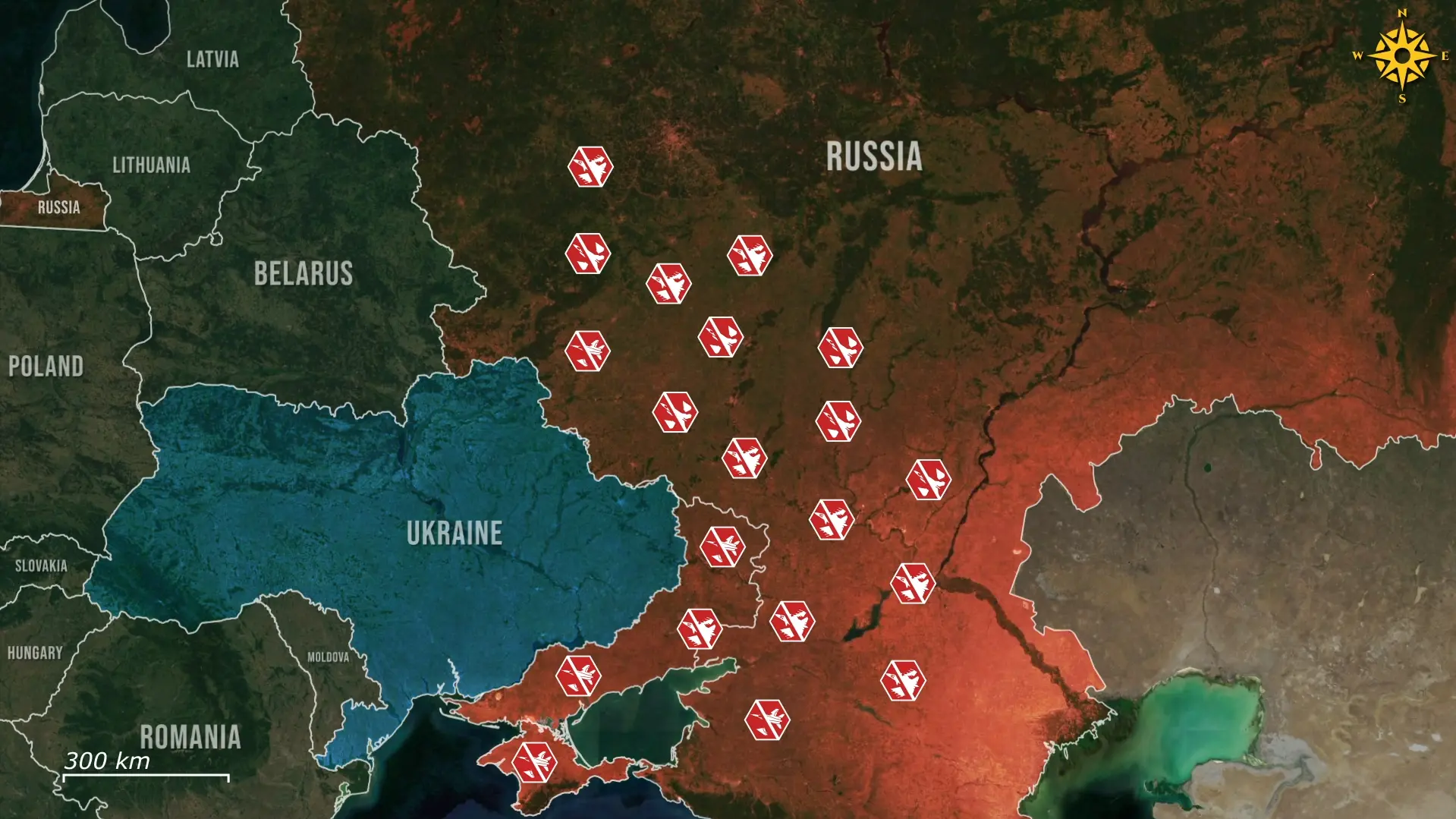
If Ukraine wants to force Russia to scale back or halt its offensive operations permanently, it will need to cause damage at a scale that they only partially managed so far. Notably, Ukraine’s middle strike campaign started in May two thousand and twenty-six, when they hit more than two hundred supply vehicles, which they scaled up to more than six hundred vehicles per month. These strikes were so impactful that Russia had to halt offensive operations, and its advancement was stopped in almost all sectors of the frontline. This proves that scaled-up strikes can be an effective defense, which can now be increased in range with the new cruise missiles.
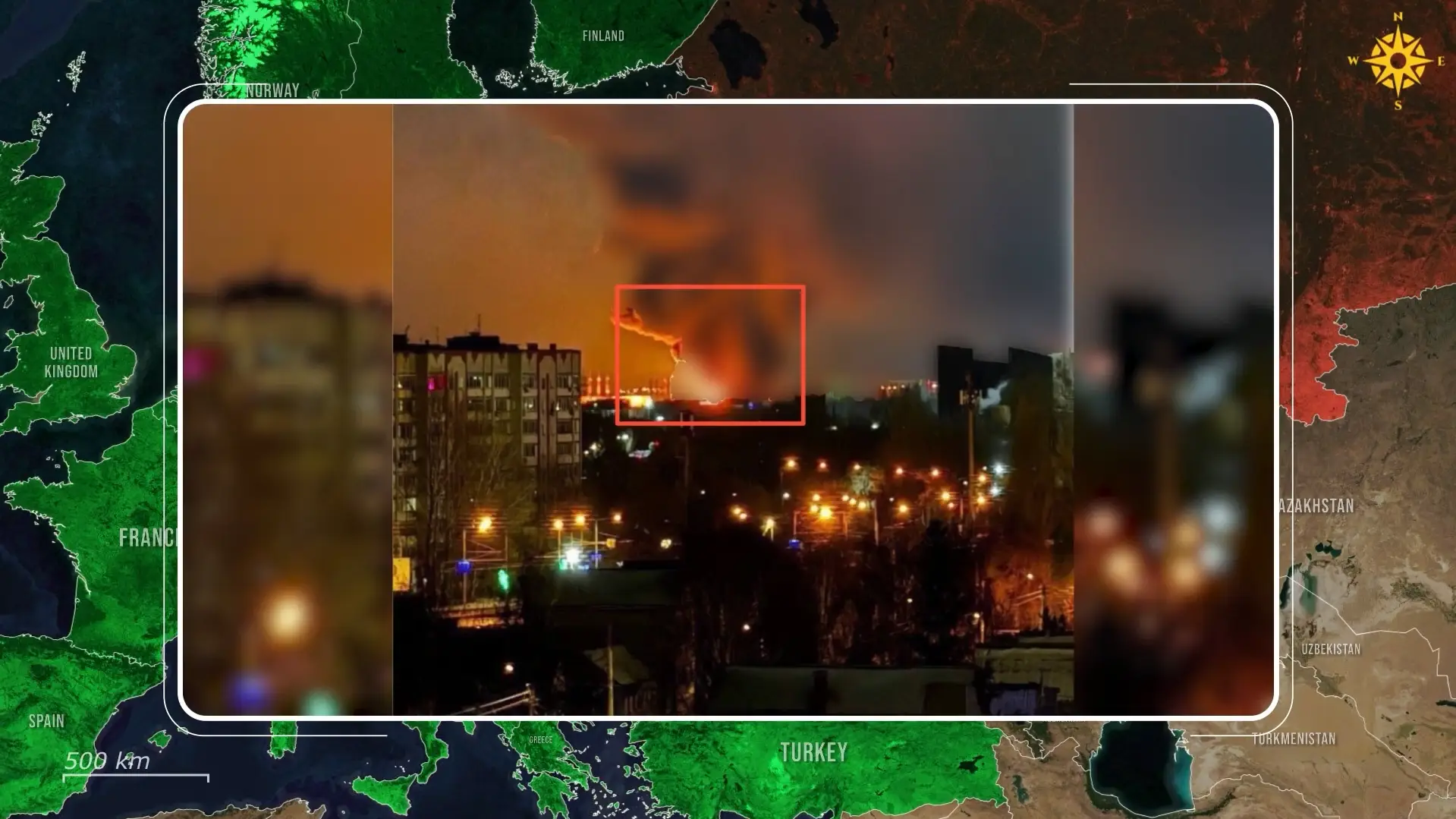
Overall, the real significance of this development is that Ukraine is finally moving from a strategy of making long-range strikes mostly with drones to one of sustaining a permanent pressure campaign with missiles as well against Russia. The ability to produce hundreds of cruise missiles every month changes the equation because Russia can no longer assume that its most valuable military and industrial facilities can be defended. More importantly, this creates a dilemma for Moscow as it must either divert more resources to protecting its rear areas or accept increasingly costly damage. In either case, Russia’s ability to sustain its war effort becomes weaker because Ukraine will be able to destroy more targets and also keep them destroyed.



Comments