


Today, the biggest news comes from Europe.
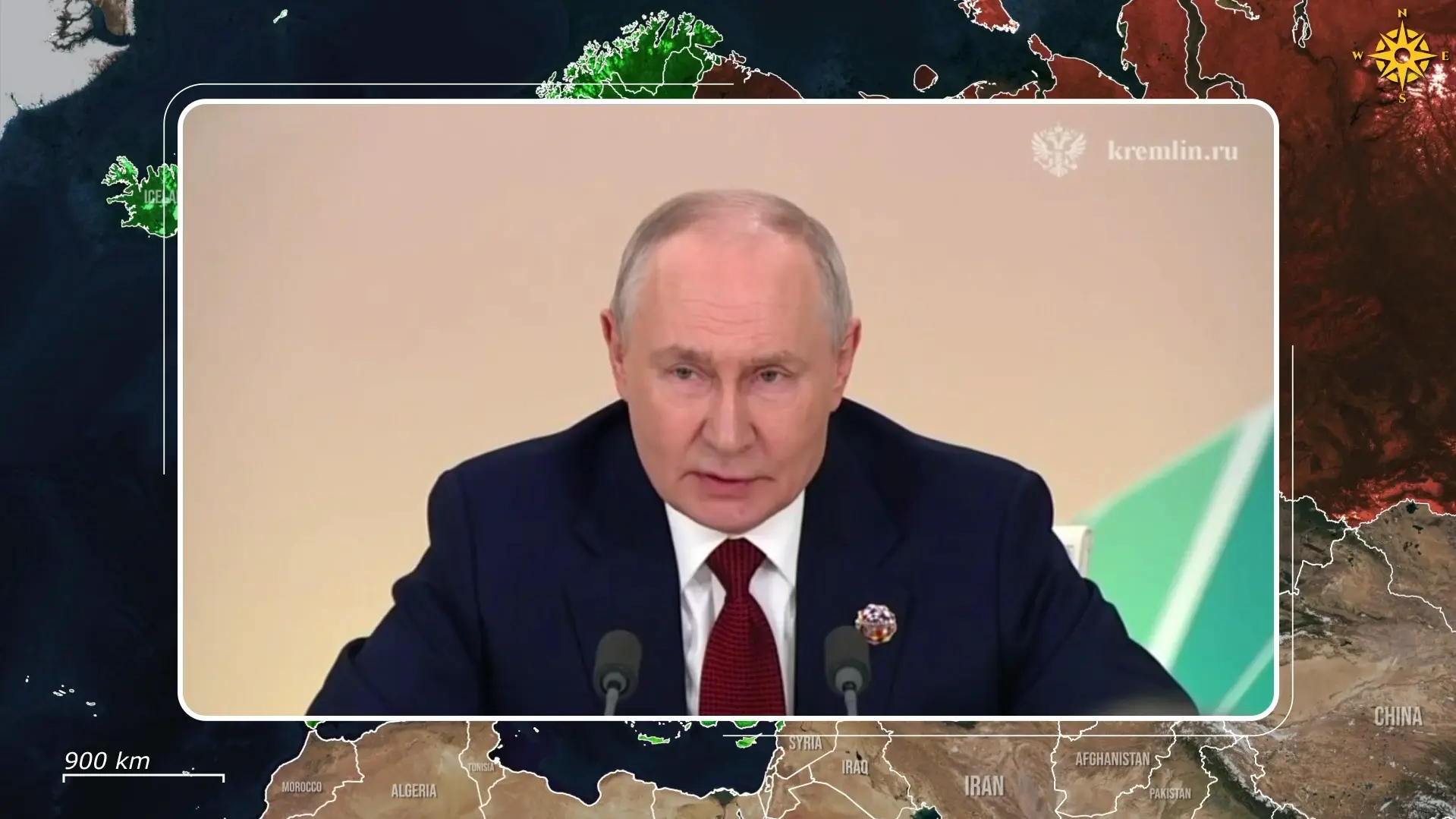
Putin warned Europe that a direct war with Russia would have no winners. Commenting on European preparations for a possible conflict with Russia by two thousand and thirty, he said Moscow is ready but does not want war. If they want to prepare, let them prepare. If the situation goes too far, there will be no winners at all, Putin said. With these remarks, Putin essentially threatened Europe with a nuclear war and mutually assured destruction.
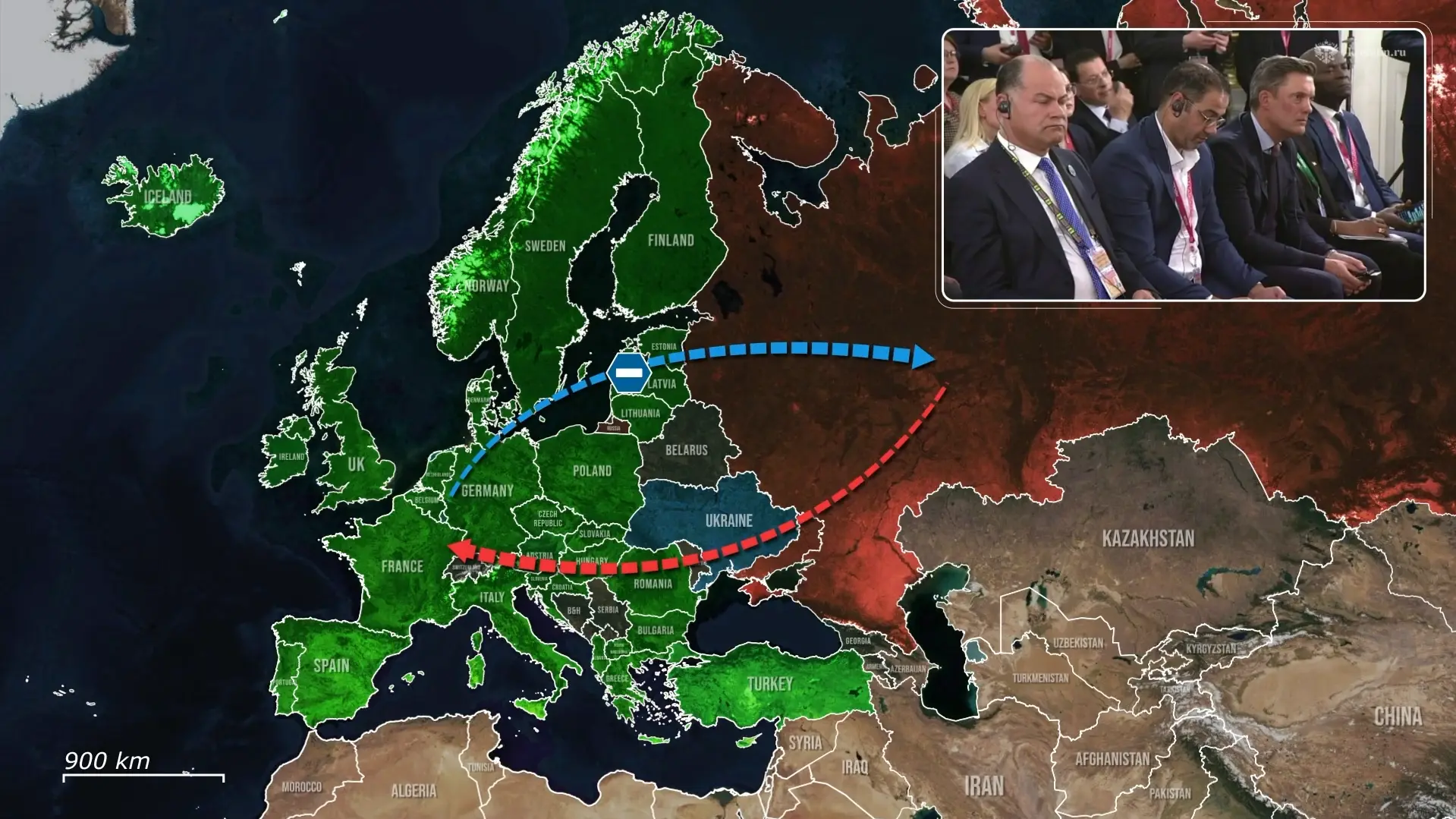
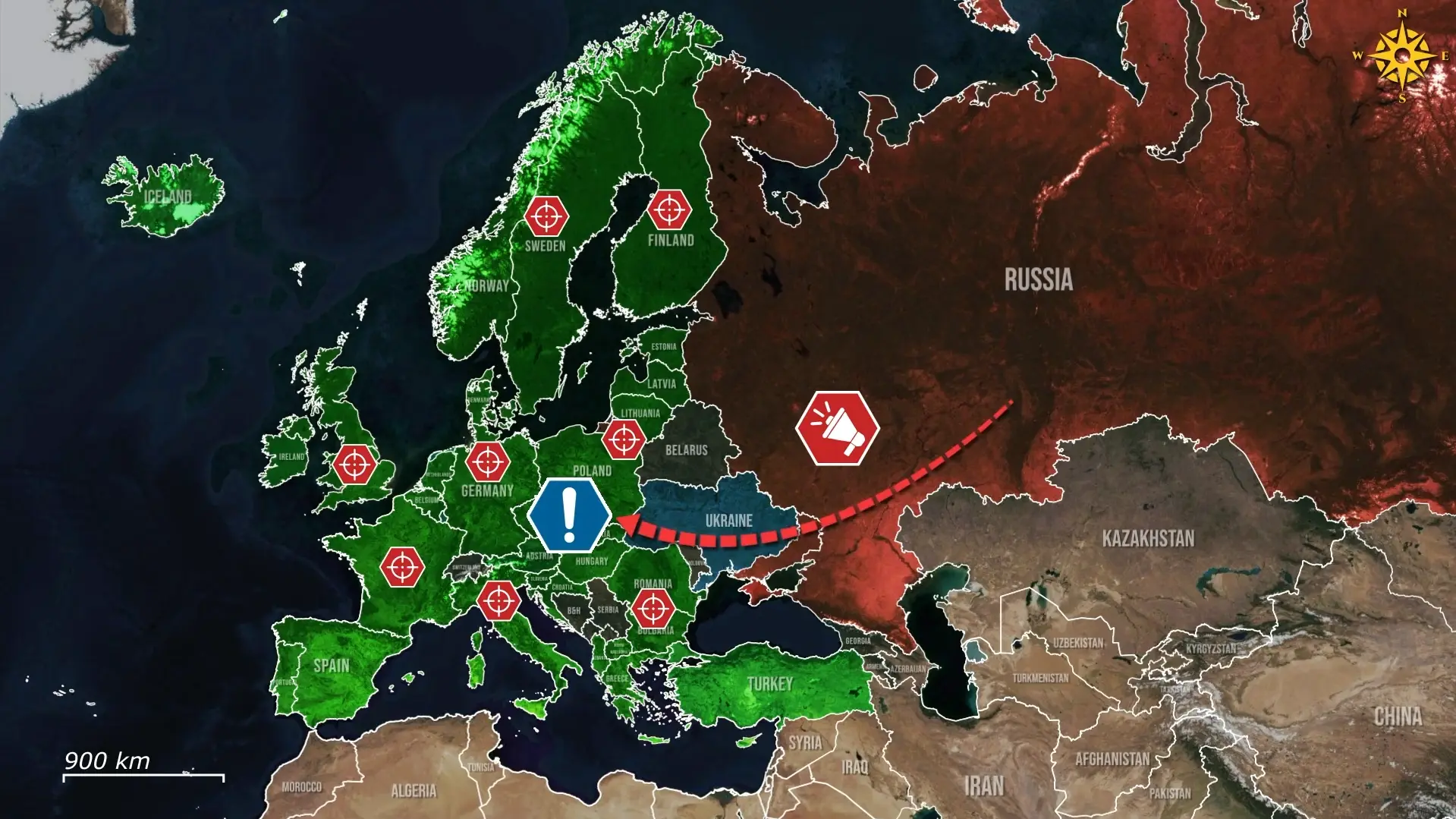
What Putin is effectively saying is that Europe is preparing for a possible Russian attack, while Moscow continues to conduct hybrid warfare, threaten European countries, and test their defences through repeated provocations and incursions. Yet, when European countries respond by strengthening their militaries and preparing for the possibility of a conflict, Putin presents this as a dangerous escalation. His message is that Russia is ready for war, even though it supposedly does not want one, and that Europe should think twice before preparing to defend itself because a direct confrontation would end in mutual destruction. According to his logic, Russia can threaten Europe, undermine its security, and engage in increasingly aggressive behaviour, but Europe is warned that taking defensive precautions could trigger a catastrophe in which nobody survives. Even the reaction of the people sitting in the audience appeared particularly uncomfortable with what they were hearing, as Putin casually described a potential war with Europe in terms of mutual annihilation.
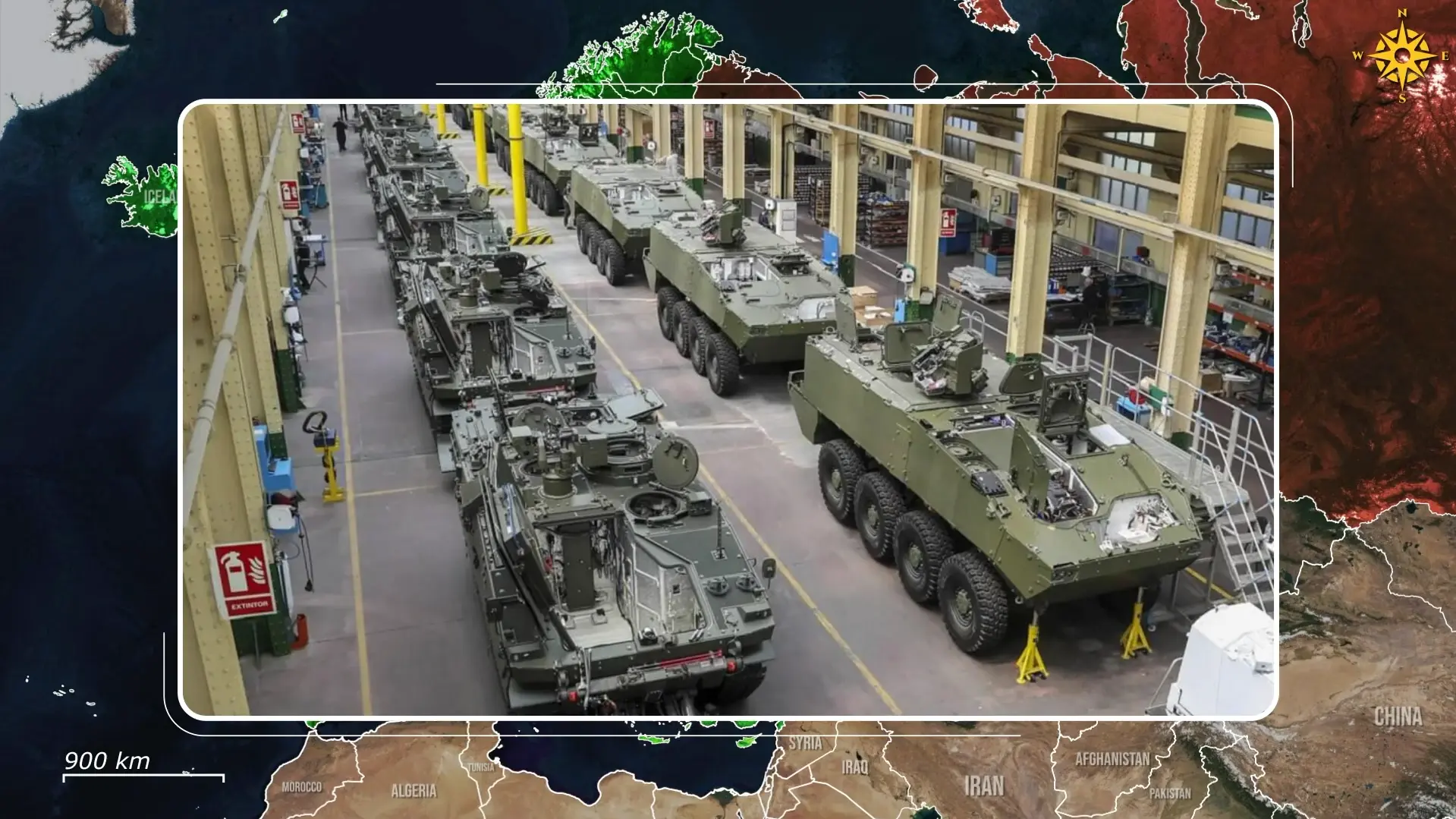
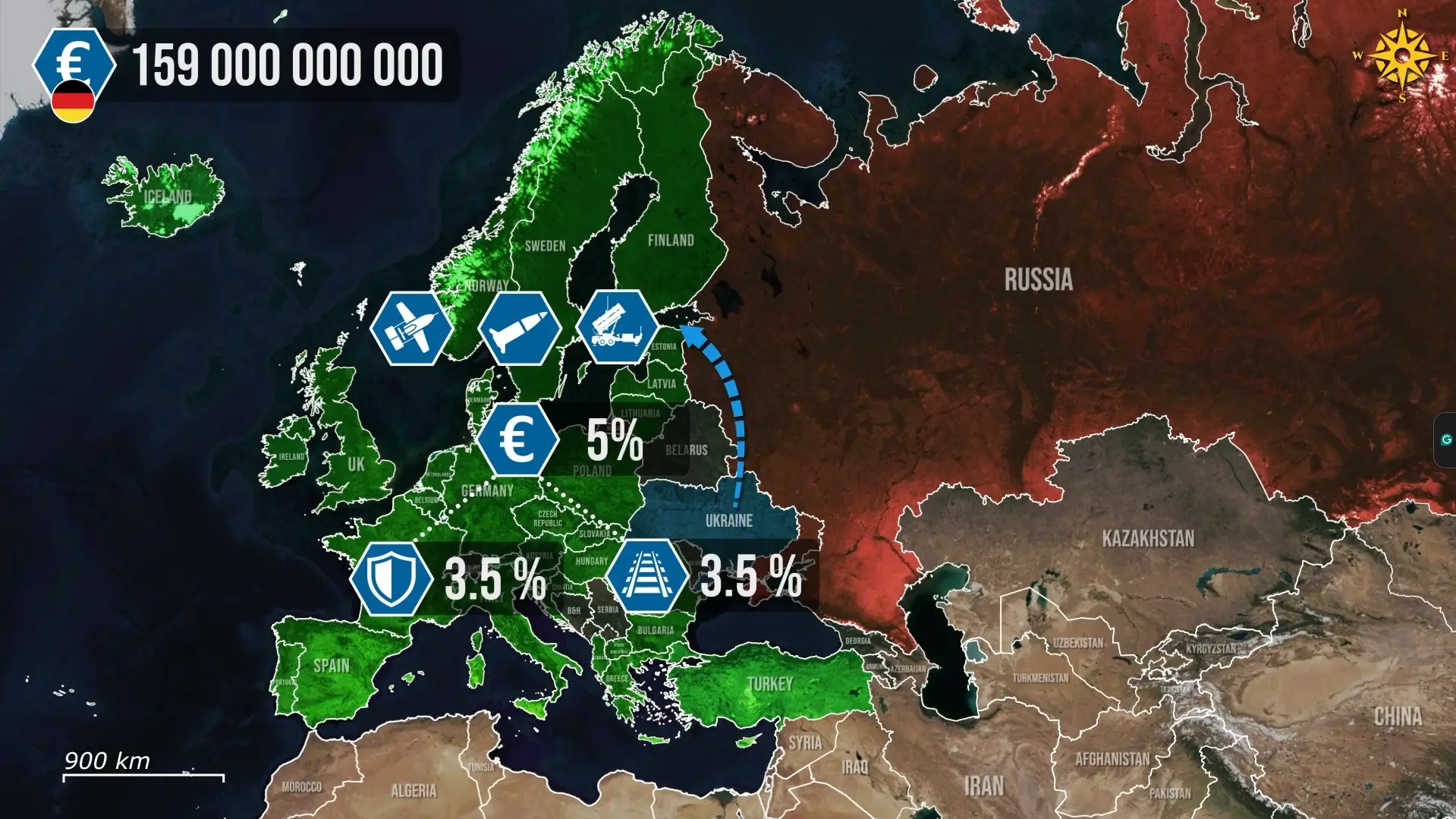
Because of the threat of a Russian attack, Europe is undergoing a major rearmament, driven by Russia’s war in Ukraine, doubts about long-term US security guarantees, and a push for greater strategic autonomy. This combines an EU-level package with large national programmes, which is how the total EU defence spending reached four hundred and eighteen billion euros in two thousand and twenty-five. Last year, Europe presented the Rearm Europe Plan, which aims to mobilise close to eight hundred billion euros overall for defence. Member states submit national defence investment plans focused on priority capabilities as part of this program. Additionally, Nato members agreed to spend five percent of GDP on defence and security by two thousand thirty-five, including three point five percent for their armed forces and up to one point five percent for areas such as infrastructure, cybersecurity and civil preparedness.
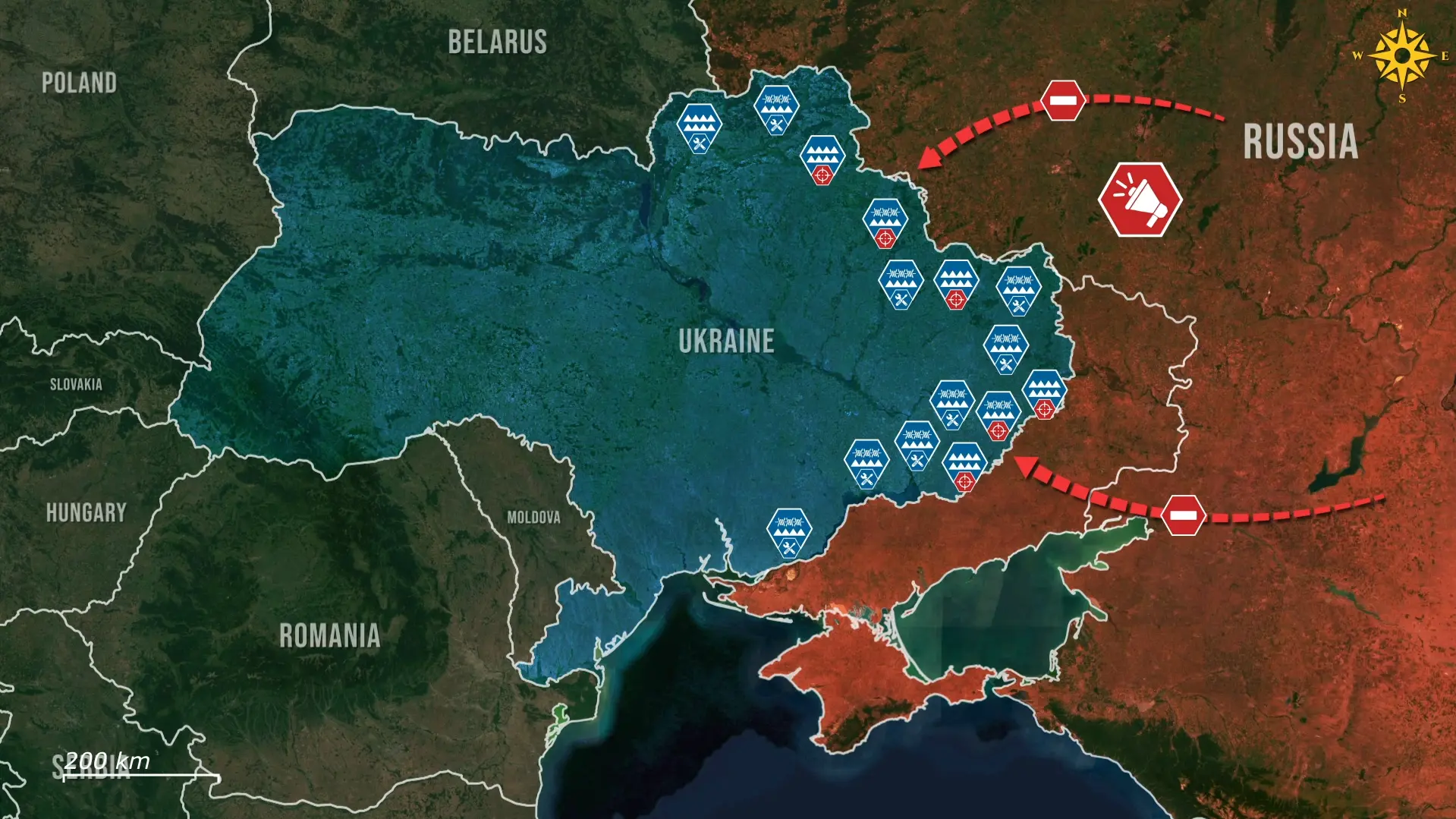
For example, Germany will spend approximately one hundred and eight billion euros on defence this year, with annual spending expected to rise toward one hundred and fifty three billion euros by two thousand twenty nine. In Europe, priority is given to drones, long range strike capabilities, and air defence systems. The rearmament is based on lessons learned from the war in Ukraine, trying to implement the latest technological breakthroughs by the Ukrainian defense industry. Additionally, bunkers and defense lines are being built on the eastern flank of Europe, which are intended to slow down Russian forces if they launch a direct attack.
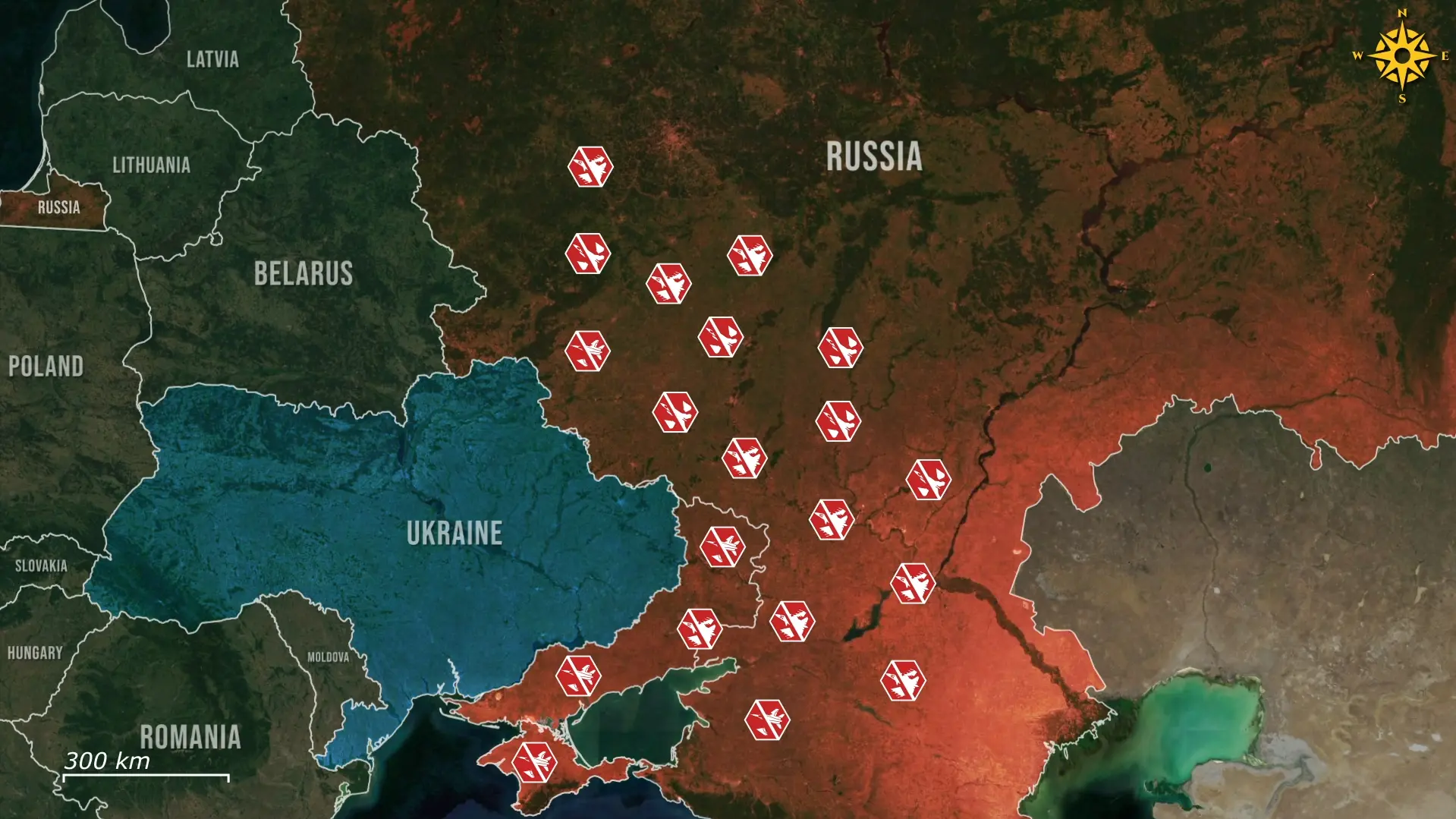
These preparations are needed because Russia has been conducting sabotage actions and provocations across Europe. Notably, Russia has disabled Starlink infrastructure in Poland and Bulgaria and attacked European defense factories in Estonia and Germany. Countless Russian drones have also crossed into Nato airspace in Romania and Poland, while some of them crashed as well. Russia has also been striking and sinking civilian ships in Nato countries' territorial waters, such as Bulgaria. These violations test Nato’s response, force European governments to spend more on defence and increase the risk that a single incident could develop into a wider confrontation.
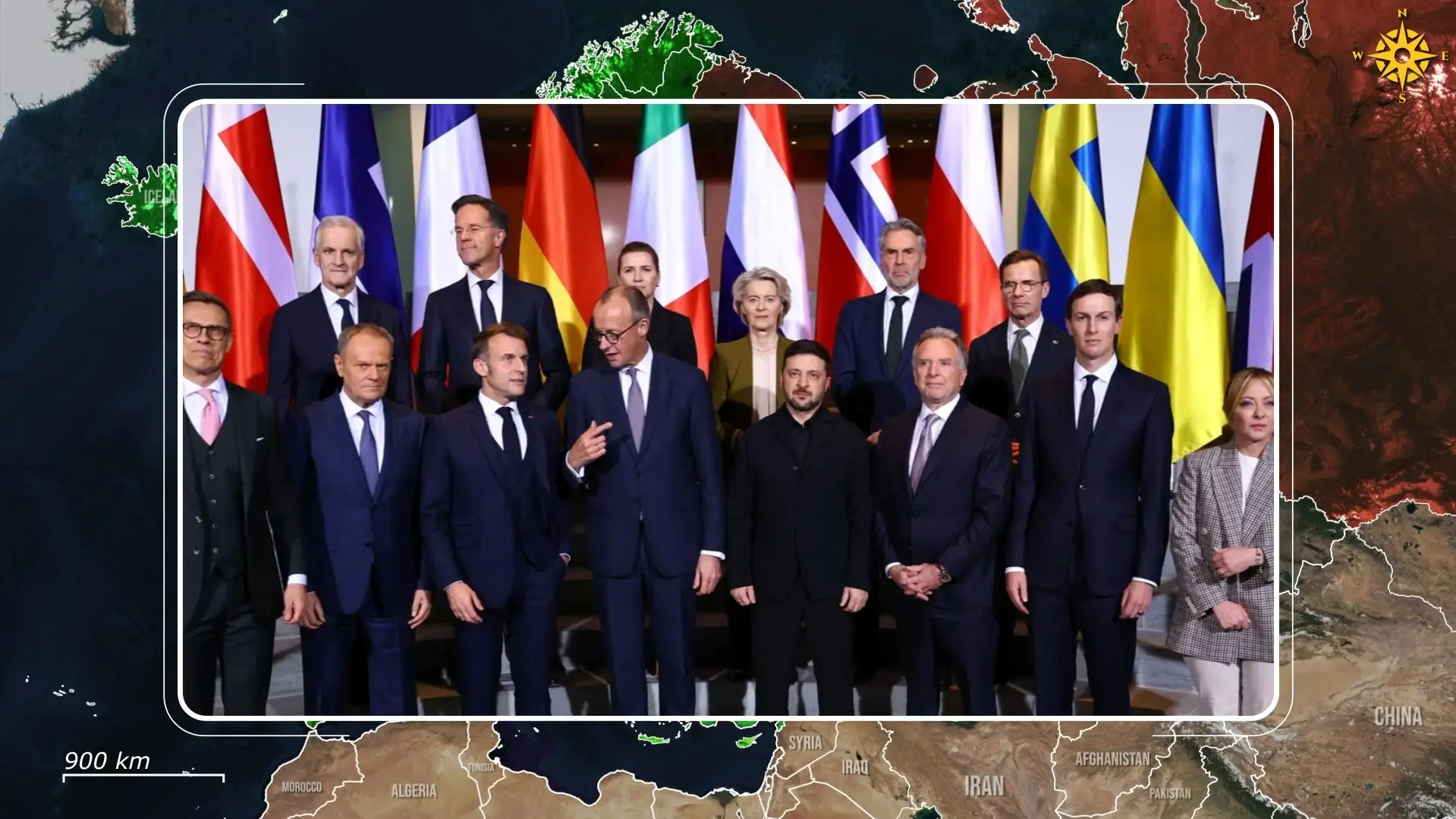
Overall, Europe faces a dangerous strategic dilemma because Moscow presents European rearmament as aggression while continuing to test the continent’s security. However, failing to prepare would leave European countries more vulnerable to Russian pressure, sabotage and military intimidation. Putin’s warning is intended to make Europe fear that strengthening its defences could help cause the war it wants to prevent. If that warning succeeds, Russia gains more room to threaten European countries without facing a strong response. Europe therefore needs credible deterrence that makes clear that any Russian attack would fail, while keeping communication open to prevent individual incidents from developing into a wider war.




Comments