


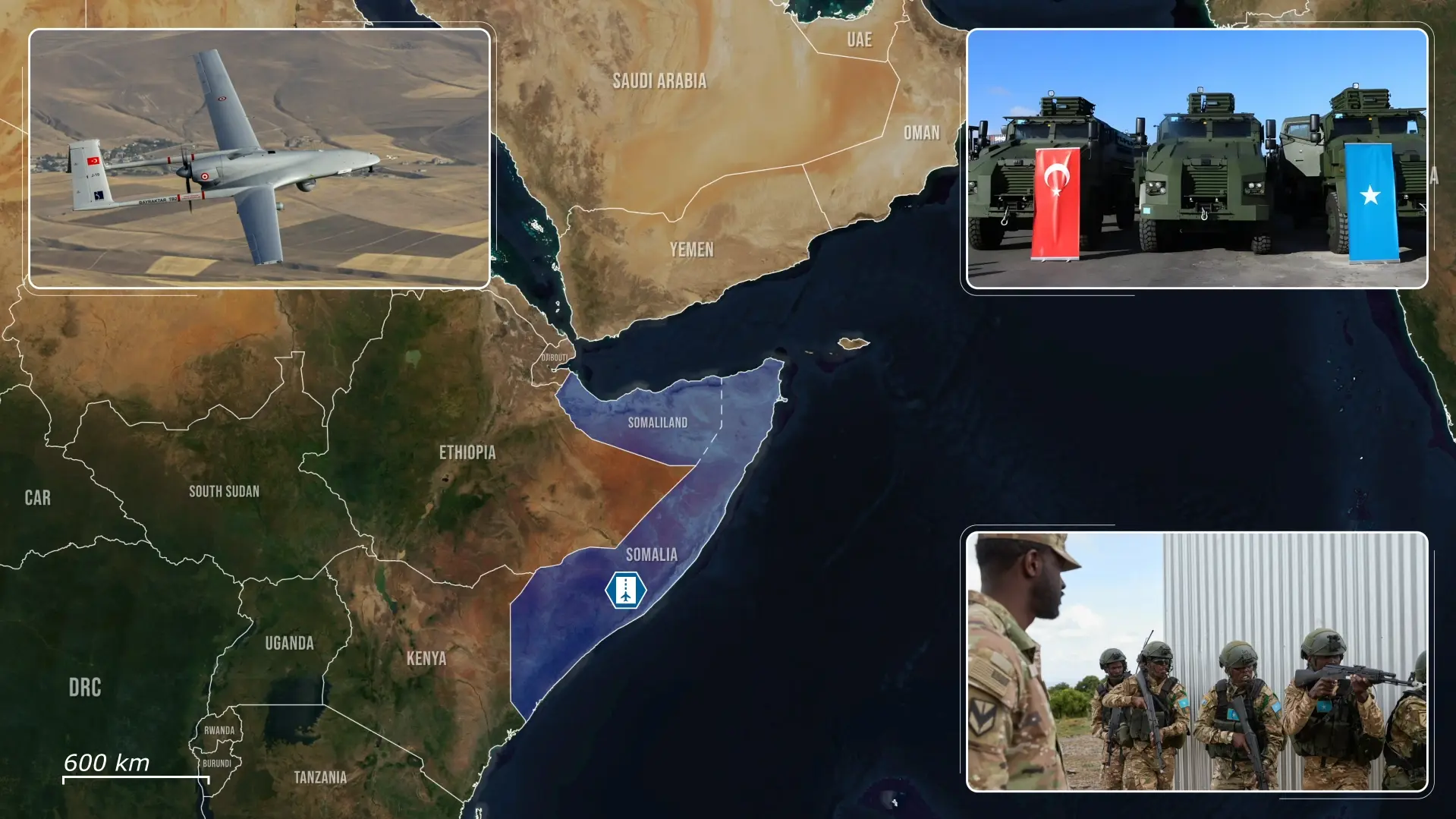
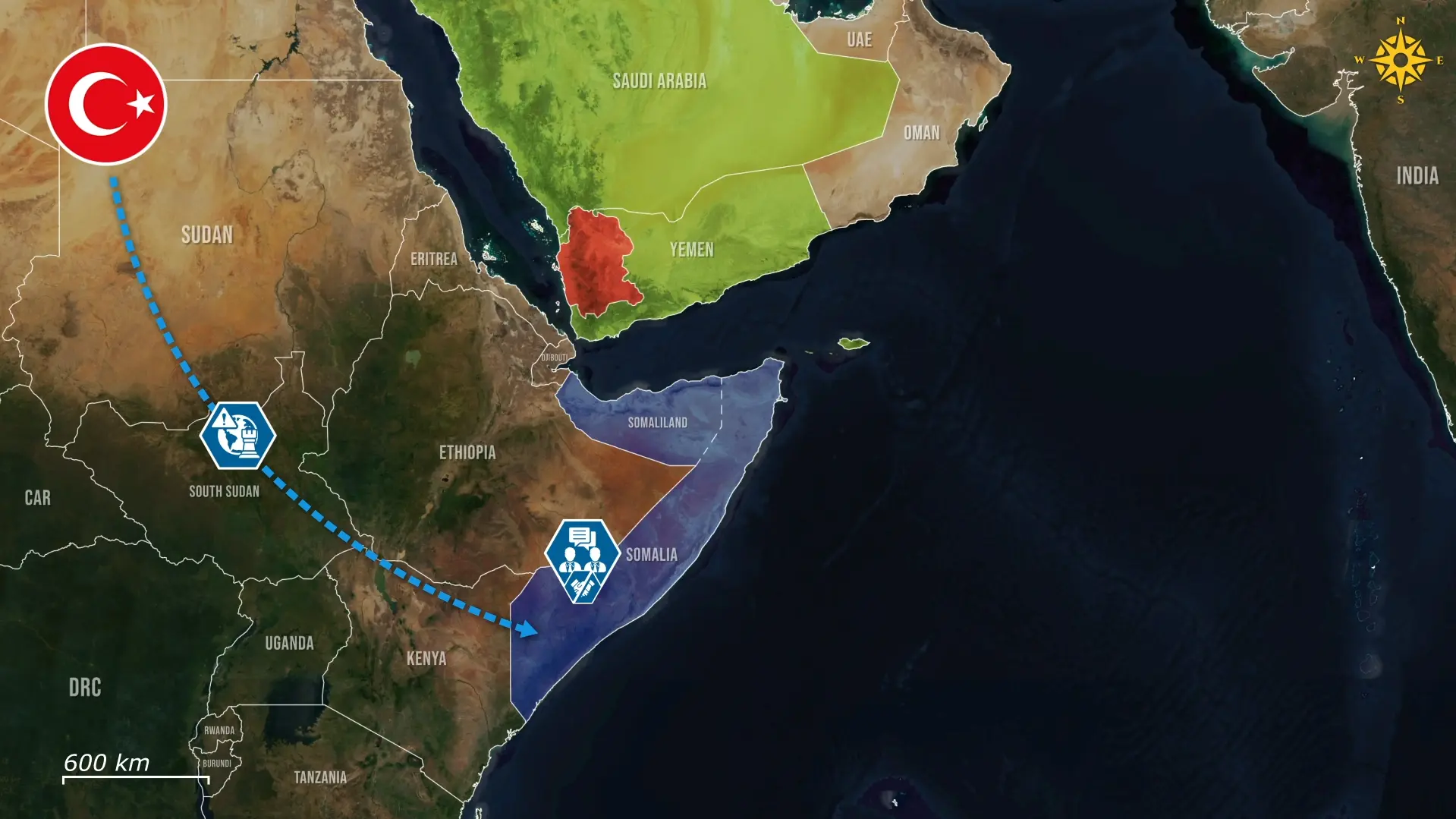
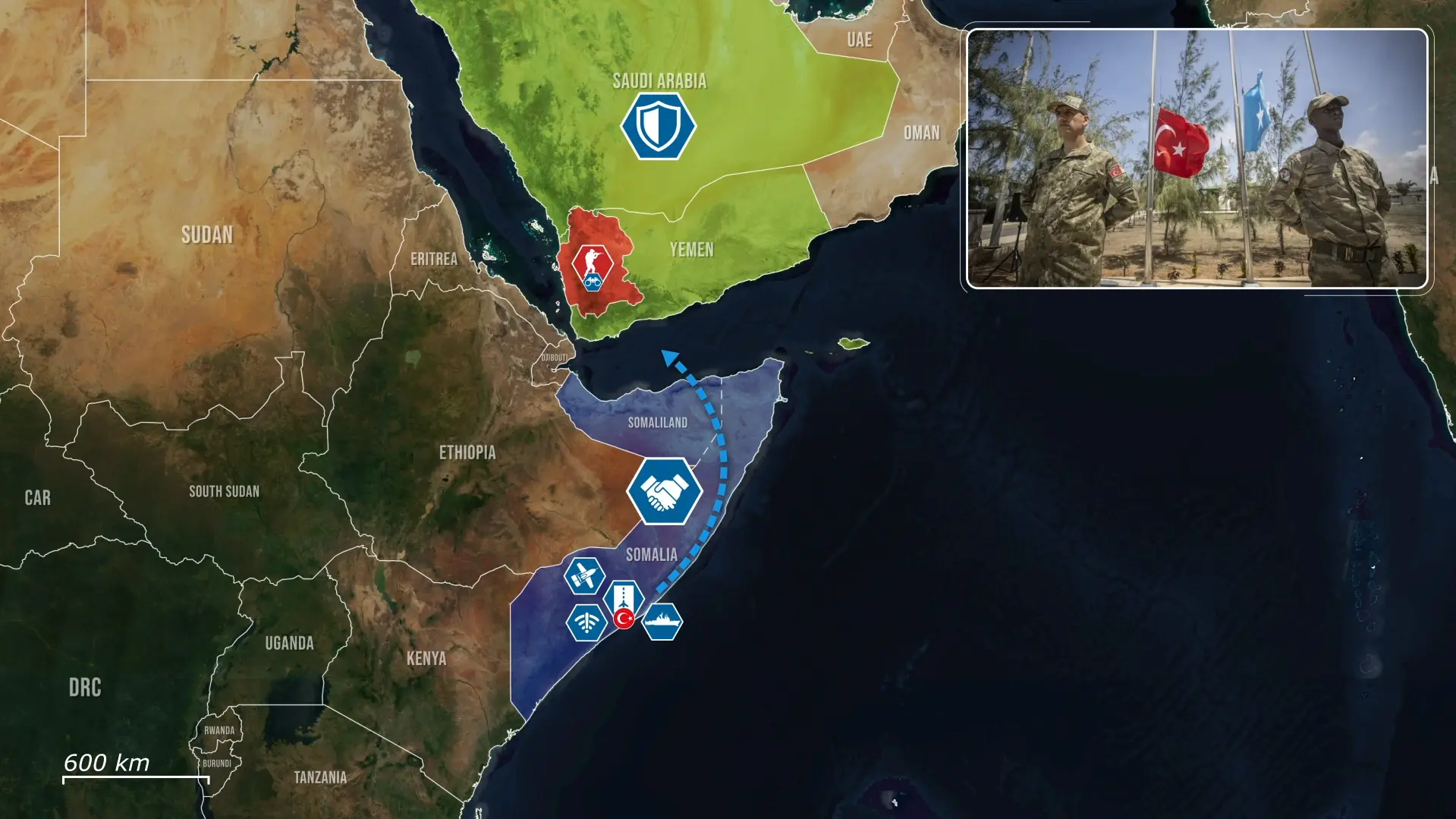
Turkey has moved more military gear and personnel into Somalia, significantly increasing its presence in the country and reinforcing its training base near Baledogle. The transfers include small arms for Somali units, armored vehicles for base protection, drone systems that support surveillance missions, and logistical supplies that keep Turkish aircraft and warships active in the region. This expansion coincides with the American withdrawal from the Baledogle airfield, where US forces had trained Somali special units for more than a decade. As the US gradually shifts its priority on South America, Somalia and Turkey stepped up to take over security responsibilities. As a result, Somalia now functions as a forward hub where Turkish forces can train, patrol, and stage operations in the western Indian Ocean, such as supporting Saudi Arabia against the Houthis across the Gulf of Aden.
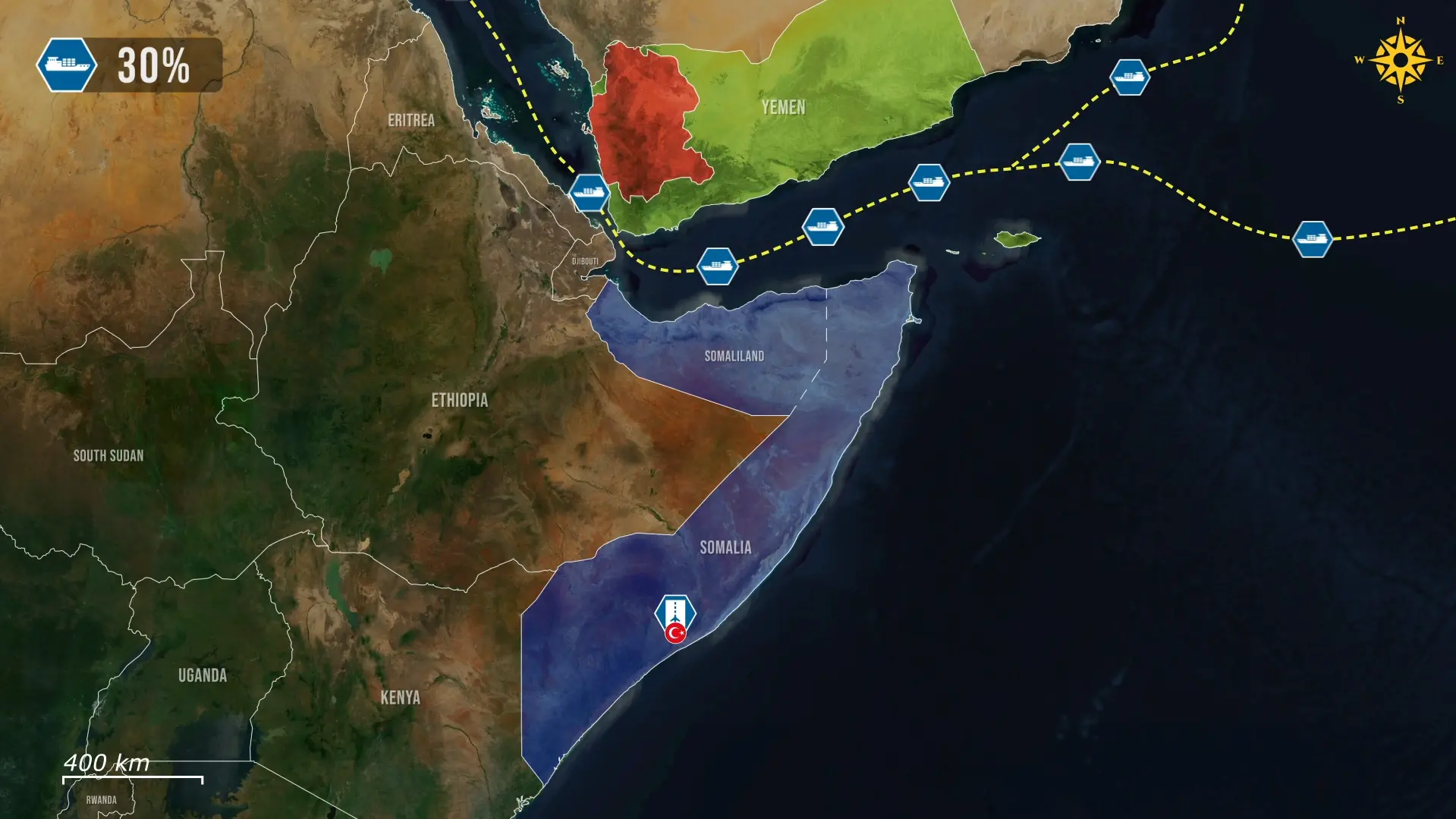
In fact, Somalia is strategically located along the Gulf of Aden and near the eastern approach to the Bab el-Mandeb Strait, the gateway to the Red Sea and the Suez Canal. Before the disruptions, about thirty percent of container traffic between Asia and Europe passed through these narrow waterways, placing any military presence on Somalia’s coast close to crucial global shipping lanes. This is particularly important as Iran backed Houthis in Yemen have attacked passing ships in recent years. Hence, Turkey’s naval and air assets in Somali waters shorten the distance to potential threats against commercial traffic, enabling faster responses.
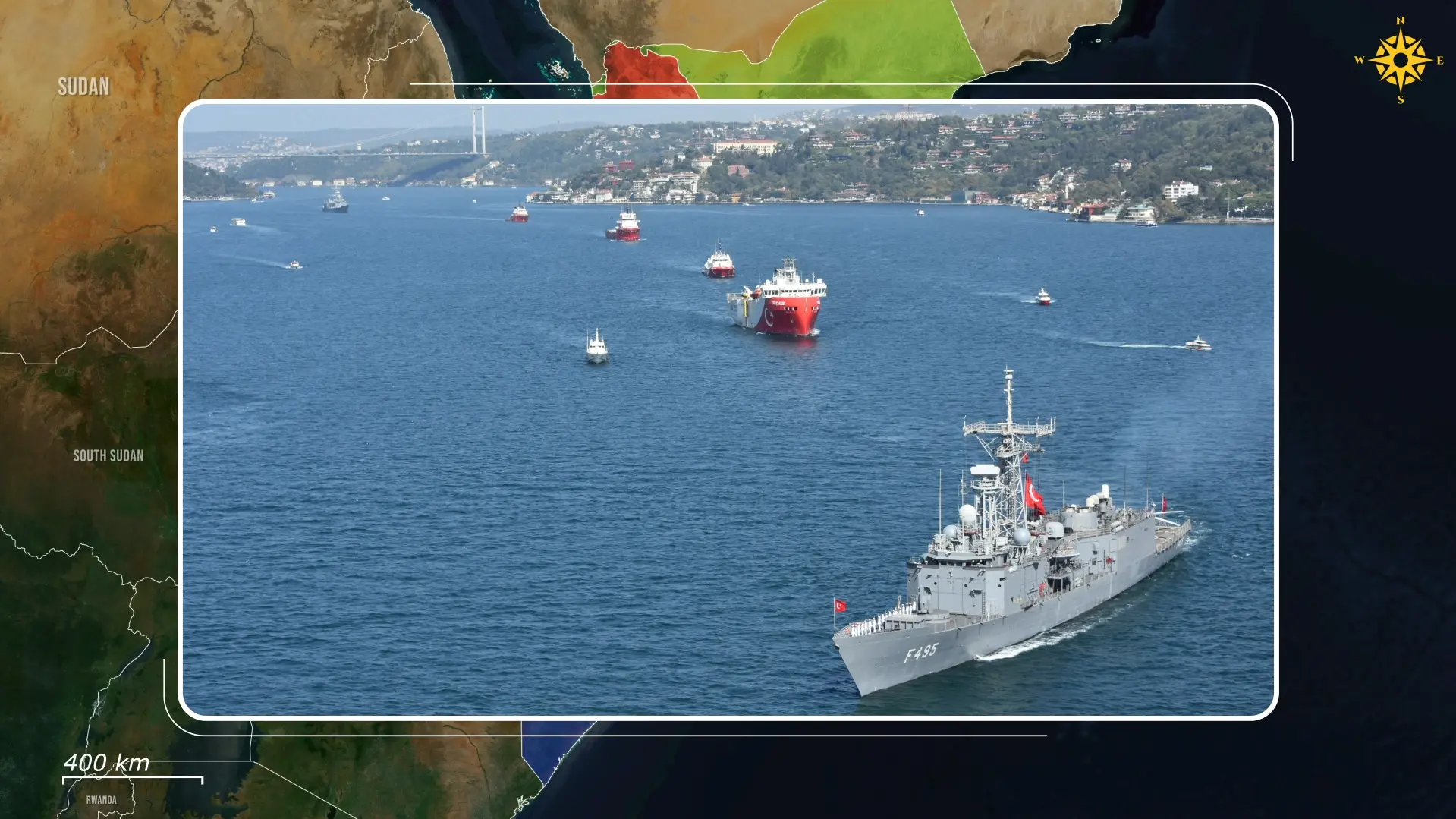
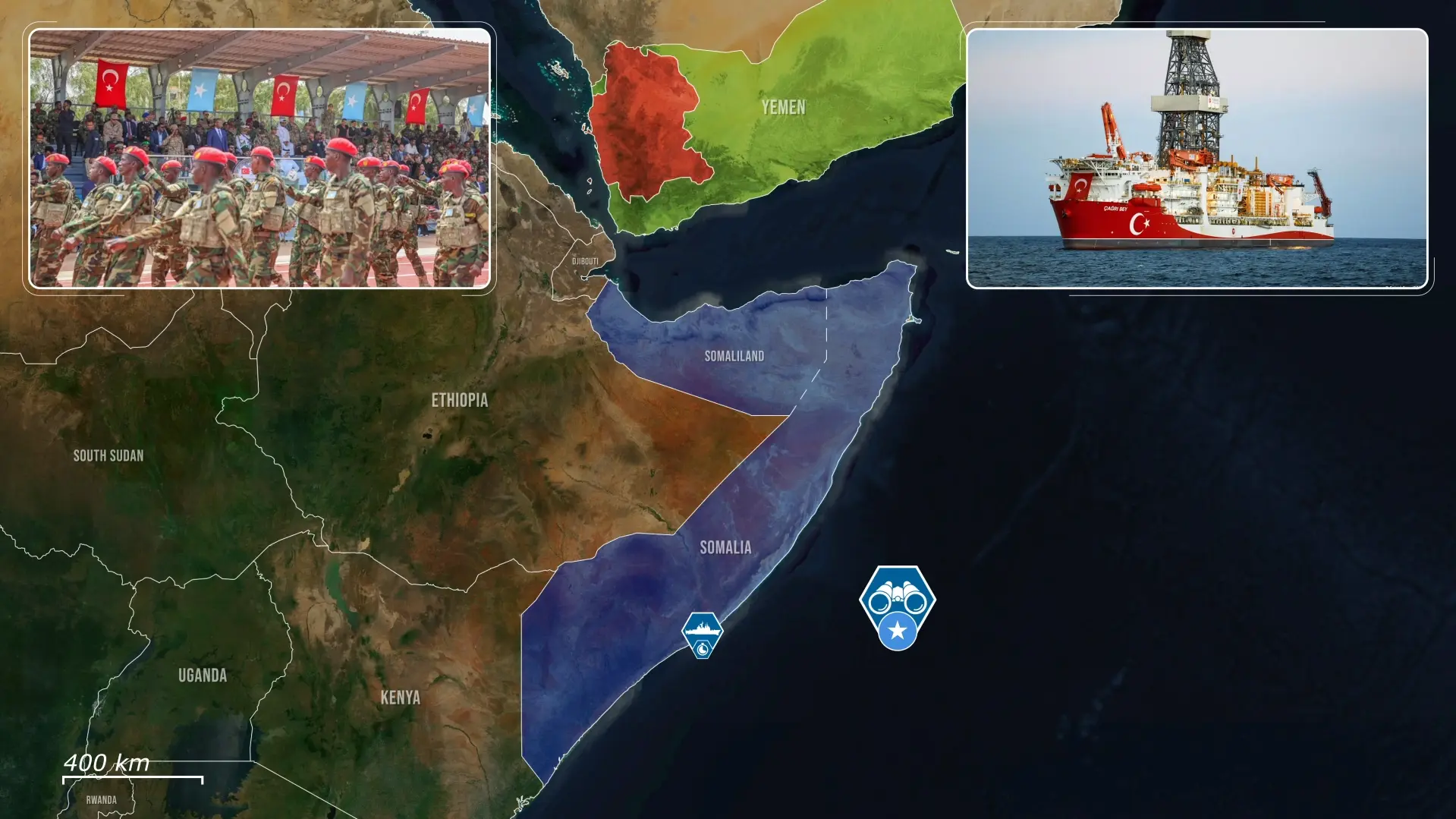
Turkey’s strategy is not limited to the recent regional escalations, as it is working on securing a long term role in Somalia. Notably, after roughly a year of exploration, Turkey has begun offshore drilling on Somalian waters, using its own warships to escort the vessel and protect the project. This marks Somalia’s first offshore oil drilling campaign and further highlights its ambition to develop its maritime economy. Meanwhile, Turkey has been training Somali soldiers and helping Somalia to gradually build its own navy, which will potentially help Somalia protect its shores from pirates.
Those ties create mutual interests and dependence, as Somalia gains skills, equipment, and protection, while Turkey gains basing access and local legitimacy that make a sudden withdrawal less likely.
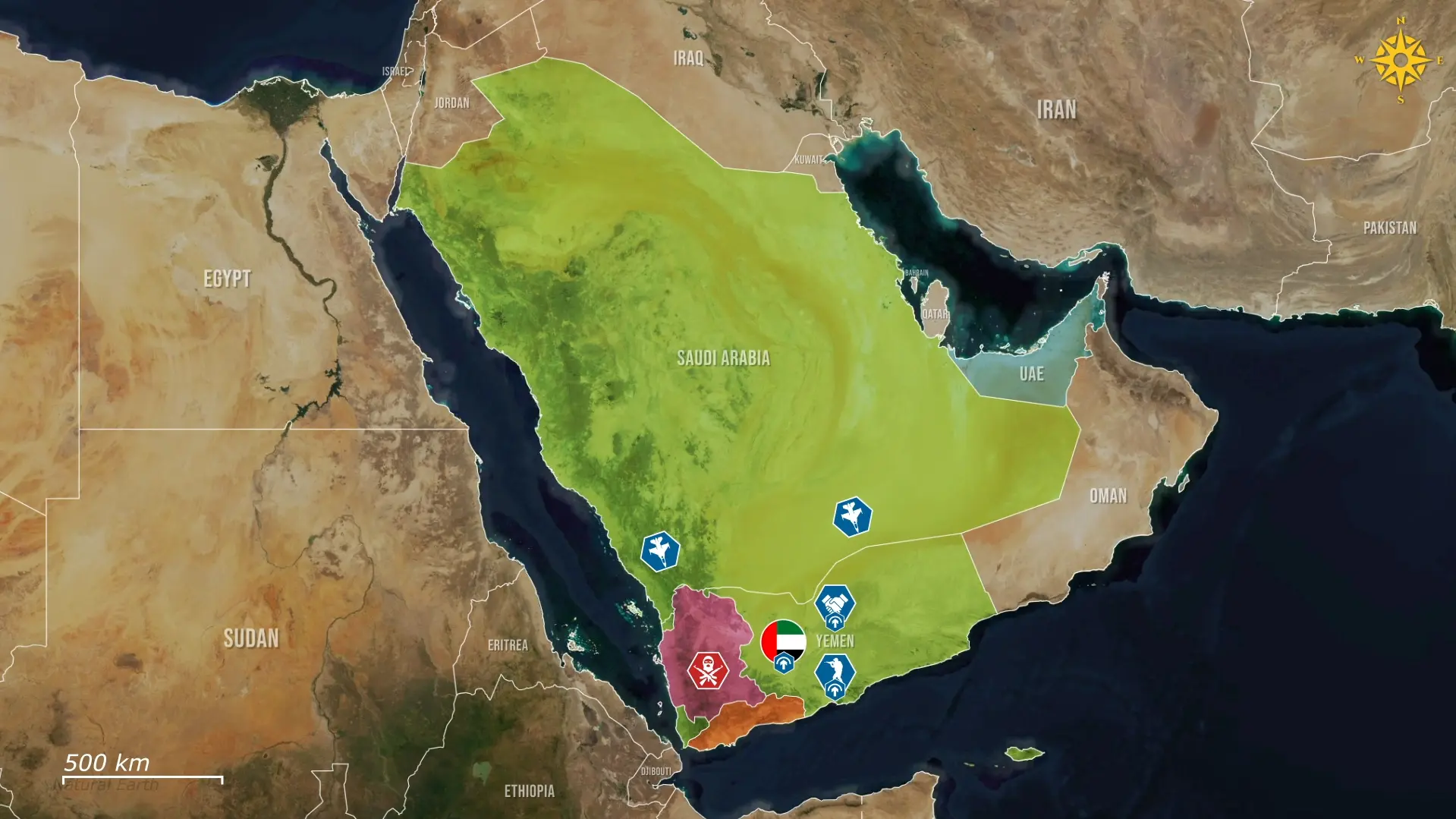
The war in Yemen gives Turkish presence additional weight. Access to Somali facilities would allow Turkish ships to refuel, receive supplies, and coordinate patrols protecting commercial traffic in the Gulf of Aden. From this position, Turkey could also share information with Saudi Arabia and help Riyadh monitor Houthi activity around Bab el-Mandeb. That cooperation would not end the conflict, but it could make it harder for the Houthis to pressure Saudi Arabia and attack its shipping.
However, Turkey's growing involvement comes with its own challenges, as maintaining a forward presence so far from home requires steady logistics and careful politics. In fact, Turkey must move fuel, spare parts, food, and ammunition across long sea lanes while also maintaining aircraft and drones. Additionally, if Turkey cannot guarantee reliable support and the Somalian leadership changes direction, the partnership could weaken.
Overall, Turkey’s growing role in Somalia gives Turkey a practical way to influence security along vital shipping routes and to support partners confronting threats from Yemen. Its position across the Gulf of Aden could help Saudi Arabia monitor Houthi movements and coordinate responses to attacks on shipping. By linking Turkish drones, long-range surveillance radars, naval patrol vessels and electronic warfare systems with Saudi defenses, Ankara could help close gaps in a shipping corridor that currently lacks consistent protection. If cooperation deepens, Somalia could evolve into a hub that shapes how the wider region responds to maritime threats and how security in the western Indian Ocean is organized.




Comments