


Today, there are important updates from the Russian Federation.
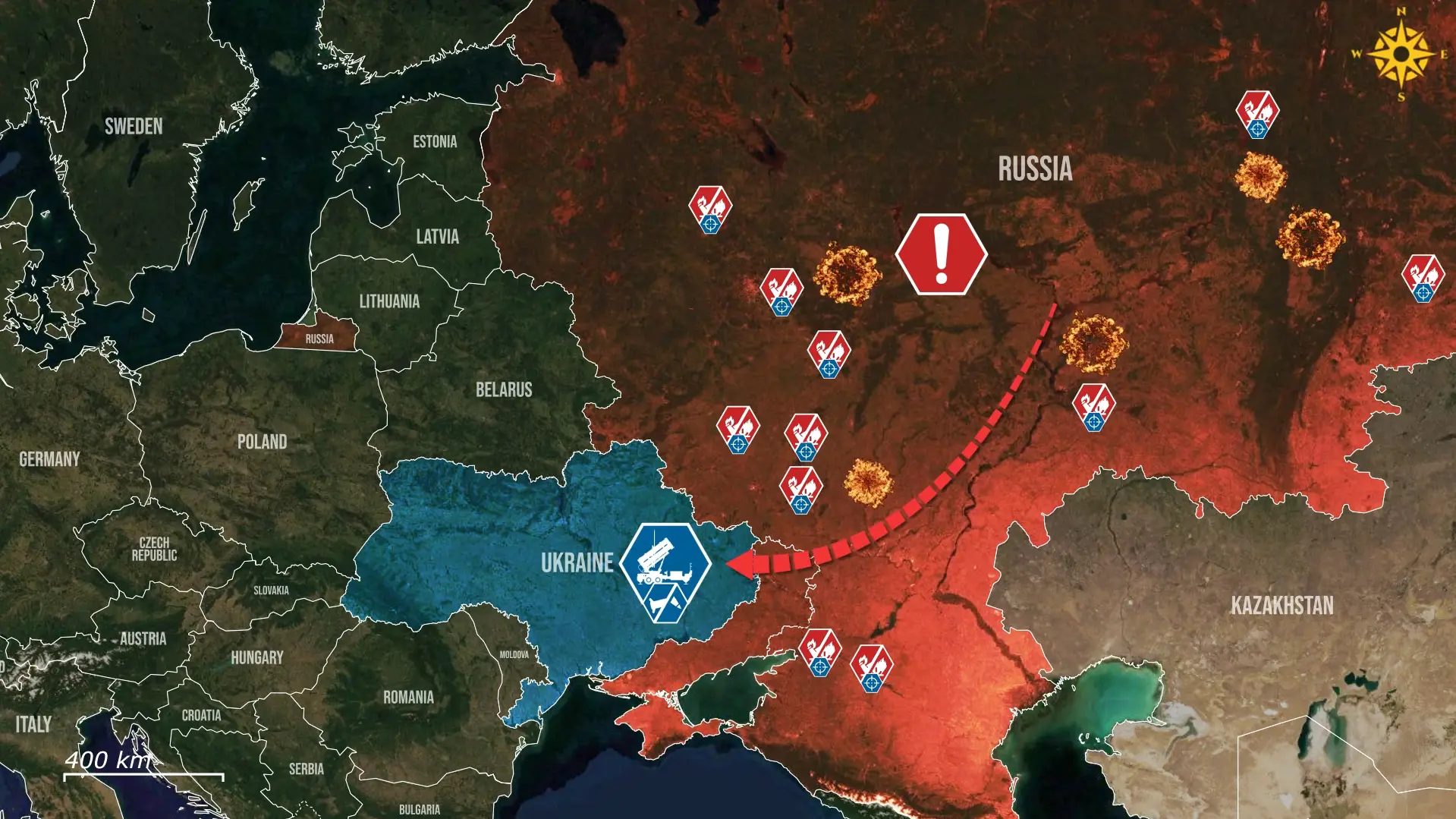
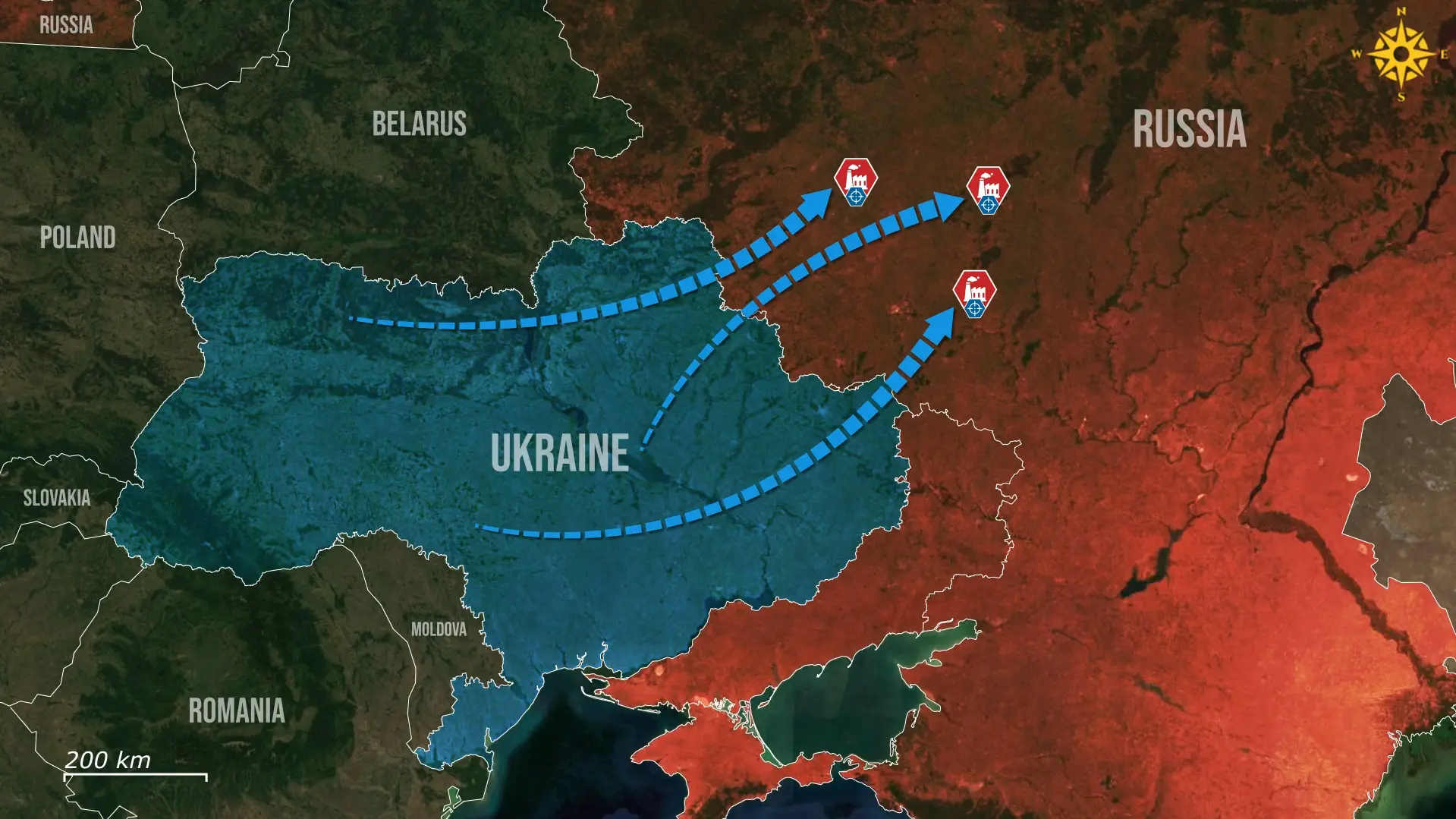
Here, Ukraine is taking the fight directly to Russia’s missile industry, launching a sweeping campaign against the factories supplying Moscow’s attacks on Ukrainian cities. With Russian missile production accelerating and Ukrainian air defenses struggling with shortages of interceptors, the Ukrainian command is increasingly embracing the principle that the best defense is not allowing Russian weapons to be produced and launched.
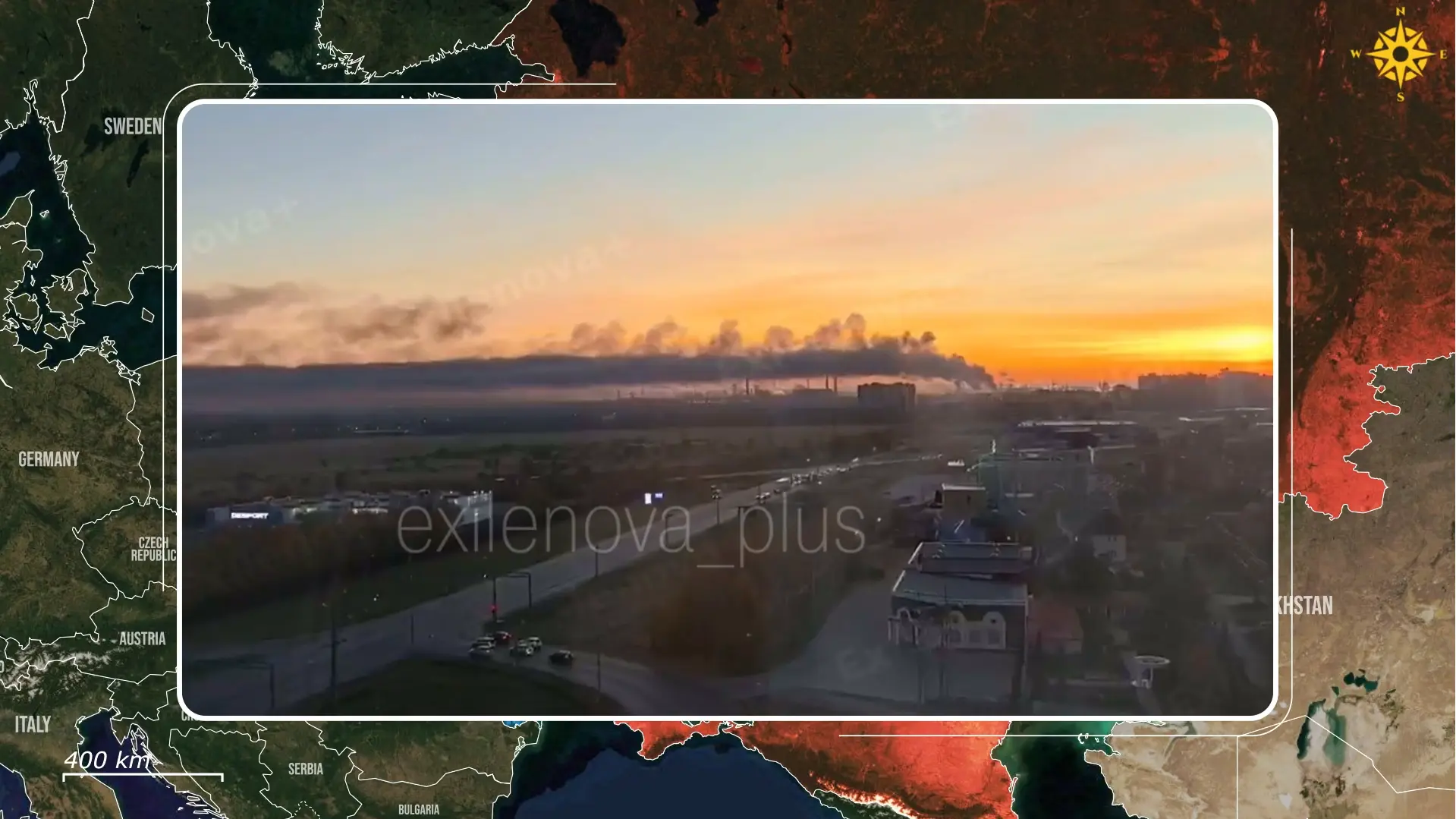
One of the latest strikes demonstrates the campaign’s extraordinary geographical reach, as Ukrainian drones struck the Omsky Kauchuk petrochemical plant in Siberia, approximately two-thousand-and-five-hundred kilometers from Ukraine.

Footage showed a major fire at the facility, which produces synthetic rubber, fuel additives, and industrial chemicals, a key component of supply chains supporting solid rocket propellants used in Russian missile systems.
Another attack targeted the Tolyattikauchuk plant in the Samara Region, with drones causing damage to chemical-processing equipment, including production units, forcing the facility to stop production. It manufactures synthetic rubber, polymers, and chemicals with applications across Russia’s military-industrial sector, especially in the missile-building program.
Together with the successful strikes in recent days against other key facilities in Voronezh, Lipetsk and Oryol, these Ukrainian actions threaten the chemical supply chains supporting Russian weapons manufacturing. Their significance becomes clearer against the backdrop of Moscow’s intensified missile and drone attacks, designed to overwhelm Ukraine’s limited air-defense ammunition.
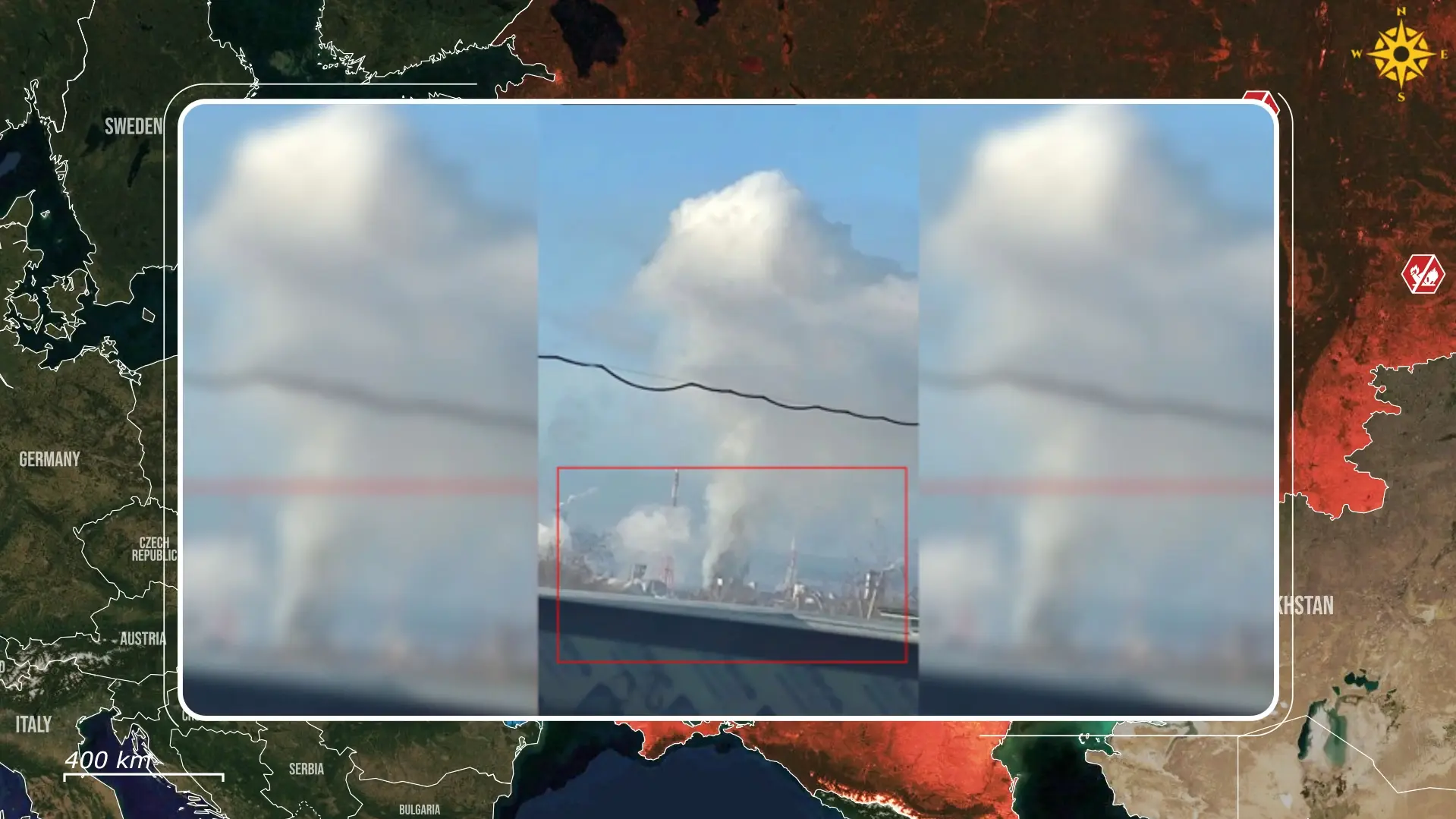
However, these are only the latest strikes, as Ukraine is increasingly attacking the enemy's production infrastructure. In the Perm Region, Ukrainian drones struck the Azot chemical complex, which manufactures ammonia, nitric acid, ammonium nitrate, and other industrial chemicals needed for missile production, as smoke and production disruption were reported following the attack.
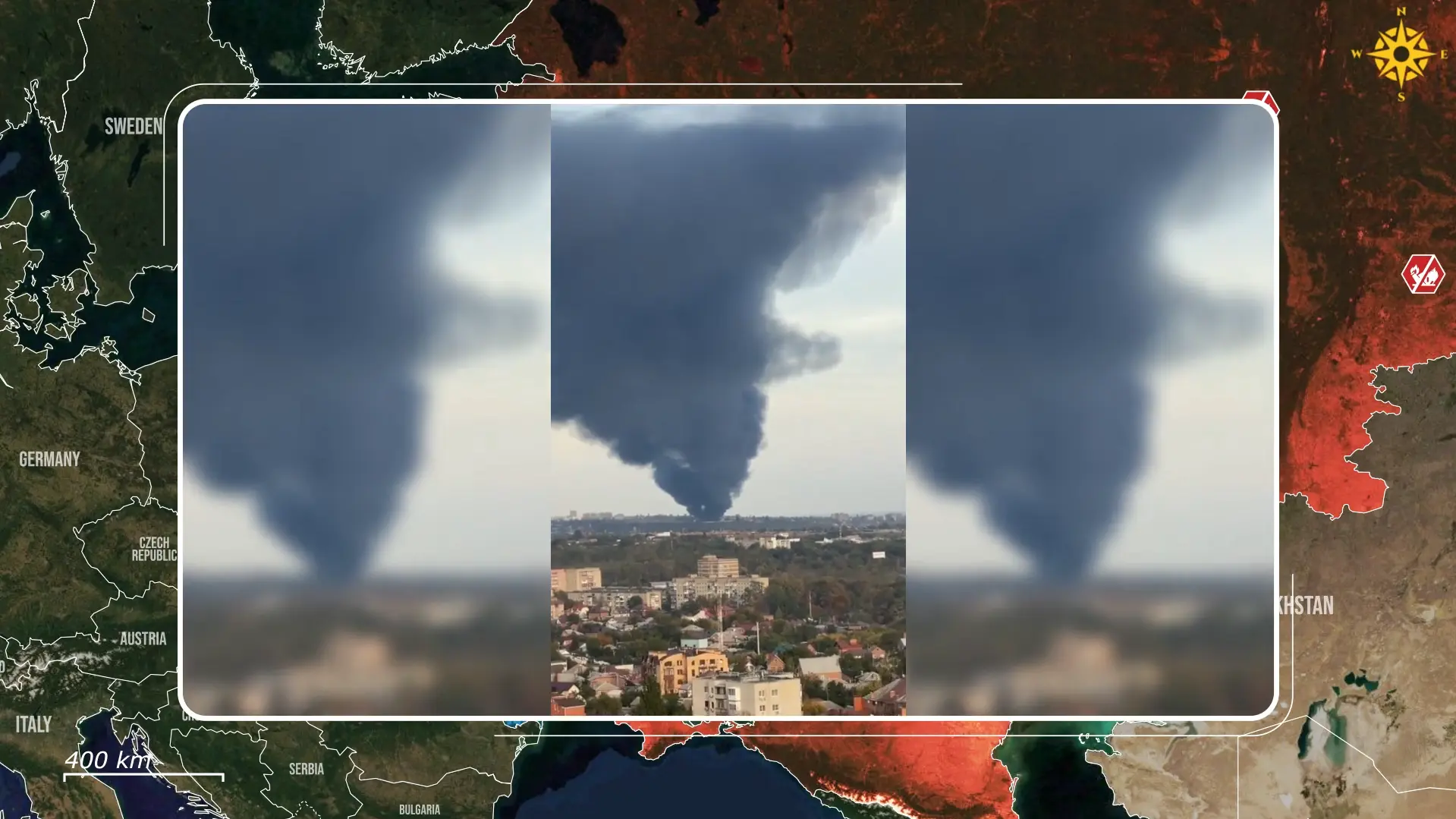
In the Rostov Region, a major fire engulfed approximately nine thousand square meters of warehouses at the Aksaykardandetal facility, which possesses metalworking and manufacturing capabilities relevant to Russian military production.
Meanwhile, Ukraine attacked the Redkinsky Experimental Plant in the Tver Region, which produced specialized chemical components associated with Decilin-M aviation fuel used by Russian cruise missiles. As a result, disrupting specialized fuel production complicates Russia’s ability to sustain its long-range missile operations against Ukraine.
Another strike targeted the Sasta machine-tool factory in Sasovo, in the Ryazan Region, responsible for manufacturing computer-controlled machine tools used across Russia’s aerospace, defense, and heavy industries, affecting the production of precision components required by multiple weapons programs.
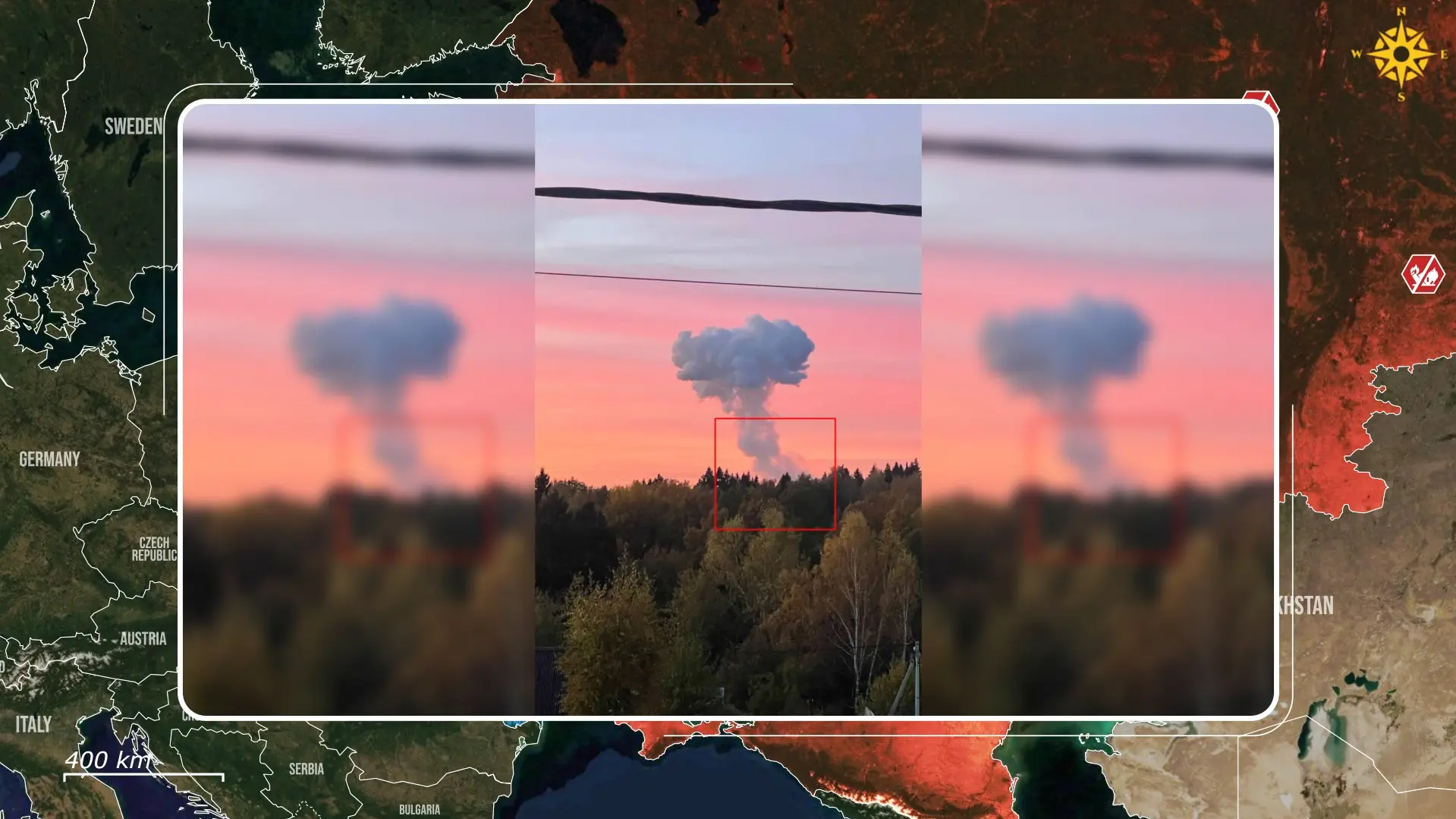
Near Moscow, explosions were reported at the Krasnozavodsk Chemical Plant, an enterprise associated with explosives, pyrotechnics, and specialized ammunition production, like the thermobaric warheads used in Russian Geran attack drones.
Ukraine’s Security Service reported striking the Azov Optical-Mechanical Plant in the Rostov Region with Neptune cruise missiles and drones, with footage confirming damage to optical production, assembly facilities, electronics workshops, and other manufacturing areas responsible for the preparation of missile seekers, thermal-imaging equipment, and other key electronic components. Ukraine has also repeatedly targeted Voronezhsintezkauchuk, a major synthetic-rubber producer whose products support aviation, vehicles, and other industrial sectors.
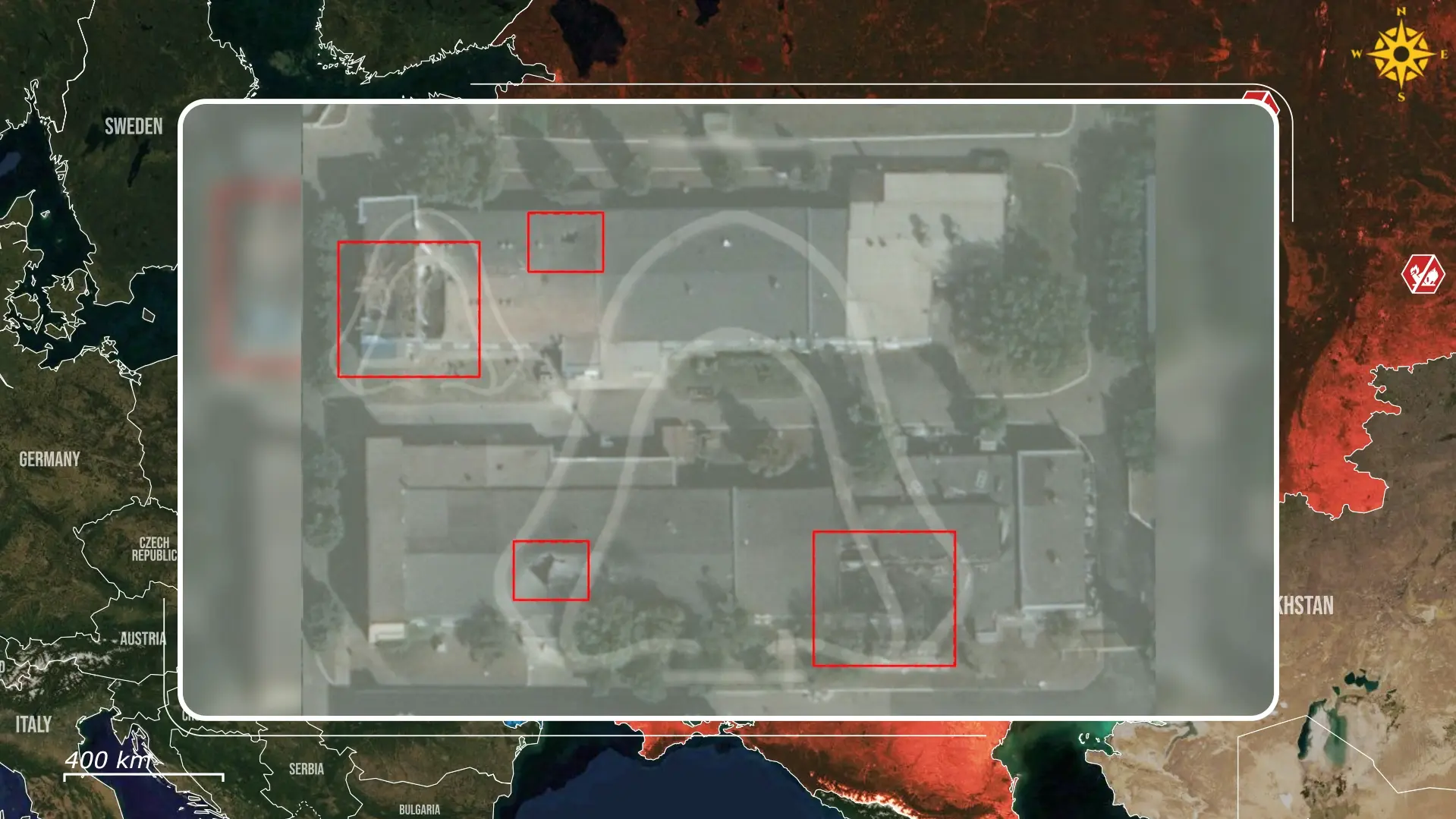
Overall, the cumulative effect of the Ukrainian campaign matters more than any individual strike, as Russia’s missile industry depends on interconnected suppliers producing chemicals, electronics, batteries, specialized machinery, and guidance systems. Disrupting several links simultaneously creates production bottlenecks that are harder to overcome than damage to a single assembly plant. With Russian attacks intensifying and interceptor missiles remaining scarce, Ukraine is attempting to reduce the threat at its source with a clear strategy. Instead of waiting for Russian missiles to reach Ukrainian skies, Ukraine is bringing the war to the factories that make them, proving that offense is the best defense.





Comments