


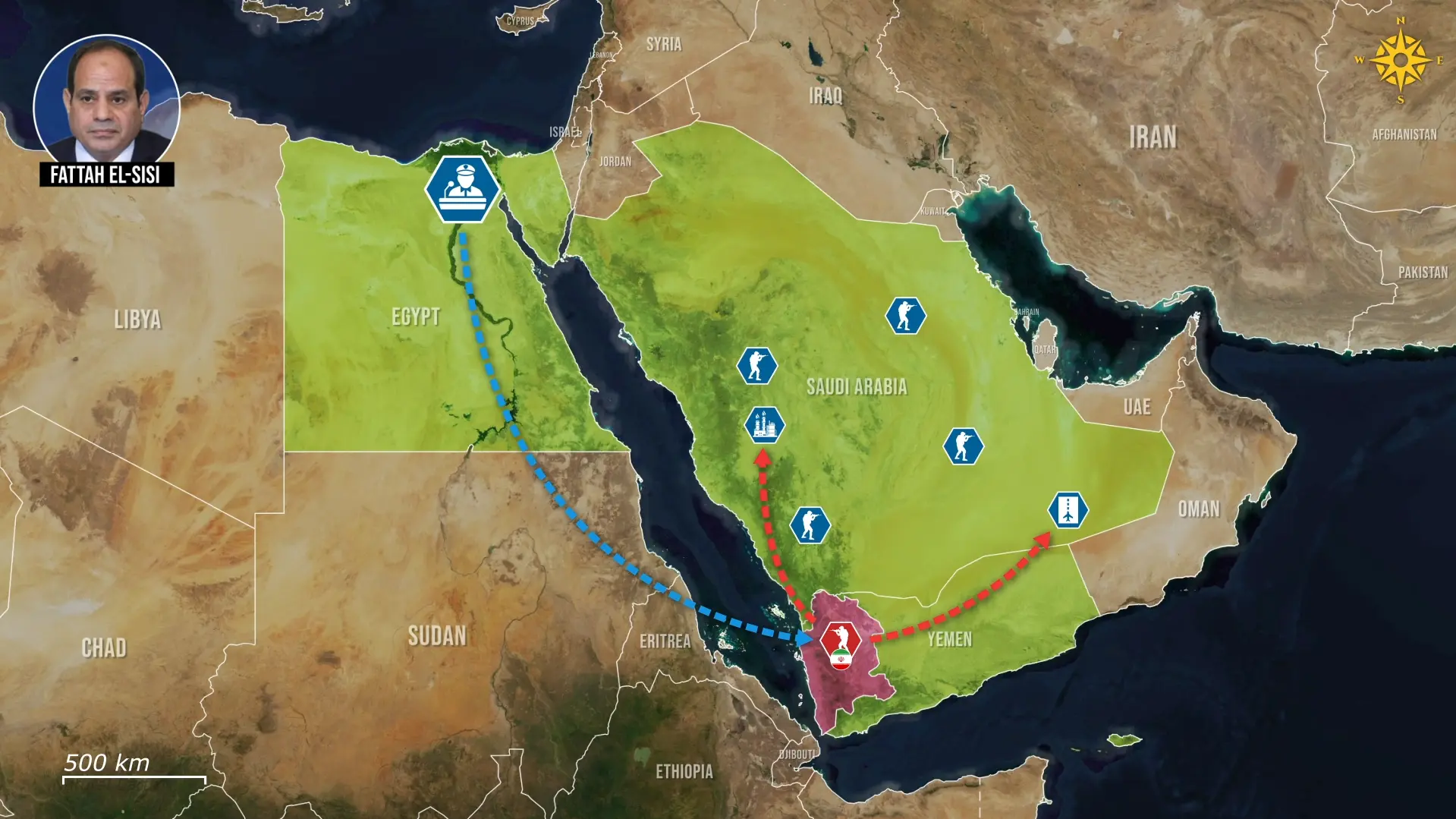
According to a recent report by The Guardian, the United Arab Emirates has agreed to resume funding government forces fighting the Houthis in southern Yemen. Meanwhile, Saudi Arabia will provide air support to intensify operations by anti Houthi forces. By supporting local government forces in an effort to halt the Houthis’ advance, the UAE is set to resume an active role in the conflict. This initiative creates an opportunity for Saudi Arabia and the UAE to work together again on the Yemeni battlefield.
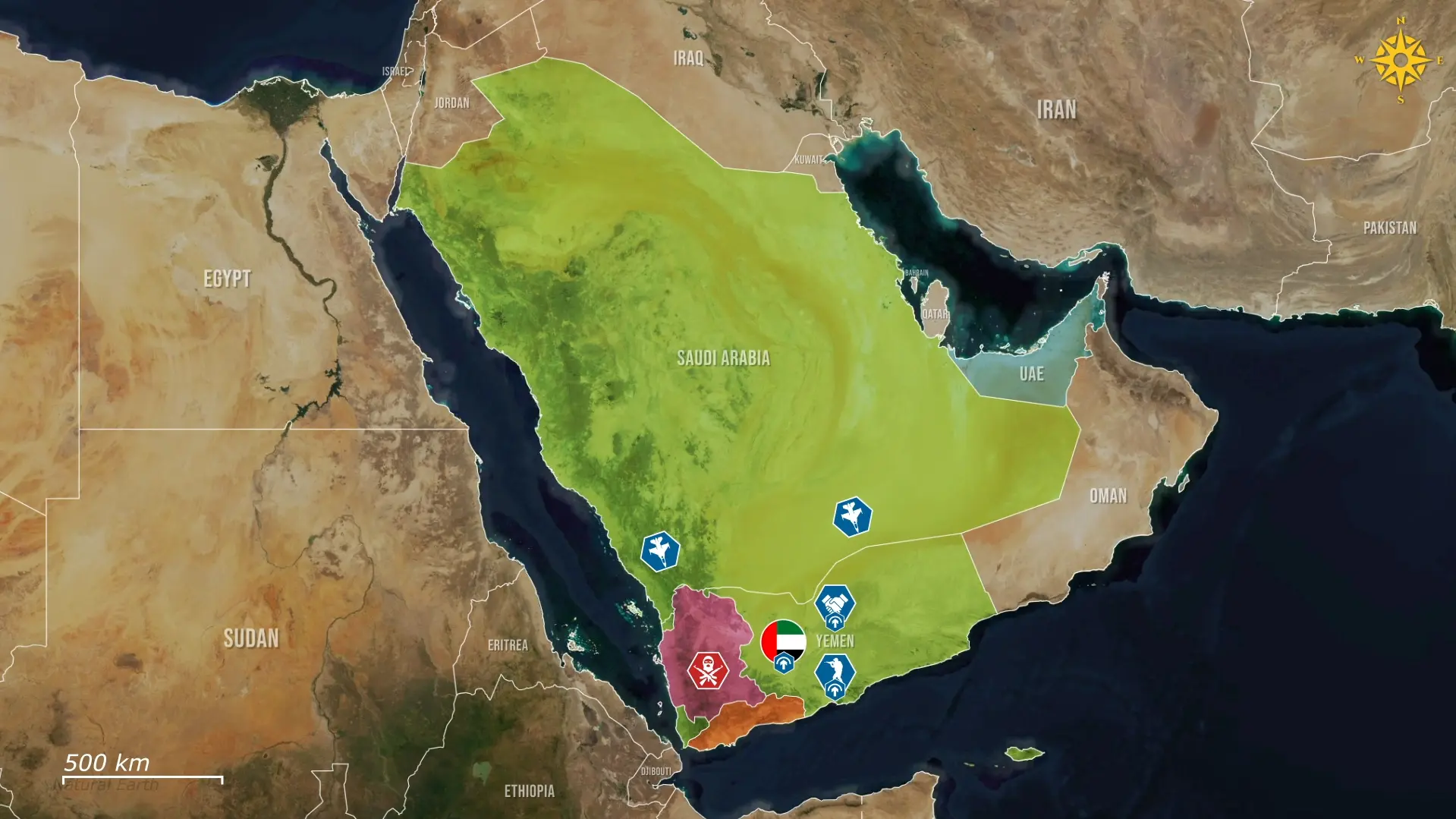
In March two thousand fifteen, Saudi Arabia and the United Arab Emirates launched a joint military campaign against the Houthis in Yemen. From the outset, Saudi Arabia sought to keep Yemen’s internationally recognized government in power to preserve the country’s territorial integrity, as Yemen’s division would further destabilize its southern border. The UAE later supported the Southern Transitional Council, a southern separatist movement, with weapons, training and funding. The STC has its own armed forces, whose primary goal is to separate southern Yemen from the rest of the country and establish an independent state.
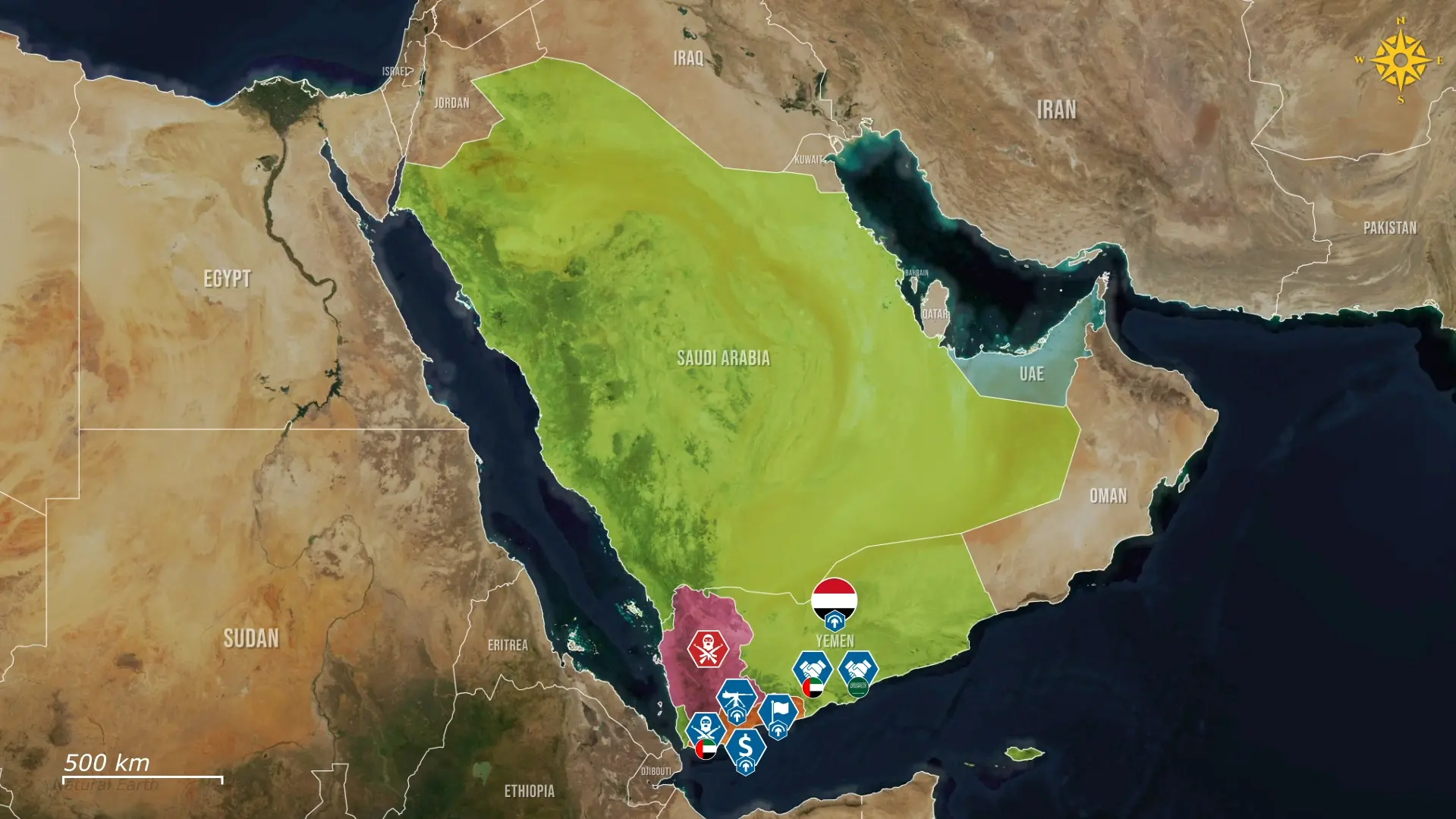
According to military analysts, the UAE supported the STC to strengthen its own foothold in southern Yemen, which is strategically located near the Bab al Mandab Strait. As a trade dependent country, the UAE has a strong interest in maintaining influence over this vital route for global trade and energy shipments. Tensions escalated when STC forces seized territory near the Saudi border. On December thirty, two thousand twenty five, Saudi Arabia struck what it described as a UAE weapons shipment for the separatists at Mukalla port. Following the strike, Yemen’s Saudi backed government ordered the UAE to withdraw its forces from Yemen within twenty four hours. In response, the UAE withdrew all its remaining troops from the country. However, the Houthis’ ongoing advances in Yemen and their growing threats in the Red Sea are posing serious risks to the commercial vessels of both Saudi Arabia and the UAE.
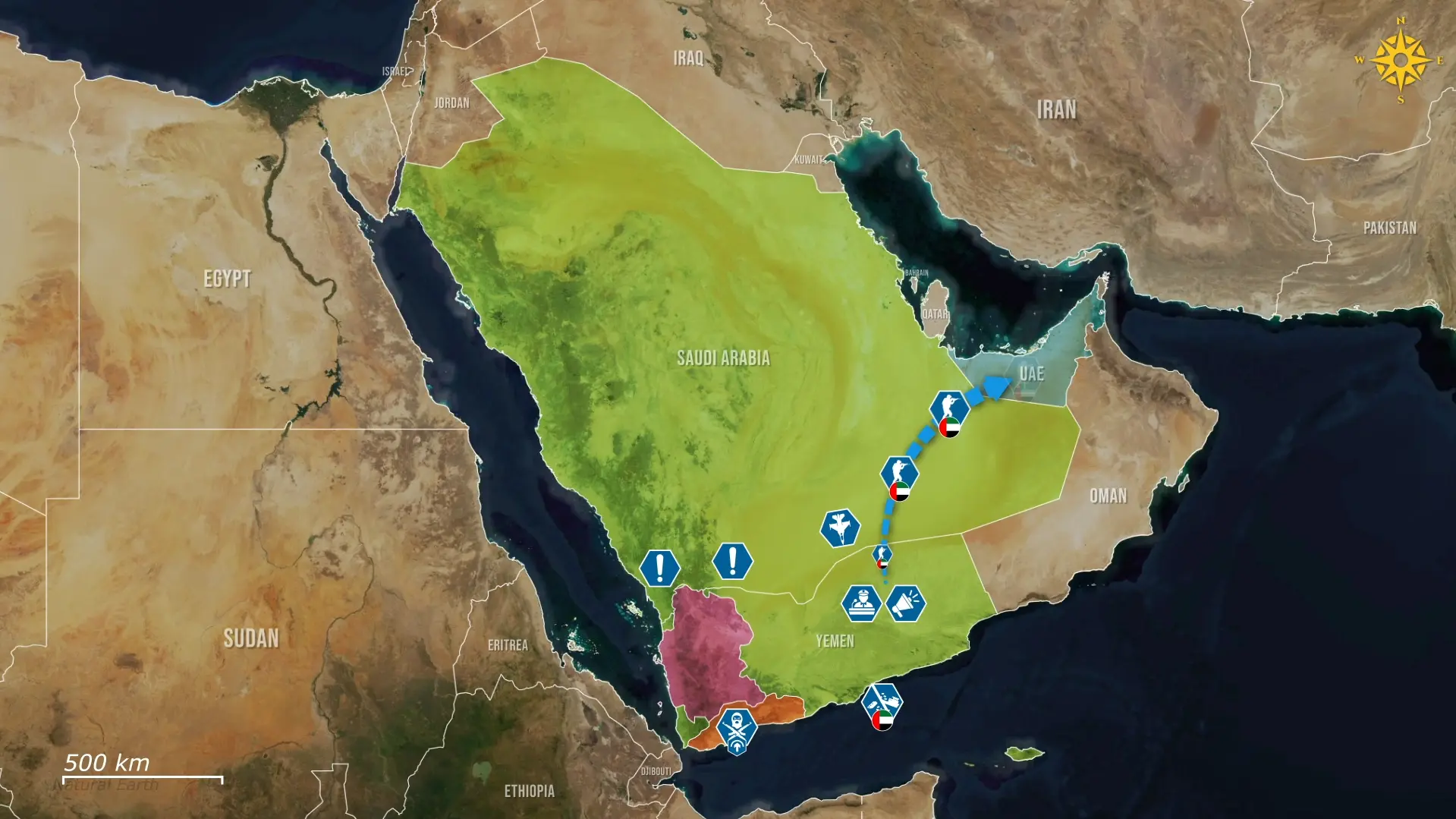
If Saudi Arabia and the United Arab Emirates resume working together to support anti Houthi forces in Yemen, it could significantly disrupt the Houthis’ military advances. Regular UAE funding would help these forces retain their fighters, recruit new personnel, and acquire weapons and military equipment, enabling them to sustain long term military operations. Meanwhile, Saudi air support would help weaken Houthi defenses by striking their military positions. As a result, anti Houthi forces would be better able to hold their positions and intensify operations to retake territory under Houthi control.
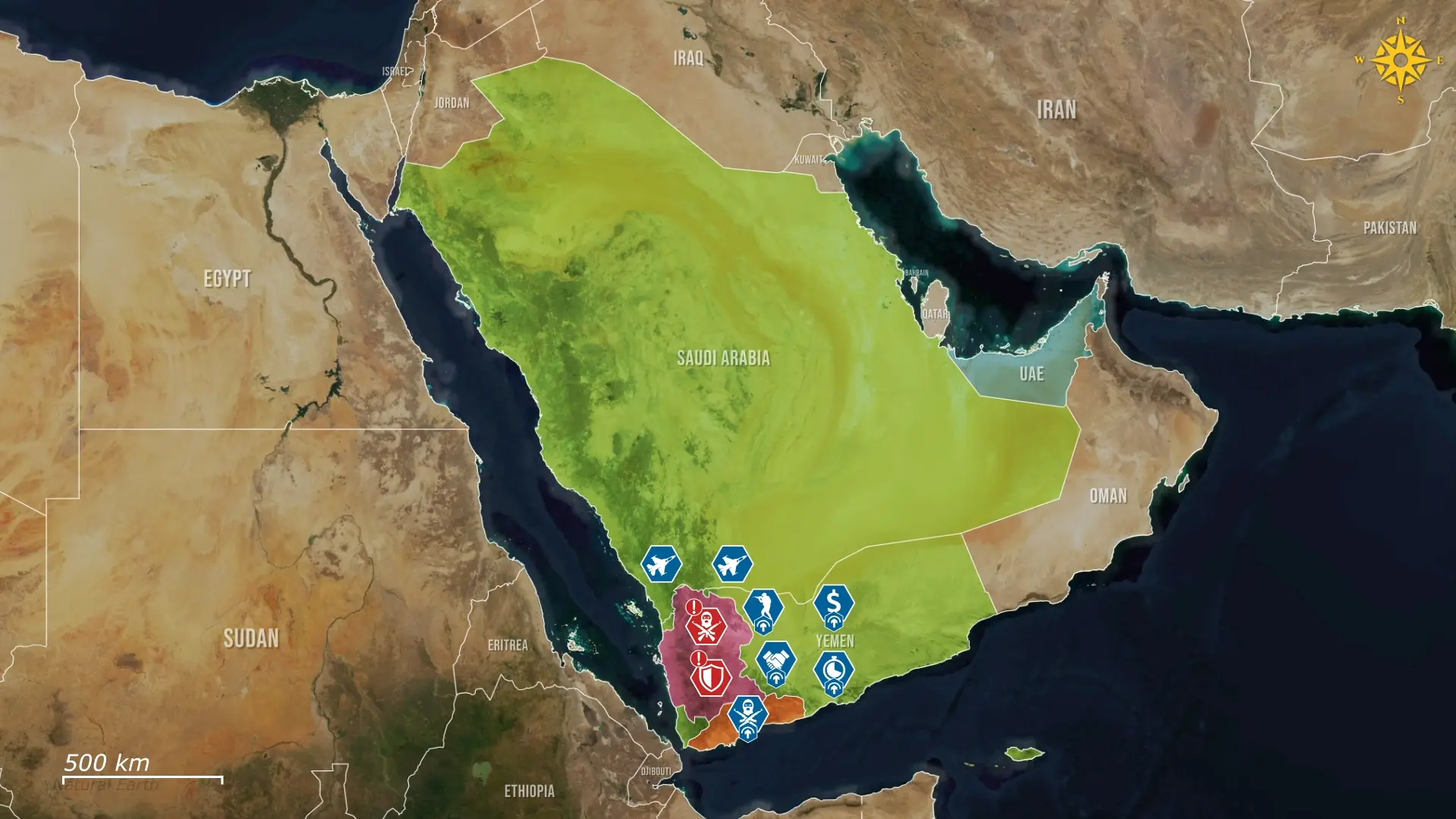
The main problem in Yemen’s current situation is that anti Houthi forces are pursuing different objectives. In particular, southern Yemeni separatists want to establish an independent state, while the internationally recognized Yemeni government seeks to preserve the country’s unity and territorial integrity. The separatist Southern Transitional Council has yet to allow its forces to fight beyond the borders of the former South Yemen. However, the Houthis are exerting their main military pressure in Taiz and Marib, which lie outside those borders. Southern separatists have long called for a referendum on independence for southern Yemen. If Saudi Arabia agrees to a referendum or sets a timeline for holding one, southern forces may be willing to move north and fight the Houthis. However, this would be risky for Riyadh because such a decision could anger Yemen’s internationally recognized government, which supports keeping the country unified.
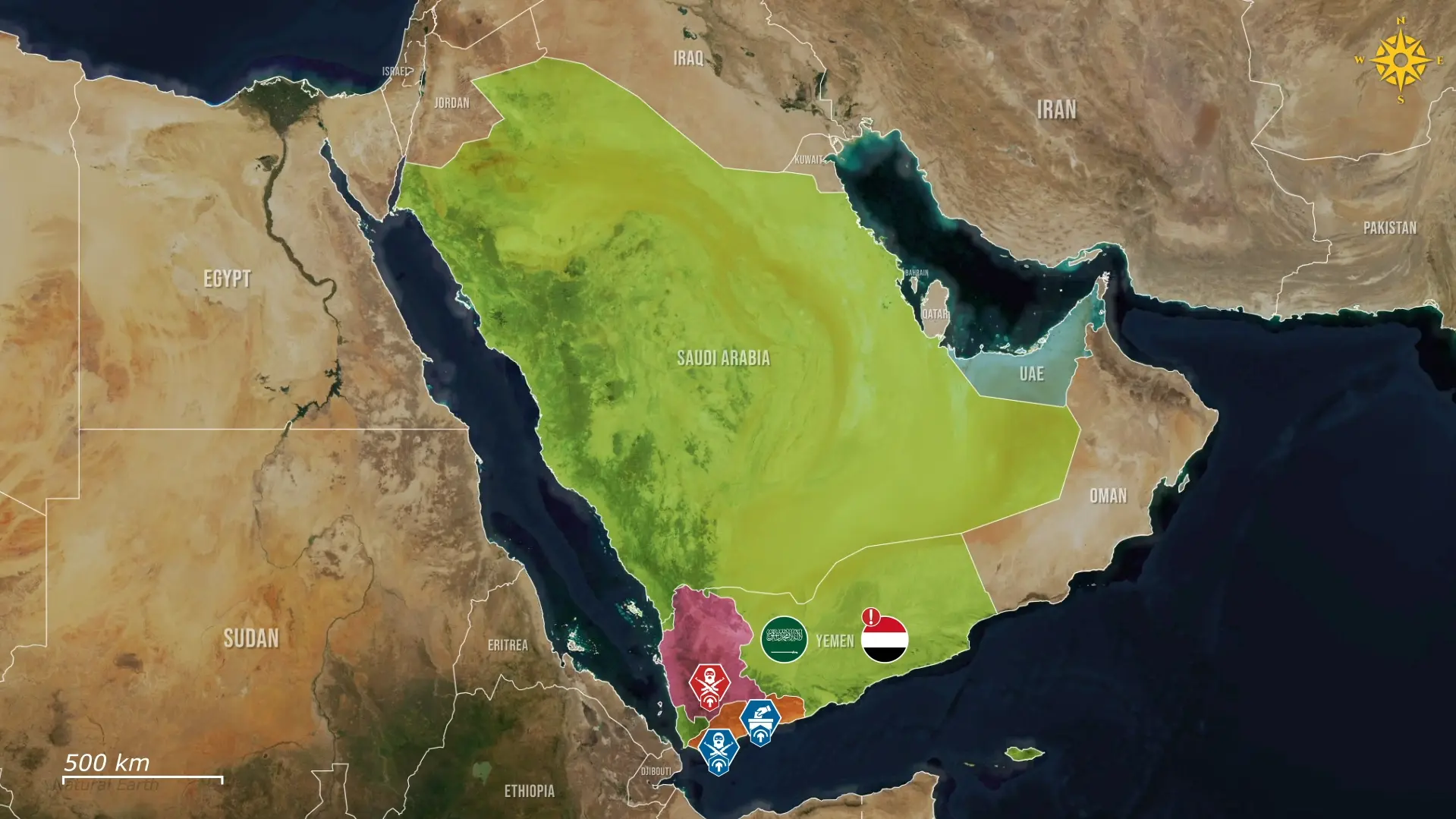
Additionally, Saudi Arabia could also establish a joint command to build trust and improve cooperation among anti Houthi forces. This command would coordinate salaries, air support, and military objectives. This would clarify each force’s responsibilities and the support it would receive.
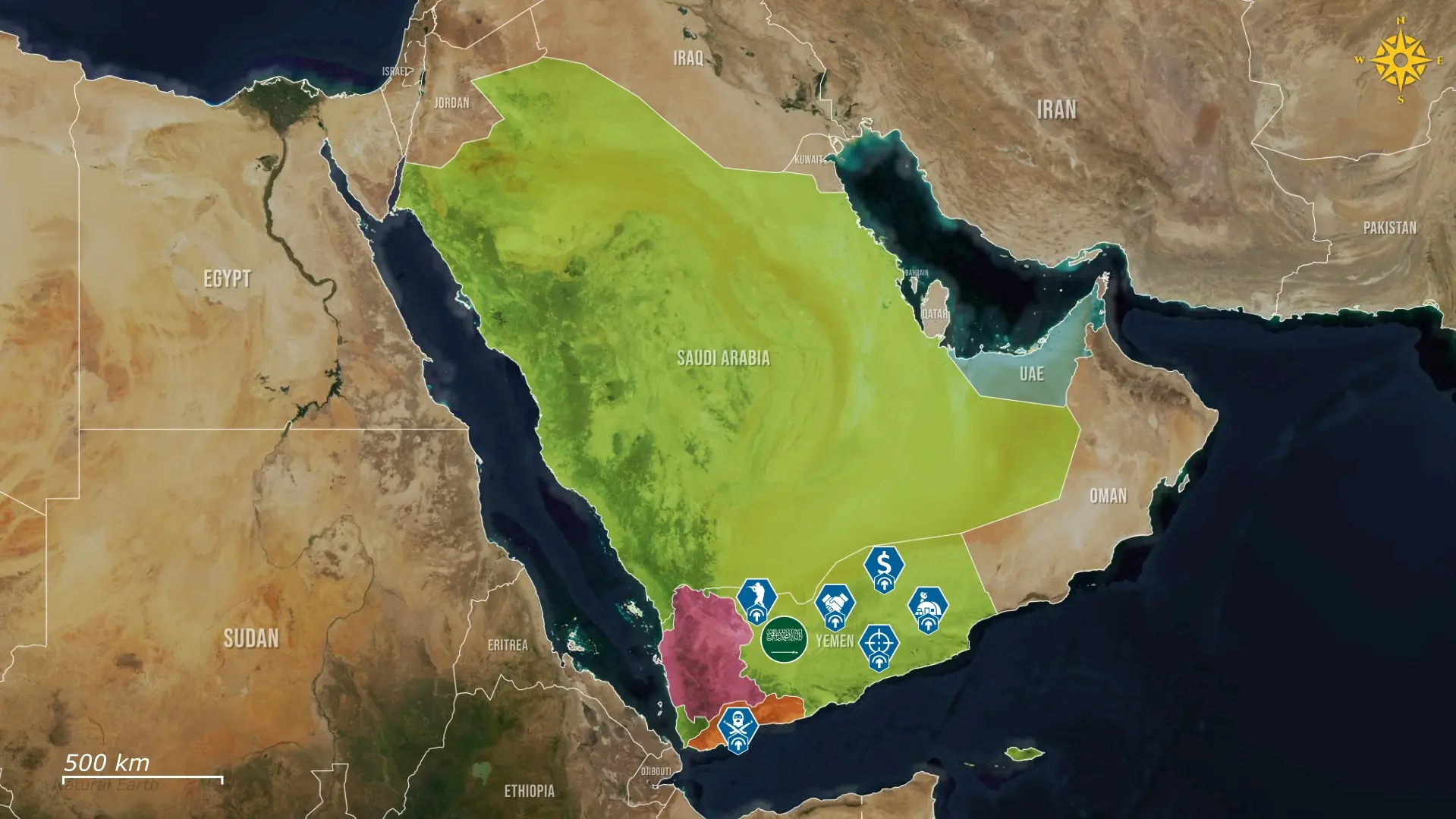
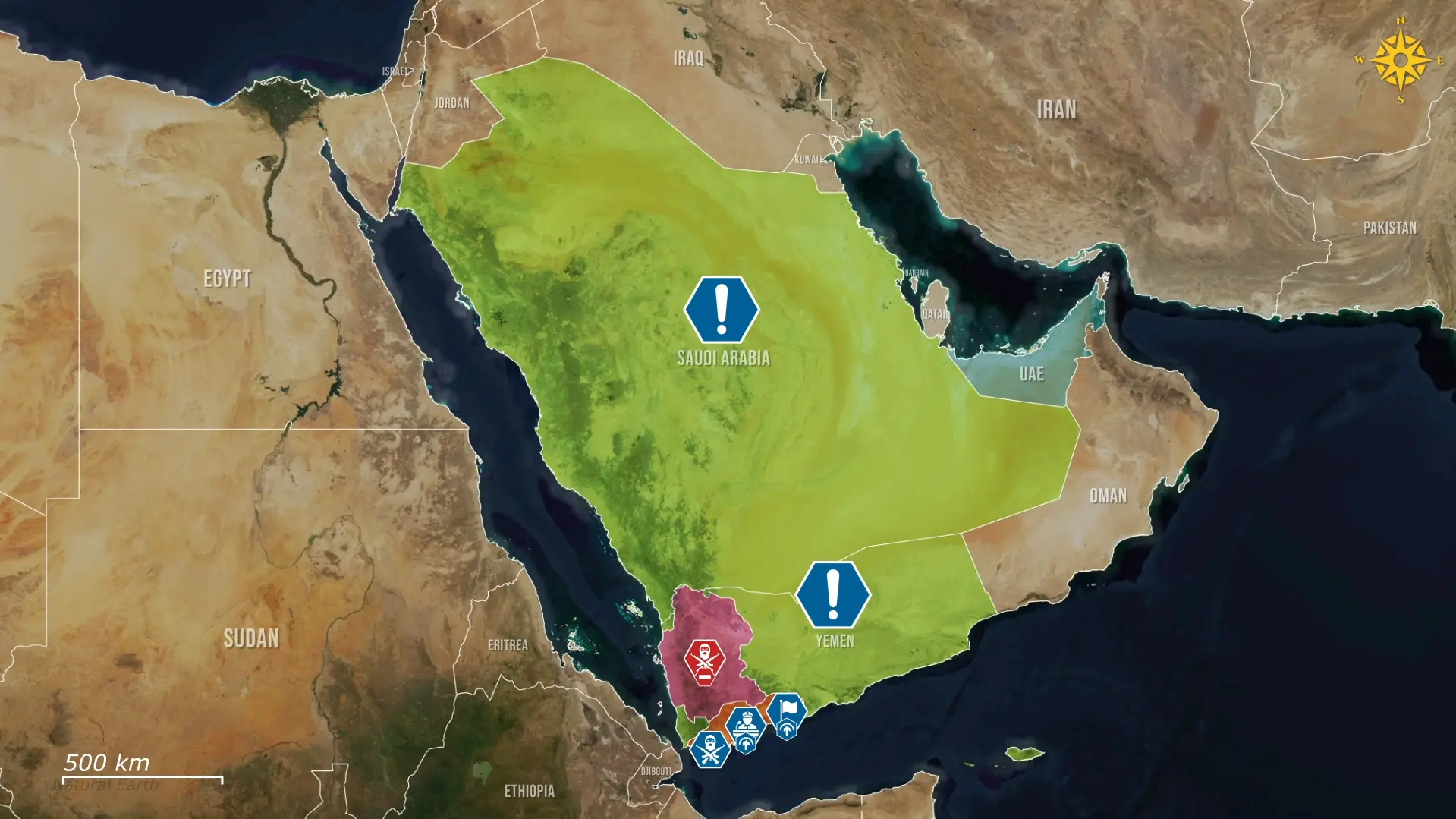
Overall, the new military campaign against the Houthis will increase Saudi Arabia’s reliance on southern Yemeni forces. This could strengthen these groups political influence over Yemen’s future. They may use this leverage to renew their efforts to establish an independent state in southern Yemen. As a result, even if Saudi Arabia succeeds in halting the Houthi advance, Yemen’s political divisions could deepen, creating new security risks for both Yemen and Saudi Arabia.




Comments