


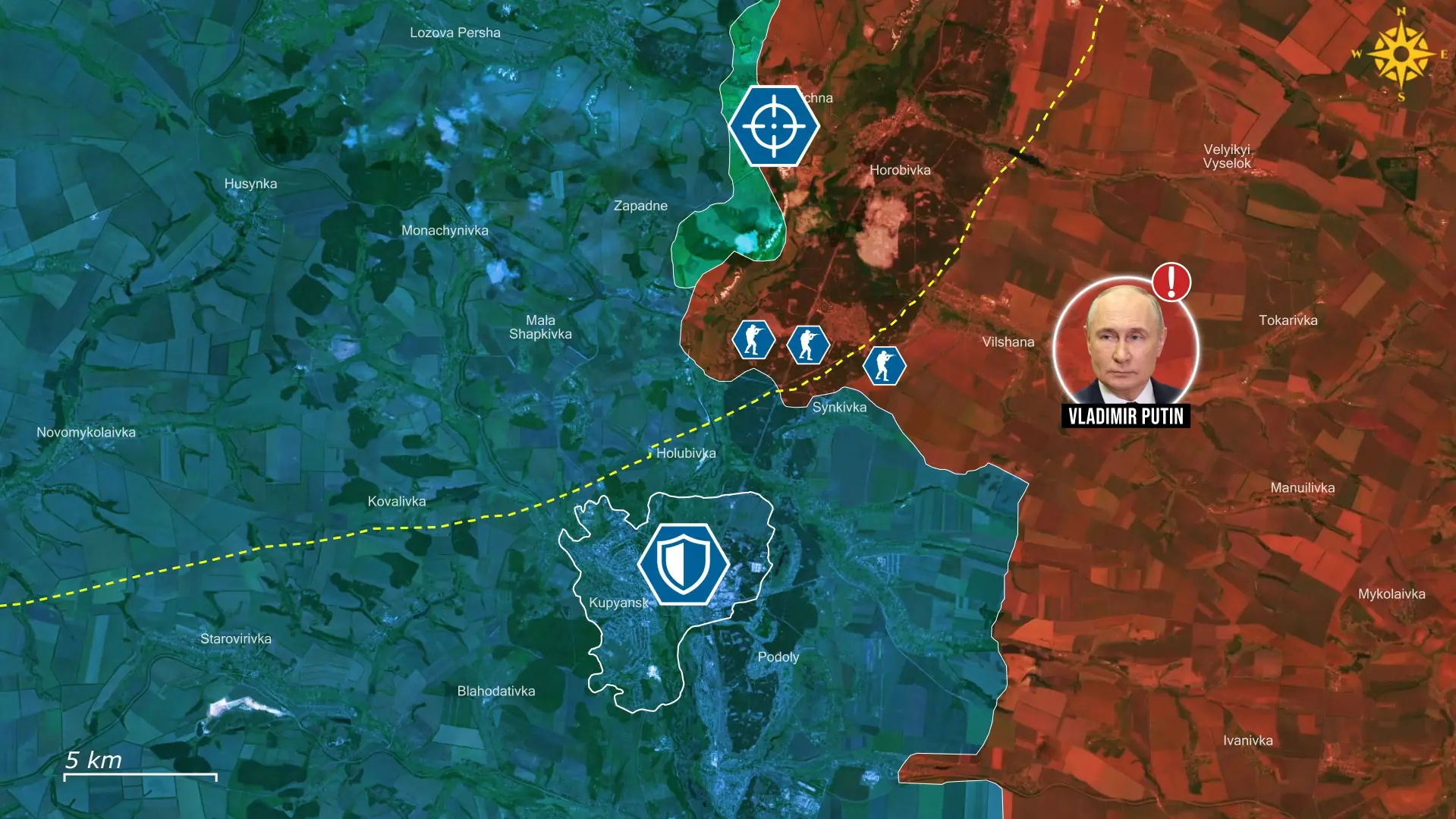
Today, there are important updates from the Kupiansk direction.
Here, Ukrainian forces have turned one of Russia’s most important infiltration routes into a devastating trap, launching an extraordinary underground counteroffensive near Kupiansk. During Operation Veles, troops from Ukraine’s Khartia Corps advanced more than fifteen kilometers through underground passages, emerging behind Russian positions with the objective of eliminating the possibility of using the pipeline network that had repeatedly allowed Russian soldiers to penetrate Ukrainian defenses in the area.
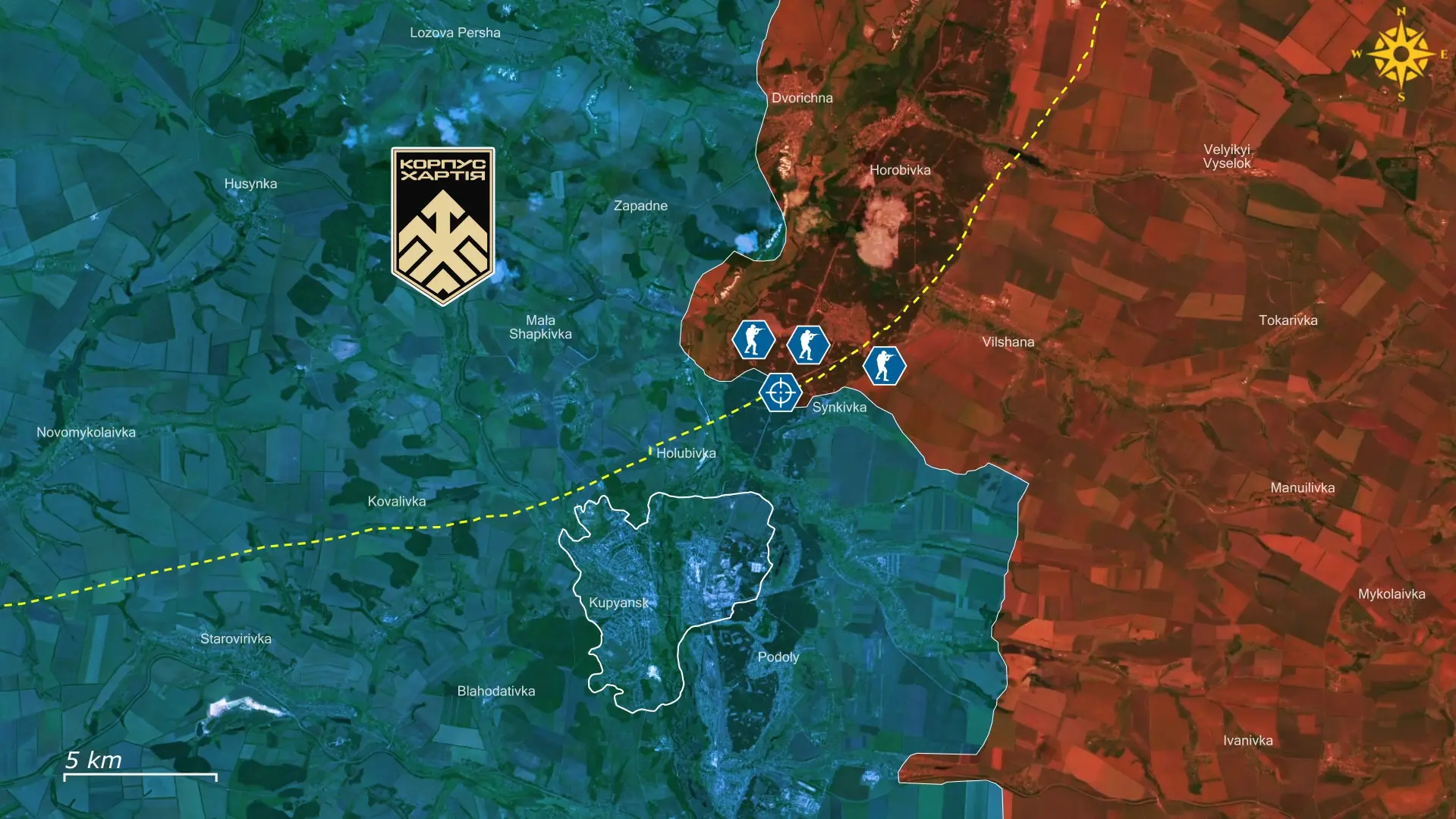
After Ukrainian forces regained control of much of the city and cleared numerous infiltration groups, Russian commanders continued exploiting a gas pipeline running beneath the Oskil River. Small Russian groups could travel underground, bypass exposed approaches, and emerge behind Ukrainian positions. Even after Ukraine blocked individual exits, Russian troops continued searching for alternative passages, hoping to establish new footholds and destabilize the city, so Ukraine decided to reverse the Russian tactic.
According to Brigadier General Ihor Obolenskyi, commander of the Khartia Corps, Ukrainian planners began by studying footage Russian soldiers had published from inside the pipeline. These recordings revealed crucial information about underground distances, movement patterns, and possible exit points. Ukrainian commanders determined that Russia intended to exploit multiple exits simultaneously, overwhelming defenders through infiltration from different directions. Rather than simply defending every exit, Khartia planned an underground offensive of its own.
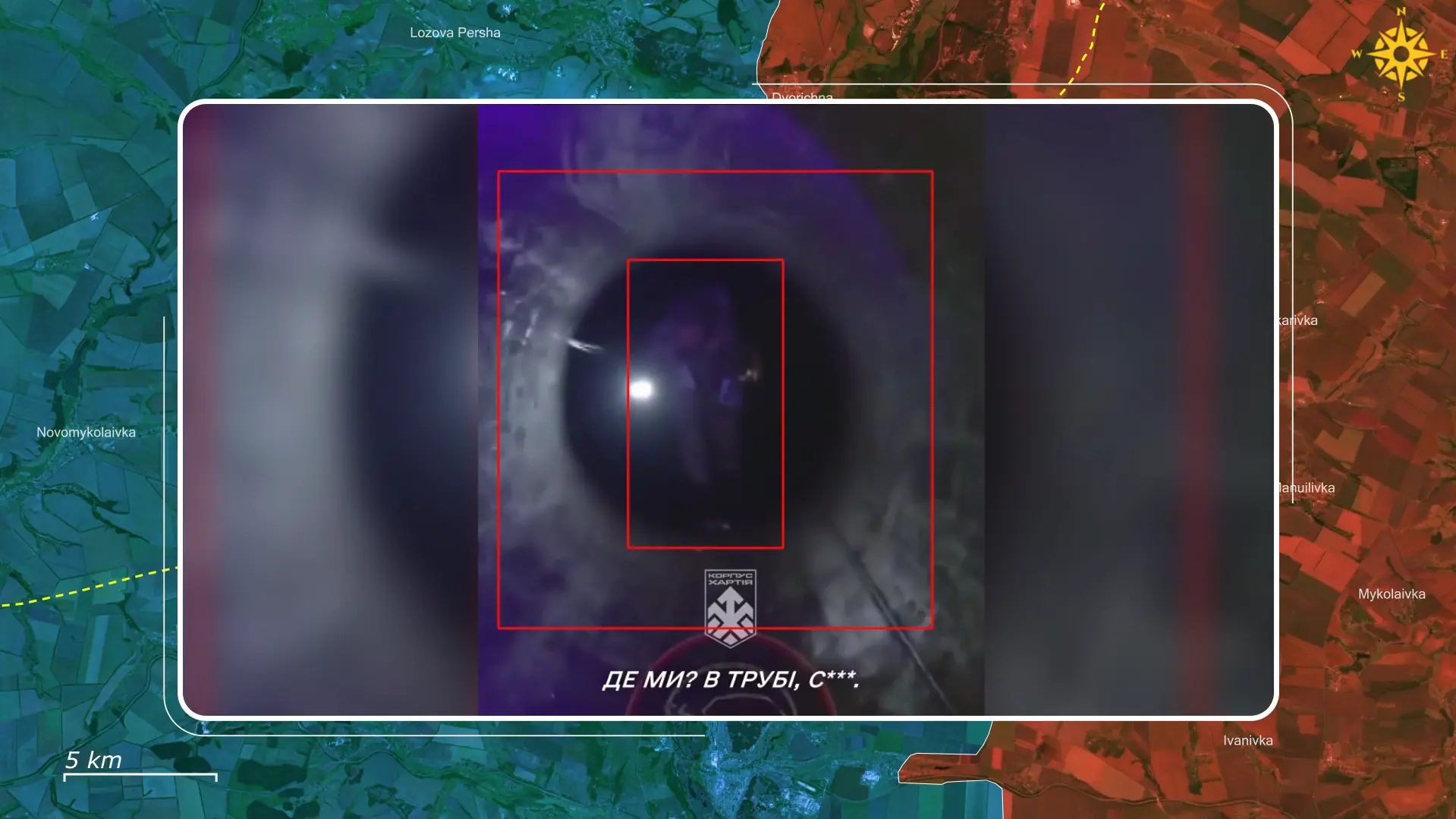
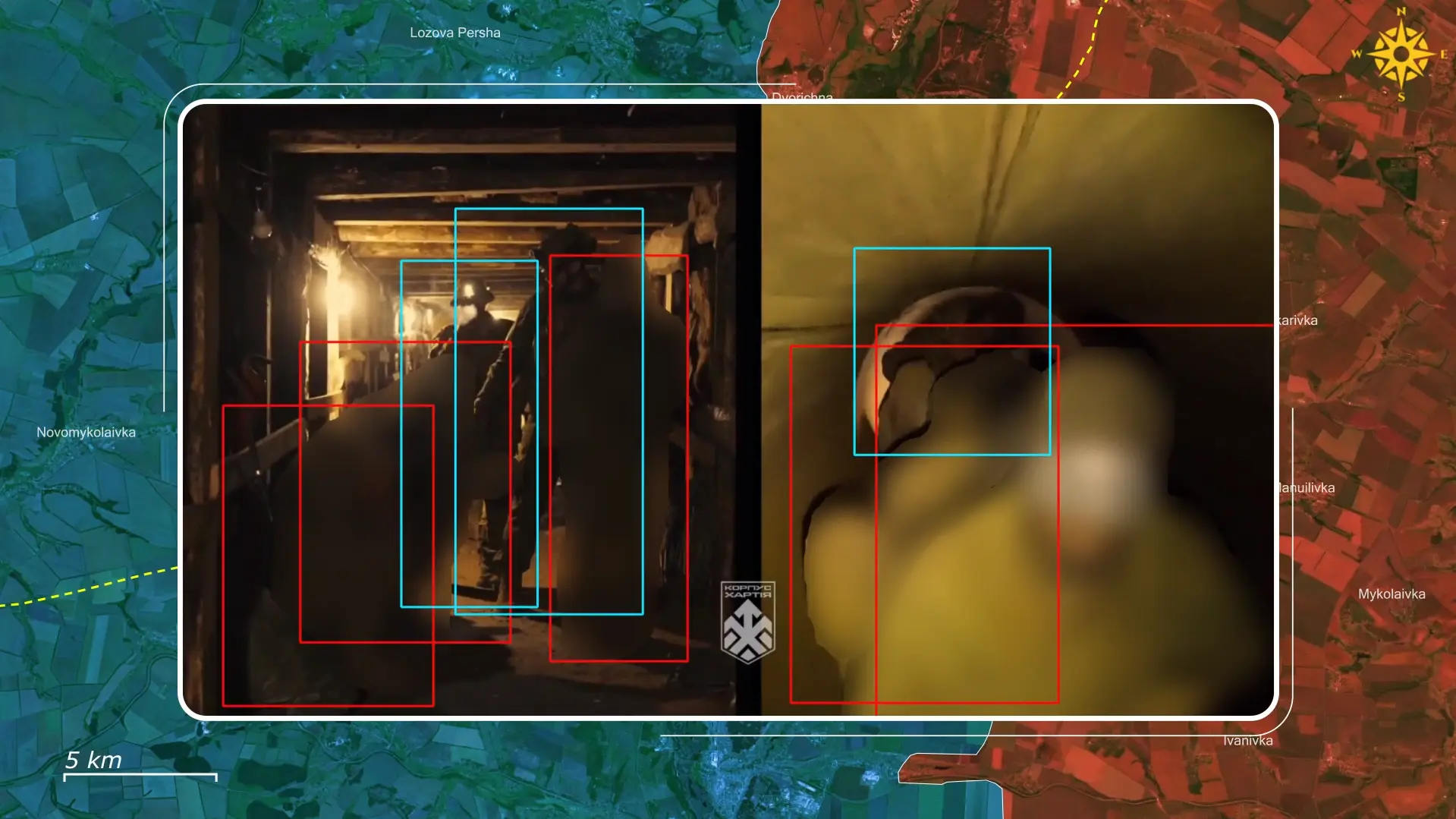
Preparation required specialized physical and psychological training because soldiers would operate for extended periods inside confined spaces. Engineers and sappers prepared passages, while life-support equipment made underground movement possible. Inside the already damaged pipeline, Ukrainian troops installed communications and navigation equipment, repaired sections of the route, and prepared additional passages. Ground robots and wheeled carts helped transport supplies and equipment through spaces where conventional movement was slowed down.
This allowed Ukrainian assault groups to move covertly toward Russian positions without exposing themselves to the drone surveillance dominating the surface, but the underground operation was only one part of the plan. Once Ukrainian soldiers established positions inside the underground network, they secured key passages and prepared defensive positions to prevent Russian counterattacks.

As Ukrainian soldiers advanced through the pipeline, other formations launched synchronized attacks above ground. Drone operators struck Russian positions while Ukrainian assault units applied pressure from the surface, creating threats from multiple directions, while a joint operations center coordinated the aerial support with the Achilles Unmanned Systems Brigade.
The results were significant, as more than thirty Russian soldiers were captured and extracted back along the pipeline, while over one hundred others were killed or wounded during the operation. More importantly, Russia lost access to important underground infiltration routes that had repeatedly threatened Kupiansk’s rear areas.
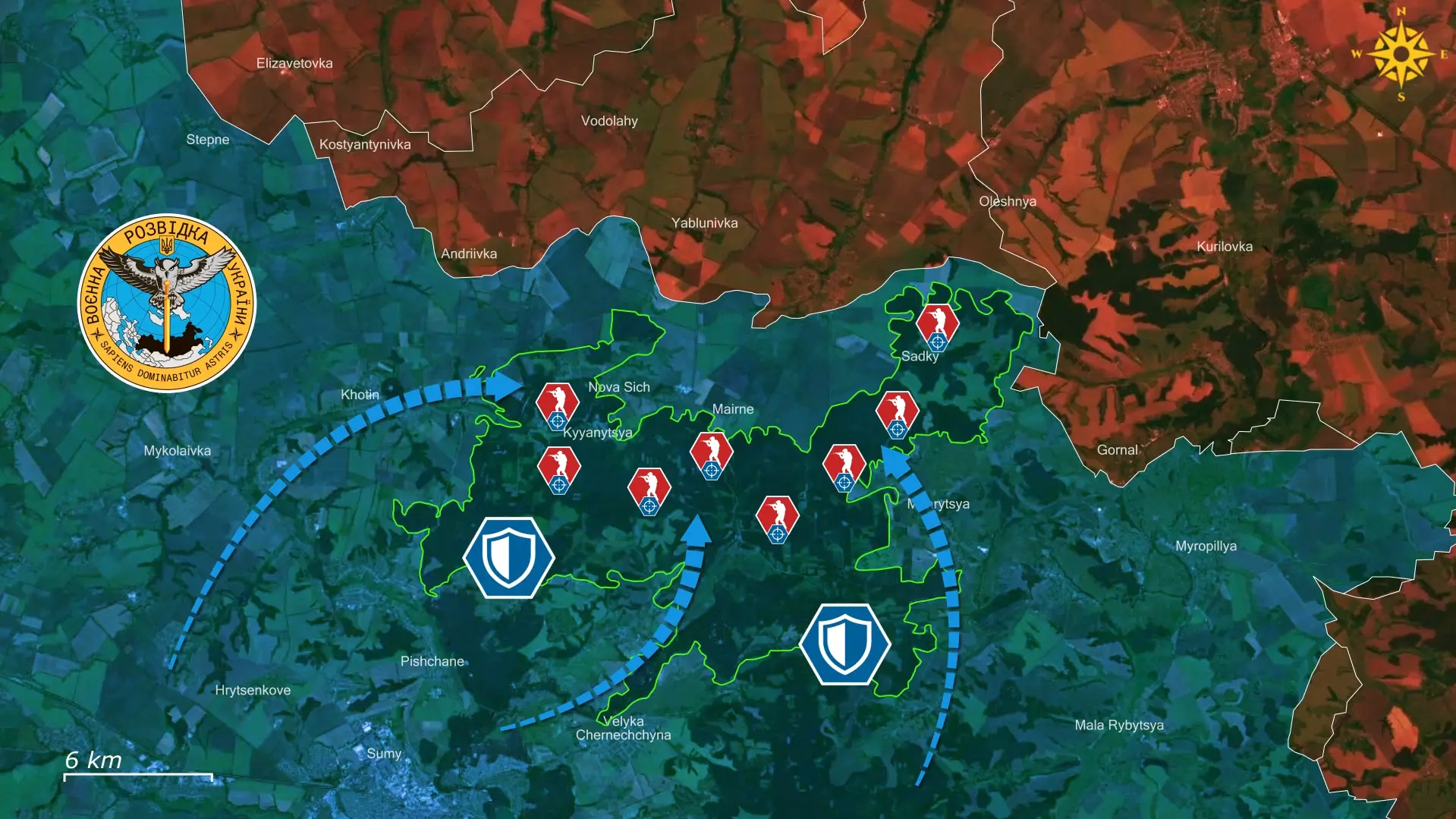
Operation Veles, named after the Slavic god associated with the underworld, was also part of a larger Ukrainian effort to eliminate Russian footholds west of the Oskil River. While parts of Khartia attacked the underground network, Colombians elements from the Corps conducted counterattacks around Dvorichna, clearing approximately fifteen square kilometers, with the operations complementing one another. Together, they complicated Russian reinforcement movements, isolated infiltration groups, and increased pressure on the remaining enemy positions west of the river. This is particularly important before winter, when Russian commanders might otherwise exploit concealed routes to move soldiers into Kupiansk despite Ukrainian surveillance.
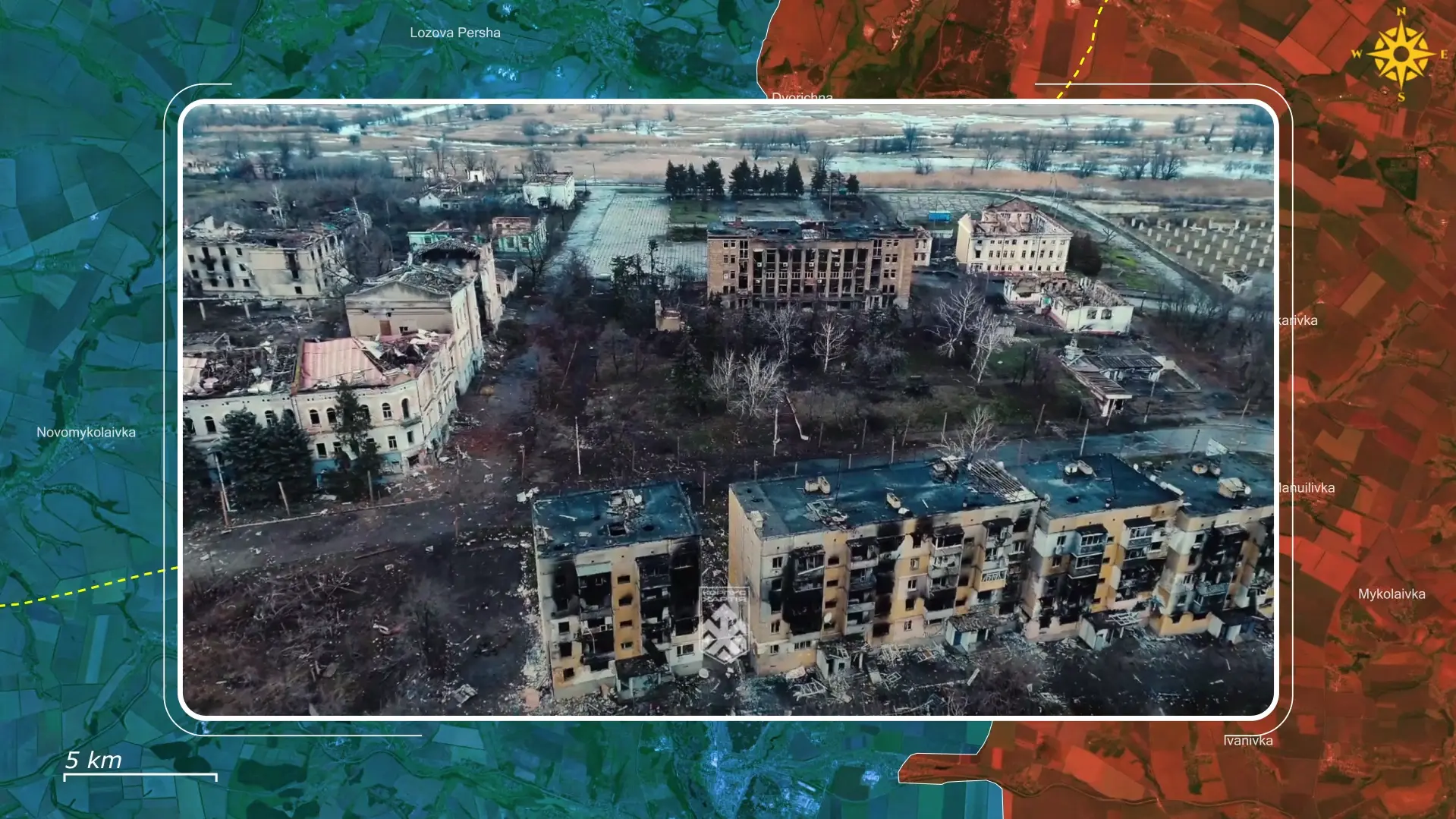
Overall, Ukraine decided to directly attack the infrastructure that made Russian infiltrations possible instead of simply fighting them back. The operation also exposed the contradiction in Russia’s repeated claims of controlling Kupiansk. Putin previously announced the city’s capture, yet Russian forces have continued relying on small infiltration groups to try to back up his claims. By advancing through Russia’s own underground routes, Ukrainian forces have transformed a persistent vulnerability into an operational advantage to strengthen Kupiansk’s defenses and support the broader effort to push Russian forces back across the Oskil River.



Comments