


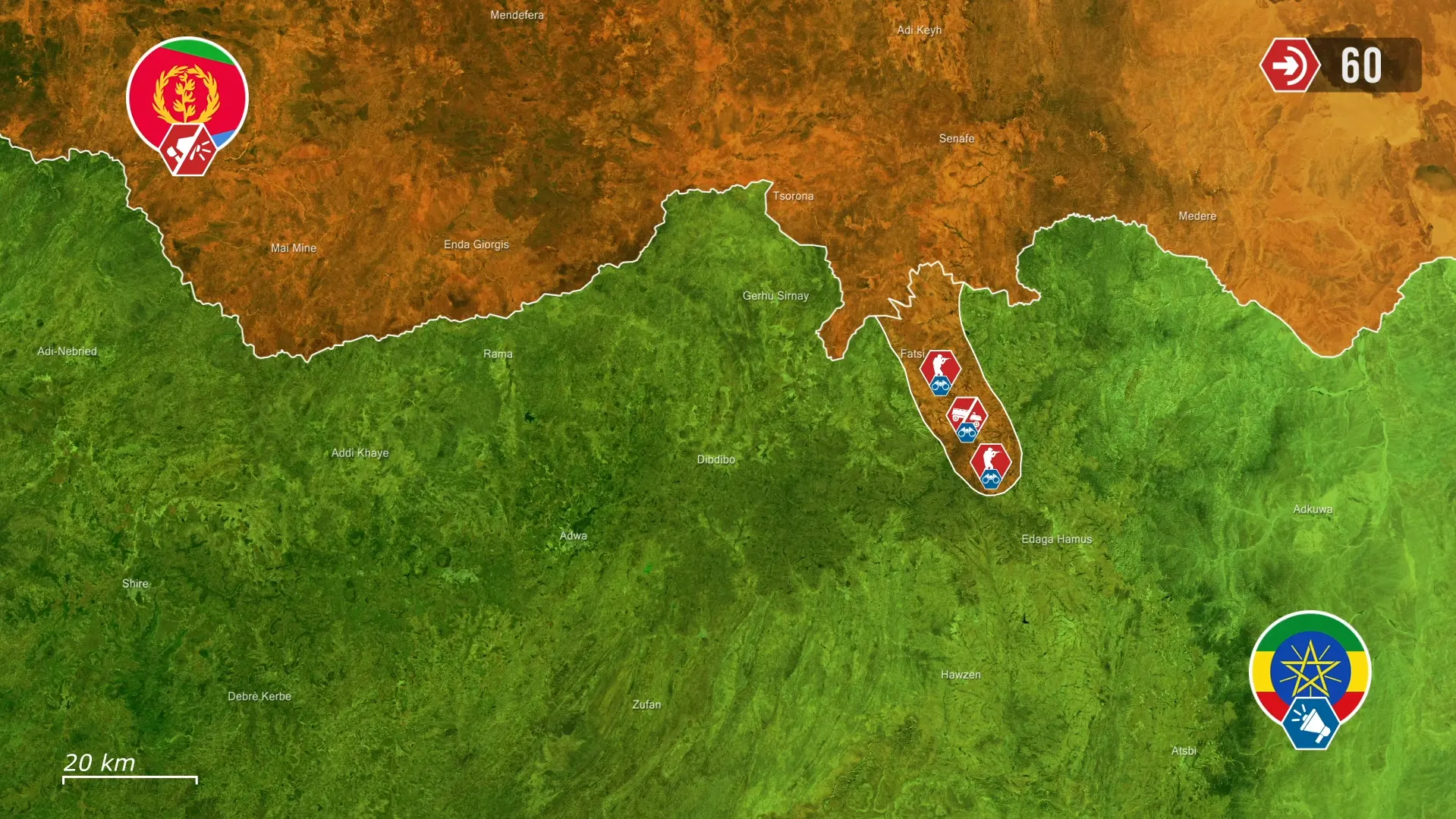
Ethiopia accused Eritrean troops of having launched a surprise attack in the north of the country, moving through parts of Tigray and advancing as far as sixty kilometers. Ethiopian officials also declared that the invasion triggered an immediate response with the deployment of Ethiopian drones, which reportedly struck an Eritrean military column moving south. While Eritrea officially denies launching an invasion, its troops were seen inside Ethiopian territory, with movements documented also by monitoring groups.
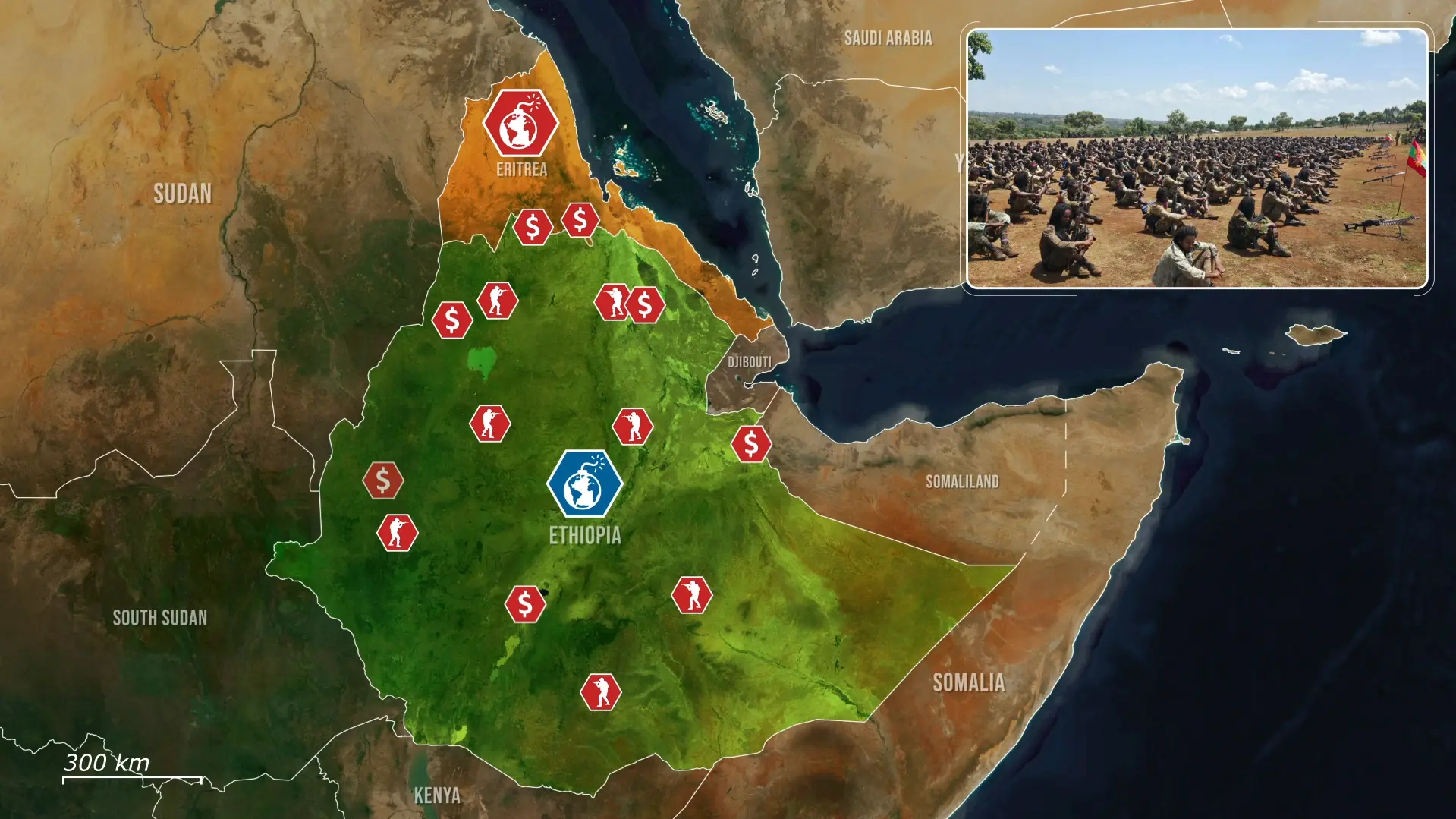
The incident has revived long standing tensions between the two neighbors, fueled by competing regional ambitions and growing instability. In fact, the incursion comes at a moment when Ethiopia faces one of its most complex internal challenges in years, as seven of the country’s largest rebel groups recently formed an alliance against the central government, bringing together movements that previously fought each other. Ethiopian officials accuse Eritrea of funding and supporting this alliance, arguing that the border crossing was not an isolated act but part of a broader effort to weaken Ethiopia from within.
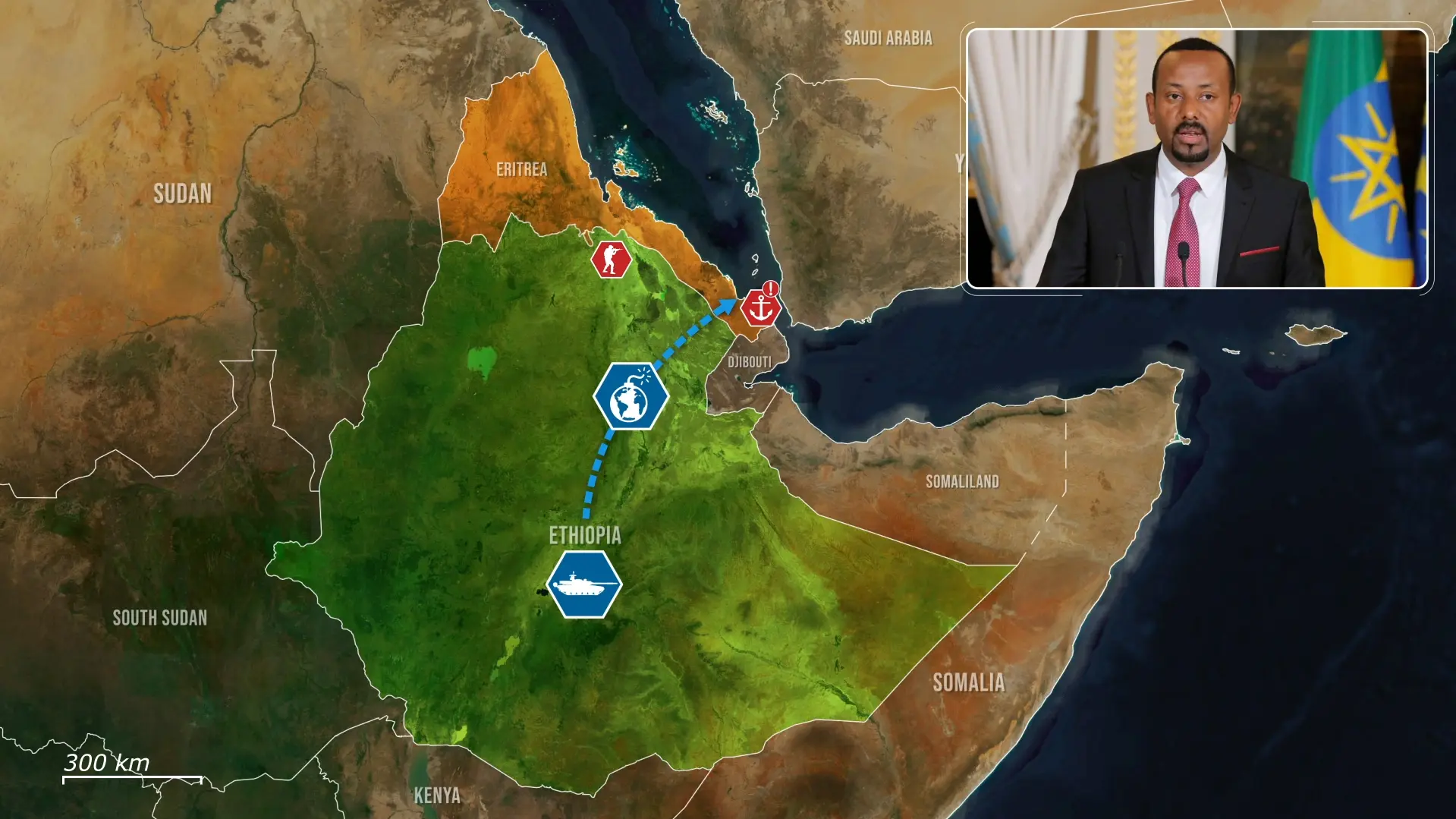
Eritrea’s decision to move troops across the border stems from concerns about Ethiopia’s growing interest in the Red Sea, for which it demands access through a negotiated arrangement. Notably, Ethiopia has been landlocked since Eritrea became independent, but in recent years it has increasingly argued that access to the sea is an existential issue, essential for its long term development. However, Eritrea worries that these demands could eventually justify military pressure on the port of Assab, especially as instability inside Ethiopia could give the government an opportunity to pursue more assertive policies. In this context, Eritrea may have joined forces with the rebel coalition to further destabilize Ethiopia and prevent such pressure, while also establishing a defensive buffer zone with its own troops on Ethiopian soil.
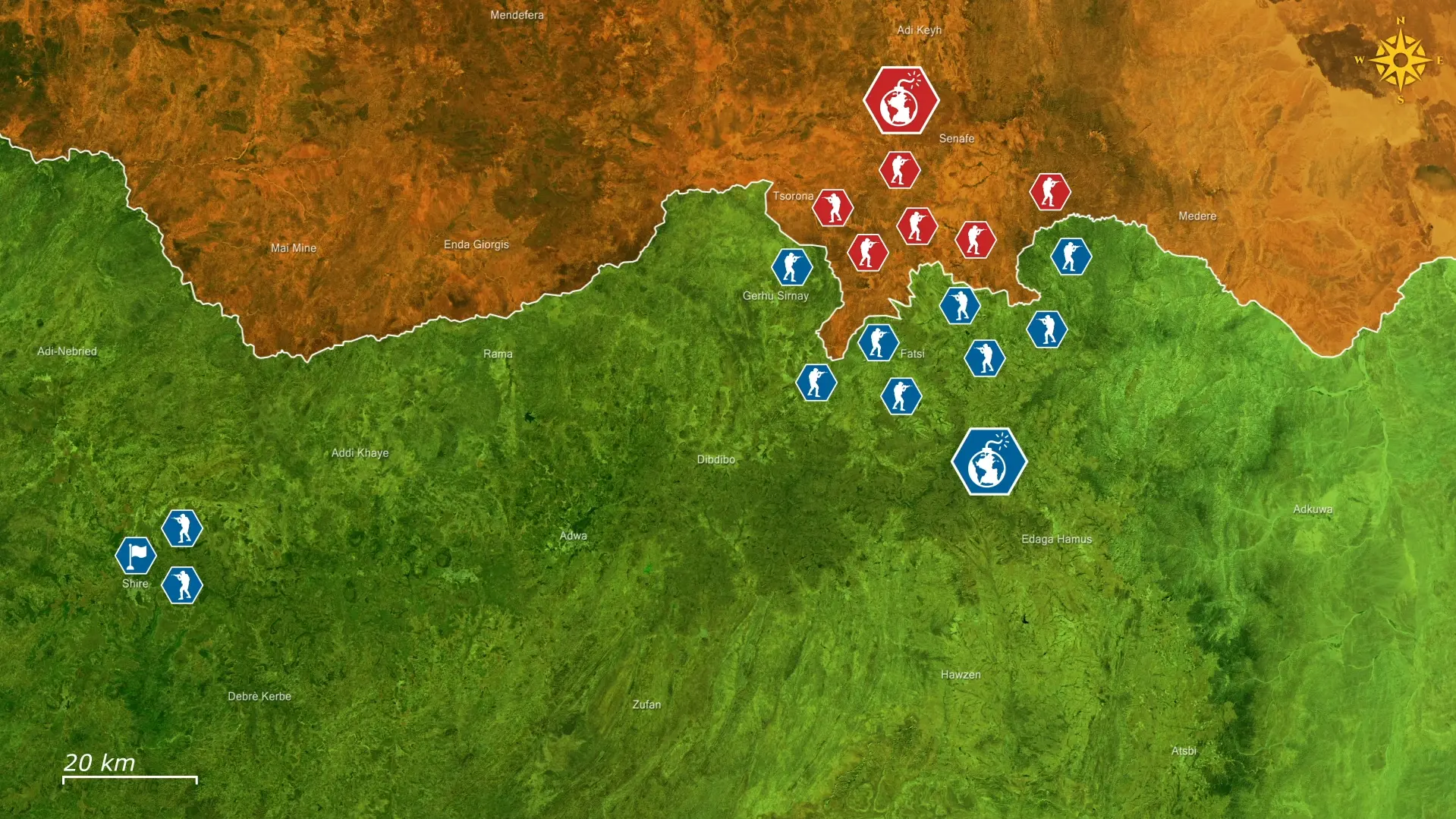
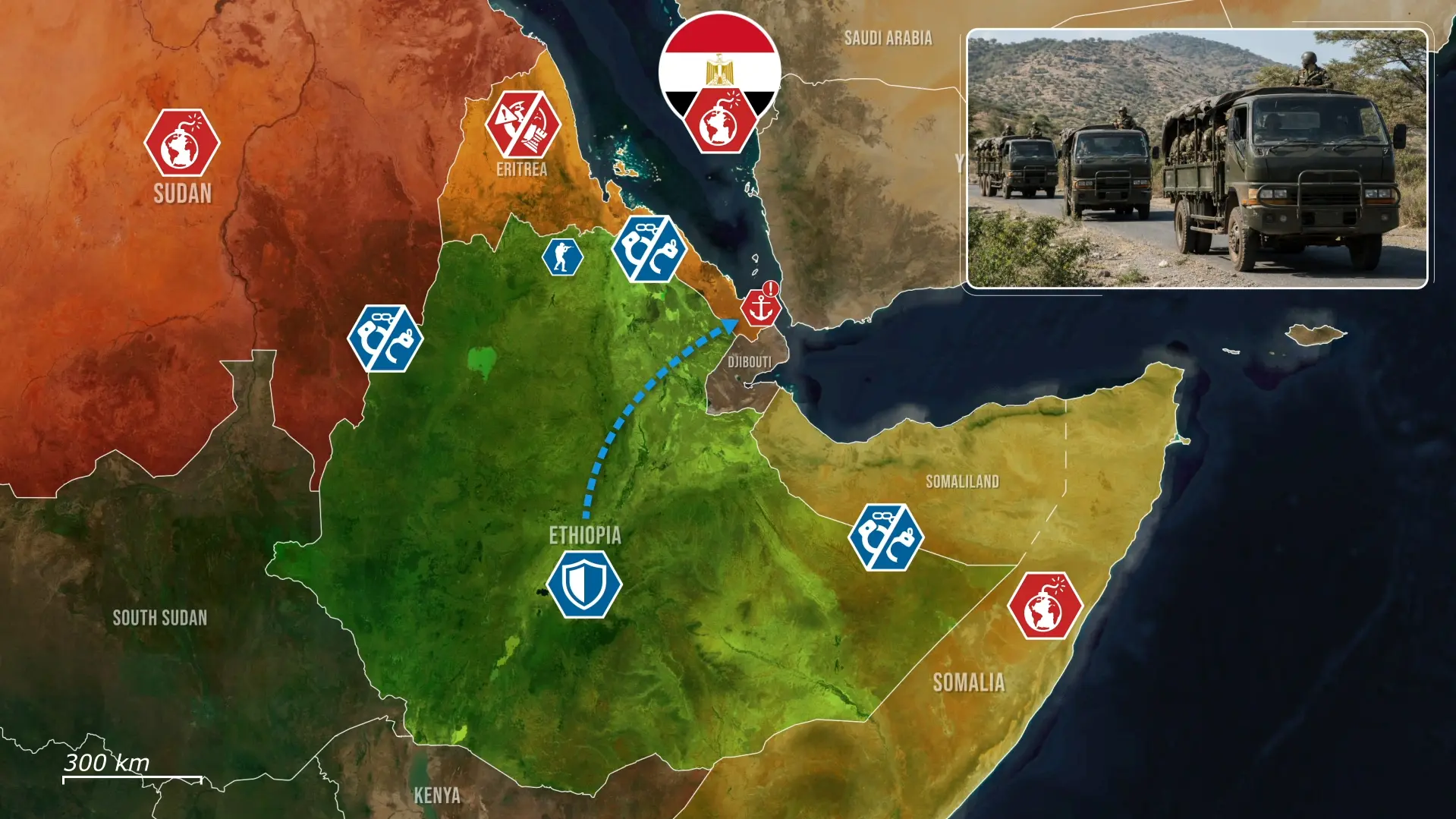
Despite the sudden attack, Ethiopia responded quickly, with the army pushing both the rebels and Eritrean troops north, retaking several towns and reaching the border. In northwestern Tigray, Ethiopian and regional forces broke through rebel lines backed by Eritrea and seized Shire, the last strategic city under rebels’ control. More Ethiopian units are also gathering near Bure, close to the route toward Assab, increasing Eritrea’s fears that Ethiopia could move beyond its border. As a result, troops are also massing on the Eritrean side, creating a standoff that could escalate with little warning as both governments accuse each other of preparing for a larger confrontation.
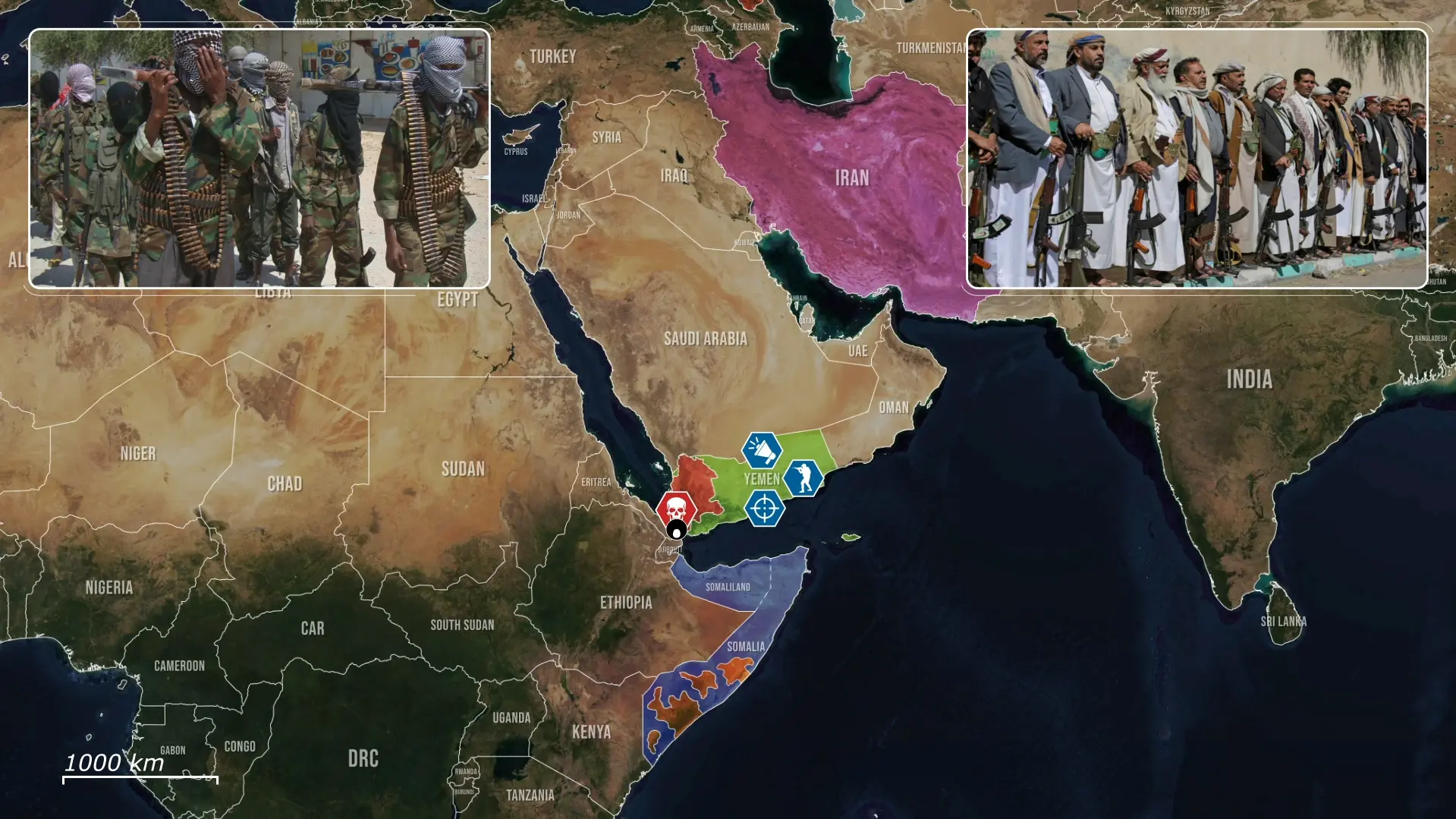
However, the danger for Ethiopia extends beyond the immediate border zone, as Sudan, Somalia and Egypt, along with internal rebels, also have serious disputes with the Ethiopian government. Sudan is frustrated by Ethiopia’s support for the Rapid Support Forces, Somalia remains wary of Ethiopian influence, and Egypt continues to clash with Ethiopia over the Grand Ethiopian Renaissance Dam, which threatens Nile River water flow. These tensions have already led to a meeting in New Alamein, where leaders from Sudan, Eritrea, Somalia, and Egypt agreed to deepen cooperation and reject foreign interference, viewing Ethiopia as a destabilizing actor. A longer war would therefore force Ethiopia to defend several borders while also fighting the rebel groups operating inside the country.
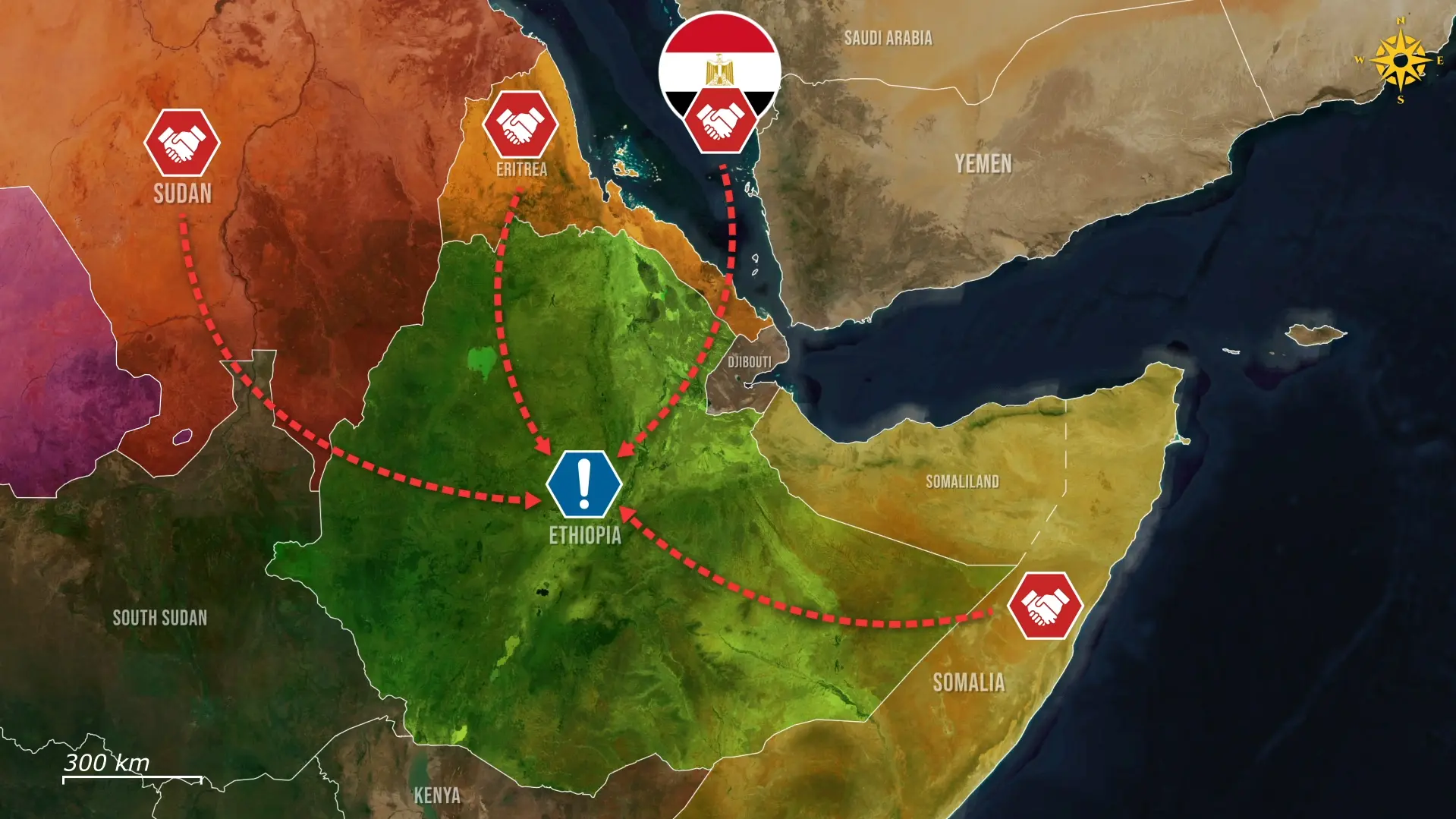
Overall, Eritrea’s invasion has produced the opposite result from what the government wanted, because Ethiopian forces are now gathering closer to Eritrea and the road leading toward Assab. Ethiopia can present any further military movement as self defense after Eritrean troops crossed the border, while Eritrea will see the same movement as confirmation that Ethiopia intends to seize access to the Red Sea. The confrontation is now no longer only about control of Tigray, but about whether landlocked Ethiopia can break its dependence on its neighbors and change the balance of power across the Horn of Africa. What happens around Bure and Assab will determine whether the fighting remains between Ethiopia and Eritrea or gives Sudan, Somalia, Egypt and Ethiopia’s rebel groups an opening to turn it into a much wider regional war.



Comments