

.svg)
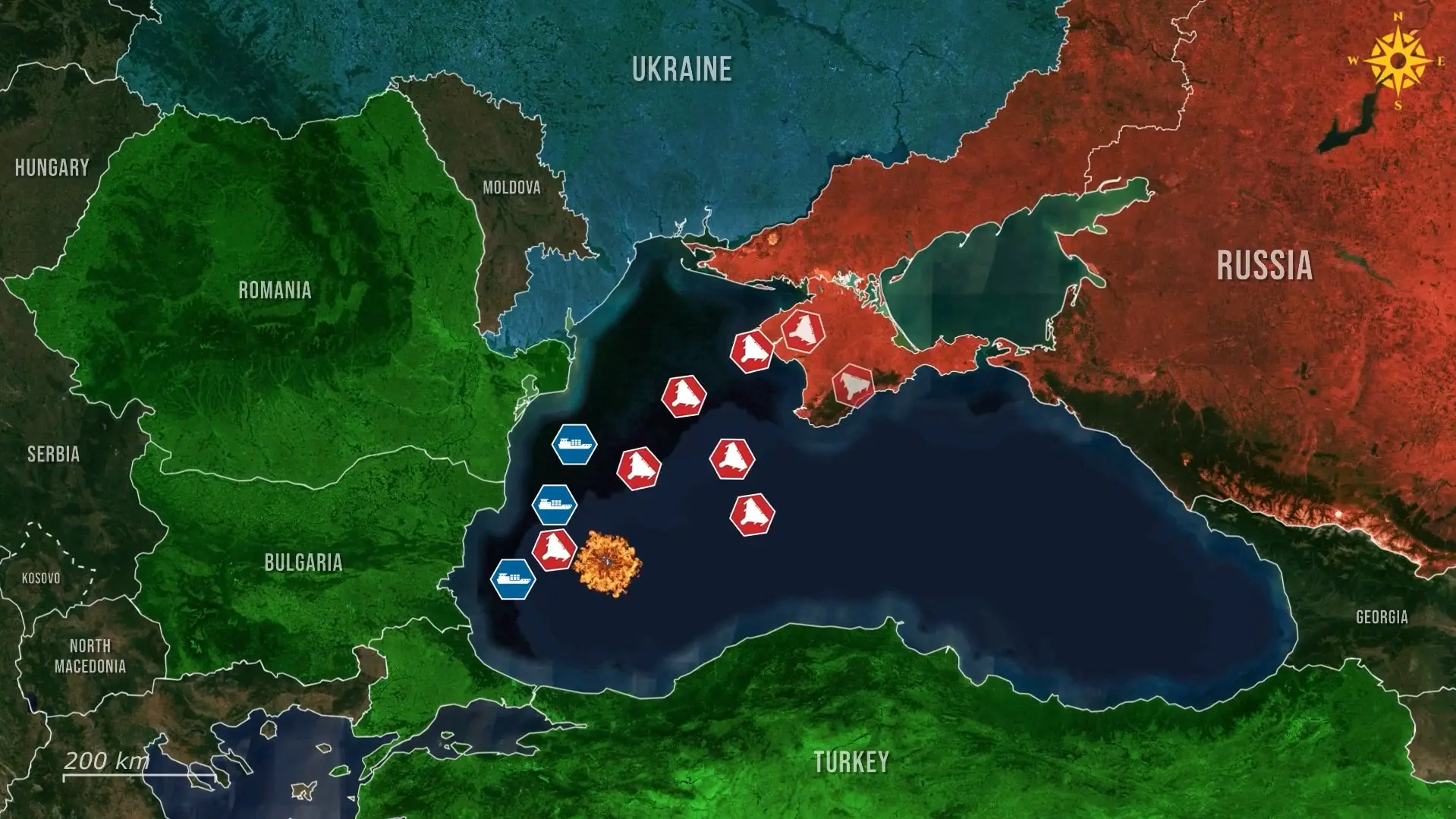
Today, the biggest news comes from Bulgaria.
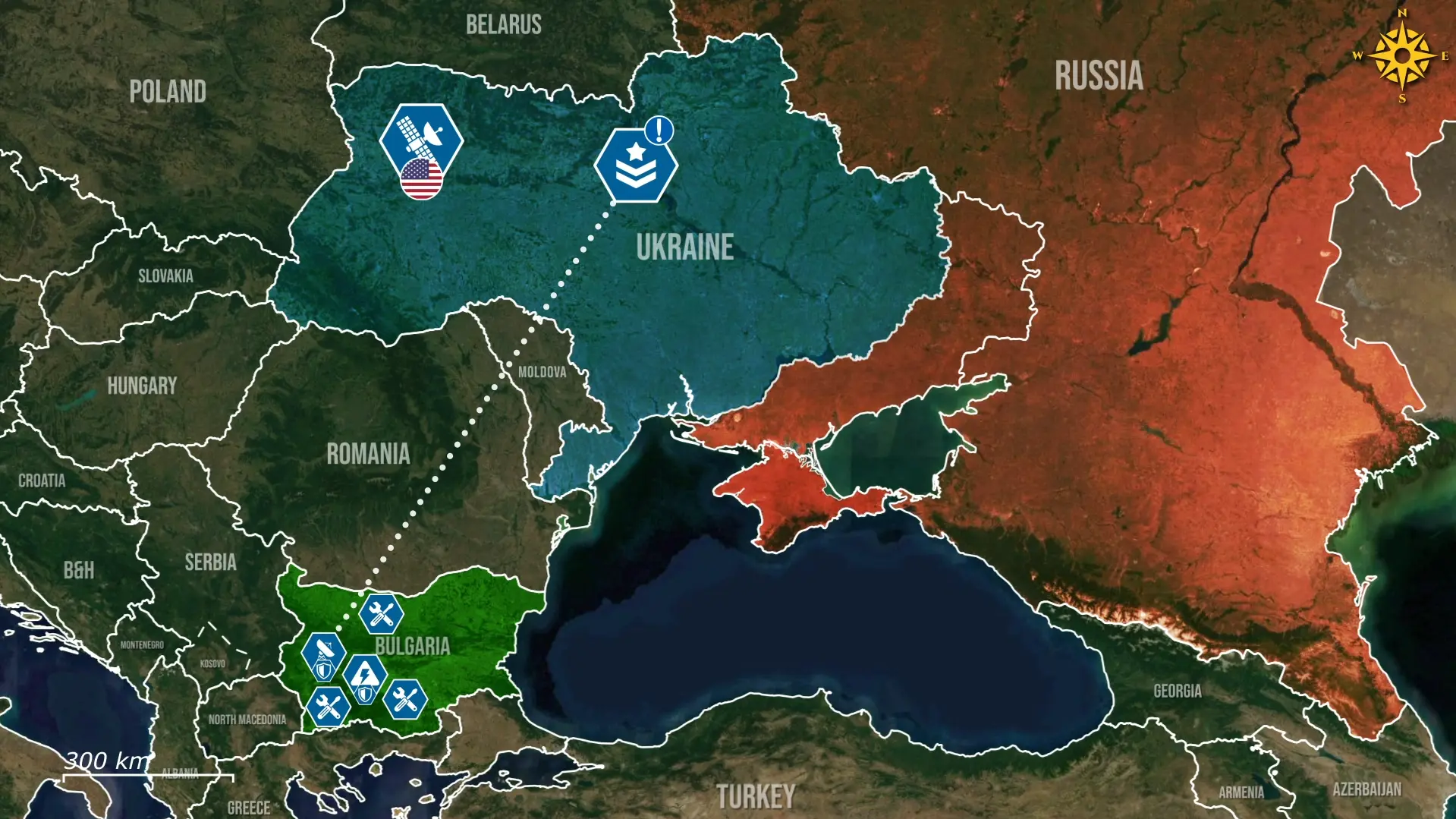
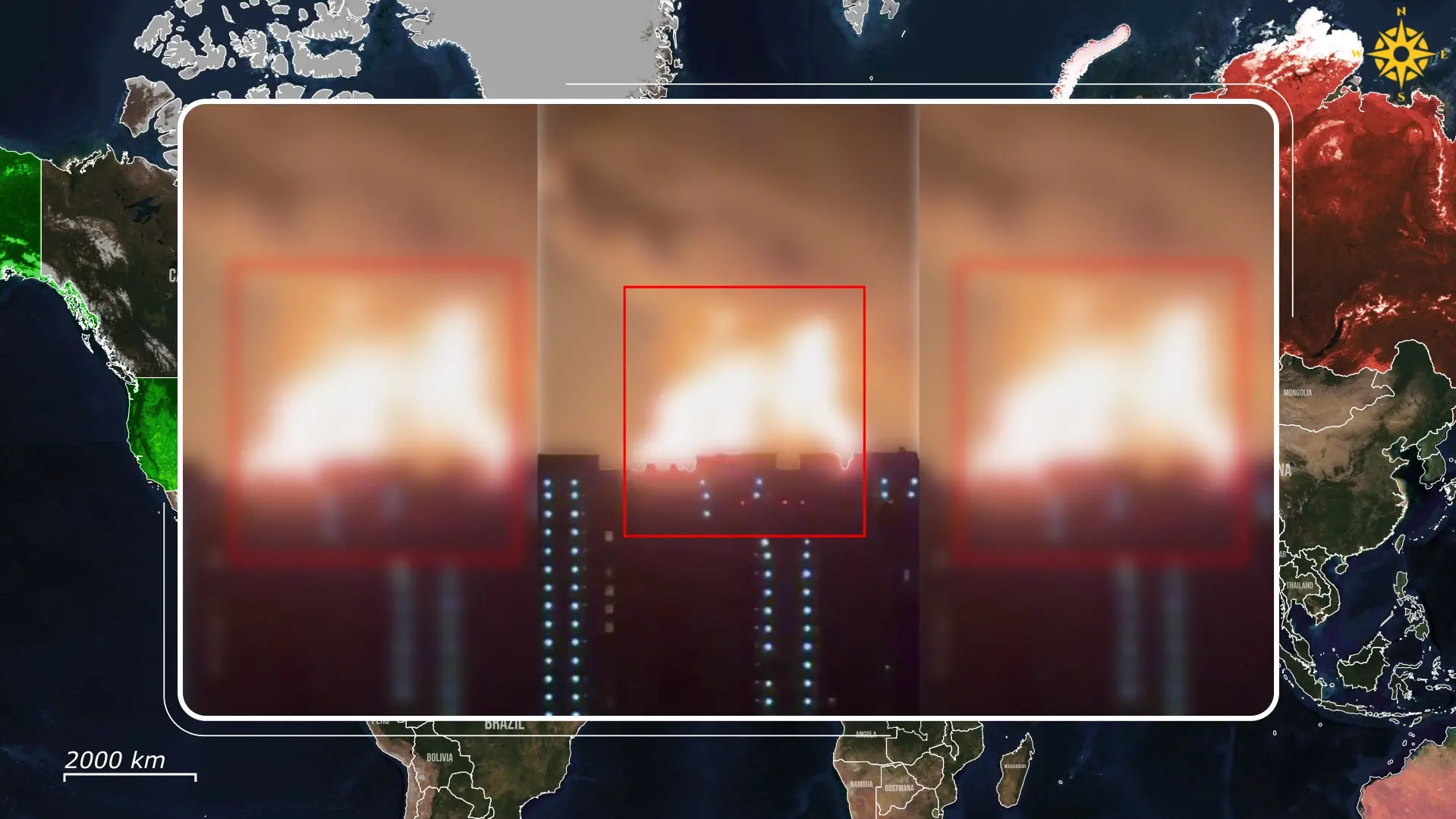
Here, a major sabotage attack has destroyed most of the Starlink infrastructure at a secret facility near Sofia, after two masked individuals deliberately set fire to eleven of the seventeen antennas installed at the site. The attack immediately raised alarm because these antennas were connected to the Starlink satellite network and provided communications that are also used by Ukraine during the war, meaning an act of arson directly damaged infrastructure supporting Ukrainian connectivity far beyond its own borders.
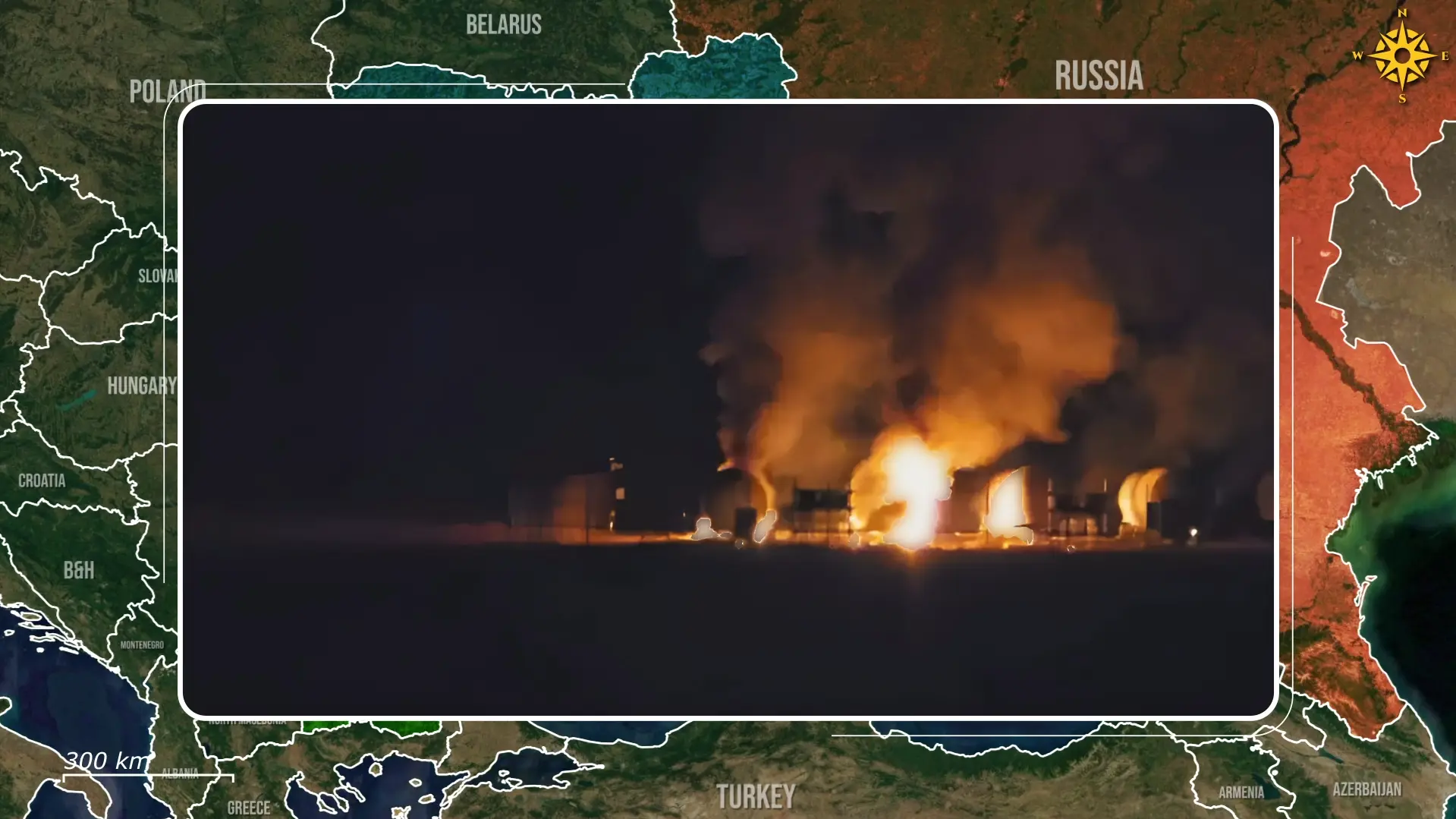
Bulgarian member of parliament Ivaylo Mirchev revealed the incident publicly and accused the authorities of remaining silent, while questioning how two attackers were able to reach a secured communications facility and destroy nearly two thirds of its antennas without being stopped. He also criticized Bulgaria’s security services for failing to prevent what he described as suspected Russian sabotage. Bulgaria’s security chief later explained that part of the station’s fencing had been removed during expansion work, making it easier for the attackers to reach the antennas.

Ukraine depends on Starlink because the system allows military units to maintain communications even when conventional networks are unavailable near the front. More than fifty thousand Starlink terminals have been delivered to Ukraine since the beginning of the full scale invasion, supporting the military alongside hospitals, emergency services, schools, energy facilities, local authorities, and businesses during blackouts and communications outages. On the battlefield, terminals connect directly with satellites overhead, allowing soldiers to transmit battlefield information, coordinate movements, relay reconnaissance from drones, and keep commanders connected with units across large distances. Starlink is also resistant to many forms of Russian electronic jamming, which made satellite connections especially valuable for controlling drones where ordinary radio links become unreliable. The antennas near Sofia support this system from the ground by exchanging data with Starlink satellites and routing that traffic into local internet networks, helping complete the connection between users in Ukraine and the wider communications network behind the constellation.
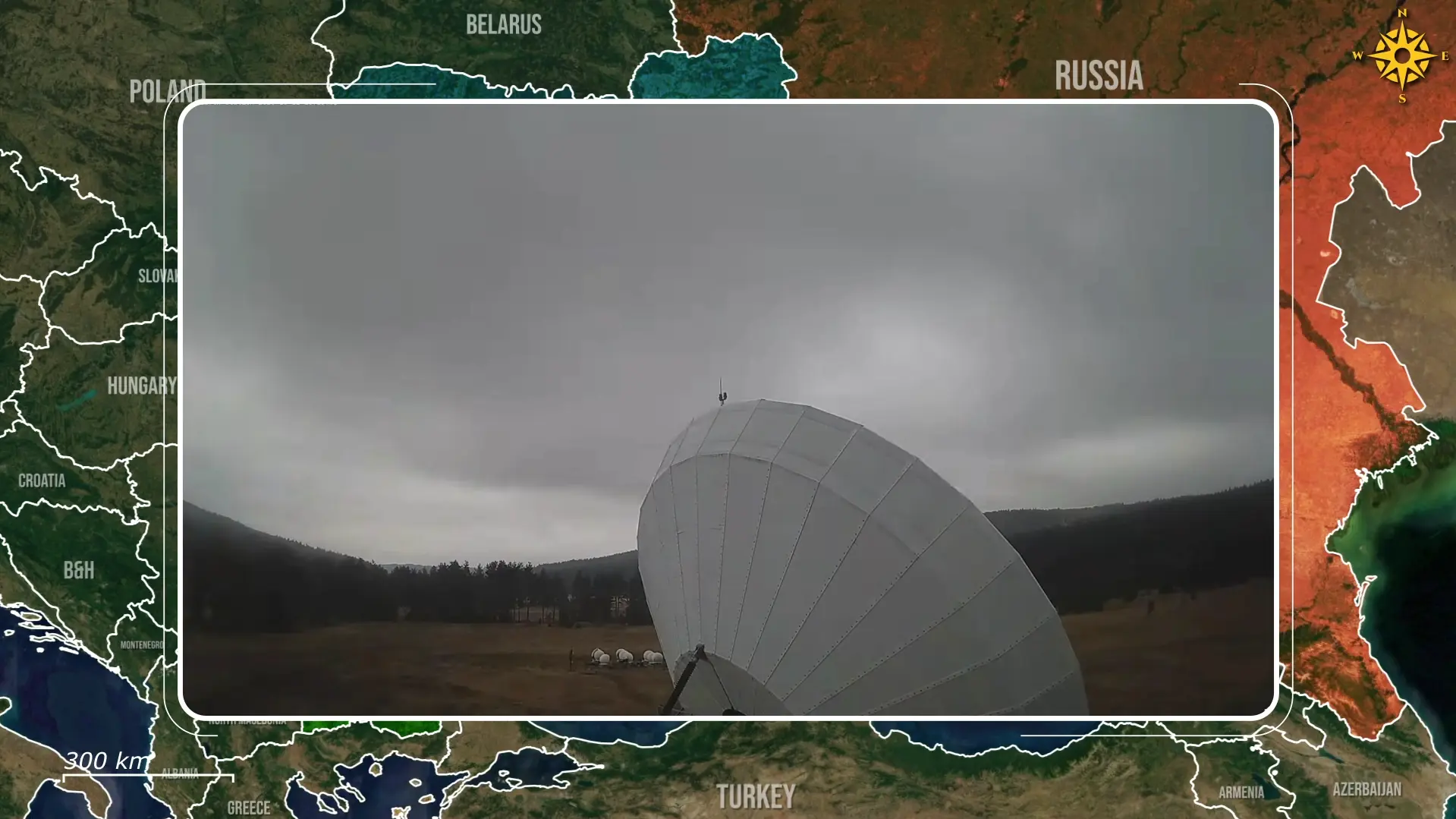
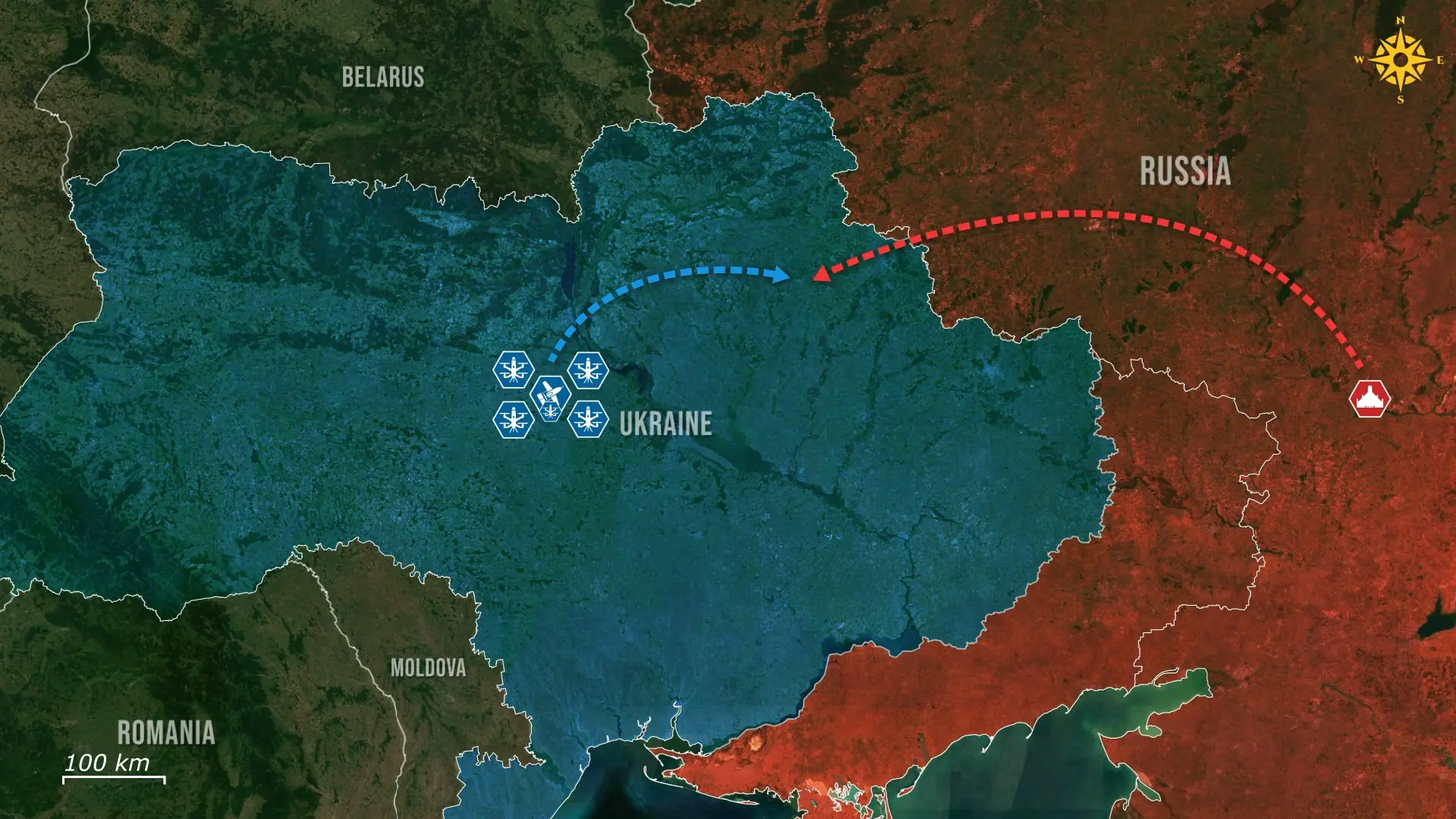
The significance of the attack grew further when, shortly afterward, Ukrainian forces reported serious disruptions to the military version of Starlink called Starshield. Ukrainian attack and air defense drones using the system suddenly began losing their connections once they exceeded roughly one hundred sixty kilometers per hour, disrupting missions without any advance warning to the units operating them. Ukrainian troops then recorded interruptions lasting between ten and twenty seconds during flight, making drones difficult to control and forcing several missions to be cancelled. At the same time, Ukraine went two consecutive nights without receiving the usual warning from its partners about Russian ballistic missile attacks on Kyiv.
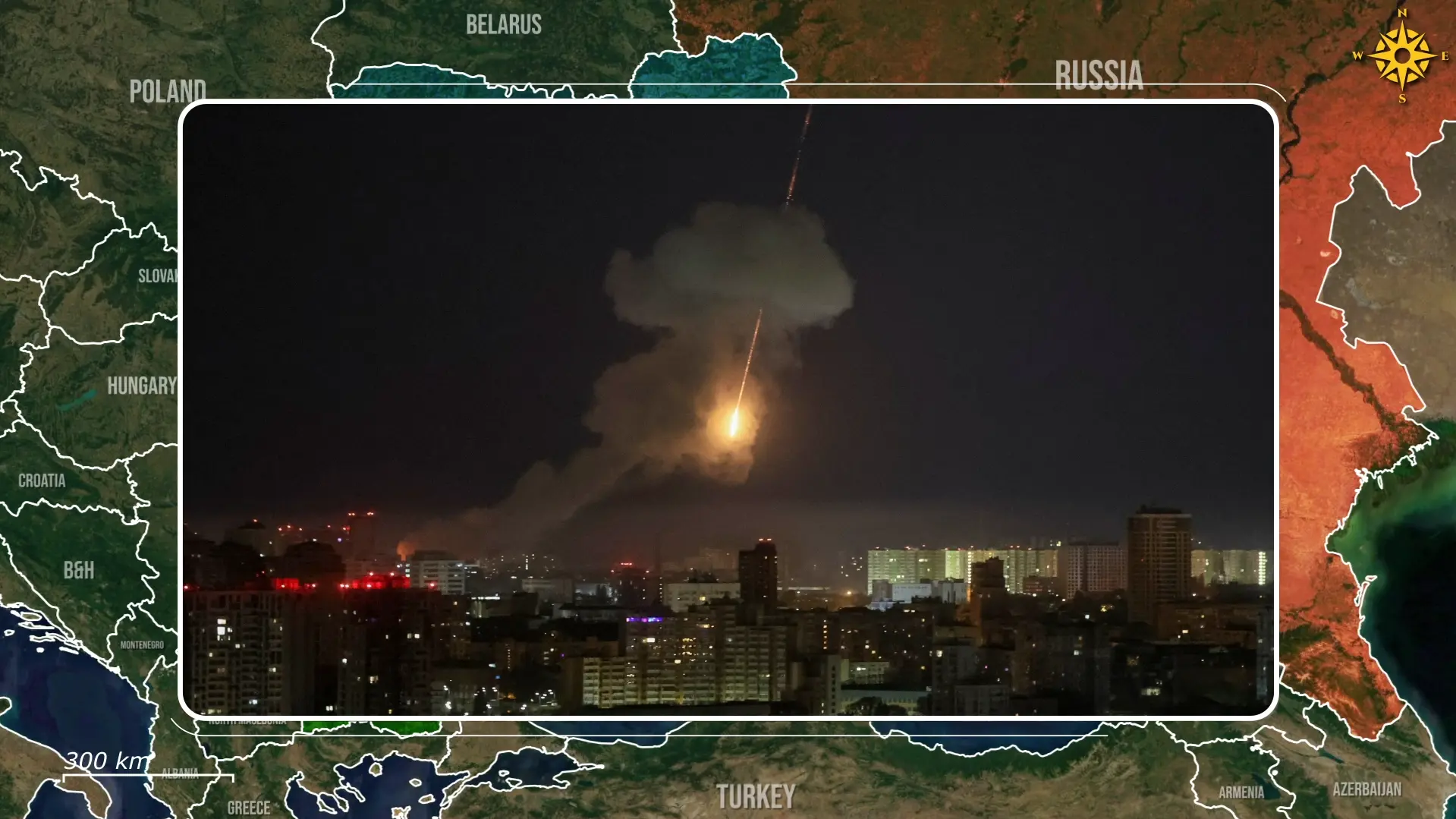
These warnings depend partly on the American Space Based Infrared System, whose satellites detect the intense heat produced when ballistic missiles launch, and Europe currently has no equivalent system capable of immediately replacing it. The connection to Washington became even more direct when Elon Musk stated that limits on Starshield speed or usage are decided by the United States military and ultimately by the president. As Trump pressures Ukraine over its long range operations, Ukrainian forces are now facing restrictions on drone communications, gaps in missile warning data, and the destruction of Starlink infrastructure supporting the network from Bulgaria all at once.

Overall, the attack in Bulgaria exposes Europe’s dependence on infrastructure it cannot readily replace, because the systems keeping Ukraine connected now extend across allied territory while no European network can match Starlink at the same scale. That dependence means protecting Ukraine’s communications increasingly requires protecting ground infrastructure inside Europe itself, from satellite terminals and relay sites to the power systems that keep them running. It also gives Washington enormous influence over Ukrainian operations, because restrictions on American controlled satellite links and missile warning data can immediately affect what Ukrainian forces are able to see, coordinate, and strike. Europe is therefore being pushed toward building its own resilient communications and early warning architecture, since every delay leaves another part of Ukraine’s military network dependent on systems that either Russia can attack or the United States can restrict.

.jpg)


Comments