

.svg)
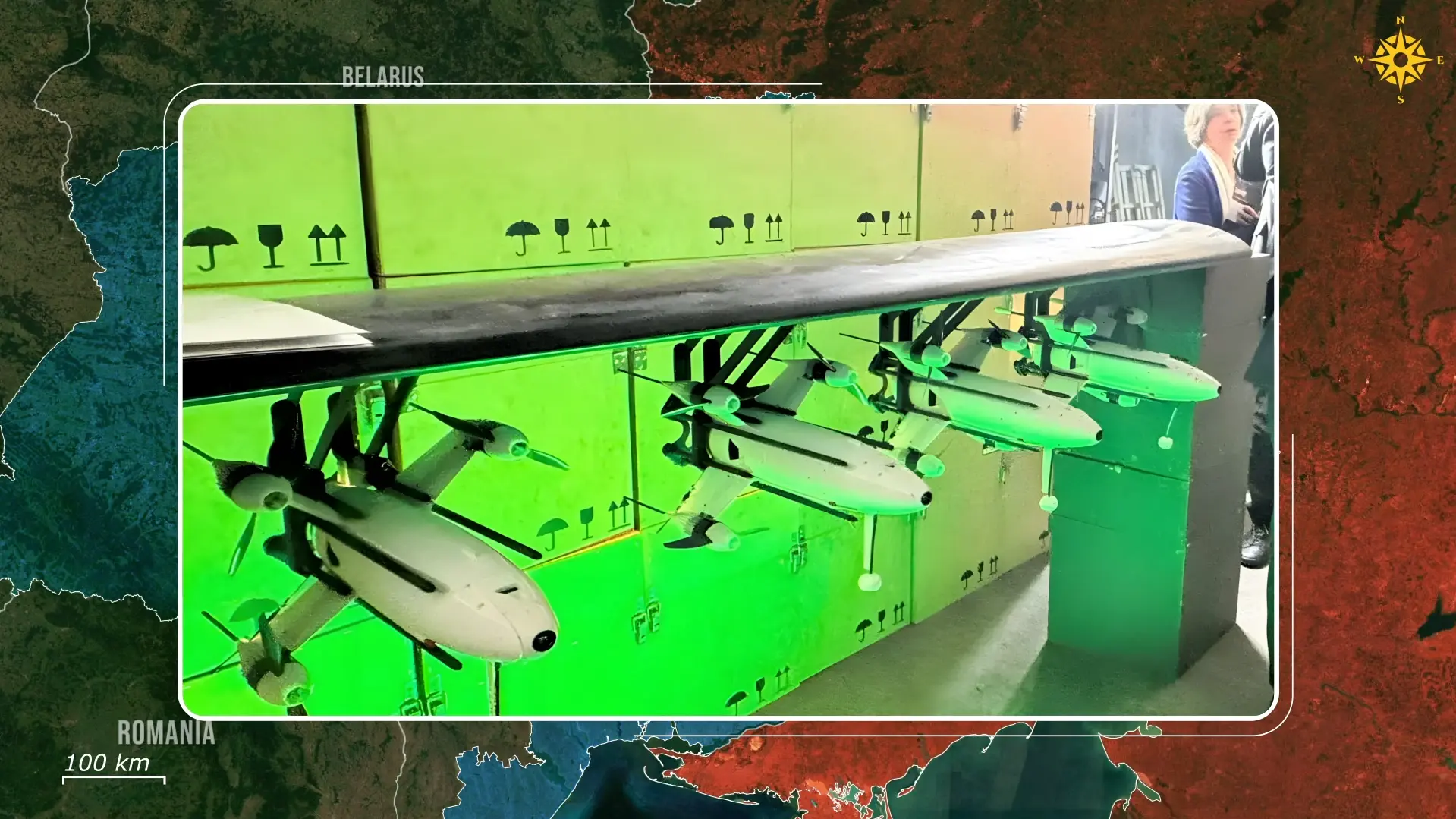
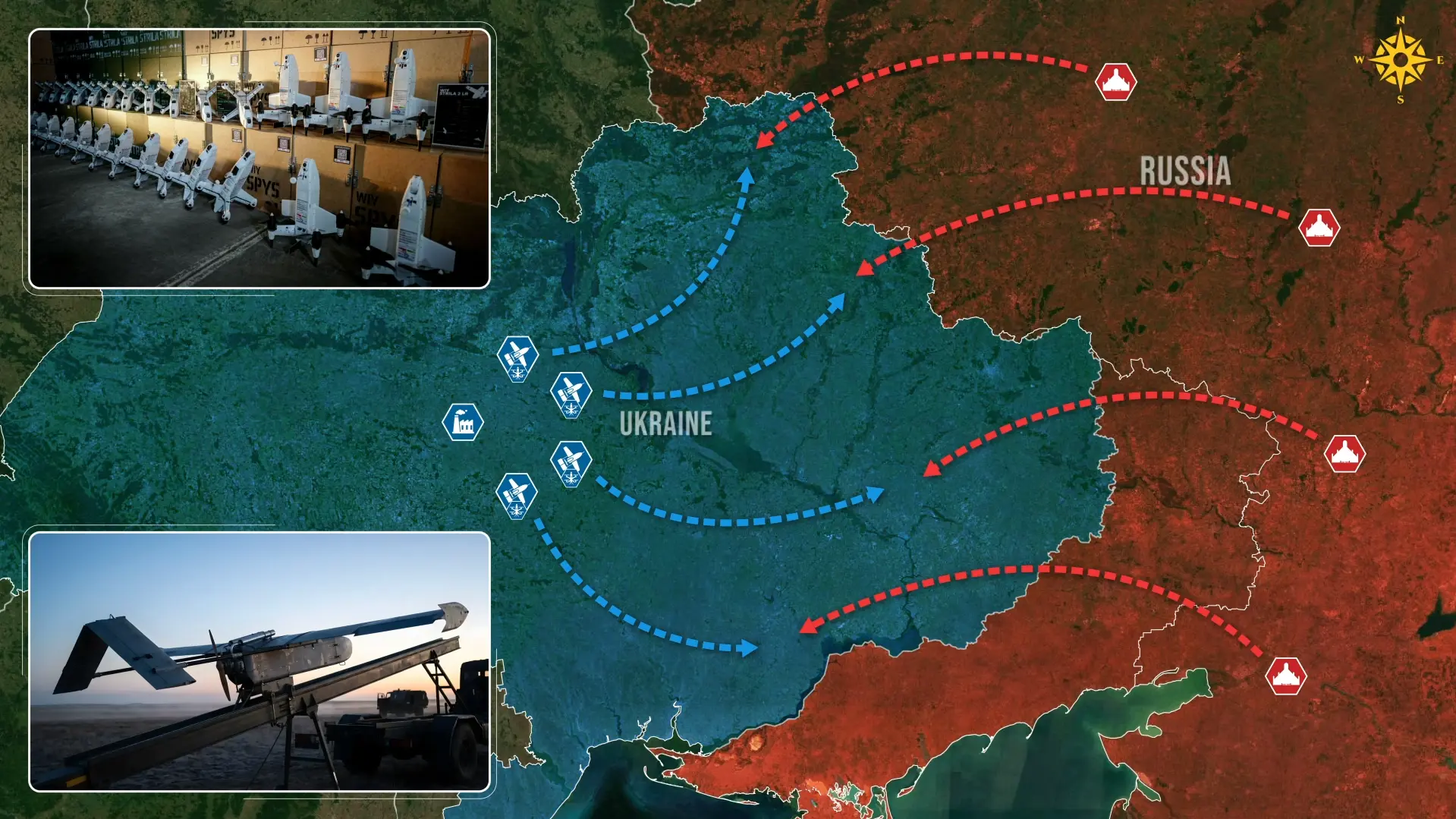
A new concept was recently presented that could transform the Ukrainian FP one and FP two strike drones into drone carriers. Specifically, the German Ukrainian company Quantum WIY Industries proposes equipping one of these strike drones with eight SPYS interceptors, four under each wing. The idea is that instead of waiting on the ground for the Russian kamikaze drones to appear, the drone carriers would already be in the air carrying interceptors that can be released at altitude to begin the chase immediately. This approach responds directly to Russia’s growing use of jet propelled drones such as the Geran five, which fly faster and leave defenders with less reaction time.
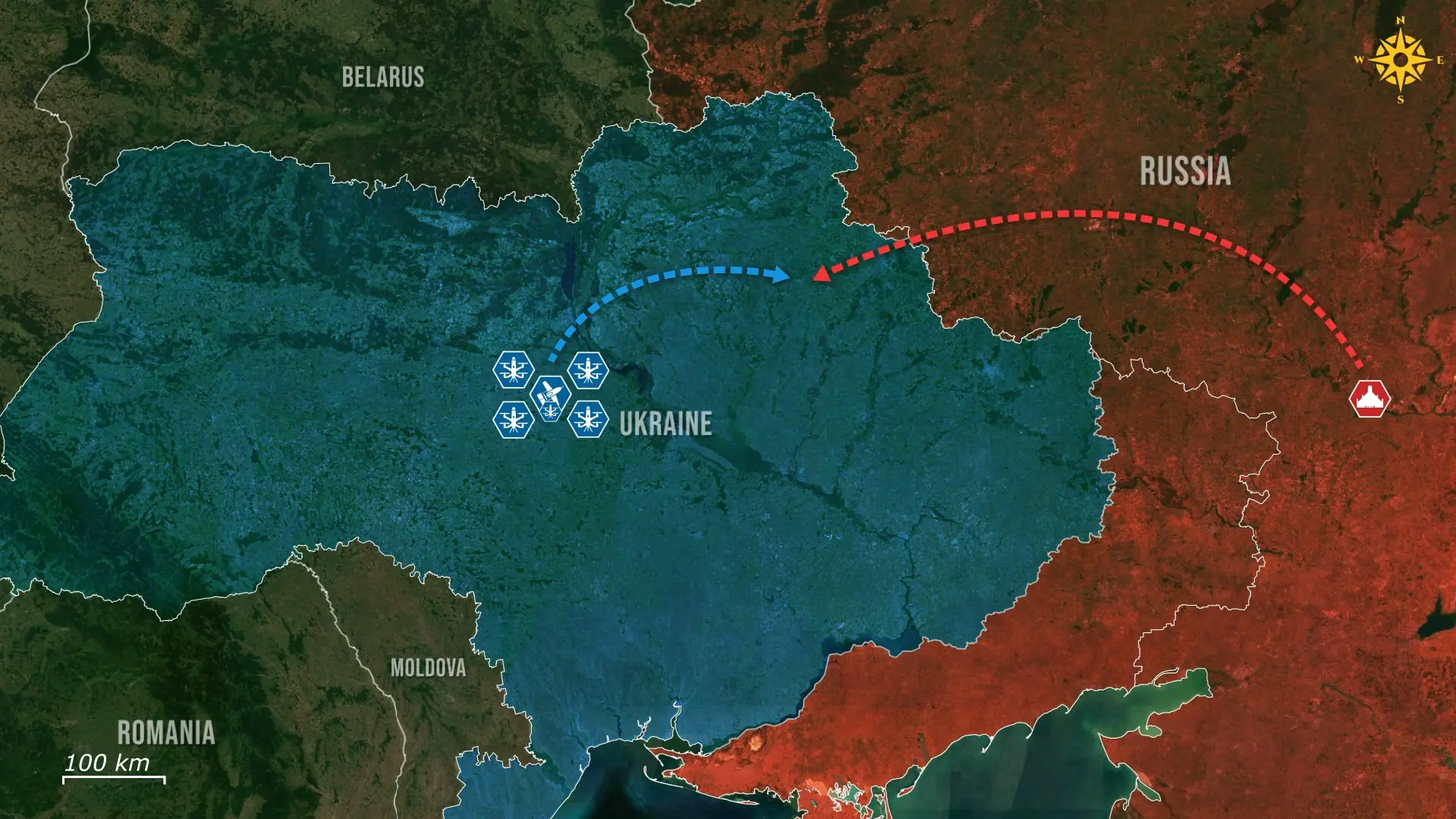
In fact, ground launched interceptors lose precious time and battery power during the initial climb, time that can become critical when the target is moving fast. This is because the interceptors must accelerate, gain altitude, and overall travel several kilometers before they even start closing the distance with the incoming Gerans. Instead, an airborne drone carrier can bring interceptors closer to the target, reducing the distance they must cover and preserving more battery power for maneuvering and terminal pursuit. The new SPYS interceptor drones that would be attached to the carrier have already proved capable of shooting down Russian drones.
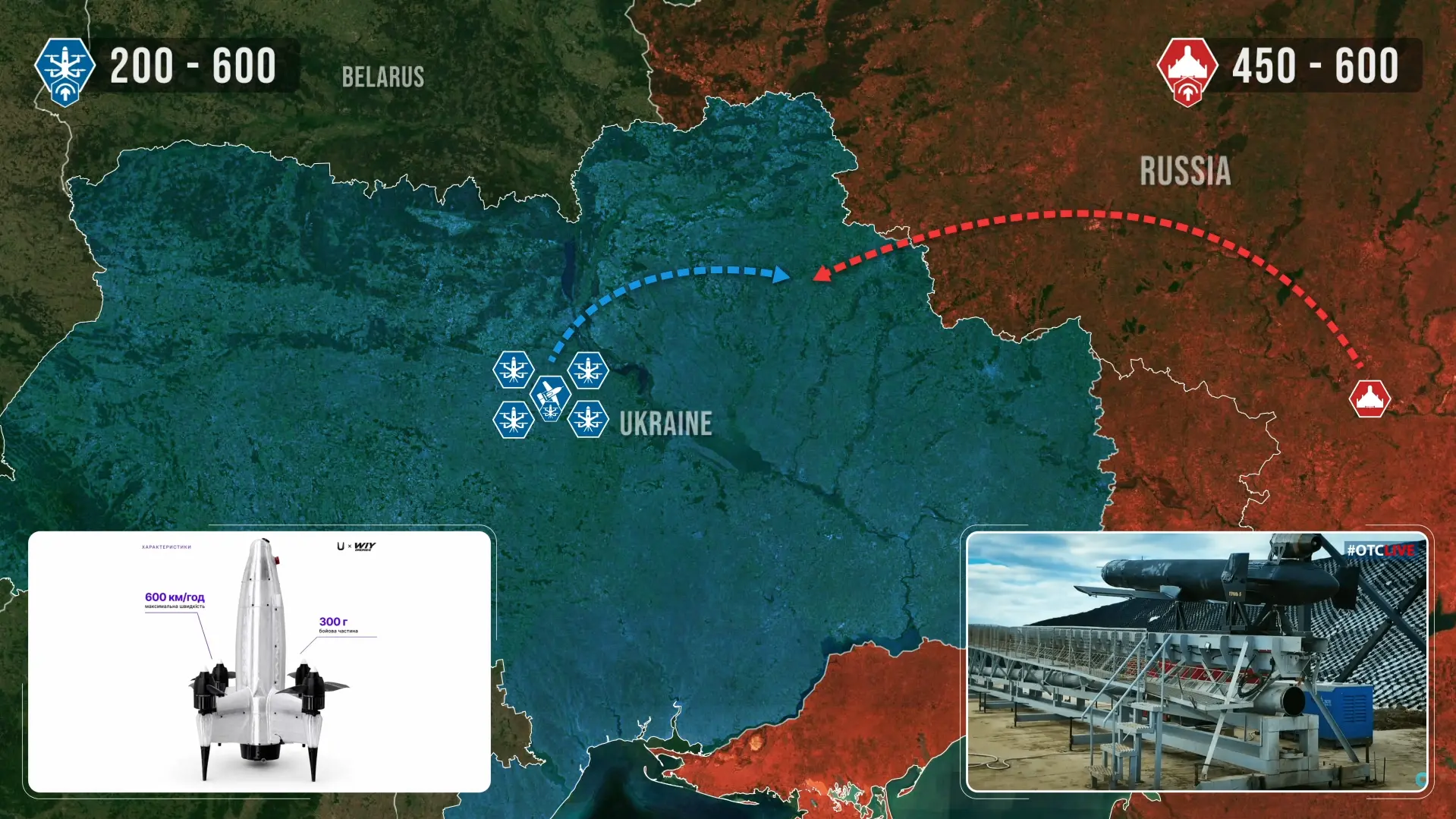
They carry a small zero point three kilogram warhead and have a cruise velocity of two hundred kilometers per hour, which can reach six hundred kilometers per hour when sprinting for the terminal pursuit. In comparison, the latest Russian Geran five turbojet drones have a cruise velocity of four hundred fifty kilometers per hour, which can also reach six hundred kilometers per hour during its final attack flight path. While the SPYS can intercept the Geran five when launched from the ground, the interception window is small, especially as Russian drones attempt to exploit gaps in Ukraine’s ground based air defense. Instead, an airborne launch would not only bring the interceptors much closer but also enable them to use more of the battery power to fly at maximum speed.
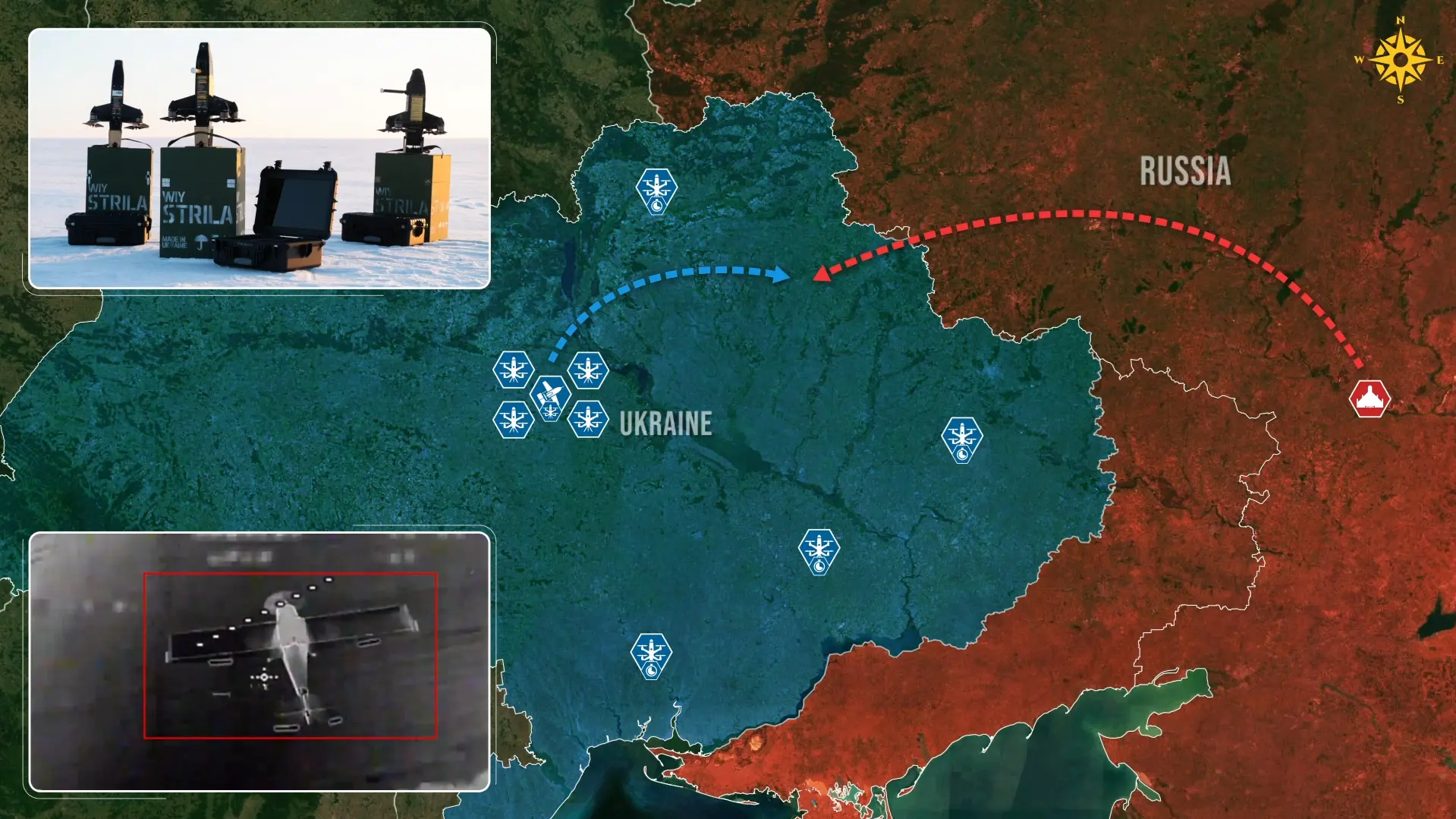
In this configuration, the drone carrier would patrol an area where Russian drones are expected to pass, relying on onboard sensors or linked ground networks to detect an incoming target. Once the threat is confirmed, the carrier releases one or more interceptors, which would immediately move towards the target zone. The SPYS autonomous navigation helps the interceptors close the distance, after which the terminal guidance system takes over during the strike window until the target is reached.
The main difficulty lies in timing positioning, because the carrier must be close enough to the incoming drones at the right moment. If the carrier arrives too late, the Russian drones may have already passed and gone too far, leaving the interceptors with little chance of catching up, even when starting airborne. When the timing is roughly correct, the next challenge is for the interceptors to acquire the target quickly. Russian jet propelled drones reduce the margin for error, especially if the target approaches from an unexpected angle or accelerates away.
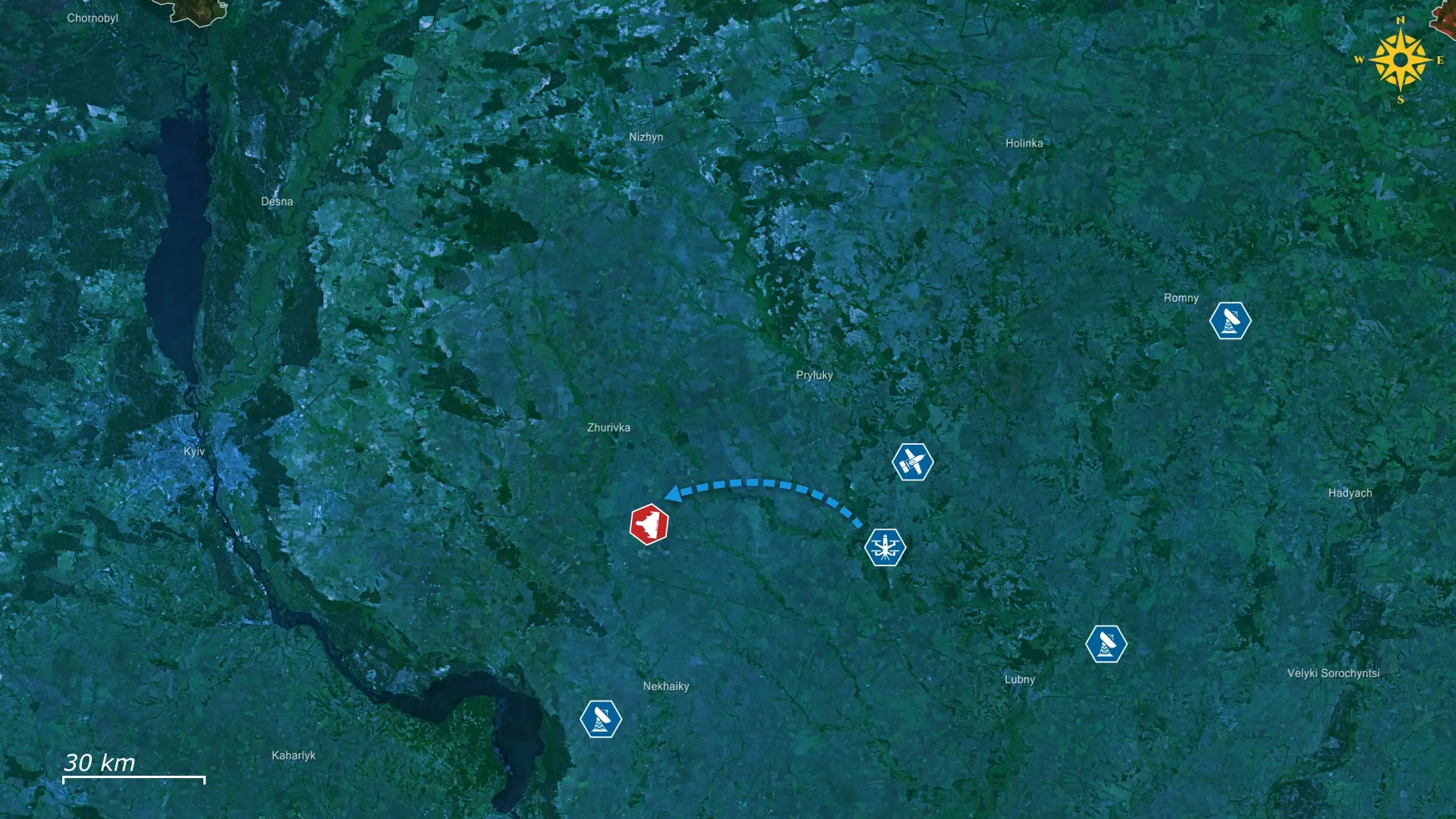
Overall, the drone carrier development reflects Ukraine’s push to make air defense more mobile and faster to react as Russia intensifies the production of the new Geran kamikaze drones. Airborne platforms would let Ukraine place interception capability along long approach routes, helping protect critical infrastructure even when ground systems are bypassed or positioned elsewhere. The concept also shows how Ukraine is trying to combine existing platforms in new ways instead of waiting for entirely new systems. If successful, FP one and FP two strike drones could add yet another layer to a wider network of air defenses, making it harder for Russian drones to find weak spots and strike Ukraine.

.jpg)






Comments