

.svg)
Today, the biggest news comes from Donbas.
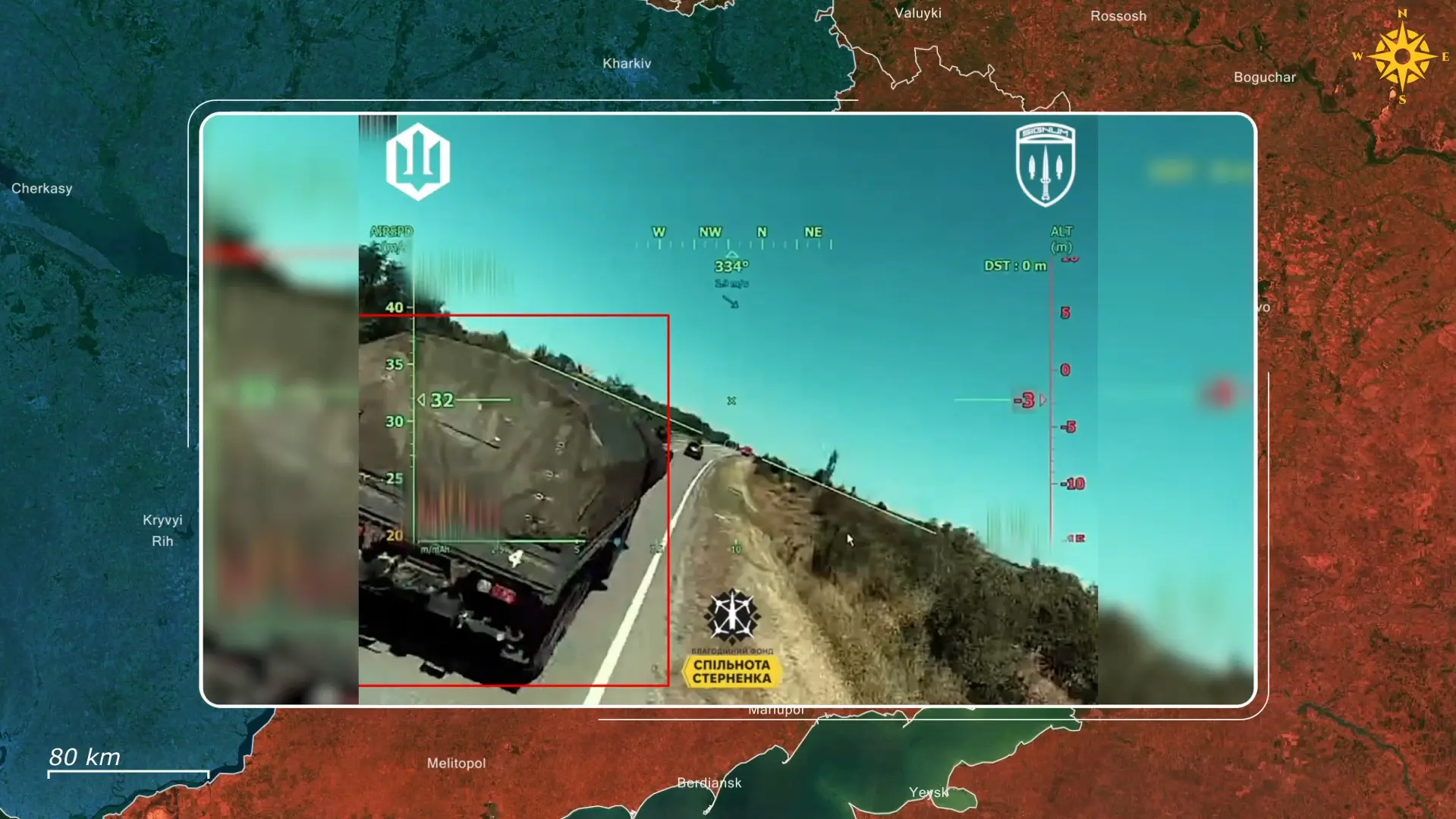
Recently, Ukrainian forces carried out a series of drone strikes against Russian logistics vehicles across Russian-controlled territories, giving the operation the secret codename Ghost Rider. Footage shows Ukrainian drones hunting Russian supply trucks and military logistics vehicles as part of their middle strike campaign. Multiple disabled trucks can be seen along the road burning after Ukrainian kamikaze drones struck them and destroyed their cargo. The codename was given to this operation because after one of the trucks was hit, it continued to drive away while its trailer was on fire. These vehicles were carrying supplies to Russian forces operating on the frontline.
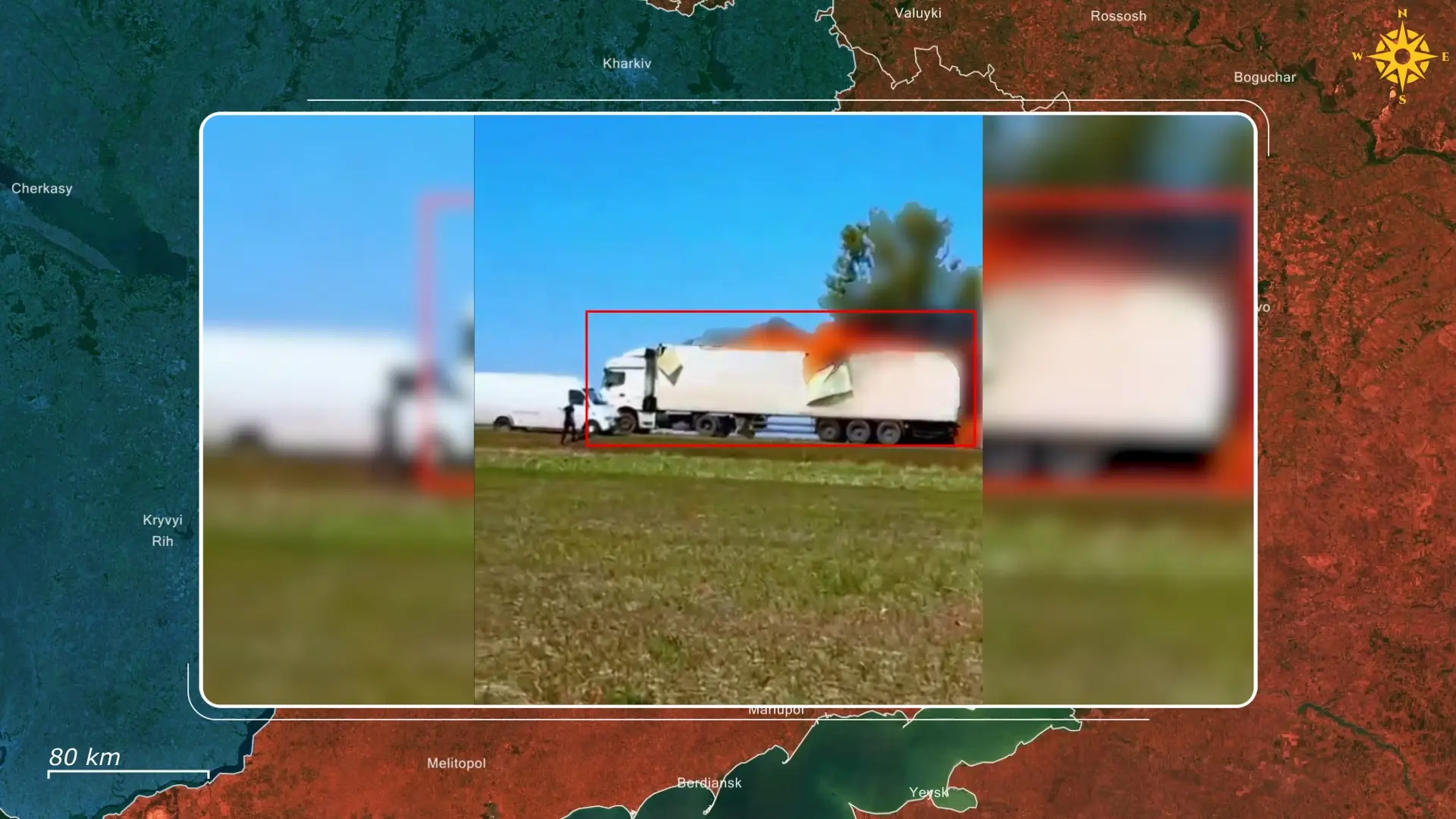
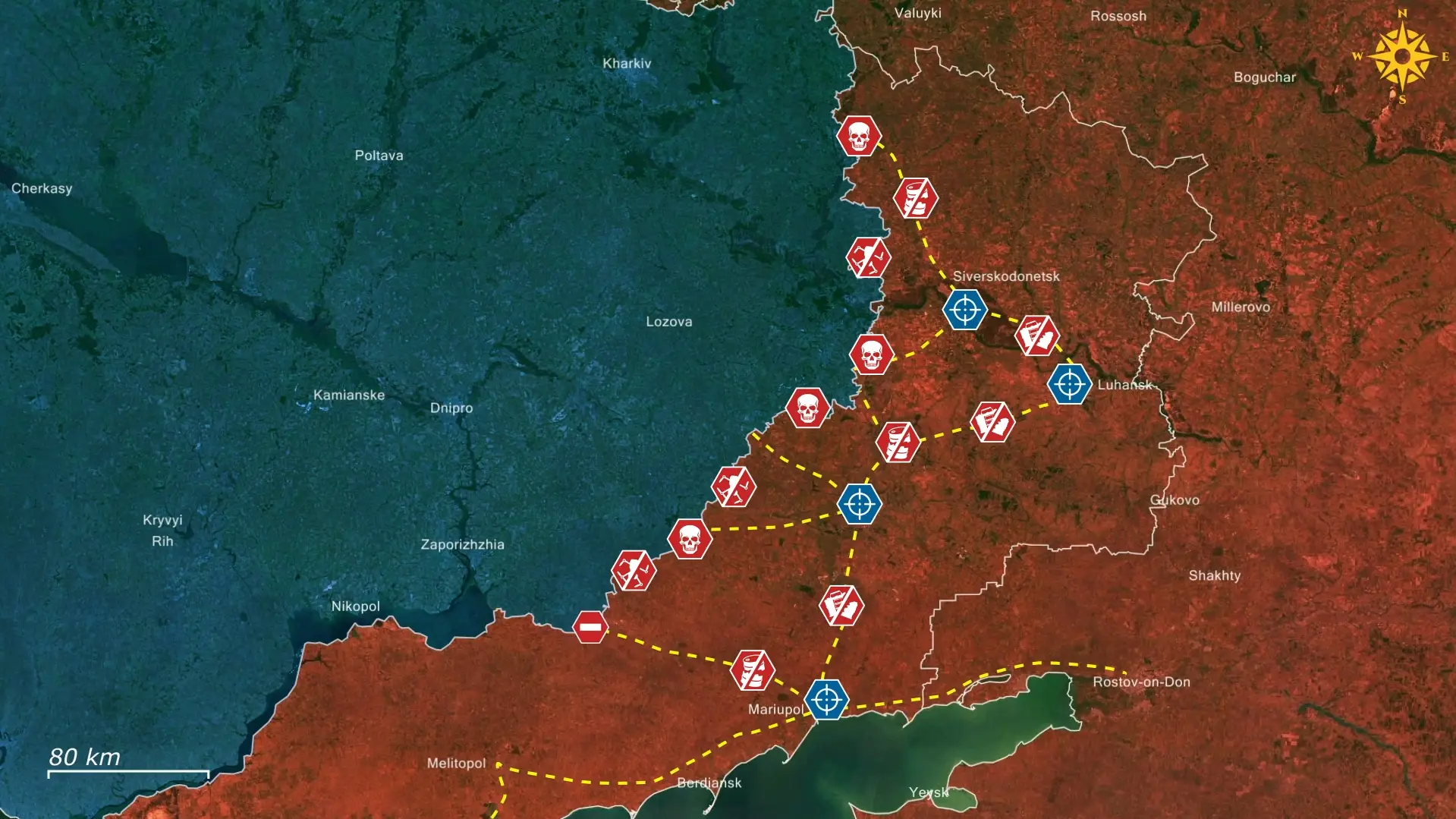
In order to complement this operation, Ukraine conducted similar strikes across Donetsk and Luhansk. Ukrainian Signum drone operators targeted Russian mobile fire groups and an Osa air defense system, which were meant to provide close protection for Russia’s logistical routes. After Russia’s defenses were sufficiently suppressed, Ukraine dispatched AI-powered drones, which help them lock onto targets and strike them even when Russian electronic warfare is actively protecting the Russian supply trucks.
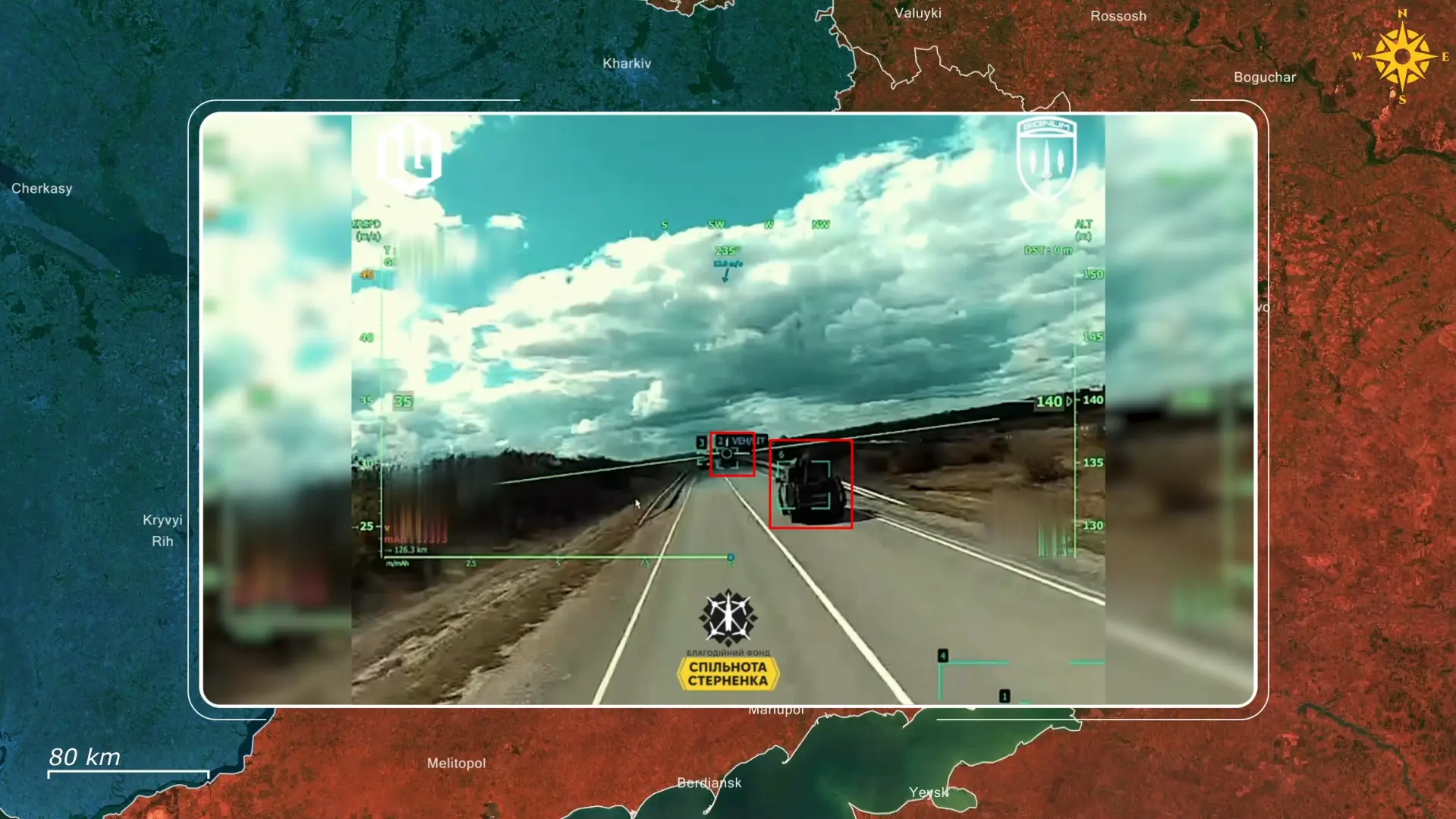
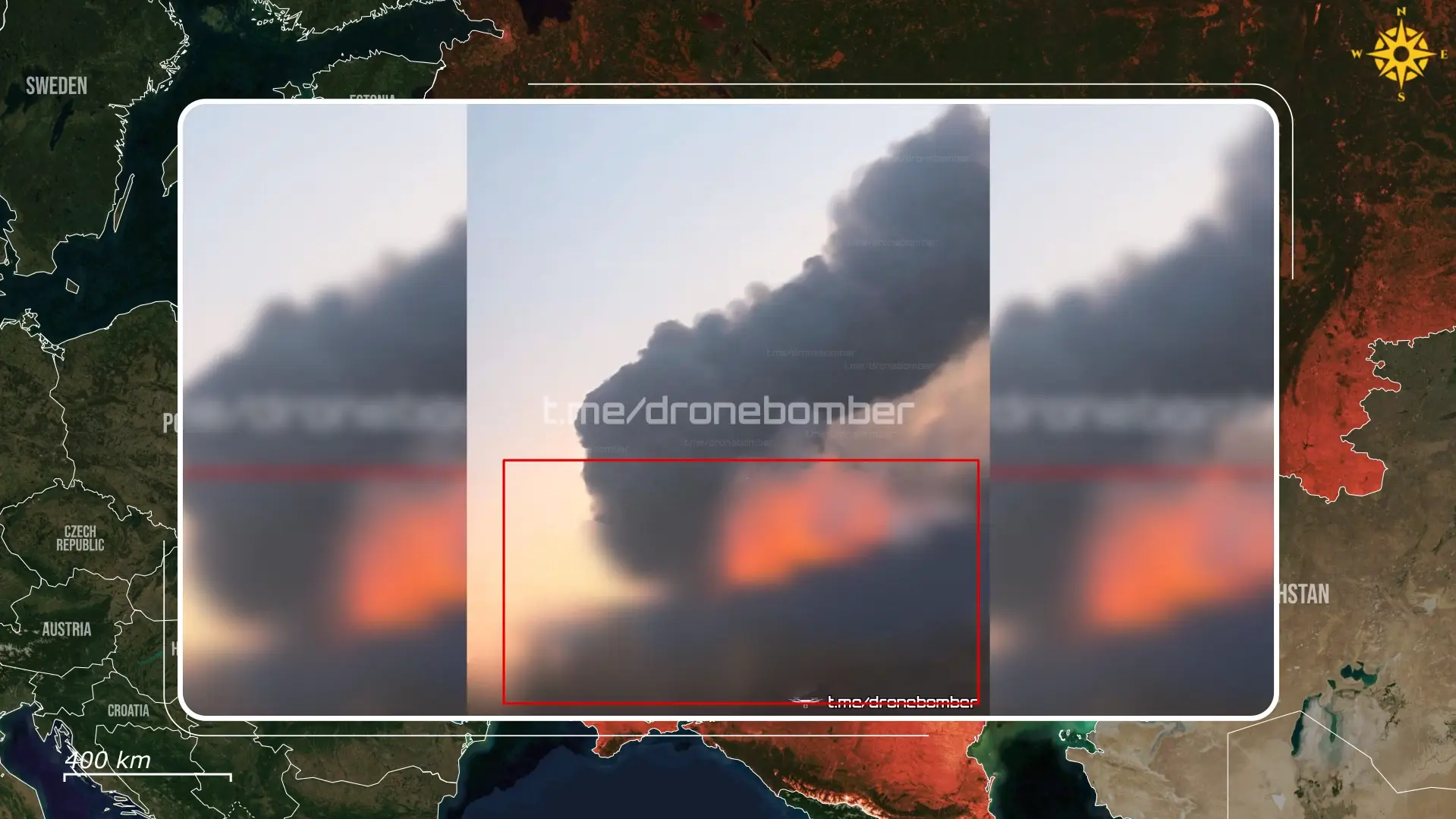
The strikes hit pickup trucks, vans, and other vehicles used to transport personnel, ammunition, and supplies. As a result of Signum’s work, twenty-three targets were hit, including a tank transporter carrying a tank, light armored vehicles, and a crane. These strikes help to alleviate pressure on Ukrainian soldiers on the frontline because they need to defend against less mechanized assaults if the Russian armor is already being destroyed tens of kilometers behind the frontline. Additionally to the strikes on the road, Ukraine also targeted a Russian ammunition depot in Siverskodonetsk. Footage from the site shows ammunition on fire, with multiple secondary detonations heard.
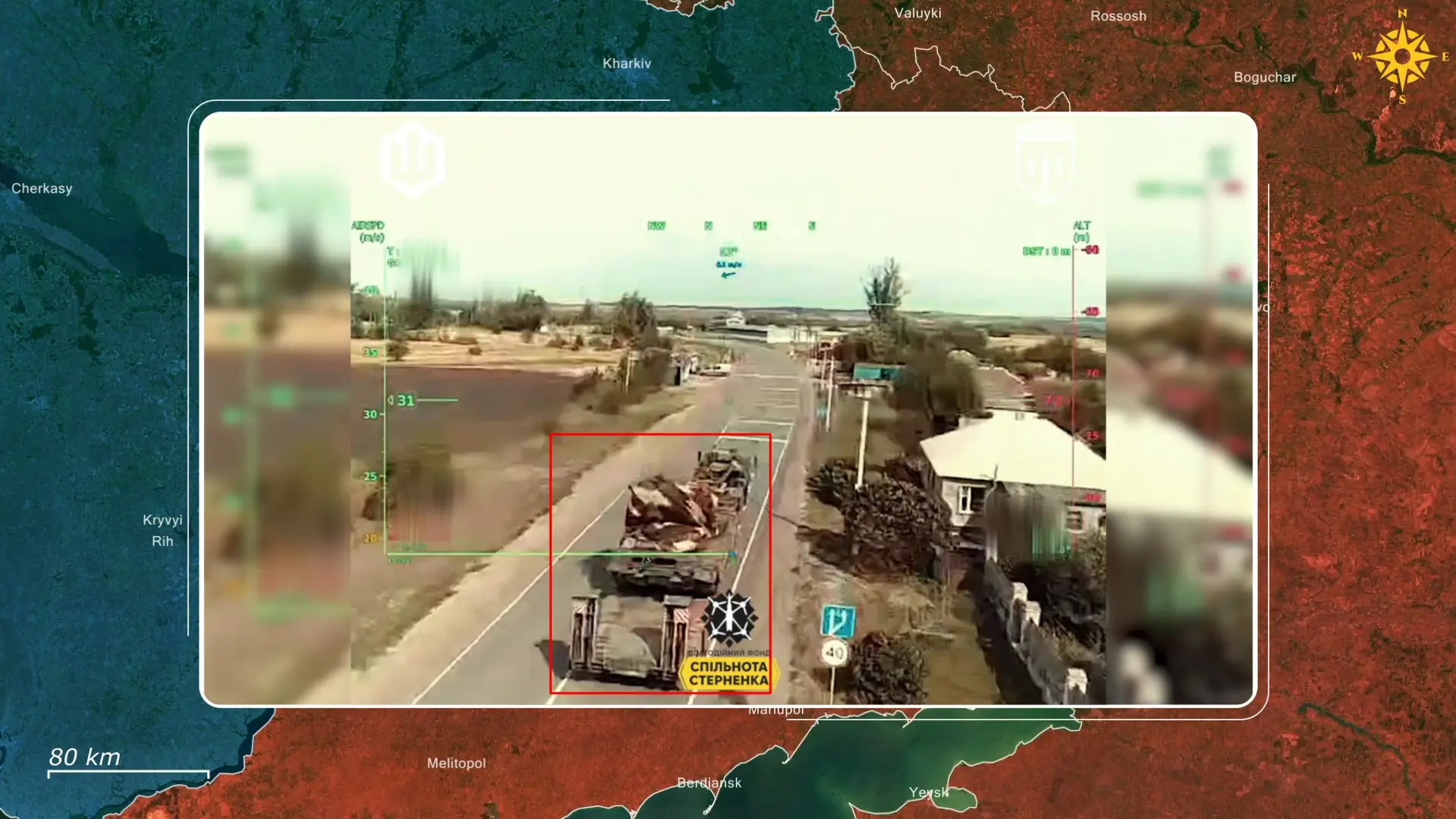
The impact of these strikes goes beyond the destruction of individual vehicles. Every truck that fails to reach its destination means fewer ammunition deliveries, less fuel, and fewer supplies reaching Russian units on the frontline. As stocks run down, soldiers have to wait longer to resume firing, while fuel shortages can restrict vehicle and heavy-equipment movement. More importantly, Russian drone operators cannot use their diesel generators without fuel, which means they cannot charge the batteries of their reconnaissance drones. This leaves blind spots in their defense, which Ukrainian soldiers can exploit. Even without capturing territory, Ukraine can gradually reduce Russia’s ability to sustain its operations and maintain pressure along the frontline.
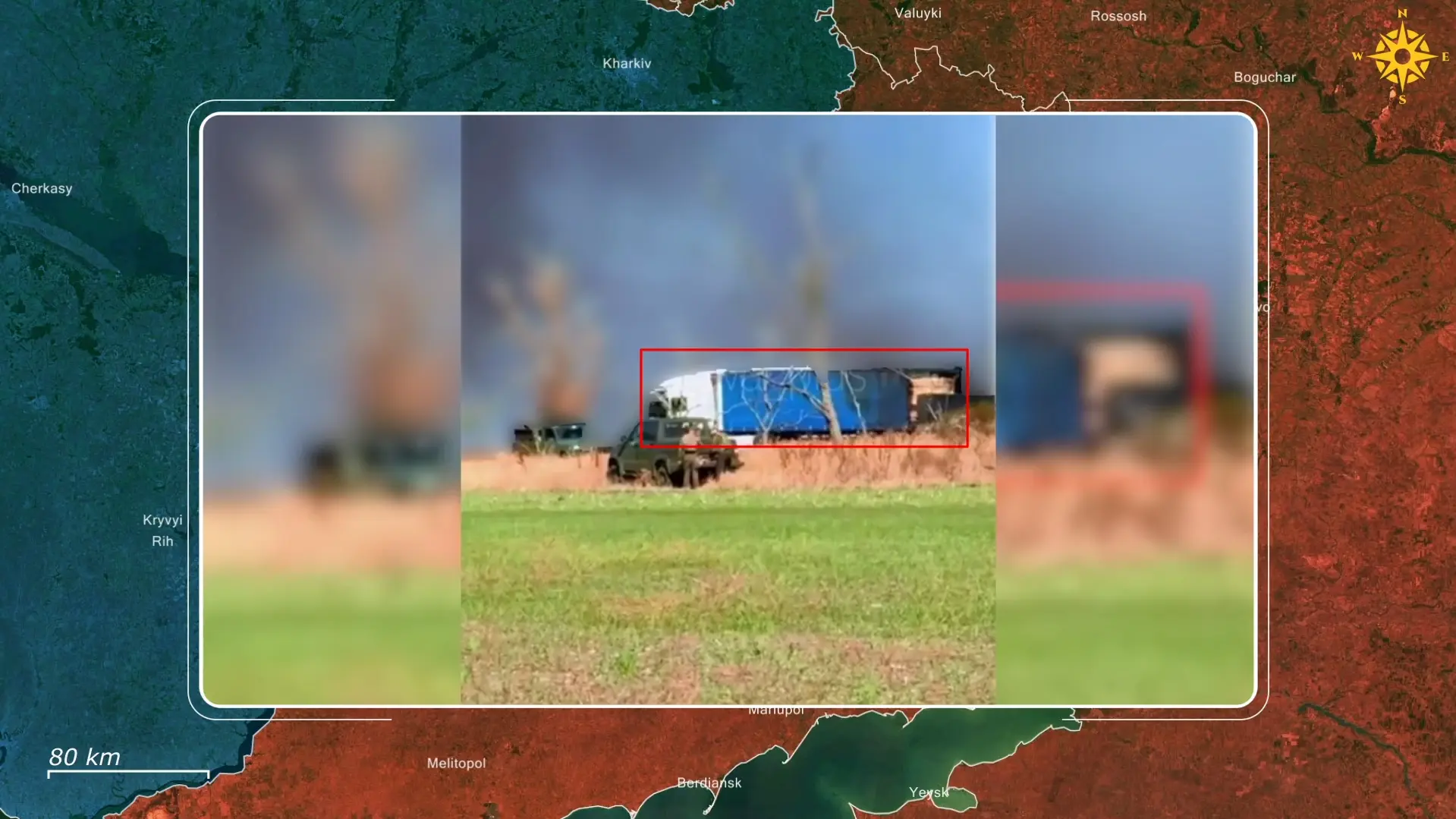
Replacing destroyed trucks does not automatically restore the flow of supplies either. The replacement vehicles must still travel along roads that remain exposed to Ukrainian drones, forcing Russian forces to divert traffic, find alternative routes, or assign additional vehicles and personnel to protect each delivery. These measures consume time and resources while making logistics less efficient. Deliveries can become slower and less predictable, leaving frontline units uncertain about when reinforcements and supplies will arrive. The longer this continues, the harder it becomes for Russia to maintain a consistent operational tempo, which has already reduced significantly this year as Ukraine’s middle strike campaign intensifies.
Overall, Ukraine is turning Russia’s own dependence on long supply routes into a growing weakness, forcing its military to spend more resources simply keeping frontline units operational. The most important effect is not the number of trucks destroyed, but the chain reaction that follows when fuel, ammunition, and reconnaissance capabilities begin to fail at the same time. This creates opportunities for Ukrainian forces to detect Russian movements earlier, disrupt reinforcements, and strike positions that become increasingly difficult to defend. If this pressure continues, Russia could find that even where its troops can still advance, sustaining those advances becomes progressively more difficult.

.jpg)

Comments