

.svg)
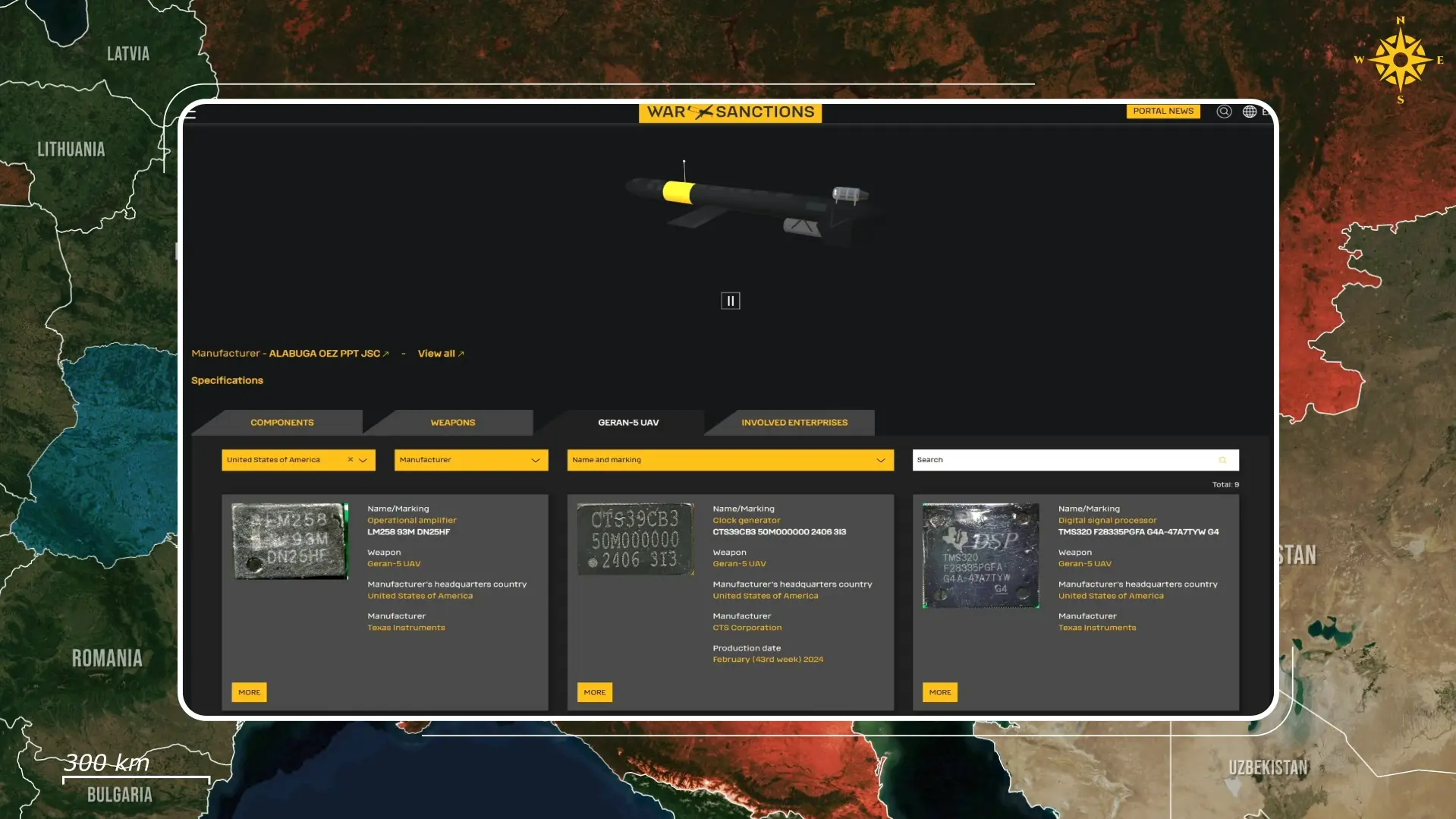
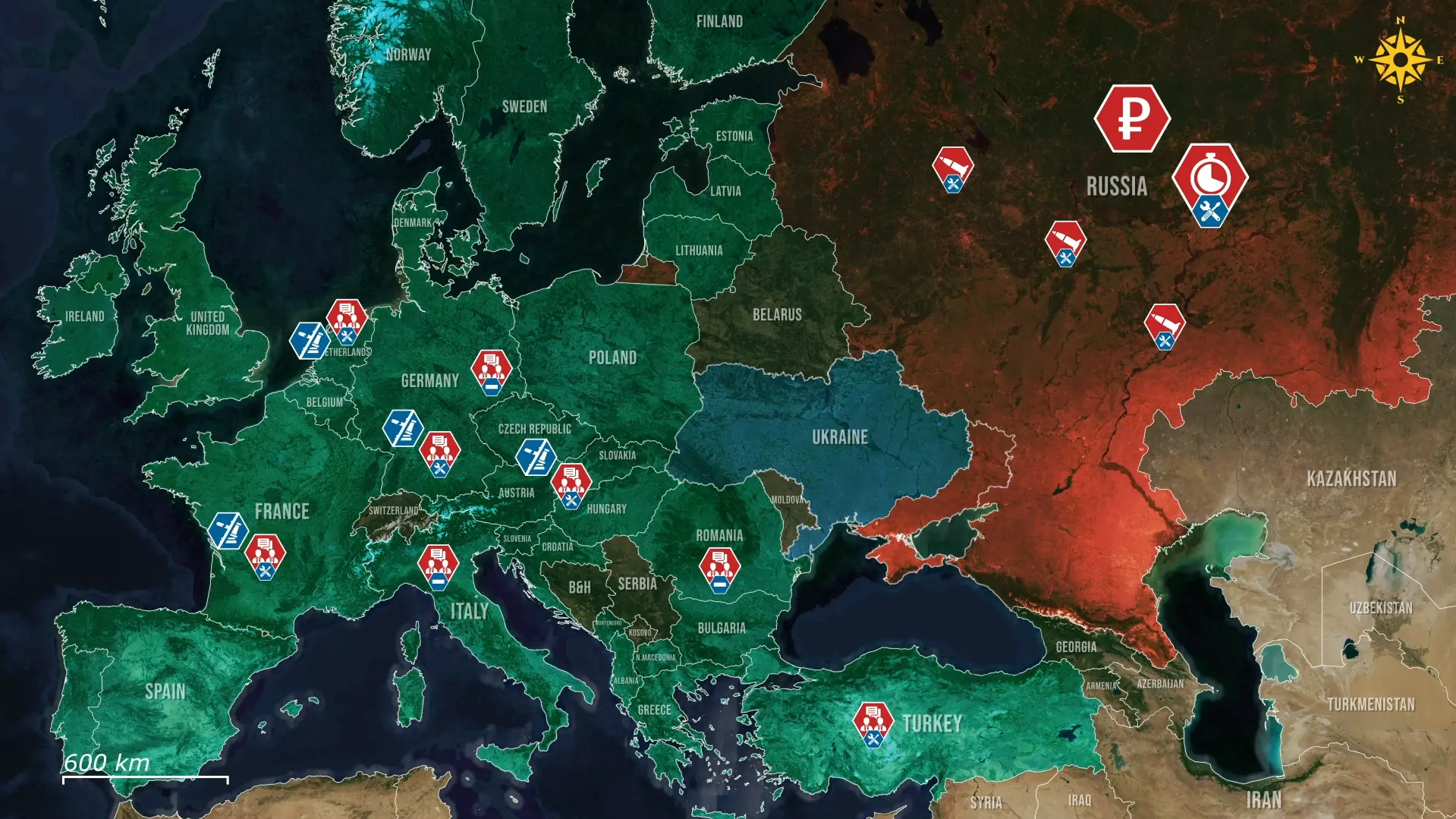
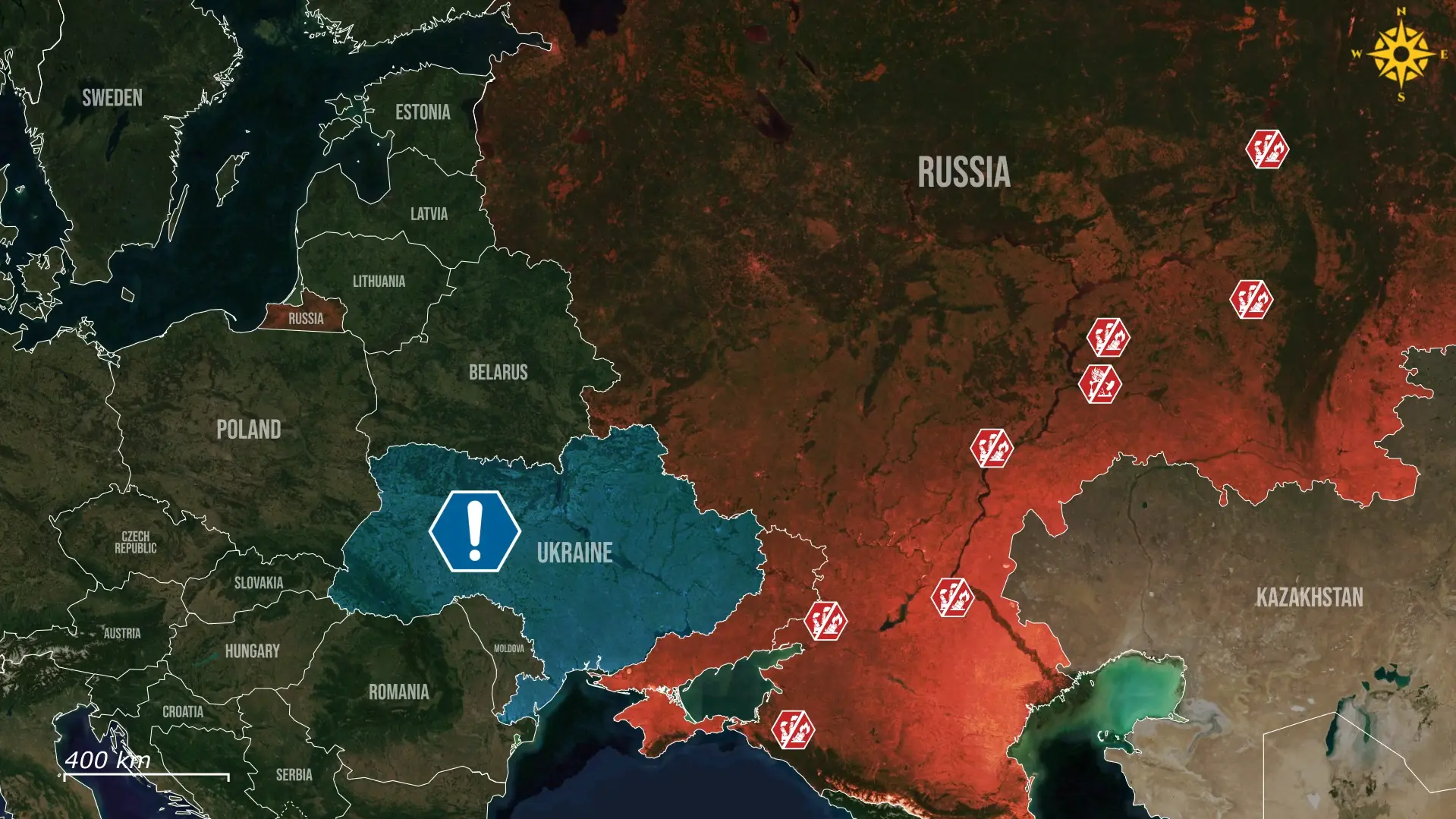
Recently manufactured foreign components keep appearing inside Russian missiles and drones, with evidence showing foreign electronics made in two thousand twenty five and two thousand twenty six found on the debris of recent attacks. Ukrainian investigators continue to catalog these findings on the government’s sanctions monitoring platform, where each new entry shows that Russia still receives Western electronics years after sanctions began. Notably, the Kh one hundred one cruise missiles that continue to strike Kyiv and the rest of Ukraine contain more than one hundred recently produced components from American, European and Asian firms.
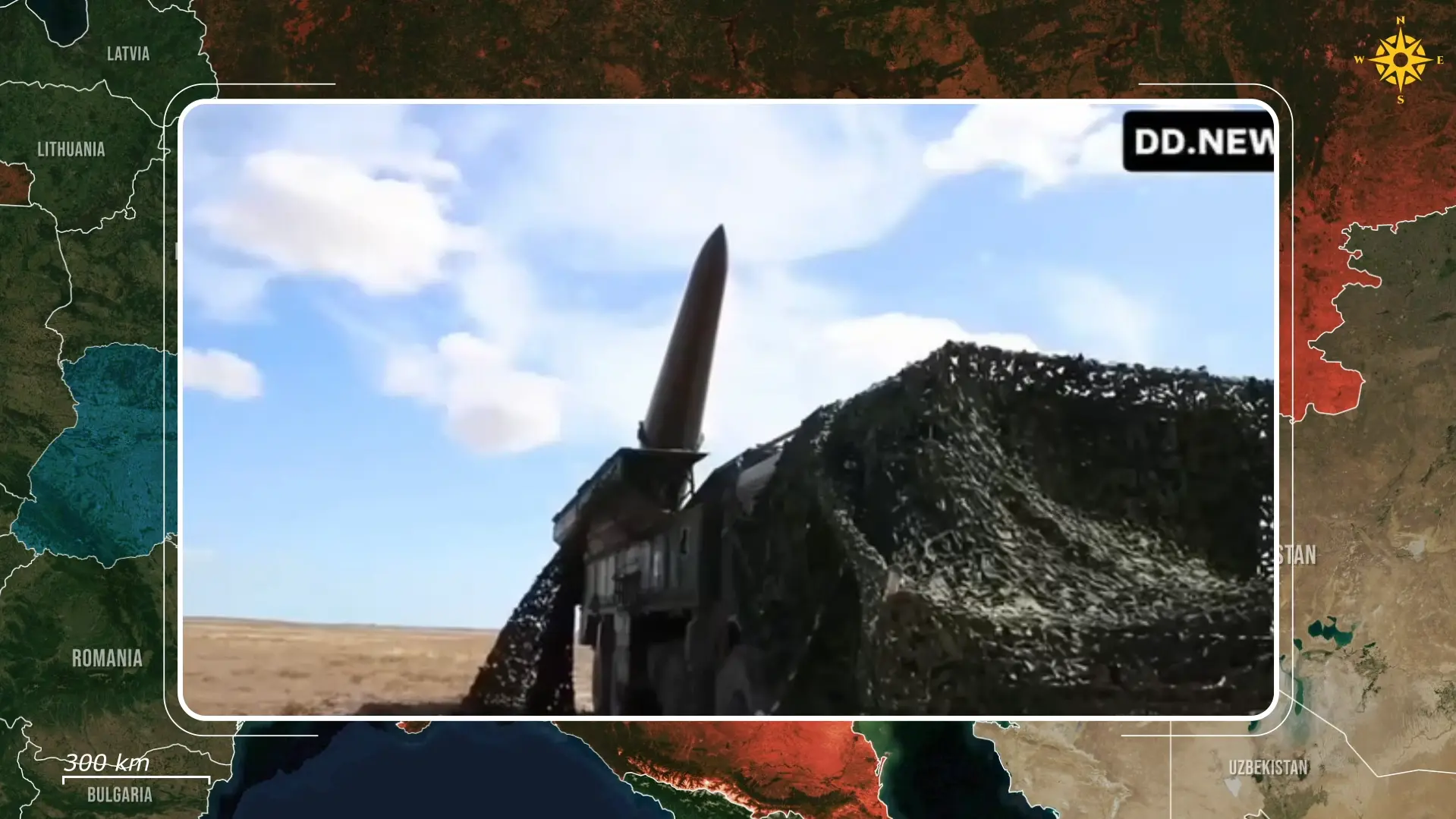
American components manufactured in late two thousand twenty five were also found in Shahed drones used against Ukraine in March two thousand twenty six, showing that these parts reached Russian weapons within months of manufacture. The same dynamic repeats in UMPK guidance kits for FAB bombs, which rely on Swiss signal relays, Chinese inertial modules, and American converters. These examples show that Russia’s procurement channels remain active and that sanctions have not severed the flow of critical electronics.
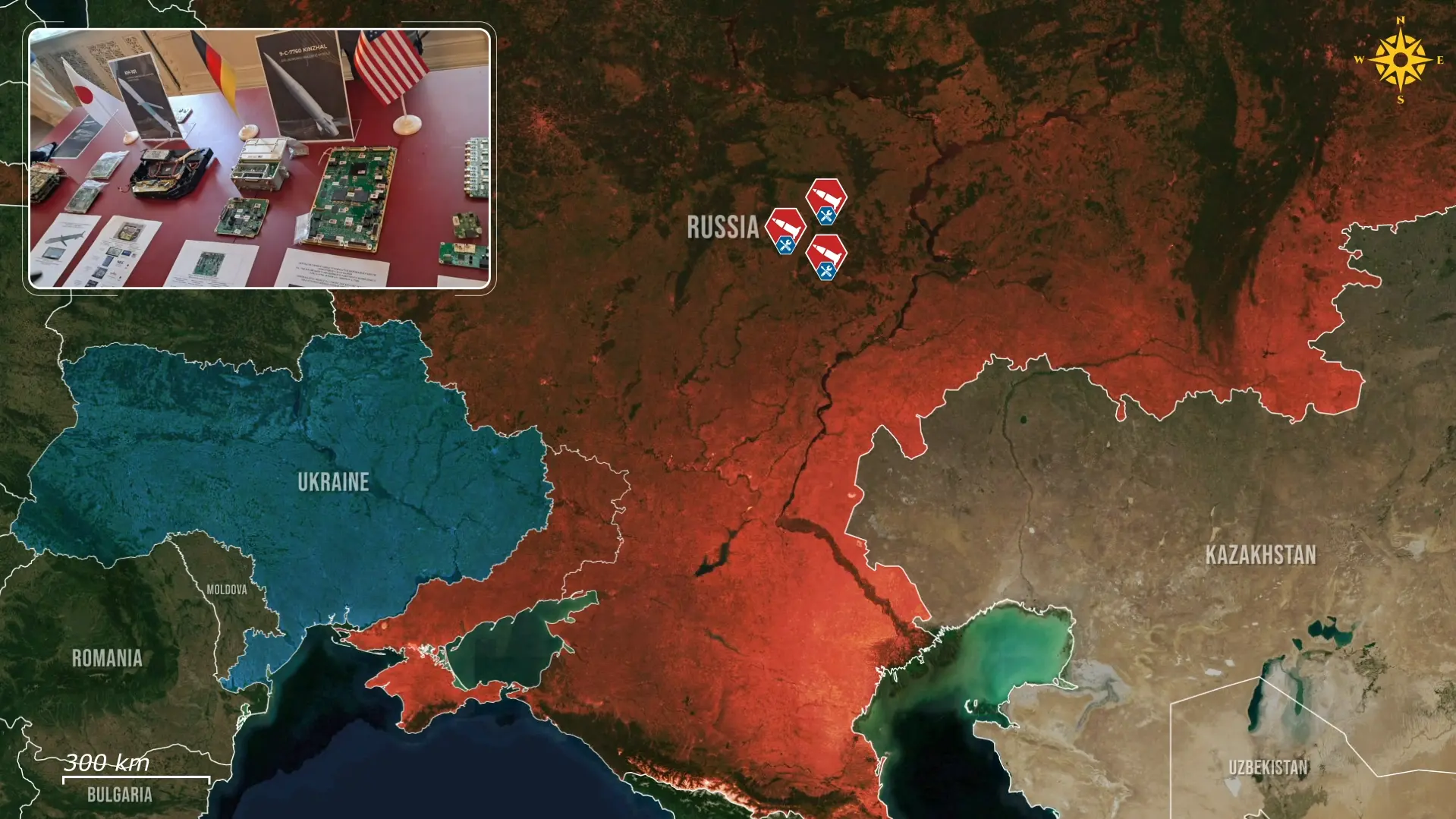
Russia needs these components because modern weapons depend on precise navigation and reliable processors. Specifically, guidance modules and programmable chips allow missiles to adjust their trajectory, resist signal interference, and strike targets more accurately. Although Russian engineers have developed domestic alternatives, examinations of recovered weapons show that Russia still relies on foreign electronics for some critical functions. Notably, after the invasion of Ukraine and the Western sanctions, Russia attempted to replace the imported processors with domestically produced ones. However, the missile’s performance suffered significantly, with Ukrainian intelligence reporting miss distances of thirty meters or more from intended targets, and increased vulnerability to electronic warfare. In two thousand twenty six, American processors where again recovered in a newer Kinzhal onboard computer further indicating that the Russian replacements had not delivered the required results.
These components reach Russia through intermediaries that buy goods in third countries and conceal the final destination or military purpose of the shipments. This allows sanctioned items to move through commercial channels, with Turkey, China, Hong Kong, and the United Arab Emirates becoming major hubs for indirect exports of European goods to Russia. Although the European Union tightened export bans in two thousand twenty four which managed to reduce some flows, sanctioned goods continued to arrive in Russia through these types of roundabout routes. The restrictions have also raised costs for Russia to obtain needed parts to varying degrees, but the networks remain effective in keeping the Russian defense industry supplied.
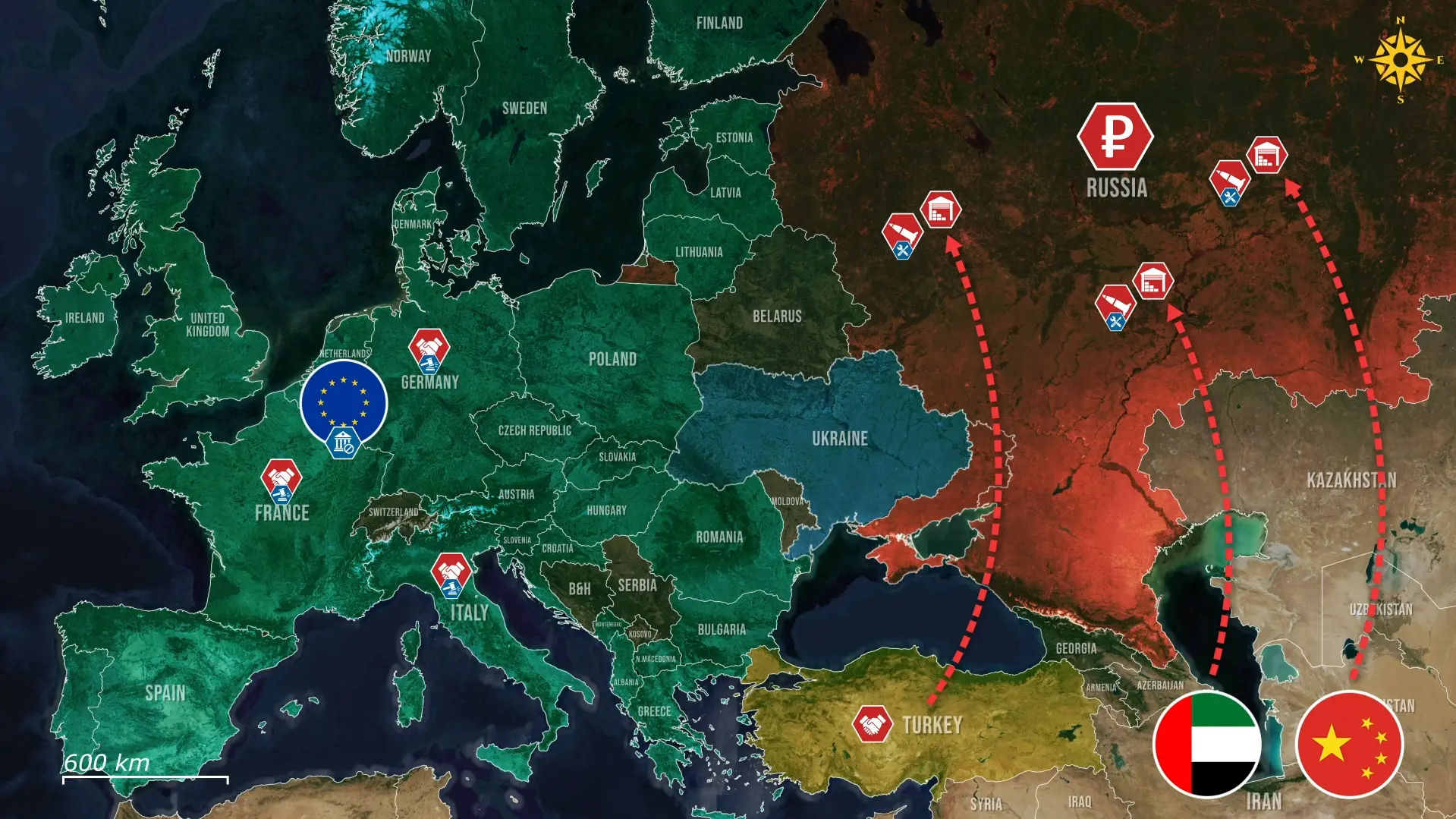
These networks keep operating because they adapt quickly when individual firms are sanctioned or when routes are blocked. Financial intermediaries help Russian buyers pay suppliers without revealing the true origin of the funds, and this payment structure lets transactions continue even as sanctions tighten. Meanwhile, when a procurement company is exposed or blocked, another replacement firm quickly takes over the same role to keep the supply chain moving, often changing routes or registration details and using new logistics firms.
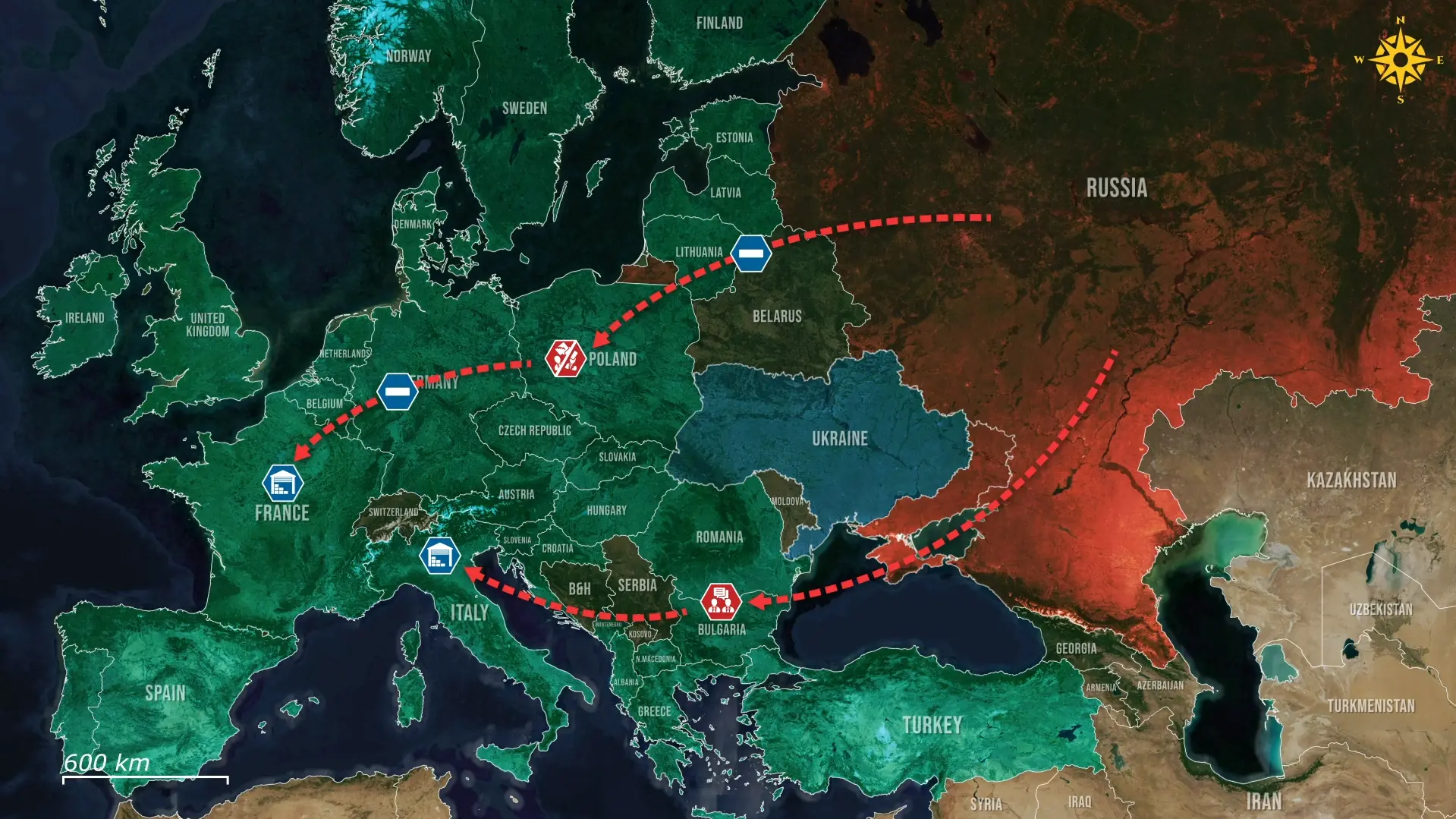
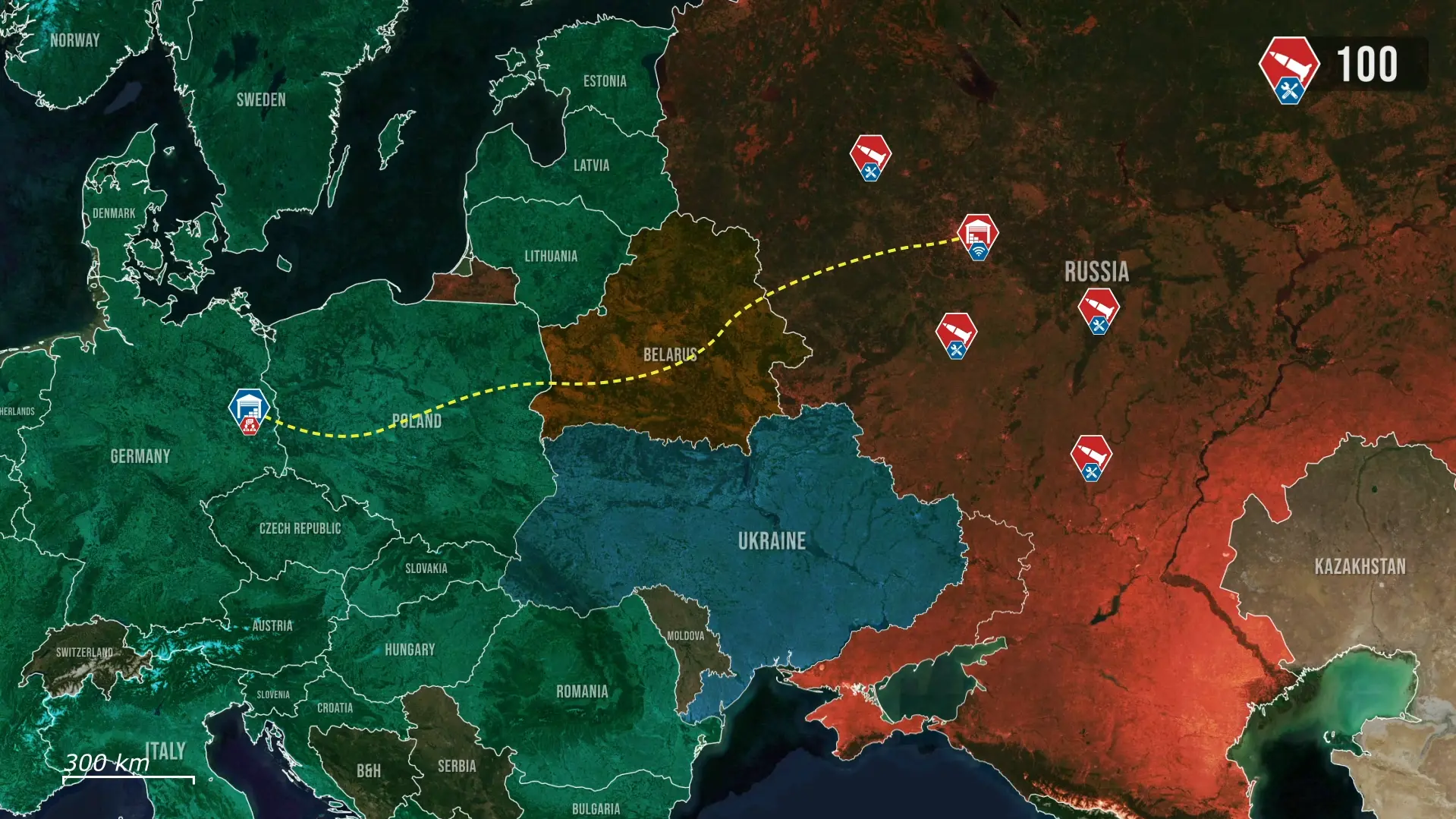
An investigation by BILD showed how one of these systems works in practice by placing GPS in parcels containing non functional microelectronics and bringing them to a warehouse, which claimed to offer shipping services into Russia despite EU sanctions. The warehouse, operated by former employees of a Russian state postal subsidiary, used documents from Uzbekistan’s postal service to disguise the EU origin, as international postal shipments receive lighter checks compared with regular goods exports. The GPS trackers showed that the test parcels passed through a warehouse near Berlin’s airport before travelling through Poland and Belarus to Moscow. These mechanisms help sustain a missile production rate that Ukrainian intelligence estimates at around one hundred missiles per month, a level that would be impossible without Western components.
Overall, Russia’s shadow networks turn sanctions enforcement into a constant contest over access to technology. Closing one route has limited value if the same buyers can quickly find another, but disrupting supplies of components that are difficult to replace can have a wider effect on production. The practical test is whether Russian factories face longer delays, higher costs and shortages that slow the replacement of weapons used in Ukraine. Continued smuggling therefore shows where pressure is being avoided and where tighter enforcement could make a difference.

.jpg)


Comments