


Today, the biggest news comes from the Mediterranean Sea.
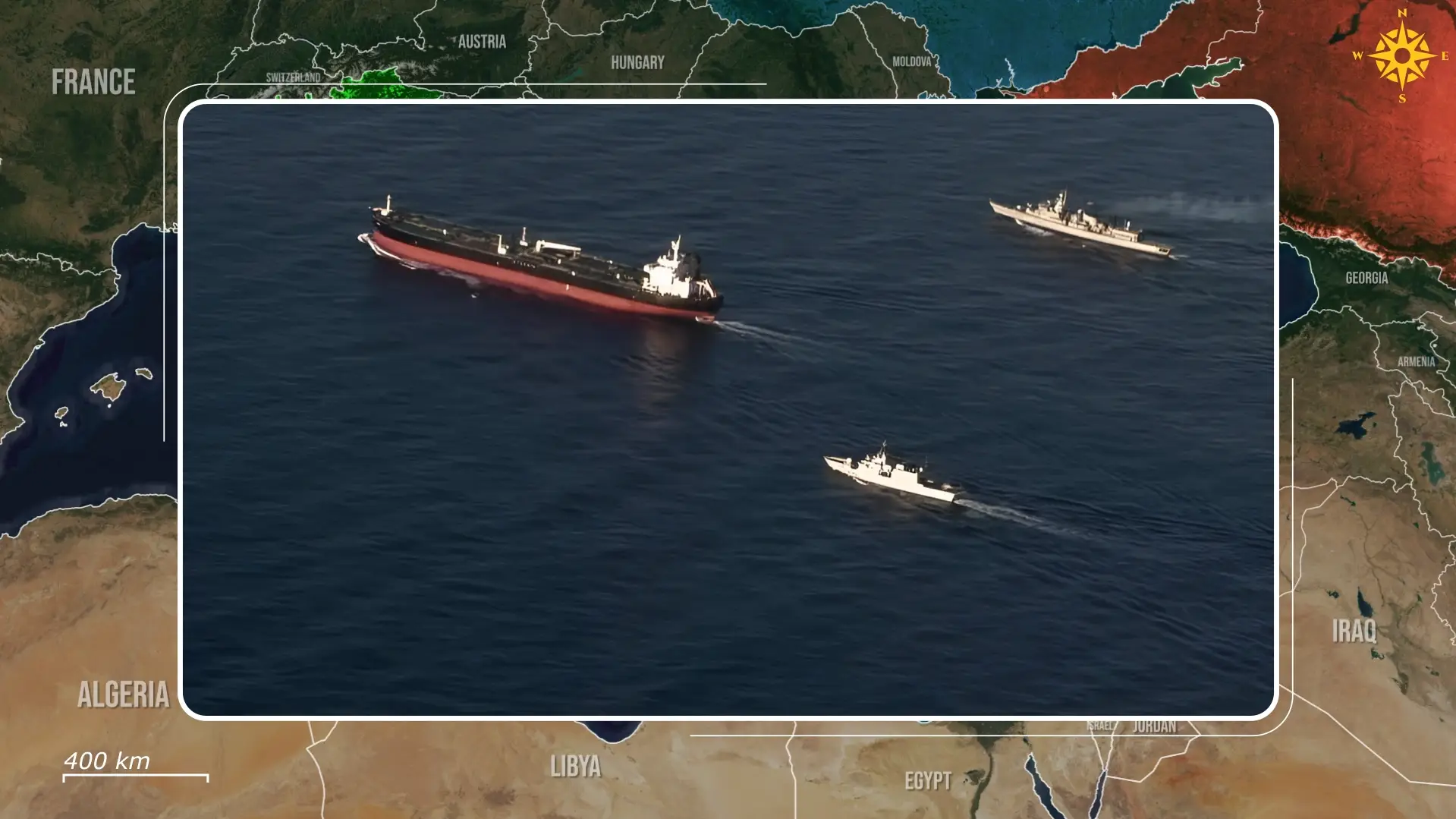
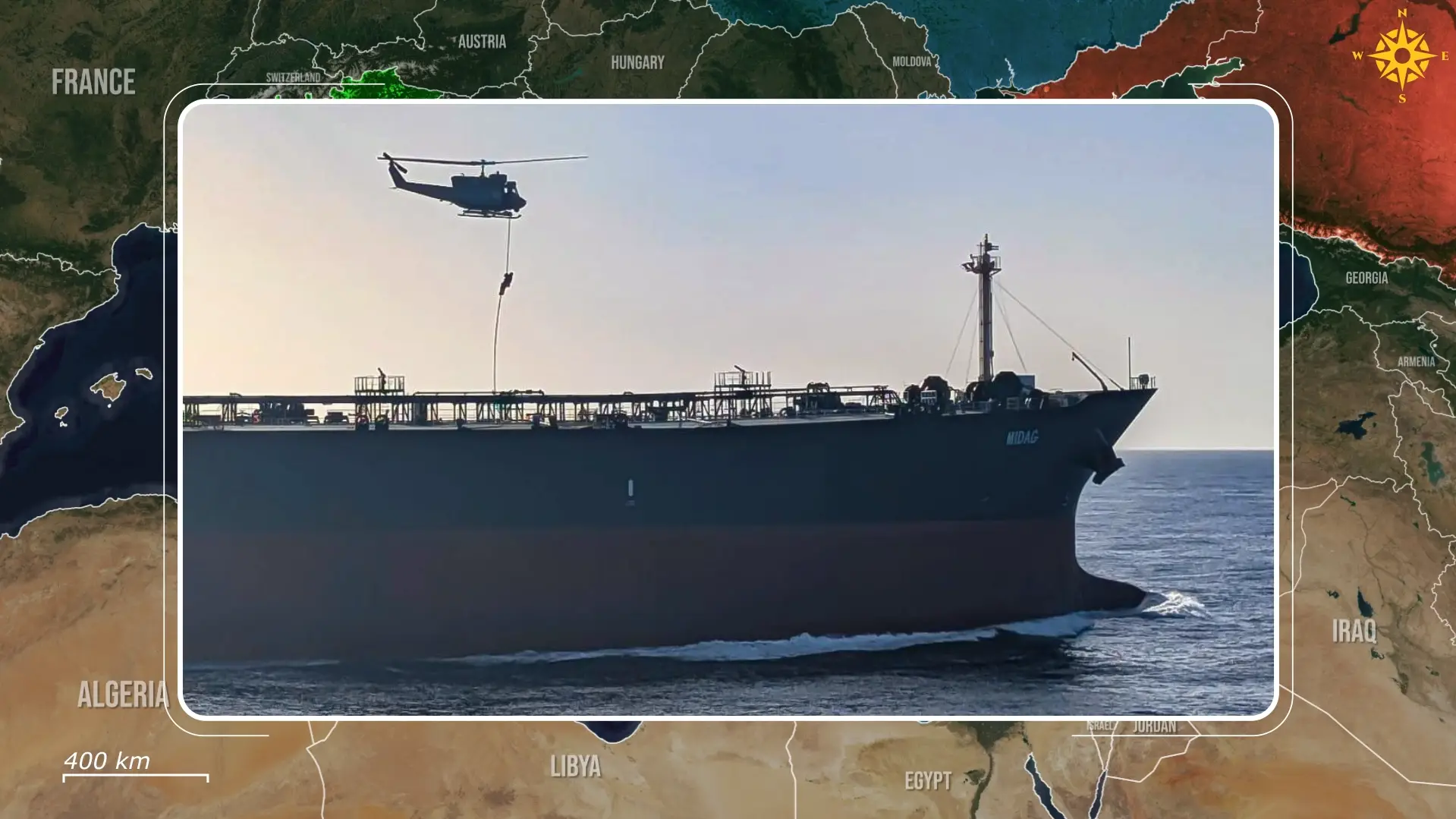
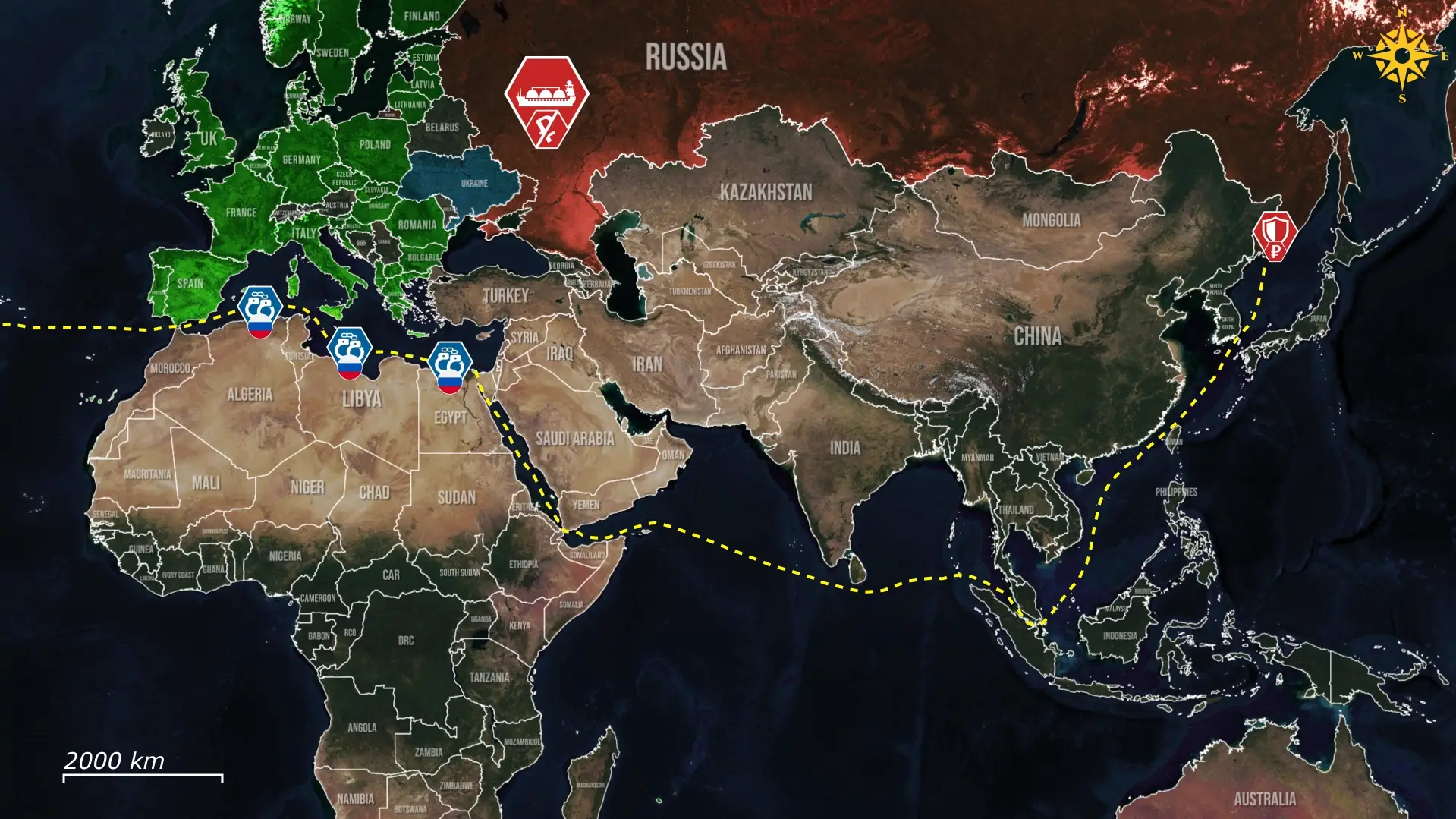
European forces have taken Russia by surprise by seizing another shadow fleet tanker carrying Russian diesel. Italian and Greek naval forces descended from helicopters onto the MV Midag while two warships moved alongside the tanker, which is more than two hundred forty meters long and capable of carrying over one hundred six thousand tons.
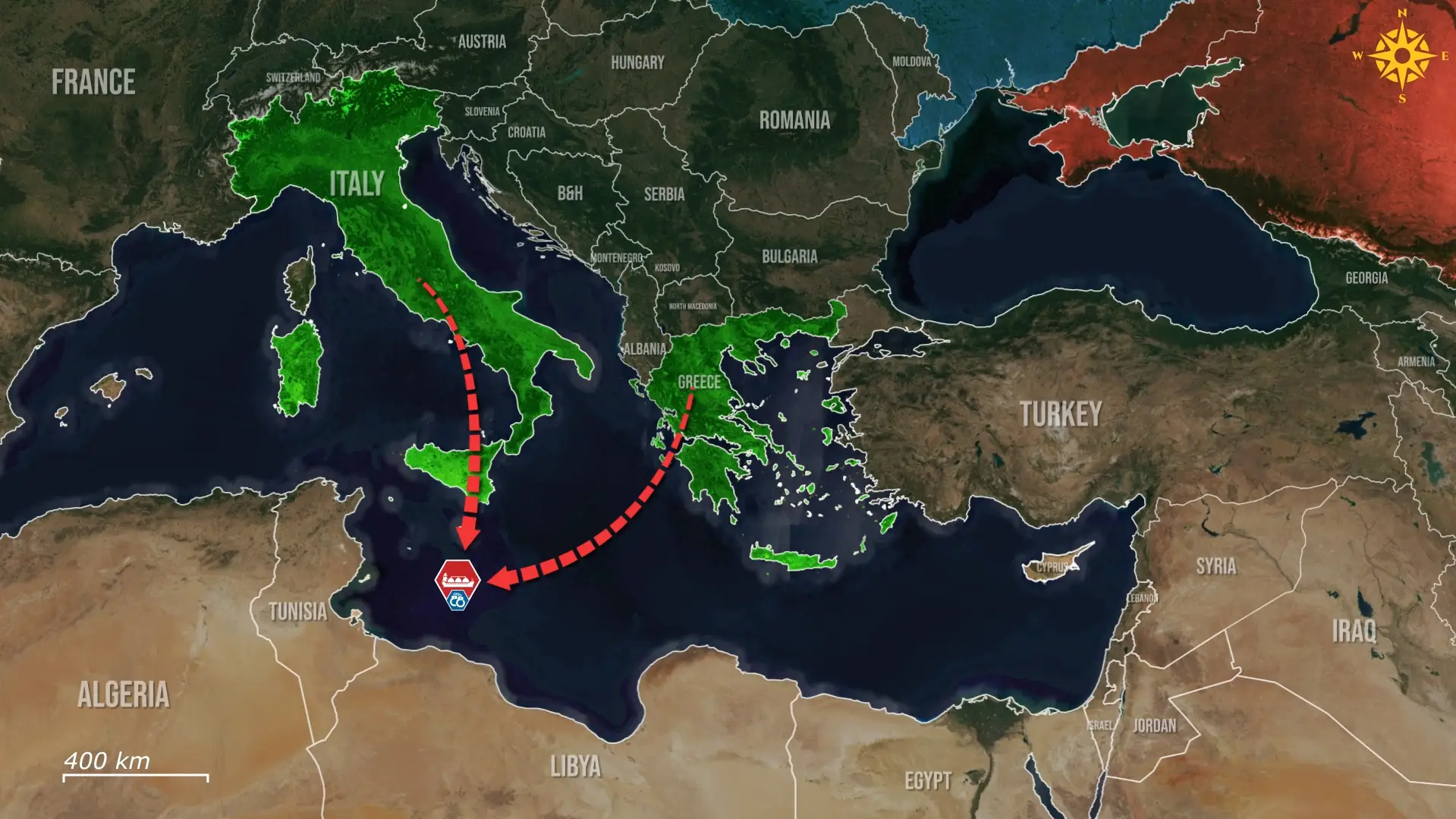
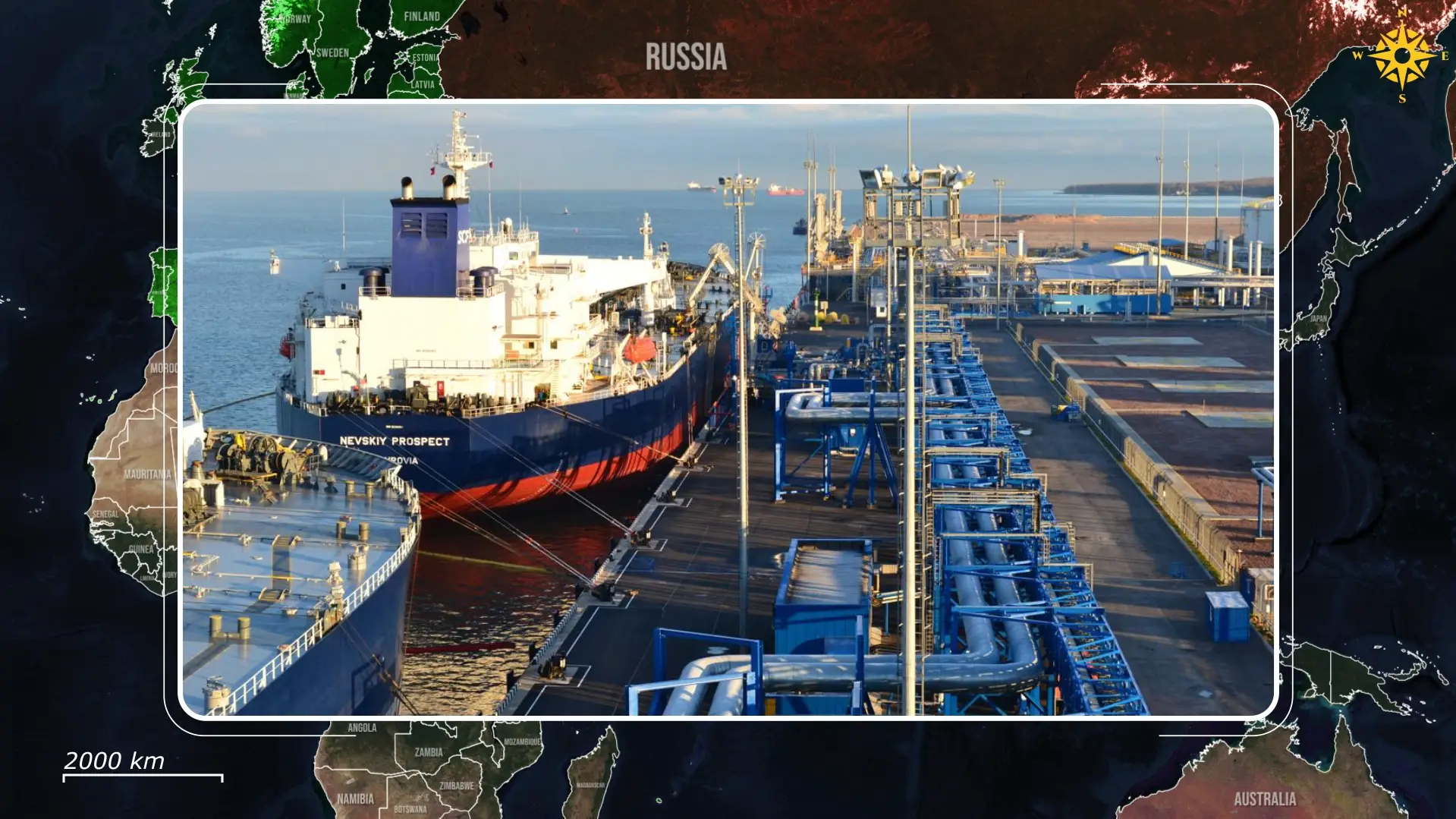
The vessel claimed to sail under the flag of Zimbabwe, but the European inspection established that this registration was false, allowing the boarding under international maritime law covering ships with disputed nationality. Midag had previously loaded Russian oil at the Kozmino export terminal, connecting the vessel directly to the maritime network Russia uses to keep its energy exports moving around Western restrictions.
Russia's shadow fleet has become one of its most important financial lifelines, built from hundreds of tankers operating through hiddent ownership structures, changing registries, and foreign or false flags to keep Russian oil moving despite Western restrictions. In October alone, sanctioned shadow tankers carried around sixty percent of Russia’s seaborne oil and sixty nine percent of its crude exports. At the same time, Russian fossil fuel exports were generating roughly seven hundred fifty four million euros per day, with seaborne crude accounting for around three hundred fifty two million euros. Oil and gas revenues provide around eighteen percent of Russia’s federal budget income, while the shadow fleet carries most of the country’s seaborne oil exports, directly helping Moscow finance military spending and sustain the war.
The Midag boarding is only the latest operation in a growing European campaign against these vessels. In June, British Royal Marines descended onto the sanctioned tanker Smyrtos in the English Channel during a six hour operation involving two warships, multiple helicopters, and a maritime patrol aircraft, before detaining the vessel off the British coast. France then seized the tanker Deliver near Sicily after establishing that its claimed Cameroonian registration was invalid. By that point, nine suspected shadow fleet tankers had already been seized across Europe during this year, including four by France. EU forces continued the campaign through the summer, boarding the Toa Payoh and later the MV Sun, which became the sixth suspected shadow fleet vessel inspected by EU operations within only several months. By autumn, physically stopping and checking these vessels had become a recurring European enforcement tool.
At the same time, Europe is expanding the pressure far beyond the tankers themselves. On November sixteenth, the EU sanctioned another twelve individuals and one hundred one entities supporting Russia’s war economy, including nearly fifty Russian banks as well as companies in China, the United Arab Emirates, Seychelles, and Oman that buy Russian oil or support shadow fleet operations. This follows the latest major sanctions package, which brought the number of restricted shadow fleet vessels above six hundred seventy and also targeted ships that refuel sanctioned tankers. European leaders have now called for more boarding operations and a coordinated effort to disrupt the fleet across its entire route. European leaders also criticized the United States for temporarily lifting restrictions on Russian diesel, placing Europe on a much tougher course against the Russian energy exports Washington had just reopened. This means Russia can gain easier access to the American market while still facing tighter European pressure on the tankers and companies needed continue the war.
Overall, Europe’s next advantage comes from making Russia spend more just to keep the same oil moving. As foreign support becomes harder to access, Moscow has to rely more heavily on its own state protection to keep sanctioned tankers working. The more vessels require Russian insurance and military protection, the more of each sale is spent simply getting the cargo to market. Russia can keep the tankers sailing, but paying more to insure and move them leaves Moscow earning less from the same volume of oil.



Comments