


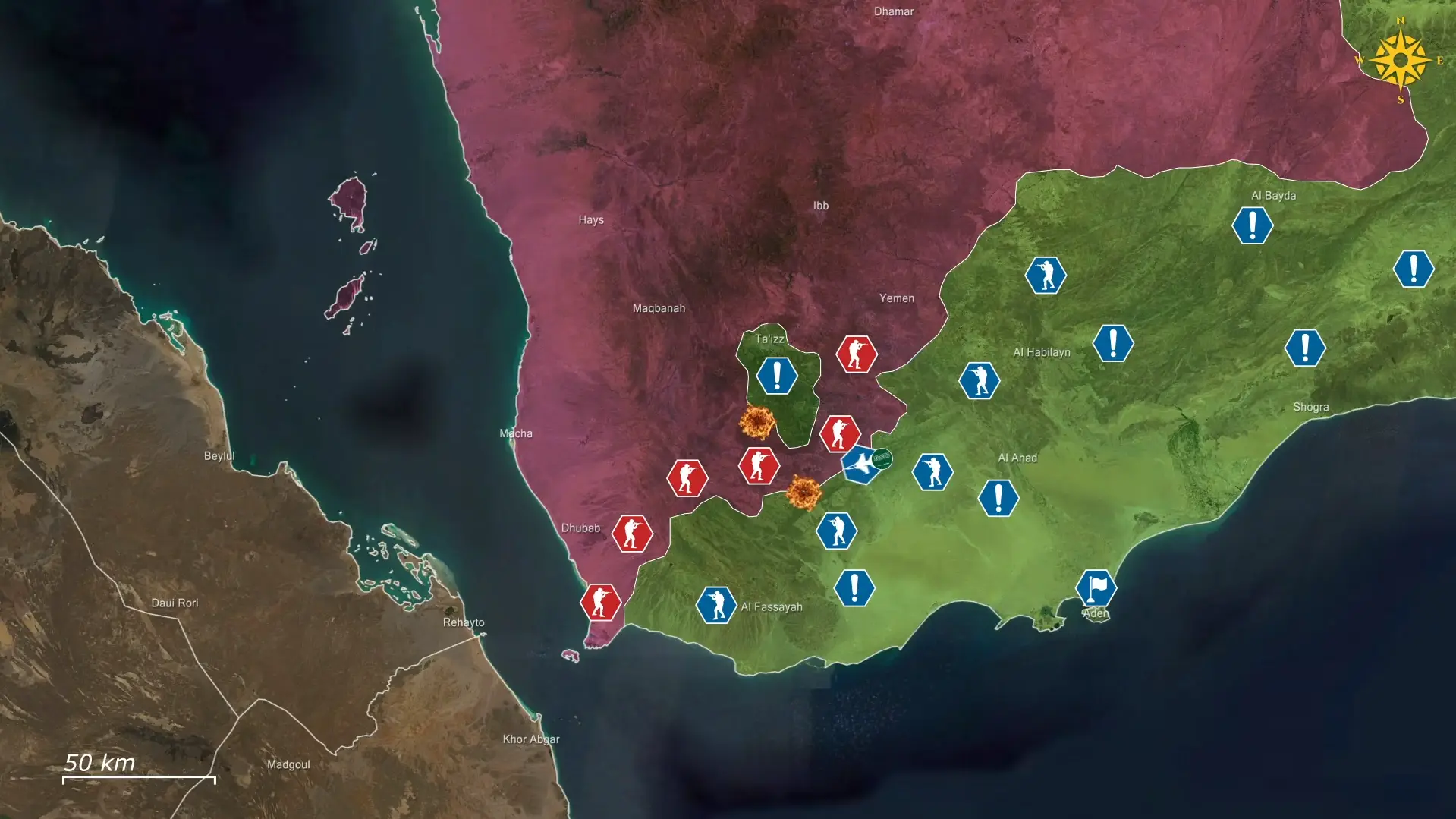
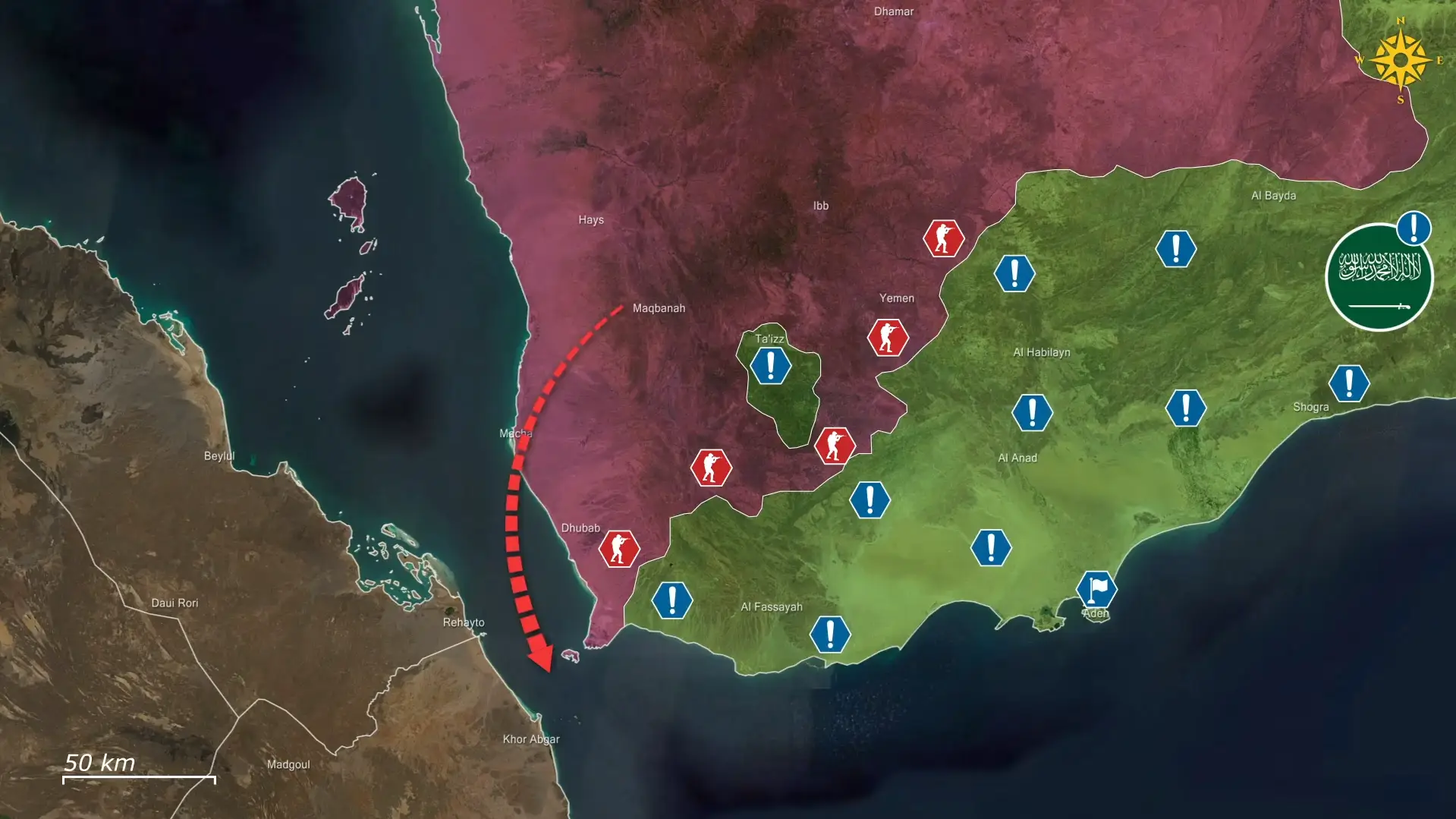
Yemeni government forces have withdrawn from the Bab-el-Mandeb area, leaving the Houthis in control of the coastline overlooking one of the world’s most important maritime chokepoints. On November fifteen, the Southern Armed Forces announced a redeployment from Dhubab airport and nearby positions, citing the need to defend Aden and reinforce threatened fronts. The decision marks a major setback for the Saudi-backed camp, because after weeks of fighting to recover the coast, its forces have abandoned positions they had retaken around the strait. The Houthis now hold the stronger position on the Yemeni shore and have gained greater leverage over traffic passing between the Red Sea and the Gulf of Aden. Not every government unit has left the wider area, as forces have reportedly regrouped south of Dhubab and say they will keep trying to dislodge Houthi fighters from nearby coastal positions. Nevertheless, the strategic initiative has shifted decisively towards the Houthis.
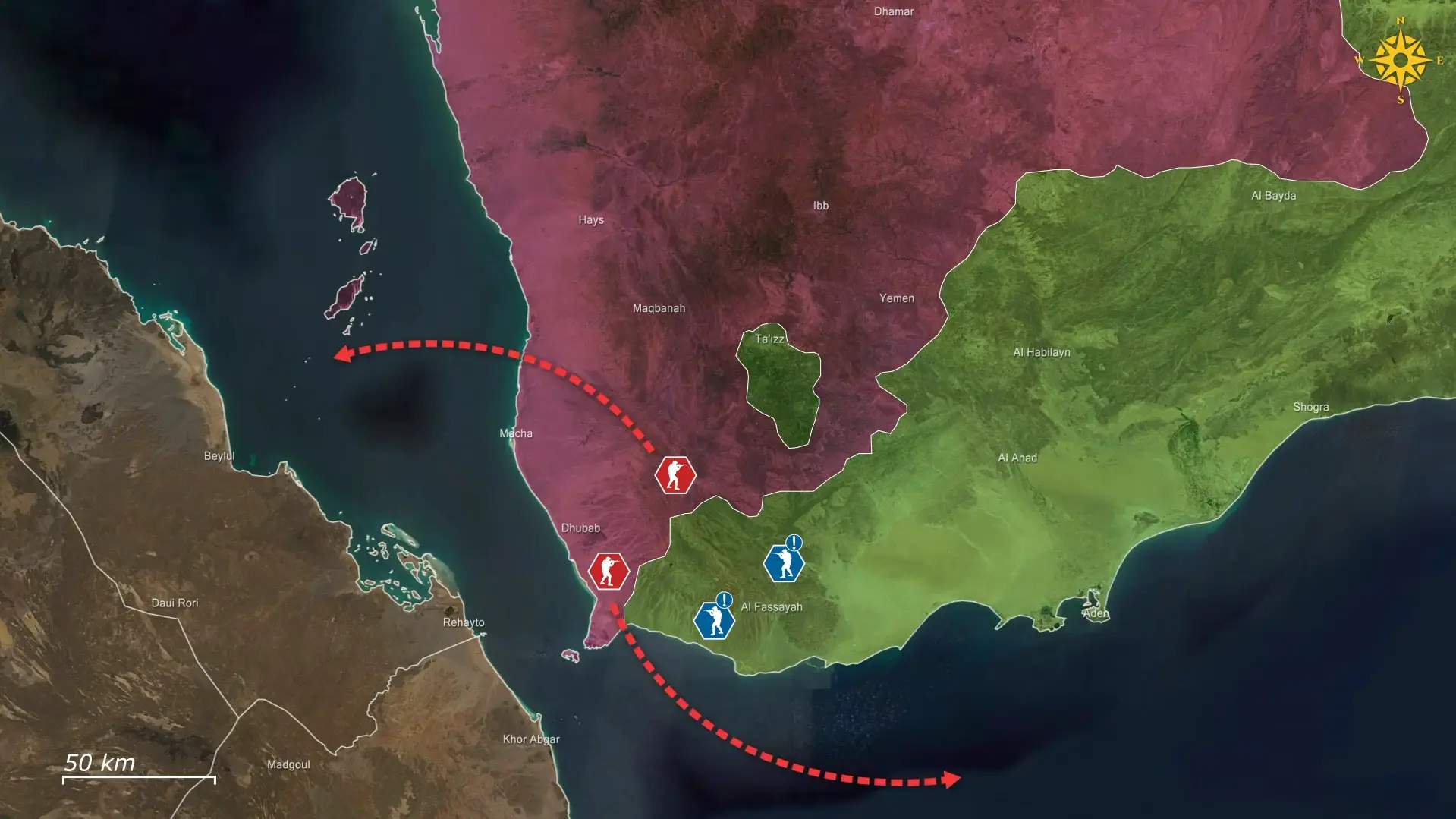
The government offensive, launched in October, initially regained important positions around Dhubab and the Bab-el-Mandeb coastline. However, its gains proved difficult to consolidate because government forces suffered heavy casualties during repeated clashes, while the Houthis retained positions further along the coast and continued contesting the surrounding highlands. Rather than concentrate exclusively on the coastal front, the Houthis expanded their operations inland, targeting the government forces' positions and supply routes south of Taiz. Their counteroffensive threatened to cut off government units defending the coastline. By advancing through the mountainous approaches towards Lahj, the Houthis placed increasing pressure on the government's western and southern fronts simultaneously.
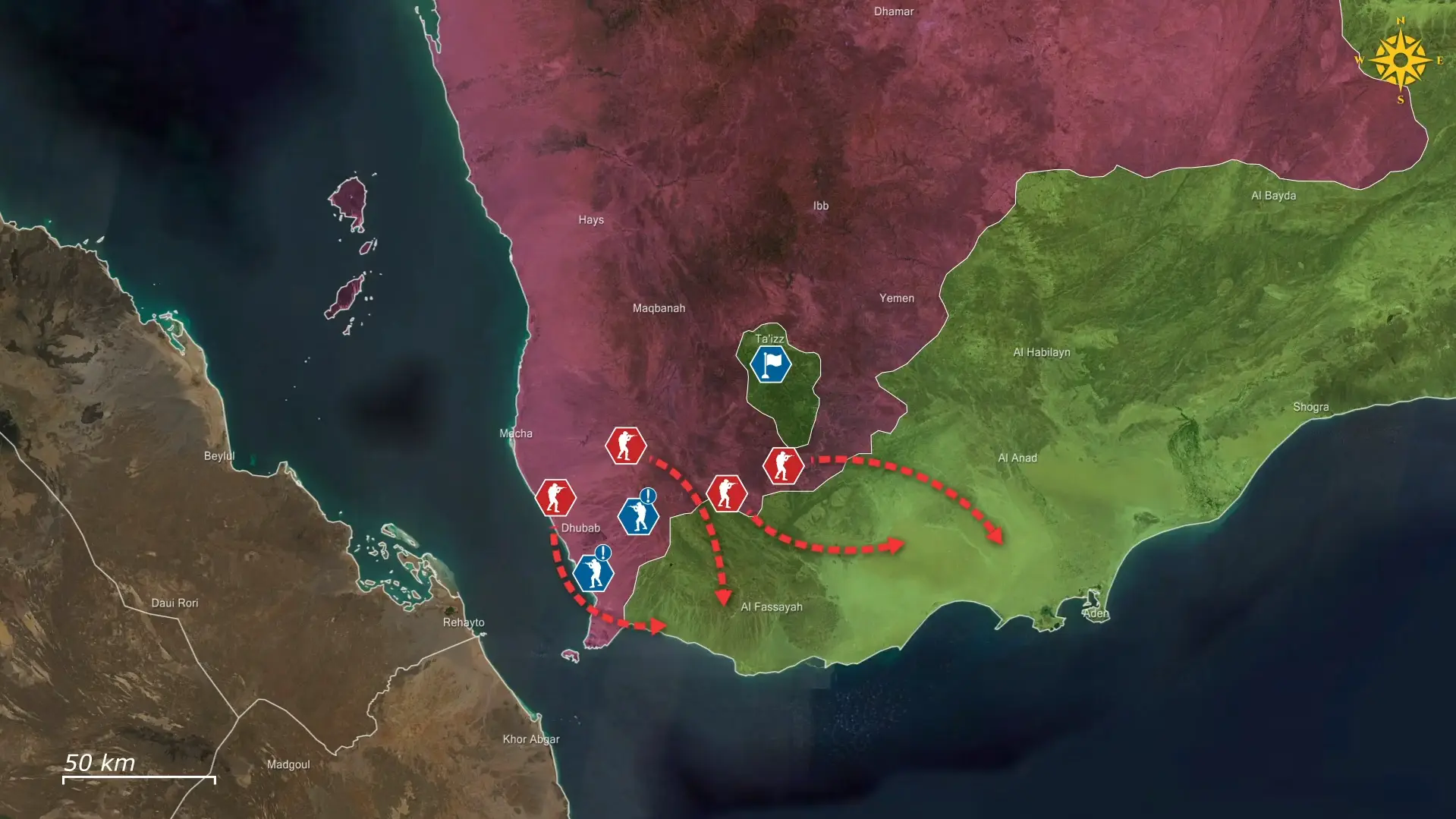
By capturing key positions and threatening the roads used to bring in supplies and reinforcements, the Houthis undermined the entire coastal campaign. By mid November, the government forces faced the prospect of encirclement and were losing the initiative.
The loss of the Bab-el-Mandeb coastline gives the Houthis a considerably stronger position from which to threaten international shipping. The strait connects the Red Sea with the Gulf of Aden and serves as a critical passage for vessels travelling between Asia and Europe through the Suez Canal.
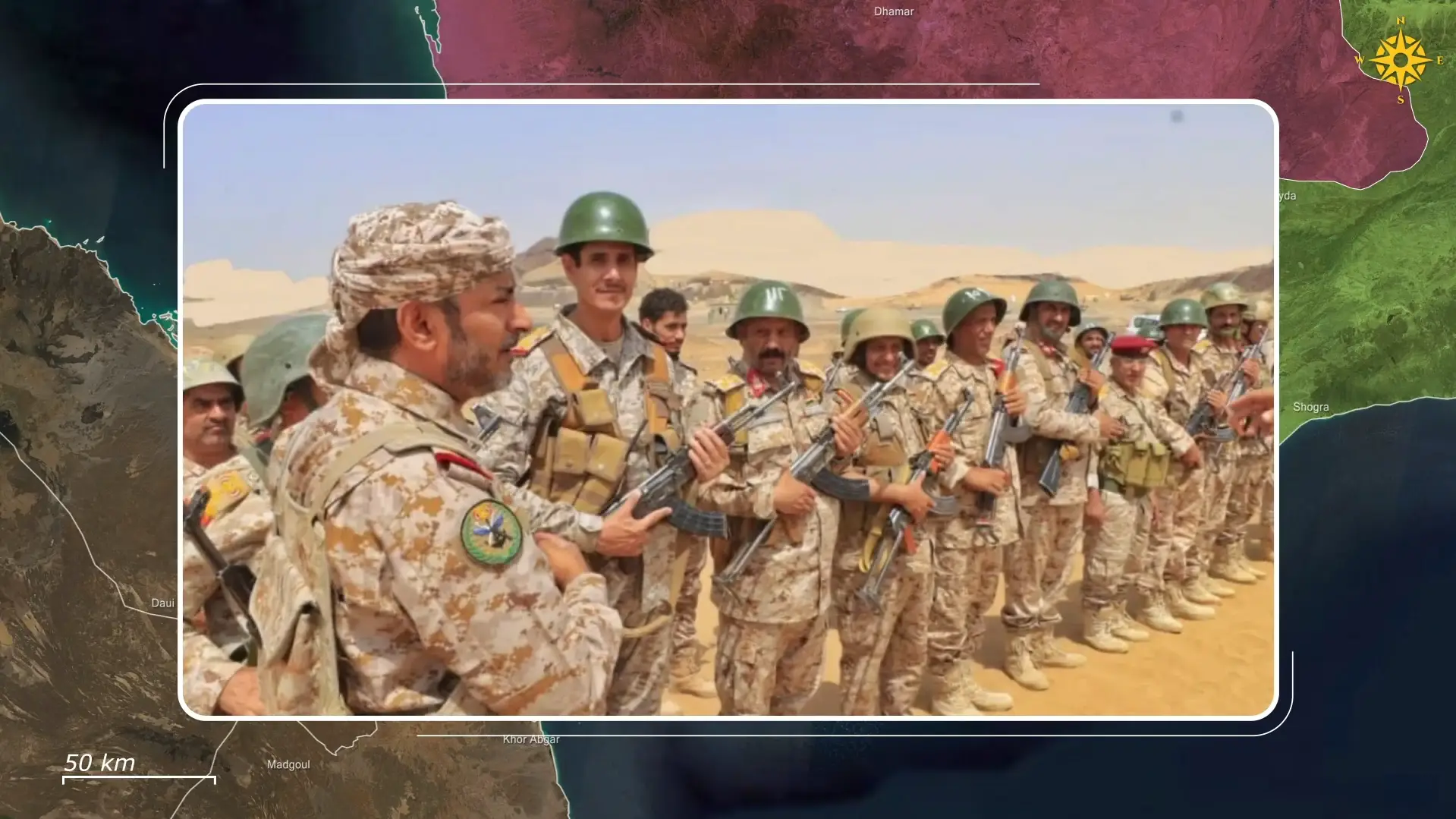
By regaining positions overlooking this route, the Houthis can exert pressure on one of the world's most important maritime corridors. Control of a larger stretch of coastline also brings Houthi missile and drone positions closer to passing ships. It gives them more opportunities to deploy fast boats and launch attacks against vessels transiting the strait. This creates additional risks for commercial vessels and raises the costs of protecting the shipping route. For Saudi Arabia and its Western partners, the development is particularly damaging, as the Houthis now possess greater leverage over international trade and a powerful instrument of geopolitical pressure.
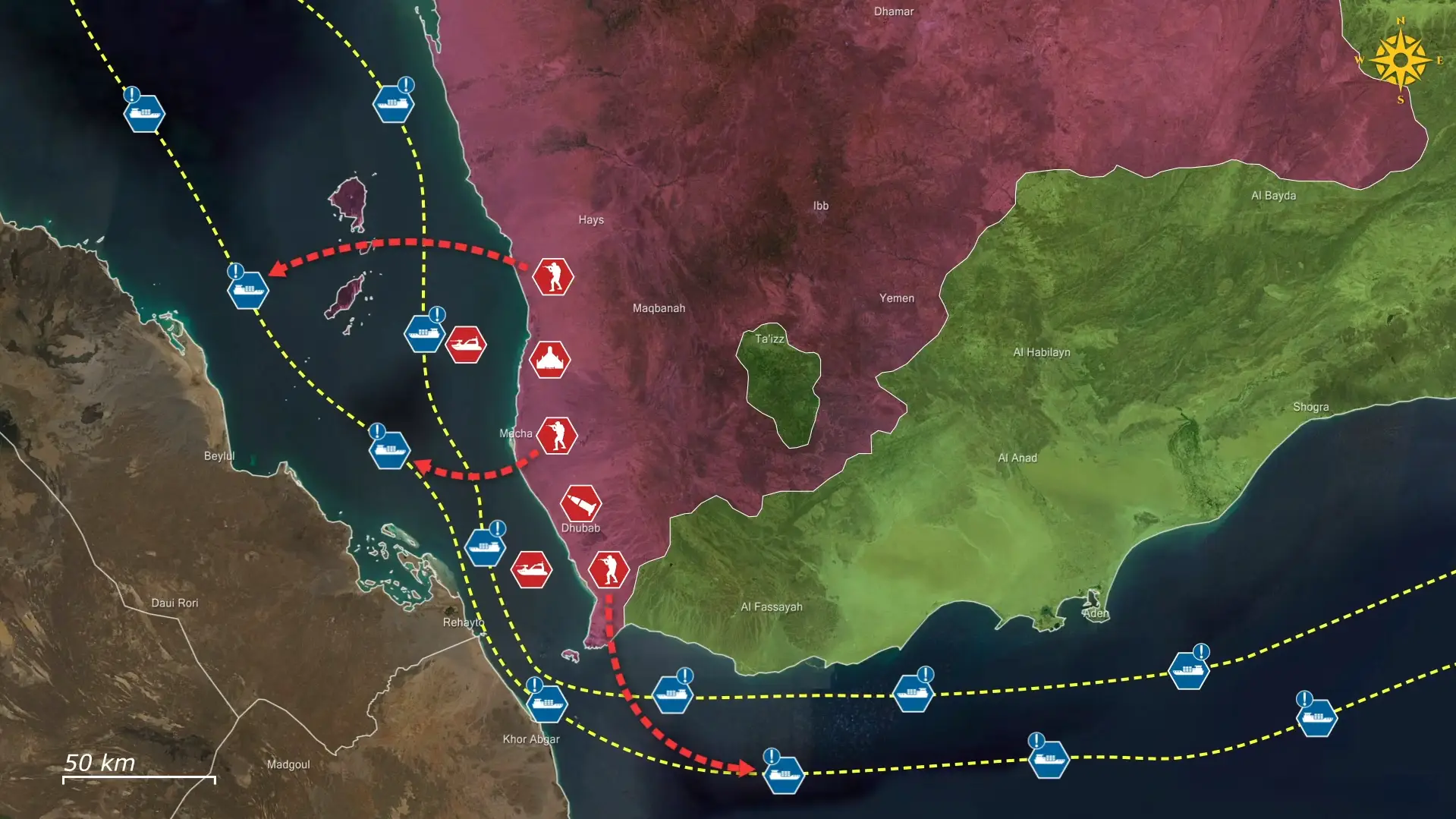
The withdrawal also creates an opportunity for the Houthis to expand their offensive southwards along the Gulf of Aden. With government forces abandoning their positions around Bab-el-Mandeb, the Houthis can attempt to consolidate their control over the western coastline before pushing towards the approaches to Aden. Such an advance would stretch government defenses and threaten the remaining coastal supply routes connecting southern positions. However, the government forces still retain forces south of the withdrawal area and could establish a new defensive line if it receives sufficient reinforcements and maintains coordination between its factions. Saudi air support, weapons and reinforcements could also help slow the Houthi advance and prevent further territorial losses. Nevertheless, government forces face the difficult task of defending several fronts simultaneously while recovering from their recent setbacks. Without a coordinated response, the Houthis could exploit the retreat to expand their gains towards southern Yemen.
Overall, the loss of the Bab-el-Mandeb coastline represents a major shift in Yemen’s conflict, giving the Houthis more territory from which to move troops and weapons, launch attacks and pressure international shipping. The consequences extend beyond the immediate battlefield, as the increased threat to international shipping provides the Houthis with an instrument of pressure against Saudi Arabia and its Western partners. Militarily, the collapse of the coastal defense creates an opportunity to expand southwards towards the Gulf of Aden and place Aden itself under greater pressure. Unless the PLC can restore coordination between its forces and rebuild a sustainable defensive line, the latest retreat could mark the beginning of a much wider deterioration of government control in southern Yemen.



Comments