


Today, the biggest news comes from Ukraine.
Recently, it has been revealed that French military personnel have been operating inside Ukraine for several months under a confidential mission known as Volia. The deployment involves small teams conducting short, non-combat missions to train Ukrainian personnel and support maintenance of French-supplied equipment, including Caesar artillery, Mirage two thousand fighter jets, and precision missiles, such as the Scalp cruise missile. This is important because training Ukrainian personnel, who can operate and maintain Western-supplied weapons, takes time.
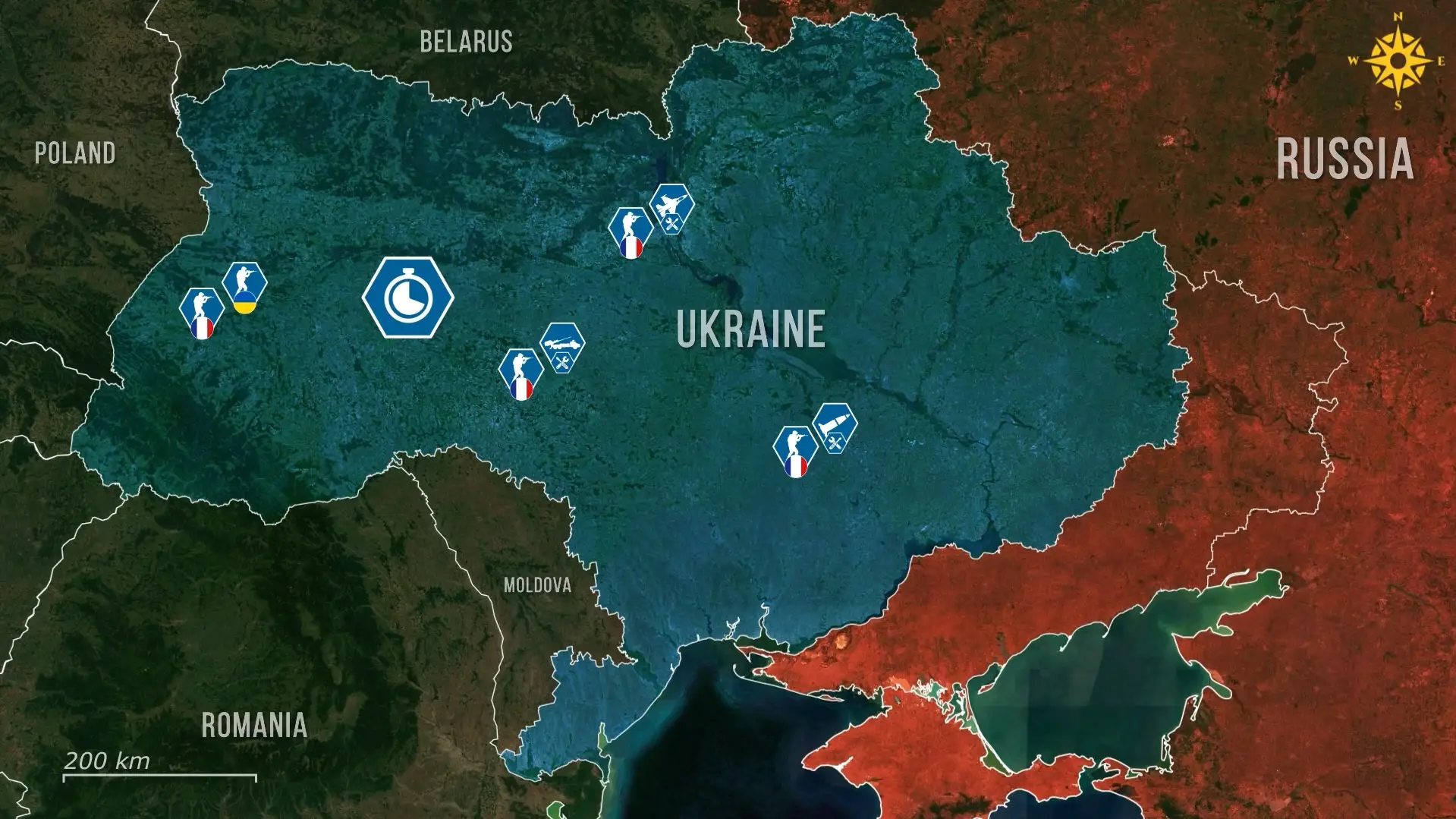
By deploying French troops to Ukraine, Ukraine can start fielding these weapons, while their specialist learn how to maintain the weapon systems. The contingent has reportedly used the official French training presence in Poland as logistical cover and a staging point. However, the French government has not officially acknowledged the deployment or informed parliament because it would give Russia proof that it could use in its propaganda to show that they are fighting against Nato forces in Ukraine. This is untrue because veterans coming from Western countries are fighting as part of the Ukrainian army, and they are not there as serving members of a foreign military.
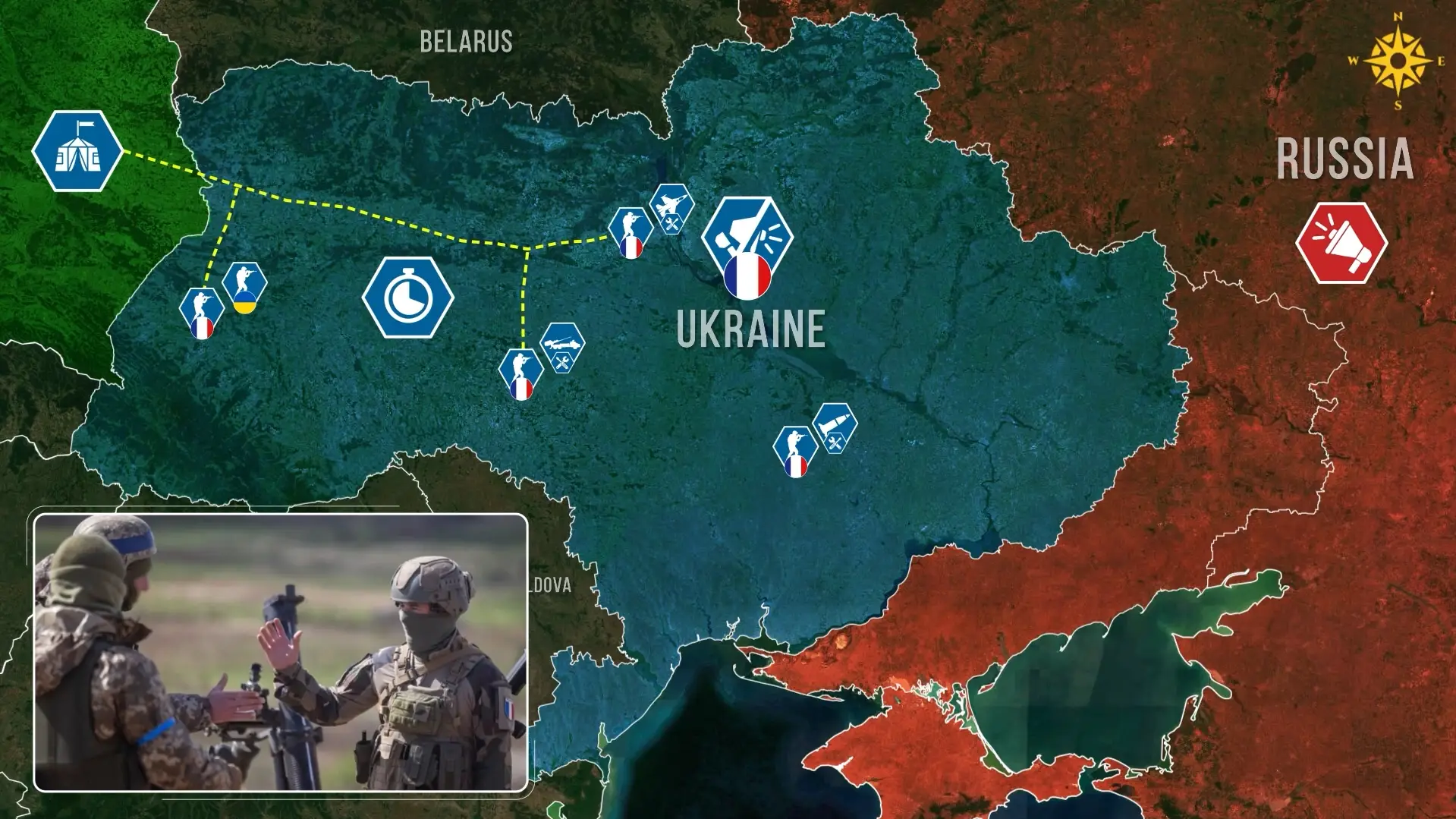
However, there is evidence that, in addition to the French forces, other Nato special operations forces are operating inside Ukraine, although they don’t participate in direct combat operations against Russian forces either. Their task is to train Ukrainian conventional and special operations units on Western weapons, tactics, drones, reconnaissance, and other skills. At the same time, Nato troops are also learning from Ukrainian veterans. Notably, Ukraine is the only country with real combat experience against a near-peer country, which is crucial for Nato countries.
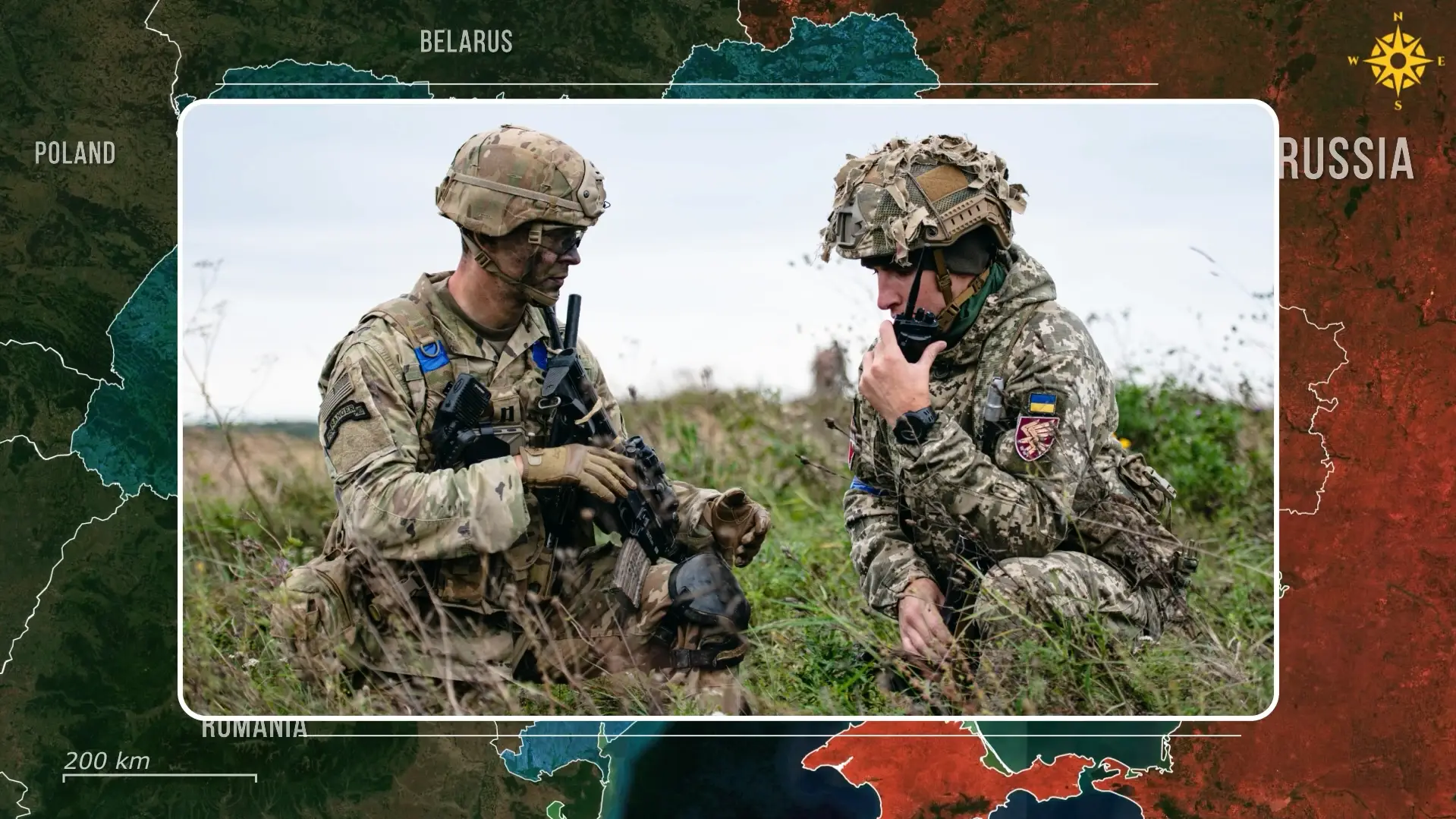
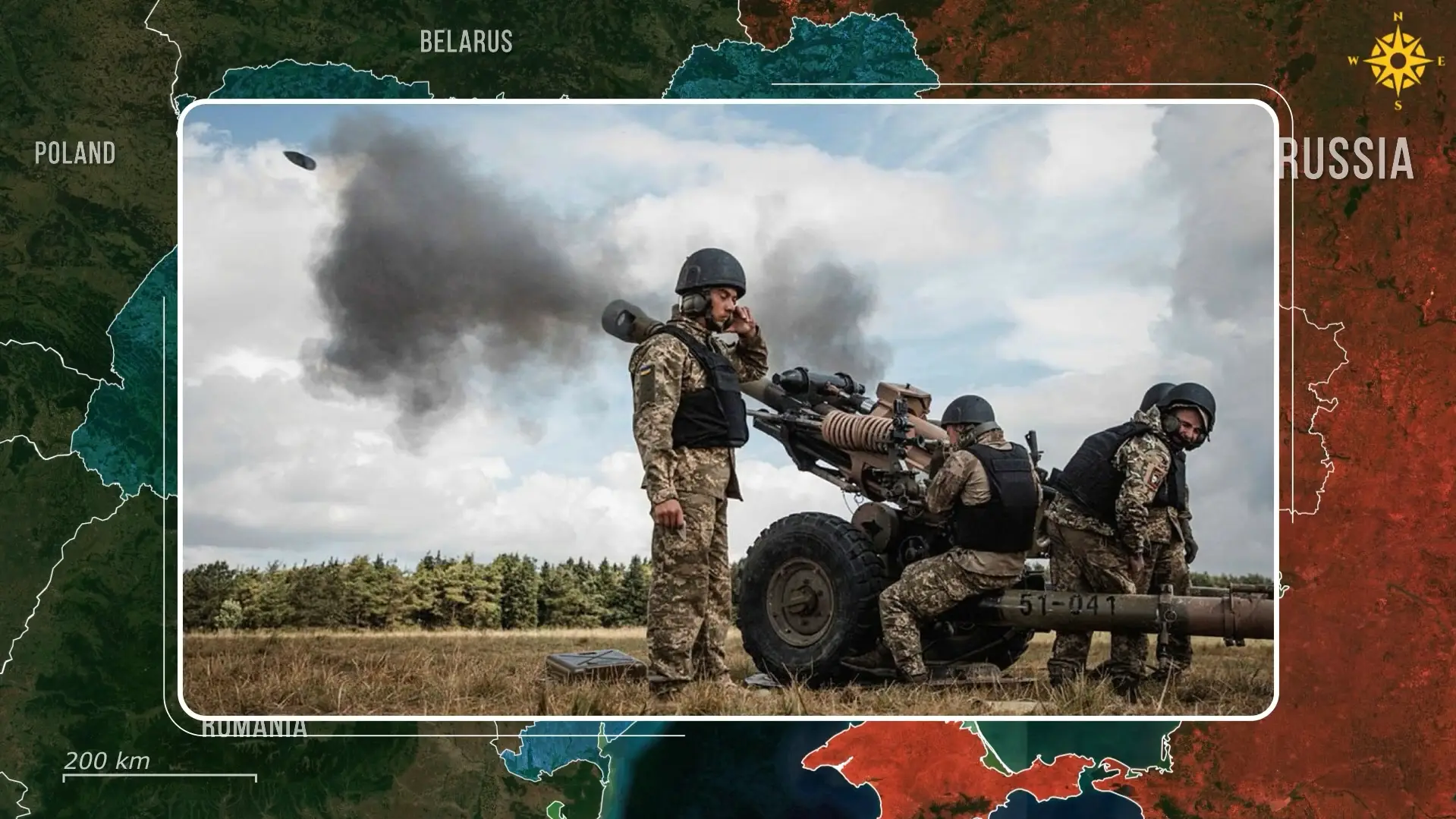
If Nato wants to deter Russia from further aggression effectively, they need to implement Ukraine’s tactics and technological know-how, such as the heavy use of drones, low-signature movement, and operations in sensor-saturated environments. Additionally, Nato troops are focused on advising, intelligence sharing, and equipment support. Leaked US Pentagon documents from two thousand and twenty-three indicated the United Kingdom had the largest Nato special operations contingent in Ukraine at the time. Approximately fifty British operators had operated in Ukraine, working in advisory roles, intelligence analysis, and providing targeting support with artillery.
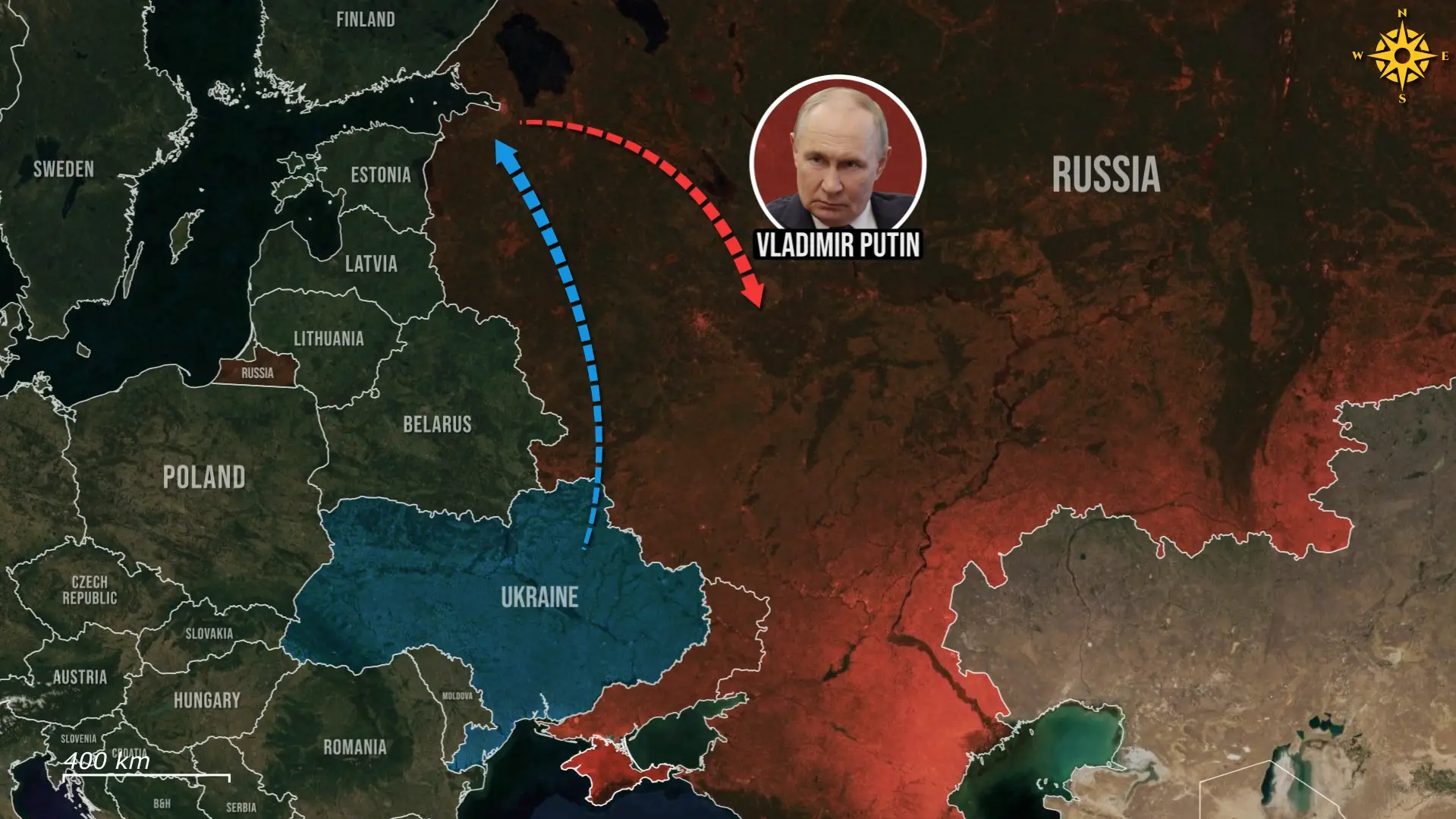
This is a much bigger problem for Putin than it might seem because Putin is terrified of Nato actually joining the war. Notably, Nato would be able to decisively tip the balance of power in Ukraine and shatter any Russian hopes of victory. This is why Russia categorically rejects any post-war security guarantees for Ukraine, which involve Nato membership or Western troop deployment to Ukraine. Based on these Russian demands, it is significant that all this time Nato has been silently sending personnel for training and maintenance assistance to Ukraine. Although they are not participating in combat missions, Russia fears that after a ceasefire, thousands more Nato troops can be deployed as a peacekeeping force, which would force Russia to recalculate its plans and rethink further aggression.
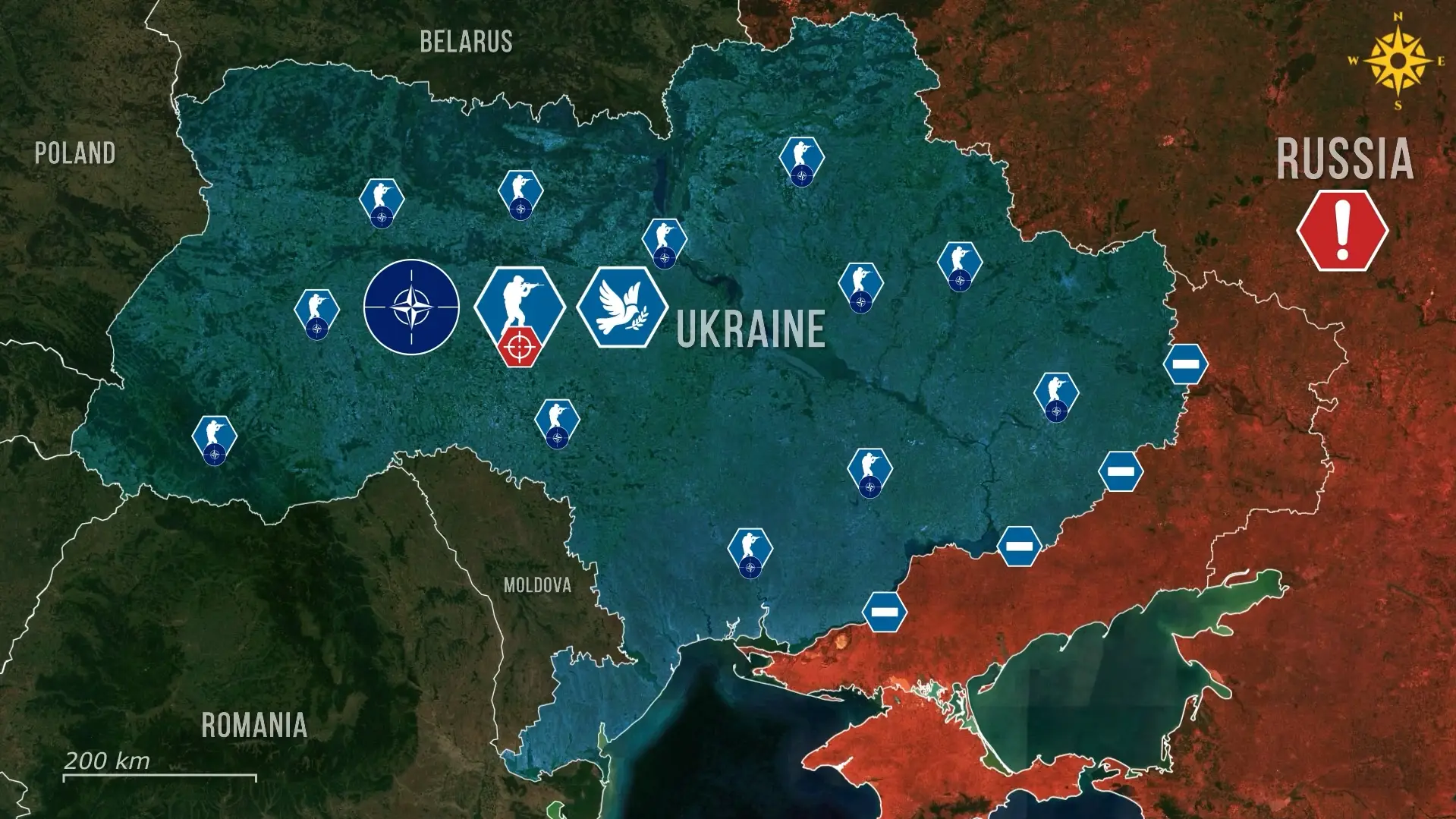
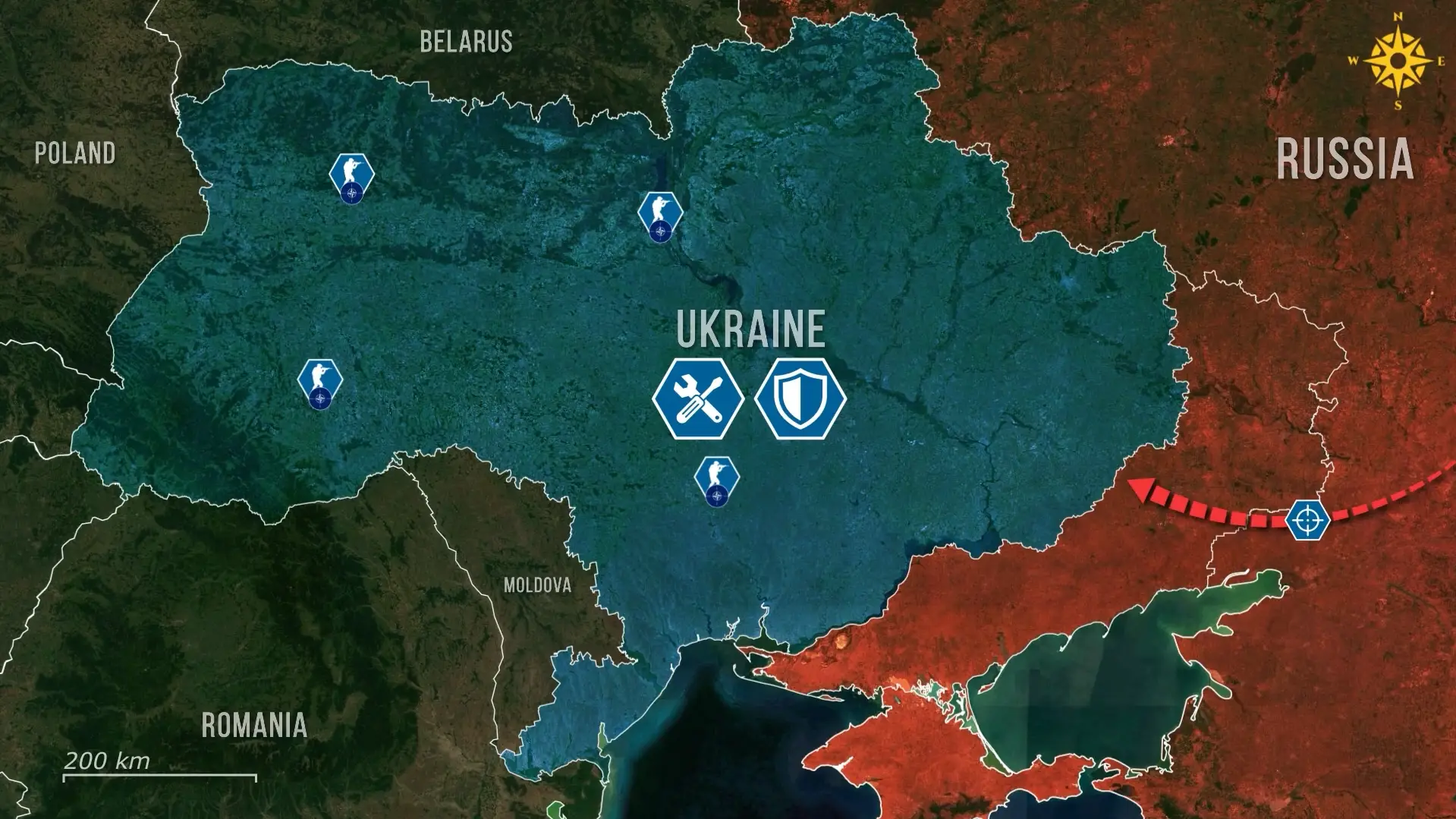
Overall, by quietly building a military presence, Nato countries are gaining firsthand experience, strengthening Ukraine's capabilities, and establishing the foundations for a much larger role if the war ends. For Kyiv, foreign specialists help turn donated weapons into reliable capabilities, rather than equipment sitting idle while crews wait for training or repair. This creates a strategic dilemma for Russia because even without Nato troops fighting today, Russia must consider that renewed aggression after a ceasefire could face a stronger Ukraine, backed by a coalition better prepared to defend it.



Comments